

Employee Retention Starts With Better Work
Employee retention improves when leaders reduce friction, manage psychosocial risks, and create work people can sustain, trust, and grow in over time.
Employee retention improves when leaders reduce friction, manage psychosocial risks, and create work people can sustain, trust, and grow in over time.

An employee wellbeing assessment survey identifies psychosocial risks, leadership gaps, and actions that strengthen performance and retention across teams.

Discover evidence-based strategies to enhance wellbeing at the workplace. Expert guidance for leaders on building healthier, more productive teams.

Discover how to design and deliver effective workplace wellbeing workshops that improve mental health, boost performance, and build resilient teams.

Develop a robust wellbeing guide for your organization. Expert strategies for assessing, implementing, and sustaining workplace mental health.
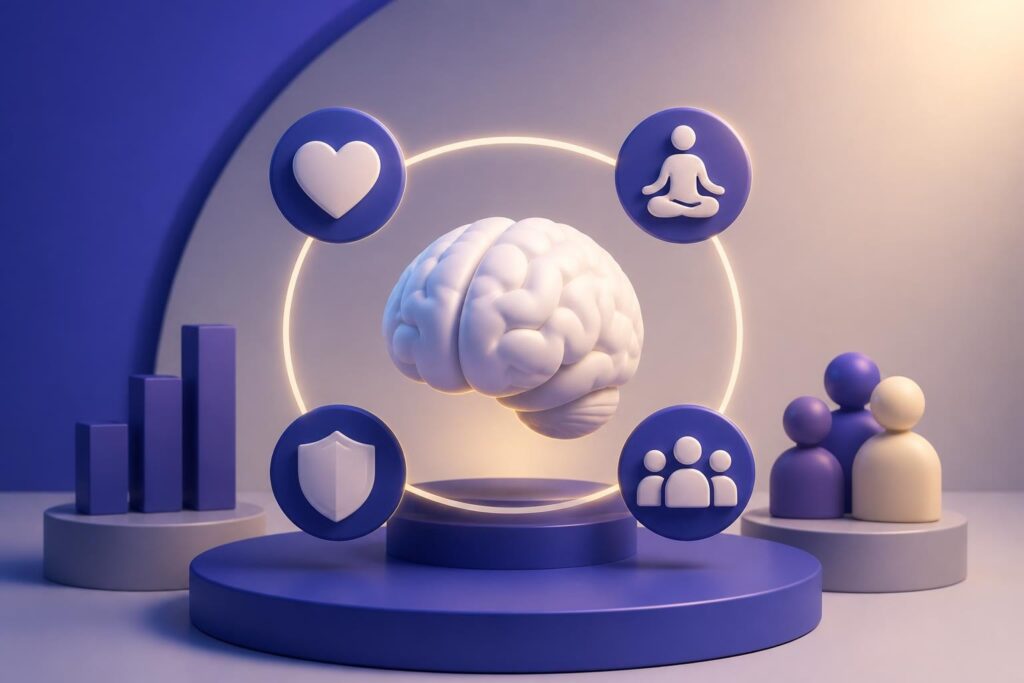
Discover evidence-based strategies for improving mental and emotional wellbeing in workplace settings, with practical tools for leaders and HR teams.

Discover how wellbeing training courses transform workplace culture, reduce burnout, and build resilient teams through evidence-based programs.

Discover how wellbeing training for managers equips leaders with evidence-based skills to support team mental health, reduce absenteeism, and enhance workplace performance.
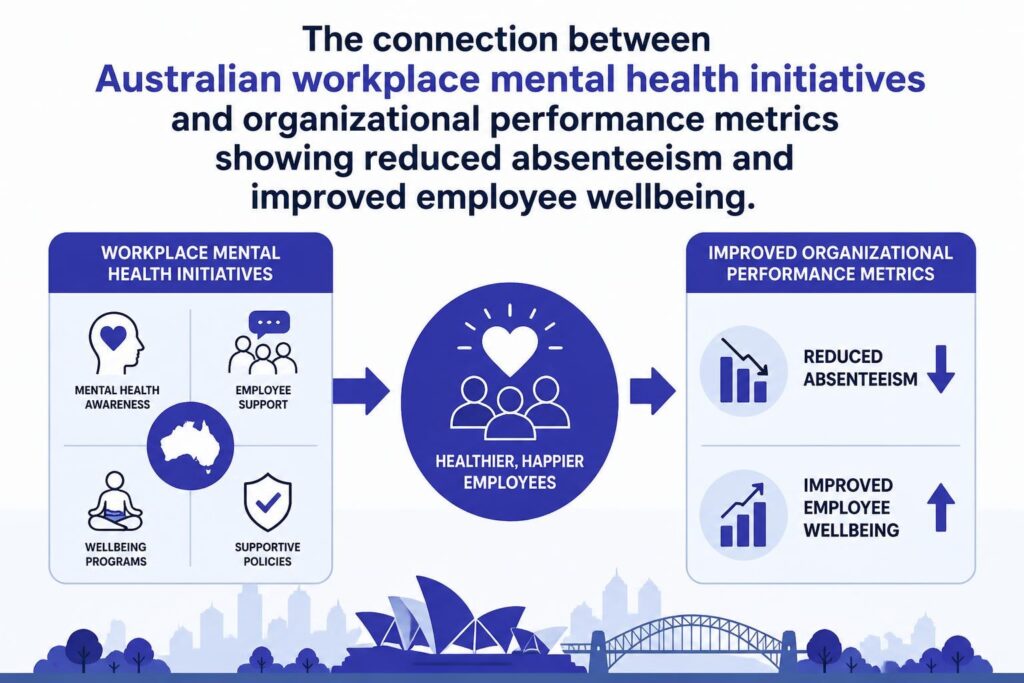
Comprehensive guide to mental health support for Australians in workplaces. Evidence-based strategies for leaders building psychologically safe cultures.
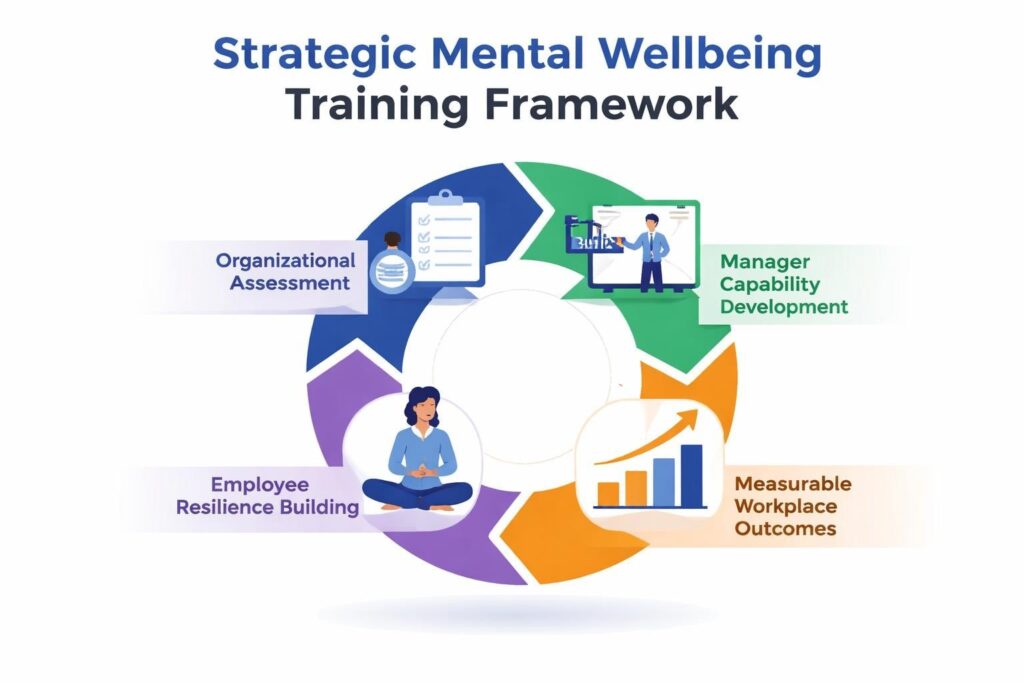
Expert guidance on implementing mental wellbeing training in organizations. Evidence-based strategies for leaders and HR professionals.
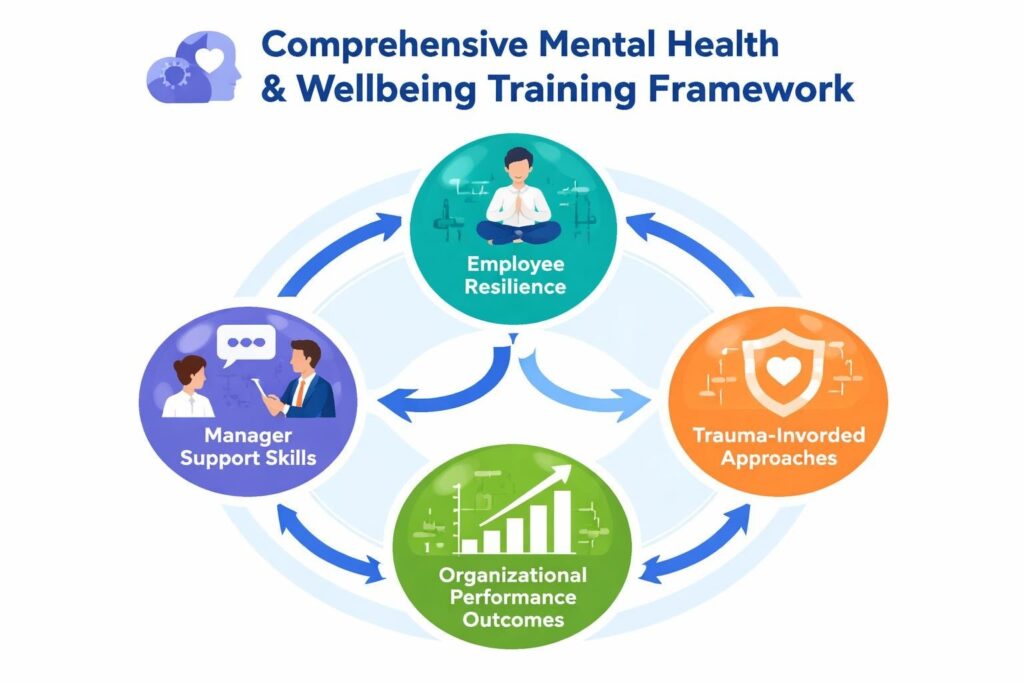
Discover how mental health and wellbeing training transforms workplace culture, reduces absenteeism, and builds resilient teams.
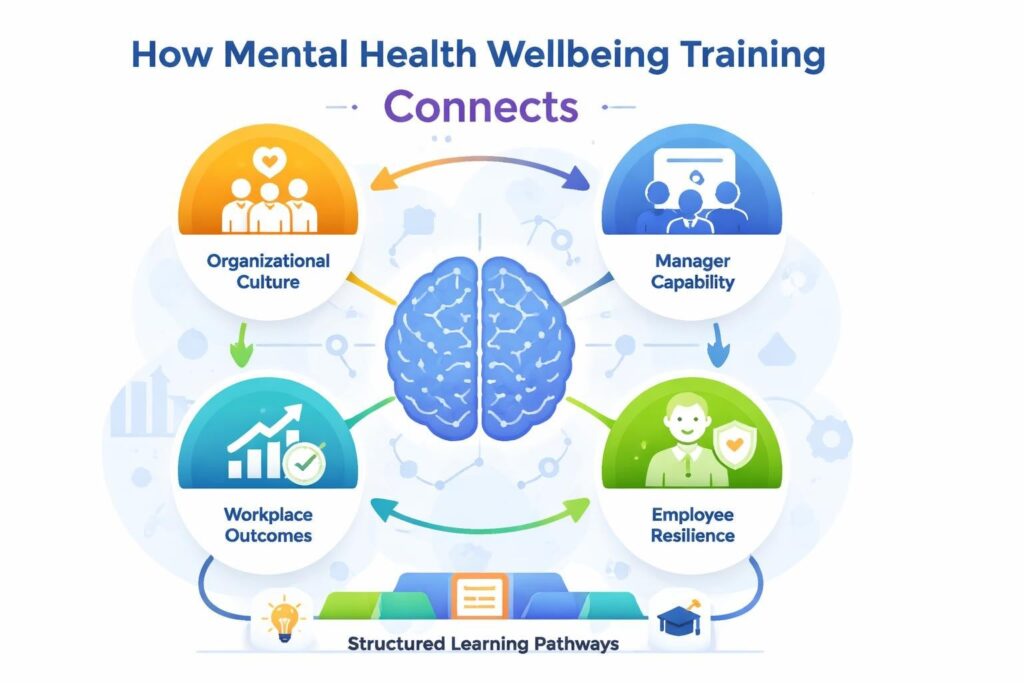
Discover how mental health wellbeing training equips teams with practical skills to support workplace psychological safety and performance.
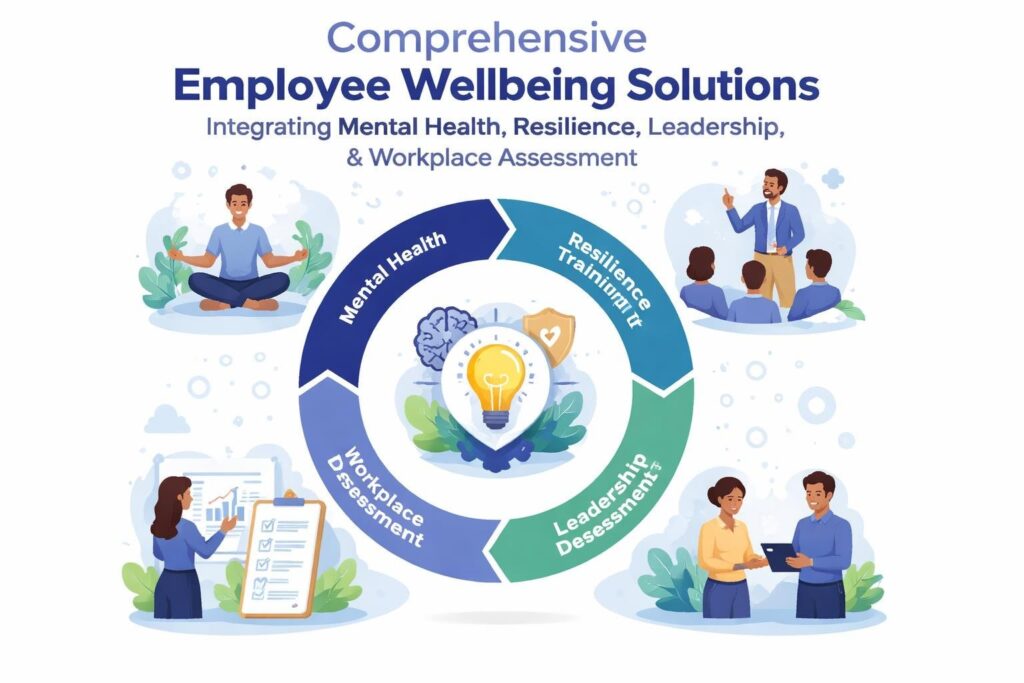
Discover evidence-based employee wellbeing solutions that reduce absenteeism, improve mental health, and drive performance outcomes.

Layoffs keep making headlines, but the real story isn’t about those who leave. It’s about those who stay. Work looks normal again, but underneath, trust and safety are gone. Most companies ignore that part.
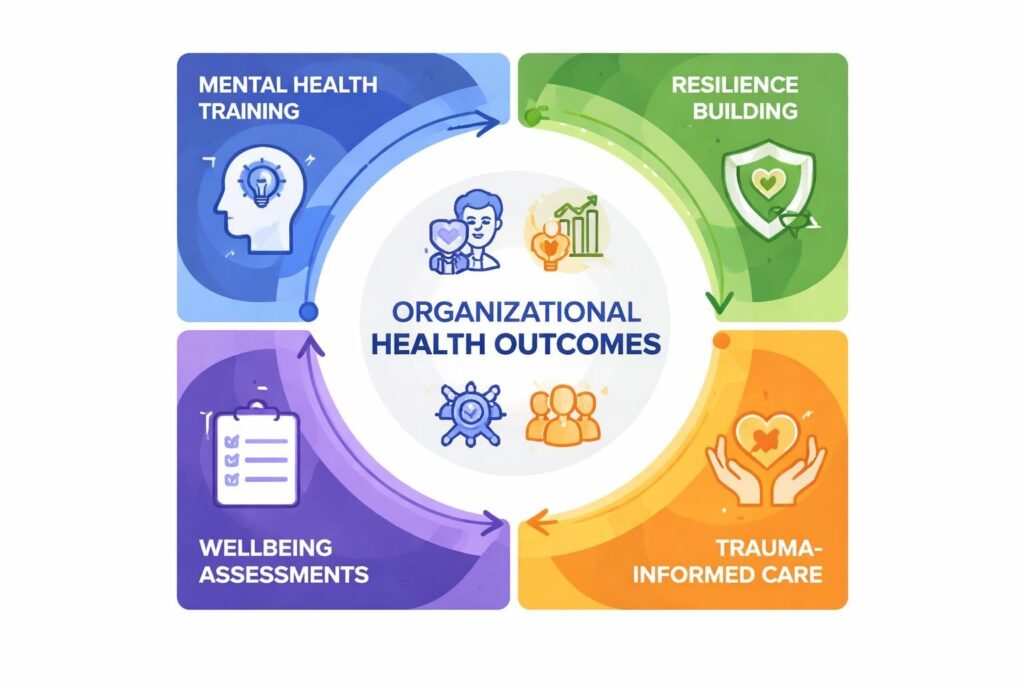
Expert guidance on designing effective workplace wellbeing programs that reduce absenteeism and improve mental health outcomes for organizations.
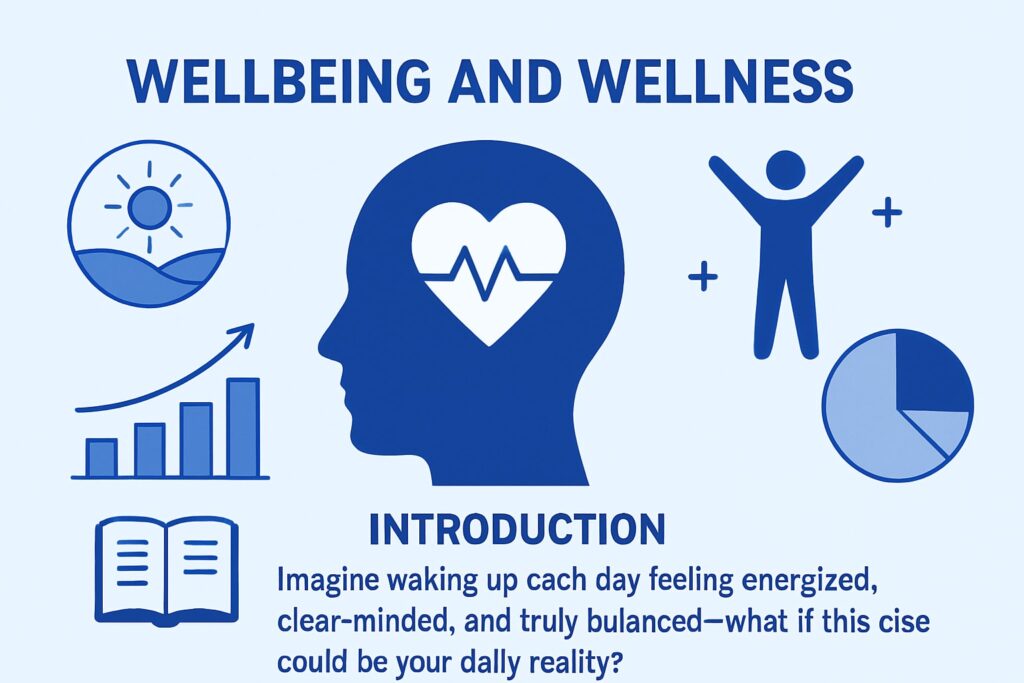
Achieve true balance in 2026 with our wellbeing and wellness guide Discover expert strategies tips and trends for holistic health and lasting equilibrium
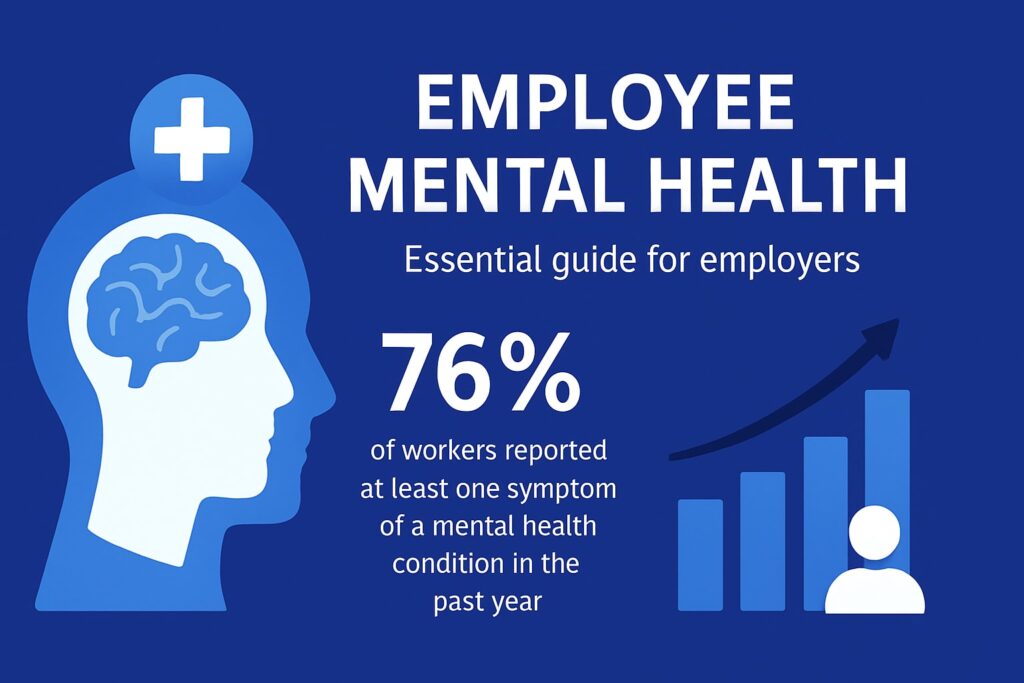
Discover essential strategies for employee mental health. Explore trends, challenges, and solutions to boost wellbeing, productivity, and retention
Unlock essential strategies for mental and emotional well being in 2026 Learn expert tips, proven tools, and actionable insights to boost resilience and happiness
Unlock your workplace success with our staff wellbeing programs guide. Discover proven strategies to boost engagement productivity and retention in your organization

Unlock the latest strategies for a successful employee wellbeing programme with expert insights, proven frameworks, and actionable steps to boost performance in workplaces.