
Imagine waking up every morning with abundant energy, a clear mind, and a genuine sense of balance that carries you through the day. This is not just a dream for a select few—it is an achievable reality with the right approach to wellbeing and wellness.
Did you know that over 70% of adults report feeling out of balance in their daily lives? Wellbeing and wellness go far beyond simply avoiding illness; they encompass nurturing the mind, body, and spirit for a truly fulfilled life.
In this guide, you will discover actionable strategies to transform your wellbeing and wellness journey. From understanding foundational principles to implementing daily habits, each step is designed to help you regain and sustain balance.
Ready to take control of your wellbeing and wellness? Read on for a comprehensive roadmap that will empower you to create lasting harmony in every aspect of your life.
Understanding Wellbeing and Wellness: Foundations for a Balanced Life
Imagine striving for a life where energy, clarity, and fulfillment are the norm. To reach this, it is vital to grasp what wellbeing and wellness truly mean. While often used interchangeably, they have distinct roles. Wellbeing refers to a holistic state of health, happiness, and prosperity. Wellness, on the other hand, describes the active process of making choices that lead to optimal health. Both concepts complement each other, forming the bedrock for a balanced, vibrant life.
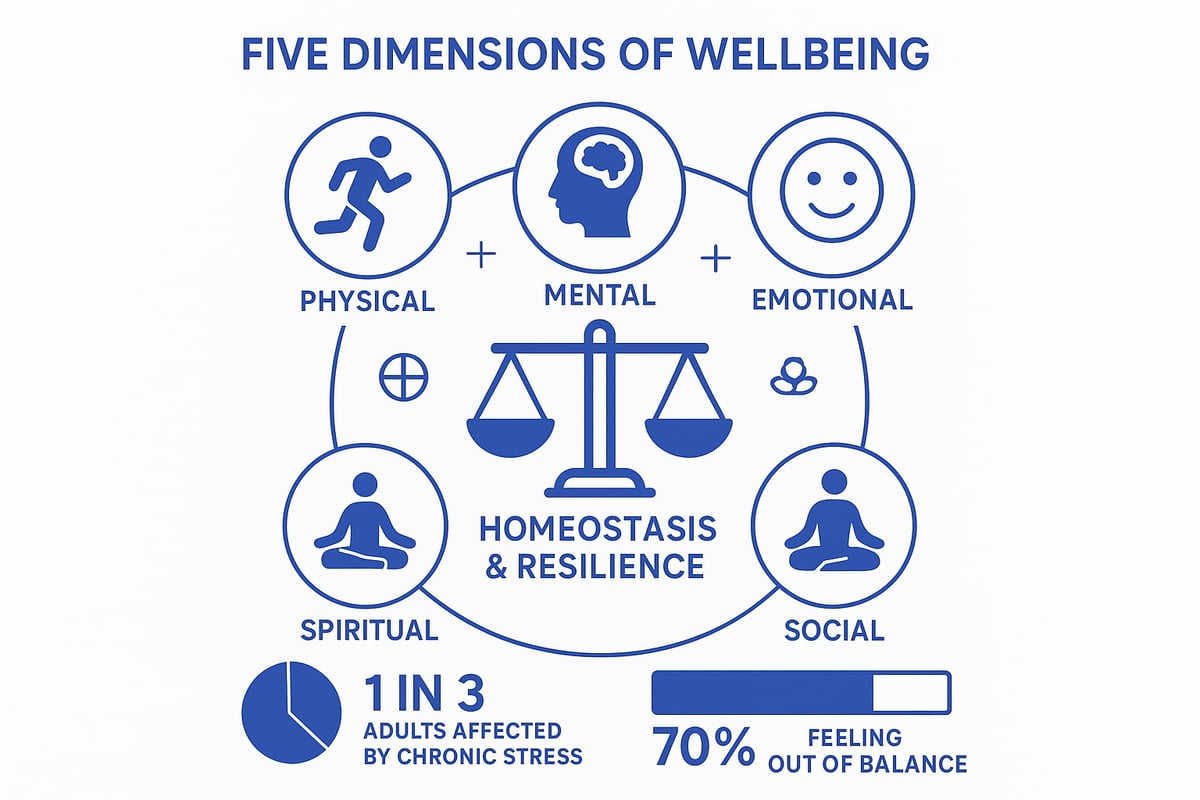
The Five Dimensions of Wellbeing
Wellbeing and wellness encompass five interconnected dimensions that shape overall health:
- Physical: Nutrition, exercise, and sleep.
- Mental: Cognitive health and learning.
- Emotional: Self-regulation and mood stability.
- Social: Relationships and community ties.
- Spiritual: Meaning, values, and purpose.
These pillars do not exist in isolation. For example, chronic stress in one area, such as emotional health, can quickly affect physical or social wellbeing. Research from the World Health Organization indicates that 1 in 3 adults experience chronic stress, impacting every dimension. Addressing each pillar is essential for sustainable wellbeing and wellness. For deeper insight into the mental and emotional aspects, see Mental and Emotional Well-being.
The Science Behind Balance
Balance is more than a feeling, it is a biological process. The body and mind rely on homeostasis, the ability to maintain internal stability despite external changes. When stressors disrupt this equilibrium, resilience becomes crucial. Resilience is the capacity to adapt and recover, restoring wellbeing and wellness after setbacks. Scientific studies show that individuals with higher resilience experience fewer negative effects from stress and recover more quickly.
Recognizing Barriers and Building Self-Awareness
Achieving wellbeing and wellness is not without challenges. Common barriers include societal expectations, technology overload, and information fatigue. These pressures often lead individuals to ignore signals of imbalance. Developing self-awareness is the first step toward recognizing when one or more dimensions are neglected.
Practical strategies include regular self-reflection and journaling. By tuning into physical sensations, emotional shifts, or changes in motivation, it becomes possible to address imbalances early. Awareness empowers proactive choices and lasting change.
Cultural Perspectives and a Real-Life Transformation
Not all cultures define wellbeing and wellness in the same way. In some societies, communal relationships are central, while others emphasize individual achievement or spiritual growth. These cultural nuances shape how people pursue balance.
Consider the story of Alex, who struggled with chronic fatigue and disconnection. By addressing all five dimensions—improving sleep, seeking social support, practicing mindfulness, exploring personal values, and joining a fitness group—Alex transformed daily life. The journey to holistic wellbeing and wellness is unique for everyone, but the foundations remain universal.
The Pillars of Wellbeing: Building Blocks for Lasting Wellness
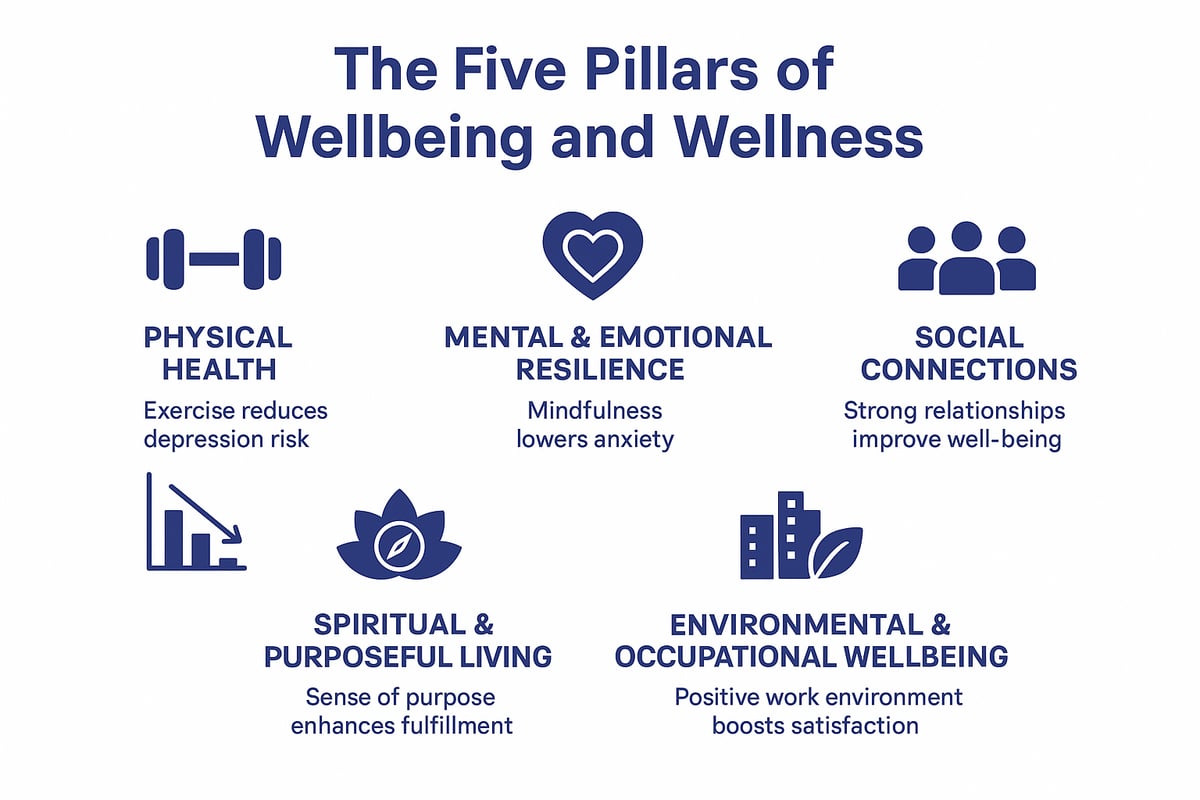
Achieving lasting wellbeing and wellness depends on understanding and nurturing its core pillars. Each element—physical, mental, emotional, social, spiritual, and environmental—plays a unique role in shaping a balanced, fulfilling life. By strengthening these pillars, you create a stable foundation for growth, resilience, and happiness.
Physical Health: Foundation of Wellbeing
Physical health serves as the cornerstone of wellbeing and wellness. Prioritizing quality sleep, balanced nutrition, and regular exercise is essential. Consistent movement not only boosts energy but also helps regulate mood and supports immune function.
Scientific research highlights the direct connection between exercise and mental health. For instance, regular physical activity can lower the risk of depression by 30%, according to Harvard Medical School. Small changes, like taking brisk walks or stretching during breaks, can have a profound impact.
Establishing a morning routine sets a positive tone for the day. Simple habits—drinking water, gentle stretching, or a balanced breakfast—support overall wellbeing and wellness. Even modest improvements to daily routines can lay the groundwork for lasting change.
Mental and Emotional Resilience
Mental and emotional resilience is essential for navigating life’s challenges. Managing stress, anxiety, and emotional swings directly influences wellbeing and wellness. Mindfulness and meditation are powerful tools, proven to reduce symptoms of anxiety by up to 58% per the American Psychological Association.
Incorporating simple practices like journaling or focused breathing can help regulate emotions and foster mental clarity. These techniques cultivate awareness, making it easier to recognize and respond to triggers.
Building resilience requires consistency. By integrating mindfulness into your daily routine, you create a buffer against stress and support overall wellbeing and wellness. Over time, these habits strengthen your capacity to adapt, recover, and thrive.
Social Connections and Community
Strong social connections are vital to wellbeing and wellness. Research shows that a sense of belonging and supportive relationships can predict longevity and overall happiness.
Communities known as Blue Zones, where people live longer and healthier lives, emphasize the importance of regular social interaction. Sharing meals, engaging in group activities, or volunteering all contribute to a richer social life.
Nurturing these bonds not only boosts mood but also provides a safety net during challenging times. Investing in your social wellbeing and wellness leads to deeper fulfillment and resilience.
Spiritual and Purposeful Living
Spirituality and a sense of purpose elevate wellbeing and wellness by providing direction and meaning. Reflecting on personal values, practicing gratitude, and volunteering foster a deeper connection to oneself and the world.
Purposeful living is linked to higher resilience, especially during periods of uncertainty. Simple activities like daily reflection or expressing thanks encourage a mindset of growth and contentment.
By aligning actions with core beliefs, you create a foundation for lasting wellbeing and wellness. This pillar supports both inner peace and outward engagement.
Environmental and Occupational Wellbeing
Your physical surroundings and work environment significantly influence overall wellbeing and wellness. A supportive, organized space can reduce stress and enhance productivity.
In the workplace, fostering wellness is crucial. Strategies such as flexible schedules, ergonomic setups, and open communication channels create healthier environments. For more insights on creating supportive workspaces, explore Wellbeing in the Workplace, which covers practical strategies for occupational wellness.
Making small adjustments—like adding plants, optimizing lighting, or setting boundaries between work and rest—can further enhance wellbeing and wellness. Prioritizing these changes leads to a more balanced and satisfying daily experience.
Step-by-Step Guide to Achieving Personal Balance
Embarking on your journey toward wellbeing and wellness requires a clear, actionable plan. This step-by-step guide provides a structured path to regain and maintain balance in your daily life. By breaking the process into manageable stages, you can address each aspect of wellbeing and wellness with intention and clarity.
Step 1: Self-Assessment and Goal Setting
The first step toward achieving wellbeing and wellness is honest self-reflection. Begin by evaluating your current state across all five dimensions: physical, mental, emotional, social, and spiritual. Use self-assessment tools such as wellness questionnaires or digital apps that help identify areas for improvement.
After identifying gaps, define clear, achievable objectives. The SMART goal framework is highly effective: set goals that are Specific, Measurable, Achievable, Relevant, and Time-bound. For example, instead of aiming to “get healthier,” you might set a goal to “walk 30 minutes every morning for four weeks.”
Regularly reviewing your progress against these benchmarks keeps you focused and motivated. Remember, self-awareness is the foundation of lasting wellbeing and wellness. By understanding where you are and where you want to be, you lay the groundwork for meaningful change.
Step 2: Creating a Personalized Wellness Plan
Once you have clear goals, the next step is to create a personalized plan that integrates every dimension of wellbeing and wellness. Start by mapping out your week with dedicated time for physical activity, mindfulness practices, social interaction, and personal reflection.
A sample weekly wellness planner might include:
| Day | Physical | Mental/Emotional | Social | Spiritual |
|---|---|---|---|---|
| Monday | Walk | Journaling | Call a friend | Meditation |
| Tuesday | Yoga | Reading | Team lunch | Gratitude list |
| … | … | … | … | … |
Balance is key. Avoid overloading any single area. Instead, choose small, consistent actions that fit your lifestyle. Adjust your plan as you discover what works best for you. Personalization ensures that your approach to wellbeing and wellness is both sustainable and enjoyable.
Step 3: Building Sustainable Habits
Developing lasting habits is crucial for maintaining wellbeing and wellness. Research shows it takes, on average, 21 days to establish a new routine. Begin with small, manageable habits linked to existing behaviors, such as meditating right after brushing your teeth or taking a short walk after lunch.
Use the habit loop framework: identify a cue (such as an alarm), follow with a routine (like stretching), and reward yourself (perhaps with a favorite podcast). Tracking your habits with journals or apps increases accountability and helps reinforce positive change.
Remember, setbacks are part of the process. Be patient and celebrate progress, no matter how small. Over time, these micro-actions accumulate, creating a strong foundation for wellbeing and wellness that endures.
Step 4: Tracking Progress and Adjusting
Monitoring your journey is essential for long-term wellbeing and wellness. Use digital wellness trackers, journals, or simple checklists to record your activities and feelings. Reviewing your progress weekly helps identify patterns, celebrate achievements, and spot areas needing adjustment.
If a certain approach is not working, do not hesitate to tweak your plan. Flexibility is vital. Recognize and reward small victories, as they keep motivation high. By staying engaged with your progress, you ensure that wellbeing and wellness remain an active priority in your life.
Step 5: Seeking Support and Resources
No one achieves wellbeing and wellness in isolation. Know when to seek professional help, especially if you face persistent challenges such as chronic stress or burnout. Community resources, online groups, and wellness workshops offer valuable support.
For those struggling with workplace-related stress, consider exploring resources on preventing and managing burnout to strengthen your resilience and maintain balance. Connecting with others who share similar goals can also provide encouragement and accountability.
Remember, reaching out is a sign of strength. Utilizing available resources ensures your journey to wellbeing and wellness is both supported and successful.
Workplace Mental Health Institute: Empowering Organizational Wellbeing
Organizations play a crucial role in promoting wellbeing and wellness. The Workplace Mental Health Institute offers psychologist-led programs designed to reduce absenteeism and foster resilience.

Evidence-based training and resources empower employees to achieve balance, improve mental health, and thrive at work. By prioritizing organizational wellbeing, companies can build stronger, more resilient teams.
Wellness Trends Shaping the Future of Balance
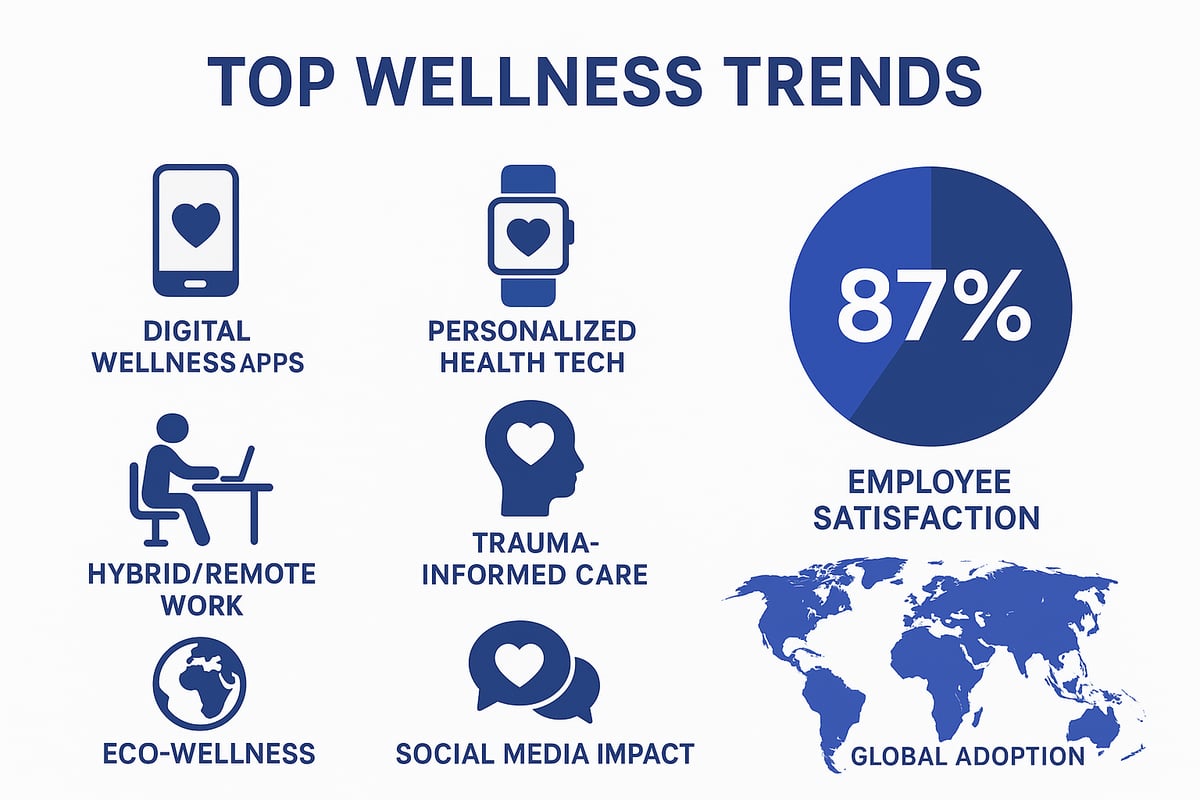
Staying ahead of the curve is essential for anyone seeking true wellbeing and wellness. As global priorities shift, new trends are emerging that redefine how we approach balance in daily life. These developments are shaping everything from how we manage stress to the choices we make at work and home.
Digital Wellness Apps and Personalized Health Tech
Technology is transforming the wellbeing and wellness landscape. Digital wellness apps now offer everything from guided meditation to real-time health data tracking. Wearables and personalized health platforms empower individuals to monitor sleep, nutrition, and stress, making self-care more accessible than ever before. Advances like sensory-driven microinterventions are also gaining traction, using subtle digital cues to promote healthier habits and enhance long-term wellbeing. For a comprehensive look at market shifts and consumer priorities, the 2024 global wellness market trends report highlights how innovation is fueling this sector.
Workplace Wellbeing Initiatives
The modern workplace is rapidly evolving, with organizations recognizing the importance of wellbeing and wellness for employee satisfaction and productivity. Hybrid work models, flexible schedules, and dedicated mental health days are becoming standard. According to the Global Wellness Institute, 87% of employees say that wellness programs increase job satisfaction. Companies now invest in psychologist-led resilience training and evidence-based programs to support staff both on-site and remotely.
Integrative Health: Blending Old and New
A holistic approach is at the forefront of wellbeing and wellness trends. Integrative health combines traditional medical practices with complementary therapies such as mindfulness, acupuncture, and nutrition counseling. This synergy allows individuals to personalize their wellness journey, addressing physical, mental, and emotional needs together. The rise of trauma-informed care also ensures that people receive support sensitive to past experiences, promoting greater resilience and balance.
Sustainability and Eco-Wellness
Environmental awareness is now central to wellbeing and wellness. Consumers are choosing eco-friendly products, seeking nature-based experiences, and supporting businesses with sustainable values. Eco-wellness trends include green office designs, plant-based diets, and spending time outdoors to boost mood and vitality. Virtual reality experiences, like VR forest bathing, are making nature therapy accessible to those in urban environments, offering new ways to reduce stress and promote cognitive health. Learn more about this innovative approach to stress relief in the VR forest bathing for stress relief study.
The Influence of Social Media
Social media plays a dual role in wellbeing and wellness. On one hand, it inspires healthy habits and connects people to supportive communities. On the other, it can lead to comparison fatigue and information overload. Leading companies are now focusing on digital literacy and mindful online engagement, encouraging users to curate positive, balanced feeds.
Table: Key Trends Shaping Wellbeing and Wellness
| Trend | Impact on Wellbeing and Wellness | Example Initiative |
|---|---|---|
| Digital Health Tech | Personalized, real-time self-care | Wellness apps, wearables |
| Workplace Wellbeing | Enhanced job satisfaction, resilience | Flexible work, mental health days |
| Integrative Health | Holistic, tailored care | Mindfulness, acupuncture |
| Eco-Wellness | Environmental and personal vitality | Green offices, forest bathing |
| Social Media Literacy | Community and mental health balance | Digital detox, positive feeds |
Forward-thinking organizations are leading the way by integrating these trends, demonstrating that wellbeing and wellness are achievable goals for individuals and communities alike. By staying informed and embracing innovation, you can shape a future where balance is not just a goal but a way of life.
Practical Tips for Maintaining Your Wellbeing Journey
Staying consistent on your wellbeing and wellness journey requires practical, everyday strategies. These approaches help you maintain balance, build resilience, and foster lasting positive change. Small adjustments in daily habits can lead to significant improvements across all dimensions of wellbeing and wellness.
Daily Micro-Practices for Balance
Integrating micro-practices into your routine is a powerful way to enhance wellbeing and wellness. These small actions require minimal time but offer substantial benefits. For example, start your morning with a five-minute breathing exercise or a gratitude journal entry. A digital detox, even for just ten minutes, can reset your mind and reduce stress.
Consider scheduling short sensory breaks throughout your day. Sensory-driven microinterventions, such as mindful listening or savoring a calming scent, have been shown to quickly restore mental equilibrium. Recent research on sensory-driven microinterventions for health highlights how these simple practices can personalize your approach to wellbeing and wellness.
- Try a 5-minute morning ritual: deep breathing, gentle stretching, or mindful reflection.
- Use a gratitude journal to note three positive moments daily.
- Set a timer for regular screen breaks and step outside for fresh air.
These micro-practices, when repeated, become the foundation of a sustainable wellbeing and wellness lifestyle.
Nutrition and Movement Made Simple
Balanced nutrition and regular movement are cornerstones of wellbeing and wellness. You do not need complicated meal plans or intense exercise routines to see results. Focus on simple, nourishing meals—think colorful vegetables, lean proteins, and whole grains. Preparing meals in advance can save time and help you make healthier choices during busy days.
Movement can be integrated into everyday life without the need for a gym. Take the stairs instead of the elevator, go for a brisk walk at lunch, or try a quick stretching routine between meetings. These habits contribute to your overall wellbeing and wellness by boosting energy, improving mood, and supporting long-term health.
- Plan weekly menus using staple ingredients.
- Prepare snacks like fruit, nuts, or yogurt for easy access.
- Schedule short bursts of activity throughout your day.
Small, consistent changes in nutrition and movement can have a profound effect on your wellbeing and wellness.
Mindfulness and Stress Reduction Techniques
Mindfulness is a proven method for reducing stress and supporting wellbeing and wellness. Just ten minutes of guided meditation or a body scan can lower cortisol levels by 25 percent, helping you feel calmer and more focused. Mindful walking, where you pay attention to each step and breath, is another accessible way to reset your mind.
Journaling about your emotions or practicing deep breathing during stressful moments can help you process challenges more effectively. For those interested in structured approaches, activities like the Best possible self intervention study demonstrate how envisioning your optimal future can enhance both wellbeing and wellness.
- Listen to a short meditation before bed.
- Practice slow, intentional breathing during tense situations.
- Try mindful eating by focusing on flavors, textures, and sensations.
Integrating these mindfulness techniques can transform your daily experience and support your wellbeing and wellness journey.
Building Supportive Relationships
Strong relationships are vital to wellbeing and wellness. Nurture connections by communicating openly and setting healthy boundaries. Make time for regular check-ins with friends or family. Join local groups or volunteer to expand your social network and sense of belonging.
- Schedule weekly calls or meetups with loved ones.
- Practice active listening during conversations.
- Participate in community events or shared interest groups.
Supportive relationships provide encouragement and accountability, reinforcing your wellbeing and wellness goals.
Staying Accountable and Motivated
Maintaining momentum on your wellbeing and wellness journey can be challenging. Use a buddy system, wellness tracking app, or reward yourself for reaching milestones. Participating in group challenges or setting shared goals can keep you inspired and consistent.
- Pair up with a friend for daily check-ins.
- Track progress in a journal or app.
- Celebrate achievements with a small reward.
Regular accountability and motivation help ensure your wellbeing and wellness efforts remain a lasting part of your life.
As you reflect on the key pillars of wellbeing from this guide—whether it’s cultivating resilience, building supportive habits, or finding purpose in your daily routines—remember that lasting balance is a journey, not a one time achievement. If you’re ready to take the next step towards a healthier, more empowered life at work and beyond, the Workplace Mental Health Institute offers resources and expert guidance to support your goals. You deserve a workplace and lifestyle where wellbeing is central. Let’s explore how you can bring positive change to your organization and yourself.
Find Out More

