
Did you know that over 80% of employees now view resilience and wellbeing in the workplace as top priorities for job satisfaction and performance? As organizations face constant change, the need for practical strategies to foster these qualities has never been more urgent.
This guide delivers proven steps and the latest insights to help managers and employees cultivate resilience and wellbeing in the workplace, ensuring teams not only adapt but thrive in 2026.
You will discover how to define and measure resilience, identify key drivers of wellbeing, implement effective programs, and understand the critical role of leadership. We also explore future trends shaping workplace health.
Ready to create lasting positive change? Dive in to unlock actionable strategies for building a resilient, healthy work environment that supports everyone’s success.
Understanding Resilience and Wellbeing in the Modern Workplace
The workplace is evolving rapidly, and so are the concepts of resilience and wellbeing in the workplace. As organizations adapt to hybrid and remote models, the definitions of resilience and wellbeing have broadened. Today, these terms encompass not only the ability to bounce back from setbacks but also proactive support for mental health and adaptability. Post-pandemic, there is a stronger focus on how resilience and wellbeing in the workplace directly influence organizational success. Companies now recognize that supporting mental health and adaptability is essential for thriving in the future of work.

Defining Resilience and Wellbeing in 2026
In 2026, resilience and wellbeing in the workplace are defined by more than just coping skills. They include psychological flexibility, sustained energy, and the capacity to thrive during change. Hybrid and remote work have shifted the focus toward digital connectedness and accessible support systems. Organizations are now integrating mental health, adaptability, and holistic wellness into their core values. This evolution means businesses must foster environments where employees feel safe, valued, and empowered to manage uncertainty. As a result, resilience and wellbeing in the workplace have become critical elements of organizational culture.
The Business Case for Resilience and Wellbeing
Investing in resilience and wellbeing in the workplace is no longer optional but a strategic imperative. According to Deloitte, every $1 invested in employee wellbeing returns $4 in value, driven by reduced absenteeism, higher productivity, and lower turnover. Leading organizations that prioritize resilience and wellbeing in the workplace report measurable improvements in both morale and business outcomes. These companies see increased engagement, stronger retention rates, and improved bottom lines. The evidence is clear: organizations that support wellbeing outperform those that do not, making it a cornerstone of sustainable success.
Key Challenges Facing Workplaces Today
Despite growing awareness, workplaces still face significant challenges related to resilience and wellbeing in the workplace. Rising stress levels, burnout, and mental health issues are prevalent across industries. Remote, hybrid, and frontline workers each encounter unique stressors, from isolation to workload imbalances. Recent data shows that workplace disengagement and stress are at all-time highs. According to the WHO: Mental health at work, poor mental health costs the global economy billions annually, highlighting the urgent need for effective support and prevention strategies.
The Impact on Employee Engagement and Performance
Resilience and wellbeing in the workplace are directly linked to employee engagement, creativity, and collaboration. Gallup research demonstrates that organizations with high levels of wellbeing experience better performance, lower turnover, and greater innovation. Companies with strong resilience scores foster environments where employees are motivated to contribute and solve problems creatively. For example, businesses that invest in resilience and wellbeing in the workplace consistently report higher engagement and improved business outcomes. Prioritizing these factors enables organizations to unlock the full potential of their teams, driving long-term growth and adaptability.
Key Drivers of Workplace Wellbeing
In 2026, organizations are reimagining what it means to prioritize resilience and wellbeing in the workplace. Successful companies recognize that thriving employees are the foundation of innovation and growth. Understanding the key drivers behind workplace wellbeing helps organizations create environments where teams can adapt, collaborate, and excel.

Psychological Safety and Trust
Psychological safety is the belief that one can voice ideas, ask questions, and make mistakes without fear of negative consequences. This sense of security is essential to resilience and wellbeing in the workplace. Research, including Google’s Project Aristotle, shows teams with high psychological safety are more innovative and effective.
Trust within teams fosters open communication and encourages risk-taking, both vital for resilience. Managers play a pivotal role in creating these conditions. For practical assessment, organizations can use the Psychological safety for managers survey to identify strengths and opportunities. Prioritizing psychological safety builds a foundation for lasting wellbeing.
Work-Life Balance and Flexibility
Flexible work arrangements have become a core pillar of resilience and wellbeing in the workplace. Employees today value the ability to manage their schedules, blend remote and on-site work, and maintain boundaries between professional and personal life.
Data shows that flexible models increase productivity and reduce burnout. Major tech firms have embraced hybrid work, reporting higher employee satisfaction and engagement. Encouraging autonomy and supporting balance equips teams to handle challenges with greater resilience, benefiting both individuals and the organization.
Social Connection and Support Systems
Social connection is a powerful driver of resilience and wellbeing in the workplace. Peer support and a sense of belonging reduce feelings of isolation, which can otherwise undermine performance and engagement.
Studies link loneliness to decreased productivity and increased turnover. Companies are addressing this by launching peer mentoring and buddy programs, fostering meaningful connections even in remote settings. By nurturing support systems, organizations help employees thrive, adapt, and remain committed to shared goals.
Recognition, Purpose, and Autonomy
Recognition and a clear sense of purpose elevate resilience and wellbeing in the workplace. Employees who feel valued and understand how their work matters are more motivated and loyal.
Statistics show that meaningful recognition and autonomy drive higher retention rates. Purpose-driven organizations, such as those in the non-profit and tech sectors, report greater employee engagement and creativity. Empowering staff to make decisions and acknowledging their impact strengthens both wellbeing and organizational resilience.
Access to Mental Health Resources and Training
Proactive mental health support is critical for resilience and wellbeing in the workplace. Providing access to resources like Employee Assistance Programs (EAPs) and resilience training reduces stigma and encourages early intervention.
Evidence shows organizations offering regular mental health training see improved employee outcomes and workplace culture. Initiatives such as resilience workshops and confidential counseling give teams tools to manage stress and adapt to change, ensuring sustainable wellbeing for all.
Step-by-Step Guide to Building Resilience and Wellbeing in Your Workplace
Building resilience and wellbeing in the workplace is a continuous journey that requires intentional actions at every level. This guide breaks down the process into eight clear steps, making it practical for leaders and teams to create a thriving environment. Each step is designed to help embed resilience and wellbeing in the workplace culture, ensuring sustainable positive change.
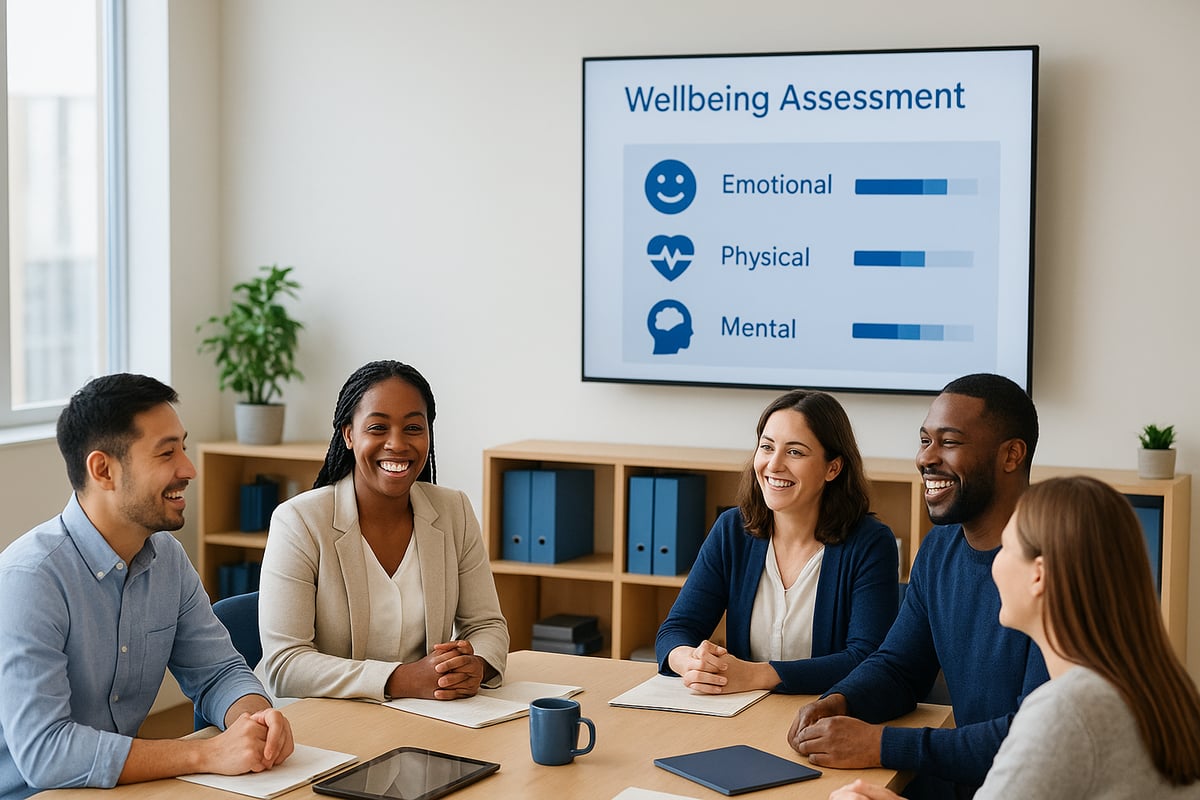
Step 1: Assess Current Wellbeing and Resilience Levels
The first step in building resilience and wellbeing in the workplace is to understand your starting point. Conducting baseline assessments helps organizations identify strengths and areas for improvement. Use anonymous surveys, focus groups, or digital dashboards to collect data on employee mental health, engagement, and overall wellbeing.
Validated frameworks, such as workplace wellbeing assessment tools, provide reliable metrics for tracking progress over time. Gathering this information ensures that interventions are data-driven and tailored to actual needs.
Regular assessment is the foundation for any effective wellbeing strategy.
Step 2: Identify Key Stressors and Risk Factors
After assessment, analyze the data to pinpoint key stressors impacting resilience and wellbeing in the workplace. Common stressors include heavy workloads, rapid changes, lack of clarity, or interpersonal conflicts. These can vary across departments, roles, or work arrangements.
Use stress mapping exercises to visualize where pressures are highest. Engage employees to share insights on pain points and risks. Identifying high-risk groups allows for targeted support.
With clear understanding of stressors, organizations can prioritize resources effectively.
Step 3: Develop a Tailored Wellbeing Strategy
A one-size-fits-all approach rarely works when addressing resilience and wellbeing in the workplace. Develop a strategy based on assessment findings, aligning initiatives with organizational values and goals. Consider the unique needs of remote, hybrid, and on-site teams.
Include input from employees at all levels to ensure buy-in and relevance. Set clear, measurable objectives to guide implementation and track success. Customizing strategies increases engagement and long-term impact.
A well-crafted plan sets the stage for meaningful change.
Step 4: Implement Targeted Interventions and Programs
Turn strategy into action by launching evidence-based programs that directly address resilience and wellbeing in the workplace. Options include mindfulness sessions, coaching, flexible scheduling, and workshops on stress management.
Start with pilot programs to gather feedback and refine interventions. Highlight success stories to build momentum. For example, organizations that offer regular mindfulness workshops report reduced stress and improved focus.
Effective interventions are accessible, inclusive, and adaptable to evolving needs.
Step 5: Foster a Supportive Leadership Culture
Leadership plays a pivotal role in cultivating resilience and wellbeing in the workplace. Leaders set the tone by modeling healthy behaviors, encouraging open dialogue, and supporting team members through challenges.
Train managers to recognize signs of stress, provide constructive feedback, and facilitate conversations about wellbeing. Leadership development programs focused on resilience can empower managers to lead with empathy and clarity.
A supportive culture starts at the top and influences every level of the organization.
Step 6: Promote Ongoing Education and Mental Health Training
Continuous learning is essential for sustaining resilience and wellbeing in the workplace. Offer regular training sessions, webinars, and workshops on mental health topics. Ensure content is relevant, engaging, and accessible to all employees.
Encourage participation through incentives or recognition. Annual workshops on resilience help normalize discussions about mental health, reduce stigma, and equip teams with practical skills for navigating stress.
Ongoing education reinforces a proactive approach to workplace wellbeing.
Step 7: Monitor, Evaluate, and Adjust Initiatives
Monitoring progress is crucial to ensure that resilience and wellbeing in the workplace strategies remain effective. Use feedback loops, regular check-ins, and digital tracking tools to measure outcomes. Analyze data to identify trends, successes, and areas needing adjustment.
Schedule quarterly reviews to evaluate the impact of programs and make necessary changes. Transparent reporting helps maintain accountability and trust across the organization.
Continuous improvement keeps wellbeing initiatives relevant and impactful.
Step 8: Celebrate Successes and Share Stories
Recognition fuels motivation and sustains momentum for resilience and wellbeing in the workplace. Celebrate individual and team achievements through awards, shout-outs, or storytelling campaigns. Sharing success stories inspires others and reinforces positive behaviors.
Create platforms for employees to share their experiences, fostering a sense of belonging and pride. Highlighting progress keeps wellbeing at the forefront of organizational culture.
Celebration turns wellbeing into a shared value and ongoing priority.
The Critical Role of Leadership in Fostering Resilience
Leadership is the cornerstone of resilience and wellbeing in the workplace. When leaders actively prioritize these values, they set a powerful example for their teams. The actions and attitudes of leadership directly influence the emotional climate and performance across all levels of an organization.

Leading by Example: Resilient Leaders
Resilient leaders are essential for embedding resilience and wellbeing in the workplace. Their behavior shapes the organizational culture and signals what is valued most. Research shows that when leaders demonstrate openness about mental health, employees feel safer to do the same.
For example, several CEOs now share their own mental health journeys, fostering trust and transparency. These leaders encourage teams to speak up about stress, seek support, and prioritize self-care. By modeling healthy boundaries and positive coping strategies, leaders inspire others to adopt similar habits.
A resilient leader’s influence can be seen in higher engagement, reduced burnout, and a more adaptable workforce. This ripple effect underscores why leadership commitment is vital for sustaining resilience and wellbeing in the workplace.
Training and Empowering Managers
Empowering managers with the right skills is a key driver for resilience and wellbeing in the workplace. Manager training programs equip leaders to recognize early signs of distress, respond empathetically, and facilitate access to support resources.
Practical workshops and ongoing education, such as those outlined in Building resilience at work strategies, help managers develop confidence in supporting team wellbeing. These sessions cover:
- How to identify stressors and intervene early
- Communication techniques for sensitive conversations
- Building trust and psychological safety
Organizations that invest in manager training report improved morale, stronger team cohesion, and lower absenteeism. This proactive approach ensures that resilience and wellbeing in the workplace remain top priorities.
Creating Open Channels for Communication
Transparent and supportive communication is fundamental to resilience and wellbeing in the workplace. Leaders who foster open dialogue enable employees to share concerns, ask questions, and offer feedback without fear of judgment.
Regular check-ins, open forums, and anonymous surveys are practical ways to maintain this flow of communication. These initiatives:
- Build trust across teams
- Allow early identification of emerging issues
- Encourage collaborative problem-solving
When employees feel heard and valued, they are more likely to stay engaged and contribute to a positive workplace environment. This sense of psychological safety is crucial for resilience and wellbeing in the workplace.
Addressing Stigma and Promoting Inclusivity
Reducing mental health stigma is essential for embedding resilience and wellbeing in the workplace. Leaders play a pivotal role by normalizing conversations around mental health and promoting inclusivity for all team members.
Tactics include:
- Appointing mental health champions or peer advocates
- Offering training on diversity and inclusion
- Celebrating different perspectives and backgrounds
Inclusive approaches ensure everyone feels respected and supported, regardless of their role or background. This commitment not only reduces stigma but also strengthens the overall culture of resilience and wellbeing in the workplace.
Practical Tools, Resources, and Programs for Workplace Wellbeing
As organizations look ahead to 2026, practical solutions for resilience and wellbeing in the workplace are more important than ever. Today’s workforce expects accessible resources, digital support, and ongoing opportunities to build resilience and wellbeing in the workplace. Below, we highlight the most effective tools and programs that organizations are adopting to support employee mental health and productivity.
Digital Tools and Apps for Resilience
Digital platforms have revolutionized resilience and wellbeing in the workplace by offering employees accessible support whenever they need it. Popular apps provide meditation exercises, stress tracking, and peer support. Wearable devices can monitor stress levels, encouraging proactive self-care. Adoption rates for these tools have surged, with organizations seeing measurable improvements in employee wellbeing and engagement.
A recent BMC Public Health: Resilience-based interventions in the public sector workplace review found digital interventions can effectively boost resilience and wellbeing in the workplace, especially when tailored to organizational needs. Choosing tools that align with your culture ensures higher engagement and better outcomes.
Employee Assistance Programs (EAPs) and Peer Support
Employee Assistance Programs remain a cornerstone for resilience and wellbeing in the workplace. EAPs offer confidential counseling, crisis intervention, and referrals, helping employees manage stress and mental health challenges. Many organizations also foster peer support networks, which create safe spaces for sharing and mutual encouragement.
EAP usage statistics show that when these programs are well-promoted, participation increases and absenteeism drops. Peer mentoring programs further strengthen resilience and wellbeing in the workplace, enhancing social connection and reducing stigma. A combination of professional assistance and peer support builds a stronger safety net for all employees.
Online Courses and Ongoing Training
Continuous learning is vital for resilience and wellbeing in the workplace. Online courses provide flexible, accessible training that helps employees build coping skills, manage stress, and foster positive mindsets. The Workplace Mental Health Institute’s online courses for resilience and wellbeing are designed to fit around busy work schedules and offer practical, evidence-based strategies.
Organizations that invest in ongoing education report higher engagement and lower turnover. Regular training sessions ensure that resilience and wellbeing in the workplace are embedded into the culture, equipping teams to adapt to change and thrive in evolving environments.
Curated Content, Workshops, and Community Initiatives
In-person and virtual workshops, curated content, and community events play a critical role in resilience and wellbeing in the workplace. Interactive workshops and webinars provide hands-on learning, while curated resources keep employees informed about the latest strategies and research.
Successful organizations often run internal storytelling campaigns, host expert-led discussions, and create community initiatives that foster belonging. Engagement statistics from these programs show increased morale and collaboration. Investing in diverse, inclusive events ensures everyone benefits from resilience and wellbeing in the workplace initiatives.
Future Trends: Resilience and Wellbeing in the Workplace Beyond 2026
As organizations look beyond 2026, resilience and wellbeing in the workplace are rapidly evolving to meet new demands. Emerging technologies, shifting work models, and global policy changes are shaping how businesses support employee mental health. Staying ahead of these trends is essential for leaders who want to build strong, healthy teams prepared for future challenges.
The Rise of AI and Digital Wellbeing Solutions
Artificial intelligence is transforming resilience and wellbeing in the workplace by offering accessible, real-time support. AI-powered mental health chatbots, digital wellness platforms, and automated stress detection tools are becoming standard. These solutions provide instant guidance, personalized check-ins, and early intervention for employees.
Key benefits include:
- 24/7 access to support, regardless of location
- Data-driven insights for HR and leaders
- Scalable mental health resources for global teams
However, organizations must also address privacy and ethical concerns as AI adoption grows. Investing in transparent, secure digital wellbeing tools will help companies maintain trust and protect employee data.
Personalization and Data-Driven Approaches
Personalized wellbeing programs are gaining momentum, using analytics and wearable tech to tailor support to individual needs. This approach allows for targeted interventions, such as stress management plans or custom learning modules, improving engagement and outcomes.
Recent research highlights the importance of evidence-based interventions as businesses seek what truly works for resilience and wellbeing in the workplace. For example, the Wellcome: Understanding what works for workplace mental health report emphasizes the need for ongoing evaluation and data-driven strategies.
Wearable devices now track sleep, activity, and mood, providing real-time feedback for both employees and managers. This data enables organizations to refine wellbeing initiatives and support staff more effectively.
The Evolving Role of Hybrid and Remote Work
The shift to hybrid and remote models continues to reshape resilience and wellbeing in the workplace. Flexible arrangements offer greater autonomy, but also present challenges, such as digital fatigue, isolation, and maintaining team cohesion.
To address these issues, leading companies are:
- Implementing virtual wellness programs
- Hosting regular online check-ins and social events
- Providing resources for remote mental health support
Long-term success depends on developing robust strategies that empower distributed teams. Proactive communication and digital collaboration tools will remain essential for sustaining wellbeing as work patterns evolve.
Policy, Regulation, and the Global Wellbeing Agenda
Governments and industry bodies are advancing new standards to prioritize resilience and wellbeing in the workplace. Countries like Australia are leading with comprehensive workplace mental health regulations, setting benchmarks for others to follow.
Key policy trends include:
- Mandating mental health risk assessments
- Requiring access to support programs
- Promoting inclusive, stigma-free environments
Global organizations are aligning with these standards to create safer, healthier workplaces. As regulations evolve, companies must stay informed and adapt quickly to meet both legal and ethical obligations, ensuring the wellbeing of their workforce.
As you’ve seen throughout this guide, building resilience and wellbeing in your workplace isn’t just a trend—it’s a strategic advantage for thriving in 2026 and beyond. By understanding what drives wellbeing, taking practical steps for improvement, and equipping both leaders and teams with the right tools, you can create a healthier, more productive environment for everyone. If you’re ready to explore tailored solutions, gain deeper insights, or discover programs that fit your organization’s unique needs, I invite you to Find Out More about how the Workplace Mental Health Institute can help you take the next step.

