
Did you know that more than 76% of workers have experienced at least one symptom of a mental health condition recently? The impact of employee mental health now reaches every level of organizational performance, shaping safety, productivity, and culture.
This essential guide equips leaders and HR professionals to address employee mental health proactively. Discover the latest trends, sector-specific challenges, and evidence-based strategies transforming workplace wellbeing. Ready to build a healthier, safer, and more resilient workforce? Let’s get started.
Understanding Employee Mental Health: Definitions, Scope, and Impact
Employee mental health is a foundational aspect of every organization’s success. It shapes how people feel, interact, and perform at work. Understanding its meaning, scope, and impact helps leaders create safer, healthier, and more productive workplaces.
What Is Employee Mental Health?
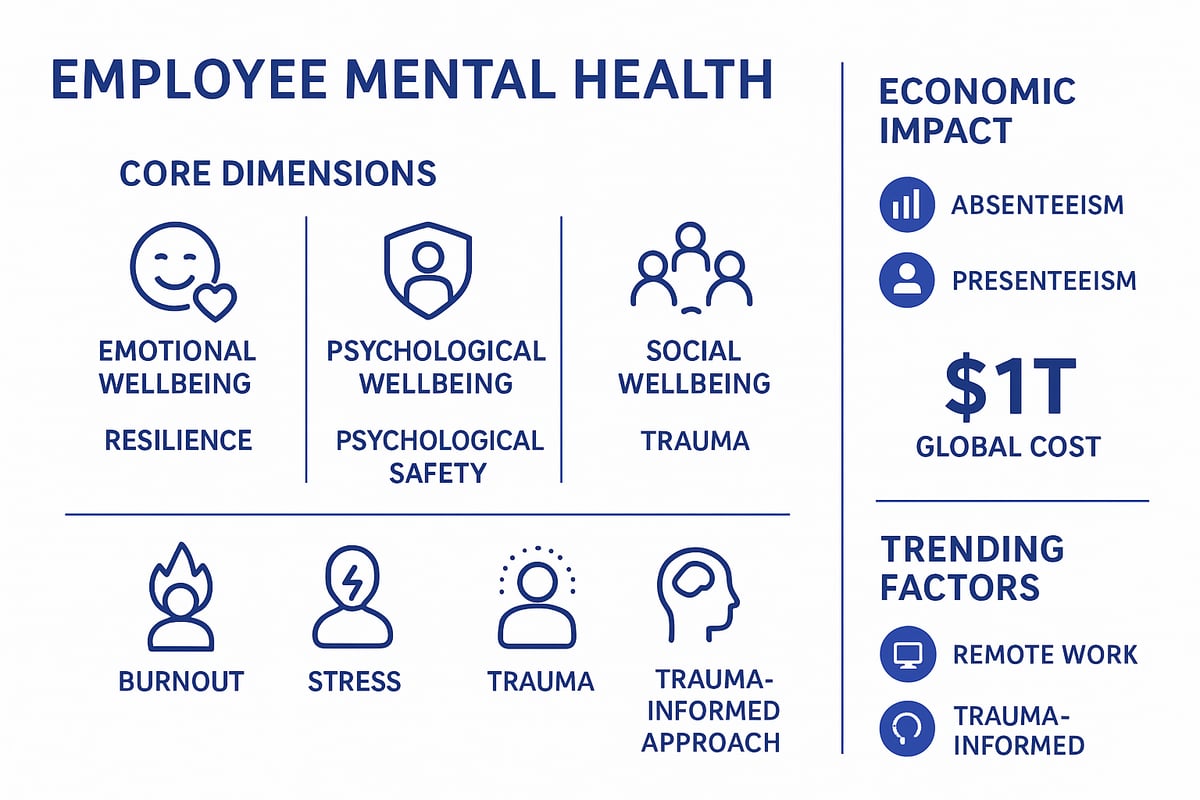
Employee mental health refers to the emotional, psychological, and social wellbeing of individuals in the workplace. It encompasses more than just the absence of mental illness. It includes the ability to handle stress, build resilience, sustain positive relationships, and remain productive at work.
Key terms often associated with employee mental health include psychological safety, burnout, trauma, and stress. Psychological safety allows employees to express concerns without fear. Burnout and trauma can negatively affect engagement and performance, while strong coping skills foster wellbeing.
Why Mental Health Matters at Work
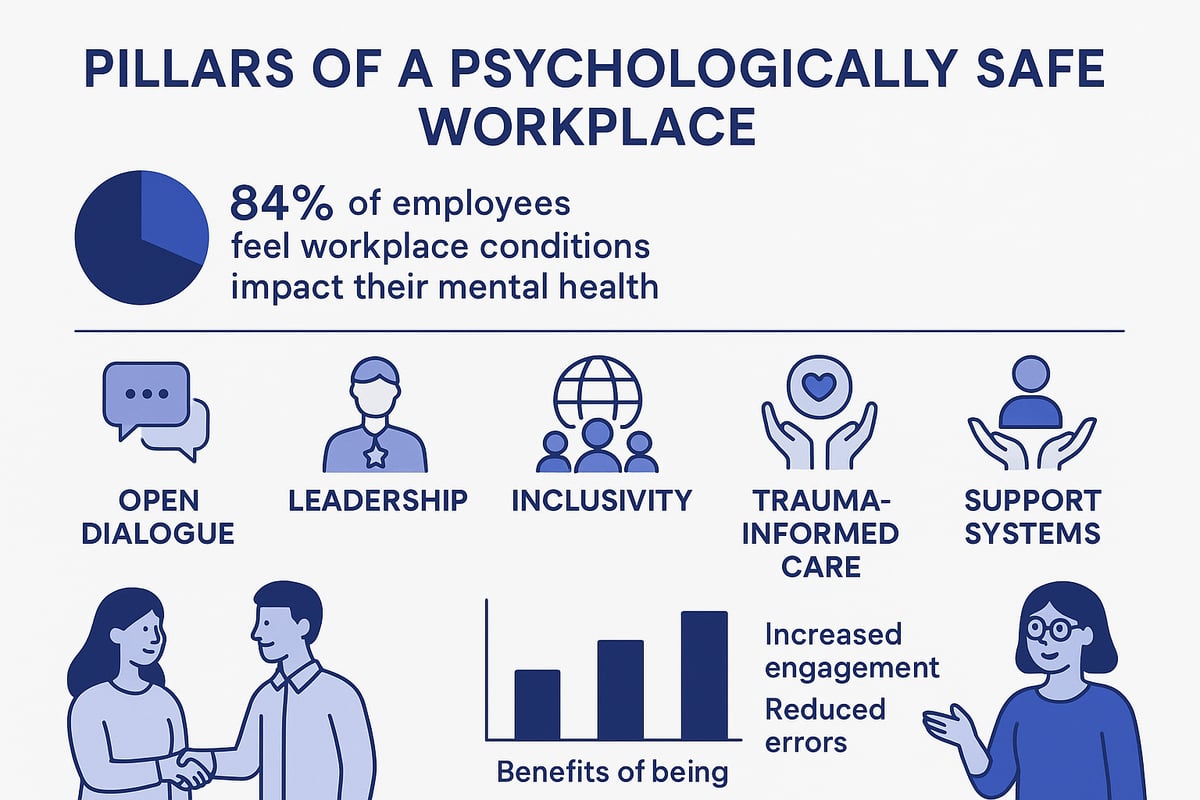
The importance of employee mental health at work cannot be overstated. Today, 84% of employees say workplace conditions harm their mental wellbeing. Issues like stress, anxiety, and depression lead to both absenteeism and presenteeism, reducing overall productivity.
The economic toll is staggering. Depression and anxiety alone cost over 1 trillion dollars annually in lost productivity worldwide. Addressing employee mental health is essential for reducing these losses and improving workplace outcomes.
The Broader Impact on Organizations
Unaddressed employee mental health challenges increase turnover, drive up health care costs, and raise the risk of errors and injuries. For example, 13% of workplace injuries are linked to sleep difficulties, and 85% of workers report symptoms of burnout.
Organizations also see impacts on morale, job satisfaction, and retention. When employee mental health is prioritized, teams become more engaged and less likely to leave, supporting a stronger workplace culture.
Current Trends and Data (2024-2026)
Employee mental health has gained greater visibility, especially since the pandemic. Shifting work norms, such as remote and hybrid models, affect how employees experience stress and isolation. There is a growing focus on trauma-informed and inclusive approaches to address evolving risks.
More organizations recognize the value of supporting employee mental health proactively. These trends are shaping policies, programs, and leadership strategies across industries.
The Business Case for Mental Health Investment
Investing in employee mental health delivers measurable results. For every dollar spent on behavioral health services, companies see an average return of $2.30. This comes from reduced medical claims, fewer absences, and improved performance.
A strong mental health strategy also strengthens workplace culture. It signals that employee wellbeing is a priority, helping attract and retain top talent. The evidence is clear: organizations that invest in employee mental health thrive.
Key Challenges Facing Employee Mental Health Today
Addressing employee mental health presents a complex landscape for organizations. Multiple, interconnected challenges impact individuals and teams, shaping productivity, safety, and overall workplace culture. Understanding these obstacles is essential for leaders committed to creating supportive environments.
Workplace Stressors and Psychosocial Hazards
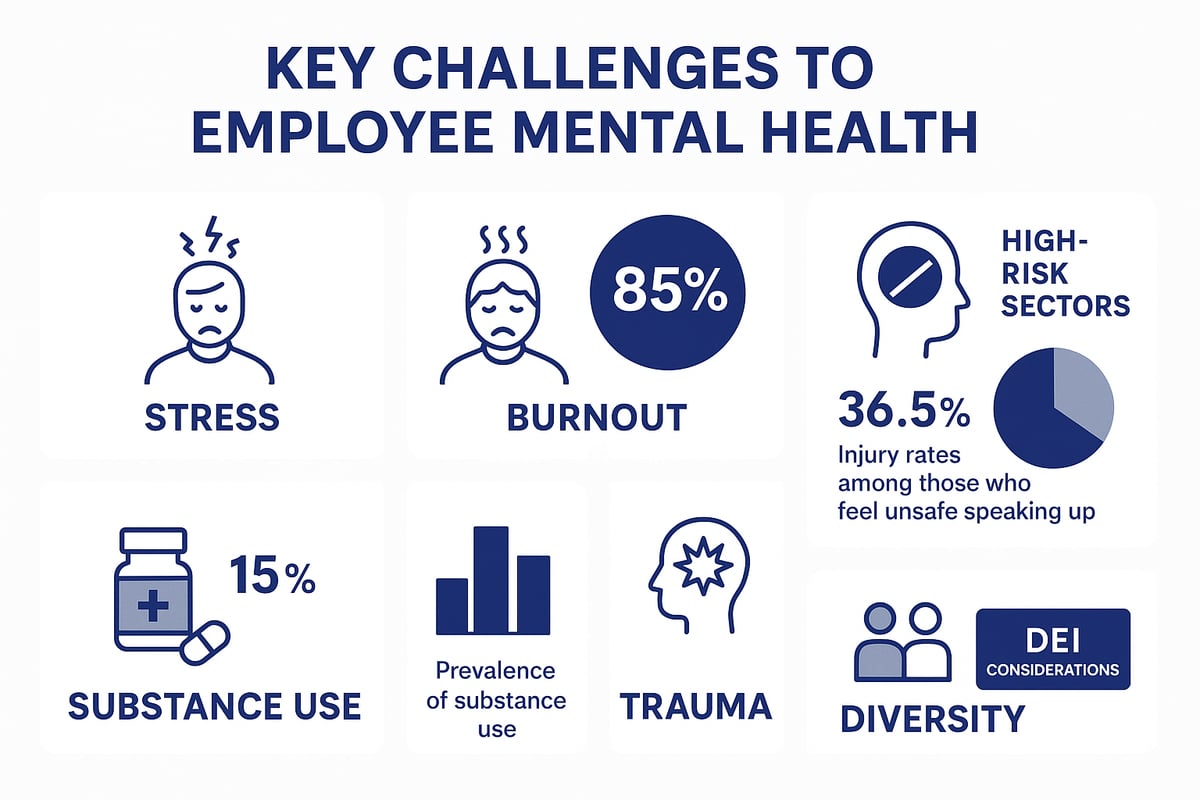
Employee mental health is deeply influenced by day-to-day workplace realities. High stress, extended hours, and unrealistic demands create persistent strain. Job insecurity, rapid change, and pressure to perform add layers of anxiety.
Digital overload is a rising concern, particularly in remote and hybrid environments. Constant connectivity blurs the boundaries between work and personal life. Sectors like construction, manufacturing, and transportation face elevated risks due to physical demands, shift work, and production pressures.
Workplace stressors can lead to disengagement, higher error rates, and increased absenteeism. Organizations that proactively address these hazards see marked improvements in employee mental health and overall safety.
Burnout, Fatigue, and Exhaustion
Burnout has become a defining issue for employee mental health. Surveys reveal that 85 percent of workers report symptoms of exhaustion or burnout. Chronic fatigue, disrupted sleep, and anxiety erode focus and motivation.
This cycle reduces safety, with impaired decision-making and mistakes more likely to occur. The risk is especially pronounced in high-pressure roles and environments with limited support. Addressing burnout requires targeted action, including clear boundaries, regular breaks, and access to mental health resources.
For practical strategies, organizations can explore Preventing Workplace Burnout to implement effective interventions and foster a culture of resilience.
Stigma and Barriers to Support
Stigma remains a major barrier to improving employee mental health. Many individuals hesitate to share concerns, fearing negative consequences or judgment. This reluctance is amplified in workplaces lacking psychological safety.
When employees do not feel safe to speak up, hazards and distress often go unreported. According to research, workers who feel unsafe are significantly more likely to experience injuries. Overcoming stigma involves open dialogue, visible leadership support, and policies that protect confidentiality.
Promoting a culture where mental health is openly discussed helps reduce barriers and encourages early intervention.
Substance Use and Co-Occurring Disorders
Substance use is closely linked to employee mental health challenges. More than one-third of adults with mental illness also face a substance use disorder. Industries such as construction report opioid and alcohol use rates twice the national average.
These patterns increase absenteeism, contribute to accidents, and drive up healthcare costs. Co-occurring disorders complicate recovery and require coordinated support. Employers can make a difference by offering confidential assistance, destigmatizing help-seeking, and providing education on substance use risks.
Addressing this issue holistically strengthens employee mental health and organizational resilience.
Trauma and Its Lasting Effects
Workplace trauma, whether from accidents, harassment, or chronic stress, leaves lasting impacts on employee mental health. Trauma can affect concentration, relationships, and overall performance.
Trauma-informed approaches are gaining recognition as essential in supporting recovery and preventing re-traumatization. Integrating trauma awareness into policies, training, and leadership practices helps create safer environments.
Organizations that take trauma seriously see improvements in morale and retention, while reducing the risk of long-term psychological harm.
Diversity, Equity, and Inclusion (DEI) Considerations
Effective employee mental health strategies must account for diversity, equity, and inclusion. Marginalized groups often face disparities in access to care and support. Cultural stigma, language barriers, and lack of representation can hinder engagement.
Inclusive policies ensure resources are accessible to all employees, regardless of background. Providing multilingual materials, flexible support options, and culturally competent care removes barriers.
Commitment to DEI fosters a sense of belonging and enhances the overall effectiveness of employee mental health initiatives.
Sector-Specific Mental Health Risks and Solutions
Work environments shape employee mental health in unique ways across industries. Understanding these sector-specific risks enables organizations to design targeted, effective support strategies. Let us examine how different sectors face distinct challenges and what solutions drive positive change for employee mental health.
Construction Industry
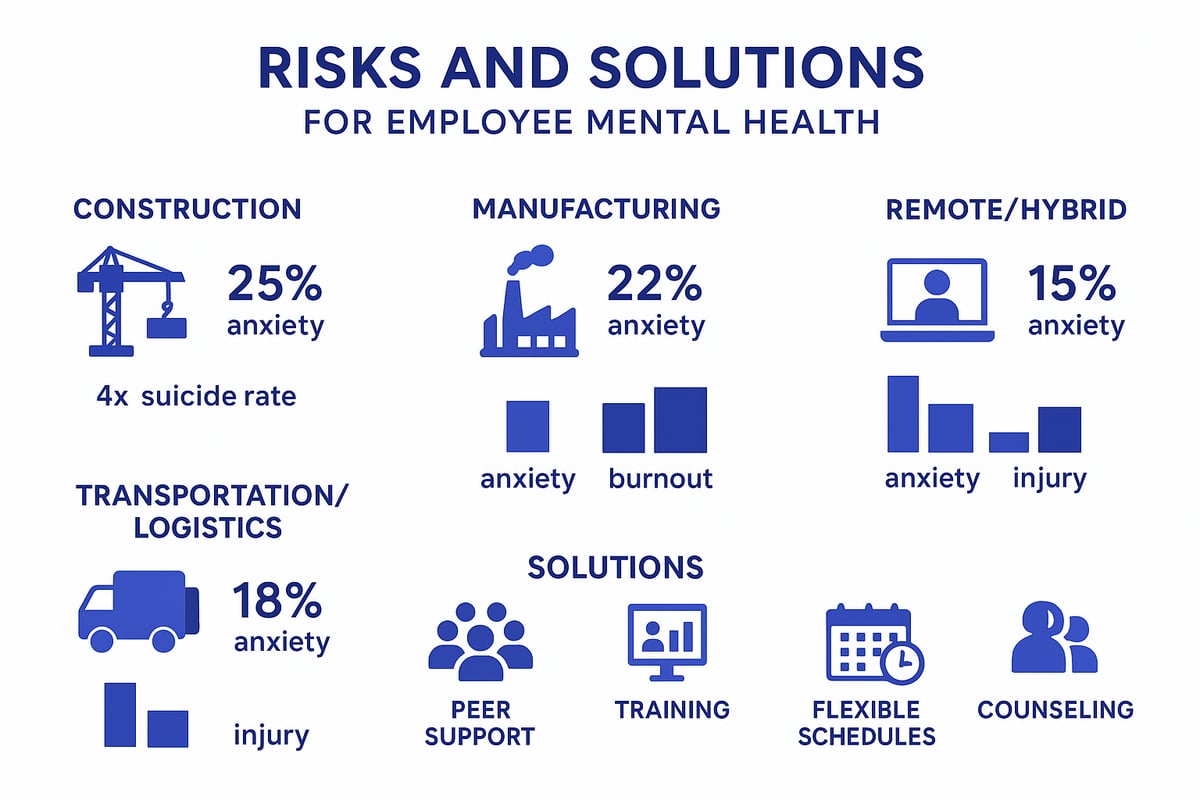
The construction industry faces some of the most urgent employee mental health challenges. Over 25 percent of workers report monthly anxiety. The suicide rate is four times higher than in the general population, reflecting deep-rooted pressures.
Long hours, chronic physical pain, and a "tough guy" culture heighten risk. Many workers hesitate to seek help, fearing stigma or job loss. Effective solutions include peer support programs, targeted mental health training, and education for supervisors to spot warning signs. These interventions foster a culture where employee mental health is prioritized and help-seeking is normalized.
Manufacturing Sector
For manufacturing, employee mental health risks stem from repetitive tasks, frequent shift work, and relentless production demands. Around 8.6 percent of employees experience anxiety or insomnia, which can lead to increased error rates and on-the-job injuries.
Strategies to address these risks include ergonomic improvements, designated mental health days, and trauma-informed leadership. By building supportive environments, manufacturers can reduce burnout and improve job satisfaction. Prioritizing employee mental health also enhances safety and productivity on the factory floor.
Transportation and Logistics
Employee mental health in transportation and logistics is shaped by isolation, unpredictable hours, and high stress. Nearly 27 percent of drivers report depression, while 15 percent experience anxiety. Substance misuse is a growing concern due to the pressures of the job.
Best practices include regular check-ins with staff, accessible counseling services, and structured fatigue management programs. These supports not only improve employee mental health but also reduce accidents and absenteeism.
Remote and Hybrid Workforces
Remote and hybrid workforces encounter unique employee mental health risks, including digital fatigue, social isolation, and blurred boundaries between work and home. Without clear routines, employees may find it harder to disconnect and recharge.
Organizations can support employee mental health by offering virtual support groups, maintaining transparent communication, and providing flexible schedules. Encouraging regular breaks and fostering a sense of community help remote workers manage stress and maintain wellbeing.
Other High-Risk Sectors (Healthcare, Education, Emergency Services)
Healthcare, education, and emergency services confront especially high emotional demands. Compassion fatigue, vicarious trauma, and exposure to critical incidents are common. These factors can erode employee mental health and job performance.
Tailored solutions include resilience training, structured debriefing sessions, and accessible counseling. Integrating trauma-informed care in the workplace is increasingly recognized as essential for supporting employee mental health in these sectors. When organizations prioritize psychological safety and equip staff with coping strategies, they see improved retention and a healthier workforce.
Building a Culture of Psychological Safety and Support
Creating a workplace where employee mental health thrives begins with a foundation of psychological safety and genuine support. When organizations prioritize mental wellbeing, employees feel empowered to bring their whole selves to work, speak up about challenges, and contribute their best ideas. This section explores the essential elements needed to foster a culture that protects, values, and uplifts employee mental health.
Foundations of Psychological Safety
Psychological safety is the bedrock of employee mental health. It means employees feel secure expressing ideas, reporting hazards, and seeking help without fear of blame or retaliation. Organizations with strong psychological safety see higher engagement and fewer mistakes.
Research shows teams with psychological safety report more hazards and experience fewer injuries. Leaders can assess their current culture using tools like the Building Psychological Safety at Work resource, which helps identify areas for improvement. By embedding psychological safety into daily operations, businesses strengthen trust, boost collaboration, and lay the groundwork for lasting employee mental health.
Reducing Stigma and Fostering Open Dialogue
Addressing stigma is critical for supporting employee mental health. Many workers hesitate to share mental health concerns, fearing negative consequences. Open dialogue breaks down these barriers and encourages early intervention.
Organizations can launch awareness campaigns, share personal stories, and host Mental Health Awareness Month events. Leadership plays a vital role by modeling vulnerability and empathy, showing it is safe to discuss challenges. When employees see their leaders prioritizing mental wellbeing, they are more likely to seek support and engage in honest conversations.
Trauma-Informed Approaches in the Workplace
Trauma can impact anyone and often goes unrecognized at work. Adopting trauma-informed approaches is essential for sustaining employee mental health, especially in high-risk industries. The SAMHSA framework highlights four core principles: Realize trauma’s impact, Recognize its signs, Respond appropriately, and Resist re-traumatization.
Integrating trauma knowledge into policies, training, and support systems helps employees feel understood and valued. Organizations that take trauma seriously often see improved morale, stronger relationships, and higher retention. Practical steps include offering trauma awareness workshops and providing confidential support channels.
Inclusive and Equitable Support Systems
Workplaces must ensure that employee mental health support is accessible and relevant to everyone. This means addressing cultural and demographic differences, such as language barriers, stigma, or unique stressors faced by marginalized groups.
Providing multilingual resources, accessible benefits, and trauma-sensitive policies ensures equity. Organizations should regularly review their programs to identify gaps and adjust offerings. When employees see their needs reflected in support systems, they feel respected and are more likely to utilize available resources, contributing to a healthier workplace culture.
The Role of Leadership and Management
Leaders are the catalysts for a supportive culture that values employee mental health. Training managers to recognize signs of distress and respond with empathy is key. Regular check-ins, supportive supervision, and creating safe spaces for feedback encourage open communication.
Empowered leaders encourage team members to voice concerns and celebrate contributions to mental wellbeing. By prioritizing psychological safety and support, leadership sets the tone for a workplace where every employee can thrive. Ongoing education and visible commitment from management reinforce the message that mental health matters.
Actionable Strategies: How to Support Employee Mental Health Step-by-Step
Taking a proactive approach to employee mental health requires more than good intentions. By following these eight clear steps, leaders and HR professionals can create a resilient, supportive workplace where mental wellbeing drives productivity and engagement.
Step 1: Assess Your Workplace Mental Health Landscape
Begin by evaluating the current state of employee mental health within your organization. Use anonymous surveys, wellbeing assessments, and structured feedback sessions to gather insights.
Identify leading stressors, risk factors, and gaps in support. Look for patterns in absenteeism, turnover, and Employee Assistance Program (EAP) usage.
Partner with employees to understand their lived experiences. This foundation enables targeted strategies and helps prioritize interventions. By focusing on data-driven insights, organizations can better address underlying issues and set realistic goals for employee mental health.
Step 2: Develop a Comprehensive Mental Health Policy
A strong mental health policy sets the tone for an inclusive, supportive culture. Start with a clear commitment to employee mental health in your official documents.
Integrate mental health with existing health, safety, and diversity initiatives. Ensure confidentiality, accommodations, and non-discrimination are explicitly addressed.
Outline procedures for support, reporting, and follow-up. Regularly communicate the policy so all employees know their rights and available resources. This clarity fosters trust and helps reduce stigma around employee mental health.
Step 3: Implement Training and Awareness Initiatives
Empower leaders and staff with practical training on resilience, stress management, and recognizing early signs of distress. Mandate manager training in psychological safety and trauma-informed care.
Offer workshops and ongoing awareness campaigns to encourage conversations and normalize mental health support.
Leverage internal resources like the Resilience and Wellbeing in the Workplace guide for evidence-based practices. Consistent education helps embed employee mental health into daily routines and leadership behaviors.
Step 4: Expand Access to Support Resources
Increase access to a range of support options, including EAPs, counseling, and peer networks. Make self-help tools, online courses, and webinars easily available for all staff.
Promote both internal and external resources to meet diverse needs. Highlight the importance of early intervention and confidentiality.
Consider using digital platforms to reach remote and hybrid workers. Prioritizing accessible and responsive support ensures no one is left behind in your employee mental health strategy.
Step 5: Foster Work-Life Balance and Flexibility
Encourage flexible schedules, remote work options, and regular mental health days. Help employees set clear boundaries between work and personal time.
Promote frequent breaks and discourage chronic overwork. Managers should monitor workloads and adjust expectations to prevent burnout.
By championing work-life balance, organizations create an environment where employee mental health is protected and productivity can thrive.
Step 6: Monitor, Evaluate, and Adapt
Regularly measure the impact of your initiatives with surveys, key performance indicators, and feedback from staff. Track metrics like absenteeism, EAP utilization, and job satisfaction.
Gather input from diverse groups to ensure inclusivity. Use this data to inform ongoing improvements and adapt strategies as needs evolve.
Staying agile helps organizations stay ahead of emerging risks. Adopting preventive mental health approaches in 2026 can reduce absenteeism and turnover while strengthening overall employee mental health.
Step 7: Engage Employees in Co-Creating Solutions
Involve employees in mental health planning through committees, focus groups, or peer-led initiatives.
Encourage open dialogue and recognize contributions to workplace wellbeing. Co-creation fosters a sense of ownership and ensures solutions are relevant and effective.
When employees help shape programs, the impact on employee mental health is deeper and more sustainable.
Step 8: Leverage Technology and Innovation
Utilize digital tools to support mental health check-ins, education, and peer connections. AI-driven analytics can identify workplace trends and predict potential risks.
Explore virtual reality or gamified training for greater engagement. Technology also enables personalized support and scalable interventions.
Innovative solutions keep employee mental health strategies modern and responsive to changing workplace dynamics.
Measuring Success: Metrics, ROI, and Continuous Improvement
Tracking progress in employee mental health is essential for organizations aiming to create lasting impact. Success depends on a blend of clear metrics, financial analysis, and a willingness to adapt. A data-driven approach ensures that efforts support both employee wellbeing and organizational performance.
Key Metrics for Mental Health Initiatives
Measuring employee mental health starts with selecting the right metrics. Common indicators include absenteeism, presenteeism, turnover, and support resource utilization. Employers also track EAP usage, injury rates, and feedback from wellbeing surveys. According to 77% of employers report increased mental health concerns, there is a growing need to monitor these trends. Regularly reviewing these data points helps leaders evaluate the impact of their employee mental health strategies.
Financial Impact and ROI
Understanding the financial return on employee mental health initiatives is crucial. Organizations often see reduced medical claims, lower turnover, and improved productivity. Studies show that for every $100 invested in behavioral health, $190 can be saved in medical costs. Increased performance and fewer errors also contribute to a healthier bottom line. Calculating ROI involves comparing pre and post-intervention costs and tracking improvements over time. This financial perspective validates the importance of investing in employee mental health.
Qualitative Indicators
Quantitative data tells part of the story, but qualitative feedback offers valuable insights into employee mental health outcomes. Morale, engagement, and satisfaction surveys reveal how employees feel about their work environment. Open-ended feedback highlights cultural shifts and psychological safety. In fact, mental health support crucial for 82% of employees, underscoring the need for accessible resources. Collecting personal stories and case studies demonstrates the positive changes driven by these efforts.
Continuous Improvement Cycle
Continuous improvement is vital for sustaining progress in employee mental health. Organizations should regularly review data, gather employee input, and update programs as needed. This cycle includes benchmarking against industry standards and embracing lessons learned. Ongoing training and policy refreshes keep initiatives relevant and effective. Engaging diverse employee groups in feedback processes ensures that solutions remain inclusive. This approach builds a resilient culture where employee mental health is always prioritized.
Overcoming Challenges in Measurement
Measuring employee mental health can be complex. Stigma may cause underreporting, and employees may hesitate to share sensitive information. Ensuring anonymity and building trust are critical to collecting accurate data. Combining quantitative measures with qualitative feedback creates a more complete picture. Organizations should use multiple channels, such as surveys, focus groups, and confidential interviews, to capture honest input. Overcoming these challenges leads to more effective and responsive employee mental health strategies.
Future Directions and Innovation
Looking ahead, innovation will further transform how organizations measure employee mental health. Predictive analytics and AI-driven tools can identify risk patterns and enable early intervention. Integrating mental health data with broader wellbeing and DEI metrics provides richer insights. Commitment to ongoing learning ensures organizations adapt to new challenges. By embracing these advances, leaders can keep employee mental health at the forefront of their business strategy.
As we’ve explored, prioritizing employee mental health is not just the right thing to do—it’s essential for building resilient, high-performing teams in 2026 and beyond. If you’re ready to take meaningful steps toward a healthier, more supportive workplace, you don’t have to navigate this alone. The Workplace Mental Health Institute offers practical training and expert guidance tailored to your unique needs, helping you create real and lasting change. Whether you’re a leader or HR professional, you can empower your organization with proven strategies and measurable results.
Find Out More

