
Unlocking the power of mental and emotional well being is key to living a deeply fulfilling and successful life. Around the world, more people are recognizing the direct impact that mental and emotional well being has on health, relationships, and performance. According to the World Health Organization, one in four individuals will face a mental or neurological disorder at some point. By mastering mental and emotional well being, you can boost resilience, productivity, and overall happiness. In this guide, you will discover core principles, practical strategies, workplace applications, and essential self-care tools. Gain expert insights and actionable steps to nurture and sustain your well being every day.
Understanding Mental and Emotional Well Being
Grasping the concept of mental and emotional well being is essential for anyone aiming to thrive in daily life. This section breaks down what these terms mean, explores the science behind well being, identifies its key components, highlights signs of both good and poor well being, and examines the role of culture and society.
Defining Mental and Emotional Well Being
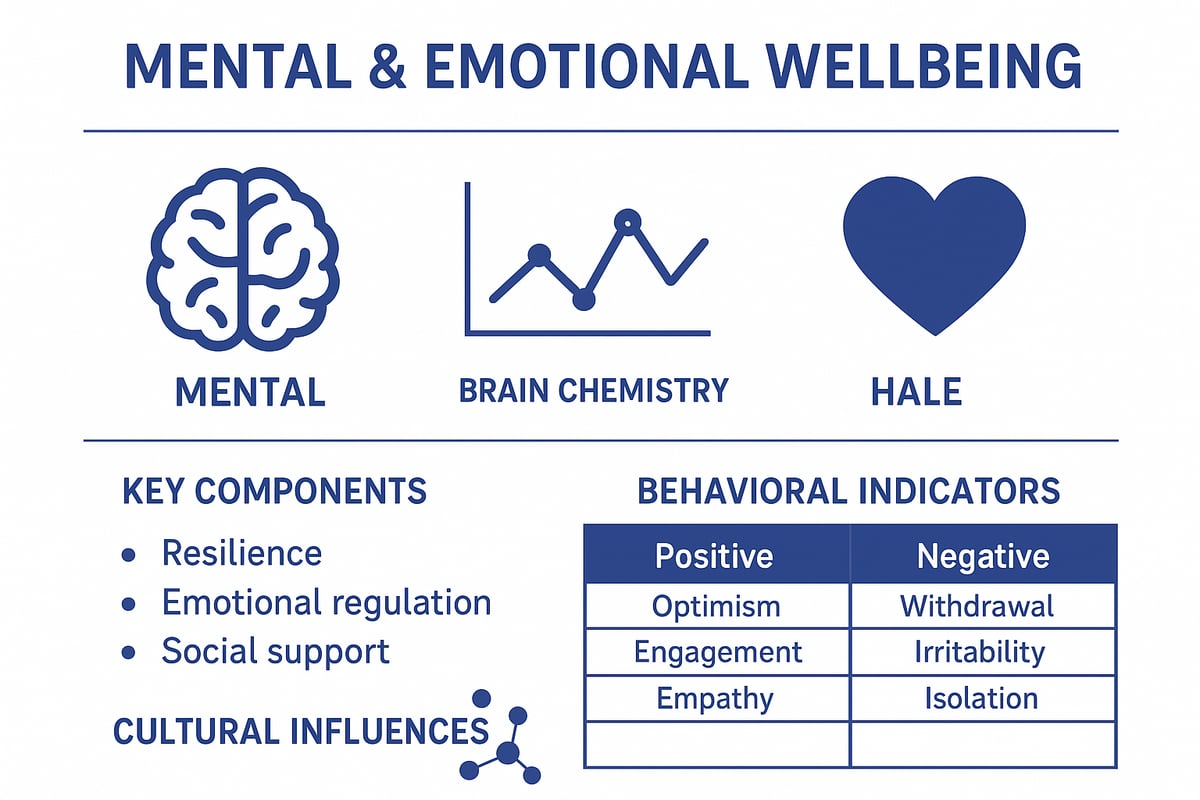
Mental and emotional well being are closely connected, but not identical. Mental well being refers to cognitive functioning, decision-making, and psychological stability. Emotional well being focuses on managing feelings, expressing emotions appropriately, and understanding others’ emotions.
According to the World Health Organization, mental health is a state where individuals realize their abilities, cope with normal stresses, work productively, and contribute to their communities. However, many people assume mental and emotional well being means always feeling happy or never struggling, which is a misconception. True well being takes a holistic view, blending thoughts, feelings, and behaviors.
Emotional intelligence, for example, is a vital part of mental well being, helping people recognize and manage both their own and others’ emotions. For a deeper look at how these elements interact, visit Emotional and Mental Health Insights.
The Science Behind Well Being
Science shows that mental and emotional well being is shaped by a dynamic mix of psychological, neurological, and social factors. Brain chemistry, such as neurotransmitter levels, plays a significant role in mood and resilience. Your environment, including social support and life events, can also alter brain structure and function.
Genetics set the foundation, but lifestyle choices have a major impact. For instance, chronic stress can shrink the hippocampus, a brain region vital for memory and emotion regulation. This demonstrates why nurturing mental and emotional well being is important for long-term health.
Key Components of Well Being
Several core elements make up mental and emotional well being. These include emotional regulation, resilience, and a positive mindset. Building strong social connections and having supportive networks are equally important.
Physical health also influences mental states. The Harvard Study of Adult Development found that close relationships are the strongest predictor of happiness and well being. Practicing healthy habits, like regular exercise and balanced nutrition, strengthens all aspects of mental and emotional well being.
Table: Core Components of Well Being
| Component | Description |
|---|---|
| Emotional Regulation | Managing and expressing emotions healthily |
| Resilience | Bouncing back from adversity |
| Social Connections | Building and maintaining supportive bonds |
| Positive Thinking | Approaching challenges with optimism |
| Physical Health | Impact of sleep, diet, and activity |
Signs of Good and Poor Well Being
Recognizing the signs of mental and emotional well being helps with early intervention and support. Positive indicators include stable mood, good sleep, healthy relationships, and consistent productivity.
Early warning signs of declining well being can show up as changes in sleep patterns, appetite, or mood. Increased irritability, withdrawal from social activities, and trouble concentrating are also common signals. Watching for these shifts is crucial to maintaining mental and emotional well being.
Societal and Cultural Influences
Culture, stigma, and societal expectations play significant roles in shaping mental and emotional well being. Some cultures encourage open conversations about mental health, while others still view it as taboo.
Stigma can prevent people from seeking help or talking about their struggles. However, public campaigns aimed at reducing stigma have proven effective, leading to more supportive environments. Understanding these cultural influences is key to improving mental and emotional well being for everyone.
Factors Affecting Mental and Emotional Well Being
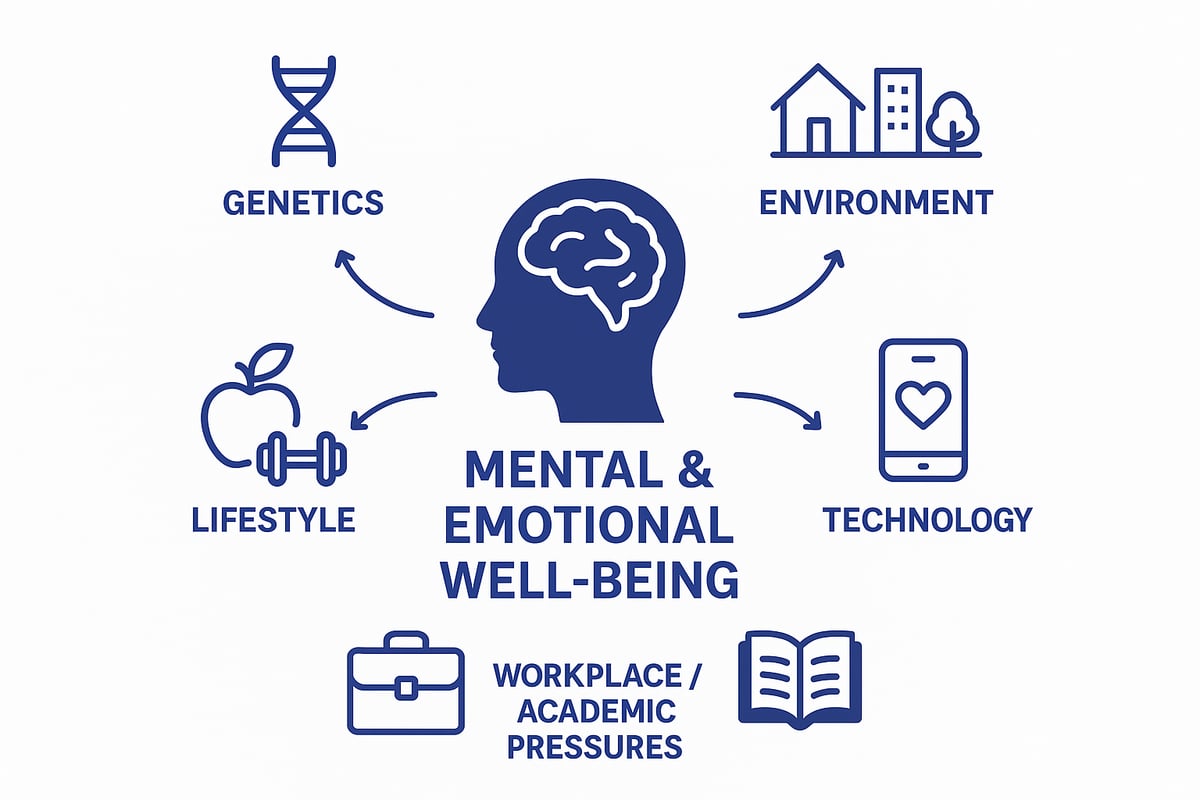
Understanding what shapes mental and emotional well being is essential for building a foundation of resilience and health. Multiple factors, both internal and external, interact to influence your overall state of mind and emotional balance. By recognizing these influences, you can better manage challenges and support your journey toward sustained well being.
Biological and Genetic Influences
Your biology plays a significant role in shaping mental and emotional well being. Genetics can predispose individuals to certain mental health conditions, such as depression or anxiety. Brain chemistry, including neurotransmitter levels, impacts mood regulation and stress response.
Physical health also interacts closely with mental health. For example, chronic illnesses or hormonal imbalances may contribute to emotional challenges. A family history of mental health conditions can increase vulnerability, though it does not guarantee outcomes. Understanding these influences empowers individuals to seek early intervention and personalized care.
Environmental and Social Factors
The environment in which you grow up and live continues to affect your mental and emotional well being throughout life. Early childhood experiences, including exposure to trauma or supportive caregiving, shape how you respond to stress and build resilience.
Social factors, such as relationships, socioeconomic status, and cultural background, also play a crucial role. Adverse Childhood Experiences (ACEs), like neglect or abuse, are linked to long-term emotional and physical health risks. However, a nurturing community, access to resources, and positive social networks can serve as protective factors, fostering emotional growth and stability.
Lifestyle and Daily Habits
Daily habits significantly impact mental and emotional well being. Sleep quality, balanced nutrition, and regular physical activity all contribute to brain health and emotional regulation. Poor sleep or unhealthy eating can lead to irritability, low mood, and difficulty concentrating.
Substance use, whether alcohol, drugs, or excessive caffeine, may alter mood and increase the risk of mental health issues. On the positive side, research consistently shows that regular exercise reduces depression risk and boosts overall mood. Small, consistent changes in daily routines can have a profound effect on emotional resilience.
Technology and Digital Life
Technology is woven into daily life and affects mental and emotional well being in complex ways. While digital tools can foster connection and support, excessive screen time and social media exposure are linked to increased anxiety and feelings of isolation.
Heavy use of social media, especially among young people, correlates with higher rates of anxiety and depression. Setting healthy boundaries and practicing mindful technology use can help mitigate negative impacts. Digital literacy and self-awareness are essential skills for maintaining balance in a connected world.
Workplace and Academic Pressures
Work and academic environments exert significant influence on mental and emotional well being. High job demands, long hours, or unsupportive cultures can contribute to chronic stress, burnout, and reduced productivity. Academic stressors, such as exams and deadlines, also affect emotional health.
Employers and educators are increasingly recognizing the need for mental health support. Implementing resilience strategies and prevention programs can make a measurable difference. For practical solutions to address workplace burnout, explore Preventing Workplace Burnout for actionable insights and resources.
Strategies for Enhancing Mental and Emotional Well Being
Improving mental and emotional well being requires intentional, practical strategies that build resilience, foster awareness, and support lasting change. By integrating evidence-based tools into daily life, individuals can strengthen their capacity to thrive, adapt, and maintain a positive outlook. The following strategies offer a comprehensive approach to nurturing mental and emotional well being at every stage of life.
Building Resilience and Coping Skills
Resilience is the ability to adapt and recover from challenges, stress, or adversity. Strengthening resilience is a cornerstone of mental and emotional well being, helping individuals manage setbacks and maintain stability during difficult times.
Proven techniques for building resilience include cognitive behavioral therapy (CBT) approaches, which teach people to identify and reframe negative thoughts. CBT offers practical tools for managing stress, problem-solving, and developing healthier coping mechanisms.
Other effective strategies involve practicing gratitude, keeping a journal, and learning from setbacks. For a deeper dive into practical methods, explore Building Resilience and Wellbeing.
Developing resilience is not a one-time event but a continual process that strengthens mental and emotional well being over time.
Practicing Mindfulness and Self-Awareness
Mindfulness and self-awareness are powerful tools for enhancing mental and emotional well being. Mindfulness involves focusing attention on the present moment, acknowledging thoughts and feelings without judgment.
Simple meditation exercises, such as mindful breathing or guided imagery, can reduce stress and foster emotional balance. Research shows that regular mindfulness practice lowers anxiety and improves emotional regulation.
Self-reflection, whether through journaling or quiet contemplation, helps individuals recognize patterns in their thoughts and behaviors. This awareness supports healthier responses to stress and deepens understanding of personal needs.
Integrating mindfulness and self-awareness into daily routines builds a strong foundation for ongoing mental and emotional well being.
Establishing Healthy Routines
Consistent routines play a crucial role in supporting mental and emotional well being. Prioritizing sleep, balanced nutrition, and regular physical activity directly impacts mood, energy levels, and cognitive function.
The Sleep Foundation recommends establishing a consistent sleep schedule, limiting caffeine late in the day, and creating a calming bedtime ritual. Nutritious meals, rich in whole foods, fuel the brain and body, while exercise releases endorphins that boost mood.
Healthy routines also involve setting aside time for relaxation and hobbies. By making these habits part of daily life, individuals can significantly enhance their mental and emotional well being.
Strengthening Social Connections
Human beings are inherently social, and strong relationships are vital for mental and emotional well being. Supportive friendships, family bonds, and community involvement provide a sense of belonging and security.
Research highlights the dangers of loneliness, which can increase the risk of mental health issues. Engaging in group activities, volunteering, or joining clubs helps foster meaningful connections.
Regularly reaching out to others, offering support, and nurturing relationships contribute to a positive social environment. Investing in these connections is a key strategy for sustaining mental and emotional well being.
Setting Boundaries and Managing Technology
In today's digital world, managing technology use is essential for preserving mental and emotional well being. Setting boundaries around screen time, social media, and digital communications can reduce stress and promote balance.
Digital detox strategies, such as designated tech-free hours or limiting notifications, help minimize overwhelm. Establishing clear boundaries with work and personal devices supports focus and relaxation.
Screen time limits, especially before bedtime, improve sleep quality and overall wellness. By consciously managing technology, individuals protect their mental and emotional well being from digital overload.
Seeking Professional Support
Seeking professional support is a proactive step toward maintaining mental and emotional well being. Therapists and counselors provide guidance, coping tools, and a safe space for processing emotions.
Statistics show that therapy can reduce symptoms of depression and anxiety, improve relationships, and enhance overall life satisfaction. Knowing when to seek help—such as during periods of persistent sadness, anxiety, or overwhelming stress—empowers individuals to take control of their well being.
Accessing professional support, whether in person or online, removes barriers and ensures ongoing care for mental and emotional well being.
Leveraging Workplace Mental Health Resources
Workplace mental health resources are increasingly recognized as critical for employee well being. Many organizations now offer programs like mental health days, peer support initiatives, and confidential counseling.
Employers investing in mental health see improvements in productivity, reduced absenteeism, and better team morale. Research demonstrates a positive return on investment from these initiatives, highlighting their value for both employees and organizations.
Encouraging staff to utilize available resources fosters a culture of openness and support. Leveraging these programs can make a significant difference in overall mental and emotional well being at work.
Workplace Mental Health Institute: Professional Training and Support
The Workplace Mental Health Institute offers tailored training and support for organizations seeking to improve mental and emotional well being. Programs focus on building resilience, reducing absenteeism, and enhancing performance.
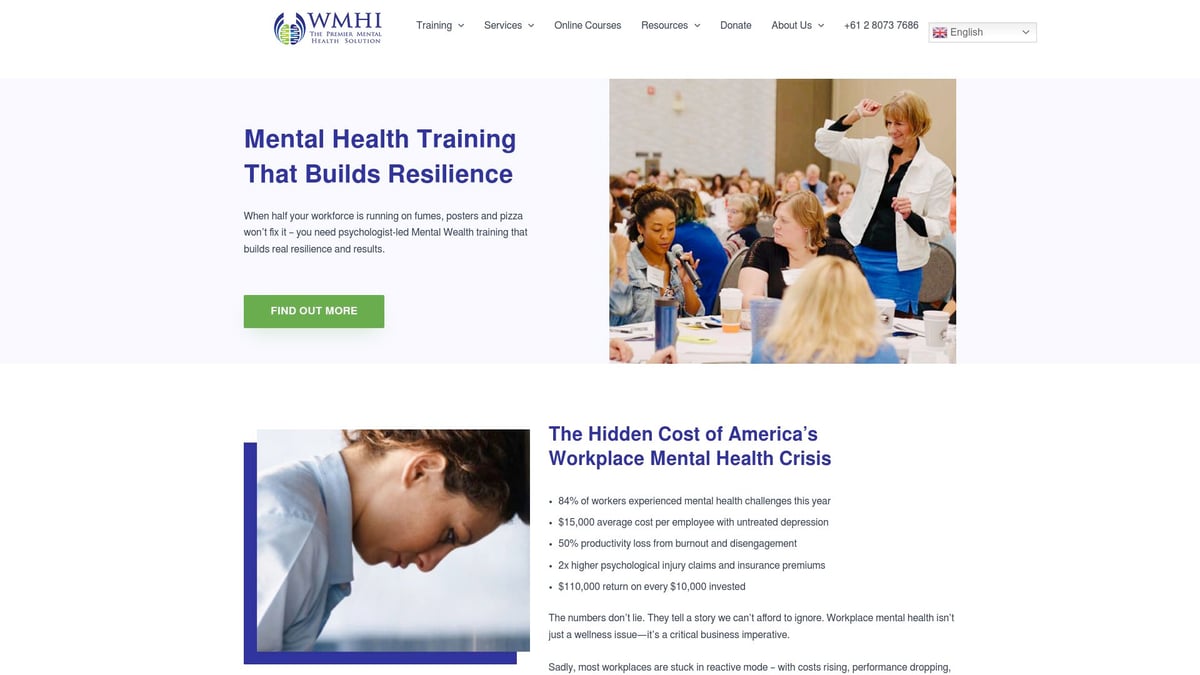
Evidence-based results show up to a 33% reduction in absenteeism and a 79% reduction in depression rates among participants. Services include manager and employee training, wellbeing assessments, and trauma-informed care.
With an international reach and flexible delivery options, the Institute empowers companies to access expert support and resources. Investing in these services leads to a healthier, more resilient workforce and stronger organizational outcomes.
Navigating Challenges and Barriers to Well Being
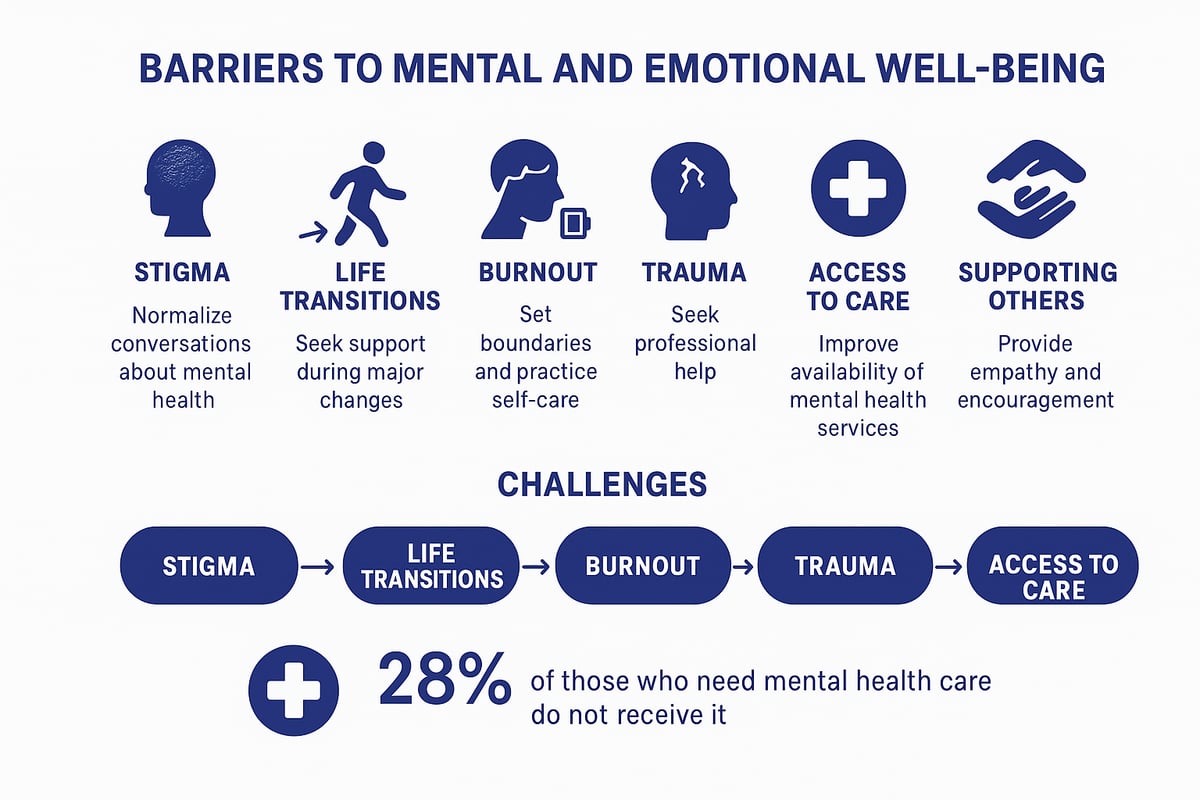
Navigating the path to optimal mental and emotional well being involves overcoming many obstacles. These challenges can appear in the form of stigma, life transitions, chronic stress, trauma, limited access to care, or the need to support others. Understanding these barriers is essential for developing resilience and maintaining mental and emotional well being throughout life.
Overcoming Stigma and Misconceptions
Stigma remains a significant barrier to mental and emotional well being. Many individuals hesitate to seek help due to fear of judgment or misunderstanding. Societal stigma and self-stigma can both contribute to silence and isolation.
Common misconceptions, such as believing mental health issues are personal weaknesses, further perpetuate barriers. Public awareness campaigns and education are crucial in reducing stigma. Access to comprehensive Mental Health and Wellness Topics helps individuals debunk myths and replace misinformation with facts.
Building open conversations and supportive communities encourages more people to prioritize their mental and emotional well being.
Managing Life Transitions and Adversity
Major life changes, such as divorce, job loss, or bereavement, can disrupt mental and emotional well being. These transitions often generate feelings of uncertainty, grief, or anxiety.
Developing coping strategies is essential. Techniques like seeking social support, practicing self-reflection, and maintaining a routine can provide stability. It is important to recognize that experiencing emotional upheaval during transitions is normal.
By acknowledging these feelings and accessing resources, individuals can safeguard their mental and emotional well being and foster adaptability during challenging periods.
Addressing Burnout and Chronic Stress
Burnout is increasingly recognized as a threat to mental and emotional well being, especially in fast-paced environments. Symptoms include persistent exhaustion, cynicism, and reduced performance.
Preventing burnout requires proactive steps, such as setting boundaries, taking regular breaks, and prioritizing self-care. The World Health Organization classifies burnout as an occupational phenomenon, highlighting its seriousness.
Recognizing early warning signs and implementing stress management techniques helps protect long-term mental and emotional well being.
Dealing with Trauma and Emotional Pain
Experiencing trauma or deep emotional pain can have lasting effects on mental and emotional well being. Trauma-informed care emphasizes safety, trust, and empowerment in recovery.
Supportive frameworks, like therapy and peer support, help individuals process difficult experiences. It is vital to approach trauma with compassion and patience, respecting individual healing timelines.
By utilizing trauma-informed resources and building resilience, people can gradually restore their sense of mental and emotional well being.
Accessing Support in Underserved Communities
Barriers such as financial constraints, cultural stigma, and geographic isolation often limit access to mental and emotional well being resources. Globally, over a billion people live with mental health conditions, underscoring the urgent need for expanded services.
Innovations like telehealth and mobile clinics are helping bridge the gap. Community outreach and culturally sensitive approaches also play important roles.
Ensuring equitable access is key to improving mental and emotional well being for all populations.
Supporting Others: How to Help Friends and Family
Supporting loved ones in their mental and emotional well being journey requires empathy and practical skills. Effective listening, offering encouragement, and knowing when to guide someone toward professional help are critical.
Mental Health First Aid principles include recognizing signs of distress, providing nonjudgmental support, and connecting individuals with resources.
By fostering a culture of care and understanding, everyone can contribute to stronger mental and emotional well being within their circles.
Tools, Resources, and Practices for Sustained Well Being
Sustaining mental and emotional well being requires more than good intentions. It calls for practical tools, supportive resources, and consistent habits. By integrating daily practices and leveraging a range of supports, individuals can foster resilience and maintain balance in their lives.
Self-Care Practices and Daily Rituals
Daily rituals are the backbone of mental and emotional well being. Simple activities like journaling, practicing gratitude, or engaging in creative outlets can have profound effects. For example, positive psychology interventions such as gratitude journaling are linked to increased happiness and reduced stress.
Consider starting your day with a mindful moment or ending it by reflecting on small wins. Self-care does not need to be elaborate. Even five minutes of deep breathing or a walk outside can recharge your mind. Over time, these rituals become a foundation for lasting mental and emotional well being.
Digital Tools and Apps for Well Being
Technology can play a supportive role in mental and emotional well being. Top-rated apps like Headspace and Calm offer guided meditations, sleep support, and mood tracking. These platforms have millions of users worldwide and are backed by user statistics showing reduced anxiety and improved sleep.
Many apps also connect users with mental health professionals or peer communities. Research highlights the growing impact of digital tools, especially as more people seek accessible support. For a broader perspective, review the latest mental health statistics in the U.S. to understand technology’s expanding role.
Online Courses and Learning Opportunities
Structured learning can empower individuals to take control of their mental and emotional well being. Online courses provide accessible, expert-led content on topics such as stress management, mindfulness, and resilience. These programs can be completed at your own pace, making them ideal for busy schedules.
For those seeking continuous growth, accessing mental health courses online offers opportunities to build skills and confidence. Whether you are interested in personal development or professional training, online education supports ongoing progress and self-awareness.
Community and Peer Support Networks
No one should navigate mental and emotional well being alone. Support groups, forums, and local organizations create safe spaces for sharing experiences and encouragement. Community initiatives, whether online or in-person, reduce isolation and foster belonging.
Peer support networks help individuals learn from others facing similar challenges. Engaging with these groups can build resilience, offer practical advice, and remind you that support is always within reach. Connection is a key ingredient in sustaining mental and emotional well being.
Educational Videos and Media
Visual learning is a powerful resource for mental and emotional well being. Curated video content, such as self-help guides and expert interviews, provides practical tips and motivation. For example, the YouTube video resources channel offers a range of educational materials covering stress reduction, mindfulness, and workplace strategies.
Watching these videos can inspire new habits and provide clarity on complex topics. Integrating educational media into your routine supports ongoing growth and a deeper understanding of mental and emotional well being.
National and International Helplines
Access to professional support is crucial for mental and emotional well being. National and international helplines offer confidential guidance and crisis intervention. These services are available 24/7 and can connect individuals to local resources or immediate support.
In Australia, Australian mental health resources provide comprehensive assistance for those in need. Helplines ensure that help is always available, regardless of location or circumstance. Knowing where to turn in a crisis can make all the difference in maintaining mental and emotional well being.
As you reflect on the practical strategies and expert insights shared throughout this guide, remember that nurturing your mental and emotional well being is a journey—one that benefits from the right support and resources. Whether you want to improve resilience at work, foster healthier relationships, or simply feel more empowered each day, you have access to proven tools and professional guidance. If you’re ready to take the next step, explore tailored training, wellbeing assessments, and real-world solutions that can make a measurable difference for you and your workplace.
Find Out More

