
“There is no health without mental health.” In 2026, this statement rings true as the world embraces the importance of mental health wellbeing for individuals and communities alike.
This essential guide navigates the evolving landscape of mental health wellbeing. You’ll discover practical strategies, the latest research, and key insights designed for individuals, families, and organizations.
We’ll explore the foundations of mental health, the biggest challenges, new trends for 2026, proven strategies, workplace impact, and vital resources. Ready to take action? Join us and unlock a pathway to lasting wellbeing.
Understanding Mental Health Wellbeing
Mental health wellbeing is a complex, dynamic state that touches every part of our lives. According to the World Health Organization, it is “a state of mental well-being that enables people to cope with life’s stresses, realize abilities, learn, work, and contribute to community.” This means mental health wellbeing is not simply the absence of illness, but a foundation for thriving.
Supportive relationships and safe communities are vital for mental health wellbeing, helping individuals build resilience and cope with adversity. Mental health exists on a continuum, ranging from optimal functioning to severe distress. Many factors shape where someone falls on this spectrum, including genetics, life experiences, and social context.
It is important to distinguish between mental health and mental illness. While everyone has mental health, not everyone develops a mental illness. Emotional, psychological, and social wellbeing all contribute to our overall mental health wellbeing. For a deeper dive into the core concepts, you can explore Understanding Mental Wellness.
Globally, mental disorders are among the leading causes of disability. Strong social support and inclusive communities can make a measurable difference in building resilience and promoting wellbeing.

Defining Mental Health and Wellbeing
Mental health wellbeing is shaped by a combination of individual, social, and structural factors. Each person’s experience is unique, influenced by their family, culture, and environment. The continuum of mental health wellbeing recognizes that people move between different states throughout life.
Emotional, psychological, and social wellbeing are all interconnected. For instance, someone with strong emotional skills and supportive friends is more likely to cope well with stress. Safe communities also foster mental health wellbeing by reducing risks and increasing opportunities for positive growth.
A key distinction exists between mental health and mental illness. Mental health wellbeing is for everyone, while mental illness refers to specific conditions that disrupt thoughts, feelings, or behaviors. Globally, mental disorders are a leading cause of disability, highlighting the urgent need to prioritize mental health wellbeing at every level.
Common Mental Health Disorders and Their Impact
Mental health wellbeing is often challenged by a range of common disorders. Depression, anxiety, bipolar disorder, PTSD, schizophrenia, eating disorders, and neurodevelopmental conditions affect people of all ages and backgrounds. In fact, 1 in 8 people worldwide live with a mental disorder.
These conditions can impact daily life, work, and relationships. For example, depression is a leading cause of lost productivity, affecting both individuals and economies. Mental health wellbeing is essential for maintaining focus, motivation, and connection at work and at home.
The effects span across genders, cultures, and generations. Depression and anxiety alone cost the global economy $1 trillion each year in lost productivity. This underscores why mental health wellbeing must be addressed as a global priority, not just a personal issue.
| Disorder | Global Prevalence | Key Impact |
|---|---|---|
| Depression | High | Lost productivity, disability |
| Anxiety | High | Daily functioning, relationships |
| PTSD | Moderate | Trauma response, stress |
| Schizophrenia | Lower | Social, occupational impairment |
| Eating Disorders | Rising | Physical, emotional health |
Key Determinants of Mental Wellbeing
Several factors determine mental health wellbeing over a lifetime. Genetics, environment, trauma, substance use, poverty, and inequality all play significant roles. Early childhood experiences, for example, can shape adult resilience, making prevention and early intervention critical.
Protective factors—such as emotional skills, quality education, and supportive relationships—help buffer against risks. These factors promote strong mental health wellbeing, even in the face of adversity. Local and global challenges, like climate change or violence, intersect with personal history to influence outcomes.
Prevention and early support are essential. By fostering environments that nurture mental health wellbeing, families, schools, and communities can lay the groundwork for healthier, more resilient generations.
Barriers and Challenges to Mental Health Wellbeing
Barriers to mental health wellbeing are complex and deeply rooted in society. These obstacles affect individuals, families, and entire communities, making it challenging to seek help, access care, and maintain overall wellbeing. Understanding these barriers is crucial for creating effective solutions.

Stigma, Discrimination, and Access to Care
Stigma remains a significant barrier to mental health wellbeing. Many people hesitate to seek support due to fear of judgment or misunderstanding. Discrimination occurs in workplaces, educational institutions, and communities, often leading to isolation or exclusion.
Systemic issues such as under-resourced health systems and a shortage of mental health professionals make access to care difficult. Most people with mental disorders do not receive the care they need. According to the World Health Organization, over a billion people are living with mental health conditions, highlighting the urgent need to scale up mental health services globally. Human rights violations and insufficient legal protections further increase vulnerability, especially for those facing poverty, violence, or disability.
Key barriers include:
- Social stigma and misinformation
- Discrimination in employment and education
- Limited or unaffordable care options
- Lack of legal safeguards
The global treatment gap has serious consequences, including increased suffering, lost productivity, and preventable disability. Addressing these challenges is essential for improving mental health wellbeing.
Digital and Social Challenges in 2026
The digital landscape brings both opportunities and risks for mental health wellbeing. Social media and online environments can foster connection, but they also contribute to cyberbullying, harassment, and digital addiction. Young people, in particular, are vulnerable to the negative effects of constant connectivity.
Technology can be a double-edged sword, offering new forms of support like telehealth and online therapy, but also presenting limitations. Telehealth expands access, yet not everyone has reliable internet or digital literacy. Inequality in digital access means that some populations remain underserved.
Common digital and social challenges:
- Cyberbullying and online harassment
- Digital fatigue and addiction
- Privacy and data security concerns
- Unequal access to digital resources
While digital solutions are evolving, they must be carefully managed to ensure they do not create new barriers to mental health wellbeing. Balancing innovation with equity is critical for the future.
Addressing the Treatment Gap
Bridging the treatment gap in mental health wellbeing requires strong health systems and community-based care. Prevention and early intervention can reduce severity and long-term impact, yet many regions lack the resources for proactive support.
Community programs play a critical role in reducing stigma and improving access. Integrating mental health into primary care and investing in mental health literacy are effective strategies. However, policy and funding gaps at both national and global levels hinder progress.
To address these challenges, focus on:
- Strengthening healthcare infrastructure
- Supporting prevention and early intervention programs
- Expanding community outreach and education
- Advocating for mental health policy and funding
With a coordinated effort, it is possible to overcome barriers and promote mental health wellbeing across all layers of society.
Mental Health Wellbeing Across the Lifespan
Understanding mental health wellbeing requires a holistic view that spans every stage of life. The needs and challenges shift from childhood through older adulthood, making tailored approaches essential for true wellbeing. By exploring each phase, we see how mental health wellbeing is shaped by unique factors, experiences, and interventions.

Children and Adolescents
Early life is a critical window for brain development and emotional growth. Mental health wellbeing during childhood and adolescence sets the foundation for lifelong resilience. Home, school, and digital environments all play a role. Globally, 8 percent of children and 15 percent of adolescents live with a mental disorder. Conditions like depression, anxiety, and behavioral issues are most common.
Suicide is now the third leading cause of death for those aged 15 to 29. Prevention and early detection are vital. Supportive families, safe schools, and community programs foster mental health wellbeing and reduce risks. School-based resilience programs teach coping skills and emotional literacy, building a buffer against future challenges.
The impact of early experiences cannot be overstated. Positive relationships and stable environments protect against adversity, while trauma or neglect can have lasting effects. Investing in mental health wellbeing at this stage pays lifelong dividends.
Adults and the Workplace
For adults, mental health wellbeing is closely linked to work and daily responsibilities. Employment can promote a sense of purpose, but high stress, workload, bullying, or lack of support can undermine wellbeing. At any time, 15 percent of working-age adults are living with a mental disorder. Depression and anxiety are leading causes of lost productivity and absenteeism.
Burnout is especially prevalent in high-stress sectors like healthcare and emergency services. Workplace culture, policies, and support systems shape mental health wellbeing for employees. Forward-thinking organizations now prioritize mental health wellbeing through flexible schedules, access to counseling, and comprehensive wellbeing initiatives.
Open conversations about mental health wellbeing in the workplace reduce stigma and encourage help-seeking. By investing in employee support, companies improve satisfaction and performance.
Older Adults
As people age, mental health wellbeing faces new challenges. Bereavement, chronic illness, and social isolation increase vulnerability. Around 20 percent of adults over 60 experience a mental or neurological disorder. Ageism, abuse, and limited access to care can worsen mental health wellbeing in this group.
Community initiatives that connect older adults reduce isolation and promote engagement. Programs focused on healthy aging, physical activity, and social participation strengthen resilience. Recognizing the importance of mental health wellbeing in later life helps ensure dignity and quality of life for older adults.
Vulnerable and High-Risk Populations
Certain populations face increased risks to mental health wellbeing. Survivors of sexual or gender-based violence, refugees, migrants, and people in conflict zones often experience higher rates of PTSD, depression, and anxiety. Intersectionality means that overlapping challenges—such as poverty, discrimination, or disability—can compound vulnerability.
Psychosocial support tailored to cultural and situational needs is essential. Community-based programs help address trauma, build coping skills, and foster belonging. According to the World Health Organization, over a billion people are living with mental health conditions, highlighting the urgent need for accessible services and early intervention.
Prioritizing mental health wellbeing for high-risk groups is a critical step toward global wellbeing and social equity.
Emerging Trends and Innovations in Mental Health Wellbeing (2026)
The landscape of mental health wellbeing is evolving rapidly in 2026. New technologies, holistic care models, and global initiatives are reshaping how individuals, families, and organizations approach mental wellness. Understanding these trends is essential for staying informed and empowered.
Digital Mental Health Solutions
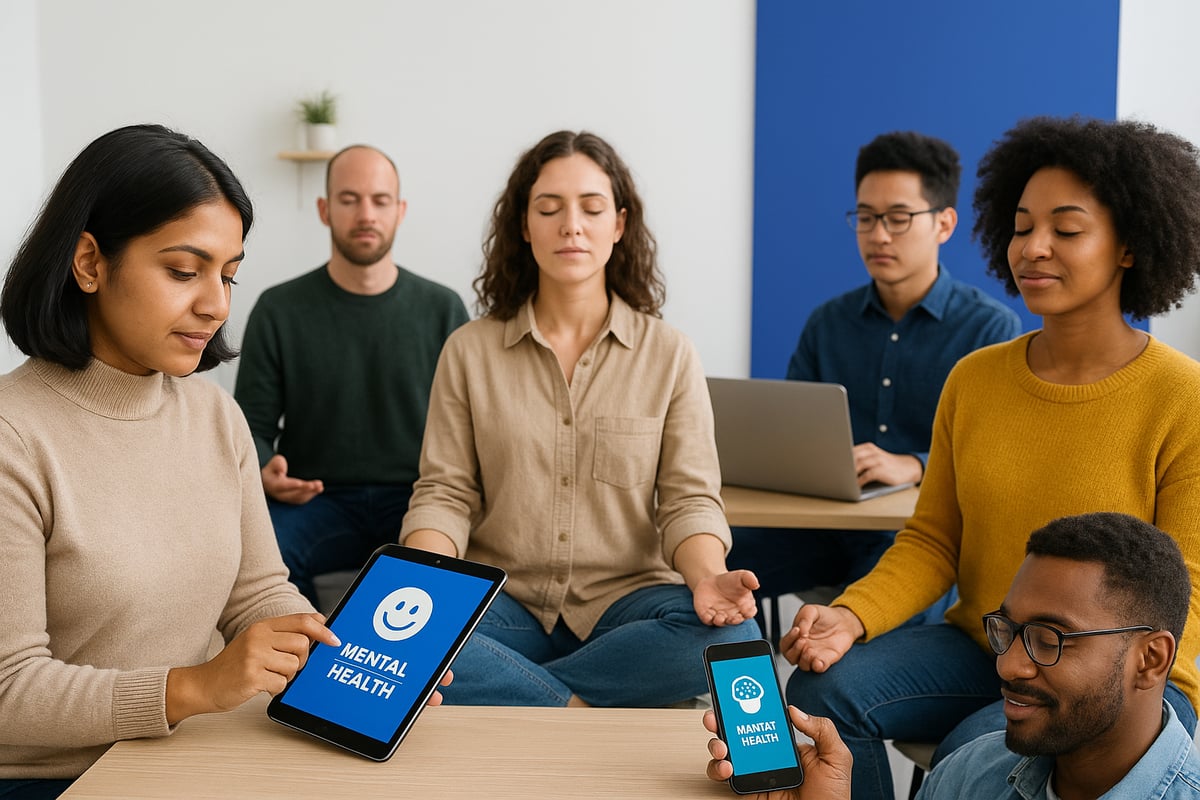
Digital transformation is at the forefront of mental health wellbeing. Telehealth, online therapy, and a surge in mental health apps have made support more accessible than ever. AI-driven assessments are enabling earlier identification of concerns and more personalized care.
Chatbots and virtual assistants now offer confidential support and crisis intervention. These tools enhance reach but also raise questions about privacy, data security, and digital literacy. For a deeper dive into how AI is shaping diagnostics, see Emerging Trends in Psychological Assessment for 2026.
Despite rapid growth, digital solutions must address the digital divide. Not everyone has equal access to technology, which can create disparities in mental health wellbeing support.
Holistic and Integrative Approaches
Holistic care is gaining momentum in mental health wellbeing. Integrating nutrition, exercise, and sleep with emotional support is proving effective for prevention and recovery. Programs now combine mindfulness, physical activity, and therapy, recognizing the mind-body connection.
Primary care and community services are working closely together, making it easier for people to access comprehensive support. Culturally sensitive and trauma-informed models are helping to bridge gaps and ensure all populations benefit from mental health wellbeing innovations.
Mindfulness and resilience programs are especially popular, supporting individuals in managing stress and building long-term wellbeing.
Policy and Global Initiatives
Governments and health organizations are prioritizing mental health wellbeing like never before. The United Nations and World Health Organization are promoting frameworks for universal access and early intervention.
Countries are launching national strategies focused on prevention, equity, and reducing stigma. The voices of those with lived experience are influencing policy, ensuring that changes are practical and impactful.
Advocacy groups are driving awareness campaigns and funding research, keeping mental health wellbeing high on the global agenda.
Workplace Mental Health: New Standards and Best Practices
Workplace mental health wellbeing is a major focus in 2026. The International Labor Organization has set new guidelines for supporting employee mental health. Organizations are training managers to recognize signs of distress and create positive, inclusive environments.
Initiatives like mental health days, resilience training, and comprehensive wellbeing programs are becoming the norm. Companies investing in mental health wellbeing report reduced absenteeism, improved productivity, and a more engaged workforce.
The business case for supporting mental health wellbeing is clear. Employee satisfaction and retention rise when organizations prioritize wellness.
The Role of Community and Social Connection
Social connection remains a cornerstone of mental health wellbeing. Communities are developing peer support groups, local outreach programs, and social engagement initiatives to combat loneliness and isolation.
Building strong social networks helps individuals develop resilience and recover from setbacks. Community-based care is showing measurable improvements in mental health wellbeing outcomes.
Engaging with others, whether in person or online, provides a vital sense of belonging and support for long-term mental health wellbeing.
Evidence-Based Strategies for Enhancing Mental Health Wellbeing
Enhancing mental health wellbeing requires more than good intentions. It involves adopting evidence-based strategies that address personal, relational, and environmental factors. By integrating these methods into daily life, individuals and organizations can foster resilience, reduce risk, and promote lasting mental health wellbeing.
Building Personal Resilience and Coping Skills
Personal resilience is the foundation of mental health wellbeing. Techniques such as mindfulness, stress management, and cognitive behavioral strategies empower individuals to adapt in the face of adversity.
- Mindfulness meditation helps reduce anxiety and depression.
- Regular exercise is linked to a 25% reduction in depressive symptoms.
- Setting routines and healthy boundaries supports emotional stability.
Programs that focus on resilience training, like those found in Stress Management and Resilience, offer practical tools for managing stress and building coping skills. By practicing these skills, individuals can better navigate life's challenges and maintain strong mental health wellbeing.
Nurturing Supportive Relationships
Supportive relationships are essential for mental health wellbeing. Family, friends, and peer networks provide emotional safety, encouragement, and practical help during difficult times.
- Open communication and active listening promote trust.
- Conflict resolution skills help maintain healthy connections.
- Support groups connect people with shared experiences.
Research shows that people with strong social ties experience lower rates of mental health disorders. Engaging with community resources or peer support groups can make a significant difference in recovery and resilience. Prioritizing relationships is a proactive step toward mental health wellbeing.
Creating Supportive Environments (Home, School, Workplace)
A safe and inclusive environment is key for sustaining mental health wellbeing at home, in schools, and at work. Policies that reduce bullying, discrimination, and harassment create spaces where individuals feel valued and secure.
- Implement anti-bullying campaigns in schools.
- Foster workplace wellbeing policies and flexible support systems.
- Encourage access to nature and healthy living spaces.
Environmental factors, such as access to green spaces and safe neighborhoods, also play a role in mental health wellbeing. Comprehensive approaches, as discussed in Emotional and Mental Health Explained, highlight the interconnectedness of emotional, psychological, and social health.
Prevention and Early Intervention
Preventing mental health challenges before they escalate is a cornerstone of effective mental health wellbeing strategies. Early identification and intervention can reduce the long-term impact of mental disorders by up to 50%.
- Screen for early signs of distress in schools and workplaces.
- Launch community-based prevention programs.
- Provide education on recognizing symptoms and seeking help.
When support is offered early, individuals have a better chance of recovery and improved quality of life. Prevention programs not only benefit individuals but also reduce societal costs related to untreated mental health issues.
Accessing Professional Help and Treatment
Knowing when and how to seek professional support is vital for mental health wellbeing. Mental health professionals provide therapy, counseling, and, when necessary, medication to address specific conditions.
- Cognitive behavioral therapy (CBT) is effective for many disorders.
- Telehealth platforms have expanded access, especially in remote areas.
- Trauma-informed care addresses the effects of past adversity.
Reducing barriers such as stigma, cost, and lack of culturally competent care is essential. Accessible, evidence-based treatment empowers individuals to take charge of their mental health wellbeing and achieve lasting recovery.
Resources and Support for Mental Health Wellbeing
Access to the right resources is crucial for maintaining mental health wellbeing. Whether you are seeking information, professional help, or community support, a variety of options are available to guide you.
National and International Organizations
Reliable organizations play a foundational role in supporting mental health wellbeing. The World Health Organization and United Nations set international standards and offer guidance on mental health policies and programs. National agencies, such as the Australian mental health organizations, provide information, helplines, and direct services.
These organizations offer:
- Evidence-based guidelines for care
- Public awareness campaigns
- Training for professionals
- Advocacy for legal protections
For individuals and families, connecting with these resources ensures access to trustworthy support and up-to-date information on mental health wellbeing.
Online and Digital Resources
Digital platforms have transformed access to mental health wellbeing services. Telehealth, mental health apps, and online therapy make support more convenient and accessible. Tools like crisis text lines and digital peer communities offer immediate help in times of need.
When seeking digital resources, it is important to evaluate the credibility of platforms and ensure privacy and security. For insight into the latest online trends and how technology is shaping care, read about 8 mental health trends driving change in U.S. care in 2026.
Many digital tools are designed to help you monitor symptoms, connect with professionals, and participate in group support, all contributing to improved mental health wellbeing.
Community and Peer Support
Local support networks are essential for mental health wellbeing. Community centers, nonprofit organizations, and outreach programs provide safe spaces to share experiences and build resilience.
Peer support groups connect individuals with others facing similar challenges, fostering understanding and reducing isolation. Lived experience mentors can guide and inspire others on their journey.
Engaging with your local community enhances social connection, a key factor in sustaining mental health wellbeing.
Educational and Self-Help Tools
Ongoing education is a powerful tool for mental health wellbeing. Books, podcasts, webinars, and online courses offer practical knowledge and coping strategies. Many reputable organizations provide free or low-cost resources tailored to diverse needs and learning styles.
Self-help tools may include:
- Guided mindfulness exercises
- Stress management workbooks
- Online video courses
Regular learning and self-reflection empower individuals to take charge of their mental health wellbeing and support others.
Emergency and Crisis Support
In urgent situations, immediate access to crisis support is vital for mental health wellbeing. Suicide prevention hotlines, emergency services, and crisis intervention teams are available 24/7 in many countries.
If you or someone you know is in crisis:
- Call a national or local helpline
- Reach out to emergency services
- Seek support from trained professionals
Having a crisis plan and knowing available resources can make a life-saving difference for mental health wellbeing during emergencies.
Building a Sustainable Wellbeing Plan
Creating a personal or organizational plan supports long-term mental health wellbeing. Start by setting realistic goals and identifying areas for growth. Track your progress through regular wellbeing check-ins and self-assessments.
Steps to build your plan:
- Assess your current needs and strengths
- Set achievable short-term and long-term goals
- Identify resources and supports
- Schedule regular reviews and adjustments
Staying proactive and utilizing available resources ensures that mental health wellbeing remains a priority for you and your community.
As we’ve explored in this essential guide, prioritizing mental health wellbeing is crucial for individuals and organizations alike, especially as we adapt to new challenges and trends in 2026. From understanding the foundations of mental health to strengthening workplace culture and resilience, there are practical steps we can all take toward a healthier future. If you’re ready to take the next step and access specialized training, assessments, or resources tailored for your team, I invite you to Find Out More about how you can foster lasting wellbeing and performance in your workplace.

