
Workplace stress, burnout, and mental health challenges are rising faster than ever, impacting organizations at every level. Forward-thinking leaders now recognize that investing in mental health awareness training courses is no longer optional, but a strategic necessity for building resilient, high-performing teams. In this guide, we reveal the 9 most essential mental health awareness training courses, each designed to address evolving workplace pressures and deliver measurable benefits. Discover how these expert-led programs can transform your organization's culture, boost wellbeing, and future-proof your success in a rapidly changing world.
The Growing Importance of Mental Health Awareness Training in 2026
The modern workplace is experiencing a surge in mental health challenges, making mental health awareness training courses more critical than ever. Recent data reveals that nearly 1 in 2 employees will experience a mental health issue during their career, with anxiety, depression, and burnout leading the list. For organizations, the consequences are tangible: increased absenteeism, lost productivity, and higher turnover rates can quickly erode team performance and morale. According to Workplace mental health statistics 2026, mental health-related absences now account for over 40% of all lost workdays in many sectors.
Beyond the numbers, the impact on staff retention and engagement is profound. Employees who feel unsupported in their mental wellbeing are more likely to leave, costing organizations in recruitment and lost expertise. Proactive investment in mental health awareness training courses not only reduces these costs but also creates a culture where people feel valued and safe to speak up.
Legal and ethical responsibilities are also evolving. Many jurisdictions now require employers to address psychosocial risks and provide appropriate support. Failure to offer relevant mental health awareness training courses can result in legal action, reputational damage, and a loss of trust among stakeholders. Ethical leadership demands a commitment to safeguarding employee wellbeing, not just compliance.
Employee expectations are shifting, especially among younger generations who prioritize holistic wellbeing at work. Staff are seeking workplaces that offer more than basic benefits. They want access to mental health awareness training courses, open conversations, and visible leadership support. HR and executive teams play a pivotal role in driving this cultural transformation, modeling healthy behaviors, and investing in comprehensive programs.
Despite the clear need, organizations face challenges in implementing effective training. Barriers include stigma, lack of awareness, budget constraints, and difficulty measuring impact. However, evidence shows that organizations embracing mental health awareness training courses report measurable improvements in morale, innovation, and business results. Companies that integrate training into broader wellbeing strategies often see the greatest return.
A variety of training options are now available to suit different needs and industries. These range from foundational awareness sessions to skills-based workshops and crisis intervention modules. The table below summarizes the main types and their intended outcomes:
| Training Type | Focus Area | Intended Outcomes |
|---|---|---|
| Awareness Courses | Stigma reduction | Increased understanding |
| Skills-Based Workshops | Communication, support | Improved peer and manager response |
| Crisis Intervention Training | Suicide prevention | Enhanced crisis management |
In summary, the growing demand for mental health awareness training courses reflects a fundamental shift in workplace culture. Organizations that prioritize these initiatives are not only meeting legal and ethical standards but are building resilient, high-performing teams equipped to thrive in the future.
9 Essential Mental Health Awareness Training Courses for 2026
Selecting the right mental health awareness training courses is now critical for every organization aiming to build a resilient and productive workforce. As employee wellbeing becomes a top priority, leaders need structured, evidence-based programs that address diverse needs and emerging challenges.
Curated mental health awareness training courses offer practical solutions, blending clinical expertise with real-world application. The best programs foster open dialogue, equip staff with intervention skills, and reduce stigma across all levels of the organization. Choosing the right course can transform workplace culture and directly impact retention, engagement, and overall performance.
Below, we present a comprehensive comparison of the top mental health awareness training courses for 2026. Each program is evaluated for its unique approach, benefits, and suitability across different industries, helping you make an informed choice for your team.
Workplace Mental Health Institute (WMHI) – Mental Health Essentials
The WMHI Mental Health Essentials course stands out among mental health awareness training courses for its psychologist-led, evidence-based modules. This program provides practical skills, trauma-informed care, and a strong focus on resilience and burnout prevention.
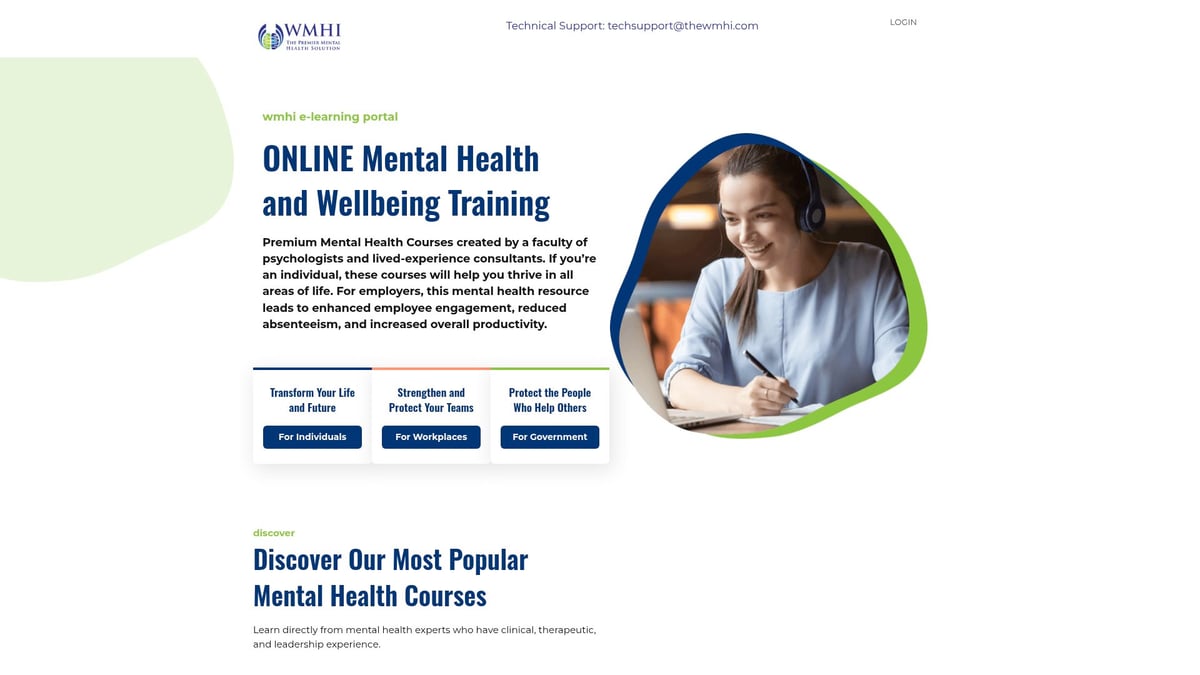
Organizations benefit from reduced absenteeism, fewer psychological injury claims, and improved staff wellbeing. The unique “Mental Wealth” approach, global reach, and multilingual support make it ideal for diverse teams. Customization for industry and flexible delivery (in-person, virtual, hybrid) ensure relevance and accessibility.
Key Features:
- Psychologist-led modules
- Trauma-informed care
- Resilience and burnout prevention
Pros:
- Clinical expertise
- Customizable and scalable
- Proven positive ROI
Cons:
- Pricing not public
- Requires organizational commitment
For leaders seeking a comprehensive solution, WMHI delivers measurable results and a supportive learning environment. This course is especially effective for organizations ready to invest in long-term culture change.
Mental Health First Aid (MHFA) International
Among mental health awareness training courses, MHFA International is globally recognized for its practical, evidence-based curriculum. Participants learn to recognize, respond to, and refer individuals experiencing mental health crises.
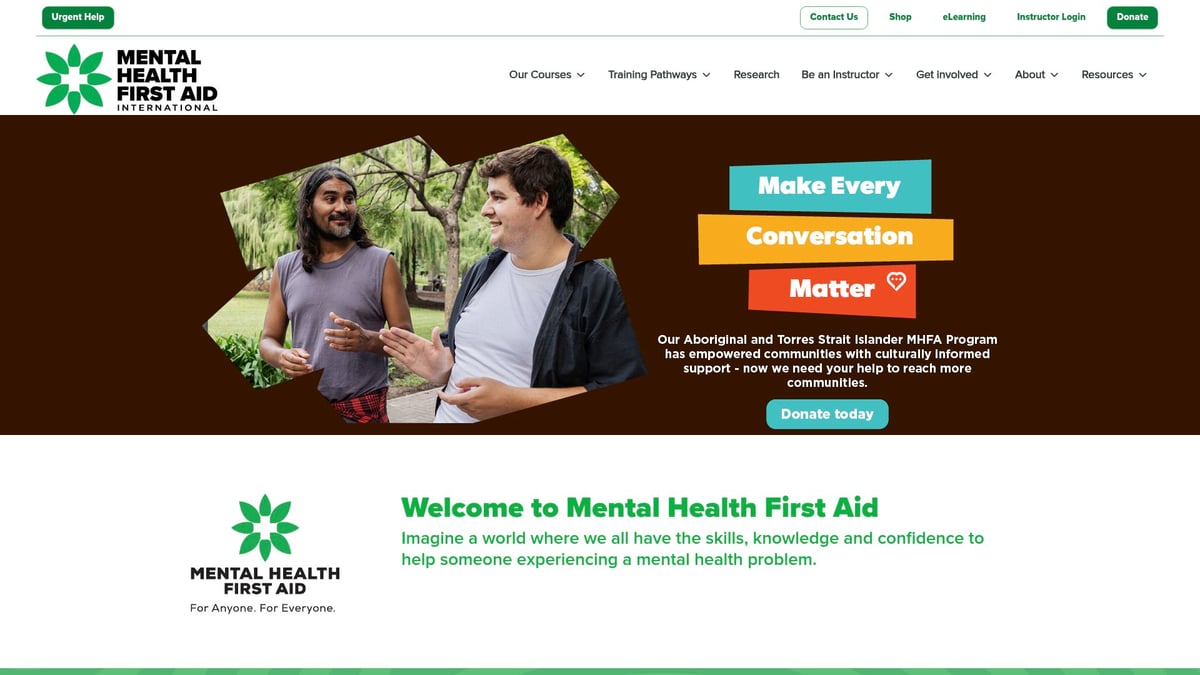
Certification is widely acknowledged, making this course ideal for HR, managers, and frontline staff. Modules are tailored for youth, workplaces, and communities, helping to reduce stigma and empower early intervention.
Key Features:
- Crisis recognition and response
- Evidence-based certification
- Global network
Pros:
- Standardized content
- Ongoing updates
Cons:
- Time commitment required
- Less focus on organizational strategy
MHFA’s scalable model and strong reputation make it a staple in workplace mental health awareness training courses for companies seeking a foundational approach.
Mindful Employer – Workplace Mental Health Training
Mindful Employer offers mental health awareness training courses with a focus on stigma reduction and open dialogue. Manager and employee workshops, eLearning modules, and peer support integration are central to their approach.
The UK-accredited program emphasizes employer responsibility and psychological safety, supporting both leaders and team members. Bespoke packages ensure relevance for organizations of all sizes.
Key Features:
- Manager and employee workshops
- Stigma reduction
- Peer-led support
Pros:
- Practical, action-oriented
- Peer-led options
Cons:
- UK-centric content
- Limited global application
Mindful Employer is particularly effective for UK organizations seeking to foster a supportive, inclusive culture through targeted mental health awareness training courses.
LivingWorks – SafeTALK Suicide Prevention Training
SafeTALK by LivingWorks is a specialized option in the landscape of mental health awareness training courses, focusing on suicide alertness and prevention. Participants learn to identify warning signs and connect at-risk individuals to professional help.
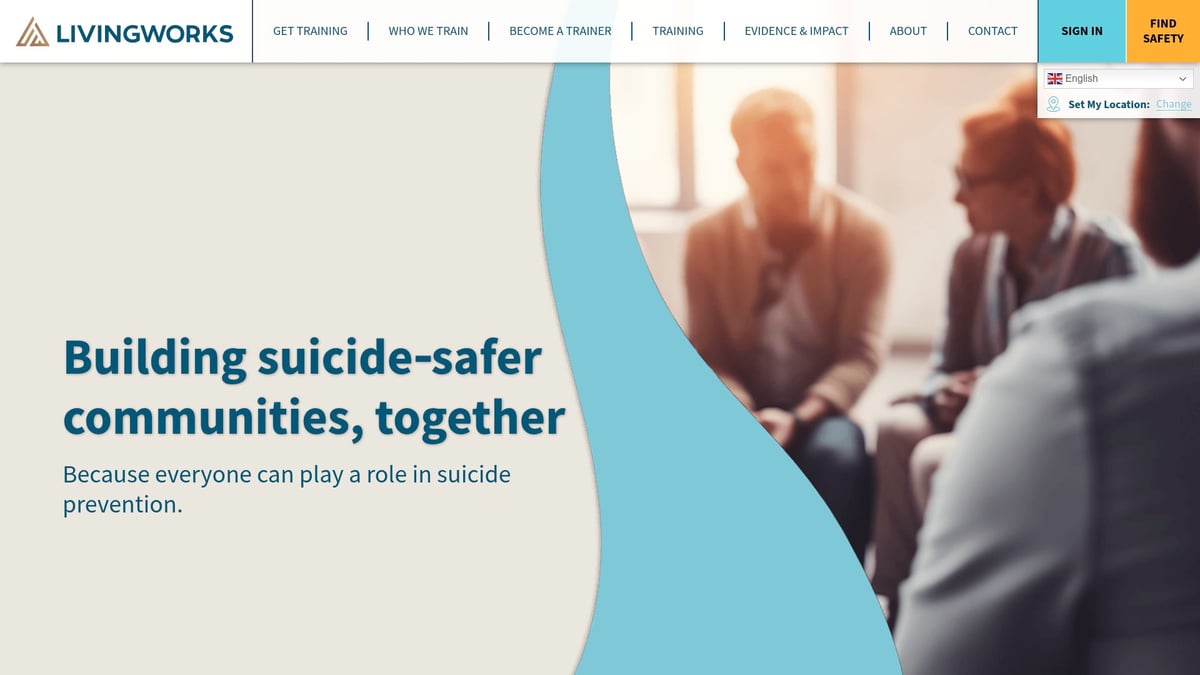
Short, interactive sessions make it accessible for all staff, especially those in high-risk sectors. Both community and workplace versions are available, supporting broad implementation.
Key Features:
- Suicide alertness training
- Warning sign identification
- Crisis response skills
Pros:
- Practical, hands-on
- Global accessibility
Cons:
- Narrow focus on suicide prevention
- Not a broad mental health overview
SafeTALK is a vital addition to comprehensive mental health awareness training courses, ensuring staff are prepared to act in critical situations.
Headspace for Work – Mindfulness and Stress Management
Headspace for Work delivers digital mental health awareness training courses emphasizing mindfulness and stress management. The app-based platform offers guided meditations, stress reduction modules, and resilience-building exercises.
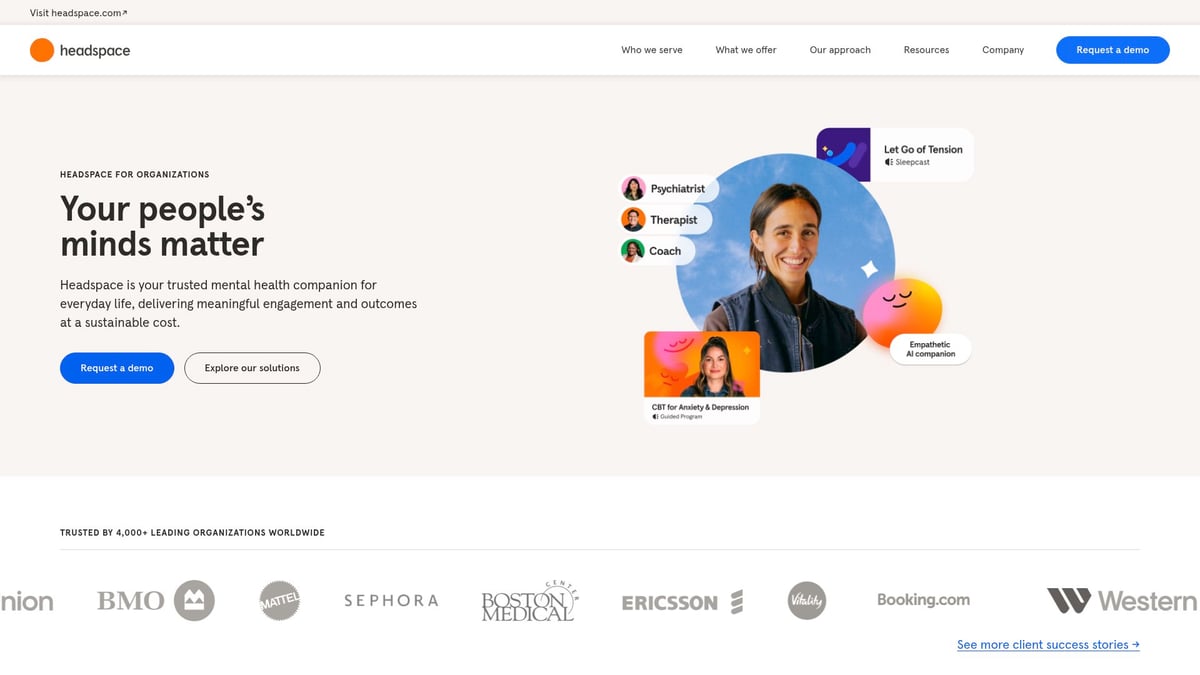
Science-backed content and progress tracking promote ongoing engagement and measurable results. This scalable solution is well-suited to remote and hybrid teams seeking flexible mental health support.
Key Features:
- App-based mindfulness training
- Guided meditations
- Stress reduction modules
Pros:
- Flexible and user-friendly
- Strong employee engagement
Cons:
- Self-guided, less organizational focus
- Limited culture change impact
Headspace for Work is ideal for organizations seeking accessible, digital mental health awareness training courses that support daily wellbeing.
Mental Health at Work – Line Manager Training
This UK-focused program offers mental health awareness training courses tailored to line managers. Resources include conversation frameworks, legal compliance guidance, and practical toolkits for early intervention.
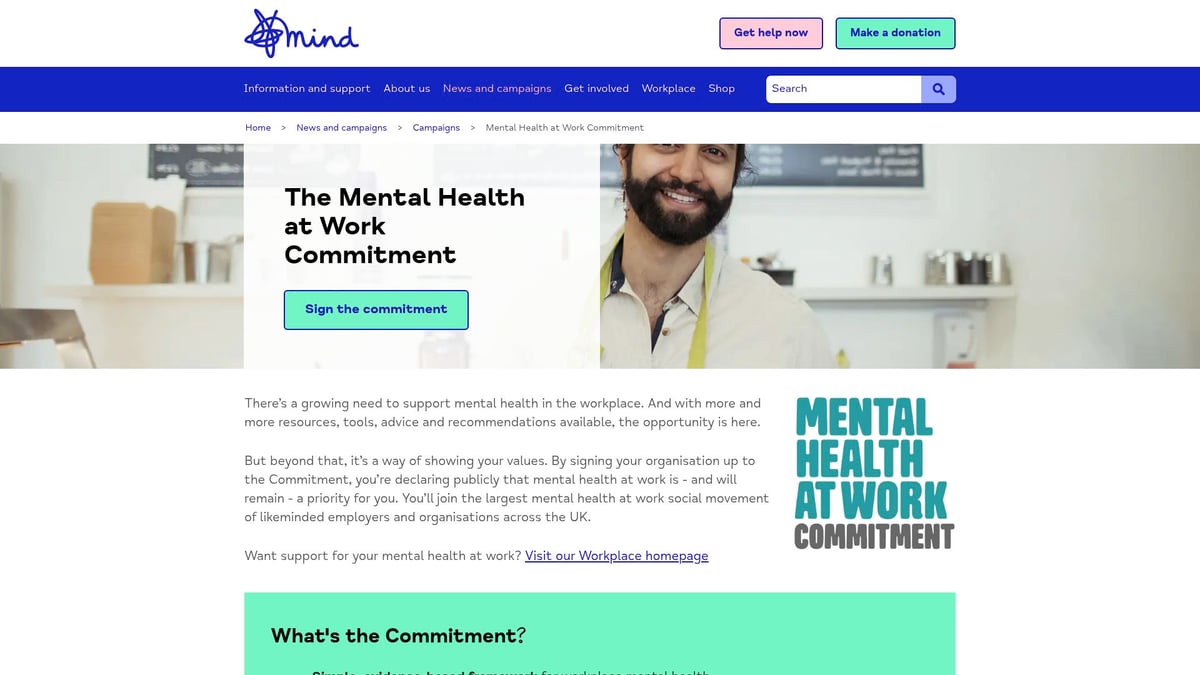
Collaboration with Mind ensures evidence-based content, and many resources are freely available. While primarily designed for UK organizations, the approach can be adapted globally.
Key Features:
- Manager-focused guidance
- Legal compliance
- Early intervention tools
Pros:
- Actionable resources
- Wide-ranging toolkit
Cons:
- UK-centric
- May require adaptation elsewhere
Line managers play a pivotal role in workplace wellbeing, and these mental health awareness training courses equip leaders to support staff with confidence.
Black Dog Institute – Online Workplace Mental Health Training
Black Dog Institute provides online mental health awareness training courses with a strong research foundation. Modules cover depression, anxiety, and resilience, delivered in a flexible eLearning format.
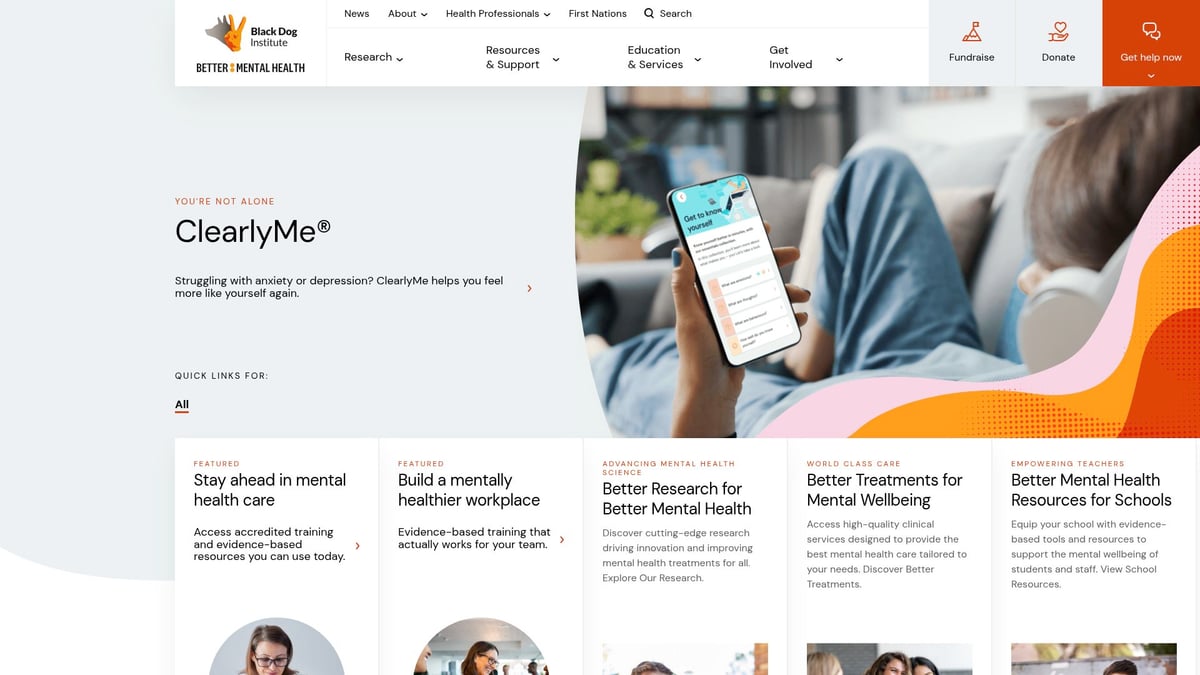
Australian organizations benefit from local expertise and customizable content. Both free and paid options make this program accessible to a wide audience.
Key Features:
- Evidence-based eLearning
- Depression and anxiety modules
- Customizable for industry
Pros:
- Flexible online delivery
- Research-driven
Cons:
- Some content region-specific
- Less interactive than live training
For Australian workplaces seeking accessible, research-backed mental health awareness training courses, Black Dog Institute is a trusted choice.
QPR Institute – Gatekeeper Suicide Prevention Training
QPR Institute’s Gatekeeper program is a succinct option among mental health awareness training courses, focusing on crisis intervention. The online format teaches participants to recognize warning signs, question, persuade, and refer at-risk individuals.
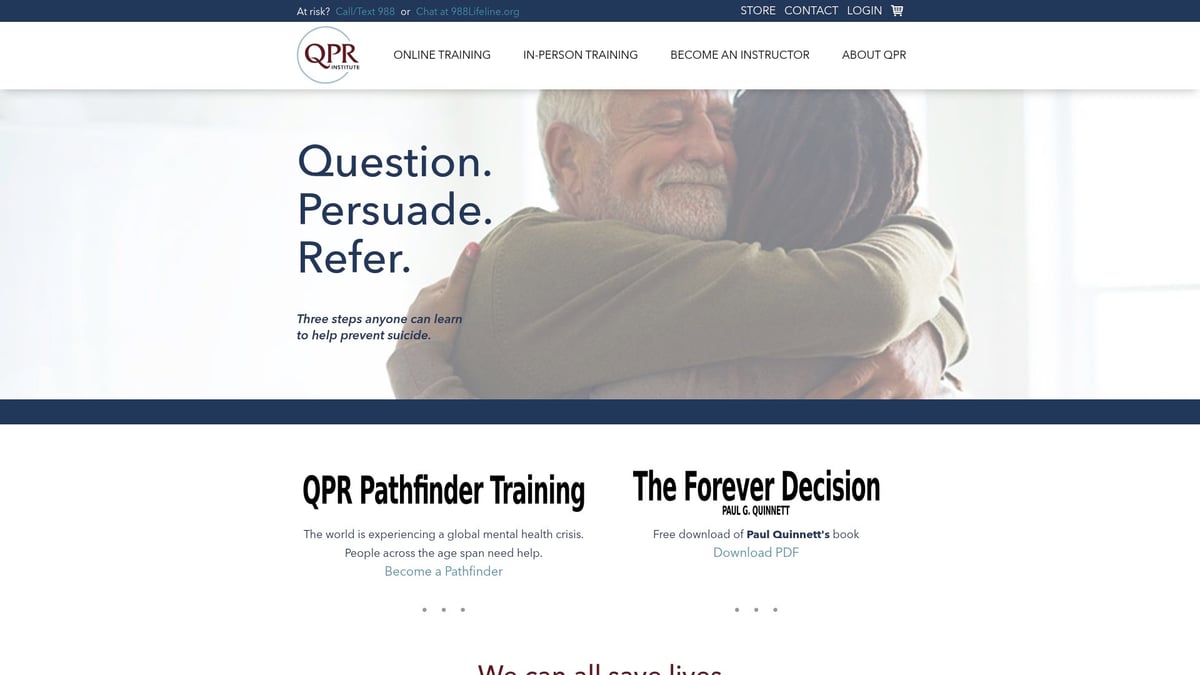
This widely adopted US program is quick to complete and scalable across large organizations. It offers immediate, practical skills for high-pressure environments.
Key Features:
- Crisis recognition methodology
- Online, short format
- Scalable intervention skills
Pros:
- Quick and impactful
- Effective for crisis response
Cons:
- Focus limited to crisis
- Less on holistic wellbeing
QPR’s mental health awareness training courses are best suited for teams that need fast, actionable crisis intervention skills.
Mental Health America – Workplace Wellness Training
Mental Health America offers mental health awareness training courses with a focus on inclusivity, burnout prevention, and stress management. Workshops, webinars, and toolkits support organizations in building supportive environments.
The US-based program is advocacy-driven and customizable for DEI initiatives. Both free resources and paid corporate programs are available.
Key Features:
- Inclusive wellbeing workshops
- Burnout and stress focus
- Customizable for DEI
Pros:
- Broad resource library
- Advocacy and support
Cons:
- US-centric resources
- May need adaptation for other regions
These mental health awareness training courses are especially valuable for organizations committed to diversity, equity, and fostering a culture of psychological safety.
How to Choose the Right Mental Health Awareness Training for Your Organization
Choosing the best mental health awareness training courses is a strategic decision that shapes your workplace’s wellbeing culture. The right approach ensures your investment delivers meaningful results, meets legal obligations, and supports every employee’s unique needs.
Assessing Your Organization’s Needs
Start by evaluating your organization’s culture, size, and industry. Are there existing support systems, such as employee assistance programs or peer support networks? Identify the most pressing mental health challenges your teams face.
Next, define your objectives. Do you need foundational awareness, practical skills, or crisis intervention? Awareness courses foster understanding and reduce stigma. Skills-based options build communication and support capabilities. Crisis-focused courses equip staff to respond to emergencies.
Use this table to compare course types:
| Course Type | Focus | Best For |
|---|---|---|
| Awareness | Reducing stigma, basics | All employees |
| Skills-Based | Practical support skills | Managers, HR |
| Crisis Intervention | Emergency response | Frontline, high-risk roles |
By clarifying your needs, you lay the groundwork for selecting effective mental health awareness training courses.
Aligning Training with Strategic Goals
Integrate your mental health awareness training courses with broader organizational objectives. Align training with your DEI initiatives, compliance requirements, and wellbeing targets.
Are you aiming to reduce absenteeism, improve engagement, or comply with health and safety laws? Involve leadership early to secure buy-in and set clear expectations.
Review feedback from previous initiatives, and consult with employees to ensure the chosen courses address real needs. Strategic alignment increases the likelihood of lasting cultural change.
Evaluating Providers and Delivery Formats
Scrutinize course providers for credentials, evidence base, and user feedback. Look for programs led by qualified professionals, grounded in current research, and adaptable to your sector.
Compare delivery formats: in-person, virtual, hybrid, or self-paced online. Consider flexibility, scalability, and staff preferences. For a comprehensive comparison of options, explore this online mental health courses overview.
For organizations seeking tailored solutions, Workplace mental health training offers insights into effective, customizable approaches.
Ensuring Inclusivity and Measuring Impact
Ensure your mental health awareness training courses are accessible to all employees, including those with diverse backgrounds, abilities, and working arrangements. Choose programs that offer multilingual support, culturally relevant content, and flexible scheduling.
Establish clear metrics for success. Track key performance indicators like participation rates, feedback scores, and reductions in absenteeism or mental health claims. Use ongoing feedback to adapt and improve your training strategy.
Successful implementation examples can be found across sectors, from healthcare to tech, demonstrating measurable improvements in wellbeing and performance.
Integrating Mental Health Training into a Comprehensive Workplace Wellbeing Strategy
Today’s organizations recognize that mental health awareness training courses are not standalone solutions, but core components of a truly comprehensive workplace wellbeing strategy. Effective integration ensures mental health support is woven into every aspect of the employee experience, from onboarding to leadership development and ongoing professional growth.
Embedding Training Within Broader Wellbeing Initiatives
For mental health awareness training courses to yield lasting impact, organizations should embed them within broader health and wellness initiatives. This means aligning training with existing employee assistance programs, physical wellbeing activities, and diversity initiatives.
A holistic approach involves:
- Integrating training into onboarding and regular staff development
- Coordinating with HR policies on flexible work and leave
- Using training to reinforce anti-discrimination and inclusion efforts
By making these courses a routine part of the organizational fabric, companies foster a climate where mental health is prioritized equally alongside physical safety and performance. This approach helps normalize conversations and encourages early intervention before crises arise.
Leadership Engagement and Creating Psychologically Safe Environments
Leadership commitment is crucial for the success of mental health awareness training courses. When leaders and managers model open dialogue and participate in training, they signal that staff wellbeing is a strategic priority.
Practical steps include:
- Providing specialized mental health courses for managers to equip leaders with the skills to support their teams effectively
- Encouraging managers to initiate regular wellbeing check-ins
- Establishing clear channels for confidential reporting and support
Psychologically safe learning environments are built by respecting confidentiality, promoting empathy, and reducing stigma. When employees feel safe, they are more likely to engage fully in training and apply what they learn in daily interactions.
Ongoing Support, Assessment, and Continuous Improvement
Sustainable change relies on ongoing support and regular assessment of mental health awareness training courses. Organizations should leverage supplementary resources such as videos, posters, and refresher sessions to reinforce key messages and skills.
Key strategies include:
- Conducting regular pulse surveys and feedback sessions to evaluate impact
- Reviewing KPIs like absenteeism, productivity, and staff retention
- Adapting training content based on emerging needs and workforce feedback
A culture of continuous improvement is vital. Drawing on resources like de-escalation in mental health can further empower teams to handle complex situations and maintain a supportive environment. Ultimately, organizations that embed mental health awareness training courses within a comprehensive wellbeing strategy see measurable improvements in morale, performance, and overall workplace culture.
You've just explored the top mental health awareness training courses for 2026, each designed to meet the unique needs of today’s dynamic workplace. Investing in the right training can empower your team, reduce absenteeism, and build a culture of resilience and support. If you’re ready to take the next step in fostering wellbeing and performance within your organization, I invite you to dive deeper into these options and discover how tailored programs can make a measurable difference. Let’s work together to create a healthier, more productive workplace—Find Out More.

