
Managing mental health in the workplace training is now a critical priority for organizations seeking to boost productivity and support employee wellbeing. With mental health challenges on the rise, companies face real business risks if they ignore these issues, from absenteeism to high turnover. As a result, more workplaces are turning to effective training programs that empower teams and create healthier, more resilient cultures. This guide provides actionable strategies and essential resources to help you navigate managing mental health in the workplace training. We will explore the current landscape, core training components, implementation steps, ways to overcome common challenges, how to measure impact, and future trends for a mentally healthy workplace.
Understanding the Mental Health Landscape in the Workplace
The importance of managing mental health in the workplace training has never been more apparent. Organizations across industries are realizing that employee wellbeing is central to productivity, retention, and overall success. As mental health challenges rise, understanding the landscape becomes essential for effective intervention.
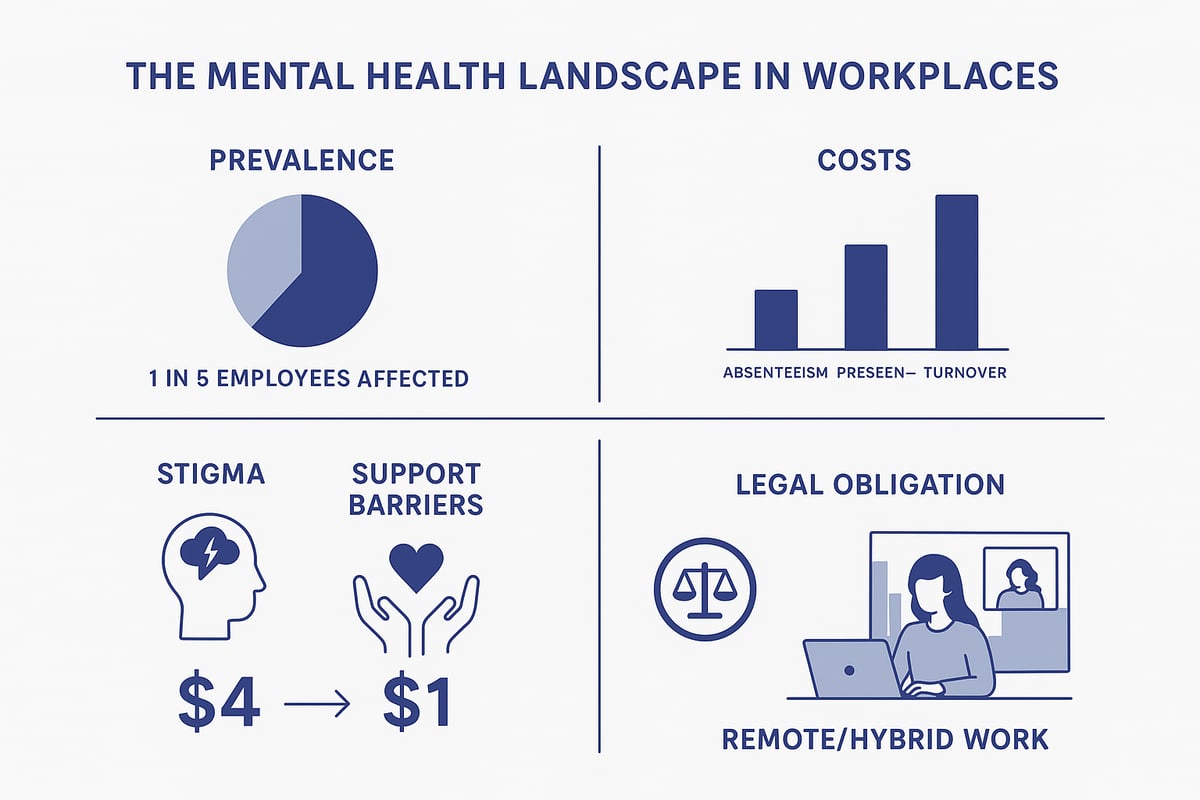
Workplace mental health refers to the emotional, psychological, and social wellbeing of employees within their professional environment. It involves recognizing and addressing stressors, supporting those with mental health issues, and cultivating a positive culture. For organizations, managing mental health in the workplace training is not just a moral responsibility, but a strategic necessity.
Recent data shows that mental health concerns are widespread. According to the World Health Organization, one in five employees experiences a mental health issue each year. This prevalence highlights the urgent need for managing mental health in the workplace training programs that reach everyone, regardless of role or seniority.
The cost of poor mental health is significant. It includes absenteeism, where employees take time off due to stress or illness, and presenteeism, where staff are physically present but not fully productive. High turnover rates and reduced engagement also impact the bottom line. A quick comparison is shown below:
| Cost Factor | Impact on Business |
|---|---|
| Absenteeism | Increased sick leave, lost hours |
| Presenteeism | Lower output, hidden costs |
| Turnover | Recruitment, training expenses |
| Productivity | Reduced team performance |
Barriers to seeking help remain a major challenge. Many employees worry about stigma, confidentiality, or being perceived as weak. Common obstacles include:
- Fear of negative career impact
- Lack of awareness about available resources
- Limited manager support or understanding
Legal obligations add another layer of importance. Employers have a duty of care under Occupational Health and Safety (OH&S) regulations to protect both the physical and mental wellbeing of their staff. This means providing safe environments and reasonable accommodations, as well as taking proactive steps through managing mental health in the workplace training.
Investing in mental health yields measurable returns. According to a Deloitte analysis, every dollar spent on mental health initiatives can return up to four dollars in reduced absenteeism and improved productivity. These figures make a compelling business case for prioritizing managing mental health in the workplace training.
The shift to remote and hybrid work models has introduced new stressors and blurred the boundaries between work and personal life. Isolation, communication challenges, and digital fatigue now affect mental wellbeing in unique ways. Adapting managing mental health in the workplace training for these environments is crucial to ensure all employees receive the support they need.
A real-world example illustrates the impact of effective training. One global technology company identified high turnover and burnout as key issues. After implementing a comprehensive mental health training program, they saw a 25% improvement in staff retention and a marked decrease in stress-related absences.
For a deeper understanding of workplace mental health fundamentals and how training can transform organizations, explore this Workplace mental health training overview.
In summary, managing mental health in the workplace training is vital for employee wellbeing and organizational performance. By addressing prevalence, costs, barriers, legal duties, and adapting to new work models, companies can build healthier, more resilient teams.
Core Components of Effective Workplace Mental Health Training
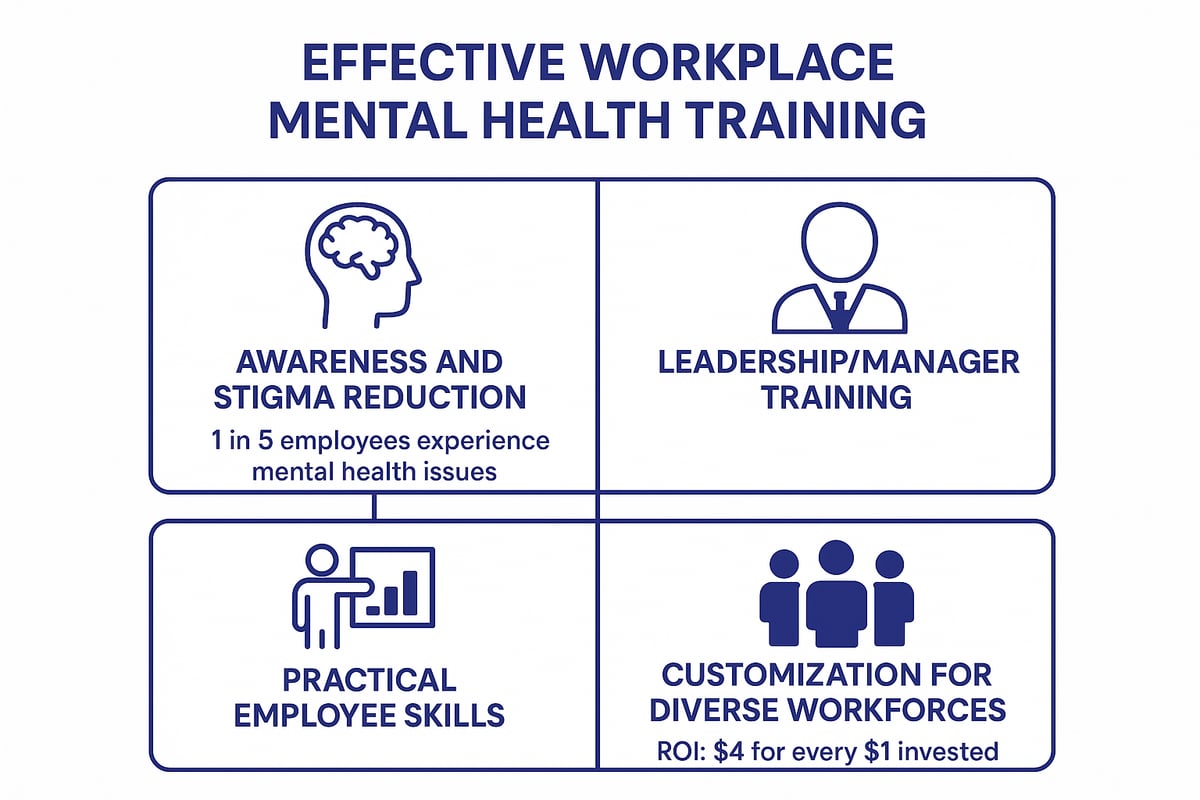
Understanding the core components of managing mental health in the workplace training is essential for creating a supportive environment. Each element plays a distinct role in building a culture of wellbeing and resilience. By focusing on awareness, leadership, practical skills, and customization, organizations can address the unique needs of their teams.
Building Awareness and Reducing Stigma
Promoting mental health literacy is the cornerstone of managing mental health in the workplace training. When all staff understand mental health concepts and recognize early warning signs, stigma naturally starts to decrease. Open conversations become easier, encouraging employees to seek help when needed.
Organizations can foster this awareness through targeted anti-stigma campaigns. These may include workshops, personal stories, and visible leadership support. For instance, some businesses have seen a 25% increase in employees feeling comfortable discussing mental health after launching awareness initiatives.
To further reduce stigma, companies should provide clear information on available resources and encourage peer support. This approach not only normalizes mental health conversations but also builds trust within teams. Embedding these practices into managing mental health in the workplace training ensures that awareness and acceptance become part of everyday culture.
Equipping Managers and Leaders
Managers and leaders are pivotal in managing mental health in the workplace training. Their ability to recognize signs of distress and respond appropriately can make a significant difference in employee outcomes. Training should focus on equipping leaders with skills to identify early indicators, provide initial support, and know when to refer individuals to professional help.
Essential topics for manager training include active listening, confidentiality, and understanding referral pathways. For example, a manager who intervened early after noticing changes in an employee’s behavior helped prevent a crisis and improved team morale.
Ongoing leadership development is key. Best practices involve regular refresher sessions, access to expert advice, and practical role-play scenarios. By integrating managing mental health in the workplace training into leadership programs, organizations can build a culture where support starts at the top.
Practical Skills for Employees
A vital aspect of managing mental health in the workplace training is empowering employees with practical skills. Training on stress management, resilience, and self-care gives staff the tools to handle daily pressures and adapt to change. Interactive workshops and scenario-based learning make these skills relatable and actionable.
Mindfulness sessions, for instance, have been shown to boost engagement and reduce stress. Digital tools and e-learning modules offer flexible options, making learning accessible for all roles. For organizations seeking structured programs, stress management and resilience training can be seamlessly integrated into existing wellbeing strategies.
By focusing on skill development, managing mental health in the workplace training not only supports individuals but also enhances overall team performance. These competencies become especially critical during times of uncertainty or organizational change.
Customizing Training for Diverse Workforces
Every workforce is unique, so managing mental health in the workplace training must be tailored to address different cultural, generational, and job-specific needs. Inclusive training design ensures that all employees feel represented and supported, regardless of background or role.
Customization involves adapting content, language, and delivery methods. For example, frontline staff may benefit from concise, scenario-based modules, while office teams might prefer in-depth workshops. Programs co-designed with employee input often result in higher engagement and better outcomes.
Data shows that personalized training improves learning retention and satisfaction rates. By embracing diversity in program design, organizations demonstrate a genuine commitment to wellbeing and create a more resilient, cohesive workforce. This tailored approach makes managing mental health in the workplace training relevant and effective for everyone.
Step-by-Step Guide to Implementing Mental Health Training Programs
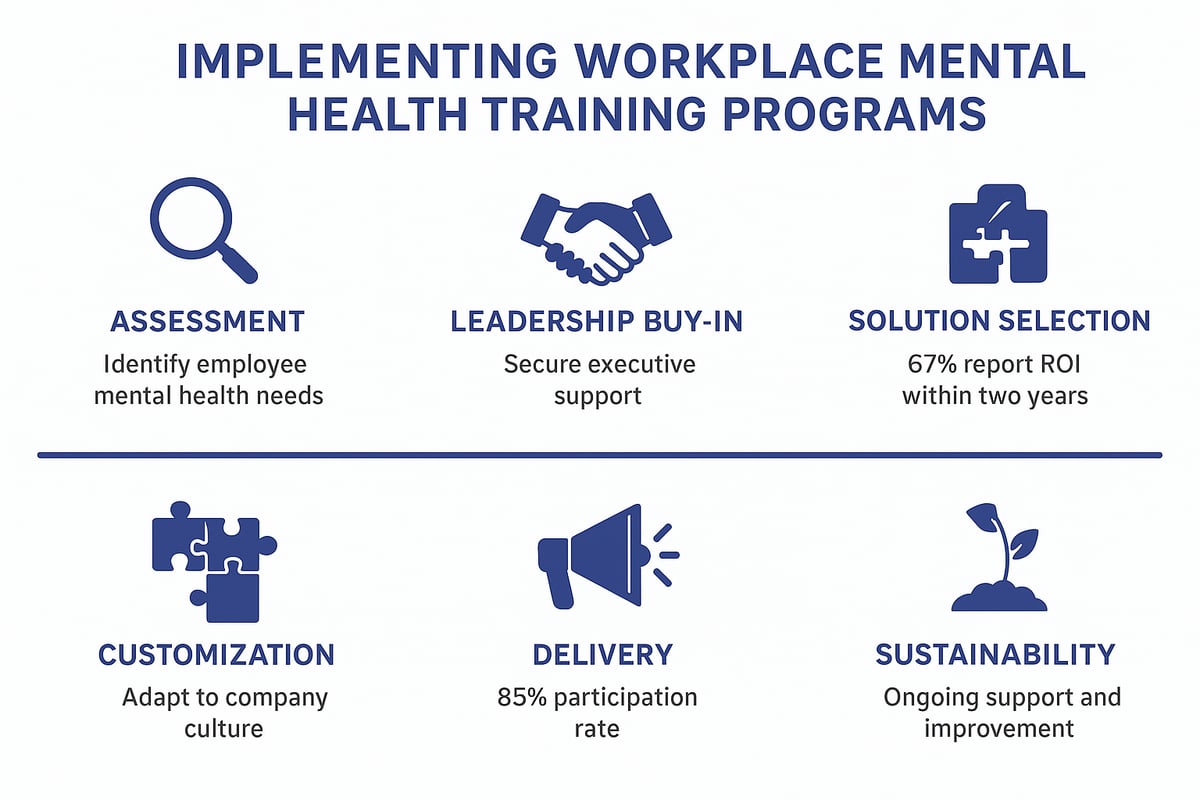
A structured approach is essential for managing mental health in the workplace training. By following clear steps, organizations can create impactful programs that address unique needs and drive meaningful change. This guide walks through each crucial phase, ensuring your mental health training is effective, sustainable, and aligned with organizational goals.
Assessing Organizational Needs
The first step in managing mental health in the workplace training is a comprehensive assessment of your organization's unique challenges. Begin by conducting wellbeing surveys, focus groups, and analyzing absenteeism or turnover data. This process helps pinpoint stressors and identify high-risk groups.
Utilize proven assessment tools, such as those found in the Workplace Mental Health – The Working Well Toolkit, to guide your data collection and analysis. This ensures your approach is evidence-based and tailored to your workforce.
By understanding your baseline, you can set realistic goals and measure the true impact of managing mental health in the workplace training.
Securing Leadership Buy-In
Leadership commitment is vital for managing mental health in the workplace training. Present a compelling business case using data on absenteeism, productivity, and employee retention. Highlight how investing in mental health aligns with company values and legal obligations.
Address potential misconceptions by sharing research and real-world success stories. Involve leaders early in the planning process to foster ownership and accountability.
When executives champion managing mental health in the workplace training, it signals its importance and encourages wider participation across all levels.
Selecting the Right Training Solutions
Choosing effective methods is a core part of managing mental health in the workplace training. Compare in-person, online, blended, and self-paced delivery options, considering the preferences and needs of your staff.
Select credible providers with evidence-based content and proven outcomes. Review course outlines, instructor qualifications, and available support resources.
A well-chosen solution ensures that managing mental health in the workplace training is both accessible and impactful for your diverse workforce.
Customizing Content for Your Organization
Customization makes managing mental health in the workplace training relevant and engaging. Adapt modules to reflect your company’s culture, values, and the unique challenges your teams face.
Gather employee feedback through surveys or workshops to co-design learning materials. This collaborative approach increases ownership and ensures content resonates.
Tailored training demonstrates respect for employee diversity and maximizes the impact of managing mental health in the workplace training.
Delivering and Promoting the Program
Effective delivery and promotion are key to the success of managing mental health in the workplace training. Launch with a clear communication plan, outlining program benefits and participation expectations.
Use multiple channels, such as emails, posters, and staff meetings, to reach all employees. Encourage involvement at every level, from executives to frontline staff.
Interactive events, Q&A sessions, and visible leadership support boost engagement and normalize managing mental health in the workplace training.
Monitoring and Evaluating Impact
Ongoing evaluation is essential for managing mental health in the workplace training. Define clear KPIs, such as engagement rates, absenteeism trends, and employee satisfaction scores.
Collect feedback through post-training surveys, focus groups, and performance data. Use this information to refine content and delivery methods.
Regular monitoring ensures that managing mental health in the workplace training remains effective and responsive to evolving needs.
Sustaining and Scaling the Initiative
Sustaining impact requires embedding managing mental health in the workplace training into ongoing learning and development. Create peer support networks and appoint mental health champions to maintain momentum.
Plan for scalability by updating content and expanding access as organizational needs grow. Celebrate successes and share progress to reinforce commitment.
Long-term sustainability ensures that managing mental health in the workplace training becomes an integral part of your organizational culture.
Overcoming Common Challenges in Workplace Mental Health Training
Organizations committed to managing mental health in the workplace training often encounter a range of practical and cultural barriers. Overcoming these challenges is essential for building a mentally healthy workplace where every employee feels supported and engaged.
Time and Resource Constraints
Many organizations struggle to allocate sufficient time and resources for managing mental health in the workplace training. Competing priorities, limited budgets, and heavy workloads can delay or dilute training efforts.
To address this, consider microlearning modules, flexible scheduling, and integrating mental health topics into existing training sessions. Prioritizing short, impactful sessions helps maintain momentum without overwhelming staff.
Combating Stigma and Resistance
Stigma remains a significant obstacle in managing mental health in the workplace training. Employees may fear judgment or career setbacks if they participate or speak openly.
Normalize mental health conversations by sharing leadership stories, running anti-stigma campaigns, and providing anonymous feedback channels. According to the 2024 NAMI Workplace Mental Health Poll, a majority of employees want more open dialogue about mental health.
Ensuring Accessibility for Remote and Shift Workers
Remote and shift workers often miss out on traditional in-person training. To ensure equitable access, offer digital training options, recorded sessions, and mobile-friendly resources.
Flexible delivery methods empower all employees to engage with managing mental health in the workplace training, regardless of location or schedule.
Maintaining Confidentiality and Trust
Confidentiality concerns can deter employees from participating fully in mental health programs. It is essential to communicate clear privacy policies and safeguard personal information.
Build trust by using third-party platforms for sensitive feedback and reinforcing the confidential nature of all managing mental health in the workplace training activities.
Information Overload and Training Fatigue
Too much information at once can lead to disengagement and fatigue. Structure content into manageable segments, and provide regular breaks.
Burnout is a common risk, so consult the Preventing workplace burnout guide for practical tips on pacing and content delivery. This approach keeps managing mental health in the workplace training engaging and sustainable.
Cultural and Language Barriers
Diverse workplaces require culturally sensitive approaches to managing mental health in the workplace training. Translation, localization, and inclusive examples ensure relevance for all employees.
Invite feedback from various groups and adapt content to reflect the team's unique backgrounds, promoting a sense of belonging.
Case Example and Solutions
One manufacturing company faced low engagement in managing mental health in the workplace training due to shift patterns and skepticism. By offering incentives, tailoring sessions to different roles, and creating a peer support network, participation rates rose by 35 percent.
Common Pitfalls and Quick Solutions
| Challenge | Solution |
|---|---|
| Time constraints | Microlearning, flexible scheduling |
| Stigma/resistance | Leadership role modeling, open dialogue |
| Remote worker access | Digital/recorded training, mobile resources |
| Confidentiality concerns | Clear privacy policies, third-party tools |
| Training fatigue | Short sessions, regular breaks, monitor burnout |
| Cultural/language barriers | Inclusive content, translated materials |
Overcoming these barriers is fundamental to the success of managing mental health in the workplace training. Proactive planning, employee involvement, and ongoing evaluation ensure a supportive, resilient workforce.
Leveraging Expert Support and Resources
Empowering your organization to succeed with managing mental health in the workplace training often requires specialized expertise and reliable resources. Expert support ensures your training is evidence-based, practical, and tailored for real results.
Workplace Mental Health Institute: Comprehensive Training Solutions
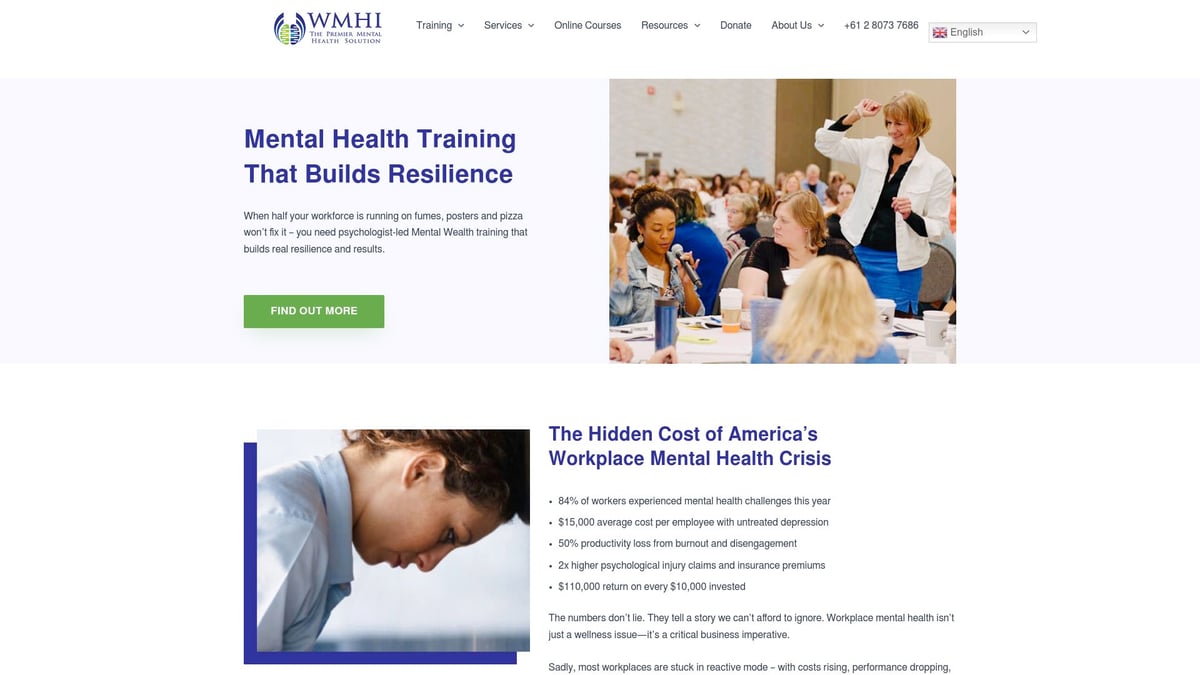
The Workplace Mental Health Institute (WMHI) offers a full suite of programs designed for organizations committed to managing mental health in the workplace training at every level. Their expert-led services include wellbeing assessments, trauma-informed care, and strategic consultations to help businesses identify risks and build resilience.
Key offerings:
- Wellbeing program design and implementation
- Leadership and manager coaching
- Resilience and self-care workshops
- Crisis response and trauma management
Their approach is practical and empowering, focusing on sustainable change rather than quick fixes. By leveraging staff wellbeing program strategies, organizations can improve employee wellbeing, reduce absenteeism, and enhance overall performance. WMHI also provides access to online courses and resources, making it easier to scale training across diverse teams.
These tailored solutions support organizations in creating psychologically safe environments. When managing mental health in the workplace training is backed by expert support, the impact is measurable and lasting.
Utilizing External Resources and Partnerships
No organization is an island when it comes to managing mental health in the workplace training. Partnering with local mental health organizations, accessing government-supported toolkits, and utilizing digital platforms all strengthen your approach.
Collaboration options include:
- Partnering with community mental health services for on-site support
- Using evidence-based digital tools and apps for ongoing employee assistance
- Training peer champions to sustain momentum
Government and third-party resources often offer templates, checklists, and best practice guidelines. For instance, the 2024 NAMI Workplace Mental Health Poll highlights the value employees place on accessible support and open conversations at work.
Successful partnerships can increase engagement and deliver better mental health outcomes. By integrating these resources, organizations ensure managing mental health in the workplace training remains current, inclusive, and responsive to evolving workforce needs.
Measuring Success and Evolving Your Mental Health Training Strategy
Evaluating the impact of managing mental health in the workplace training begins with setting clear, actionable metrics. These indicators help organizations track progress and identify areas for improvement. By measuring outcomes, companies can ensure their investment in mental health delivers real value for both employees and the business.
Defining and Tracking Success Metrics
Organizations should identify which metrics best reflect the goals of their mental health initiatives. Common indicators include:
| Metric | Description |
|---|---|
| Engagement Rates | Participation in training and related programs |
| Absenteeism | Reduction in days missed due to mental health issues |
| Turnover | Employee retention improvements |
| Employee Satisfaction | Survey results on wellbeing and support |
Tracking these metrics consistently allows leaders to assess whether managing mental health in the workplace training is making a tangible difference. Qualitative data, such as employee feedback and stories, adds depth to quantitative results.
Evaluation and Benchmarking
Collecting both quantitative and qualitative data is crucial. Post-training surveys, focus groups, and regular check-ins provide insights into how employees perceive the effectiveness of training. For organizations seeking evidence-based approaches, reviewing research like the Effectiveness of Training Workplace Managers can guide evaluation methods and highlight best practices.
Benchmarking results against industry standards is another important step. Resources such as the Mental Wellbeing at Work – NICE Guideline offer criteria for supportive and inclusive environments. Comparing internal data to these benchmarks helps identify strengths and gaps.
Continuous Improvement and Adaptation
Success in managing mental health in the workplace training requires ongoing refinement. Establish feedback loops that capture employee experiences and suggestions after each training cycle. Use this input to update content, adjust delivery methods, and address emerging challenges.
- Gather feedback through anonymous surveys and focus groups.
- Analyze trends in absenteeism and turnover before and after training.
- Adjust programs based on changing workforce needs, such as hybrid work or new stressors.
A real-world example involves a company that revisited its mental health strategy post-pandemic. By regularly collecting feedback and comparing outcomes to industry benchmarks, the organization evolved its training, resulting in higher engagement and improved retention.
Looking Ahead: Trends and Future Readiness
As workplace dynamics shift, so should your approach to managing mental health in the workplace training. Monitor trends in digital learning, remote support, and employee expectations. Stay informed about new research and guidelines to ensure your strategy remains relevant and effective.
Preparing for future challenges means embracing flexibility, fostering open communication, and committing to a culture of continuous learning. Organizations that prioritize these principles will be best equipped to support employee wellbeing and business success.
As we’ve explored, investing in workplace mental health isn’t just the right thing to do—it’s a smart business strategy that boosts engagement, reduces absenteeism, and builds a resilient team. If you’re ready to take the next step and want practical, expert-backed solutions tailored to your organization’s unique needs, let’s keep this conversation going. You can access specialized training programs, wellbeing assessments, and strategic support to help your team thrive.
Find Out More and discover how you can create a healthier, more productive workplace for everyone.

