
Employee mental health represents one of the most significant workforce challenges organizations face today. With burnout, stress, and psychological distress affecting productivity and retention, implementing evidence-based mental health activities for employees has become essential rather than optional. These structured interventions create psychologically safe environments where people can build resilience, develop coping skills, and access support before reaching crisis points. Organizations that prioritize proactive mental health programming see measurable improvements in engagement, absenteeism, and overall performance.
Understanding the Framework for Workplace Mental Health Programming
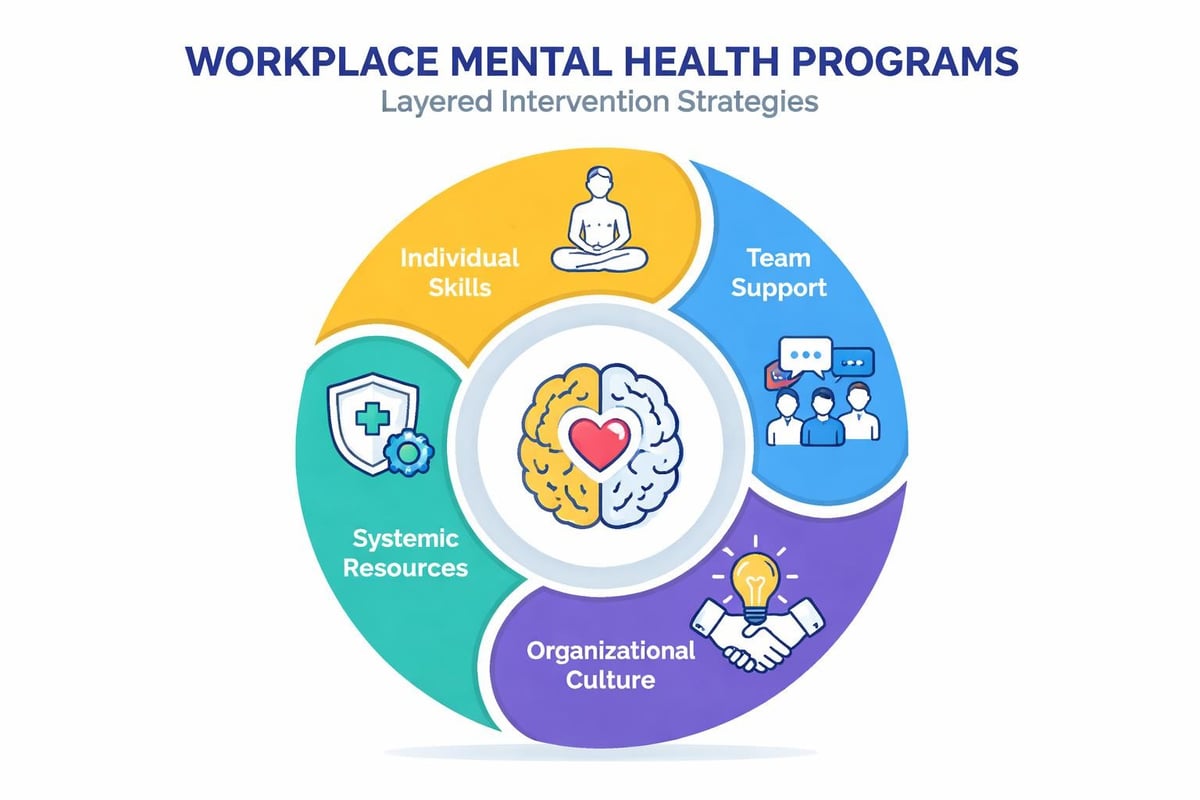
Effective mental health activities for employees require strategic design, not random wellness gestures. Research demonstrates that successful interventions address multiple levels: individual skill development, team dynamics, organizational culture, and systemic supports.
The psychological foundation matters significantly. Activities grounded in cognitive-behavioral principles, mindfulness research, or positive psychology frameworks deliver more consistent outcomes than generic wellness initiatives. Leaders must distinguish between surface-level programming and interventions that genuinely build psychological resources.
Key implementation considerations include:
- Accessibility across diverse work arrangements (remote, hybrid, on-site)
- Cultural sensitivity and universal design principles
- Integration with existing wellbeing strategies
- Measurement systems that track participation and impact
- Voluntary participation without stigma or pressure
Organizations benefit from conducting workplace wellbeing assessments before launching activities. These assessments identify specific stressors, risk factors, and protective factors within your environment, enabling targeted rather than generic interventions.
Evidence-Based Individual Skill Development Activities
Individual-focused mental health activities for employees build personal psychological resources. These interventions equip people with practical skills they can apply immediately in work and personal contexts.
Structured Mindfulness and Meditation Programs
Mindfulness interventions reduce stress reactivity and improve emotional regulation when implemented systematically. Rather than one-off sessions, effective programs include progressive skill development over 6-8 weeks.
Structured mindfulness programs typically include:
- Body scan practices (10-15 minutes) for stress awareness
- Focused attention meditation building concentration
- Open monitoring practices developing metacognitive awareness
- Mindful movement integrating physical and mental presence
- Integration exercises applying skills during work tasks
Organizations can offer guided meditation sessions during lunch periods or provide access to digital platforms. The critical factor is consistency rather than intensity. Daily 10-minute practices outperform occasional 60-minute sessions.
Cognitive Restructuring Workshops
Teaching employees to identify and challenge unhelpful thought patterns provides lasting psychological benefits. These workshops, grounded in cognitive-behavioral principles, help people recognize thinking traps that amplify stress.
Participants learn to distinguish facts from interpretations, examine evidence for catastrophic thinking, and develop balanced perspectives. Sessions should include practical workplace scenarios where cognitive distortions commonly occur: feedback conversations, deadline pressure, interpersonal conflicts, or performance reviews.
| Cognitive Distortion | Workplace Example | Restructuring Approach |
|---|---|---|
| Catastrophizing | “One mistake will ruin my career” | Examine evidence; consider alternative outcomes |
| All-or-nothing thinking | “If I’m not perfect, I’ve failed” | Recognize spectrum of performance |
| Mind reading | “My manager thinks I’m incompetent” | Test assumptions through direct communication |
| Overgeneralization | “I always mess up presentations” | Identify specific situations and exceptions |
Resilience Building Training
Resilience represents a learnable skillset, not an innate personality trait. Comprehensive resilience training helps employees develop adaptive coping strategies, maintain perspective during adversity, and recover from setbacks more effectively.
Effective programs address multiple resilience domains: emotional regulation, problem-solving capacity, relationship building, and meaning-making. Training courses focused on workplace wellbeing provide structured curricula covering these components systematically.
Team-Based Mental Health Activities
Collective interventions address the social dimension of psychological wellbeing. These mental health activities for employees strengthen connections, normalize help-seeking, and build supportive team cultures.
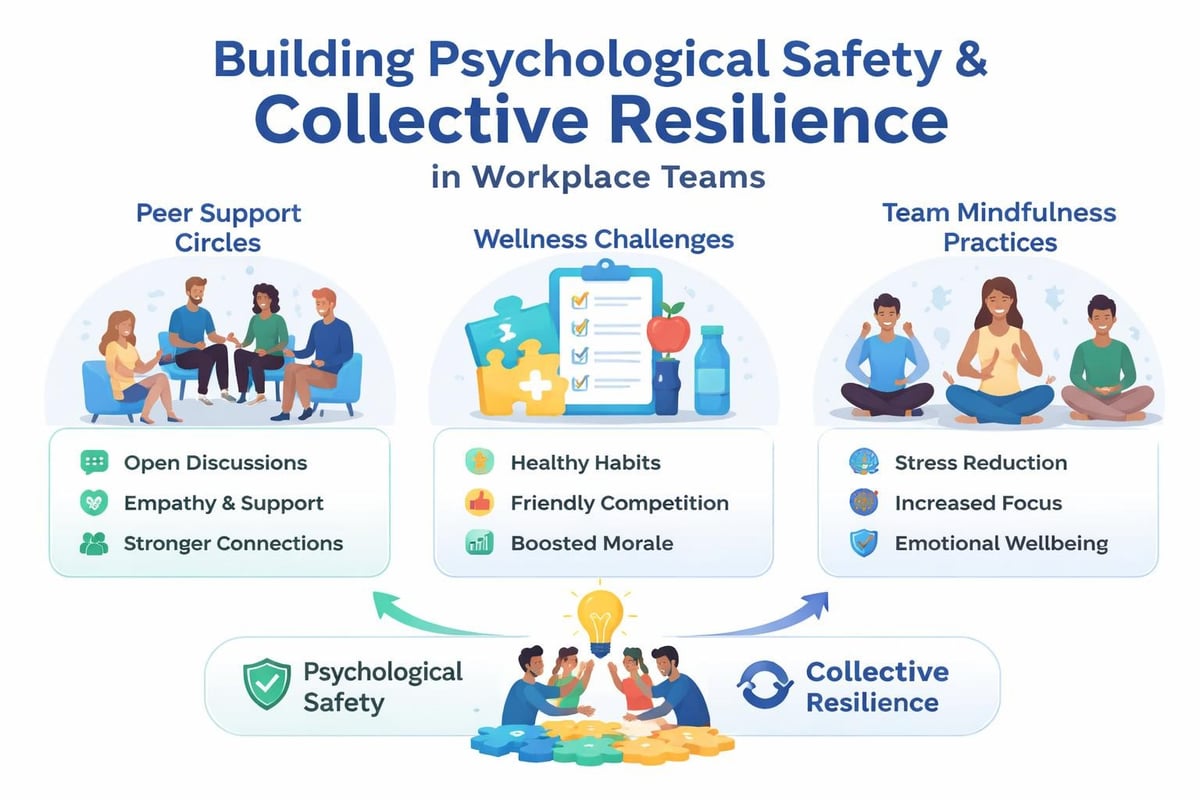
Structured Peer Support Circles
Peer support creates opportunities for employees to share experiences, normalize struggles, and exchange coping strategies. Unlike therapy groups, peer circles focus on mutual support rather than clinical intervention.
Effective implementation requires clear structure:
- Monthly 60-90 minute sessions with consistent attendance
- Trained facilitators (not necessarily mental health professionals)
- Confidentiality agreements and psychological safety norms
- Topic frameworks that balance structure and flexibility
- Resource connections to professional support when needed
Peer support check-ins particularly benefit teams experiencing shared stressors like organizational change, demanding projects, or industry disruption.
Collaborative Wellness Challenges
Team-based wellness challenges build healthy habits through social accountability. Unlike competitive leaderboards that may increase pressure, collaborative approaches emphasize collective progress toward shared goals.
Effective challenge structures include:
- Sleep hygiene competitions tracking team average sleep hours
- Movement challenges measuring collective steps or active minutes
- Digital detox periods where teams disconnect together
- Gratitude practices with shared appreciation exchanges
- Stress management skill development with peer accountability
The social connection and shared experience often matter more than the specific health behavior being targeted.
Team Mindfulness and Breathing Practices
Brief team mindfulness practices reduce collective stress and improve group focus. Five-minute breathing exercises at the start of meetings help teams transition from previous tasks and arrive mentally present.
Progressive muscle relaxation sequences, guided imagery, or grounding exercises work equally well. The key is consistency and voluntary participation. Teams that practice together develop shared regulation capacity, making it easier for individuals to use these skills independently during high-stress moments.
Organizational and Cultural Interventions
Sustainable mental health improvement requires systemic change, not just individual activities. These organizational-level mental health activities for employees address structural factors affecting psychological wellbeing.
Mental Health Literacy Training for Managers
Managers profoundly influence team psychological safety and stress levels. Training programs that build manager mental health literacy improve early intervention, reduce stigma, and normalize supportive conversations.
Comprehensive manager training covers:
- Recognizing early warning signs of psychological distress
- Conducting supportive conversations without overstepping boundaries
- Understanding workplace accommodations and adjustment processes
- Connecting employees to resources appropriately and confidentially
- Managing own wellbeing to model healthy practices
Trauma-informed care training helps managers recognize how past experiences shape current responses, enabling more compassionate and effective support approaches.
Psychological Safety Building Initiatives
Psychological safety enables people to speak up, ask questions, admit mistakes, and seek help without fear of negative consequences. Organizations build this foundation through deliberate practices, not declarations.
Practical psychological safety activities include:
- Error review sessions focused on learning rather than blame
- Anonymous feedback mechanisms with visible follow-up actions
- Inclusive meeting practices ensuring diverse voices contribute
- Leader vulnerability modeling where senior staff share challenges
- Celebration of help-seeking normalizing resource utilization
Leaders must consistently demonstrate that speaking up leads to positive outcomes, not punishment or embarrassment.
Workload and Boundary Management Programs
Excessive workload represents one of the most significant workplace mental health risk factors. Organizations addressing this root cause demonstrate genuine commitment beyond superficial wellness programming.
| Intervention Strategy | Implementation Approach | Expected Outcome |
|---|---|---|
| Workload audits | Systematic assessment of task distribution and capacity | Identified bottlenecks and unsustainable loads |
| Meeting reduction protocols | No-meeting days; required agendas; attendance criteria | Recovered time for focused work |
| Email boundary norms | Expected response timeframes; after-hours protocols | Reduced always-on pressure |
| Project prioritization processes | Clear decision frameworks for competing demands | Decreased role overload |
| Adequate staffing analysis | Workload-to-capacity ratio assessments | Resource allocation adjustments |
These structural interventions often deliver greater mental health benefits than downstream coping programs, though both remain important.
Digital and Technology-Enabled Mental Health Activities
Technology extends mental health support beyond traditional time and place constraints. Digital mental health activities for employees increase accessibility while requiring careful implementation to ensure effectiveness and privacy.
App-Based Mindfulness and Meditation
Digital mindfulness platforms provide on-demand access to guided practices. Employees can engage during breaks, commutes, or whenever stress arises. Organizations can subsidize premium app subscriptions or negotiate enterprise licenses.
Effective implementation includes onboarding sessions explaining app features, regular usage prompts without pressure, and periodic check-ins about digital tool utility. Mental wellness activities incorporating technology demonstrate particular value for distributed workforces.
Virtual Group Sessions and Workshops
Video-enabled group sessions maintain connection for remote teams. Mental health workshops, support groups, and skill-building sessions translate effectively to virtual formats when facilitated skillfully.
Consider offering multiple time zones for global teams, recording sessions for asynchronous access, and creating smaller breakout discussions during larger events. Virtual formats remove geographic barriers while requiring intentional engagement strategies to maintain participation quality.
Digital Mental Health Screening and Self-Assessment
Confidential online screening tools help employees assess their psychological wellbeing and identify when professional support might help. These evidence-based instruments provide personalized feedback and resource recommendations.
Implementation best practices require:
- Absolute confidentiality with no employer data access
- Clear explanation of screening versus diagnosis
- Direct pathways to professional resources
- Regular availability beyond annual events
- Accessibility across devices and connection speeds
Organizations must never access individual screening results. Aggregate, de-identified data can inform programming decisions while protecting privacy.
Physical Wellness Activities Supporting Mental Health
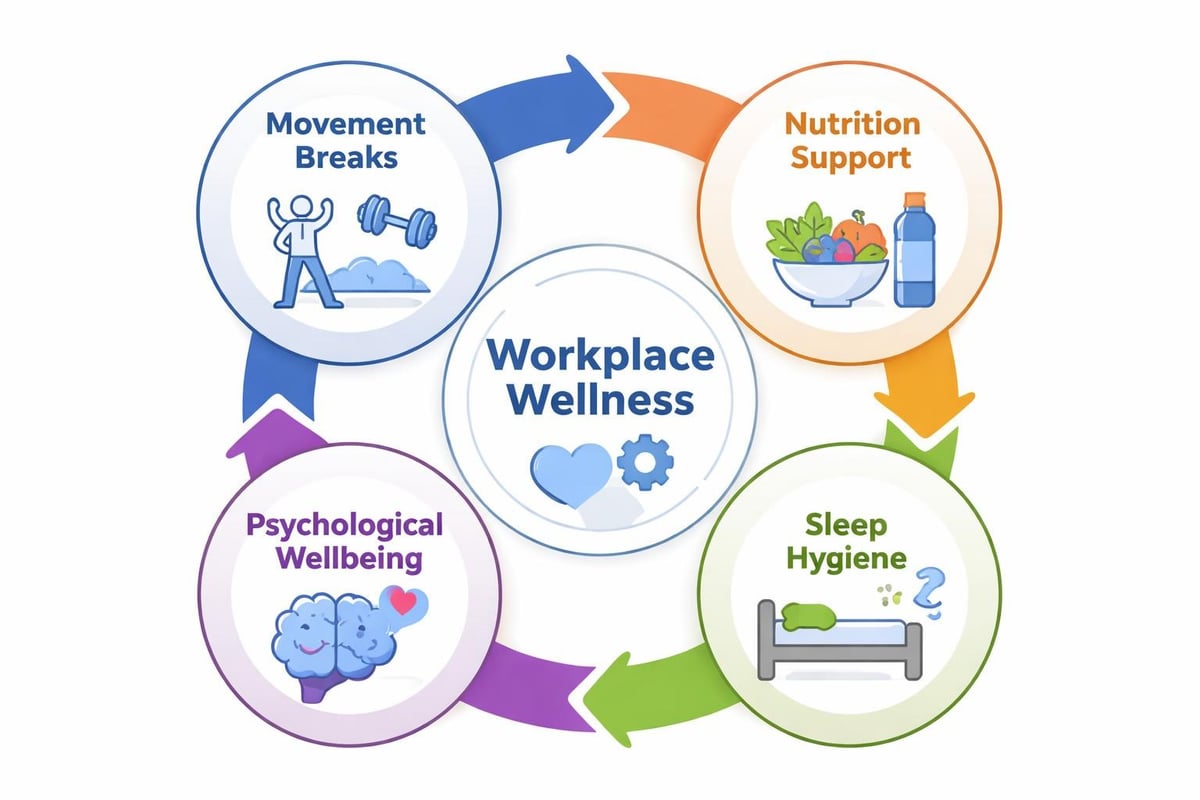
Physical and mental health interconnect bidirectionally. Strategic physical wellness activities deliver significant psychological benefits alongside physical outcomes.
Movement and Exercise Integration
Regular physical activity reduces anxiety and depression symptoms while improving stress resilience. Organizations can facilitate movement through environmental design, cultural norms, and structured programming.
Workplace wellbeing strategies increasingly incorporate activity breaks during long meetings, walking discussion formats, stretch sessions between intense work periods, and accessible fitness facilities or subsidized memberships.
The goal is reducing sedentary time and increasing movement throughout workdays, not just promoting after-hours gym attendance. Even brief activity breaks improve mood and cognitive function.
Nutrition Education and Healthy Eating Support
Nutrition affects mood, energy, and stress reactivity. Workplace nutrition interventions range from educational workshops to environmental changes like healthier cafeteria options or accessible hydration stations.
Practical nutrition-focused activities include:
- Lunch-and-learn sessions on nutrition and mental health connections
- Healthy snack provisions during high-stress periods
- Meal planning workshops for time-pressed employees
- Blood sugar stabilization education for sustained energy
- Collaborative healthy eating challenges with recipe sharing
These interventions work best when supporting employee autonomy rather than prescribing rigid dietary rules.
Sleep Hygiene Promotion
Sleep deprivation severely impairs emotional regulation, decision-making, and stress management. Organizational sleep hygiene initiatives acknowledge that workplace practices directly affect rest quality.
Progressive organizations examine policies that undermine sleep: after-hours email expectations, early morning or late evening meetings across time zones, inadequate recovery time between shifts, or cultural norms celebrating sleep deprivation as dedication.
Educational programming on sleep science, circadian rhythms, and rest optimization complements these structural changes. Some organizations offer mental health awareness activities specifically focused on rest and recovery during high-stress seasons.
Creative and Expressive Mental Health Activities
Creative engagement provides psychological benefits through non-verbal processing, flow states, and meaningful self-expression. These mental health activities for employees appeal to diverse preferences and learning styles.
Art and Creative Expression Sessions
Guided art activities reduce stress and provide alternative processing channels for difficult emotions. Sessions might include painting, drawing, collage, sculpture, or mixed media, all without requiring artistic skill or talent.
The psychological benefit comes from the creative process itself, not the aesthetic outcome. Facilitators emphasize experimentation, self-expression, and non-judgment. These sessions work particularly well following stressful organizational events or during difficult periods.
Music and Sound-Based Interventions
Music therapy techniques, group drumming, sound baths, or collaborative music creation offer unique psychological benefits. Rhythm and sound engage different neural pathways than verbal interventions, providing alternative access points for stress reduction and emotional processing.
Organizations can bring in music therapists for workshops, create employee music sharing opportunities, or provide access to curated playlists designed for focus, relaxation, or energy management.
Writing and Journaling Programs
Expressive writing about stressful experiences reduces rumination and improves emotional processing. Structured journaling programs guide participants through specific prompts rather than leaving them with blank pages.
Effective journaling formats include:
- Gratitude journals identifying three specific positive experiences daily
- Stress analysis writing examining specific situations objectively
- Values clarification exercises connecting daily work to larger meaning
- Future-self letters envisioning desired outcomes and pathways
- Emotion labeling practices building emotional granularity
Organizations can provide beautiful journals as tangible tools, offer guided writing sessions, or create digital journaling platforms with optional sharing features.
Measuring Impact and Refining Mental Health Programming
Effective mental health activities for employees require ongoing evaluation and refinement. Measurement systems track both participation metrics and outcome indicators to assess impact and identify improvement opportunities.
Participation and Engagement Metrics
Track which activities attract engagement and which remain underutilized. Participation data reveals preferences, accessibility barriers, and scheduling conflicts. Monitor both overall participation rates and demographic patterns to ensure equitable access.
Key participation metrics include:
- Total and unique participants across activities
- Repeat engagement rates showing sustained involvement
- Demographic representation compared to workforce composition
- Feedback scores on activity usefulness and quality
- Completion rates for multi-session programs
Low participation doesn’t automatically indicate poor programming. Some highly valuable activities may serve smaller populations with specific needs.
Wellbeing Outcome Indicators
Beyond participation, measure whether activities improve actual wellbeing. Outcome assessment requires baseline measurement, periodic reassessment, and appropriate comparison groups when possible.
| Outcome Category | Measurement Approach | Assessment Frequency |
|---|---|---|
| Psychological distress | Validated screening instruments (PHQ-9, GAD-7) | Quarterly or biannually |
| Work engagement | Utrecht Work Engagement Scale | Annually with pulse checks |
| Absenteeism patterns | Sick leave utilization and trends | Monthly tracking |
| Presenteeism impact | Health and work performance measures | Biannually |
| Psychological safety | Team climate surveys | Biannually |
| Help-seeking behavior | EAP and resource utilization rates | Ongoing monitoring |
Aggregate data at organizational or department levels to protect individual privacy while enabling meaningful analysis.
Continuous Improvement Processes
Use measurement insights to refine programming systematically. Regular review cycles examine what’s working, what needs adjustment, and where gaps exist. Mental health awareness activities should evolve based on employee feedback, participation patterns, and outcome data.
Create feedback loops where employees shape programming direction. Advisory groups, focus discussions, and suggestion systems ensure activities remain relevant and responsive to changing needs.
Implementation Strategy and Organizational Readiness
Successfully implementing mental health activities for employees requires strategic planning, stakeholder engagement, and organizational readiness assessment. Random activity deployment without foundational preparation rarely achieves sustainable impact.
Building Leadership Commitment
Executive sponsorship determines whether mental health programming receives adequate resources, visibility, and cultural legitimacy. Leaders must visibly participate, allocate budget, protect time for activities, and consistently communicate importance.
Effective leaders model healthy practices themselves rather than merely endorsing programs for others. When senior staff openly discuss stress management, set boundaries, and utilize resources, permission cascades throughout the organization.
Resource Allocation and Budgeting
Comprehensive mental health programming requires financial investment. Budget considerations include facilitator fees, platform subscriptions, materials, dedicated staff time, training costs, and space requirements.
Strategic budgeting approaches include:
- Starting with high-impact, lower-cost activities to demonstrate value
- Reallocating existing wellness budgets toward evidence-based interventions
- Phased implementation spreading costs across fiscal periods
- Measuring return on investment through reduced absenteeism and turnover
- Exploring grants or subsidies for mental health initiatives
View mental health programming as infrastructure investment, not discretionary spending. The costs of inadequate support (turnover, disability claims, productivity loss) far exceed prevention investment.
Communication and Stigma Reduction
Even excellent programs fail when employees don’t know about them or fear stigma from participation. Strategic communication emphasizes accessibility, normalizes mental health challenges, and clearly explains confidentiality protections.
Multiple communication channels reach diverse audiences: email announcements, intranet features, team meetings, leadership messages, posters in common areas, and peer testimonials. Repetition matters, as single announcements rarely achieve full awareness.
Address stigma directly through education about mental health prevalence, leader vulnerability sharing, and consistent messaging that seeking support demonstrates strength rather than weakness. Understanding silent expectations around mental health helps organizations identify and address unspoken barriers to participation.
Implementing strategic mental health activities for employees requires moving beyond token gestures toward comprehensive, evidence-based programming that addresses individual skills, team dynamics, and organizational culture. The most effective approaches combine multiple intervention levels, measure impact systematically, and evolve based on workforce needs. Organizations seeking expert guidance in developing trauma-informed, resilience-focused programming can access specialized training and consultation through Workplace Mental Health Institute, which offers practical, psychologically grounded approaches to building mentally healthy workplaces.

