
Workplaces today are rapidly recognizing the critical role of staff wellbeing programs in driving organizational success. As employee expectations shift, businesses face increasing pressure to maintain health, boost engagement, and sustain productivity.
Leaders must navigate complex challenges, from rising stress levels to evolving work environments. Without a strategic approach to staff wellbeing programs, organizations risk losing top talent and diminishing their competitive edge.
This comprehensive guide offers a clear blueprint for designing, implementing, and optimizing initiatives that support staff at every level. You will discover the foundations of staff wellbeing, proven strategies for building effective programs, and step-by-step implementation advice.
Learn how to measure impact, adapt to emerging trends, and future-proof your organization. Ready to transform your workplace? Use this guide as your roadmap to lasting wellbeing and performance.
Understanding Staff Wellbeing: Foundations and Benefits
Staff wellbeing is no longer a peripheral concern; it is now a core driver of organizational performance and sustainability. Companies that invest in staff wellbeing programs are better equipped to navigate change, foster engagement, and build resilient teams. Yet, understanding what truly constitutes staff wellbeing—and why it matters—requires a deeper look at its foundations, challenges, and evolving landscape.
Defining Staff Wellbeing in the Modern Workplace
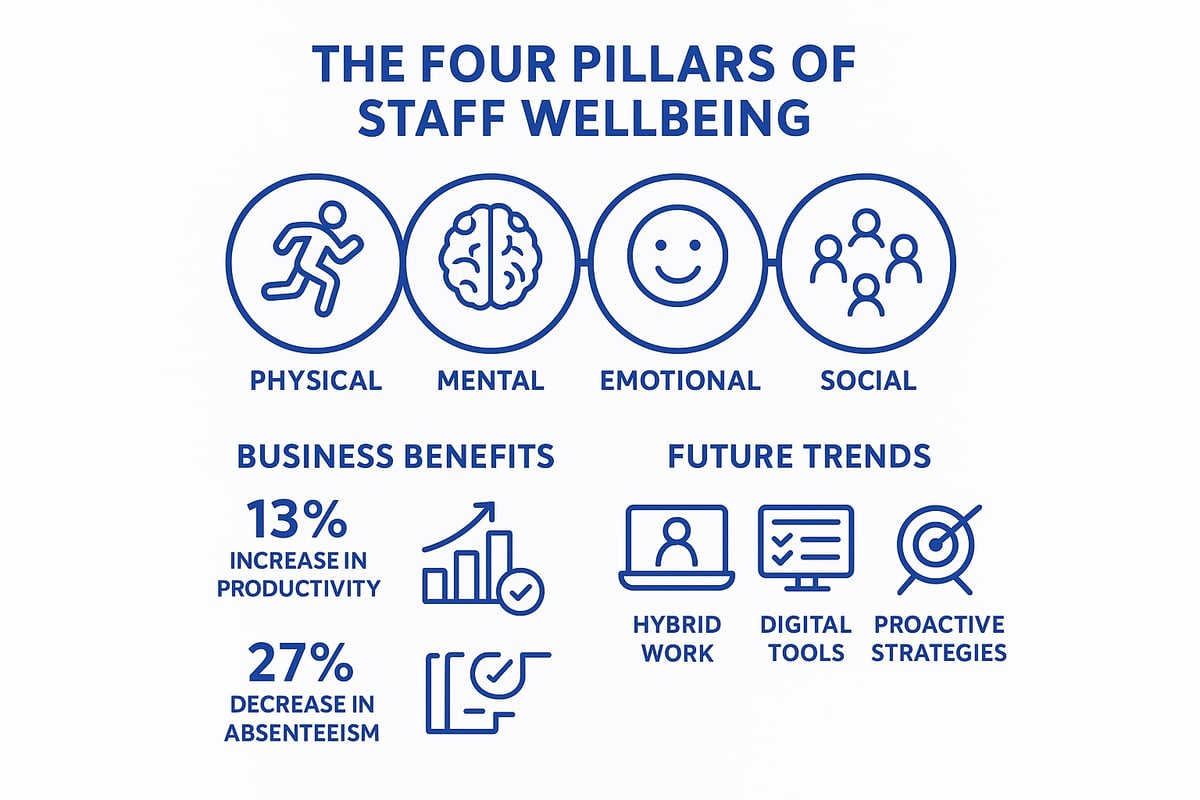
Staff wellbeing encompasses the physical, mental, emotional, and social health of every employee. Rather than focusing solely on single initiatives, organizations are increasingly adopting holistic approaches that integrate these dimensions into daily practices. This shift reflects the understanding that isolated efforts yield limited results, while comprehensive staff wellbeing programs foster sustainable change.
Several factors influence staff wellbeing within an organization. Workload management, supportive leadership, positive workplace culture, and access to resources all play crucial roles. When these elements align, staff experience greater satisfaction, motivation, and a sense of belonging.
A truly effective approach recognizes that staff wellbeing is dynamic. It evolves in response to personal circumstances, workplace demands, and broader social changes. Organizations that routinely assess and address these factors are more likely to cultivate a thriving workforce through their staff wellbeing programs.
Why Staff Wellbeing Matters: The Business Case
Investing in staff wellbeing programs delivers measurable returns for organizations. Data consistently show that companies with robust initiatives report higher productivity, reduced absenteeism, and lower turnover rates. For instance, organizations with strong wellbeing programs have achieved up to a 25% reduction in sick leave, translating to significant cost savings and operational efficiency.
The benefits extend beyond the bottom line. Enhanced employee engagement leads to greater innovation and collaboration, while a reputation for prioritizing wellbeing attracts top talent. According to recent Impact of Wellness Programs on Employee Productivity statistics, staff wellbeing programs contribute to improved morale, loyalty, and retention.
Ultimately, organizations that prioritize staff wellbeing programs position themselves as employers of choice. This strategic investment not only supports individual health but also drives overall business success.
Common Challenges and Barriers
Despite the clear advantages, implementing staff wellbeing programs is not without challenges. Common obstacles include lingering stigma around mental health, limited resources, and a lack of leadership buy-in. These barriers can hinder participation and limit the effectiveness of even the most well-intentioned initiatives.
Overcoming such resistance requires a proactive strategy. Open communication, leadership endorsement, and targeted education can help shift mindsets and foster a culture of trust. For example, one organization witnessed a dramatic turnaround after leadership began openly discussing wellbeing, dedicating resources, and celebrating early successes.
By addressing these barriers head-on, organizations can create a supportive environment where staff wellbeing programs are embraced and sustained.
The Evolving Landscape of Wellbeing Programs
The landscape of staff wellbeing programs is rapidly changing. Hybrid work models, digital wellbeing tools, and personalized support are now essential features of modern initiatives. Organizations are moving away from reactive approaches, instead focusing on prevention and resilience-building.
Adaptability and continuous improvement are crucial. Regular feedback, program evaluation, and openness to new technologies ensure that staff wellbeing programs remain relevant and impactful. The most successful organizations treat wellbeing as an ongoing journey, always seeking ways to refine and expand their efforts.
As expectations shift and new challenges arise, only those organizations committed to evolving their staff wellbeing programs will maintain a competitive edge and foster lasting workplace health.
Blueprint for Building Effective Staff Wellbeing Programs
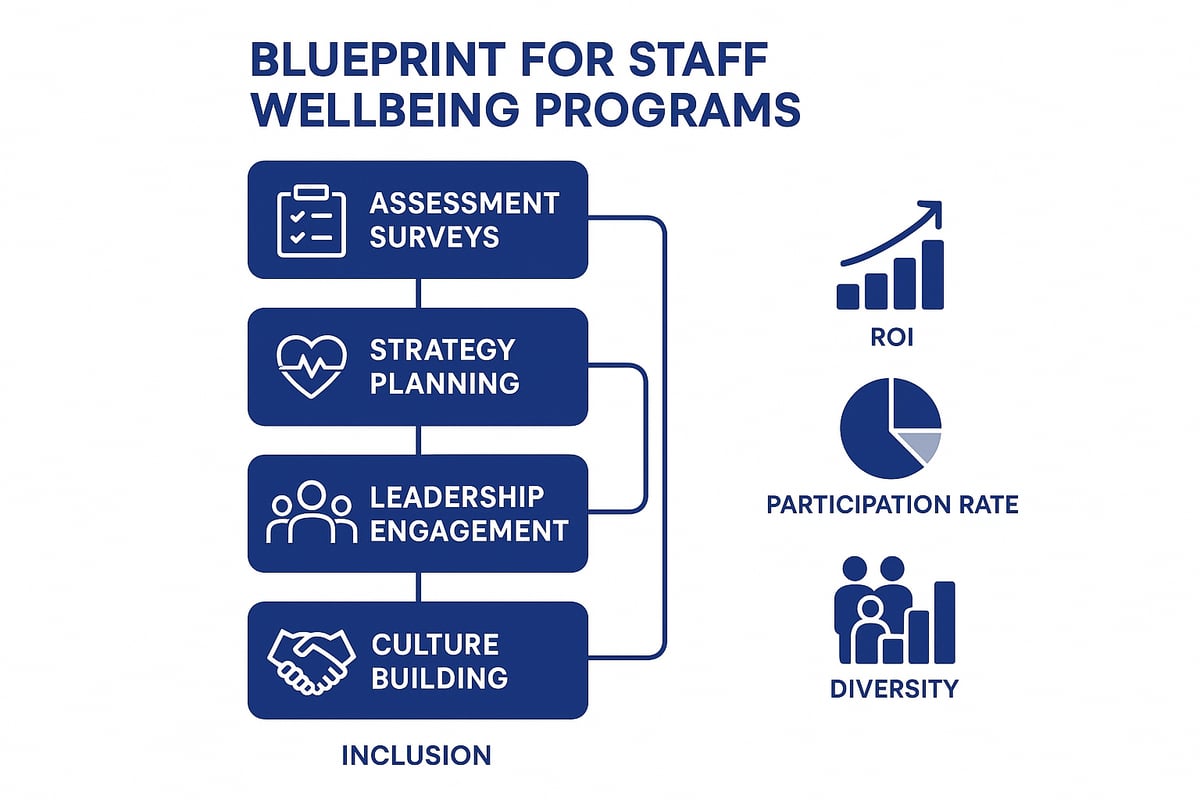
Building robust staff wellbeing programs starts with a clear understanding of your organization’s unique needs. Each organization requires a tailored approach that considers its culture, goals, and workforce diversity. The following blueprint lays out the essential steps to design, launch, and sustain effective staff wellbeing programs that deliver measurable results.
Assessing Organizational Needs and Readiness
Effective staff wellbeing programs begin with a thorough assessment of your organization’s current environment. Conducting wellbeing surveys and assessments helps leaders identify strengths and gaps in support. Consider using both quantitative data, such as absenteeism rates, and qualitative feedback collected through focus groups or anonymous surveys.
Key assessment steps include:
- Reviewing existing wellbeing resources and policies
- Gathering staff feedback on physical, mental, and social health needs
- Analyzing cultural factors that influence wellbeing, such as workload and leadership style
Example questions might include: “How supported do you feel at work?” or “What wellbeing resources would you value most?” These insights ensure staff wellbeing programs are relevant and address actual needs.
Designing a Comprehensive Wellbeing Strategy
Once needs are identified, it’s time to design a strategy that aligns with business objectives. Set clear, measurable goals for your staff wellbeing programs, such as reducing absenteeism or increasing engagement scores. Choose evidence-based interventions that address physical, mental, and social wellbeing.
Consider interventions like:
- Mental health support services
- Flexible work arrangements
- Physical health initiatives, such as fitness challenges
A mid-sized company, for example, implemented regular wellbeing workshops and saw a significant boost in morale and productivity. For more guidance on proven approaches, explore Wellbeing in the workplace strategies, which offers practical examples and tools for effective program design.
Securing Leadership Buy-In and Budget
Leadership commitment is essential for the success of staff wellbeing programs. To secure buy-in, present data on the return on investment, such as reduced turnover and improved productivity. Share success stories from other organizations and highlight the positive impact on morale and reputation.
Strategies to engage leaders include:
- Presenting findings from the needs assessment
- Demonstrating how staff wellbeing programs align with business goals
- Involving executives as program sponsors
Executive sponsorship often increases participation and signals that wellbeing is a strategic priority. Allocating adequate budget ensures programs have the resources needed to make a lasting impact.
Creating a Culture of Wellbeing
Embedding wellbeing into daily practices is key to sustaining staff wellbeing programs. Start by aligning company values with wellbeing principles and integrating these into policies and communications. Managers play a pivotal role as champions, modeling healthy behaviors and supporting team members.
Effective tactics include:
- Recognizing and celebrating wellbeing achievements
- Encouraging participation through peer support networks
- Providing regular training for managers and champions
A supportive culture not only boosts program participation but also fosters trust and psychological safety, making staff wellbeing programs more effective over time.
Integrating Diversity, Equity, and Inclusion
To ensure staff wellbeing programs reach everyone, tailor initiatives to accommodate diverse needs. Consider factors like age, cultural background, and differing abilities when designing programs. Remove barriers to access by offering materials in multiple languages and formats.
Best practices for inclusion:
- Use inclusive language and imagery in program materials
- Solicit feedback from underrepresented groups
- Provide options for remote and on-site participation
Inclusive staff wellbeing programs empower all employees to engage and benefit, reinforcing a sense of belonging and fairness throughout the organization.
Step-by-Step Implementation: From Planning to Launch
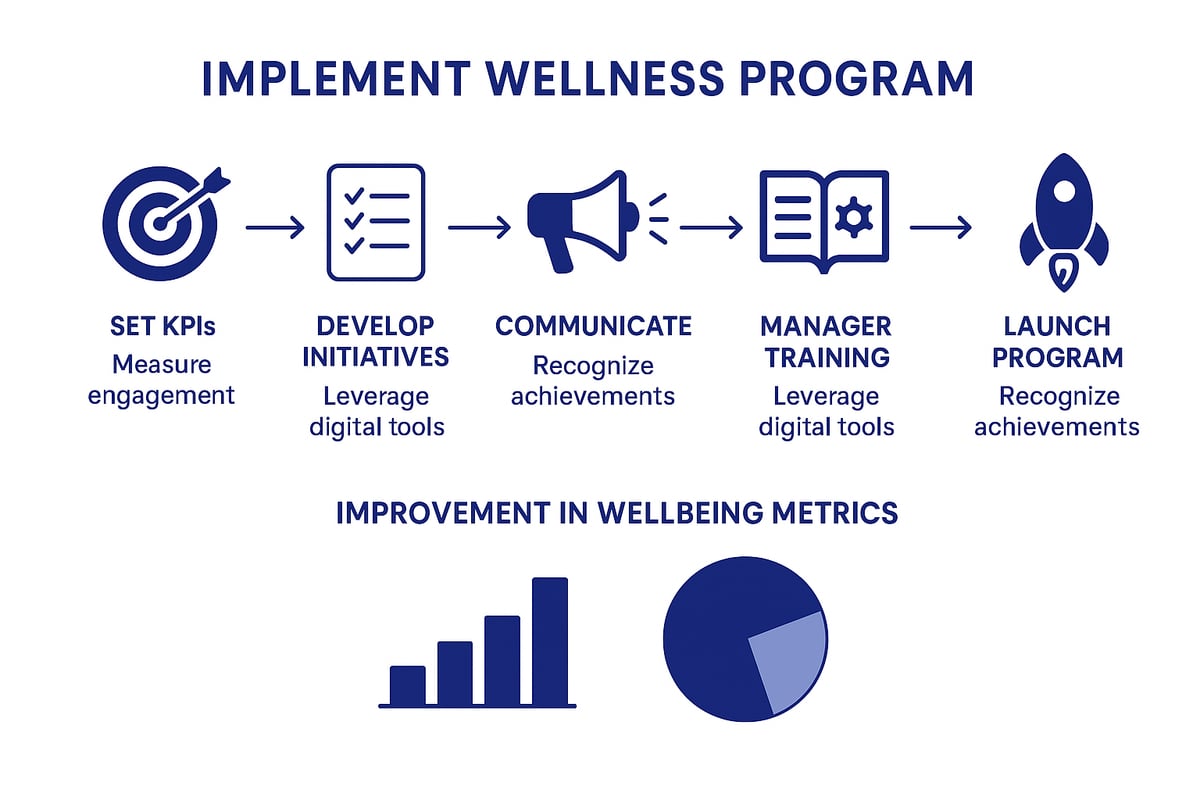
Implementing staff wellbeing programs requires a structured approach that connects vision to action. By following a clear process, organizations can ensure initiatives are relevant, measurable, and sustainable. Each step builds on the last, setting the stage for long-term impact and engagement.
Step 1: Setting Clear Goals and KPIs
Every successful staff wellbeing program starts with clear objectives. Align program goals with your organization's mission and values. Define what success looks like—do you want to enhance engagement, reduce absenteeism, or improve overall wellbeing?
Select key performance indicators (KPIs) such as participation rates, wellbeing survey scores, and reductions in sick leave. Regular measurement helps track progress and identify areas for improvement.
Use practical assessment methods to understand current staff needs. Tools like Workplace wellbeing assessment tools provide valuable insights into baseline wellbeing and highlight priorities for action.
Involve staff in goal-setting to boost ownership and relevance. When KPIs are transparent and meaningful, staff wellbeing programs gain credibility and focus.
Step 2: Developing and Sourcing Wellbeing Initiatives
Once goals are defined, curate a balanced mix of initiatives. Combine internal resources—such as in-house workshops or peer support networks—with external expertise like Employee Assistance Programs (EAPs) or mental health trainers.
Digital platforms and mobile apps expand reach, making resources accessible to all. For remote or hybrid teams, online resilience training can bridge gaps in support and foster connection.
Consider the diversity of your workforce. Offer initiatives that address mental, physical, and social wellbeing. Flexible options ensure staff wellbeing programs resonate with different needs and preferences.
Pilot new ideas on a small scale before full rollout. Gather feedback, refine offerings, and scale up what works.
Step 3: Communication and Engagement Strategies
Strong communication is the backbone of staff wellbeing programs. Develop a compelling internal campaign to create excitement and buy-in from the outset.
Use multiple channels: email updates, intranet posts, staff town halls, and video messages from leadership. Visual storytelling and real-life testimonials help reinforce the program’s value.
Target communication for hard-to-reach groups. Create tailored content for different departments, shift workers, or remote staff. Leverage peer champions to spread the message organically.
Regular updates keep momentum high. Share progress, celebrate milestones, and invite ongoing feedback to foster a culture of participation.
Step 4: Training Managers and Wellbeing Champions
Managers are critical to the success of staff wellbeing programs. Provide comprehensive training in mental health awareness, trauma-informed care, and supportive leadership skills.
Wellbeing champions—staff volunteers or designated advocates—can amplify program impact. Equip them with resources to identify early warning signs, offer support, and signpost to professional help.
Interactive workshops, scenario-based learning, and ongoing coaching empower managers to confidently lead wellbeing conversations. The result is a safer, more supportive environment where staff feel heard and valued.
Track the impact of training through team wellbeing measures and feedback. Adjust content as needed to address emerging challenges.
Step 5: Launching and Sustaining the Program
A successful launch sets the tone for staff wellbeing programs. Host a kickoff event—virtual or in-person—where leadership shares the vision and staff are introduced to available resources.
Keep the program alive with regular check-ins, feedback loops, and recognition of participation. Quarterly wellbeing challenges, themed campaigns, or awards can boost engagement and reinforce positive behaviors.
Encourage ongoing dialogue. Use surveys and suggestion boxes to gather ideas for improvement. Celebrate progress to build a sense of community and shared purpose.
Sustained commitment transforms staff wellbeing programs from one-time initiatives into lasting drivers of organizational health.
Measuring Impact and Continuous Improvement
Measuring the impact of staff wellbeing programs is essential for organizations aiming to build healthier, more engaged workplaces. Regular evaluation provides the evidence needed to optimize initiatives, demonstrate value to stakeholders, and foster a culture of continuous growth. By focusing on both quantitative and qualitative data, companies can ensure their staff wellbeing programs remain effective, relevant, and aligned with organizational goals.
Key Metrics and Evaluation Methods
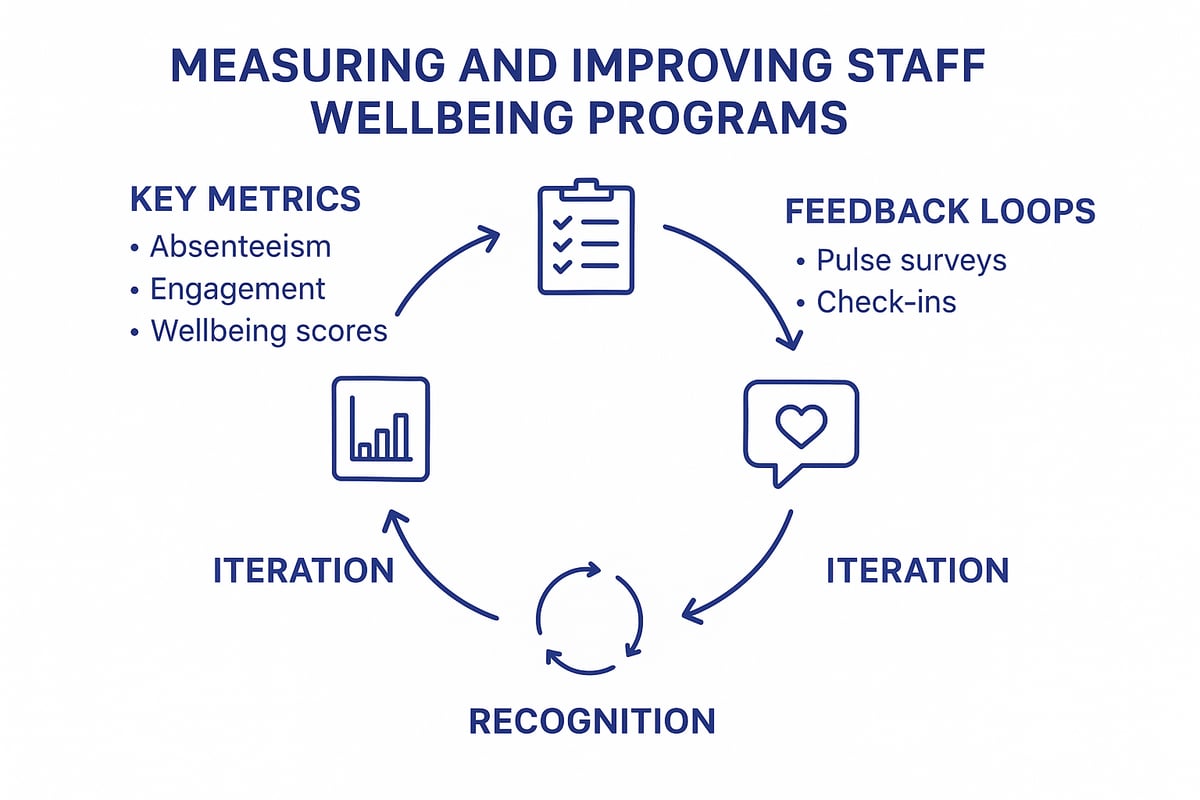
To assess the success of staff wellbeing programs, organizations need a balanced scorecard of metrics. Quantitative data such as absenteeism rates, turnover statistics, and engagement scores provide measurable indicators of program impact. Qualitative insights from employee surveys, focus groups, and feedback sessions offer context and depth.
Pulse surveys are a practical tool for capturing real-time sentiment. Regular check-ins, whether through digital platforms or one-on-one meetings, help track changes in wellbeing over time. Absenteeism data can reveal trends related to health and morale, while engagement scores highlight shifts in motivation and commitment.
Tracking these metrics enables early identification of challenges, such as rising stress or increased sick leave. By establishing baseline figures before launching staff wellbeing programs, organizations can accurately measure improvement and make data-driven decisions on future initiatives.
Analyzing Results and Gathering Insights
Once data is collected, thorough analysis is vital. Organizations should look for patterns in survey responses, compare pre- and post-program metrics, and identify areas where staff wellbeing programs have made a significant difference. Segmenting data by department, role, or demographic factors can uncover unique needs and opportunities for targeted support.
Feedback loops are essential for refining staff wellbeing programs. For example, an uptick in engagement scores following new initiatives may indicate successful strategies, while stagnant or declining numbers highlight areas needing attention. Benchmarking results against industry standards, such as those discussed in Employee Wellbeing Trends 2024, provides valuable context and helps set realistic goals.
Case studies often reveal that iterative changes based on staff input can lead to higher satisfaction and sustained participation. By listening to employees, organizations demonstrate commitment and adaptability, two hallmarks of effective staff wellbeing programs.
Iterating and Scaling Wellbeing Programs
Continuous improvement is the backbone of successful staff wellbeing programs. After analyzing results, organizations should adjust their initiatives to address identified gaps or emerging needs. This may involve introducing new resources, modifying existing activities, or removing ineffective elements.
Scaling successful programs requires strategic planning and resource allocation. Start by piloting new approaches in one department, then expand based on feedback and outcomes. Leadership support and clear communication are essential for scaling efforts across multiple locations or business units.
As staff wellbeing programs evolve, organizations must remain agile. Staying attuned to employee feedback and industry best practices ensures initiatives stay relevant and impactful over time.
Sustaining Momentum and Embedding Wellbeing
Long-term success relies on embedding staff wellbeing programs into core business strategies and daily routines. Integrating wellbeing metrics into performance reviews and organizational dashboards keeps the focus on continuous improvement. Recognition and celebration play a crucial role in maintaining momentum.
Annual wellbeing awards, public acknowledgment of wellbeing champions, and ongoing learning opportunities encourage ongoing participation. Regularly sharing program outcomes and success stories reinforces the value of staff wellbeing programs and motivates wider engagement.
To address ongoing risks such as burnout, organizations can draw on resources like Preventing and managing burnout to support staff and maintain a healthy workplace. By prioritizing recognition, feedback, and adaptability, companies can ensure their staff wellbeing programs deliver lasting benefits for employees and the organization.
Future Trends in Staff Wellbeing Programs
The landscape of staff wellbeing programs is evolving rapidly, shaped by new technologies, changing work models, and a broader understanding of employee needs. Staying ahead means embracing innovation, prioritizing prevention, and building flexibility into every initiative. Let us explore the most significant trends that will define the future of staff wellbeing programs.
Emerging Technologies and Digital Wellbeing Tools
Technology is fundamentally reshaping staff wellbeing programs. AI-powered mental health platforms, wearable devices, and mobile apps now offer personalized support, real-time feedback, and accessible resources for employees. For example, wearable tech can monitor stress and sleep patterns, alerting staff to early signs of burnout.
The integration of data analytics allows organizations to tailor staff wellbeing programs based on real usage patterns and health trends. This shift enables companies to proactively address issues before they escalate. Digital tools are also bridging the gap for remote and hybrid teams, making support available anytime and anywhere.
Many organizations are exploring Innovative Strategies for Employee Wellbeing to maximize the impact of technology, such as AI-driven wellness plans and interactive wellbeing platforms. As digital adoption continues, staff wellbeing programs will become even more responsive and personalized.
The Shift Toward Preventative and Proactive Approaches
The focus of staff wellbeing programs is moving from reactive support to proactive prevention. Early intervention, resilience training, and mental health literacy are becoming core elements in modern initiatives. By equipping staff with skills to manage stress and recognize challenges early, organizations foster a culture of self-care and empowerment.
Resilience-building workshops, mindfulness sessions, and regular check-ins are now common features. These approaches help staff develop coping mechanisms and maintain wellbeing, even in high-pressure environments. Companies are increasingly partnering with experts to deliver evidence-based interventions.
To further strengthen outcomes, organizations are leveraging resources like Building resilient teams at work, which provides practical techniques for fostering team resilience. Proactive staff wellbeing programs not only reduce absenteeism but also enhance engagement and long-term performance.
Holistic Approaches: Beyond Mental Health
Modern staff wellbeing programs are expanding beyond mental health to address the full spectrum of employee needs. Financial wellbeing, social connection, and a sense of purpose are now recognized as critical drivers of overall health and satisfaction. Initiatives may include financial literacy workshops, peer support groups, or opportunities for community involvement.
The physical work environment and organizational values also play a significant role. Sustainable practices, green spaces, and flexible work arrangements contribute to a healthier, more engaged workforce. Volunteer programs and social responsibility projects help staff find meaning and connection in their work.
By embracing holistic strategies, staff wellbeing programs create an inclusive, supportive culture that values every aspect of employee life. This comprehensive approach leads to higher retention and a stronger employer brand.
Global Influences and Regulatory Changes
Staff wellbeing programs must adapt to an increasingly globalized workforce and evolving legal requirements. Organizations face diverse cultural expectations, regulatory frameworks, and reporting standards, making agility and compliance essential.
Leading companies are benchmarking against international best practices and learning from global case studies. They prioritize flexibility, ensuring staff wellbeing programs can respond to new challenges, such as remote work regulations or emerging health risks.
Agility will be a core competency as organizations prepare for future uncertainties. By staying informed and responsive, staff wellbeing programs can meet the needs of a diverse workforce while maintaining compliance and fostering trust.
As you look ahead, investing in your team’s wellbeing isn’t just the right thing to do—it’s a strategic move that shapes the future of your organization. With the right guidance, you can create a workplace where people feel valued, supported, and empowered to perform at their best. If you’re ready to take the next step and explore tailored mental health training, resilience programs, and proven wellbeing strategies, we’re here to help you build a roadmap for lasting success. Let’s make your workplace a model for positive change.
Find Out More

