
More people are recognizing the importance of mental health in the world, as awareness rises across societies and economies. Recent statistics reveal that one in eight individuals faces a mental health challenge, affecting families, workplaces, and communities globally.
This essential guide examines mental health in the world by exploring current trends, major challenges, and the influence of culture and technology. You will learn about workplace best practices and future directions that shape global wellbeing.
Discover actionable steps and expert insights designed to support individuals and organizations. Take the first step toward a healthier, more resilient world by engaging with this comprehensive resource.
Global State of Mental Health: Trends and Statistics
Mental health in the world is now at the forefront of international health discussions. The scale of its impact is reflected in rising prevalence rates, growing economic burdens, and increased public attention. This section explores the latest data, global disparities, and progress in tackling mental health challenges worldwide.
Prevalence of Mental Health Disorders Worldwide
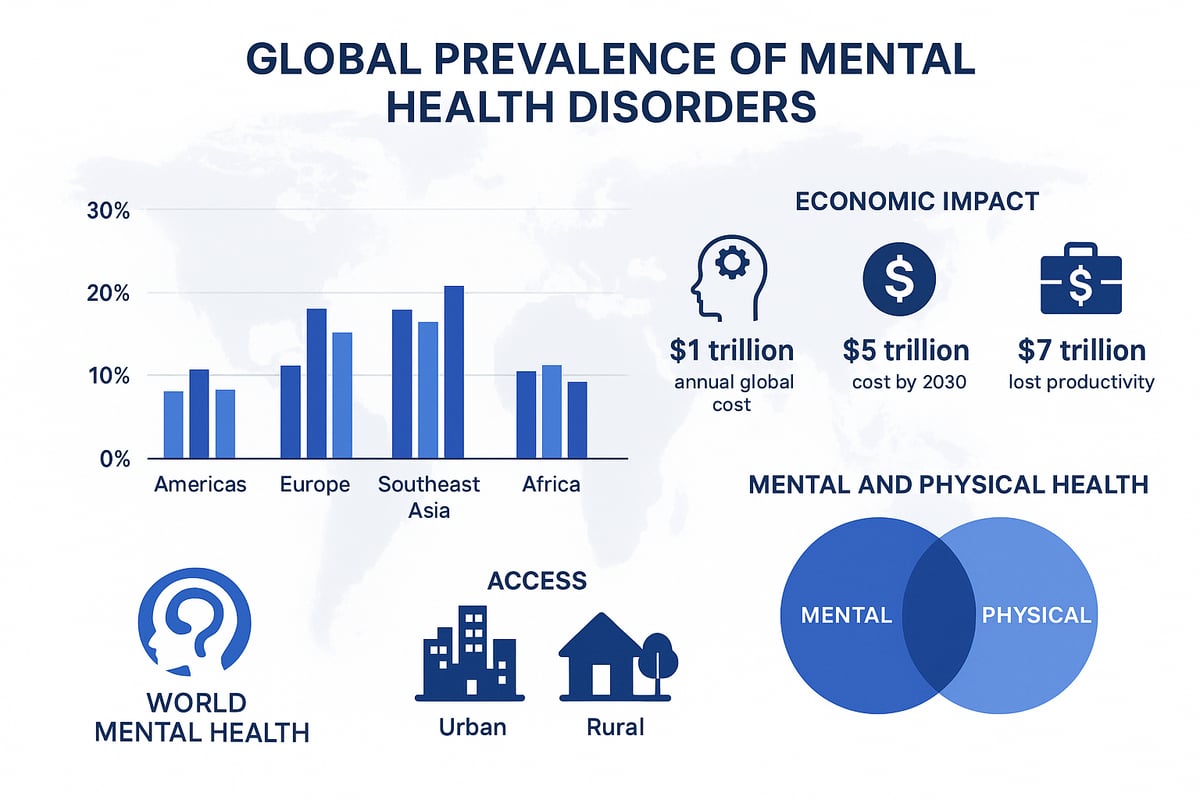
Mental health in the world is shaped by the high rates of conditions such as depression, anxiety, and bipolar disorder. According to the WHO Mental Health Atlas 2024, about one in eight people globally lives with a mental health disorder. Prevalence varies by region, with higher rates reported in high-income countries due to better diagnostic capabilities, but underreporting is common in low-resource settings.
Youth are particularly affected, with nearly 20 percent experiencing mental health issues before age 18. Older adults also face increasing risks, often linked with chronic illness or isolation. These statistics highlight the urgent need to address mental health in the world across all age groups.
Socioeconomic Impact of Mental Health
The economic toll of mental health in the world is staggering. Lost productivity, absenteeism, and increased healthcare costs contribute to billions in annual losses. For example, depression and anxiety alone cost the global economy an estimated one trillion US dollars each year.
Poverty and inequality often worsen mental health outcomes. Low- and middle-income countries face a double burden: limited resources and higher unmet needs. In many such regions, the economic burden extends beyond individuals to families and entire communities, perpetuating cycles of disadvantage.
Progress in Global Mental Health Awareness
Awareness of mental health in the world has grown significantly over the past decade. Advocacy campaigns, such as World Mental Health Day, have helped reduce stigma and promote open conversations. Governments and NGOs are more involved, launching public education projects and funding research.
Notable initiatives include school-based mental health programs and national strategies for suicide prevention. These efforts show that progress is possible when awareness is prioritized, creating a foundation for lasting change in mental health in the world.
Access to Mental Health Services
Access to care remains a major challenge for mental health in the world. Urban areas often have more professionals and facilities, while rural regions face provider shortages and long travel distances. Cost, stigma, and lack of information further limit access.
Treatment gaps are significant: in some low-income countries, up to 85 percent of people with severe mental health conditions receive no care at all. Barriers persist across income levels, making it vital to improve mental health in the world through better funding and service delivery.
Mental Health and Physical Health Interconnection
The link between mental health in the world and physical health is undeniable. People with chronic diseases such as diabetes or heart conditions have higher rates of depression and anxiety. Co-morbidity leads to worse outcomes and higher healthcare costs.
Integrated care models, which address both mental and physical health, are gaining traction. These approaches improve quality of life and outcomes, emphasizing the need for a holistic view of mental health in the world.
Key Challenges Facing Mental Health Today
Around the globe, mental health in the world faces a complex web of challenges. These barriers impact individuals, families, and communities, slowing progress toward better mental health for all. Understanding these obstacles is crucial for designing effective solutions.
Stigma and Cultural Barriers
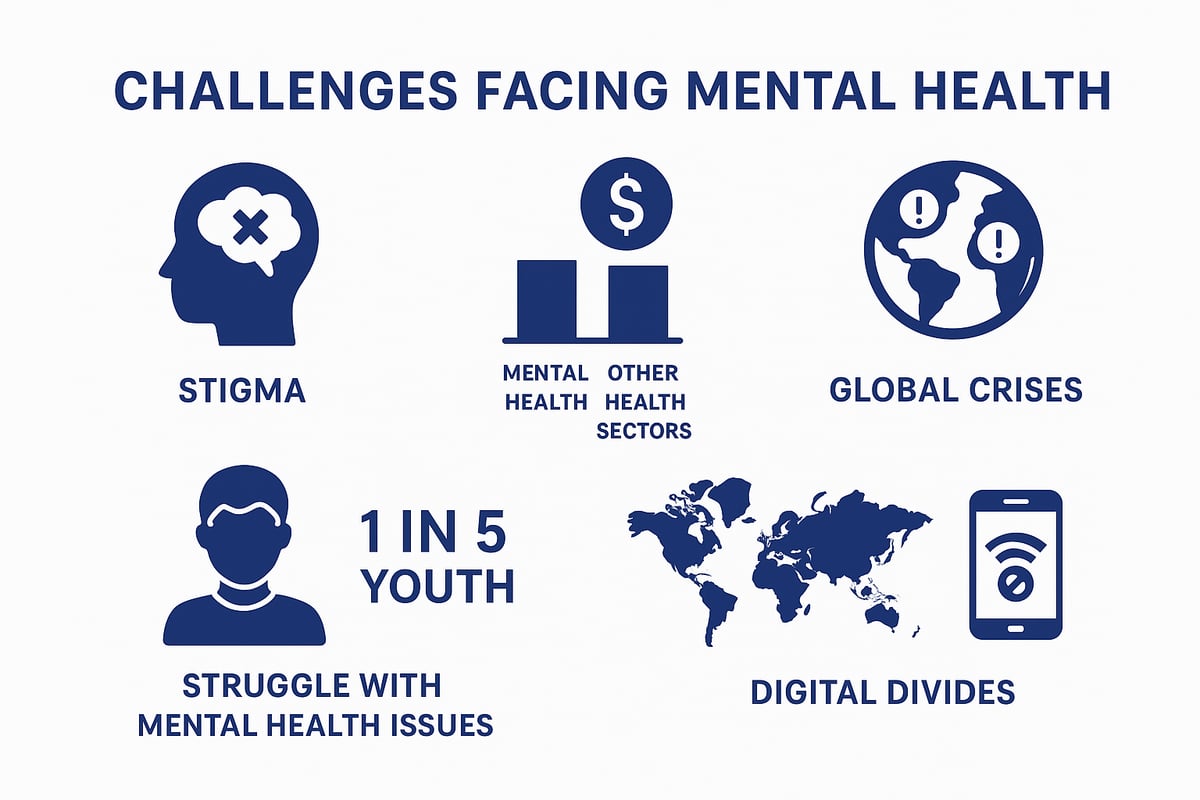
Stigma remains one of the biggest obstacles for mental health in the world. In many societies, negative attitudes and misconceptions prevent people from seeking help. Cultural beliefs often define mental illness as a sign of weakness or a taboo subject.
This leads to silence and isolation for those affected. For example, in parts of Asia and Africa, traditional views can discourage open discussion. In Western nations, workplace stigma continues to be a major concern. To learn more about reducing stigma, see Stigma around mental health at work.
Education and awareness campaigns are helping, but much work remains. Breaking down these barriers is essential for global progress.
Underfunded Mental Health Systems
Despite the growing burden of mental health in the world, funding for mental health services lags behind other health sectors. Many countries allocate less than 2% of their health budgets to mental health care.
This underinvestment results in shortages of trained professionals and inadequate facilities. In low- and middle-income regions, the gap is even wider, leaving millions without access to care.
The lack of resources also limits research and innovation. Closing the funding gap is necessary for more accessible and effective support.
Impact of Global Crises
Recent global crises have intensified the challenges facing mental health in the world. Pandemics, wars, and natural disasters increase stress, anxiety, and trauma across populations.
For instance, the COVID-19 pandemic led to a surge in mental health issues worldwide. Disrupted routines, isolation, and uncertainty left lasting psychological effects.
Communities affected by conflict or disaster often face additional barriers, such as displacement and loss of support networks. Building resilient systems is vital for future crises.
Youth and Adolescent Mental Health Crisis
Mental health in the world is under particular threat among young people. Rates of depression, anxiety, and suicide are rising in many countries.
Key contributors include social media pressures, academic stress, and social isolation. According to UNICEF and WHO, millions of adolescents lack access to proper support and treatment.
Schools and families play a crucial role in early intervention. Addressing youth mental health is a priority for global well-being.
Digital Divide in Mental Health Support
The digital revolution brings new opportunities, but not everyone benefits equally. Access to digital mental health in the world is uneven, especially in rural and low-income areas.
Teletherapy and online resources can improve care, yet marginalized groups often face barriers such as lack of internet, devices, or digital literacy.
This divide prevents many from receiving timely support. Bridging the gap requires investment in infrastructure and inclusive digital solutions.
Cultural Perspectives and Approaches to Mental Health
Understanding mental health in the world requires us to look beyond medical definitions. Every culture brings its own beliefs, traditions, and approaches to mental health. These differences shape how people view, experience, and seek help for mental health challenges.
Diverse Definitions and Understandings
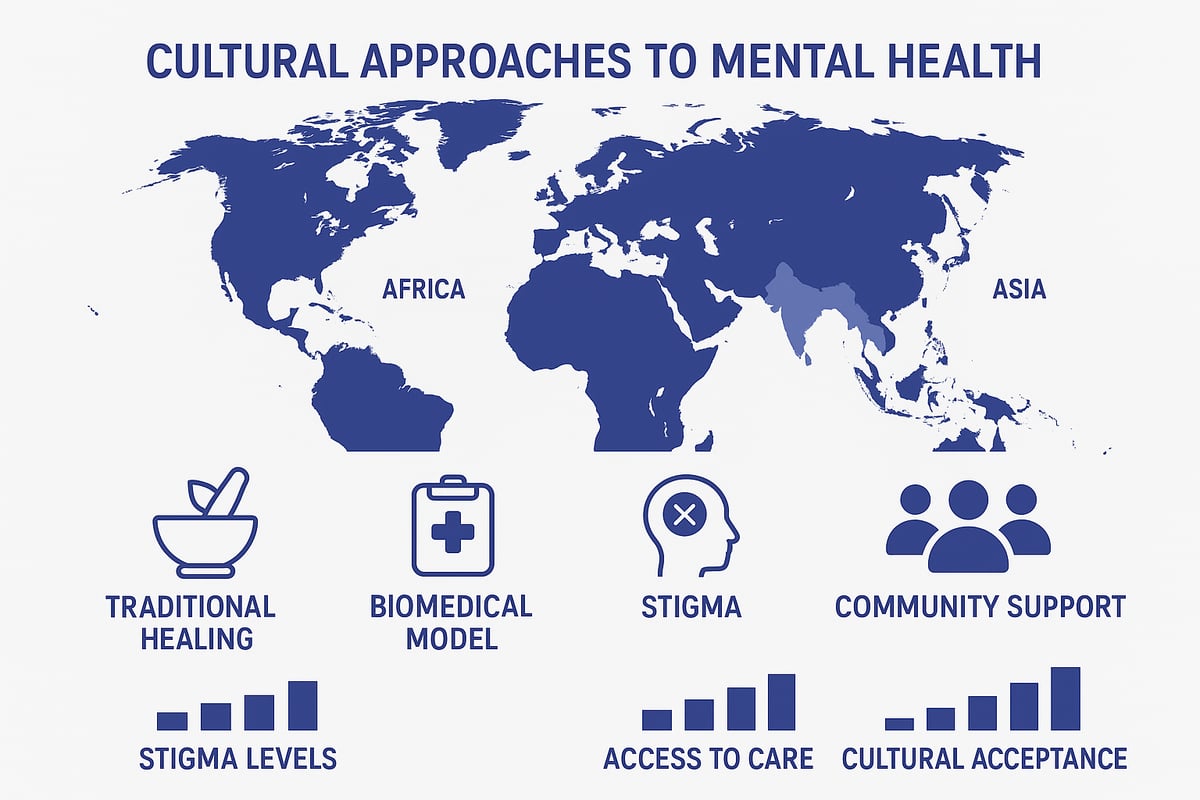
Around the globe, definitions of mental health in the world vary widely. Some societies view mental well-being through a spiritual or communal lens, while others focus on individual psychological health. In many Western countries, mental health is often understood using biomedical models, which emphasize diagnosis and treatment by professionals.
However, in some Asian and African cultures, mental health in the world may be seen as a balance between mind, body, spirit, and social harmony. This leads to different interpretations of symptoms and the types of help people seek.
Indigenous and Community-Based Practices
Indigenous communities offer unique contributions to mental health in the world. Their approaches often involve:
- Community healers and elders who guide mental wellness
- Storytelling, rituals, and connection to land for healing
- Group gatherings that strengthen identity and belonging
These methods are sometimes integrated with modern care, providing holistic options. Such practices recognize that mental health in the world is deeply tied to culture, history, and environment.
Case Studies: Regional Approaches
Examining specific regions highlights the diversity of mental health in the world:
- In Africa, community-based support and traditional healers play a central role.
- Many Asian countries blend family involvement with herbal medicine and spiritual healing.
- Latin American cultures often combine Catholic traditions with local rituals for mental wellness.
- Indigenous Australians emphasize connection to country, kinship, and cultural practices in supporting mental health.
These regional examples show how mental health in the world is shaped by local beliefs and social structures.
Stigma and Acceptance Across Cultures
Stigma remains a major barrier to addressing mental health in the world. In some societies, mental illness is seen as a personal weakness or a source of shame, discouraging people from seeking help. Cultural norms can either promote openness or reinforce silence around mental health.
Education and open dialogue are essential for shifting these attitudes. As more communities recognize the impact of stigma, they are working to create supportive environments for those facing mental health challenges.
Lessons from Global Mental Health Movements
Global campaigns have demonstrated the importance of adapting mental health strategies to local cultures. Awareness initiatives, such as World Mental Health Awareness Month, show how effective messaging can bridge cultural gaps and encourage acceptance.
Successful movements draw on community voices, respect traditional practices, and use culturally relevant messaging. These lessons highlight the need for a flexible, inclusive approach to improving mental health in the world.
Innovations and Technology in Mental Health Care
Digital transformation is reshaping mental health in the world, making care more accessible, personalized, and efficient. New technologies are breaking down traditional barriers, offering support that was once out of reach for many. In this section, we explore how innovations are changing the landscape, from virtual therapy to smart apps and AI-powered solutions.
Rise of Telehealth and Online Therapy
Telehealth is revolutionizing mental health in the world by increasing access to professional support. Virtual counseling platforms allow people to connect with therapists regardless of their location. This shift has proved vital for those in remote or underserved regions, where traditional services are limited.
Online therapy also reduces stigma, as sessions can be conducted privately from home. Popular platforms offer a range of services, from video consultations to text-based support. As a result, more individuals are seeking help, leading to improved outcomes for those struggling with mental health in the world.
Mobile Apps and Digital Tools
Mobile apps are empowering users to take control of mental health in the world. These tools offer self-care resources, symptom tracking, guided meditations, and mood monitoring. Many apps use evidence-based techniques, making mental wellness more accessible on a daily basis.
Some top-rated apps provide cognitive behavioral therapy exercises, stress management tips, and peer support communities. With millions of downloads worldwide, these digital tools play a crucial role in promoting positive mental health in the world and supporting early intervention.
Artificial Intelligence and Data Analytics
Artificial intelligence is transforming mental health in the world by enabling personalized care at scale. AI-driven chatbots can offer immediate support, assess symptoms, and recommend coping strategies. Data analytics helps providers identify trends and tailor interventions for diverse populations.
Emerging innovations like wearable neurotechnology and AI-powered assessments are discussed in the Top Mental Health Innovations of 2025, highlighting their growing impact. While AI offers new opportunities, it also raises important questions about privacy and ethical use in mental health in the world.
Expanding Reach to Underserved Populations
Technology bridges the gap in mental health in the world by reaching those who have limited access to care. Telepsychiatry connects specialists with patients in rural and low-income areas, reducing long travel times and costs. Mobile devices enable outreach in regions where mental health professionals are scarce.
Community-based digital initiatives provide culturally relevant support, breaking down language and literacy barriers. These efforts ensure that more people benefit from advancements in mental health in the world, regardless of where they live.
Limitations and Risks of Digital Mental Health
Despite the promise of digital innovation, challenges remain for mental health in the world. Digital literacy gaps can prevent some individuals from accessing online services. Concerns about privacy, data security, and misinformation also require careful attention.
Not all digital tools are evidence-based, and some may lack professional oversight. It is essential for users to seek reputable sources and for organizations to prioritize quality and safety as technology continues to shape mental health in the world.
Workplace Mental Health: Strategies and Best Practices
Maintaining strong mental health in the world of work is crucial for both organizational success and employee wellbeing. As organizations recognize the far-reaching impact of mental health in the world, the need for evidence-based strategies becomes more apparent. This section explores why mental health matters in workplaces, how supportive environments are built, and what best practices lead to healthier, more productive teams.
Importance of Mental Health in Work Environments
The conversation about mental health in the world of employment is growing, with data revealing that poor mental health causes significant absenteeism and presenteeism. Employees experiencing stress or anxiety are more likely to miss work or underperform, which impacts overall productivity. For instance, the World Health Organization estimates that depression and anxiety cost the global economy over a trillion dollars annually in lost productivity.
| Factor | Absenteeism | Presenteeism | Productivity Loss |
|---|---|---|---|
| Depression/Anxiety | High | Very High | Significant |
| Burnout | Moderate | High | High |
Organizations that prioritize mental health in the world of work see tangible benefits, including higher retention rates and improved morale. These outcomes underline the direct link between employee wellbeing and business performance.
Creating Supportive Workplaces
Building a supportive workplace culture is essential for fostering positive mental health in the world of work. This begins with clear policies that promote psychological safety and inclusivity. Leaders must ensure that employees feel valued and heard, regardless of their background or mental health status.
Key actions to create a supportive environment include:
- Establishing confidential support channels
- Promoting open dialogue about mental health
- Offering flexible work arrangements
Case studies show that companies with robust mental health programs not only reduce stigma but also experience lower turnover and higher engagement. For a deeper look at how policy shapes these outcomes, see Global mental health policy trends.
Training and Education for Managers and Staff
Effective training is a cornerstone of mental health in the world of work. When managers and staff receive education on mental health topics, they become better equipped to recognize early signs of distress and respond appropriately. Programs that teach psychological first aid, active listening, and resilience techniques empower teams to support each other.
Research demonstrates that organizations investing in mental health training report:
- Increased awareness and early intervention
- Reduced workplace conflict
- Enhanced employee satisfaction
Measurable outcomes include fewer sick days and improved team cohesion, making training a strategic investment for any workplace.
Addressing Burnout and Work-Related Stress
Burnout is a growing concern for mental health in the world, affecting employees across industries and roles. Recognizing the signs—such as chronic fatigue, cynicism, and reduced performance—is the first step in prevention. Organizations must proactively manage workloads, encourage regular breaks, and offer resources for stress reduction.
Strategies to address burnout include:
- Encouraging use of vacation time
- Providing access to counseling
- Implementing resilience-building workshops
Flexible work options and regular check-ins help employees maintain balance, promoting long-term wellbeing and productivity.
Workplace Mental Health Institute: Comprehensive Training Solutions
The Workplace Mental Health Institute offers evidence-based training and resilience programs tailored for organizations seeking to enhance mental health in the world of work. Services include wellbeing assessments, trauma-informed care, and strategic consultation designed to meet diverse workforce needs.
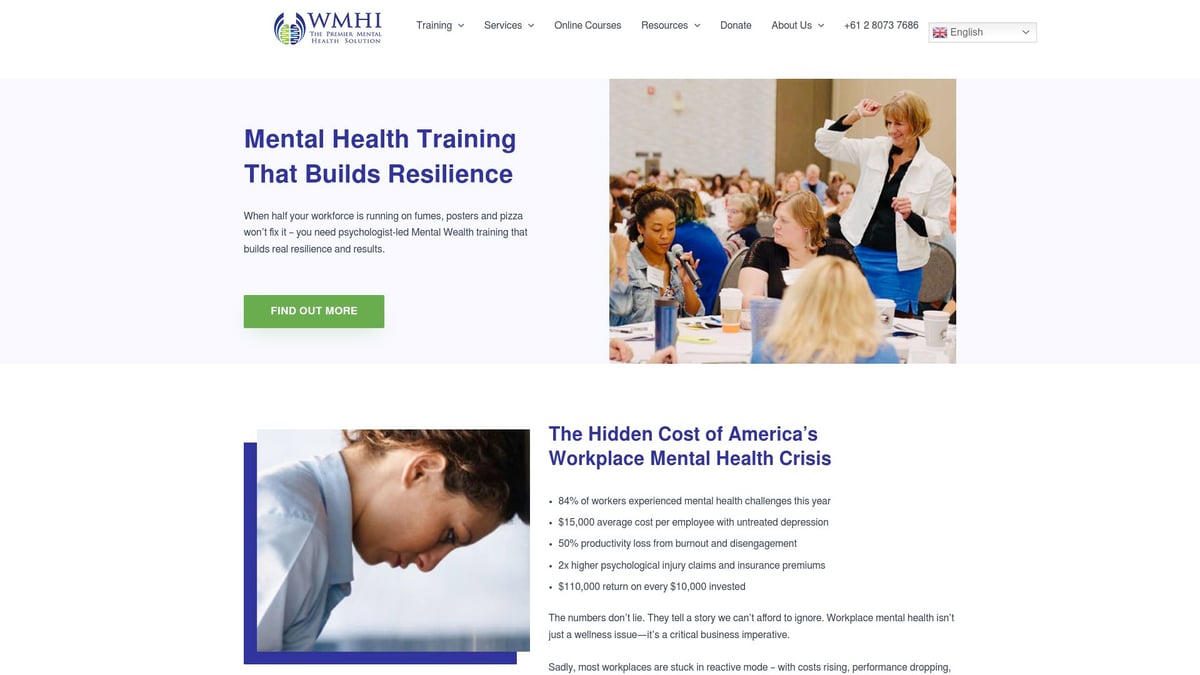
Clients have reported improved employee wellbeing, reduced turnover, and higher performance after implementing these solutions. For organizations interested in online learning, the Institute provides a range of courses at https://thewmhionline.com, enabling teams to build skills at their own pace.
Global Perspectives: Multinational and Remote Workforces
As the landscape of mental health in the world evolves, multinational and remote teams face unique challenges. Cultural nuances, time zones, and varying access to resources require adaptable strategies. Global organizations succeed by customizing mental health programs to fit local contexts and ensuring remote workers feel connected and supported.
Key practices for international teams include:
- Offering mental health resources in multiple languages
- Scheduling regular virtual check-ins
- Respecting cultural differences in mental health communication
By embracing diverse perspectives and flexible approaches, organizations can support mental health in the world of work, no matter where their teams are located.
Future Directions and Actionable Steps for Global Mental Health
The path forward for mental health in the world demands collaboration, innovation, and practical steps at every level. As awareness grows, sustainable solutions must address policy, community engagement, prevention, technology, and personal empowerment.
Strengthening Policy and Funding
Robust policy and funding are critical for advancing mental health in the world. Governments must prioritize mental health within national health agendas, closing the gap between mental and physical health investment. Advocacy for increased budgets, integrated care, and universal health coverage is essential.
Recent global mental health news highlights renewed commitments, but implementation remains uneven. Policymakers can:
- Allocate dedicated funding streams.
- Integrate mental health into primary care.
- Develop data-driven strategies.
Sustained investment empowers systems to respond to emerging needs and reduce disparities.
Building Community-Based Support Networks
Empowering local communities is a cornerstone of progress for mental health in the world. Grassroots organizations and peer-led groups provide accessible, culturally relevant support. Strong networks foster belonging, reduce stigma, and bridge service gaps, especially in underserved regions.
Key actions include:
- Training community health workers.
- Supporting peer support initiatives.
- Creating safe spaces for open dialogue.
Collaboration with local leaders ensures solutions reflect unique cultural values and challenges.
Fostering Prevention and Early Intervention
Prevention and early intervention are vital for improving mental health in the world. School-based programs, youth outreach, and public health initiatives can identify at-risk individuals before issues escalate. Early support reduces the long-term impact of mental illness.
Effective strategies involve:
- Mental health education in schools.
- Screening and outreach in primary care.
- Community workshops to build resilience.
By acting early, societies can reduce both human and economic burdens.
Harnessing Technology Responsibly
Technology offers new hope for expanding access to mental health in the world. Digital platforms, teletherapy, and AI-powered tools can reach populations previously excluded from care. However, responsible use is crucial to protect privacy, ensure equity, and avoid misinformation.
Recent studies, such as the Generative AI in Mental Health Study, highlight both opportunities and risks of AI-powered support. To maximize benefits:
- Promote digital literacy.
- Implement strong privacy safeguards.
- Rely on evidence-based innovations.
Technology should complement, not replace, human-centered care.
Personal Actions and Self-Care
Every individual can contribute to progress in mental health in the world. Simple routines—mindfulness, regular exercise, and social connection—build resilience. Knowing when and how to seek help, supporting friends, and reducing stigma are everyday actions that drive change.
Practical steps:
- Practice daily self-care habits.
- Reach out for professional support when needed.
- Encourage open conversations about mental health.
Collective small actions create a ripple effect, shaping a healthier future.
As we’ve explored in this guide, the landscape of mental health is evolving rapidly, with new challenges and innovative solutions shaping our workplaces and communities. If you’re ready to take the next step—whether you want to learn practical strategies for supporting your team, enhance wellbeing in your organization, or simply deepen your understanding—there’s a wealth of expertise available to help you lead with confidence. Let’s create a healthier future together by turning knowledge into action. Find Out More

