
Mental health challenges touch every corner of the globe, impacting individuals, families, and communities in profound ways. The need for greater awareness and support has never been more urgent.
This guide is designed to empower you, your workplace, and your community to actively engage in world mental health awareness month. Discover practical steps, helpful resources, and effective strategies to spark meaningful change.
Explore the origins and significance of this movement, learn about key themes, find inspiration for impactful events, and access tools for fostering mental wellbeing. Together, we can make a real difference.
The Significance of World Mental Health Awareness Month
Understanding the significance of world mental health awareness month is vital for individuals, organizations, and communities seeking to foster positive change. This observance not only commemorates the progress made in mental health advocacy but also serves as a catalyst for ongoing education, support, and engagement worldwide.
The History and Evolution of Mental Health Awareness Month
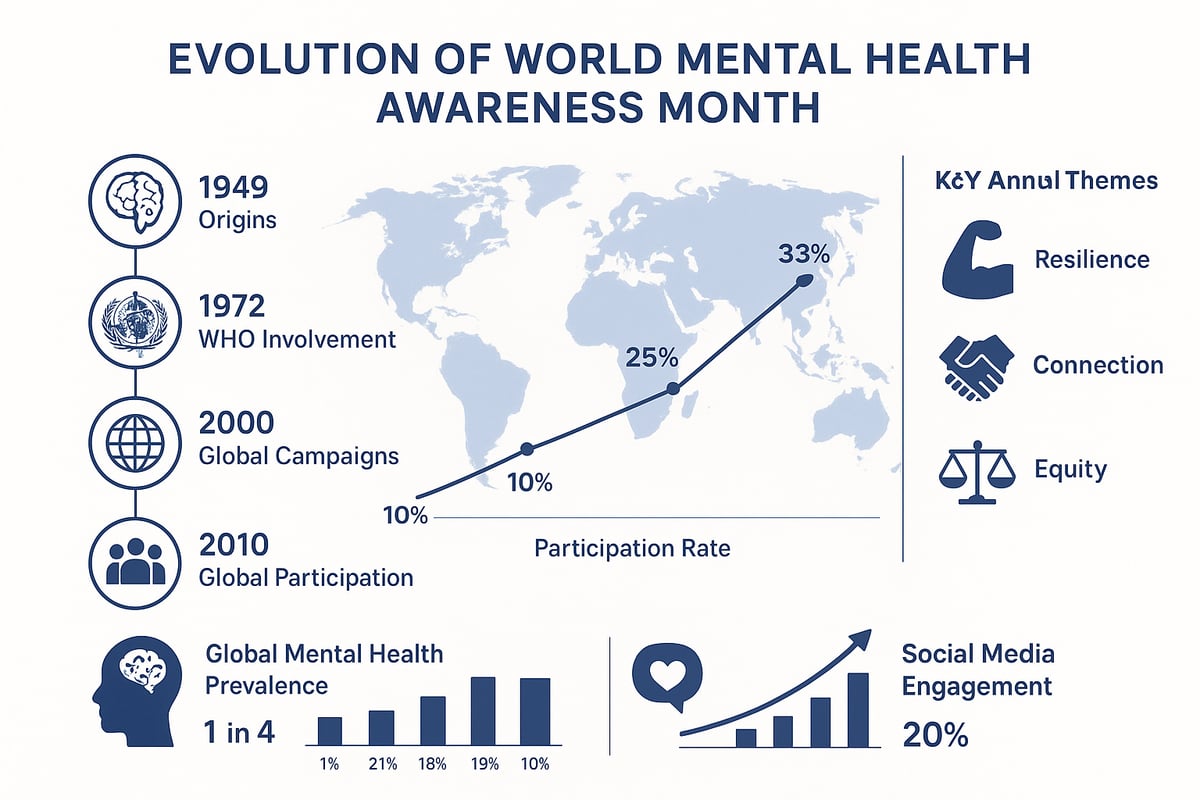
The roots of world mental health awareness month trace back to early advocacy efforts by mental health professionals and organizations. Over the decades, this movement has grown from small-scale national observances to a truly global campaign. Key milestones include the involvement of the World Health Organization (WHO) and the Mental Health Foundation, both of which have played pivotal roles in shaping the month’s trajectory.
Initially, the focus was on increasing public awareness of mental health conditions and reducing stigma. As the initiative gained momentum, the scope expanded to include advocacy, policy change, and community action. Notable campaigns such as the “Mental Health for All” movement have reached millions worldwide, promoting inclusive support and accessible care.
Participation in world mental health awareness month has surged in recent years. Social media engagement has amplified the message, with hashtags and digital campaigns connecting people across borders. These efforts have resulted in measurable increases in mental health literacy and support-seeking behaviors.
Why Mental Health Awareness Matters Today
Today, world mental health awareness month is more crucial than ever. Mental health conditions affect one in four people globally each year, impacting families, workplaces, and economies. According to the WHO, over a billion people currently live with mental health conditions, highlighting an urgent need for awareness and support (Over a billion people living with mental health conditions).
Raising awareness is essential for reducing stigma, which often prevents individuals from seeking help or speaking openly about their experiences. As understanding grows, empathy and support networks strengthen within communities and organizations. The economic and societal costs of unaddressed mental health issues are substantial, affecting productivity, absenteeism, and overall wellbeing.
The intersection of mental health with physical health is also increasingly recognized. Real-life stories of recovery and resilience demonstrate how world mental health awareness month empowers individuals to take proactive steps for themselves and others.
Key Themes and Messages for This Year
Each world mental health awareness month adopts a central theme that reflects current challenges and opportunities. Recent themes have focused on resilience, connection, and equity, emphasizing the importance of inclusive support and community engagement. These themes are chosen through consultation with mental health experts, advocates, and those with lived experience to ensure relevance and impact.
Aligning local campaigns with global messages helps maximize reach and effectiveness. Past themes have inspired initiatives ranging from school-based programs to national advocacy efforts, leading to measurable improvements in mental health outcomes. For those organizing events, using the annual theme as a foundation can provide clarity and cohesion.
Guidance for this year encourages communities to adapt the main message to local needs, fostering a sense of unity while respecting cultural differences. By embracing the key themes of world mental health awareness month, individuals and organizations can contribute to a more supportive and informed society.
Steps to Organize Impactful Mental Health Awareness Activities
Organizing meaningful activities for world mental health awareness month can transform awareness into lasting action. A structured approach empowers you to reach diverse audiences, create inclusive spaces, and spark real change in your community or organization.
Whether you are new to advocacy or an experienced organizer, following these steps helps ensure your world mental health awareness month initiatives are impactful and sustainable.
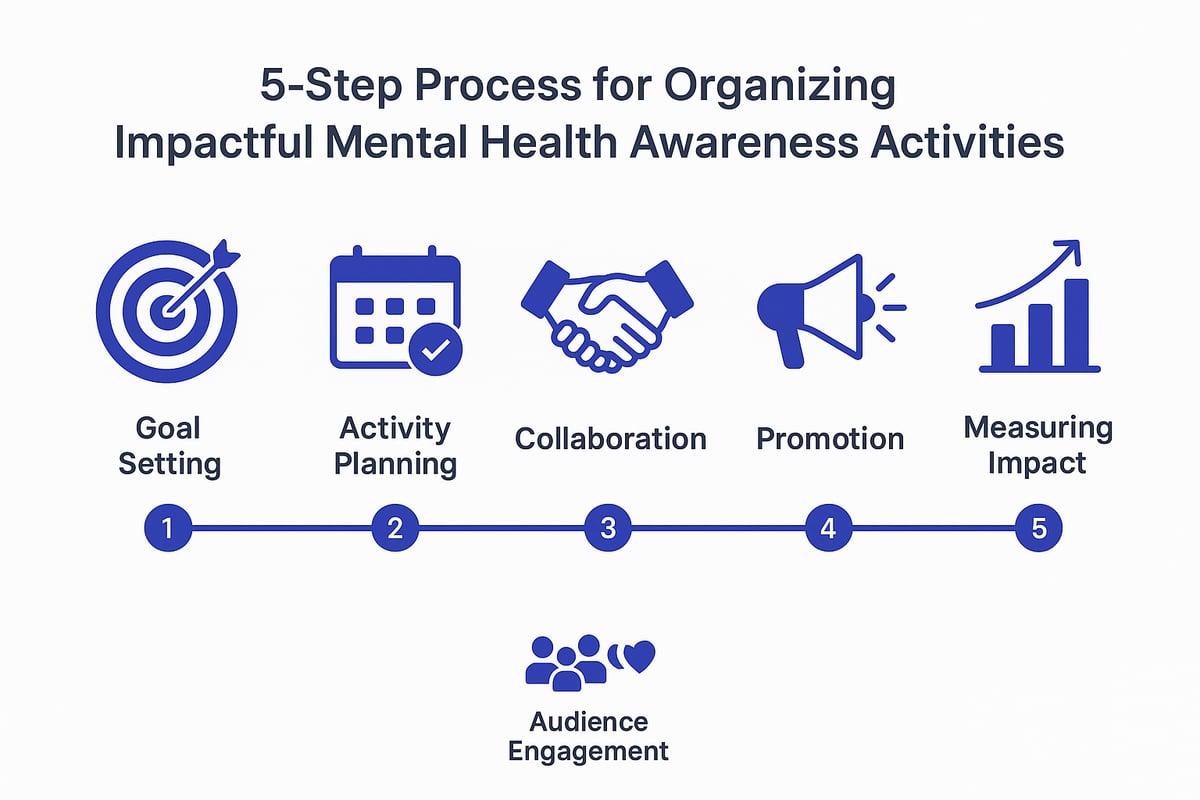
Step 1: Set Clear Goals and Identify Your Audience
The first step in planning for world mental health awareness month is to define your goals. Are you aiming to increase awareness, educate participants, boost engagement, or offer support?
Start by clarifying what success looks like for your group. For instance, a school may focus on student mental health education, while a workplace might prioritize reducing stigma among employees.
Identify your primary audience. Consider using surveys or feedback forms to understand their needs and preferences. Tailoring your approach ensures your message resonates and leads to greater participation.
Once your goals and audience are clear, you can select the most effective strategies for world mental health awareness month. This foundation will guide every decision moving forward.
Step 2: Choose Engaging Formats and Activities
Selecting the right format is key to making world mental health awareness month memorable and inclusive. Think about offering a variety of activities that cater to different learning styles and comfort levels.
Popular options include:
- Interactive workshops and webinars
- Mindfulness or meditation sessions
- Art exhibitions focused on mental health themes
- Mental health first aid training
- Community walks or outdoor group activities
Virtual and in-person formats each have unique benefits. Virtual events can reach wider audiences, while in-person gatherings foster closer connections.
Leverage social media with hashtags like #MentalHealthMonth to encourage wider participation. For more inspiration and detailed ideas, explore Activities for Mental Health Awareness Month, which offers practical suggestions for every setting.
Mixing formats and providing both active and reflective experiences increases engagement throughout world mental health awareness month.
Step 3: Collaborate with Partners and Influencers
Collaboration amplifies your reach and impact during world mental health awareness month. Engage local health professionals, advocacy organizations, and influential community members as partners.
Building coalitions allows you to pool resources, share expertise, and attract larger audiences. For example, partnering with schools, businesses, or faith groups can bring new perspectives and expand your campaign.
Consider inviting guest speakers, mental health advocates, or even artists to contribute unique content or lead sessions. Their involvement helps legitimize your message and encourages broader participation.
Joint events, shared promotional efforts, and cross-organization campaigns can turn a single initiative into a movement for world mental health awareness month.
Step 4: Promote Your Events and Message
Effective promotion is essential for the success of world mental health awareness month activities. Start with a clear communication plan that outlines your channels, timing, and key messages.
Use press releases, social media posts, and local newsletters to spread the word. Visual content works well—create infographics, short videos, or testimonials to make your message more relatable.
Schedule posts and reminders to maintain interest before and during your events. Encourage participants to share their experiences online, using campaign hashtags to boost visibility.
Coordinating your outreach efforts ensures your world mental health awareness month activities reach the widest possible audience and inspire ongoing conversations.
Step 5: Measure Impact and Gather Feedback
Assessing the effectiveness of your world mental health awareness month initiatives is vital for growth and accountability. Track metrics such as attendance numbers, social media engagement, and participant feedback.
Use simple surveys, polls, or feedback forms to capture insights about what worked well and where you can improve. Analyzing these results helps you refine future activities and demonstrate tangible outcomes.
Consider sharing a summary report with your stakeholders, highlighting key achievements and lessons learned. This transparency builds trust and encourages continued support for world mental health awareness month.
By measuring impact and actively seeking feedback, you ensure your efforts lead to meaningful change.
Fostering Mental Health in the Workplace
Creating a supportive environment at work is essential for mental wellbeing. As world mental health awareness month gains momentum, more organizations are recognizing the value of proactive, inclusive workplace strategies. The sections below provide a roadmap for leaders and employees to foster lasting change.
Why Workplaces Play a Critical Role
The workplace is a powerful setting for advancing mental health. During world mental health awareness month, attention often turns to how employment environments influence wellbeing. Studies show that mental health issues are a leading cause of absenteeism and reduced productivity.
Employers who prioritize mental health benefit from higher morale and lower turnover. For example, organizations that have embedded mental health policies report fewer sick days and a more engaged workforce. The ripple effect extends beyond the office, influencing families and communities.
By participating in world mental health awareness month, companies send a clear message that mental wellbeing matters. This commitment not only supports individuals but also enhances organizational resilience.
Strategies for Employers and Managers
Leaders play a pivotal role in shaping workplace culture. To support world mental health awareness month, employers can implement several evidence-based approaches.
First, foster open conversations about mental health. Managers should encourage team members to share concerns without fear of stigma. Flexible work arrangements, such as remote options and mental health days, help employees balance demands.
Training for managers equips them to recognize early signs of distress. Providing access to counseling and resources is essential. For a comprehensive overview of practical approaches, see Wellbeing in the Workplace.
Regular check-ins, clear communication, and visible leadership support are critical. These strategies not only align with world mental health awareness month, they also build a foundation for long-term success.
Workplace Mental Health Institute: Empowering Organizations
The Workplace Mental Health Institute (WMHI) is dedicated to helping organizations foster “mental wealth.” WMHI’s psychologist-designed programs offer resilience training, wellbeing assessments, and customized workshops for diverse industries.
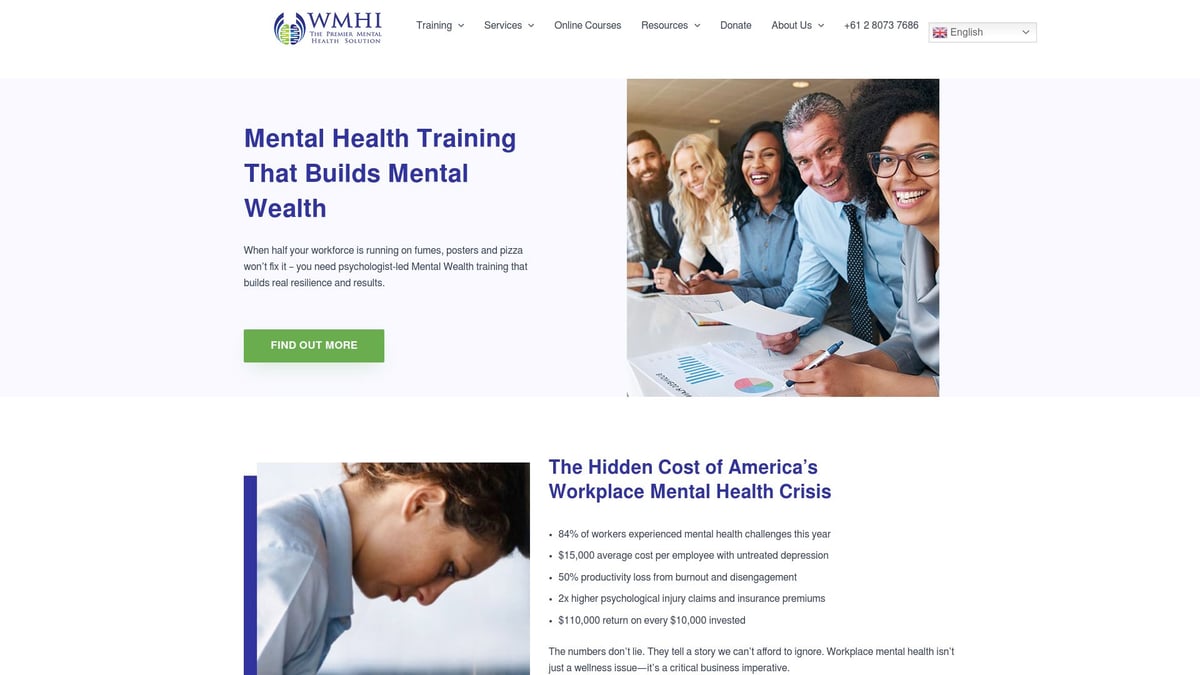
By participating in world mental health awareness month, organizations can access WMHI’s evidence-based resources to create sustainable change. Their training modules have led to reductions in absenteeism and psychological injury claims, as well as improvements in employee satisfaction.
WMHI offers flexible delivery options, including in-person, virtual, and on-demand formats. Companies looking to make a meaningful impact during world mental health awareness month can connect with WMHI for tailored support and actionable strategies.
Employee-Led Initiatives and Peer Support
Empowering employees to lead mental health initiatives is vital for lasting change. During world mental health awareness month, peer support groups and mental health champions can drive engagement at every level.
Grassroots programs foster a sense of inclusion and trust. For instance, employees may organize mindfulness sessions or share personal stories to reduce stigma. These actions align with the goals of world mental health awareness month and encourage ongoing dialogue.
Providing tools and resources for employee-led activities ensures sustainability. When staff feel supported and involved, the workplace becomes a space where everyone can thrive.
Global Resources and Support Networks
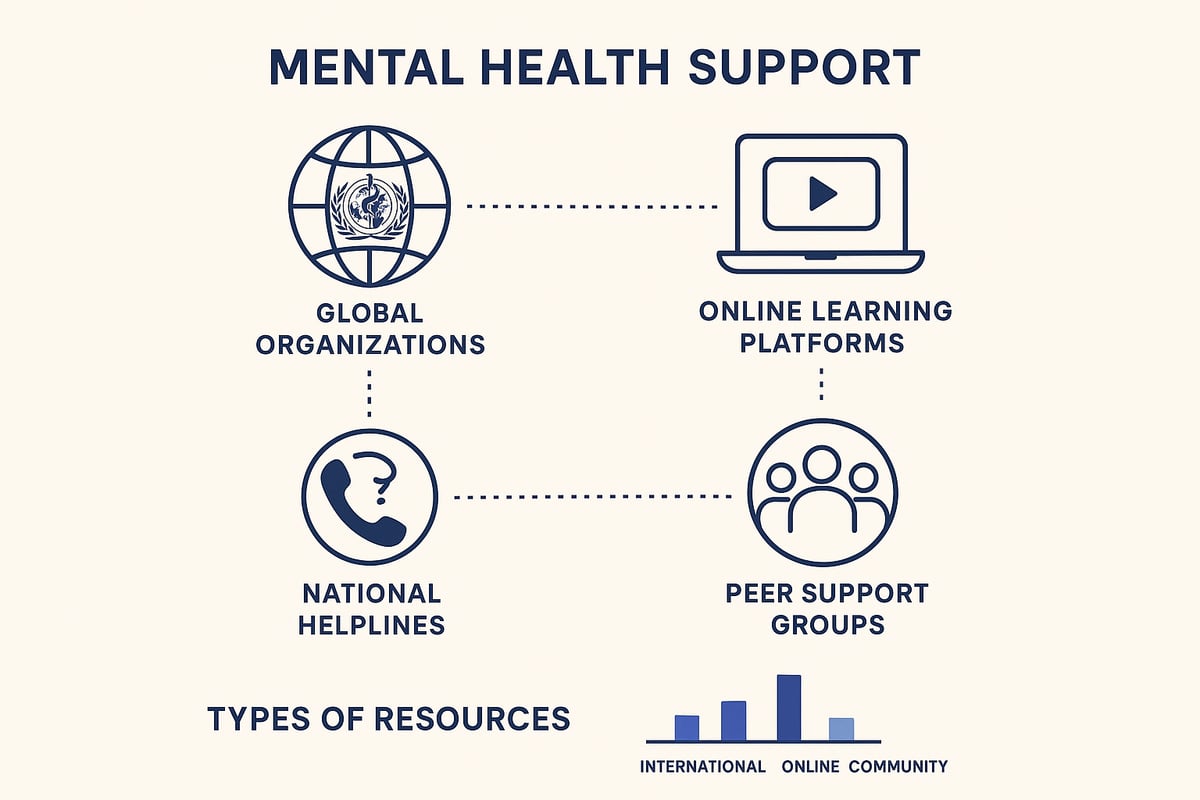
Access to the right support and information is crucial during world mental health awareness month. From international campaigns to local peer networks, a range of resources empower individuals and communities to foster lasting change.
International Organizations and Campaigns
Internationally, organizations like the World Health Organization (WHO), Mental Health Foundation, and Mind lead the way in promoting world mental health awareness month. Their toolkits, webinars, and campaign materials help individuals and communities participate globally.
These organizations offer:
- Toolkits for campaign planning and outreach
- Downloadable guides for schools and workplaces
- Regular webinars and expert panels
- Social media graphics and messaging
For a comprehensive directory of global and national initiatives, see Mental Health Organizations and Resources. This central hub connects you to reputable campaigns, making it easier to align local efforts with broader world mental health awareness month goals.
Online Learning and Self-Help Tools
The digital age brings mental health support to your fingertips. During world mental health awareness month, online courses, resilience-building platforms, and mental health apps become especially valuable.
Consider these options:
- Free and paid online courses on mental health basics, coping skills, and resilience
- Meditation and mindfulness apps for stress management
- Digital support communities offering peer connection 24/7
| Platform Type | Example Use | Accessibility |
|---|---|---|
| Online Courses | Mental health first aid | Self-paced |
| Meditation Apps | Guided relaxation | Mobile/Desktop |
| Forums/Communities | Peer advice, support | Always available |
These tools make it easier to access resources for world mental health awareness month, regardless of location or schedule.
National and Local Support Services
Connecting with local services is a cornerstone of world mental health awareness month. Many countries provide helplines, counseling centers, and Employee Assistance Programs (EAPs) to ensure timely support.
Key support options include:
- National helplines for urgent assistance
- Community clinics and mental health professionals
- EAPs offering confidential workplace counseling
For Australian readers, WMHI Australia offers tailored services and resources that align with world mental health awareness month campaigns. Local organizations understand the unique needs of their communities, bridging the gap between awareness and practical support.
Building a Sustainable Support Network
Sustaining momentum beyond world mental health awareness month requires ongoing connection. Peer support groups, regular check-ins, and resource hubs foster resilience and a sense of belonging.
How to build your network:
- Start a monthly peer support circle, either in-person or online
- Share resources through social media or community forums
- Organize regular check-ins to encourage open conversations
By cultivating these networks, individuals and groups can reinforce the messages of world mental health awareness month all year long, creating lasting impact through shared knowledge and encouragement.
Inspiring Stories and Case Studies
Around the world, compelling stories highlight the transformative power of world mental health awareness month. These stories demonstrate how collective action, local creativity, and determined individuals can break barriers, reduce stigma, and foster supportive environments.
Community-Led Success Stories
Grassroots campaigns are the heartbeat of world mental health awareness month. In many communities, local leaders, educators, and volunteers have taken bold steps to spark change.
One remarkable example comes from Australia, where a school partnered with families and mental health professionals to launch a month-long initiative. Activities included daily mindfulness sessions, classroom discussions, and creative art projects centered on emotional wellbeing. As a result, the school reported a 40% increase in students seeking support and a noticeable reduction in stigma among peers.
Community events, such as open forums and storytelling nights, empower people to share their journeys. For those interested in learning more about impactful Australian initiatives, the Mental Health Awareness Month Australia resource offers valuable insights and inspiration.
Workplace Transformations
Workplaces play a pivotal role during world mental health awareness month. Many organizations have shifted from passive acknowledgment to active engagement, prioritizing employee wellbeing.
One multinational company introduced peer support programs and flexible work arrangements as part of their awareness month campaign. Employees participated in workshops on stress management and resilience, resulting in a 25% reduction in mental health-related absenteeism. Staff surveys revealed that open conversations about mental health became more common, and team morale significantly improved.
Personal testimonials from employees often highlight how these initiatives foster a sense of belonging and safety. When leaders champion mental health, it creates a ripple effect across the organization, inspiring similar efforts beyond the workplace.
Youth and Student Engagement
Young people are powerful advocates for world mental health awareness month. Student-led campaigns, such as awareness walks, social media challenges, and peer-led workshops, have gained momentum in schools and universities worldwide.
In one case, students collaborated with parents and mental health experts to design interactive presentations and resource fairs. These efforts led to measurable gains in mental health literacy and resilience among youth, as shown by post-campaign surveys.
Partnerships between schools, families, and organizations amplify the impact, equipping young people with tools to support themselves and others. These stories remind us that early engagement lays the groundwork for lifelong mental wellbeing.
Taking Action: How Individuals Can Make a Difference
Every individual has the power to make a real impact during world mental health awareness month. Small actions can ripple outward, sparking meaningful change in homes, workplaces, and communities. By taking initiative, you help create a culture where mental wellbeing is valued and protected.
Everyday Actions for Mental Health Advocacy
Start by using your voice. Open conversations with friends, family, or colleagues about mental health, especially during world mental health awareness month. Sharing your own experiences can encourage others to do the same, reducing stigma and fostering empathy.
Consider challenging misconceptions when you hear them. Offer facts and compassion, not judgment. Social media is a powerful tool—join awareness campaigns, share educational posts, and use hashtags like #MentalHealthMonth to extend your reach.
If you want more context or data, refer to Mental Health By the Numbers for up-to-date statistics that highlight why advocacy is crucial. Every conversation, post, or supportive gesture contributes to a more informed and understanding society.
Self-Care and Personal Resilience
Looking after your own mental health is a vital part of world mental health awareness month. Practicing self-care helps build the resilience needed to support others and navigate challenges.
Simple strategies include daily mindfulness exercises, setting healthy boundaries, and maintaining a balanced routine. Journaling can clarify thoughts and feelings, while guided meditations support relaxation and focus.
Connecting with online communities or local support groups adds another layer of strength. Participate in group check-ins or virtual meetups to share experiences. Remember, prioritizing your wellbeing not only benefits you but also sets a positive example for those around you.
Becoming a Mental Health Champion
You can take your involvement in world mental health awareness month further by becoming a mental health champion. Volunteering with local organizations, raising funds for mental health initiatives, or training as a mental health first aider are all impactful choices.
Advocacy within your community or workplace might involve organizing events, leading peer support groups, or simply being a reliable source of encouragement. Seek out training opportunities to deepen your understanding and skills.
Your actions—no matter how small—can inspire others and create lasting change. By stepping up as a champion, you help ensure that mental health remains a priority throughout the year, not just during world mental health awareness month.
As we’ve explored, World Mental Health Awareness Month isn’t just about recognizing challenges—it’s about empowering each of us to take meaningful action in our workplaces and communities. Whether you’re looking to foster a more supportive work culture, build resilience, or simply start an important conversation, you have the tools to make a real difference. If you’re ready to take the next step and discover how targeted training and evidence-based strategies can transform your organization, I encourage you to Find Out More about the resources and support available to help you lead the way.

