Recent studies show that nearly one in five adults experiences mental health challenges, making wellbeing a critical concern in both personal and professional life. As stress, digital overload, and workplace pressures rise, finding an effective way to improve mental health has never been more important. This article explores nine essential, research-backed strategies designed to empower you to take control of your mental wellbeing. From sleep hygiene and social connections to digital boundaries and workplace support, discover practical steps that can help you thrive. Ready to build resilience and achieve lasting balance? Explore the proven approaches ahead.
The Science Behind Mental Health Improvement
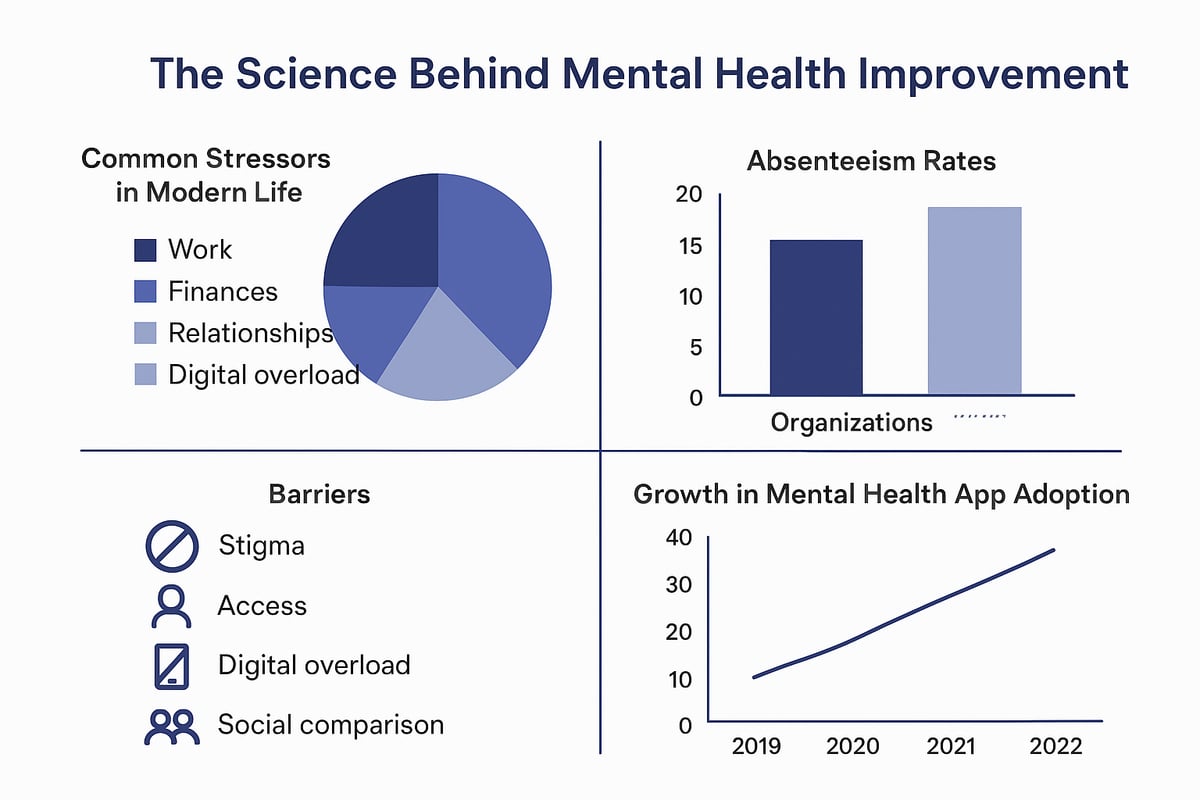
Understanding the science behind every way to improve mental health is critical for meaningful change. By examining how mental wellbeing is shaped by daily life, proactive strategies, barriers, and modern tools, individuals and organizations can make informed decisions for lasting wellbeing.
Understanding Mental Health in Contemporary Life
Mental health now covers more than the absence of illness. It involves emotional, psychological, and social wellbeing, all of which affect how we think, feel, and act. Daily stressors like work pressure, financial worries, and digital distractions can challenge even the healthiest individuals.
Genetics, environment, and lifestyle choices play central roles in shaping mental wellbeing. In recent years, trends show rising anxiety and burnout, particularly as remote work blurs boundaries between home and office. For many, a key way to improve mental health is recognizing these influences and making conscious lifestyle adjustments.
Why Proactive Mental Health Strategies Matter
Taking a proactive approach is a proven way to improve mental health. Early intervention helps prevent small concerns from escalating into crises. Prevention is more effective and less disruptive than managing problems after they arise.
Good mental health supports better physical health, stronger relationships, and greater productivity. According to the WHO and CDC, mental health issues are among the top causes of disability worldwide. Organizations that invest in mental health programs often see reduced absenteeism and improved morale, demonstrating the tangible benefits of early action.
Barriers to Mental Health Improvement
Despite growing awareness, barriers remain for anyone seeking a way to improve mental health. Stigma and misconceptions can prevent people from reaching out, while limited access to resources makes support difficult for some.
Digital overload and social comparison, fueled by constant connectivity, can worsen anxiety and self-doubt. Many hesitate to seek help out of fear of being judged, which only deepens the cycle. Overcoming these barriers requires both personal courage and societal change to foster open, supportive environments.
The Role of Technology and Modern Tools
Technology is rapidly changing the way to improve mental health. The rise of mental health apps and teletherapy has made support more accessible than ever before. However, digital solutions have their limitations, such as privacy concerns and varying effectiveness.
Recent data shows a surge in digital mental health tool adoption, with mindfulness apps becoming especially popular during global crises. For practical, research-backed activities, resources like the Mental health activities guide offer valuable support for individuals seeking new strategies. Embracing these tools, while recognizing their boundaries, is crucial for holistic mental wellbeing.
9 Essential Ways to Improve Mental Health
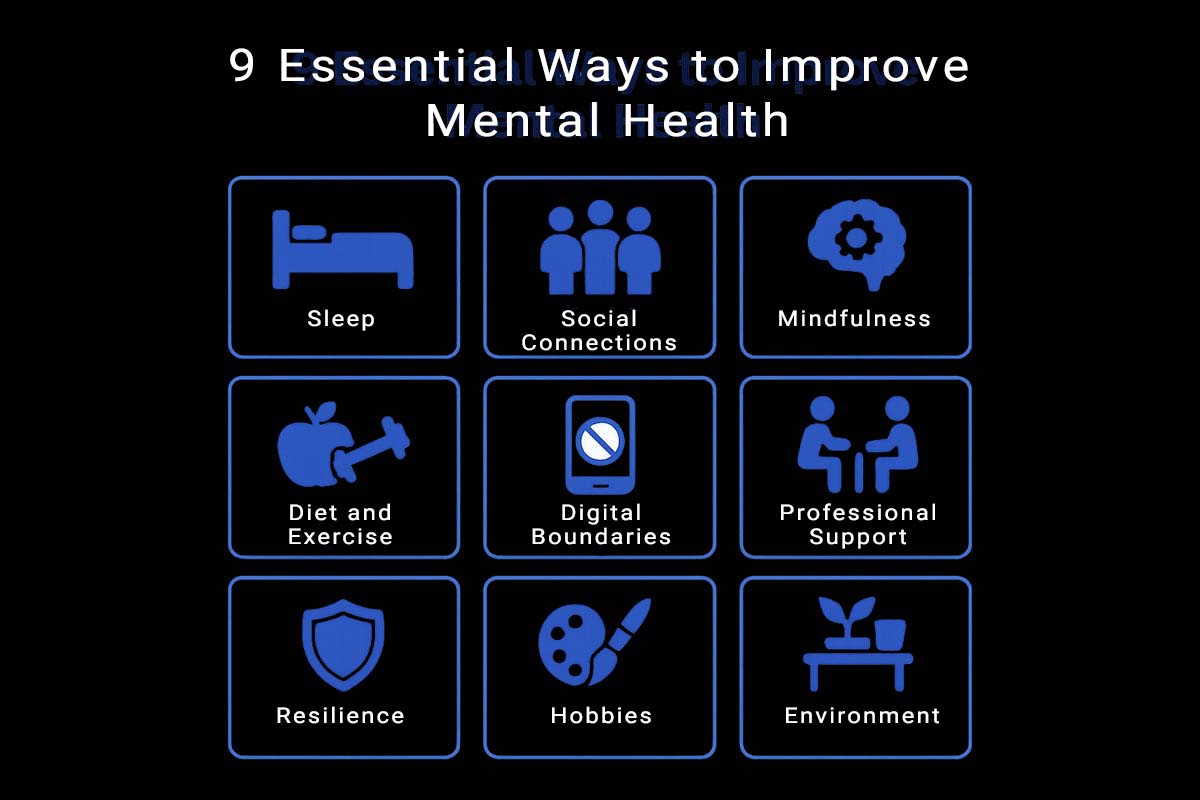
Improving mental wellbeing is not a single-action process. Instead, it involves a range of strategies, habits, and lifestyle choices. Below, you will discover nine essential ways to improve mental health, each rooted in scientific research and practical experience. Use these approaches to build resilience, find balance, and maintain a positive outlook in your daily life.
1. Prioritize Sleep Hygiene
Quality sleep is a foundational way to improve mental health. Sleep affects mood, memory, and emotional resilience. When you consistently lack rest, you may notice increased irritability, anxiety, and difficulty concentrating. Chronic sleep deprivation raises the risk of depression and other mental health conditions.
To enhance sleep hygiene, create a consistent bedtime routine. Go to bed and wake up at the same time each day. Avoid screens for at least 30 minutes before sleeping, as blue light disrupts melatonin production. Keep your bedroom cool, dark, and quiet to encourage restorative rest.
Data from the Sleep Foundation reveals that adults who get 7 to 9 hours of sleep report better mental health outcomes and greater life satisfaction. In a recent case study, individuals who implemented simple sleep interventions, such as limiting caffeine and using relaxation techniques, experienced noticeable improvements in mood and stress levels.
Making sleep a priority is a practical way to improve mental health and boost your overall quality of life. Even small changes in your nightly routine can lead to significant benefits over time.
2. Foster Meaningful Social Connections
Human beings are inherently social, and building supportive relationships is a proven way to improve mental health. Strong social connections reduce the risk of depression, buffer stress, and enhance feelings of belonging. In our digital age, meaningful relationships can be nurtured both in person and online.
To strengthen your social support system, schedule regular meetups with friends or family. Consider joining a community group, volunteering, or participating in virtual support networks. Even small acts, like checking in with a colleague or neighbor, can foster connection.
Research from the Harvard Study of Adult Development found that individuals with robust social ties are happier and live longer. Peer support groups, whether face-to-face or virtual, provide a safe space to share experiences and offer encouragement.
For more practical tips and insights on building social connections, visit the Building social mental health resource. Prioritizing relationships is a powerful way to improve mental health and create a sense of community.
3. Practice Mindfulness and Meditation
Mindfulness and meditation are powerful tools that offer a reliable way to improve mental health. Mindfulness helps you stay present, manage stress, and regulate emotions more effectively. Countless studies show that regular practice can lower anxiety, reduce rumination, and enhance overall wellbeing.
Simple mindfulness exercises, like deep breathing or a five-minute body scan, can be incorporated into your daily routine. Try starting your day with a short meditation or practicing mindful awareness during meals or walks.
Clinical research supports the effectiveness of interventions like Mindfulness-Based Cognitive Therapy (MBCT). Participants in MBCT programs have shown significant reductions in depressive symptoms and improved coping abilities.
Making mindfulness a habit is a sustainable way to improve mental health, increasing resilience to everyday stressors. Investing just a few minutes each day can yield lasting benefits for your mind and body.
4. Maintain a Balanced Diet and Exercise Routine
A balanced diet and regular physical activity are essential ways to improve mental health. Nutrition directly influences brain chemistry and mood. Key nutrients, such as omega-3 fatty acids and B vitamins, support cognitive function and emotional stability.
Aim for a variety of whole foods, including fruits, vegetables, lean proteins, and healthy fats. Hydration is also crucial. Exercise, even moderate activity like brisk walking or cycling, acts as a natural mood booster by releasing endorphins and lowering stress hormones.
Data shows that people who exercise regularly report fewer symptoms of depression and anxiety. Integrated wellness programs that combine nutrition and physical activity have led to success stories, with participants experiencing enhanced mood, better energy, and greater self-confidence.
Adopting a healthy lifestyle is an accessible way to improve mental health, giving you more control over your wellbeing. Small, consistent changes in diet and exercise can make a measurable difference.
5. Set Healthy Digital Boundaries
Technology is a double-edged sword. While it connects us, excessive screen time and social media can be detrimental. Setting digital boundaries is a proactive way to improve mental health and regain balance.
Begin by scheduling regular digital detox periods. Designate device-free zones in your home, such as the dining table or bedroom. Practice mindful consumption by curating your social media feeds and disabling non-essential notifications.
Studies indicate a strong link between screen time and increased rates of anxiety and depression. Many individuals report improved mood and reduced stress after limiting their social media use.
Implementing healthy digital habits is a straightforward way to improve mental health in today’s hyperconnected world. Prioritize offline activities and be intentional about how you engage with technology.
6. Seek Professional Support When Needed
Recognizing when to seek help is a vital way to improve mental health. Professional support can provide guidance, coping strategies, and tailored interventions. If you experience persistent sadness, overwhelming stress, or disruptions in daily functioning, consider reaching out to a therapist or counselor.
There are various types of mental health professionals, including psychologists, psychiatrists, and social workers. Services are increasingly accessible through telehealth platforms and employee assistance programs.
Recent data shows a significant rise in the use of online therapy, making support more convenient and confidential. Early intervention is associated with better outcomes and quicker recovery.
Seeking help is a responsible way to improve mental health, not a sign of weakness. Embracing support ensures you have the tools and resources to navigate life’s challenges more effectively.
7. Cultivate Resilience and Coping Skills
Resilience is the ability to adapt and thrive in the face of adversity. Building resilience is a proactive way to improve mental health and manage stress. Coping skills, such as journaling, positive reframing, and structured problem solving, enhance your capacity to handle setbacks.
Try keeping a daily journal to process thoughts and emotions. Practice positive self-talk and focus on solutions rather than obstacles. Adopting a growth mindset and self-compassion fosters long-term resilience.
Studies in workplace settings demonstrate that resilience training leads to reduced stress and improved employee wellbeing. Many organizations now offer resilience-building programs as part of their mental health initiatives.
Developing coping skills is a lifelong way to improve mental health. The more you practice, the better equipped you will be to face future challenges with confidence and optimism.
8. Engage in Purposeful Activities and Hobbies
Participating in meaningful activities is a rewarding way to improve mental health. Hobbies, volunteering, and creative pursuits provide a sense of accomplishment and purpose. These activities can distract from negative thoughts and foster positive emotions.
Consider exploring new skills, joining a class, or engaging in artistic outlets like painting or music. Volunteering connects you with others and boosts your sense of contribution.
Research shows that people who engage in purposeful activities experience lower rates of depression and greater life satisfaction. Art therapy, for example, has been effective in reducing anxiety and enhancing self-expression.
Filling your life with purposeful engagement is a motivating way to improve mental health and enrich your overall wellbeing.
9. Create a Supportive Physical Environment
Your surroundings have a significant impact on your mood and stress levels. Shaping a supportive environment is a practical way to improve mental health. Simple changes can make your home or workspace more calming and uplifting.
Start by decluttering and organizing your space. Add natural elements like plants or sunlight to boost your mood. Optimize lighting and create areas dedicated to relaxation or focus.
Environmental psychology research confirms that well-designed spaces enhance mental wellbeing and productivity. Workplaces that prioritize natural light and ergonomic design report higher employee satisfaction and reduced stress.
Designing your environment intentionally is a sustainable way to improve mental health. Even minor adjustments can create a more peaceful and supportive atmosphere.
The Role of Workplace Mental Health Programs
Workplace mental health programs are increasingly recognized as a vital way to improve mental health for employees and organizations alike. As work environments evolve, supporting mental wellbeing is no longer optional, but essential for business success and employee satisfaction. Let us explore why these initiatives matter, which interventions are most effective, and how both leaders and staff can take meaningful action.
Why Workplaces Must Prioritize Mental Health
Organizations have a clear business and ethical imperative to prioritize mental health. A robust way to improve mental health leads to higher productivity, reduced absenteeism, and better retention rates. Untreated mental health issues cost businesses billions annually through lost workdays and decreased engagement.
Legal frameworks now require employers to address psychological safety, making mental wellbeing a compliance issue as well. According to the World Health Organization, investing in mental health at work yields a strong return, with every dollar spent resulting in up to four dollars saved in improved health and productivity. For more strategies, see Wellbeing in the workplace strategies.
Evidence-Based Workplace Interventions
Implementing evidence-based interventions is a proven way to improve mental health in organizational settings. Programs such as employee assistance, resilience workshops, and mental health first aid training address a wide range of needs, from early intervention to crisis support.
Research shows that organizations with comprehensive mental health programs experience lower rates of burnout and better overall morale. According to Mental health at work, effective strategies include regular wellbeing assessments, manager training, and access to confidential counseling services. These initiatives are not only beneficial for employees but also contribute to organizational performance and reputation.
Workplace Mental Health Institute: Leading the Way in Mental Health Training
The Workplace Mental Health Institute (WMHI) stands at the forefront of providing a practical way to improve mental health within organizations. WMHI offers psychologist-led training for managers and staff, resilience development programs, and comprehensive wellbeing assessments.
What sets WMHI apart is its strengths-based approach, measurable outcomes, and international reach. Organizations partnering with WMHI report significant reductions in absenteeism and noticeable improvements in staff wellbeing. Their evidence-based programs help organizations implement many of the nine essential ways to improve mental health outlined in this article, supporting a healthier, more productive workforce.
How Employees and Leaders Can Take Action
Everyone in the workplace has a role in supporting a way to improve mental health. Leaders can initiate open conversations, model healthy behaviors, and ensure resources are accessible to all staff. Employees should make use of available training, seek support when needed, and participate in wellbeing initiatives.
Creating a culture of psychological safety requires ongoing effort and learning. Success stories from organizations with robust mental health programs demonstrate that when both leaders and staff engage proactively, workplaces become healthier and more resilient for all.
Future Trends and Innovations in Mental Health
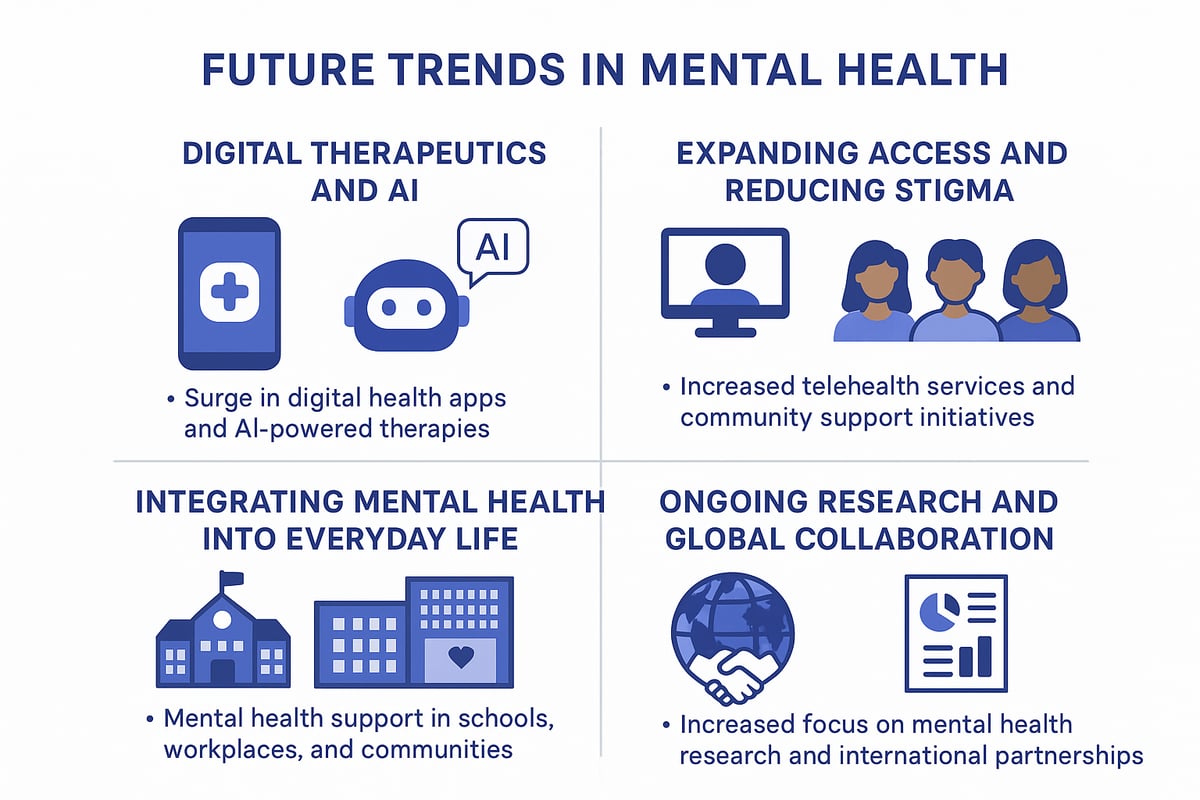
The landscape of mental health support is evolving rapidly. New technologies, inclusive strategies, and collaborative research are transforming every way to improve mental health. As society moves forward, these trends promise more personalized, accessible, and effective solutions for individuals and organizations alike.
Digital Therapeutics and AI-Powered Support
Digital therapeutics and AI are redefining every way to improve mental health. App-based interventions, online therapy, and AI chatbots are now widely accessible. For example, real-world evidence demonstrates that generative AI chatbots can safely reduce depression and anxiety, making support more immediate for users.
Recently, the FDA approved Rejoyn, the first app-based treatment for major depressive disorder, marking a pivotal moment for digital mental health care. These advances allow for tailored, on-demand support, giving millions new options for managing their wellbeing.
Expanding Access and Reducing Stigma
A key way to improve mental health is by making care more accessible and combating stigma. Telehealth and community programs have broken down barriers, enabling people in remote or underserved areas to connect with professionals.
National campaigns and grassroots initiatives are also challenging stereotypes. By normalizing conversations and providing reliable resources, these efforts encourage more individuals to seek help without fear of judgment. The result is a more inclusive, supportive environment for everyone.
Integrating Mental Health into Everyday Life
Holistic approaches are another essential way to improve mental health. Schools, workplaces, and community organizations are embedding mental wellbeing into daily routines. Integrated wellness models combine physical, emotional, and social support, promoting balance and resilience.
Data shows that when mental health becomes part of the broader culture, people are more likely to engage in positive habits. Whether through workplace programs or school-based interventions, these strategies foster lasting change at every level.
Ongoing Research and Global Collaboration
Continued research and international partnerships are critical for discovering each new way to improve mental health. Scientists worldwide are exploring innovative therapies, preventative tools, and effective outreach models.
Organizations like the Global Mental Health Action Network unite stakeholders to share knowledge and scale impactful solutions. Through these collaborations, the mental health field is better equipped to address emerging challenges and deliver evidence-based care across borders.
If you’re ready to take meaningful steps toward better mental health for yourself or your team, you’re not alone—these nine essential ways are just the beginning. At Workplace Mental Health Institute, we specialize in practical, strengths-based programs that help both employees and leaders create lasting change through training, support, and strategic wellbeing initiatives. Whether you’re interested in building resilience, improving workplace culture, or simply staying ahead of future challenges, you can access expert guidance tailored to your needs. Let’s put these strategies into action together—Find Out More about empowering your workplace for a healthier tomorrow.