
The demand for trauma informed care training online has increased dramatically as organizations recognize the profound impact of trauma on employee wellbeing and workplace performance. Whether professionals are working in healthcare, education, social services, or corporate environments, understanding trauma's effects and implementing appropriate responses has become essential. Online training platforms now offer accessible, evidence-based education that equips professionals with the knowledge and skills to create psychologically safe environments where individuals feel understood, supported, and empowered to heal.
Understanding Trauma Informed Care in Professional Contexts
Trauma informed care represents a paradigm shift in how organizations and professionals approach interactions with individuals who have experienced traumatic events. This framework recognizes that trauma is widespread, affects people across all demographics, and significantly influences behavior, health outcomes, and interpersonal relationships.
The core principle acknowledges that traditional approaches may inadvertently re-traumatize individuals through power imbalances, lack of choice, or triggering environments. By contrast, trauma informed practices prioritize safety, trustworthiness, collaboration, and empowerment.
Key principles include:
- Safety: Creating physical and psychological environments where individuals feel secure
- Trustworthiness and transparency: Maintaining clear boundaries and consistent communication
- Peer support: Recognizing the healing power of shared experiences
- Collaboration and mutuality: Leveling power differences and promoting partnership
- Empowerment, voice, and choice: Supporting autonomy in decision-making processes
- Cultural, historical, and gender considerations: Addressing systemic inequities and biases
The Neurobiological Foundation
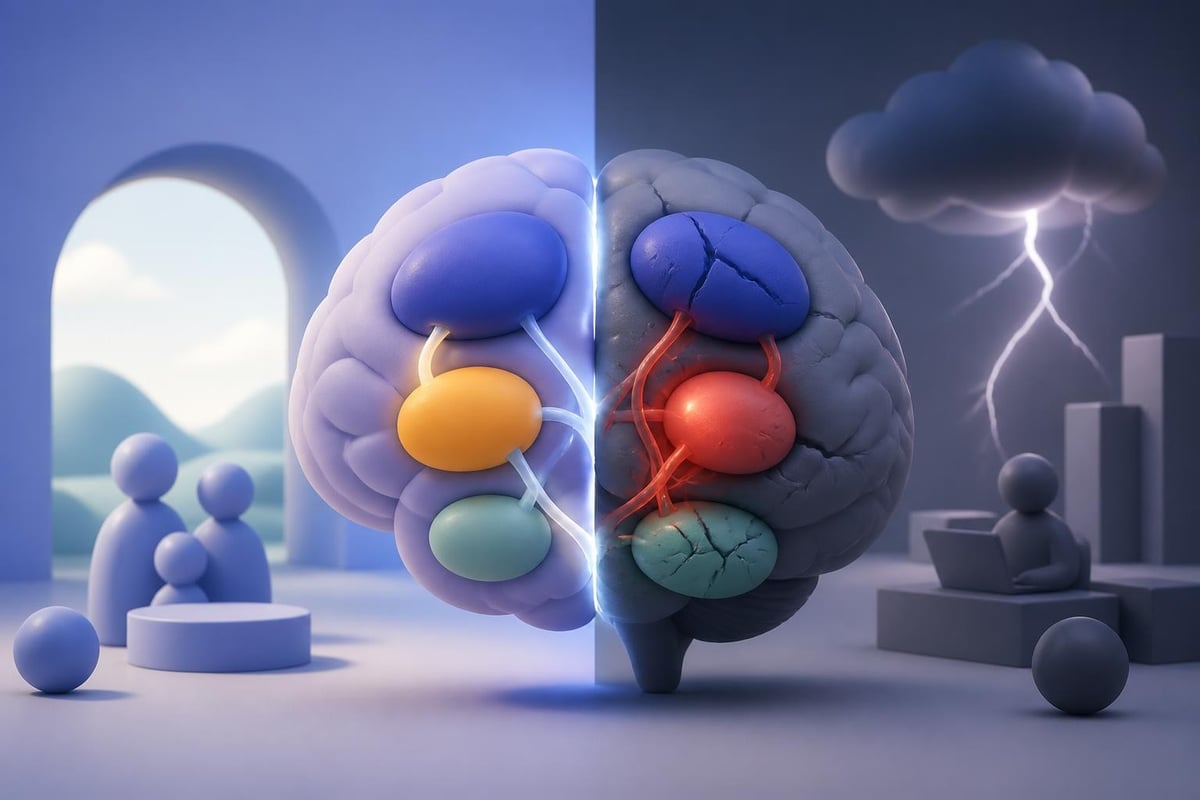
Trauma fundamentally alters brain functioning, particularly in regions governing stress response, emotional regulation, and memory processing. The amygdala becomes hyperactive, the prefrontal cortex shows reduced activity, and the hippocampus may shrink, affecting how individuals perceive threats and process information.
Understanding these neurobiological changes helps professionals recognize that challenging behaviors often represent survival adaptations rather than intentional defiance or manipulation. This knowledge forms the foundation of effective trauma informed care training online programs.
Selecting Quality Online Training Programs
The proliferation of trauma informed care training online options creates both opportunities and challenges for organizations seeking credible education. Quality programs demonstrate several distinguishing characteristics that separate evidence-based training from superficial awareness courses.
Accreditation and Credibility Markers
Reputable programs feature instructors with advanced credentials in mental health, demonstrated clinical experience, and ongoing engagement with trauma research. Organizations like the Indian Health Service provide mandatory trauma-informed care training that sets standards for comprehensive education in healthcare contexts.
Verification elements include:
- Partnerships with recognized academic institutions or professional associations
- Curriculum review by subject matter experts
- Alignment with SAMHSA's trauma informed care framework
- Continuing education credits from accredited bodies
- Regular content updates reflecting current research
Program Structure and Depth
Effective trauma informed care training online extends beyond basic awareness to develop practical competencies. Programs should progress through foundational concepts, application strategies, and organizational implementation approaches.
| Program Component | Foundational Level | Intermediate Level | Advanced Level |
|---|---|---|---|
| Duration | 2-4 hours | 8-12 hours | 20+ hours |
| Content Focus | Trauma basics, principles | Assessment skills, interventions | Organizational change, leadership |
| Practice Elements | Case studies, knowledge checks | Role-plays, scenario analysis | Implementation planning, coaching |
| Certification | Completion certificate | Professional development credits | Advanced practitioner designation |
The University at Buffalo offers micro-credential programs that provide structured progression through trauma informed care competencies with recognized digital badges.
Application in Workplace Settings
Implementing trauma informed care training online specifically for workplace environments requires contextualizing principles within organizational dynamics, management practices, and employee support systems. The workplace presents unique opportunities and challenges for trauma informed approaches.
Managerial Competencies
Leaders and managers serve as critical gatekeepers for creating trauma informed workplaces. Their daily interactions, decision-making processes, and response patterns either reinforce safety or perpetuate triggering environments.
Essential manager skills include:
- Recognizing trauma responses disguised as performance issues, absenteeism, or conflict
- Adjusting communication styles to avoid authoritarian or unpredictable approaches
- Creating predictable structures through clear expectations and consistent follow-through
- Offering choice and autonomy within appropriate boundaries
- Understanding vicarious trauma and implementing self-care strategies
Trauma informed care training online programs designed for managers emphasize practical application through realistic workplace scenarios. Training should address performance management, conflict resolution, and accommodation processes through a trauma informed lens.
Organizational Policy Integration
Individual competency development proves insufficient without corresponding organizational structures that support trauma informed practices. Comprehensive training addresses both personal skill-building and systemic change strategies.
Organizations benefit from examining policies across multiple domains:
- Recruitment and onboarding: Creating welcoming, transparent processes
- Physical environments: Ensuring spaces feel safe and allow privacy
- Communication protocols: Establishing predictable, respectful information sharing
- Performance evaluation: Separating trauma responses from capability assessments
- Conflict resolution: Implementing restorative rather than punitive approaches
- Employee assistance: Providing accessible, confidential support resources
Evidence-Based Curriculum Components
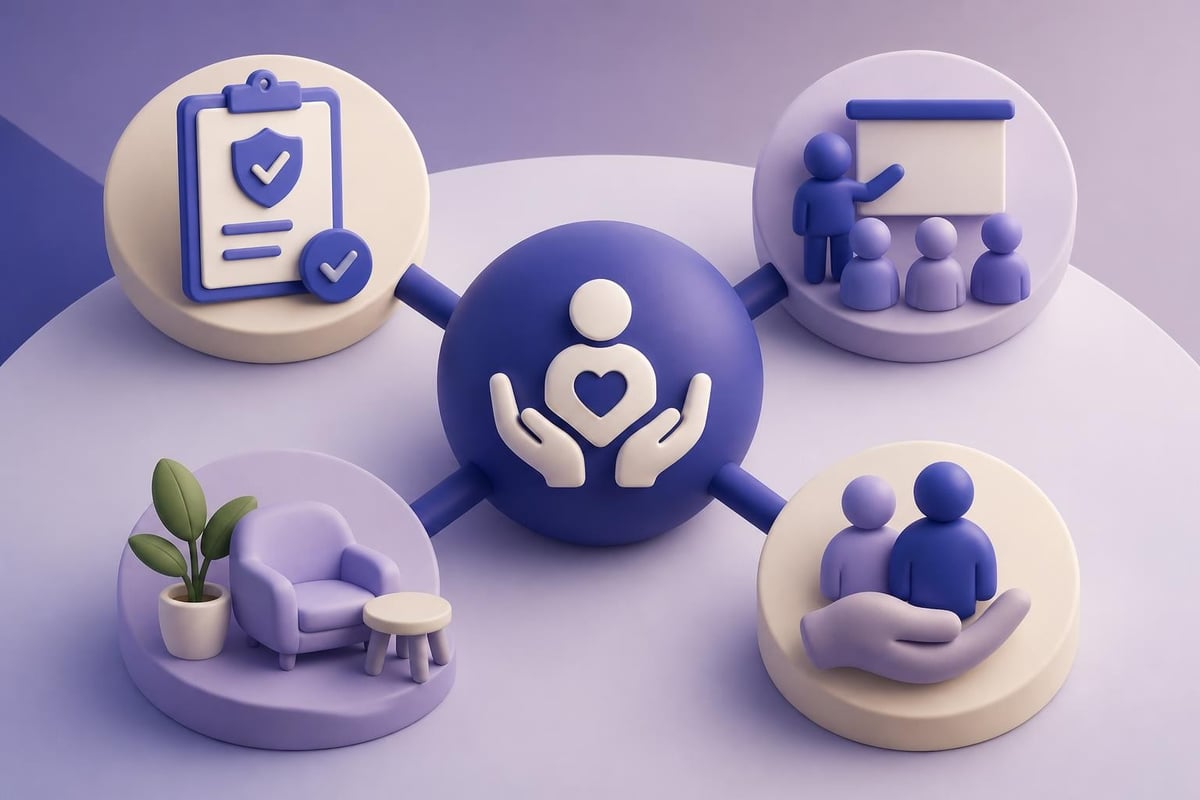
Quality trauma informed care training online programs incorporate specific content areas supported by research and clinical evidence. Understanding what constitutes comprehensive curriculum helps organizations evaluate training options effectively.
Trauma Types and Prevalence
Education must address the spectrum of traumatic experiences individuals may encounter, avoiding narrow definitions that exclude common workplace-relevant traumas.
Covered trauma categories include:
- Acute trauma from single incidents
- Complex trauma from repeated, prolonged exposure
- Historical and intergenerational trauma affecting communities
- Vicarious trauma experienced by helping professionals
- Workplace trauma including harassment, discrimination, and organizational betrayal
Statistics demonstrate trauma's prevalence: approximately 70% of adults have experienced at least one traumatic event, while 20% develop post-traumatic stress responses. These numbers underscore why trauma informed approaches benefit entire organizations rather than targeting specific individuals.
Screening and Assessment Approaches
Professionals require guidance on when and how to inquire about trauma history appropriately. Trauma informed care training online teaches universal precautions-assuming trauma exposure without requiring disclosure-alongside sensitive assessment techniques for roles requiring evaluation.
The difference between trauma screening (brief identification) and trauma assessment (comprehensive evaluation) clarifies professional boundaries. Most workplace professionals conduct screening to inform support approaches, while specialized mental health providers perform detailed assessments.
Intervention and Response Strategies
Practical skill development distinguishes effective training from purely theoretical education. Programs should teach concrete techniques professionals can implement immediately within their roles and settings.
Response strategies vary by professional context but share common elements:
| Strategy Type | Description | Workplace Application |
|---|---|---|
| Grounding techniques | Methods to reconnect with present moment | Supporting distressed employees during conversations |
| Co-regulation | Using calm presence to influence others' nervous systems | Managing team dynamics during stressful periods |
| Choice provision | Offering options within appropriate boundaries | Structuring work arrangements, meeting formats |
| Validation | Acknowledging experiences without judgment | Responding to employee concerns or complaints |
| Resource connection | Linking to appropriate support services | Facilitating EAP access, mental health referrals |
Specialized Populations and Contexts
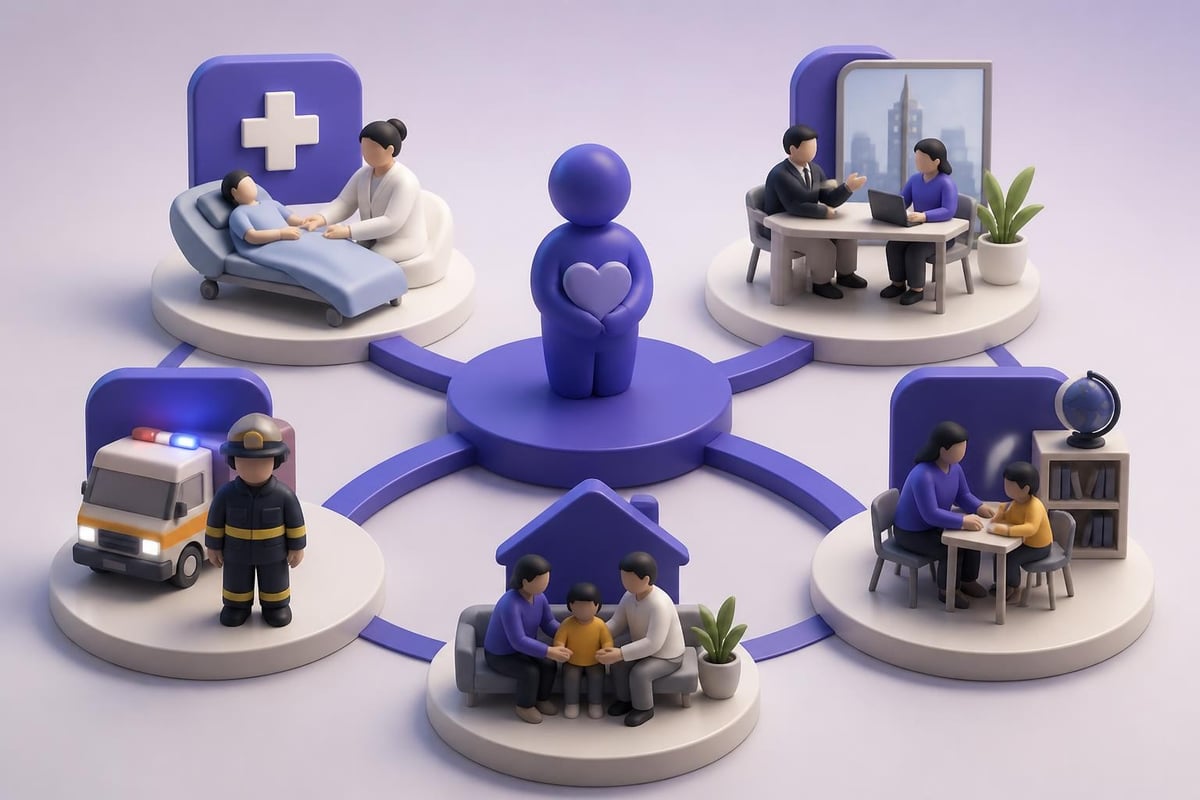
Trauma informed care training online increasingly offers specialized tracks addressing unique population needs and professional contexts. Generic training provides foundational understanding, while targeted programs develop context-specific competencies.
Healthcare and Clinical Settings
Healthcare environments present particular trauma risks through medical procedures, power imbalances, and vulnerable populations. Harvard Medical School offers specialized training focused on optimizing trauma informed care within clinical practice, equipping physicians and healthcare providers with culturally grounded strategies.
Clinical applications emphasize informed consent processes, pain management approaches, and exam procedures that minimize re-traumatization while maintaining necessary care standards.
First Responders and Emergency Services
Professionals responding to crisis situations encounter both acute trauma exposure and cumulative occupational stress. The CDC provides specialized trauma-informed training for first responders addressing overdose situations, recognizing the intersection of trauma, substance use, and emergency response.
Training for this population addresses scene management, communication during acute distress, and organizational support systems preventing vicarious trauma accumulation.
Human Services and Social Work
Social services professionals work extensively with trauma-affected populations while navigating complex systems and limited resources. Training emphasizes maintaining trauma informed approaches despite systemic constraints, advocating for client needs, and recognizing personal trauma responses.
Trauma Informed Oregon provides free self-directed modules offering foundational education accessible to community organizations and grassroots service providers with limited training budgets.
Implementation Challenges and Solutions
Organizations investing in trauma informed care training online frequently encounter predictable obstacles during implementation phases. Anticipating these challenges and preparing strategic responses increases successful integration likelihood.
Resistance and Misconceptions
Common resistance patterns include viewing trauma informed care as "soft," resource-intensive, or applicable only to clinical settings. Training must directly address these misconceptions through evidence presentation and practical demonstration.
Effective counter-narratives emphasize:
- Research linking trauma informed workplaces to reduced turnover and absenteeism
- Cost-effectiveness of prevention versus crisis intervention
- Universal applicability benefiting all employees, not only trauma survivors
- Enhancement rather than replacement of existing professional skills
- Accountability and structure as integral trauma informed components
Resource Allocation
Budget-conscious organizations question whether trauma informed care training online justifies investment compared to competing priorities. Building the business case requires demonstrating measurable outcomes and return on investment.
Quantifiable benefits include decreased workplace conflict, improved employee retention, reduced workers' compensation claims, and enhanced customer service ratings. Organizations tracking these metrics before and after training implementation document significant improvements justifying continued investment.
Sustainability and Cultural Integration
Initial enthusiasm following training often fades without deliberate sustainability strategies. Trauma informed care must evolve from individual knowledge to embedded organizational culture requiring ongoing reinforcement.
Sustainability approaches include:
- Leadership modeling of trauma informed principles in visible decisions
- Regular refresher training maintaining skill currency and engagement
- Performance integration incorporating competencies into evaluation processes
- Community of practice development for peer consultation and support
- Continuous improvement cycles assessing implementation and refining approaches
Advanced Topics in Professional Development
Professionals seeking deeper expertise beyond foundational trauma informed care training online can pursue advanced education addressing complex applications, research methodologies, and organizational consultation.
Trauma-Specific Interventions
While universal trauma informed approaches benefit all interactions, some professionals require training in evidence-based trauma treatment modalities. These specialized interventions demand additional credentialing and supervised practice beyond general trauma informed care education.
Recognized trauma-specific therapies include Trauma-Focused Cognitive Behavioral Therapy, Eye Movement Desensitization and Reprocessing, and Prolonged Exposure Therapy. Professionals should clearly understand scope of practice boundaries separating trauma informed approaches from trauma treatment provision.
Organizational Consultation and Change Management
Senior professionals and consultants supporting organizational trauma informed transformation require specialized knowledge in change management, systems thinking, and implementation science. This expertise enables navigation of complex organizational dynamics while maintaining trauma informed principles throughout change processes.
Training at this level addresses resistance management, stakeholder engagement, policy development, and evaluation framework creation. Professionals learn to assess organizational readiness, design phased implementation plans, and measure cultural shifts beyond individual competency development.
Cultural Responsiveness and Equity
Advanced trauma informed care training online increasingly emphasizes intersectionality, recognizing how trauma interacts with racism, discrimination, and systemic oppression. Cultural responsiveness extends beyond surface-level awareness to examining power structures and advocating for equity-centered approaches.
This dimension explores historical trauma affecting specific communities, the role of organizations in perpetuating or healing collective trauma, and strategies for addressing microaggressions and bias as trauma-inducing experiences.
Measuring Training Effectiveness and Outcomes
Organizations implementing trauma informed care training online require evaluation frameworks demonstrating impact and guiding continuous improvement. Measurement approaches should assess multiple levels from individual learning to organizational culture shifts.
Individual Competency Assessment
Immediate training evaluation verifies knowledge acquisition through pre- and post-tests, scenario-based assessments, and skills demonstrations. These measures confirm learning occurred but provide limited insight into behavioral application.
Effective assessment methods include:
- Knowledge tests covering core concepts and principles
- Case analysis evaluating application judgment
- Self-assessment tools measuring confidence and readiness
- Behavioral observation during role-play exercises
- Portfolio development documenting skill progression
Behavioral Change Indicators
The critical question extends beyond what participants learned to whether they apply knowledge in practice. Behavioral indicators require observation over time through multiple data sources providing triangulated evidence.
Organizations can track metrics including:
| Metric Category | Specific Indicators | Data Sources |
|---|---|---|
| Employee experience | Psychological safety ratings, trust scores | Climate surveys, focus groups |
| Manager practices | Communication approach, flexibility offered | 360 reviews, employee feedback |
| Organizational patterns | Conflict frequency, grievance types | HR data, incident reports |
| Performance outcomes | Retention rates, absenteeism, engagement | Workforce analytics |
Cultural and Systemic Impact
Long-term evaluation examines whether trauma informed principles permeate organizational culture, becoming "how we do things here" rather than isolated practices. Cultural assessment requires qualitative methods capturing subtle shifts in norms, language, and implicit expectations.
Indicators of cultural integration include spontaneous use of trauma informed language in meetings, peer accountability for principle adherence, and trauma informed considerations in strategic planning discussions without prompting.
Continuing Education and Skill Maintenance
Trauma informed care represents an evolving field with emerging research, refined practices, and expanding applications. Professionals committed to maintaining competency require ongoing education beyond initial trauma informed care training online completion.
Professional Development Pathways
Career-long learning incorporates multiple modalities addressing different development needs. Effective continuing education combines structured courses, informal learning, peer consultation, and reflective practice.
Organizations supporting sustained development provide:
- Annual refresher training reviewing core concepts and introducing new research
- Advanced topic modules exploring specialized applications or populations
- Communities of practice facilitating peer learning and problem-solving
- Supervision or consultation supporting application in complex situations
- Conference attendance connecting with broader professional networks
- Literature review maintaining awareness of emerging evidence
Addressing Vicarious Trauma
Professionals implementing trauma informed care face occupational hazards including vicarious trauma, compassion fatigue, and burnout. Continuing education must address these risks through wellness strategies and organizational support systems.
Recognition that trauma informed organizations care for staff as thoroughly as clients represents a critical principle. Training should explicitly address warning signs, prevention strategies, and resources supporting professional wellbeing alongside client-facing competencies.
Regulatory and Accreditation Considerations
Various sectors face increasing regulatory expectations or accreditation standards requiring documented trauma informed care training. Understanding these requirements helps organizations select programs meeting compliance needs while developing genuine competency.
Healthcare Sector Requirements
Healthcare organizations pursuing accreditation from The Joint Commission or similar bodies encounter standards addressing trauma recognition and response. The American Academy of Pediatrics provides specialized training relevant to pediatric healthcare settings where trauma informed approaches significantly impact child wellbeing and family engagement.
Compliance-focused training documents participant completion, content coverage, and competency verification through formal testing or assessment processes.
Child Welfare and Social Services
Many state child welfare systems mandate trauma informed care training for caseworkers, foster parents, and service providers. Requirements vary by jurisdiction but typically specify minimum hours, approved curriculum, and periodic recertification.
Organizations should verify that selected trauma informed care training online programs meet applicable state requirements, provide necessary documentation, and align with specific frameworks referenced in regulations.
Education and School Settings
Schools increasingly adopt trauma informed approaches recognizing adverse childhood experiences' impact on learning and behavior. While fewer formal mandates exist compared to healthcare or social services, professional development requirements may incorporate trauma informed competencies within broader social-emotional learning frameworks.
Educators benefit from training addressing classroom management, student behavior interpretation, and family engagement through trauma informed lenses while maintaining educational mission and academic standards.
Trauma informed care training online provides accessible, evidence-based education enabling professionals across sectors to recognize trauma's impacts and respond with empowering, supportive approaches. As organizations prioritize psychological safety and employee wellbeing, implementing comprehensive training becomes essential for creating environments where individuals can thrive personally and professionally. Workplace Mental Health Institute offers specialized trauma informed care training and resilience programs designed specifically for workplace contexts, equipping managers and employees with practical skills to support mental health, reduce absenteeism, and enhance overall organizational performance through positive, empowering approaches.

