Organizations increasingly recognize that unaddressed trauma affects employee performance, engagement, and overall workplace culture. A trauma informed care course equips managers and staff with essential skills to recognize trauma responses, create psychologically safe environments, and implement practices that support healing rather than re-traumatization. Understanding trauma-informed approaches has evolved from clinical necessity to organizational imperative, particularly as workplaces navigate collective stressors including economic uncertainty, social upheaval, and ongoing mental health challenges affecting the modern workforce.
Understanding Trauma Informed Care in Workplace Contexts
Trauma informed care represents a fundamental shift from asking “What’s wrong with you?” to “What happened to you?” This reframing acknowledges that behaviors often interpreted as problematic may actually be adaptive responses to traumatic experiences. In workplace settings, trauma-informed approaches recognize that employees bring diverse lived experiences, some involving significant adversity that shapes their interactions, stress responses, and professional relationships.
The neurobiological foundations of trauma response reveal why traditional management approaches sometimes fail. When individuals experience trauma, their nervous systems develop protective mechanisms that persist long after immediate danger passes. A quality trauma informed care course explains how the amygdala, hippocampus, and prefrontal cortex interact during stress, helping participants understand why certain workplace situations trigger disproportionate reactions.
Core Principles That Define Effective Training
Six foundational principles guide trauma-informed practice: safety, trustworthiness and transparency, peer support, collaboration and mutuality, empowerment and choice, and cultural humility. Each principle translates differently across organizational contexts, making it essential that training programs demonstrate practical workplace applications rather than purely clinical frameworks.
Safety extends beyond physical security to psychological safety where employees feel comfortable expressing concerns without fear of judgment or retaliation. Trustworthiness manifests through consistent policies, clear communication, and follow-through on commitments. Peer support recognizes that shared experiences create powerful healing opportunities, while collaboration ensures power differentials don’t replicate traumatic dynamics.

Organizations implementing these principles report measurable improvements in employee retention, reduced conflict, and enhanced team cohesion. The CDC’s trauma-informed care training module offers public health perspectives particularly relevant for first responders and healthcare workers.
Selecting the Right Trauma Informed Care Course
Course selection requires careful assessment of organizational needs, participant backgrounds, and desired outcomes. Not all trauma informed care courses address workplace contexts equally, with many focusing primarily on clinical, educational, or social service applications that may not translate directly to corporate environments.
Evaluating Program Content and Structure
Comprehensive training programs balance theoretical foundations with practical skill development. Essential content areas include:
- Trauma types and prevalence: childhood adversity, acute trauma, complex trauma, collective trauma
- Neurobiological impacts: stress response systems, memory formation, emotional regulation
- Organizational assessment: identifying policies and practices that may inadvertently re-traumatize
- Communication techniques: de-escalation, active listening, trauma-sensitive language
- Self-care strategies: preventing vicarious trauma, maintaining professional boundaries
The delivery format significantly influences learning outcomes. Self-paced online modules offer flexibility but may lack interaction depth. Live facilitation enables real-time discussion and scenario practice, while blended approaches combine both advantages. The University of North Dakota’s comprehensive course demonstrates the breadth possible in structured academic programs, covering trauma types, brain responses, and interventions while providing continuing education credits.
| Format | Advantages | Considerations |
|---|---|---|
| Self-paced online | Flexible scheduling, cost-effective, revisitable content | Limited interaction, requires self-discipline |
| Live virtual | Real-time engagement, Q&A opportunities, peer learning | Fixed schedule, technology requirements |
| In-person intensive | Deep immersion, hands-on practice, relationship building | Travel costs, time away from work |
| Blended learning | Combines flexibility with interaction, progressive skill building | Requires coordination across formats |
Duration matters less than depth. A superficial eight-hour course may introduce concepts without enabling genuine competency, while a well-structured four-hour intensive with follow-up components can generate substantial capability development. The Texas Institute for Excellence in Mental Health offers a three-session interactive approach suitable for diverse organizational staff.
Credential Recognition and Professional Development
Many professionals require continuing education credits for license maintenance. Courses offering CEUs, CPDs, or similar credentials serve dual purposes: enhancing organizational capacity while supporting individual professional development. Verify that programs are accredited by relevant bodies such as NASW, APA, NBCC, or industry-specific organizations.
Academic institutions increasingly offer certificate programs and micro-credentials specifically in trauma-informed care. These formalized learning pathways demonstrate significant commitment and provide structured progression from foundational awareness through advanced implementation skills. The University at Buffalo’s micro-credential program exemplifies this approach with digital badges recognizing completion.
Implementing Training Across Your Organization
Successful implementation extends far beyond sending a few managers to a trauma informed care course. Organizational culture change requires strategic planning, leadership commitment, and systems-level integration that permeates policies, procedures, and daily interactions.
Building a Trauma-Informed Implementation Team
Begin by identifying champions across organizational levels. Effective teams include:
- Executive sponsors who allocate resources and model commitment
- Middle managers who translate principles into team practices
- Frontline staff who provide ground-level insights and credibility
- HR professionals who embed principles in policies and procedures
- Mental health specialists who offer clinical expertise and support
This cross-functional approach ensures trauma-informed principles don’t remain siloed within wellness programs but instead become woven throughout organizational fabric. The implementation team coordinates training schedules, monitors progress, addresses barriers, and celebrates successes.

Phased Training Approaches
Rather than attempting organization-wide training simultaneously, phased approaches build momentum while managing resource constraints:
Phase 1: Leadership Foundation – Executives and senior managers complete comprehensive trauma informed care course content, understanding both concepts and implementation requirements. This creates informed decision-making capacity and visible commitment.
Phase 2: Manager Development – Supervisors and team leaders develop practical skills for recognizing trauma responses, conducting sensitive conversations, and modifying management practices. This middle layer proves critical for translating principles into daily operations.
Phase 3: Universal Awareness – All staff receive foundational training appropriate to their roles. Universal awareness creates shared language and reduces stigma while recognizing that trauma impacts everyone differently.
Phase 4: Specialized Skills – Specific roles requiring enhanced competencies (HR, employee assistance, customer service) receive advanced training addressing unique challenges and responsibilities.
Organizations serving particular populations may require specialized content. Aquifer’s trauma-informed care course uses virtual patient cases helping healthcare providers integrate principles into clinical practice, while UPMC’s program focuses specifically on obstetrical settings.
Measuring Impact and Sustaining Change
Training represents investment requiring measurable returns. Trauma-informed organizations demonstrate outcomes across multiple dimensions: employee wellbeing, organizational performance, and cultural health. Establishing baseline metrics before training enables meaningful progress assessment.
Quantitative Indicators
Track concrete metrics that reveal organizational health changes:
- Absenteeism rates: Reductions suggest improved employee wellbeing and engagement
- Turnover statistics: Particularly among high-stress roles or departments
- Workplace conflict incidents: Formal complaints, grievances, or mediation requests
- Employee assistance program utilization: Both uptake rates and presenting concerns
- Productivity measures: Role-appropriate output or quality metrics
| Metric Category | Pre-Training Baseline | 6-Month Post-Training | 12-Month Post-Training |
|---|---|---|---|
| Voluntary turnover | 18% annually | 14% annually | 11% annually |
| Unscheduled absences | 4.2 days/employee | 3.6 days/employee | 3.1 days/employee |
| Conflict escalations | 23 quarterly | 16 quarterly | 12 quarterly |
| EAP engagement | 8% workforce | 12% workforce | 15% workforce |
These data points demonstrate return on investment while identifying areas requiring additional support or intervention.
Qualitative Assessment
Numbers alone cannot capture cultural transformation. Regular pulse surveys, focus groups, and narrative feedback reveal how employees experience organizational change. Key questions explore:
- Do employees feel psychologically safe expressing concerns?
- Have manager responses to stress or performance issues shifted?
- Are policies applied with flexibility recognizing individual circumstances?
- Does leadership demonstrate authentic commitment to wellbeing?
The American Academy of Pediatrics’ self-directed learning modules demonstrate how progressive learning paths support both beginners and those seeking advanced skills, enabling organizations to sustain development beyond initial training.
Specialized Considerations for Workplace Contexts
While trauma-informed principles remain consistent, workplace application requires attention to specific challenges distinct from clinical, educational, or social service settings. Employment relationships involve unique power dynamics, performance expectations, and legal considerations that shape how trauma-informed care manifests.
Balancing Compassion and Accountability
Trauma-informed approaches never excuse harmful behavior or eliminate performance standards. Rather, they require examining whether expectations are reasonable, whether support systems enable success, and whether responses to difficulties create opportunities for growth or compound distress.
When employees struggle, trauma-informed managers investigate contributing factors: Has workload become unsustainable? Are unclear expectations creating confusion? Do interpersonal dynamics trigger stress responses? This inquiry doesn’t eliminate accountability but ensures interventions address root causes rather than symptoms.
Performance management conducted through a trauma-informed lens maintains clear standards while recognizing that punitive approaches often worsen outcomes. Collaborative problem-solving, incremental goal-setting, and genuine support create conditions where employees can succeed rather than spiral into crisis.
Legal and Ethical Boundaries
Managers are not therapists, and trauma informed care training should never position them as such. A quality trauma informed care course clearly delineates professional boundaries, helping participants understand when to listen supportively versus when to refer to appropriate resources.
Privacy regulations, accommodation requirements, and confidentiality obligations all intersect with trauma-informed practice. Training must address these practical realities, ensuring participants can implement principles while maintaining legal compliance and professional ethics.
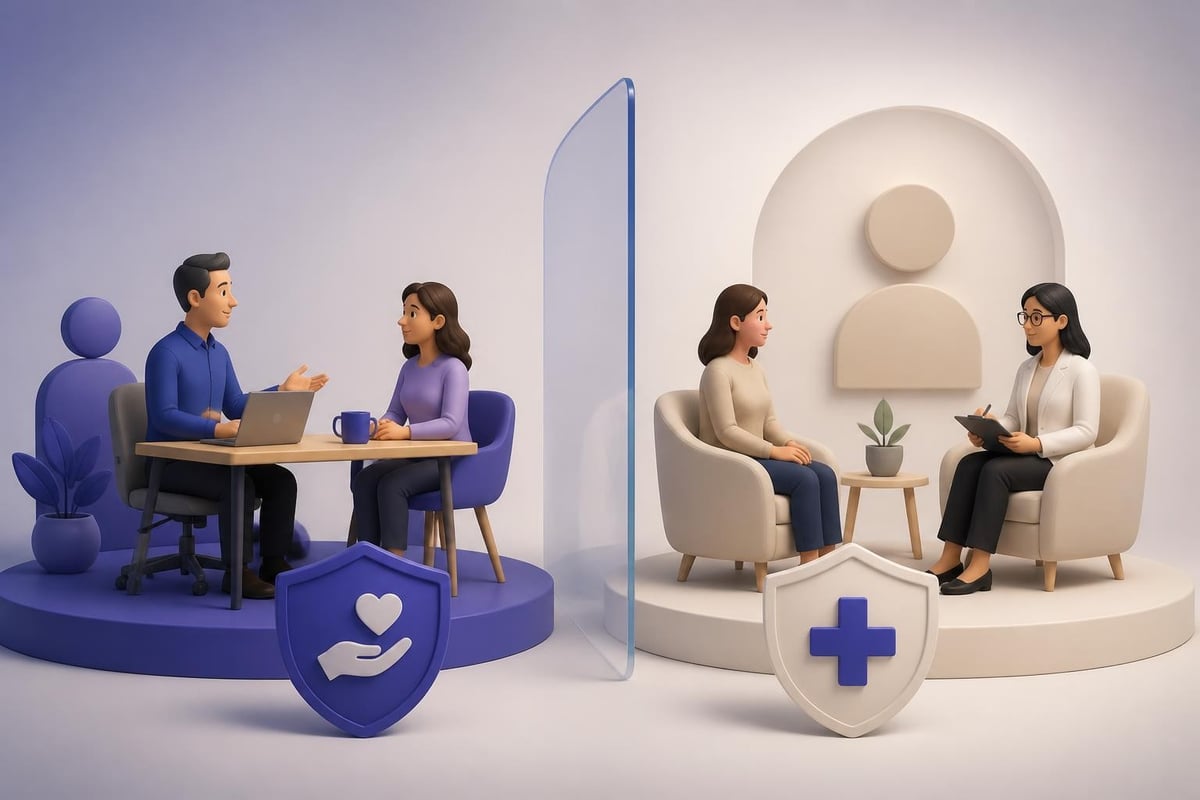
Case Western Reserve University’s Center for Evidence-Based Practices emphasizes trauma-informed care’s importance in public health and behavioral healthcare, providing evidence foundations applicable across sectors.
Industry-Specific Applications and Adaptations
Different sectors face unique trauma-related challenges requiring tailored approaches. A trauma informed care course designed for healthcare workers addresses different scenarios than one targeting corporate environments, retail settings, or public service organizations.
Healthcare settings must navigate both provider trauma exposure and patient trauma histories. Medical professionals frequently encounter secondary traumatic stress from repeated exposure to others’ suffering, while patients bring trauma that affects treatment compliance, communication, and healing processes.
Education environments serve students carrying adverse childhood experiences while supporting staff managing classroom challenges. Trauma-informed schools recognize that behavioral issues often signal underlying distress requiring support rather than punishment.
Corporate workplaces increasingly acknowledge that business pressures, organizational changes, and professional demands can themselves be traumatizing while employees simultaneously navigate personal challenges. Leadership transitions, restructuring, and performance pressure require trauma-aware management.
Customer-facing roles expose employees to public trauma, aggressive behavior, and emotional labor that accumulates over time. Retail, hospitality, and service industries benefit from trauma-informed approaches that protect employee wellbeing while maintaining service excellence.
Some organizations mandate trauma-informed training for all personnel. The Indian Health Service requires annual training on trauma-informed care and historical trauma for employees, contractors, and volunteers, recognizing the profound intergenerational impacts affecting the communities they serve.
Building Organizational Resilience Through Trauma-Informed Leadership
Leadership commitment determines whether trauma-informed principles become genuine cultural transformation or superficial initiative. Leaders who complete a trauma informed care course must translate learning into visible behavioral change, policy modification, and resource allocation that signals authentic prioritization.
Leadership Behaviors That Reinforce Trauma-Informed Culture
Effective trauma-informed leaders consistently demonstrate:
- Emotional regulation: Managing their own stress responses prevents reactive decision-making that destabilizes others
- Transparent communication: Providing context for decisions reduces uncertainty and associated anxiety
- Genuine listening: Creating space for employee input without defensiveness or dismissal
- Flexibility: Recognizing that rigid policies sometimes create unnecessary hardship
- Self-awareness: Acknowledging their own limitations and seeking appropriate support
These behaviors model the very principles taught in training, creating coherence between stated values and lived experience. When leaders authentically embody trauma-informed approaches, permission cascades through organizational levels.
System-Level Integration
Sustainable change requires embedding trauma-informed principles into organizational infrastructure:
- Policy review: Examine existing policies for potential re-traumatizing elements
- Physical environment: Create spaces that feel safe, comfortable, and accessible
- Communication protocols: Establish trauma-sensitive language standards
- Decision-making processes: Ensure affected stakeholders have meaningful input
- Resource allocation: Dedicate budget to ongoing training and support systems
Organizations serious about trauma-informed culture invest in comprehensive programs rather than one-time workshops. Workplace Mental Health Institute specializes in sustained training approaches that build genuine capability rather than superficial awareness.
Advanced Training and Ongoing Development
Initial trauma informed care course completion represents beginning rather than conclusion. Competency development requires ongoing practice, reflection, and skill refinement supported through advanced training opportunities and communities of practice.
Continuing Education Pathways
Progressive learning paths might include:
- Foundational awareness: 3-4 hours introducing core concepts
- Skills development: 8-12 hours building practical competencies
- Advanced application: 16+ hours addressing complex scenarios and leadership integration
- Train-the-trainer: Preparing internal champions to deliver ongoing education
Organizations benefit from developing internal expertise rather than perpetually relying on external providers. Train-the-trainer programs build capacity for sustainable, contextually relevant education that evolves with organizational needs.
Seton Hill University’s online certificate program demonstrates comprehensive academic approaches covering various trauma types and their impacts, suitable for professionals seeking formal credentials.
Communities of Practice and Peer Learning
Structured peer learning creates powerful development opportunities. Monthly discussion groups, case consultations, and shared problem-solving sessions enable participants to:
- Apply concepts to real workplace scenarios
- Troubleshoot implementation challenges
- Share successful strategies and lessons learned
- Maintain momentum beyond initial training enthusiasm
- Prevent isolation and burnout among trauma-informed practitioners
These communities foster collective wisdom exceeding what any single training program provides, creating organizational knowledge bases tailored to specific contexts and challenges.
Overcoming Implementation Barriers
Even well-designed trauma informed care courses face implementation obstacles. Anticipating common challenges enables proactive mitigation rather than reactive crisis management.
Resistance and Skepticism
Some staff view trauma-informed approaches skeptically, perceiving them as “soft,” impractical, or excusing poor performance. This resistance often stems from misconceptions about what trauma-informed care actually entails. Effective training addresses concerns directly:
Misconception: Trauma-informed care eliminates accountability
Reality: It maintains standards while recognizing that sustainable performance improvement requires understanding barriers to success
Misconception: Organizations can’t accommodate individual needs
Reality: Trauma-informed approaches often require flexibility rather than extensive resources, with small adjustments yielding significant impact
Misconception: This is just another passing trend
Reality: Trauma-informed principles reflect evidence-based understanding of human neurobiology and organizational psychology with demonstrated outcomes
Resource Constraints
Budget limitations, time pressures, and competing priorities challenge trauma-informed implementation. Strategic approaches maximize impact within constraints:
- Leverage existing meetings: Integrate brief trauma-informed discussions into regular gatherings rather than requiring separate sessions
- Utilize free resources: Many high-quality materials are publicly available at no cost
- Phased implementation: Prioritize highest-impact areas rather than attempting simultaneous organization-wide change
- Measure ROI: Document cost savings from reduced turnover, absenteeism, and conflict to justify continued investment
The investment in a quality trauma informed care course generates returns through improved retention, productivity, and organizational health that far exceed initial costs.
Trauma-informed care represents essential organizational capacity in 2026’s complex workplace landscape, equipping leaders and staff with frameworks that honor human dignity while maintaining performance excellence. Strategic investment in comprehensive training creates cultures where psychological safety enables authentic engagement, innovation, and sustainable performance. The Workplace Mental Health Institute delivers evidence-based trauma-informed care training tailored specifically for workplace contexts, building organizational resilience through practical, empowering approaches that generate measurable results.