Educational environments serve as critical intervention points for students experiencing psychological trauma. Teachers and school staff increasingly encounter learners carrying the weight of adverse childhood experiences, family disruption, community violence, and systemic stressors. Without adequate preparation, educators often struggle to understand behavioral patterns rooted in trauma responses, potentially misinterpreting survival-driven behaviors as defiance or disengagement. Trauma training for educators provides the foundational knowledge and practical competencies necessary to recognize trauma’s neurobiological impact, respond with appropriate support strategies, and cultivate classroom cultures where healing becomes possible alongside academic growth.
Understanding Trauma’s Impact on Learning Environments
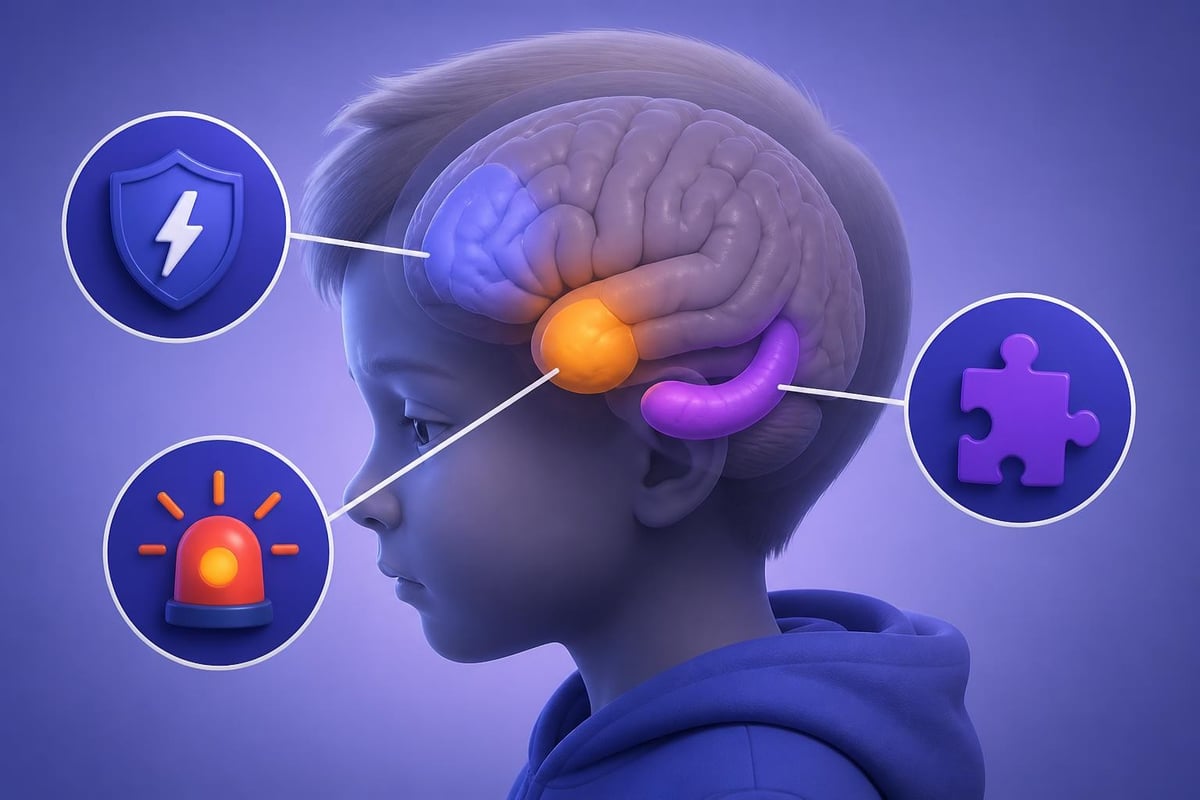
Trauma fundamentally alters how students process information, regulate emotions, and engage with authority figures. When children experience chronic stress or acute traumatic events, their developing brains prioritize survival mechanisms over executive functions necessary for learning. This neurobiological reality manifests in classrooms through hypervigilance, difficulty concentrating, emotional dysregulation, and relationship challenges.
Research demonstrates that approximately two-thirds of children experience at least one traumatic event before age 16. These experiences range from witnessing violence and experiencing abuse to dealing with parental substance use disorders or household mental illness. The cumulative effect of multiple adverse experiences creates what researchers call toxic stress, fundamentally reshaping neural pathways responsible for learning, memory, and behavioral control.
Key indicators educators should recognize include:
- Sudden behavioral changes or regression in academic performance
- Exaggerated startle responses to unexpected stimuli
- Difficulty transitioning between activities or environments
- Persistent avoidance of specific topics, places, or interactions
- Inappropriate emotional responses to seemingly minor triggers
The trauma-informed skills course from Learning with CCR provides comprehensive coverage of these recognition patterns, equipping K-12 educators with frameworks for identifying trauma’s manifestations across different developmental stages.
Core Components of Effective Trauma Informed Care Training Programs
Comprehensive trauma training for educators extends beyond awareness-building to encompass practical intervention strategies, self-regulation techniques, and organizational culture transformation. Quality programs integrate neuroscience education with classroom application, ensuring teachers understand both the theoretical foundations and concrete implementation approaches.
Neurobiological Literacy for Teaching Professionals
Teachers benefit tremendously from understanding how trauma physically changes brain architecture. When educators grasp that disruptive behaviors often represent adaptive survival responses rather than willful misconduct, their interventions shift from punitive to supportive. This knowledge base includes understanding the stress response system, the role of the amygdala in threat perception, and how repeated activation of survival mechanisms compromises prefrontal cortex functioning.
Professional development should cover the window of tolerance concept, helping educators recognize when students operate within their optimal arousal zone versus when they’ve shifted into hyperarousal or hypoarousal states. This framework enables more nuanced behavioral interpretation and targeted intervention selection.
Practical Classroom Management Strategies
Evidence-based trauma informed training for educators emphasizes relationship-building as the foundation for effective classroom management. Traditional behavioral approaches that rely primarily on consequences often exacerbate trauma responses, whereas connection-focused strategies help regulate nervous systems and rebuild trust.
| Strategy Category | Implementation Approach | Expected Outcome |
|---|---|---|
| Environmental Design | Minimize sensory overload, create predictable routines, designate calm-down spaces | Reduced hypervigilance, increased sense of safety |
| Relational Practices | Consistent adult presence, non-judgmental communication, repair after conflict | Strengthened attachment security, improved emotional regulation |
| Instructional Adaptation | Provide advance notice of transitions, offer choice within structure, use multi-sensory approaches | Enhanced engagement, decreased dysregulation episodes |
| Co-regulation Modeling | Demonstrate calm breathing, validate emotions, maintain stable presence during distress | Development of self-regulation capacity over time |
The University of St. Thomas program on becoming trauma-informed offers free, self-guided training that systematically addresses these intervention categories, providing educators with immediately applicable techniques.
Building Organizational Capacity Beyond Individual Teachers
While individual teacher competency matters significantly, sustainable transformation requires system-level implementation. Trauma training for educators achieves maximum impact when embedded within broader organizational culture shifts that prioritize staff wellbeing alongside student support.
Whole-School Implementation Models
Effective trauma-informed schools recognize that educators cannot support traumatized students while experiencing their own unaddressed stress and secondary traumatic stress. Comprehensive programs include professional boundary-setting, vicarious trauma recognition, and institutional support structures that prevent educator burnout.
Essential organizational elements include:
- Administrative leadership commitment to trauma-informed principles reflected in policy decisions
- Ongoing professional learning communities rather than one-time training events
- Accessible mental health consultation for complex student situations
- Staff wellness initiatives addressing compassion fatigue and secondary trauma
- Family engagement strategies that extend trauma-informed approaches beyond school walls
The STRIVE program exemplifies comprehensive implementation, offering various formats from single-day sessions to multi-year whole-school approaches that systematically enhance teacher-student interaction quality through evidence-based frameworks.

Addressing Cultural Responsiveness in Trauma Work
Trauma operates within cultural contexts that shape both its manifestation and appropriate intervention approaches. Effective training programs acknowledge how systemic oppression, historical trauma, and ongoing discrimination compound individual traumatic experiences, particularly for students from marginalized communities.
The CRESTS-Achieve program specifically addresses race-based trauma and continuous traumatic stress affecting Black children, demonstrating how culturally responsive frameworks transform educational environments. This specificity matters because generic trauma interventions often fail to address the unique stressors facing students navigating racism, poverty, immigration status uncertainty, or other systemic challenges.
Cultural responsiveness in trauma training for educators requires examining implicit biases that influence behavior interpretation, understanding community-specific resilience factors, and partnering with families in culturally humble ways that honor diverse healing traditions alongside evidence-based practices.
Specialized Training Formats and Certification Pathways
Educators seeking trauma-informed competency can access various training modalities designed to accommodate different learning preferences, schedule constraints, and depth requirements. Professional development in this domain has expanded significantly, offering everything from brief introductory modules to comprehensive certification programs.
Self-Paced Online Learning Options
Digital platforms democratize access to trauma training for educators, enabling teachers in rural areas or those with demanding schedules to develop competencies without geographic or temporal barriers. Quality online programs incorporate interactive elements, case studies, and reflection exercises that promote knowledge integration rather than passive consumption.
Penn State’s Human Rights Initiative module provides free, self-paced training that earns Pennsylvania educators six Act 48 credits while addressing trauma alongside broader human rights content. Such accessible options reduce financial barriers to professional development.
The 90-minute on-demand course from Trauma Free World offers a condensed introduction suitable for educators seeking foundational knowledge before committing to more extensive programs. This brevity makes it practical for team-wide implementation during professional development days.
Comprehensive Multi-Module Programs
For educators seeking deeper expertise, extended training sequences provide progressive skill development. The 9-module toolkit from New York City Children’s Theater exemplifies comprehensive approaches, systematically building from foundational concepts through advanced application strategies across diverse educational settings.
| Program Feature | Brief Introductory Courses | Comprehensive Multi-Module Programs |
|---|---|---|
| Time Commitment | 1-3 hours | 20-40 hours over multiple weeks |
| Content Depth | Awareness and recognition | Advanced intervention and systems change |
| Practical Application | Basic strategies | Differentiated approaches for varied contexts |
| Certification | Typically none | Often includes formal credential |
| Ideal Audience | All staff members | Lead teachers, counselors, administrators |
Organizations implementing trauma training for educators often employ tiered approaches, requiring foundational training for all staff while supporting interested individuals in pursuing advanced certification. This strategy builds baseline organizational competency while developing internal expertise for ongoing consultation and program refinement.
Integration With Broader Workplace Mental Health Initiatives
Educational institutions function as workplaces for teaching professionals, requiring attention to educator mental health alongside student wellbeing. Progressive schools recognize that trauma informed care for educators must connect with comprehensive workplace mental health strategies that address job-related stress, work-life integration challenges, and the emotional demands inherent in teaching.
Research from Workplace Mental Health Institute demonstrates that organizations achieving sustainable trauma-informed cultures invest in staff resilience building, not just student support protocols. Teachers experiencing psychological safety and adequate support demonstrate greater capacity to implement trauma-sensitive practices consistently.

Preventing Vicarious Trauma and Compassion Fatigue
Educators working with traumatized students face significant risk of vicarious trauma, the process through which helping professionals develop trauma symptoms through repeated exposure to others’ traumatic material. Without protective strategies, this occupational hazard leads to burnout, decreased empathy, and departure from the profession.
Evidence-based protective factors include:
- Regular clinical supervision or peer consultation focused on emotional processing
- Clear professional boundaries around availability and responsibility scope
- Organizational acknowledgment of emotional labor as legitimate work
- Access to confidential mental health support for staff
- Structured debriefing following critical incidents
Training programs addressing these realities prepare educators for the long-term sustainability challenges of trauma-informed practice. The professional development course from Fresno Pacific University explicitly addresses resilience-building alongside student support strategies, recognizing that educator wellbeing enables rather than competes with student care.
Measuring Effectiveness and Continuous Improvement
Organizations investing in trauma training for educators require frameworks for assessing both implementation fidelity and outcome achievement. Effective evaluation examines multiple dimensions: educator knowledge and skill acquisition, classroom practice changes, student behavioral and academic outcomes, and organizational culture indicators.
Assessment Approaches for Program Impact
Quality measurement balances quantitative metrics with qualitative understanding of complex relational dynamics that resist simple quantification. Schools might track disciplinary referral patterns, attendance rates, and academic performance alongside teacher self-efficacy ratings, relationship quality indicators, and student feedback about classroom safety.
Recommended evaluation components:
- Pre-post knowledge assessments measuring trauma literacy gains
- Classroom observation protocols documenting specific practice implementation
- Student wellbeing surveys capturing perceptions of safety and support
- Behavioral incident tracking showing changes in frequency and severity
- Staff retention and satisfaction metrics indicating workplace culture health
Continuous improvement processes use evaluation data to refine training content, identify additional support needs, and celebrate progress. Organizations committed to trauma-informed transformation view training as the beginning of an ongoing learning process rather than a completed intervention.
Adapting Programs to Local Context
While evidence-based frameworks provide essential structure, effective trauma training for educators requires customization to address specific community needs, student population characteristics, and existing organizational strengths. A school serving primarily refugee populations requires different content emphasis than one addressing intergenerational poverty or community violence exposure.
Adaptation processes benefit from collaborative design involving educators, students, families, and community partners who contribute contextual expertise. This participatory approach ensures cultural relevance while maintaining fidelity to core trauma-informed principles that transcend specific contexts.
Online professional development platforms increasingly offer customizable training modules that organizations can combine and sequence according to their unique priorities, creating tailored learning pathways within evidence-based frameworks.
Supporting Implementation Through Leadership and Policy
Administrative commitment determines whether trauma training for educators produces superficial awareness or genuine practice transformation. School leaders shape organizational culture through resource allocation, policy development, hiring decisions, and their own behavioral modeling of trauma-informed principles.
Leadership Competencies for Trauma-Informed Schools
Principals and superintendents require specialized preparation to lead trauma-informed transformation effectively. Their training should address change management principles, staff wellness promotion, community engagement strategies, and policy alignment with trauma-informed values.
Critical leadership actions include:
- Allocating protected time for implementation and collaboration
- Revising discipline policies to emphasize restoration over punishment
- Establishing referral pathways connecting schools with community mental health resources
- Modeling vulnerability and self-care to normalize wellness practices
- Celebrating small wins during lengthy transformation processes
Leaders who position trauma-informed practice as central to educational mission rather than an additional initiative create conditions for sustainable integration. This requires examining how trauma-informed principles align with existing school improvement efforts around equity, academic achievement, and climate enhancement.
Policy Frameworks Supporting Trauma-Informed Practice
Systemic sustainability demands policy infrastructure at district, state, and national levels. Progressive jurisdictions incorporate trauma-informed competencies into teacher preparation standards, allocate dedicated funding for training and implementation, and require mental health education within general curriculum.
Schools implementing trauma training for educators benefit from examining their existing policies through a trauma-informed lens, identifying contradictions between stated values and operational practices. This audit might reveal discipline procedures that retraumatize students, attendance policies that penalize trauma symptoms, or academic standards that ignore stress’s cognitive impact.
Policy revision processes should involve diverse stakeholder input, ensuring that changes reflect student and family perspectives alongside professional expertise. The goal extends beyond procedural adjustments to cultural transformation where every organizational decision considers trauma’s prevalence and impact.
Building Sustainable Professional Learning Communities
Initial training events provide essential knowledge foundation, but sustained practice change requires ongoing learning, peer support, and skill refinement. Professional learning communities focused on trauma-informed practice create spaces for educators to share challenges, problem-solve collectively, and maintain motivation during difficult implementation periods.
Structuring Effective Peer Support Systems
Regular meeting schedules with dedicated time and clear protocols maximize learning community effectiveness. Successful groups balance structured learning activities with open processing of emotional challenges, recognizing that trauma work generates professional development needs alongside personal coping demands.
Productive meeting structures include:
- Case consultation on challenging student situations
- Video review of classroom interactions with constructive feedback
- Study of relevant research articles or book chapters
- Skill practice through role-playing scenarios
- Reflection on implementation successes and barriers
External facilitation from mental health professionals during initial phases helps establish productive norms and ensures psychological safety, particularly when discussing failures or struggles. As communities mature, internal facilitation becomes sustainable, though periodic external input maintains momentum and introduces new perspectives.
Organizations might structure learning communities by grade level, subject area, or across these categories depending on school size and identified needs. Cross-role groups including teachers, counselors, and administrators promote systems-level thinking and reduce professional silos that fragment student support.
Trauma informed care training for educators represents essential professional development that transforms classroom dynamics and student outcomes when implemented comprehensively and sustained over time. By equipping teaching professionals with neurobiological knowledge, practical intervention strategies, and self-care competencies, schools create environments where learning becomes possible even for students carrying significant psychological burdens. Workplace Mental Health Institute extends these principles beyond educational settings, offering comprehensive mental health training and trauma-informed care programs tailored for organizations committed to supporting both employee wellbeing and organizational performance through evidence-based, empowering approaches.