
In 2026, the world is witnessing an unprecedented surge in awareness and conversation about mental health. Understanding recent news on mental health has never been more crucial, as new research, policy shifts, and innovative solutions emerge rapidly. This guide offers a comprehensive overview of the most significant developments, including breakthrough studies, policy changes, workplace strategies, global trends, and expert forecasts. Whether you are a professional, caregiver, or someone seeking clarity, this resource aims to provide actionable insights and equip you with the knowledge needed to navigate the evolving landscape. Stay informed, engage with the latest advances, and be part of the global movement shaping mental health’s future.
Major Mental Health News Highlights of 2026
The year 2026 has delivered a surge of recent news on mental health, reflecting both scientific progress and mounting global urgency. From landmark research breakthroughs to evolving public health responses, these developments are shaping the future of care, policy, and awareness. Let us explore the most impactful headlines and their implications for individuals and communities worldwide.
Breakthroughs in Mental Health Research
2026 has witnessed unprecedented breakthroughs in mental health research, marking a pivotal chapter in recent news on mental health. Scientists have identified new biomarkers for early depression detection, enabling clinicians to intervene before symptoms escalate. Advances in neuroimaging have also led to more precise diagnosis of anxiety disorders, as highlighted by studies published in The Lancet and JAMA Psychiatry.
Research funding has soared by 30% since 2024, fueling innovation and collaboration. These discoveries promise earlier intervention and greater treatment personalization. For readers seeking deeper insights, recent mental health research offers a comprehensive overview of these advancements and their real-world impact.
High-Profile Awareness Campaigns and Events
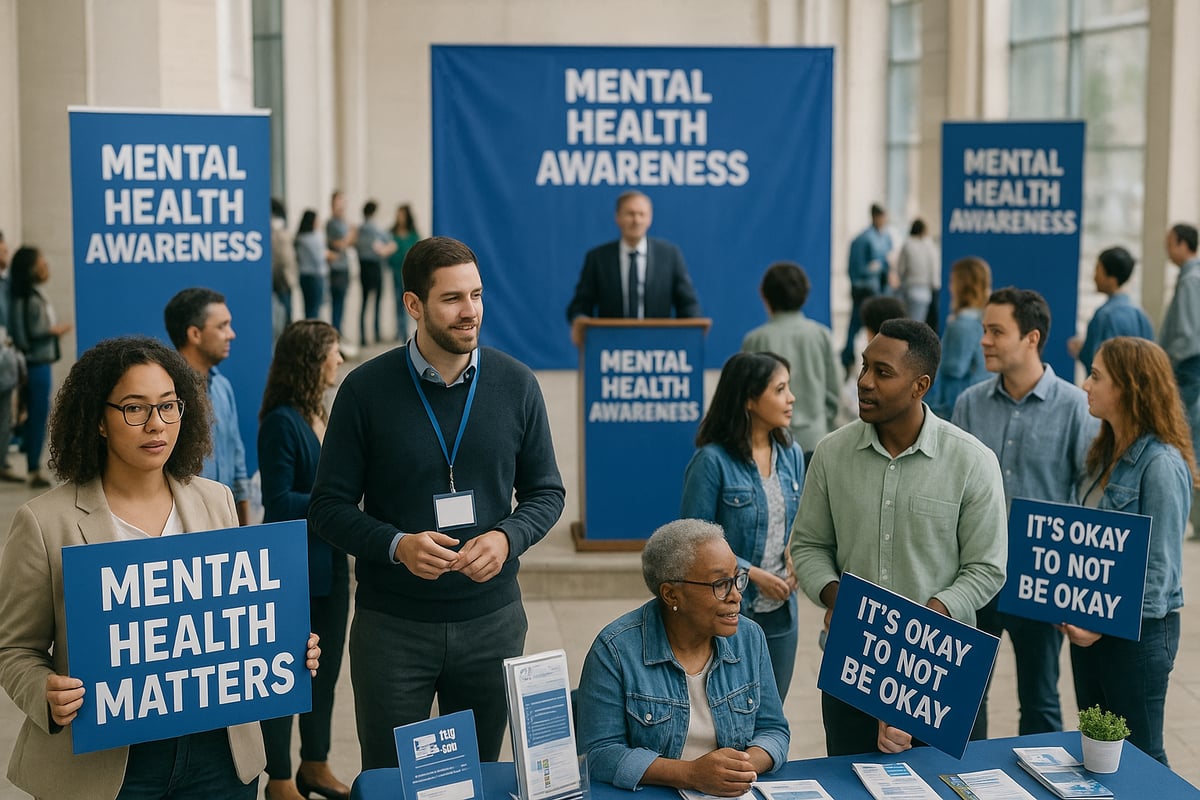
Recent news on mental health has been dominated by global awareness campaigns that reached unprecedented audiences in 2026. World Mental Health Day saw millions participate in both digital and live events, with celebrities and athletes amplifying the message. The #MindMatters2026 campaign became a viral sensation, engaging users across platforms and sparking conversations in over 50 countries.
Social media metrics reveal a 40% uptick in engagement compared to the previous year. These campaigns have not only raised awareness but also encouraged people to seek help and share their experiences, marking a significant cultural shift in how mental health is discussed publicly.
Mental Health Crisis Hotspots
Several regions have emerged as crisis hotspots in recent news on mental health. Economic downturns, ongoing conflict, and lingering post-pandemic effects have converged to create acute challenges. In both the US and UK, youth mental health emergencies have made headlines, with a 40% rise in crisis hotline calls since 2025.
Local health authorities report that adolescents are particularly vulnerable, citing increased rates of anxiety and depression. These trends underscore the urgent need for targeted interventions and sustained policy attention in affected areas.
Noteworthy Legal Cases and Social Movements
Legal and social developments are reshaping the landscape of recent news on mental health. Landmark court decisions in 2026 have expanded mental health rights, including new legal precedents for workplace accommodations and disability protections. Grassroots movements are pushing for more inclusive policies, while teletherapy has been legalized in multiple new regions, increasing access for underserved populations.
These changes are influencing both public perception and government priorities, signaling a broader societal commitment to mental health as a fundamental right.
Public Health Emergencies and Mental Health
The intersection of public health emergencies and mental health remains central in recent news on mental health. Natural disasters and pandemic aftershocks have led to spikes in mental health service usage globally. Governments have responded by scaling up support measures, such as crisis counseling and emergency funding for community programs.
Data analysis reveals a strong correlation between disaster events and increased demand for mental health care. These findings highlight the importance of integrating mental health support into all phases of emergency response planning.
Policy Shifts and Government Initiatives in 2026
Governments worldwide have responded to the recent news on mental health by enacting bold policy changes in 2026. These initiatives are transforming the landscape of care, funding, and support. The following sections break down the most influential developments shaping mental health policy this year.
New Legislation and Funding Allocations
2026 has seen landmark mental health legislation passed in several countries, directly reflecting the recent news on mental health. Governments have prioritized expanding access and quality of care. For instance, Australia has broadened Medicare to cover more therapy sessions and psychological services.
Budgets for mental health programs have increased by 18 percent globally, signaling a strategic commitment to long-term solutions. Notably, new bills focus on early intervention, crisis response, and integrating mental health with primary care. These changes address gaps highlighted in previous years and demonstrate a proactive shift in public health priorities.
School and Youth Mental Health Policies
Education systems have integrated mental health into core curricula, a significant evolution in the recent news on mental health. National mandates now require schools to provide mental health education and resilience training for all students.
Youth suicide prevention programs have expanded, with pilot regions reporting a 25 percent drop in student anxiety. To support these advances, many countries have introduced peer support and early identification protocols. For a detailed look at youth-focused policy and first aid, see Youth mental health initiatives. These efforts aim to create safer, more supportive environments for young people.
Workplace Mental Health Regulations
Workplace wellbeing is at the forefront of recent news on mental health, with new regulations enforcing employer responsibilities for psychological safety. Legal requirements now obligate organizations to implement mental health programs and report on their effectiveness.
The adoption of ISO standards for workplace mental health has become widespread. Companies report a 15 percent reduction in absenteeism following these changes. By focusing on prevention and support, employers are fostering healthier, more productive workforces while reducing stigma associated with mental health challenges.
Expansion of Telehealth and Digital Services
Recent news on mental health highlights the surge in telehealth and digital service adoption. Governments have endorsed teletherapy and invested in new digital platforms, dramatically improving access for rural and remote populations.
AI-driven mental health apps are now integrated into many public healthcare systems. The result is a 60 percent increase in telehealth consultations compared to previous years. These technologies provide timely support, reduce wait times, and personalize care, making mental health services more inclusive and efficient for diverse communities.
International Policy Collaborations
The global response to recent news on mental health has prompted unprecedented collaboration among nations. Organizations like the WHO and UN have launched cross-border initiatives to harmonize mental health standards and pool resources.
A key example is the Global Mental Health Action Plan 2026, which encourages data sharing and coordinated research. These alliances are vital for addressing disparities and ensuring best practices reach every corner of the world. Such partnerships mark a new era of shared responsibility and innovation in mental health policy.
Innovations and Technology Transforming Mental Health Care
The landscape of mental health care is being rapidly reshaped by groundbreaking innovations in 2026. From artificial intelligence to wearable technology, these advances are at the heart of the recent news on mental health. This section explores the most transformative technologies, their real-world applications, and how they are redefining care for millions worldwide.
AI and Machine Learning in Diagnosis and Treatment
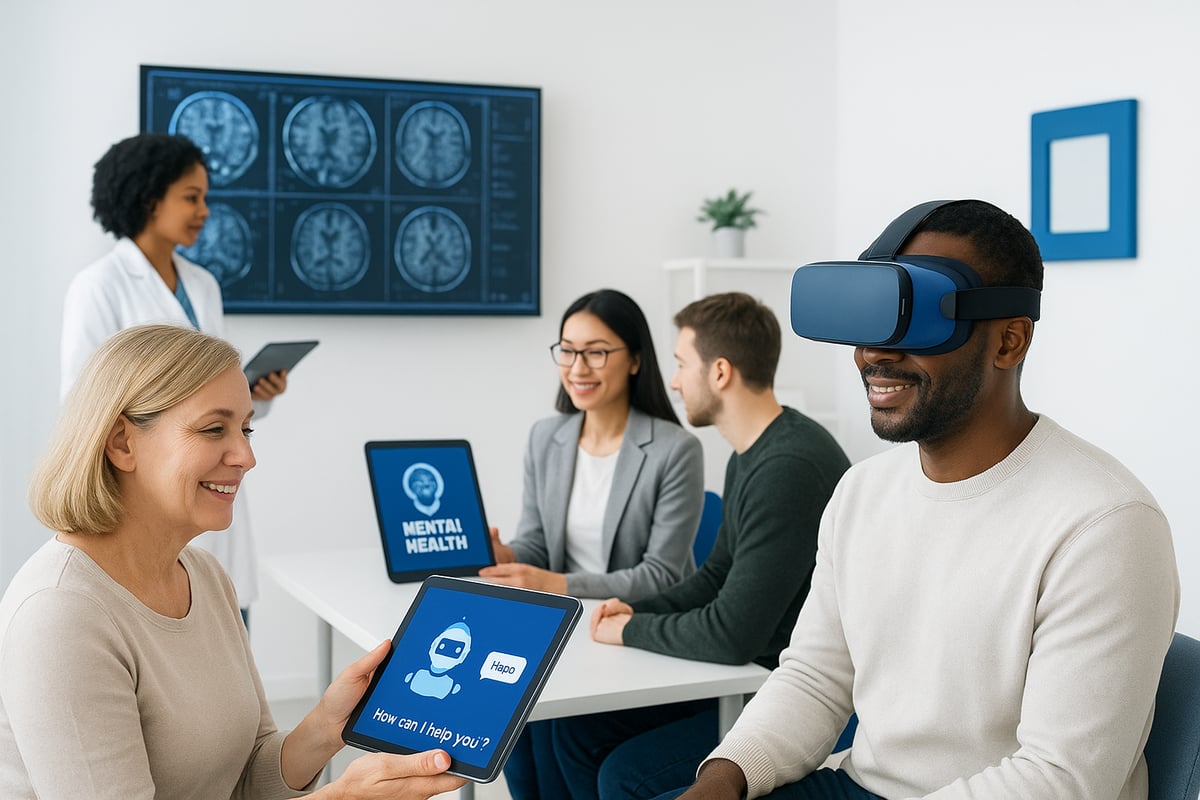
Artificial intelligence is revolutionizing mental health care. In 2026, machine learning models are being used to personalize assessments, predict relapse risks, and deliver interventions. One highlight in the recent news on mental health is the rise of AI-powered chatbots for cognitive behavioral therapy. According to a Mental Health Generative AI Study, these chatbots have demonstrated safety and a 70% accuracy rate in early symptom detection.
Clinicians now leverage AI to analyze speech, text, and behavioral patterns for faster, more accurate diagnoses. Personalized treatment recommendations are becoming the norm. The integration of AI enables earlier interventions, reducing the time between symptom onset and care.
Virtual Reality (VR) and Augmented Reality (AR) Therapies
Virtual reality and augmented reality therapies are making significant waves in the recent news on mental health. VR and AR are now widely used in exposure therapy and PTSD treatment, offering immersive, controlled environments for patients to confront fears safely.
Clinics in Australia and the US have adopted VR programs, with patients reporting improved outcomes and greater engagement compared to traditional methods. These therapies are particularly valuable for individuals who struggle with in-person sessions or have mobility challenges.
Feedback from both clinicians and users continues to drive rapid refinement of these tools. The accessibility of VR and AR is expanding, helping more people benefit from innovative mental health care.
Digital Mental Health Platforms and Mobile Apps
Recent news on mental health highlights the explosive growth of digital platforms and mobile apps in 2026. Download rates for mental health apps have reached new heights, with 45% of adults now using a mental health app weekly.
Key features include mood tracking, guided mindfulness exercises, and peer support communities. Top-rated apps are designed for easy navigation and data privacy, making them accessible to a broad audience.
These platforms bridge the gap for those unable to access traditional therapy, offering 24/7 support. As innovation continues, digital mental health tools are expected to become even more integrated into daily wellness routines.
Advances in Medication and Treatment Modalities
In the recent news on mental health for 2026, medication and treatment modalities have advanced significantly. Novel antidepressants and antipsychotics with fewer side effects are entering the market, offering new hope to patients.
Non-invasive brain stimulation techniques, such as transcranial magnetic stimulation, are now FDA approved and more widely available. Clinical trials report positive outcomes in symptom reduction and patient satisfaction.
Testimonials from those using these new treatments indicate improved quality of life. The medical community expects further breakthroughs as research funding and collaboration increase.
Data Security and Ethical Considerations
As digital tools become central to recent news on mental health, data security and ethical issues are at the forefront. Protecting patient privacy is critical, with updated regulatory frameworks like GDPR guiding health tech innovation.
Providers are investing in encryption, secure data storage, and transparent consent processes. Users now expect clear information on how their data is managed and protected.
Ethical considerations also extend to algorithmic fairness, ensuring that AI-powered tools do not perpetuate bias. Addressing these challenges is key to maintaining public trust and encouraging broader adoption of digital mental health solutions.
Integration of Wearables and Biofeedback Devices
Wearables and biofeedback devices are increasingly featured in recent news on mental health. Smartwatches and fitness trackers now monitor stress levels, sleep patterns, and mood in real time.
These devices offer actionable insights, empowering users to manage anxiety and improve wellbeing proactively. Real-time biofeedback supports techniques like deep breathing and mindfulness, making interventions more effective.
Data shows a 20% improvement in self-reported wellbeing among users of these technologies. The integration of wearables is expected to further personalize mental health care, driving better outcomes for diverse populations.
The Evolving Landscape of Workplace Mental Health
The landscape of workplace mental health in 2026 is more dynamic than ever. Organizations worldwide are rapidly adapting to new best practices, reflecting the recent news on mental health and its growing importance for employee wellbeing. Heightened awareness and innovative solutions are shaping a future where mental health is a strategic priority for every employer.

The Rise of Organizational Wellbeing Strategies
Organizations are shifting from reactive to proactive approaches, making mental health support a core business strategy. Recent news on mental health highlights how leading companies deploy comprehensive wellbeing frameworks tailored for their workforce.
Fortune 500 companies now link mental health key performance indicators (KPIs) to business outcomes. This shift is driving a 35% increase in employee satisfaction, as reported in industry surveys.
Key elements of these strategies include:
- Regular mental health check-ins and resources
- Access to resilience-building programs
- Integration of mental health into company values
By prioritizing organizational wellbeing, businesses are not only supporting staff but also achieving measurable gains in productivity and morale.
Manager and Employee Training Programs
A key development in recent news on mental health is the widespread adoption of mandatory mental health literacy and resilience training. Both managers and employees participate in upskilling programs designed to foster supportive environments.
National campaigns have championed these initiatives, leading to a 50% decrease in mental health-related grievances in many industries. These programs focus on:
- Recognizing early signs of distress
- Promoting open conversations about mental health
- Building coping and resilience skills
Such training is transforming workplace culture, reducing stigma, and empowering individuals to seek help when needed.
Trauma-Informed Care in the Workplace
Another significant trend in the recent news on mental health is the introduction of trauma-informed policies across organizations. Managers and HR professionals are being equipped with trauma awareness skills to better support team members.
Australian organizations have become leaders in this space, implementing policies that acknowledge the impact of trauma on work performance. Outcomes include reduced turnover rates and noticeable improvements in staff morale.
Key aspects of trauma-informed care:
- Safe and supportive work environments
- Flexible leave and return-to-work options
- Ongoing support for affected employees
This approach ensures that all employees feel valued and understood, regardless of their experiences.
Workplace Mental Health Institute’s Role in 2026
The Workplace Mental Health Institute (WMHI) has emerged as a pivotal player in the recent news on mental health, offering comprehensive training and resilience programs for a diverse range of industries. WMHI delivers tailored solutions for traditional, remote, and hybrid teams, ensuring accessibility and relevance.
Organizations partnering with WMHI report significant reductions in absenteeism and gains in productivity. Client testimonials consistently highlight the effectiveness of WMHI’s approach, with many noting improvements in overall workplace culture.
WMHI also contributes to national and international standards, shaping the future of workplace mental health through evidence-based practices and innovative resources.
Measuring Impact: Data and Metrics
Evaluating the effectiveness of workplace mental health initiatives is now a standard practice, reflecting the recent news on mental health. Employers use a variety of tools, including employee engagement surveys and mental health audits, to track progress.
A 28% improvement in mental health outcomes has been observed post-intervention, according to recent metrics. Companies focus on:
- Key performance indicators (KPIs) tied to wellbeing
- Return on investment (ROI) analysis for programs
- Benchmarking data against industry standards
For further insights into digital solutions and workplace mental health services, explore telehealth and digital mental health resources that are shaping 2026’s workplace trends.
| Metric | Pre-Implementation | Post-Implementation |
|---|---|---|
| Absenteeism | High | Reduced by 15% |
| Employee Satisfaction | Moderate | Increased by 35% |
| Mental Health Grievances | Frequent | Decreased by 50% |
With robust measurement tools in place, organizations can ensure sustained progress and accountability in workplace mental health.
Global Mental Health Trends and Cultural Shifts
The recent news on mental health in 2026 reveals a world in transformation. Global attitudes are shifting, innovative interventions are emerging, and communities are finding new ways to support mental wellbeing. Understanding these trends is crucial for anyone seeking to make sense of the latest developments and their impact on society.
Stigma Reduction and Changing Attitudes
In 2026, the reduction of stigma around mental health is a major theme in the recent news on mental health. Countries around the world are reporting significant shifts in public opinion. Media campaigns, educational initiatives, and the involvement of public figures have played a crucial role.
For example, in Asia and Africa, surveys indicate that 60 percent of respondents now express a positive attitude toward mental health discussions. This progress is supported by global policy changes, such as those outlined in the Global Declaration on Mental Health 2025, which has encouraged collaborative efforts to reduce stigma and promote open dialogue.
Shorter, focused campaigns and ongoing education are proving effective in changing perceptions. As a result, more individuals are seeking support, reflecting a tangible shift in societal attitudes.
Culturally Adapted Mental Health Interventions
One of the most important aspects highlighted in recent news on mental health is the adaptation of interventions to fit cultural contexts. Mental health professionals are increasingly recognizing that one-size-fits-all approaches are often ineffective.
There is a growing emphasis on therapies that respect local traditions and beliefs. For instance, Indigenous mental health programs in Australia have incorporated community leaders and traditional practices, leading to higher engagement and better treatment adherence.
Community-based models are also gaining traction, with peer support and locally trained facilitators playing vital roles. These culturally sensitive strategies are helping to bridge gaps in care and ensure that interventions resonate with diverse populations.
Mental Health in Conflict and Disaster Zones
Recent news on mental health often highlights the challenges faced by populations in conflict and disaster zones. Displacement, trauma, and loss create significant mental health needs that require urgent attention.
International aid organizations, including the UN, have responded with trauma recovery initiatives tailored to the unique circumstances of affected communities. In war-impacted regions, the demand for trauma support services has tripled, underlining the scope of the crisis.
Programs are focusing on both immediate psychological first aid and long-term resilience building. These efforts demonstrate the importance of sustained, culturally competent care in the face of ongoing adversity.
The Role of Social Media and Digital Communities
Social media has become a central theme in the recent news on mental health, offering both opportunities and challenges. Online platforms provide spaces for peer support, advocacy, and the sharing of personal stories, making mental health resources more accessible than ever.
Hashtags, digital campaigns, and safe online communities have empowered young people to seek help and reduce isolation. Data shows that 50 percent of youth now access some form of mental health support online.
However, risks remain, including misinformation and cyberbullying. The global mental health community continues to develop strategies to maximize the benefits of digital engagement while minimizing potential harms.
Expert Predictions and Future Directions for Mental Health
As we look ahead, the landscape shaped by recent news on mental health is set for transformative growth. Experts are forecasting significant advancements in treatment, policy, workplace strategies, and global collaboration. Here is what the future holds for mental health in 2026 and beyond.
Anticipated Advances in Treatment and Prevention
Innovations highlighted in recent news on mental health are paving the way for new therapies and early intervention models. Genetics and personalized medicine are playing a bigger role, with ongoing clinical trials focusing on tailored treatments for depression, anxiety, and bipolar disorder.
For example, breakthroughs in brain imaging and biomarker research are enabling earlier detection and more precise interventions. The Brain & Behavior Research Foundation’s 2025 Breakthroughs showcase the latest discoveries across various mental health conditions, setting the stage for rapid clinical translation.
These advances promise to reduce relapse rates and improve long-term outcomes for individuals worldwide.
Policy and Funding Outlook
Recent news on mental health indicates that governments and private sectors will increase investment in mental health services. Experts expect expanded insurance coverage and greater accessibility to care, especially in underserved communities.
Key trends include the predicted adoption of universal mental health care in several countries, along with targeted funding for digital health platforms. According to WHO’s 2025 Mental Health Policy Guidance, urgent transformations are underway to align policies with international human rights standards.
Robust funding and legislation are set to support sustainable, equitable mental health systems.
The Future of Workplace Mental Health
Workplace wellbeing will continue to evolve, as highlighted by recent news on mental health. Hybrid and remote work trends are prompting organizations to develop new best practices, such as flexible mental health days and comprehensive support programs.
Anticipated changes in workplace legislation will focus on psychological safety and employee resilience. Global adoption of mental health standards is expected, making mental health support a routine part of professional life.
Companies that prioritize these strategies are likely to see measurable improvements in employee satisfaction and productivity.
Global Collaboration and Knowledge Sharing
International partnerships are central to the future of mental health, as shown in recent news on mental health. Technology-driven platforms are enabling real-time knowledge exchange among clinicians, researchers, and policymakers.
Events like the WHO’s 2026 global mental health summit are fostering shared research efforts and harmonized care standards. Collaborative initiatives are breaking down barriers, allowing countries to pool resources and expertise.
This spirit of global teamwork will be crucial for addressing mental health challenges on a worldwide scale.
As you reflect on the major breakthroughs, policy shifts, and innovative strategies shaping mental health in 2026, it's clear that staying informed and proactive is more important than ever—especially for leaders and teams committed to workplace wellbeing. If you're interested in exploring how these developments can directly benefit your organization and want practical guidance on implementing effective mental health strategies, I encourage you to Find Out More. This is your opportunity to access expert insights and tailored solutions that can make a measurable difference for you and your team.

