
Workplace burnout is reaching new heights, with recent studies revealing that over three-quarters of employees have felt its effects. This isn’t just an individual challenge—organizations are seeing rising costs in lost productivity and turnover. If you’re seeking practical answers, you’re in the right place. This guide delivers actionable, up-to-date strategies for preventing workplace burnout, blending the latest research with real-world trends. We’ll help you understand what burnout looks like today, spot early warning signs, uncover root causes, and introduce step-by-step prevention methods. Discover how face-to-face and online training can build a resilient, thriving workplace.
Understanding Workplace Burnout
Workplace burnout is more complex than ever. As organizations rapidly evolve, understanding and preventing workplace burnout has become a top priority for both employers and employees. The definition of burnout has shifted, reflecting new challenges brought by technology and changing work environments.
Defining Burnout: Evolution and Modern Context
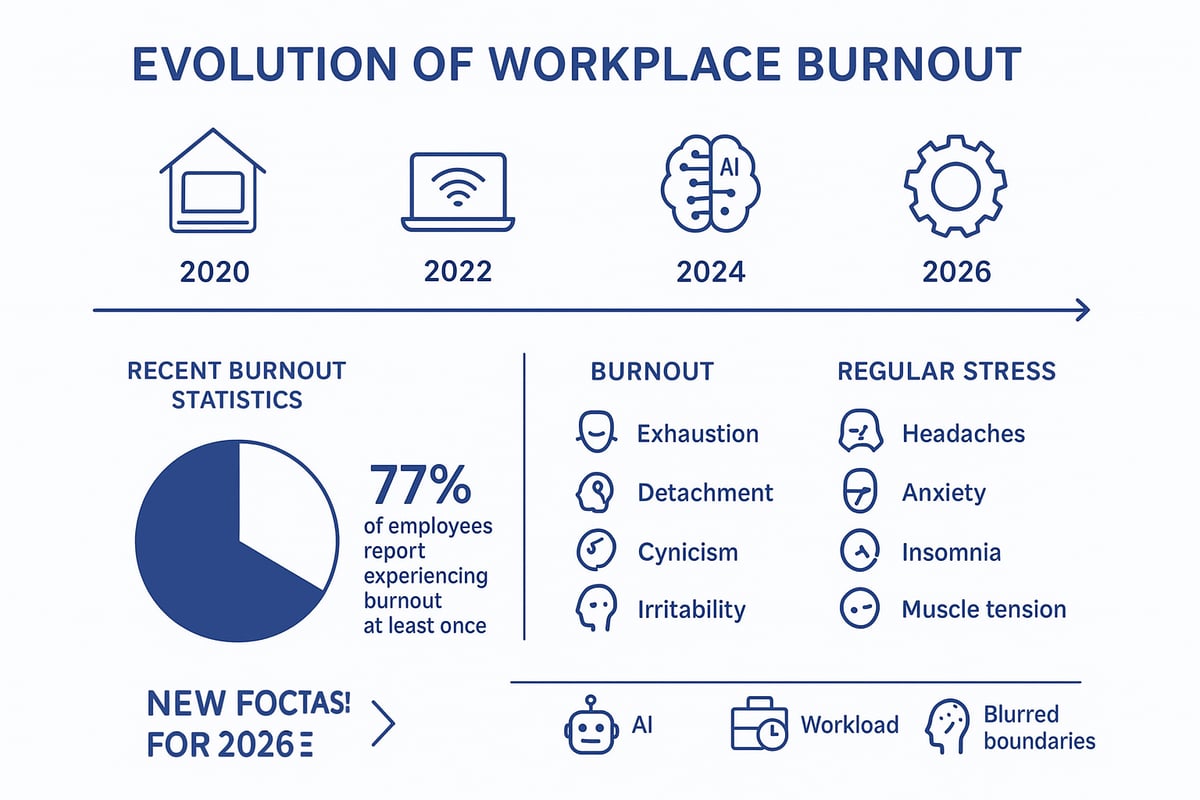
Burnout is officially recognized by the World Health Organization as a syndrome resulting from chronic workplace stress that has not been successfully managed. In the digital era, preventing workplace burnout requires a nuanced understanding of how work has changed. Employees are now more connected than ever, with remote and hybrid work models blurring the lines between personal and professional life.
The impact of 24/7 digital connectivity cannot be ignored. In 2024, a survey revealed that 77% of employees had experienced burnout at least once, a figure that continues to rise as new technologies emerge. Unlike regular work-related stress, burnout is characterized by persistent exhaustion, cynicism, and reduced professional efficacy.
Several risk factors have intensified. The integration of artificial intelligence and automation has streamlined many processes, but it has also led to increased workloads and higher expectations for constant availability. Employees are expected to adapt quickly, manage new tools, and maintain productivity, making preventing workplace burnout even more challenging.
| Burnout vs. Stress | Burnout | Regular Stress |
|---|---|---|
| Duration | Chronic | Temporary |
| Symptoms | Exhaustion, detachment | Anxiety, tension |
| Recovery | Difficult without intervention | Resolves with rest |
Recognizing these evolving factors is crucial for organizations committed to preventing workplace burnout.
The Cost of Burnout: Individual and Organizational Impact
The personal toll of burnout is significant. Individuals may suffer from chronic fatigue, persistent anxiety, headaches, and sleep disturbances. Over time, these symptoms can lead to increased absenteeism and a decline in overall wellbeing. Preventing workplace burnout is essential to safeguard employee health.
From an organizational perspective, the costs are just as severe. Burnout leads to higher rates of turnover, lower productivity, and diminished workplace morale. Recent studies show that companies facing unaddressed burnout experience notable drops in performance and engagement. For example, a 2025 report highlighted that 66% of employees felt burned out, resulting in substantial financial and cultural setbacks for businesses.
Long-term consequences include a weakened organizational culture, loss of top talent, and reputational harm. Investing in strategies for preventing workplace burnout not only protects employees but also ensures sustainable business success. Early recognition and comprehensive support are key to building a resilient workforce.
Recognizing the Early Signs and Root Causes of Burnout
Understanding and recognizing the early warning signs is essential for preventing workplace burnout before it escalates. In 2026, the signals are more nuanced, especially as remote and hybrid work environments blur the lines between personal and professional life. By staying alert to emotional, physical, and behavioral changes, organizations can intervene early and safeguard employee well-being.
Common Warning Signs: What to Watch For
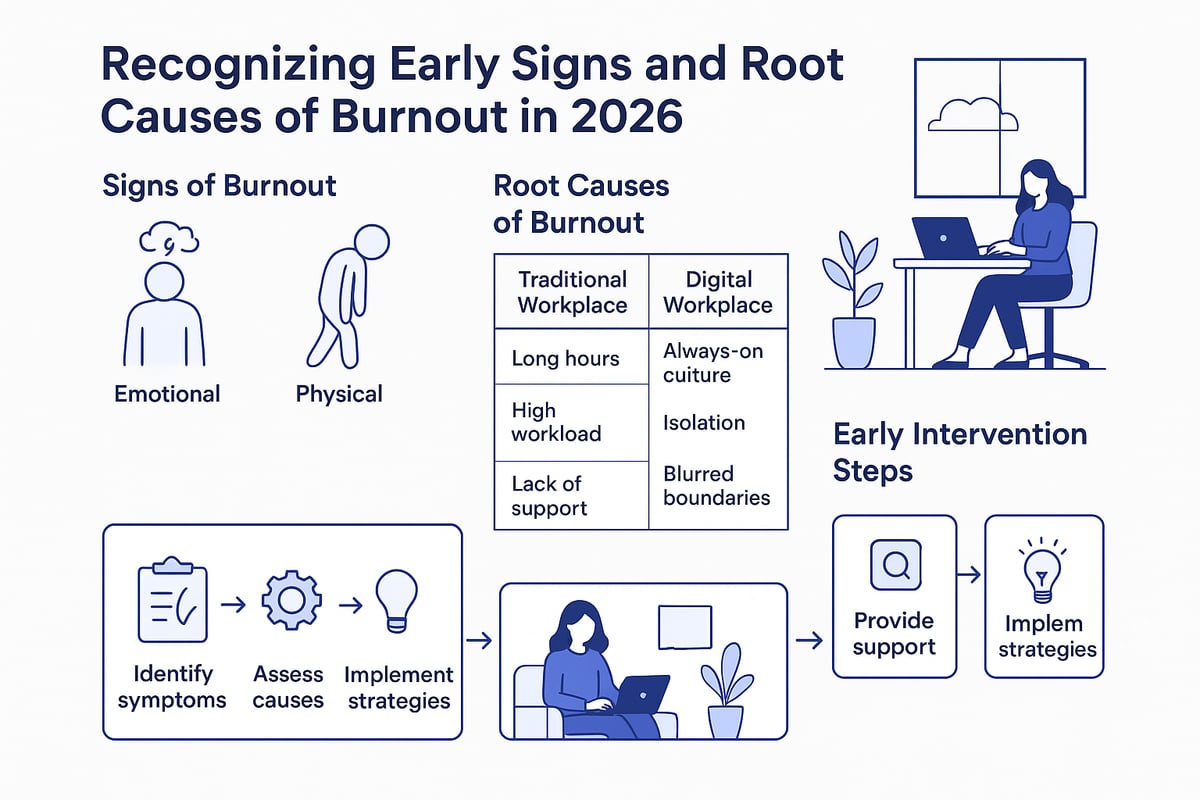
Spotting burnout early is the cornerstone of preventing workplace burnout. Watch for these warning signs:
- Emotional symptoms: Employees may become detached, irritable, or lose motivation for tasks they once enjoyed.
- Physical symptoms: Headaches, disrupted sleep, and frequent illnesses are common physical signs.
- Behavioral changes: Look for increased absenteeism, a drop in performance, or withdrawal from team activities.
Remote and in-person environments reveal these symptoms differently. In remote settings, withdrawal might show as missed video calls or slow email responses. In-person, it could manifest as decreased participation in meetings or less engagement with colleagues.
Regular self-assessment empowers individuals to take charge of their mental health. Peer feedback also plays a critical role in preventing workplace burnout, as colleagues often notice changes before managers do. Training programs can help teams recognize and address these signals early, setting the stage for timely intervention.
Root Causes in Modern Workplaces
Identifying root causes is vital for preventing workplace burnout at its source. Key drivers include:
| Root Cause | Impact in 2026 Workplaces |
|---|---|
| Excessive workloads | Automation increases expectations |
| Lack of autonomy | Less control due to rigid systems |
| Unclear expectations | Hybrid work creates confusion |
| Poor communication | Digital tools may obscure intent |
| Toxic culture | Recognition is often overlooked |
| Digital connectivity | 24/7 access blurs work boundaries |
Recent data shows that 60% of employees now cite workload as the top driver of burnout. As AI and automation become more integrated, employees may face higher expectations and increased pressure to deliver quickly.
A lack of recognition, insufficient support from management, and toxic workplace cultures further contribute to burnout risk. Constant digital connectivity can make it difficult to disconnect, impacting rest and recovery. For a deeper exploration of why burnout persists even with initiatives in place, see Why Your Team Is Still Burning Out.
Understanding these factors is a prerequisite for preventing workplace burnout and fostering a supportive environment.
The Importance of Early Intervention
Early intervention is a powerful tool in preventing workplace burnout. When teams recognize warning signs promptly, they can act before issues become severe. For example, a company that introduced proactive intervention programs saw absenteeism drop by 30%.
Managers should create open channels for feedback and observation. Encourage employees to share concerns during regular check-ins or anonymous surveys. Providing access to confidential support resources and resilience training also strengthens early intervention efforts.
By making early recognition and support part of the organizational culture, businesses can dramatically increase their success in preventing workplace burnout. This proactive approach not only protects individual well-being but also contributes to a healthier, more productive workplace.
Step-by-Step Strategies to Prevent Workplace Burnout
Preventing workplace burnout requires a proactive, multi-faceted approach. Organizations must move beyond surface-level fixes and implement targeted strategies that address modern challenges. The steps below provide a comprehensive roadmap for fostering healthier, more resilient teams.
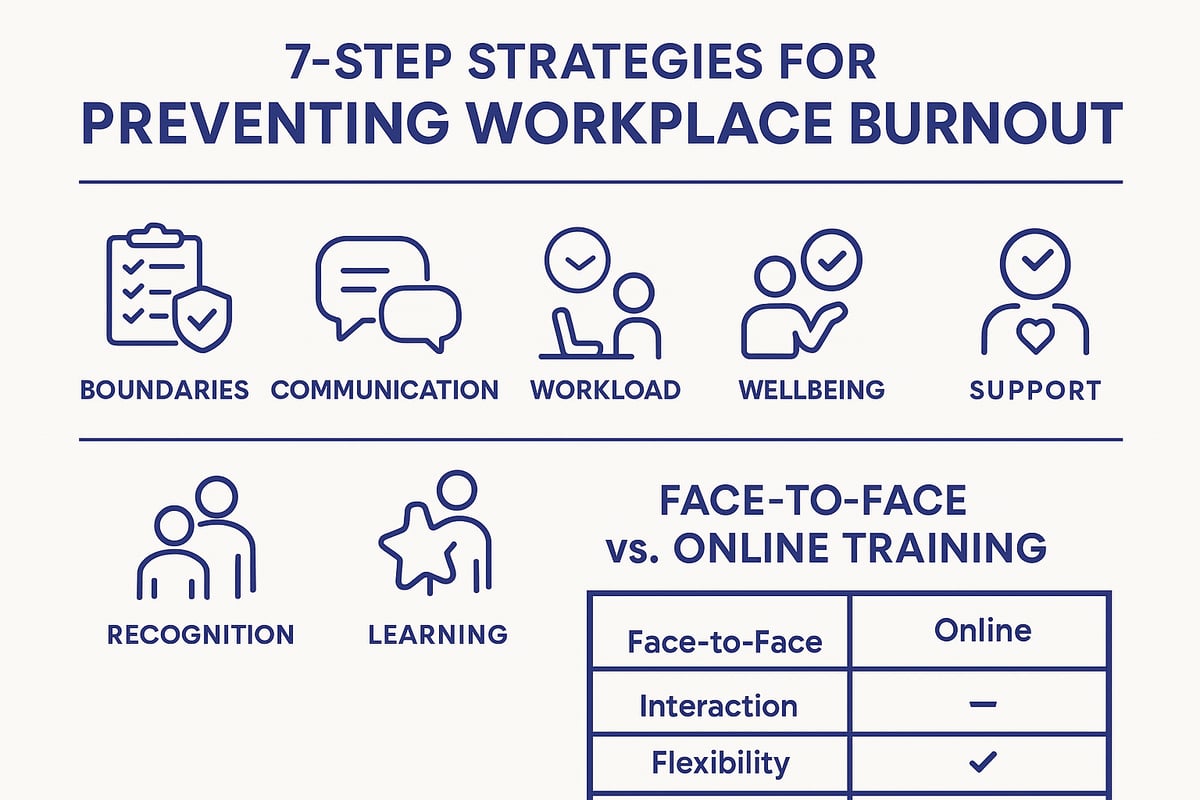
1. Establishing Healthy Boundaries and Work-Life Balance
One of the most effective ways of preventing workplace burnout is establishing and maintaining healthy boundaries between work and personal life. Setting clear work hours, encouraging regular breaks, and supporting employees in disconnecting after hours are essential.
Leaders should model device-free time and set expectations around after-hours communication. Flexible scheduling options, such as compressed workweeks or remote work days, can also help reduce fatigue.
- Set and communicate clear start and end times for the workday.
- Encourage employees to use vacation time and mental health days.
- Implement policies limiting after-hours emails and messages.
By prioritizing these boundaries, organizations lay the groundwork for preventing workplace burnout before it starts.
2. Fostering Open Communication and Psychological Safety
Open communication is a cornerstone of preventing workplace burnout. Employees need to feel safe voicing their concerns, sharing challenges, and requesting support without fear of negative consequences.
Regular check-ins, one-on-one meetings, and anonymous feedback tools help identify stressors early. Leaders should be trained to listen actively and respond empathetically, creating a psychologically safe environment.
- Schedule routine team check-ins to monitor wellbeing.
- Use anonymous surveys for honest feedback.
- Train managers to recognize burnout warning signs.
When employees feel heard and supported, preventing workplace burnout becomes a shared organizational goal.
3. Redesigning Workloads and Roles
Unrealistic workloads and poorly defined roles are major contributors to burnout. Preventing workplace burnout means regularly reviewing job expectations, prioritizing tasks, and delegating responsibilities appropriately.
Job rotation and cross-training can break monotony, while automation tools can reduce repetitive manual tasks. Setting realistic goals ensures employees are challenged but not overwhelmed.
| Strategy | Benefit |
|---|---|
| Task Prioritization | Focuses energy on key outcomes |
| Delegation | Distributes workload evenly |
| Automation | Frees time for meaningful work |
By redesigning roles and workloads, organizations make real progress in preventing workplace burnout.
4. Investing in Employee Wellbeing Programs
Comprehensive wellbeing programs are central to preventing workplace burnout. Initiatives like mindfulness sessions, fitness classes, and mental health days have measurable positive effects.
Research shows that companies with robust wellbeing programs see a 25 percent increase in employee satisfaction. Programs should be tailored to diverse needs and include both physical and mental health resources.
- Offer regular wellness workshops and activities.
- Provide access to meditation or relaxation apps.
- Encourage participation in group fitness or health challenges.
A holistic approach to wellbeing is key for preventing workplace burnout at scale.
5. Providing Access to Professional Support and Resources
Access to confidential counseling, Employee Assistance Programs (EAPs), and mental health workshops empowers employees to seek help early. Preventing workplace burnout requires removing barriers to support and normalizing mental health conversations.
Peer support groups and mentorship programs foster a sense of community and shared responsibility. Organizations should regularly communicate available resources and encourage their use.
- Promote EAP services in onboarding and team meetings.
- Offer resilience and stress management training.
- Create peer mentorship opportunities.
Professional support is a foundational element of preventing workplace burnout.
6. Promoting Recognition and Celebrating Achievements
Recognition is a powerful tool for preventing workplace burnout. Regularly celebrating individual and team accomplishments boosts morale, motivation, and engagement.
Recognition programs do not have to be expensive or elaborate. Simple gestures, such as thank-you notes or shout-outs in meetings, can make a significant difference.
- Implement monthly or quarterly recognition awards.
- Encourage peer-to-peer appreciation.
- Share team successes in company communications.
A culture of appreciation strengthens efforts toward preventing workplace burnout.
7. Continuous Learning and Career Development
Opportunities for upskilling and professional growth are vital for preventing workplace burnout in a rapidly changing work environment. Employees who feel they are learning and advancing are more engaged and resilient.
Organizations should offer access to both face-to-face workshops and online courses, catering to diverse learning preferences. For example, hybrid training programs that combine in-person and digital learning have been shown to improve engagement and lower stress.
- Provide tuition reimbursement or learning stipends.
- Encourage participation in industry conferences and webinars.
- Support employees in setting and achieving career goals.
Continuous development is not just an investment in skills, but a direct strategy for preventing workplace burnout.
The Role of Training in Preventing Burnout
Training plays a pivotal role in preventing workplace burnout, especially as the demands of modern work continue to evolve. In 2026, organizations are investing more than ever in targeted learning to equip both leaders and employees with the skills needed to recognize and combat burnout effectively.
Why Training Matters in 2026
The landscape of preventing workplace burnout has shifted significantly, with training now seen as a core strategy for sustainable employee wellbeing. Research shows that 80% of employees feel better equipped to handle stress after completing burnout prevention programs. This shift is driven by the recognition that awareness and proactive intervention are more effective than reactive solutions.
Unlike generic wellness initiatives, specialized training addresses the unique challenges employees face today. These programs provide practical tools for early detection and management, helping organizations create a culture where preventing workplace burnout is everyone’s responsibility. Regular training also helps staff stay informed about the latest trends and coping strategies relevant to the digital era.
For leaders, investing in ongoing education ensures they can spot early warning signs and respond with empathy. For employees, it means having the confidence to set boundaries and seek support when needed. As a result, preventing workplace burnout becomes an ongoing, organization-wide commitment.
Face-to-Face and Online Burnout Prevention Training
Both face-to-face and online training offer unique advantages in preventing workplace burnout. In-person workshops provide real-time feedback, group discussions, and hands-on activities that foster team cohesion. These sessions are particularly effective for building trust and encouraging open dialogue about stress and workload challenges.
Online training, on the other hand, brings flexibility and accessibility to the forefront. Employees can learn at their own pace, revisit modules as needed, and participate from any location. This approach is ideal for remote or hybrid teams, ensuring everyone has equal access to critical burnout prevention resources.
Many organizations now blend both formats to maximize impact. Hybrid programs allow for interactive group sessions followed by self-paced online modules, creating a comprehensive learning journey. The result is a more engaged workforce, better equipped to implement strategies for preventing workplace burnout in any setting.
Workplace Mental Health Institute Burnout Training
The Workplace Mental Health Institute’s burnout prevention and management training delivers a comprehensive solution for organizations seeking measurable results. This program features core modules in resilience building, trauma-informed care, and practical stress management skills—empowering teams to take charge of their wellbeing.
Flexible delivery options are available, including face-to-face sessions and online courses, making it easy to tailor the program to diverse organizational needs. Companies that have adopted this training report significant improvements, such as reduced absenteeism and enhanced workplace performance.
A recent case study highlights a business that saw a marked drop in burnout-related sick days after implementing the Institute’s blended training model. By making preventing workplace burnout a strategic priority, organizations can foster a healthier, more productive environment for all.
Empowering Managers and Employees Through Training
Empowering both managers and employees through targeted training is essential for preventing workplace burnout. Managers learn to recognize early signs of burnout, initiate supportive conversations, and create open channels for feedback. This proactive approach helps address issues before they escalate.
Employees benefit by developing self-care techniques, resilience strategies, and practical skills for handling daily stressors. Training encourages continuous learning and adaptability, which are key in today’s fast-paced work environments. By prioritizing ongoing education, organizations build a culture where preventing workplace burnout is integrated into daily operations.
Ultimately, the most successful workplaces are those that invest in regular, high-quality training. This commitment not only reduces burnout risks but also boosts morale and retention, ensuring long-term organizational health.
Building a Resilient and Supportive Workplace Culture
Creating a resilient and supportive workplace culture is one of the most effective ways of preventing workplace burnout. As organizations face unprecedented change, leaders must prioritize wellbeing, clear policies, and community support to protect employees’ mental health. By fostering resilience, companies can adapt to future challenges while supporting every team member.
Leadership Commitment and Role Modeling
Leadership sets the foundation for preventing workplace burnout. When senior leaders demonstrate a genuine commitment to wellbeing, employees are more likely to prioritize self-care and open communication. Leaders should regularly share their own stress management strategies, signaling that work-life balance is valued.
Transparent communication about organizational values and expectations helps reduce uncertainty. Leaders who encourage feedback and model healthy boundaries foster trust throughout the organization. Simple actions, such as taking regular breaks or openly discussing mental health, can have a ripple effect across teams.
By embodying these values, leaders inspire others to take ownership of their wellbeing and contribute to a culture that actively supports preventing workplace burnout.
Designing Policies for Long-Term Burnout Prevention
Sustainable policies are essential for preventing workplace burnout over the long term. Organizations should implement clear guidelines on workload, flexible work arrangements, and mental health days. These policies must be reviewed regularly to ensure they remain relevant as work environments evolve.
Employee feedback is critical to shaping effective policies. By seeking input through surveys or open forums, companies can identify areas for improvement and adapt policies to meet real-world needs. For example, flexible scheduling and remote work options can help employees maintain work-life balance.
Companies that clearly communicate and consistently enforce these policies often experience higher retention rates and greater job satisfaction. Thoughtful policy design creates a foundation for resilience and ongoing success in preventing workplace burnout.
Cultivating Peer Support Networks and Community
Strong peer support networks play a vital role in preventing workplace burnout. Encouraging team bonding, mentorship, and peer recognition helps employees feel connected and valued. Establishing employee resource groups focused on wellbeing can provide safe spaces for sharing experiences and advice.
Peer support is linked to a measurable reduction in burnout symptoms, as employees rely on one another for encouragement and problem-solving. Organizations can strengthen resilience by offering structured opportunities for team interaction, such as regular check-ins or wellbeing workshops.
To further explore strategies for building resilience, visit Building Workplace Resilience. Investing in these connections creates a culture where everyone contributes to preventing workplace burnout.
Measuring Success and Adapting Strategies
Continuous measurement is crucial to the success of any effort aimed at preventing workplace burnout. Organizations should use surveys, wellbeing assessments, and performance metrics to monitor progress. This data-driven approach enables leaders to identify trends and respond proactively.
An iterative mindset is essential. Regularly refining strategies based on feedback ensures that initiatives remain effective as workplace demands shift. Sharing success stories and celebrating improvements reinforces positive change and motivates ongoing participation.
By prioritizing measurement and adaptability, companies can ensure their culture remains resilient and supportive, creating an environment where preventing workplace burnout is always top of mind.
Leveraging Technology and Future Trends in Burnout Prevention
The rapid evolution of technology is transforming how organizations approach preventing workplace burnout. In 2026, companies are leveraging digital solutions and training to build resilience and support employee wellbeing. By integrating advanced tools and targeted training, leaders can proactively address burnout risks and adapt to emerging workplace challenges.
Digital Tools for Monitoring and Managing Burnout
Digital tools now play a pivotal role in preventing workplace burnout. Employee wellbeing apps, stress trackers, and online pulse surveys provide real-time insights into organizational health. AI-driven platforms analyze patterns in workload and engagement, flagging early warning signs so managers can intervene faster.
A comparison of digital tools and training formats:
| Tool/Format | Key Feature | Benefit for Burnout Prevention |
|---|---|---|
| Wellbeing Apps | Stress tracking | Early detection |
| AI Analytics | Pattern recognition | Predictive intervention |
| Face-to-Face Training | Group interaction | Skill development |
| Online Training | Flexible access | Scalable learning |
Combining digital monitoring with Workplace Mental Health Institute Burnout Training ensures employees receive timely, personalized support. This dual approach strengthens the foundation for preventing workplace burnout and fosters a culture of proactive care.
Integrating Automation and AI without Overburdening Employees
Automation and AI continue to reshape the workplace, but careful integration is essential for preventing workplace burnout. While these technologies can reduce repetitive tasks and streamline workflows, they may also increase pressure if not managed mindfully.
Organizations should balance productivity gains with employee wellbeing by:
- Providing comprehensive training on new tools.
- Setting clear expectations around digital communication.
- Encouraging regular feedback about technology's impact.
Flexible options, such as online courses, help staff develop confidence in using new systems. This approach mitigates digital overload and supports the goal of preventing workplace burnout across diverse teams.
The Future of Burnout Prevention: Emerging Best Practices
Looking ahead, preventing workplace burnout will rely on predictive analytics and personalized wellbeing programs. AI-powered dashboards will recommend targeted interventions based on individual data, enabling precise support for those at risk.
Emerging best practices include:
- Using real-time pulse surveys to measure team stress levels.
- Offering adaptive training modules based on employee feedback.
- Continuously reviewing outcomes to refine prevention strategies.
By investing in ongoing research and innovative training, organizations can stay ahead of burnout trends. Proactive, tech-enabled approaches will remain at the heart of preventing workplace burnout in 2026 and beyond, setting new benchmarks for employee health and organizational resilience.
As you’ve seen throughout this guide, preventing workplace burnout in 2026 isn’t just about managing stress—it’s about building a culture where employees feel supported, engaged, and empowered to thrive. We explored practical strategies, from recognizing early warning signs to investing in training and resilient leadership. If you’re ready to take the next step and discover how tailored mental health programs and expert support can make a measurable difference for your team, I encourage you to Find Out More about the solutions available. Together, we can create a healthier, more productive workplace for everyone.

