
Organizations worldwide are recognizing that physical safety measures alone cannot protect their most valuable asset: their people. Psychological health and safety represents a fundamental shift in how workplaces approach employee wellbeing, moving beyond traditional occupational health models to address the mental and emotional dimensions of work. This comprehensive framework acknowledges that workplaces can either support or undermine mental health, and that organizations have both an ethical obligation and a business imperative to create environments where employees can thrive psychologically. As we navigate increasingly complex work environments in 2026, understanding and implementing psychological health and safety principles has become essential for organizational success.
Understanding Psychological Health and Safety
Psychological health and safety refers to the proactive prevention of psychological harm and the active promotion of mental wellbeing in the workplace. Unlike reactive approaches that address mental health issues after they arise, this framework emphasizes creating conditions that prevent psychological injury from occurring in the first place.
The Canadian Centre for Occupational Health and Safety defines psychological health and safety as encompassing both the prevention of harm and the promotion of psychological wellbeing. This dual focus distinguishes it from traditional safety programs that primarily concentrate on avoiding negative outcomes.
Core Components of Psychological Health and Safety
Organizations implementing psychological health and safety frameworks typically address several interconnected elements:
- Risk identification and assessment of psychosocial hazards
- Policy development that explicitly addresses psychological wellbeing
- Leadership commitment demonstrated through resources and action
- Employee participation in designing and implementing initiatives
- Continuous monitoring and improvement based on data and feedback
These components work synergistically to create workplace cultures where mental health is valued as highly as physical safety.
The Business Case for Psychological Health and Safety
Evidence demonstrates that organizations prioritizing psychological health and safety experience measurable benefits beyond ethical considerations. Research consistently shows reduced absenteeism, lower workers' compensation claims related to psychological injury, improved employee engagement, and enhanced productivity.
The National Association of Safety Professionals highlights that workplaces with strong psychological health and safety programs report significantly lower injury rates overall, suggesting that psychological wellbeing influences physical safety outcomes as well.
| Organizational Outcome | Impact of Strong Psychological Health and Safety |
|---|---|
| Absenteeism | Reduction of 20-30% in mental health-related absences |
| Turnover | Decreased voluntary departures by 15-25% |
| Productivity | Improved output and quality metrics by 12-18% |
| Safety Incidents | Reduction in workplace accidents by 10-20% |
| Employee Engagement | Increased engagement scores by 25-35% |
Identifying Psychosocial Hazards
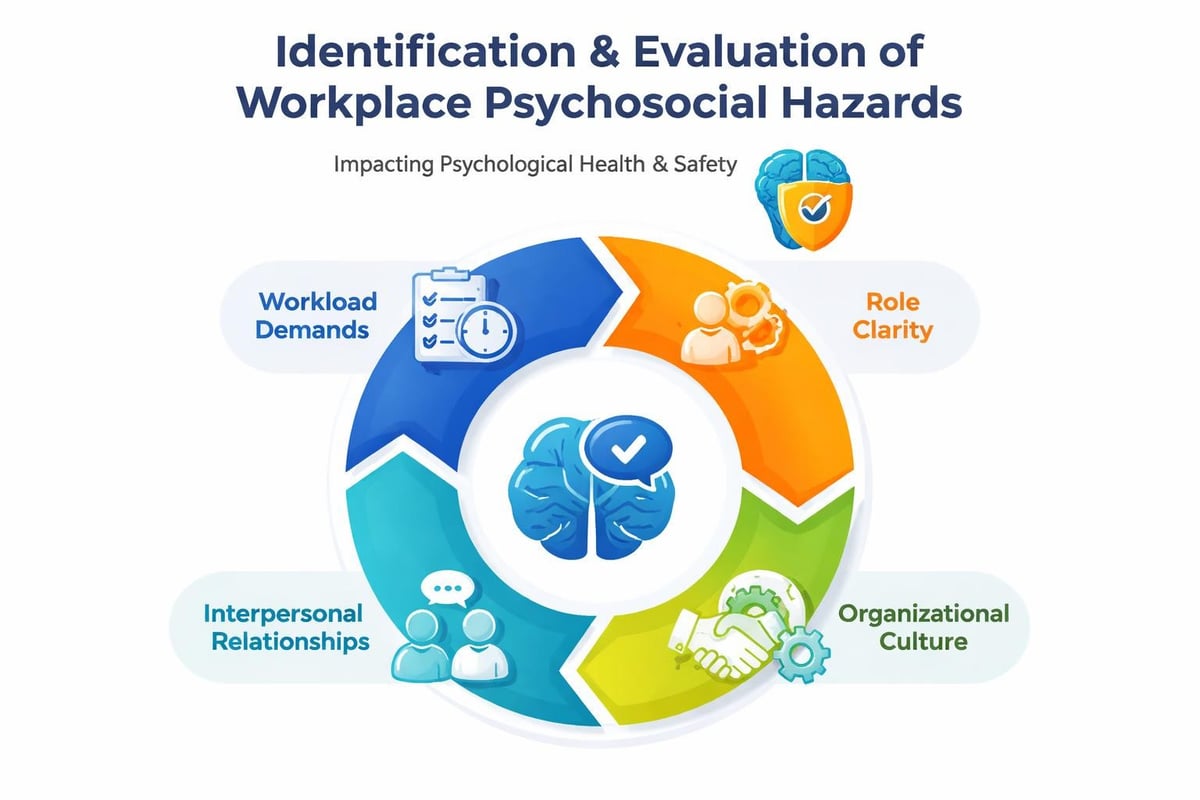
Psychosocial hazards represent workplace factors that have the potential to cause psychological or physical harm. Unlike physical hazards that are often visible and measurable, psychosocial hazards can be subtle and cumulative, making identification more challenging but equally critical.
Common psychosocial hazards include excessive workload demands, lack of role clarity, inadequate support from supervisors or colleagues, limited control over work processes, poor organizational change management, workplace harassment or bullying, and exposure to traumatic events.
Assessment Methods and Tools
Organizations committed to psychological health and safety employ various assessment methods to identify risks:
- Anonymous employee surveys measuring psychological safety perceptions
- Focus groups exploring specific concerns and experiences
- Workplace audits examining policies, procedures, and practices
- Incident reporting systems tracking psychological health concerns
- Exit interviews revealing patterns in departures related to workplace culture
Guarding Minds at Work provides resources specifically designed to help organizations assess and address psychosocial factors systematically. These evidence-based tools enable managers to identify areas requiring intervention before significant harm occurs.
The assessment process should be ongoing rather than a one-time event. Workplace conditions change, and new hazards can emerge as organizations evolve. Regular reassessment ensures that psychological health and safety measures remain relevant and effective.
Implementing Evidence-Based Interventions
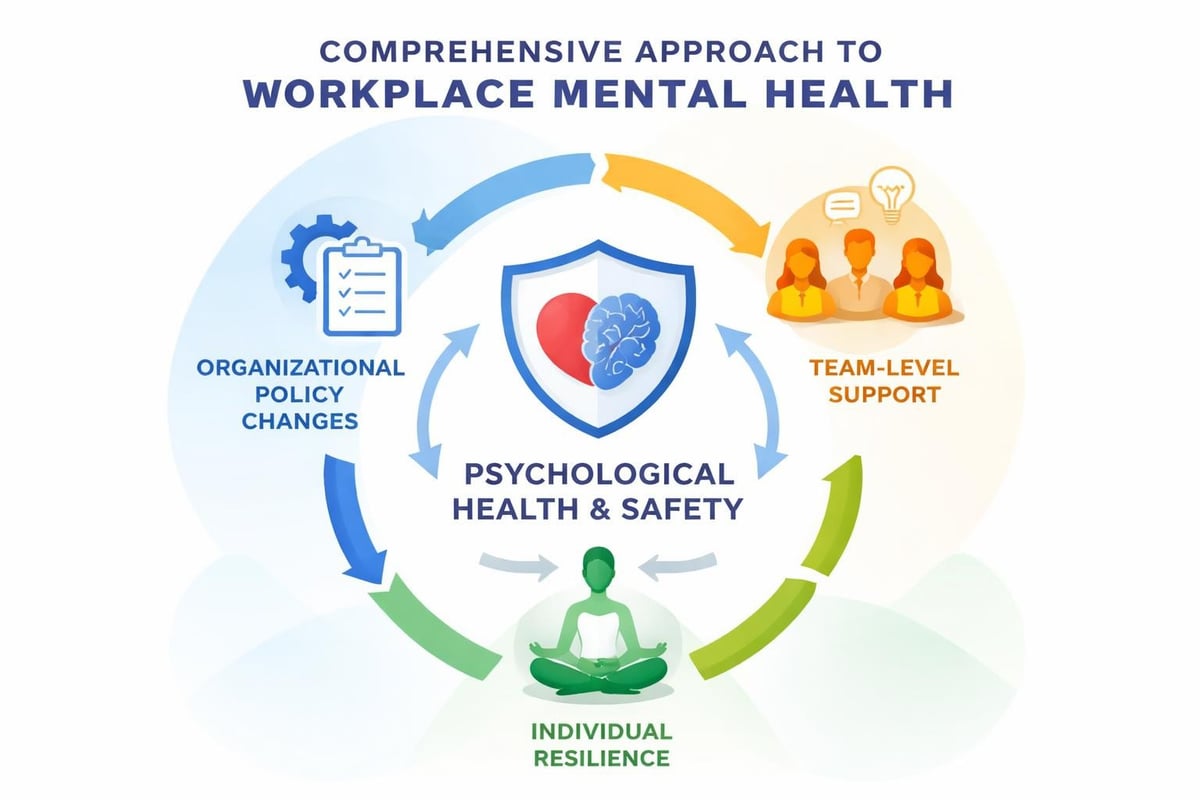
Once psychosocial hazards are identified, organizations must implement targeted interventions that address root causes rather than merely treating symptoms. Effective interventions operate at multiple levels: organizational, team, and individual.
Organizational-Level Interventions
At the organizational level, psychological health and safety requires structural changes that embed mental health considerations into core business processes. This includes developing comprehensive policies that explicitly address psychological wellbeing, establishing clear reporting mechanisms for psychological health concerns, and allocating dedicated resources for prevention and support programs.
Leadership training represents a particularly powerful intervention. When leaders understand psychological health and safety principles and can recognize early warning signs of psychological distress, they become the first line of defense in prevention efforts. For organizations seeking to strengthen leadership capacity in this area, specialized programs like Noomii Leadership Coaching offer precision-matched coaching that addresses complex leadership challenges while building psychologically informed leadership practices.
- Revise performance management systems to reduce psychological pressure
- Design jobs with appropriate autonomy and control
- Establish predictable work schedules that support work-life balance
- Create transparent communication channels throughout the organization
- Implement fair conflict resolution processes
Team-Level Interventions
Team dynamics significantly influence psychological health and safety. Interventions at this level focus on strengthening relationships, improving communication, and building collective resilience.
Managers play a crucial role in creating psychologically safe team environments. Training programs specifically designed for managers, such as those offered through https://thewmhionline.com, equip leaders with practical skills to support team mental health effectively. These programs emphasize proactive approaches that prevent psychological harm while building team capacity.
Regular team check-ins that include psychological safety discussions, collaborative problem-solving approaches that value diverse perspectives, peer support programs that normalize mental health conversations, and team-based recognition systems that celebrate both individual and collective achievements all contribute to healthier team cultures.
Creating Psychologically Safe Communication Systems
Psychological safety at work depends heavily on communication systems that encourage openness, transparency, and trust. Employees must feel confident that they can speak up about concerns, admit mistakes, ask questions, and challenge ideas without fear of negative consequences.
The evidence-based actions recommended by Workplace Strategies for Mental Health emphasize establishing clear, accessible pathways for employees to raise psychological health concerns and ensuring timely, respectful responses.
Building Trust Through Transparent Processes
Organizations that excel in psychological health and safety demonstrate consistent transparency in decision-making processes, particularly those affecting employee wellbeing. When employees understand the rationale behind decisions and feel their input is genuinely considered, trust deepens.
| Communication Practice | Impact on Psychological Health and Safety |
|---|---|
| Regular leadership updates on wellbeing initiatives | Builds confidence in organizational commitment |
| Anonymous feedback mechanisms with visible follow-up | Demonstrates responsiveness to employee concerns |
| Clear escalation procedures for psychological health issues | Reduces uncertainty and anxiety |
| Open-door policies backed by leadership behavior | Encourages early problem identification |
| Transparent metrics sharing on wellbeing indicators | Creates accountability and shared ownership |
For Australian organizations specifically, tailored approaches that account for local regulatory frameworks and cultural contexts are available through https://www.wmhi.com.au, ensuring that psychological health and safety initiatives align with national standards and expectations.
Measuring and Monitoring Progress
What gets measured gets managed. Organizations serious about psychological health and safety establish clear metrics and monitoring systems to track progress, identify emerging issues, and demonstrate accountability.
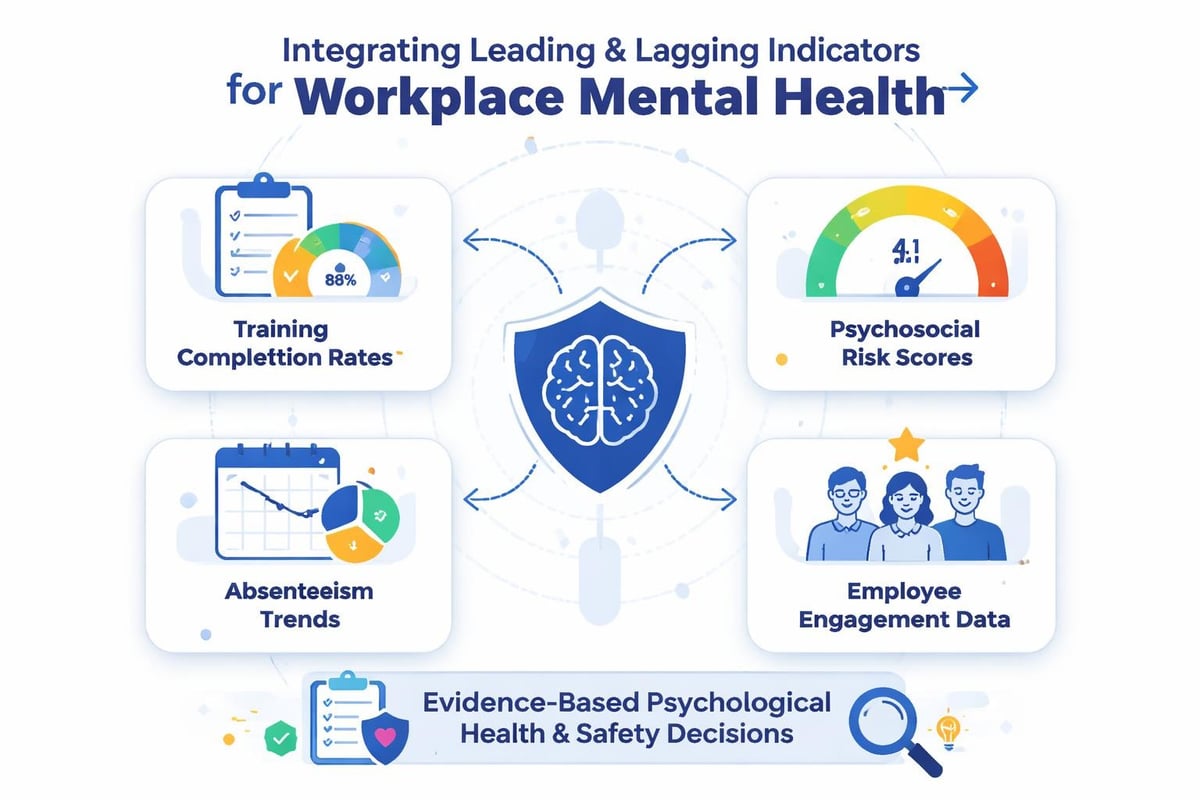
Effective measurement frameworks combine leading indicators (proactive measures that predict future outcomes) and lagging indicators (reactive measures that track outcomes after they occur). This balanced approach provides both early warning signals and outcome validation.
Key Performance Indicators for Psychological Health and Safety
Leading indicators include participation rates in mental health training programs, completion of psychosocial risk assessments, manager-employee conversation frequency about wellbeing, utilization of employee assistance programs before crisis points, and psychological safety survey scores.
Lagging indicators track workers' compensation claims related to psychological injury, absenteeism rates attributed to mental health conditions, turnover rates particularly among high-performing employees, productivity metrics and quality indicators, and employee engagement survey results.
- Establish baseline measurements across all key indicators
- Set realistic improvement targets based on evidence and organizational capacity
- Implement regular data collection processes with consistent methodology
- Analyze trends over time rather than focusing on single data points
- Share results transparently with stakeholders at all organizational levels
- Adjust interventions based on data insights and emerging patterns
Organizations that integrate psychological health and safety metrics into broader business intelligence systems demonstrate the strongest commitment and achieve the most sustainable improvements. When mental health indicators appear on executive dashboards alongside financial and operational metrics, they receive appropriate strategic attention.
Training and Capability Building
Sustainable psychological health and safety requires building organizational capability at all levels. While awareness is a starting point, practical skills development enables employees and managers to translate awareness into action.
Comprehensive training programs address different audiences with tailored content. Executives need strategic understanding of psychological health and safety as a business imperative and risk management approach. Managers require practical skills in recognizing psychological distress, conducting supportive conversations, and creating team psychological safety. Employees benefit from understanding psychological health rights and responsibilities, recognizing signs of distress in themselves and colleagues, and accessing available support resources.
The most effective training programs emphasize practical application over theoretical knowledge. Scenario-based learning, role-playing exercises, and case studies that reflect actual workplace situations build confidence and competence. Resources available through https://www.thewmhi.com/ exemplify this practical, skills-focused approach to mental health capability building.
Trauma-Informed Approaches
Many workplaces are incorporating trauma-informed principles into their psychological health and safety frameworks. This approach recognizes that many employees have experienced trauma and that workplace practices can either support recovery or inadvertently re-traumatize individuals.
Trauma-informed workplaces prioritize physical and emotional safety in all interactions, provide trustworthy and transparent communication, offer peer support and mutual self-help opportunities, collaborate with employees in decision-making processes, empower employees through skill-building and validation, and recognize cultural, historical, and gender considerations in policy development.
This approach particularly benefits organizations in sectors with high traumatic exposure, including healthcare, emergency services, social services, and education. Specialized trauma-informed care training equips staff with skills to support both clients and colleagues while protecting their own psychological health and safety.
Addressing Specific Psychosocial Factors
Research has identified specific psychosocial factors that consistently influence workplace psychological health and safety. Organizations that systematically address these factors create substantially healthier work environments.
Workload Management
Excessive workload represents one of the most commonly reported psychosocial hazards. When demands consistently exceed available resources, psychological harm becomes inevitable. Effective workload management involves regularly assessing realistic capacity, redistributing work during high-demand periods, providing adequate staffing for operational requirements, establishing clear prioritization processes, and building in recovery time between high-intensity projects.
Organizational Culture and Civility
Workplace culture profoundly impacts psychological health and safety. Cultures characterized by respect, fairness, and civility protect mental health, while those tolerating harassment, discrimination, or bullying create significant psychological harm.
- Establish zero-tolerance policies for harassment and discrimination
- Model respectful behavior from leadership throughout the organization
- Address incivility promptly before patterns become entrenched
- Celebrate and recognize positive cultural exemplars
- Provide training on inclusive communication and behavior
Organizations committed to psychological health and safety recognize that culture change requires sustained effort, not one-time initiatives. Consistent messaging, accountability for cultural violations, and visible leadership commitment drive meaningful transformation.
Recognition and Reward
Appropriate recognition significantly influences psychological wellbeing at work. Employees who feel valued and appreciated experience higher job satisfaction, stronger organizational commitment, and better mental health outcomes.
Effective recognition programs extend beyond formal annual reviews to include frequent, specific acknowledgment of contributions. Both individual achievements and collaborative successes deserve celebration. Recognition that is timely, genuine, and aligned with organizational values carries the greatest psychological impact.
Legal and Ethical Considerations
Psychological health and safety intersects with various legal and ethical obligations. Many jurisdictions now include psychological health explicitly within occupational health and safety legislation, creating compliance requirements for employers.
Beyond legal mandates, ethical considerations compel organizations to protect psychological wellbeing. Employers exercise significant power over employees' daily experiences, financial security, and career trajectories. This power relationship creates ethical obligations to minimize harm and promote flourishing.
Organizations navigating complex compliance landscapes benefit from expert guidance on integrating psychological health and safety requirements with existing regulatory frameworks. Understanding both legal minimums and ethical aspirations enables organizations to develop robust, defensible approaches.
Documentation and Due Diligence
Demonstrating due diligence in psychological health and safety requires systematic documentation of policies, procedures, training, assessments, incidents, and interventions. This documentation serves multiple purposes: providing evidence of reasonable care, identifying improvement opportunities, tracking effectiveness of interventions, and supporting continuous improvement efforts.
Documentation systems should balance thoroughness with accessibility. Overly complex systems discourage use, while inadequate systems fail to capture critical information. The goal is creating processes that support psychological health and safety work rather than creating administrative burden.
Integration with Overall Wellbeing Strategy
Psychological health and safety operates most effectively when integrated into comprehensive workplace wellbeing strategies rather than existing as an isolated program. Physical health, psychological health, social connection, financial security, and purpose all interact to influence overall employee wellbeing.
Integrated strategies recognize these connections and create coherent approaches that address multiple wellbeing dimensions simultaneously. For example, flexible work arrangements may support both physical health (by reducing commute stress) and psychological health (by increasing autonomy and control).
Organizations developing comprehensive wellbeing strategies benefit from expert consultation that considers organizational context, workforce characteristics, and evidence-based best practices. Strategic planning ensures resources are allocated effectively and initiatives align with organizational objectives while genuinely supporting employee wellbeing.
Visual learning resources, such as those available through https://www.youtube.com/@WorkplaceMentalHealthInstitute, can supplement written materials and training programs, providing diverse learning modalities that reach different employee populations.
Psychological health and safety represents a fundamental evolution in how organizations approach employee wellbeing, moving from reactive crisis management to proactive prevention and promotion. By systematically addressing psychosocial hazards, building organizational capability, and integrating mental health considerations into core business processes, organizations create environments where employees can thrive. If your organization is ready to strengthen psychological health and safety through evidence-based training, comprehensive assessments, and strategic consultation, Workplace Mental Health Institute offers specialized programs designed to build practical skills and create lasting cultural change that protects and promotes mental wellbeing across your workforce.

