
In 2026, the demand for trauma informed care is at an all-time high, as organizations navigate increasingly complex online and hybrid environments. Recent statistics show that up to 70% of adults have faced at least one traumatic event, highlighting an urgent need for better support systems. This essential guide explores online training for trauma informed care, giving professionals and organizations the knowledge to build safer, more supportive spaces. Discover the fundamentals of trauma informed care, the advantages of flexible online delivery, key curriculum features, expert program selection tips, implementation steps, and future trends. Ready to create lasting change? Read on for actionable insights.
Understanding Trauma Informed Care: Foundations and Importance
Understanding trauma informed care is essential as organizations move toward safer, more inclusive environments. With the rise of online training for trauma informed care, professionals now have greater access to resources that help transform workplaces and communities. Recent data from the CDC (2024) shows that up to 70% of adults will experience at least one traumatic event in their lifetime. This statistic underscores the urgency of adopting trauma informed practices at every level.

Defining Trauma Informed Care
Trauma informed care, or TIC, is a framework that recognizes and responds to the widespread impact of trauma. Its foundation lies in the “4 R’s”:
- Realize the impact of trauma and understand potential paths for recovery
- Recognize the signs and symptoms of trauma in clients, families, staff, and others
- Respond by integrating knowledge into policies, procedures, and practices
- Resist re-traumatization by actively working to prevent practices that could cause harm
Trauma can arise from various sources, including abuse, violence, accidents, loss, or systemic injustice. In healthcare, TIC promotes patient trust and safety. In education, it supports students’ emotional well-being and learning. In workplaces, it fosters psychological safety and retention.
It is important to distinguish trauma informed care from trauma therapy. While therapy treats trauma, TIC is an organizational approach to creating supportive environments for everyone. The benefits of this approach are clear: improved trust, reduced conflict, and better outcomes for individuals and teams.
Globally, the movement toward trauma informed care continues to grow. As organizations embrace digital transformation, many are turning to Trauma Informed Training Online to ensure staff can access high quality education regardless of location. This shift is crucial for building resilient, adaptive cultures in 2026 and beyond.
The Need for Trauma Informed Approaches in Modern Workplaces
The need for trauma informed approaches in workplaces has grown significantly since the pandemic. Employees are more aware of mental health, and organizations recognize the impact that trauma can have on wellbeing, absenteeism, and overall performance. For many, online training for trauma informed care offers a flexible solution that fits hybrid and remote teams.
Different industries face unique challenges. In healthcare, staff encounter trauma daily through patient care. Educators support students coping with adversity. Social service professionals often work with vulnerable populations. Each sector benefits from a tailored approach to trauma informed care.
Consider a case where an organization implemented TIC principles and saw notable improvements in staff retention, satisfaction, and engagement. These results highlight the potential of systematic, organization-wide adoption.
Legal and ethical considerations also play a role. Employers are increasingly expected to provide psychologically safe workplaces and support staff through trauma informed policies. Failing to do so can lead to increased turnover, legal liabilities, and reputational harm.
By prioritizing online training for trauma informed care, organizations can equip their teams with essential skills and foster a culture of empathy, safety, and continuous growth.
The Rise of Online Training for Trauma Informed Care
The demand for online training for trauma informed care has surged as organizations adapt to new workplace realities. With hybrid and remote teams becoming the norm, leaders are seeking flexible, scalable solutions to equip staff with essential trauma informed skills.
Online training for trauma informed care offers unmatched accessibility. Staff can participate regardless of location or time zone, making it ideal for teams spread across regions. This flexibility supports ongoing education even in fast-paced or shift-based environments.
Cost savings are another key advantage. Organizations save on travel, venue, and printed materials, allowing resources to be directed toward high-quality content and support. Online training for trauma informed care scales easily, making it suitable for both small nonprofits and global enterprises.
Engagement is enhanced through multimedia modules, interactive scenarios, and real-life case studies. Many programs use videos, quizzes, and discussion boards to boost participation. According to recent industry data, 60% of organizations plan to increase investment in online mental health training by 2026.
Free resources are also available. For example, the CDC Trauma-Informed Care Learning Series provides online training for trauma informed care tailored for first responders, demonstrating the expanding reach and accessibility of digital learning.

Addressing Challenges in Online Trauma Informed Training
While online training for trauma informed care presents many benefits, it also introduces unique challenges. Digital literacy varies among participants, and some may be unfamiliar with virtual platforms or struggle with screen fatigue.
Maintaining psychological safety and confidentiality is crucial. Online training for trauma informed care must ensure secure platforms and clear ground rules for sharing sensitive experiences. Facilitators play a key role in setting the tone, monitoring group dynamics, and providing support.
Engagement can wane in virtual settings, so successful programs use interactive elements like breakout rooms, polls, and real-time discussions. These features help create a sense of connection and community, even at a distance.
To address potential barriers, organizations should offer technical support, provide clear instructions, and include opportunities for peer interaction. Online training for trauma informed care is most effective when participants feel supported, both technically and emotionally, throughout the learning journey.
Continuous facilitator presence, regular check-ins, and access to mental health resources further enhance the experience. By proactively addressing these challenges, organizations can maximize the impact and sustainability of their online training for trauma informed care.
Essential Components of Effective Online Trauma Informed Care Training
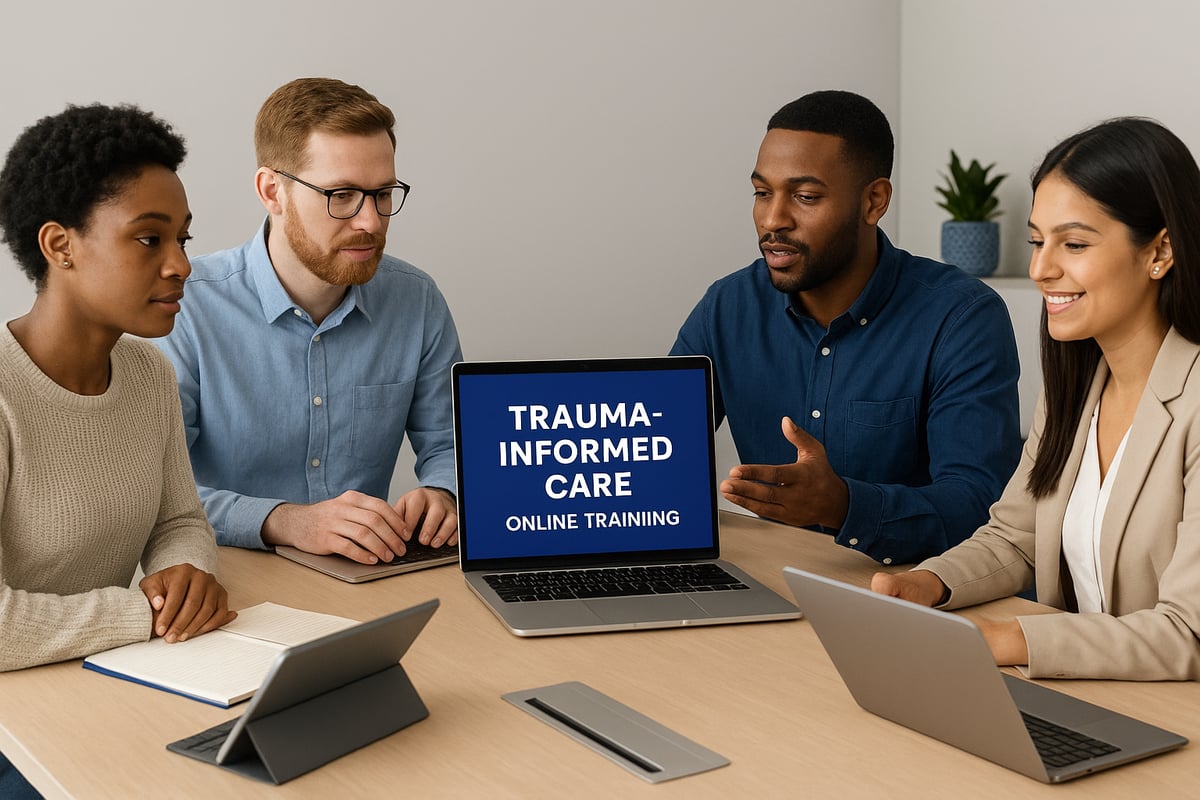
To deliver meaningful change, online training for trauma informed care must be thoughtfully designed. Effective programs balance foundational knowledge, practical skills, and ongoing assessment. Let’s break down the core elements that set exceptional online training apart.
Core Curriculum and Learning Objectives
Every successful online training for trauma informed care begins with a robust curriculum. Programs should cover trauma fundamentals, including types of trauma, prevalence, and the science behind trauma responses. Learning objectives must include recognizing trauma signs, responding with empathy, and applying the “4 R’s” — Realize, Recognize, Respond, and Resist re-traumatization.
A strong curriculum also addresses self-care for professionals, helping learners manage secondary trauma and stress. Real-world scenarios and case studies are essential. They allow participants to practice skills in safe, simulated contexts, increasing confidence for real-life application.
Customization is crucial. Online training for trauma informed care should adapt modules for specific industries, such as healthcare, education, or corporate settings. Assessment tools, including quizzes and reflective exercises, help reinforce learning and track progress.
Many organizations seek accredited programs that offer continuing education credits, ensuring quality and recognition. For best practices in curriculum design, refer to this Trauma-Informed Care Curricula Review which highlights evidence-based frameworks and key components for health professionals.
Technology and Delivery Methods
Technology plays a pivotal role in scaling and enriching online training for trauma informed care. Programs may use synchronous (live virtual classrooms) or asynchronous (self-paced modules) formats, offering flexibility for different learning styles and schedules.
Interactive features such as video demonstrations, quizzes, and scenario-based simulations keep participants engaged. Discussion forums and virtual breakout rooms foster peer learning and support, which is vital for sensitive topics like trauma.
Accessibility is non-negotiable. Effective online training for trauma informed care should offer mobile compatibility, closed captioning, and screen reader support. These features ensure everyone, including those with disabilities, can participate fully. Data security and privacy are also critical, given the sensitive nature of discussions and participant information.
Here’s a quick comparison of key delivery features:
| Feature | Benefit |
|---|---|
| Live Virtual Sessions | Real-time interaction, immediate support |
| Self-Paced Modules | Flexible access, accommodates all paces |
| Multimedia Content | Engages visual, auditory learners |
| Accessibility Tools | Inclusive for all abilities |
| Secure Platforms | Protects sensitive data |
Evaluating Training Effectiveness
To ensure impact, organizations must evaluate their online training for trauma informed care. Pre- and post-training assessments measure knowledge gained and identify areas for improvement. Regular quizzes, surveys, and scenario responses help monitor retention and behavioral change.
Participant feedback is invaluable. Anonymous surveys and open-ended questions provide insights into what’s working and where adjustments are needed. Training analytics, such as completion rates and engagement levels, allow leaders to track the program’s reach and effectiveness.
Continuous improvement is key. Reviewing outcomes and adapting content based on feedback ensures online training for trauma informed care remains relevant. Organizations should also consider integrating evaluation results into broader policies and practices, fostering a culture of learning and support.
How to Choose the Right Online Trauma Informed Care Training Program
Choosing the right online training for trauma informed care is a crucial step for organizations committed to fostering safe, supportive spaces. With so many programs available, it is essential to select a course that not only meets industry standards but also aligns with your team's specific needs. The right choice can make a significant difference in how effectively trauma informed principles are integrated into your workplace.

What to Look For in Online Training for Trauma Informed Care
Start by identifying what matters most for your organization. Accreditation and formal recognition are strong indicators of program quality. Look for online training for trauma informed care that is accredited by respected professional bodies or recommended by trusted industry organizations. Accredited programs demonstrate adherence to evidence-based standards and ensure your team receives up-to-date and relevant knowledge.
It is also wise to verify if the training offers pathways to certification. For example, programs outlined in Certification in Trauma Informed Care provide clarity on recognized credentials and continuing education opportunities. This can help with compliance requirements and support professional development goals.
Evaluating Facilitator Expertise and Course Content
Facilitators play a pivotal role in the effectiveness of online training for trauma informed care. Review the qualifications and experience of course leaders. Psychologist-led or clinically supervised programs often bring deeper insight into trauma dynamics and best practices.
The curriculum should cover essential modules, including trauma basics, recognizing signs, and appropriate response strategies. Check for inclusion of real-life case studies, industry-specific adaptations, and opportunities for interactive learning. High-quality content ensures participants gain practical skills they can immediately apply in their roles.
Flexibility, Customization, and Support Resources
Flexibility is vital in today's hybrid and remote work environments. The best online training for trauma informed care offers various delivery options, such as self-paced modules, live virtual sessions, or hybrid formats. This allows organizations to accommodate different schedules and learning preferences.
Customization is another key factor. Seek programs that can tailor content to your sector—whether healthcare, education, or corporate settings. Additionally, comprehensive support resources, such as ongoing access to materials, community forums, and expert Q&A sessions, ensure sustained learning beyond the initial training.
Pricing, Value, and Making Your Choice
Transparent pricing is essential when comparing online training for trauma informed care. Evaluate what is included in the cost, such as access duration, supplementary materials, and post-training support. Consider the value for investment, not just the upfront price.
To simplify your decision, use a comparison table:
| Criterion | What to Check For |
|---|---|
| Accreditation | Recognized by industry/professional bodies |
| Facilitator Expertise | Qualified, experienced trainers |
| Curriculum Quality | Evidence-based, up-to-date modules |
| Flexibility | Multiple delivery options |
| Customization | Adaptable to sector and culture |
| Support Resources | Ongoing access, community, expert support |
| Pricing | Transparent, clear value |
Making an informed choice will empower your organization to implement online training for trauma informed care that delivers lasting impact. Take time to evaluate each criterion and involve stakeholders in the selection process for the best results.
Step-by-Step Guide to Implementing Online Trauma Informed Care Training
Implementing online training for trauma informed care requires a thoughtful, structured approach. By following these five essential steps, organizations can foster a safer, more resilient environment for all members. Each phase is designed to maximize engagement, support, and measurable outcomes.
Step 1: Assess Organizational Needs and Readiness
The first step in implementing online training for trauma informed care is to conduct a comprehensive needs assessment. Begin by identifying which departments, teams, or individuals would benefit most from the training. Collaborate with leadership to clarify the organization’s goals and establish measurable success metrics.
Engage stakeholders early to ensure buy-in and address potential barriers. Review current policies and practices to identify gaps in trauma awareness or response. For a practical framework on this process, refer to the Building a Trauma Informed Framework guide, which offers actionable steps for workplace settings.
By thoroughly assessing readiness, organizations can tailor their online training for trauma informed care to address unique needs, setting a strong foundation for success.
Step 2: Selecting and Customizing the Training Program
Once needs are identified, compare available options for online training for trauma informed care. Evaluate programs based on accreditation, evidence-based content, and facilitator expertise. Involve representatives from various departments in the selection process to ensure the chosen program aligns with your organization’s values and objectives.
Customization is key. Adapt modules to reflect your sector’s specific challenges and workplace culture. Choose providers that offer flexibility in delivery, whether self-paced, live virtual, or hybrid formats. Leverage resources like scenario-based exercises and industry-relevant case studies for maximum relevance.
This approach ensures that online training for trauma informed care is both effective and meaningful to your team, increasing the likelihood of lasting impact.
Step 3: Preparing for Rollout
Effective rollout of online training for trauma informed care hinges on clear communication and logistical planning. Announce the initiative to all staff, outlining its purpose, benefits, and expectations. Provide a schedule that accommodates varying work shifts and remote arrangements.
Ensure technical readiness by confirming access to devices, stable internet, and user-friendly platforms. Offer IT support and mental health resources to address concerns before training begins.
By removing hurdles and offering support, organizations can optimize participation and engagement throughout the online training for trauma informed care process.
Step 4: Facilitating and Supporting Learning
Active facilitation is essential for a successful online training for trauma informed care program. Encourage open discussion, peer sharing, and reflection during sessions. Assign moderators or facilitators to monitor engagement, answer questions, and create a psychologically safe learning environment.
Utilize interactive tools like polls, breakout rooms, and Q&A forums. Provide ongoing access to supplementary resources, such as articles, videos, and expert guidance.
Continuous support helps learners apply trauma informed principles in real scenarios, reinforcing the value of online training for trauma informed care long after the initial sessions conclude.
Step 5: Measuring Impact and Continuous Improvement
Ongoing evaluation is crucial for sustaining effective online training for trauma informed care. Implement pre- and post-training assessments to measure knowledge gains and behavioral changes. Collect feedback from participants to identify strengths and areas for improvement.
Analyze outcomes such as changes in workplace climate, absenteeism, or incident reports. Use this data to refine the training and inform future initiatives. Integrate lessons learned into policies and everyday practices, ensuring a culture of continuous learning.
By prioritizing measurement and adaptation, organizations can ensure that online training for trauma informed care delivers lasting, positive change.
Future Trends in Online Trauma Informed Care Training
The landscape of online training for trauma informed care is rapidly evolving, with 2026 poised to bring major advancements. As organizations and professionals seek more impactful ways to support those affected by trauma, embracing new technologies and inclusive practices is essential. Here is what the future holds for online training for trauma informed care.
Innovations in Digital Learning
Technological innovation is reshaping online training for trauma informed care. Artificial intelligence is enabling platforms to adapt content to each learner's pace and needs, delivering truly personalized learning experiences. AI-driven assessments can identify gaps in understanding and suggest targeted modules, making the process more efficient.
Virtual reality is also gaining traction, offering immersive simulations where participants can practice trauma informed responses in realistic scenarios. This approach enhances empathy and practical skills, bridging the gap between theory and real-world application. Integration with organizational learning management systems ensures seamless participation, tracking, and reporting, making online training for trauma informed care scalable and manageable.
Other innovations include gamified elements, interactive video case studies, and data analytics to monitor progress. These tools not only increase engagement but also help organizations measure training effectiveness and impact in real time.
Expanding Reach and Inclusion
Expanding access and inclusivity is a top priority for online training for trauma informed care. Future programs are focusing on multi-lingual content to serve global teams and diverse populations. Culturally responsive training materials are being developed, ensuring that examples, scenarios, and language resonate with learners from different backgrounds.
Accessibility features such as closed captioning, screen reader compatibility, and mobile-friendly designs are becoming standard. Efforts to address neurodiversity and disabilities are resulting in more flexible learning paths, allowing all participants to engage meaningfully.
Some organizations are leveraging data from reports like the ACEs Aware Progress Report 2024 to inform their approach, learning from large-scale initiatives that have successfully trained thousands of professionals. These efforts ensure online training for trauma informed care reaches those who need it most, regardless of location or ability.
Evolving Standards and Best Practices
As the field matures, standards and best practices for online training for trauma informed care are evolving. Accreditation requirements are being updated to reflect new research, evidence-based frameworks, and digital delivery methods. Regulatory bodies and professional associations are collaborating to ensure quality and consistency across programs.
Continuous evaluation is critical. Organizations are encouraged to use validated tools and outcome measures, like those discussed in the Evaluating Trauma-Informed Care Training Programs study, to assess knowledge retention and behavioral change. This focus on data-driven improvement ensures that online training for trauma informed care remains effective and relevant as needs change.
| Best Practice | Description |
|---|---|
| Accreditation Updates | Regular review of curriculum standards |
| Collaborative Development | Partnerships with advocacy and professional groups |
| Data-Driven Evaluation | Use of analytics and research to improve outcomes |
| Regulatory Compliance | Alignment with current laws and guidelines |
The Ongoing Importance of Trauma Informed Care
Looking ahead, the need for online training for trauma informed care will only grow. As organizations face emerging mental health challenges and complex global events, fostering trauma informed cultures is essential for resilience and wellbeing.
Training equips leaders and staff with the skills to create safe, empathetic environments, reducing harm and supporting recovery. It also prepares organizations to adapt to future challenges, ensuring sustainability and a commitment to continuous learning.
By prioritizing trauma informed practices and embracing innovation, organizations can build stronger, safer, and more supportive workplaces for everyone.
As we’ve explored, understanding and implementing trauma informed care is no longer optional for forward thinking organizations—it’s essential for creating safer, more resilient workplaces. With the right online training, you can empower your team, boost wellbeing, and foster a culture of empathy and support, no matter where your employees are located. If you’re ready to take the next step and want to see how a tailored, evidence based program could work for your team, you don’t have to navigate it alone. Find Out More about effective training solutions and start building a stronger, healthier workplace today.

