
In 2026, global awareness of mental health has soared, with millions seeking new ways to support their wellbeing. As the demand for accessible mental health courses grows, both online and in-person options are transforming how individuals learn to manage stress, build resilience, and help others.
The right mental health courses can empower anyone to understand their emotions, reduce daily pressures, and foster a healthier mindset. Whether for personal growth or professional development, choosing the right course can make a lasting difference.
This article will guide you through seven top-rated mental health courses for 2026, highlighting their unique features, key benefits, and how each one can boost your overall wellbeing.
Why Mental Health Courses Matter in 2026
The Evolving Landscape of Mental Health Education
In 2026, mental health courses are shaping how society understands and approaches wellbeing. Since the pandemic, public attitudes toward mental health have shifted significantly. More people now see mental wellbeing as a core part of daily life and workplace culture.
Technology has played a central role in this transformation. Online platforms make expert-led mental health courses accessible to anyone, anywhere. Over 2 million learners have already completed online programs, according to Alison. The rapid growth in enrollments on sites like Udemy and Alison demonstrates that mental health education is now a global priority.
Organizations and individuals alike are investing in mental health courses to keep pace with this evolving landscape. As a result, these courses are no longer niche—they are a mainstream tool for personal and professional growth.
Key Benefits of Taking Mental Health Courses
Enrolling in mental health courses offers measurable benefits for both personal and professional life. Participants often report improved self-awareness and emotional regulation, which help them manage stress, anxiety, and symptoms of depression.
Practical strategies gained from courses can lead to a reduction in burnout and a stronger sense of resilience. These skills are especially valuable in the workplace, where absenteeism linked to mental health can be significant. In fact, training programs focused on resilience and stress management can reduce absenteeism by up to 33%, according to the World Mental Health Institute. For those interested in building these skills, workplace stress management and resilience courses provide targeted solutions.
Certification from mental health courses also boosts career prospects in health, education, and HR sectors. By developing these abilities, individuals are better equipped to support colleagues, friends, and family members facing mental health challenges.
What to Look for in a Top Mental Health Course
Choosing the right mental health courses requires careful consideration of several factors. Accreditation and an evidence-based curriculum should be at the top of your list. These features ensure that the material is grounded in the latest scientific research and best practices.
Qualified instructors are essential—look for courses led by psychologists, therapists, or certified professionals. Practical, actionable content that includes real-life scenarios will help you apply what you learn immediately.
Flexibility is another key feature. The best mental health courses offer self-paced, live, or hybrid formats to suit different learning styles. Community support and interactive resources, such as peer forums or group activities, can further enhance your learning experience and provide a sense of connection.
Mental Health Courses: Who Should Enroll?
Mental health courses are designed for a wide range of learners. Individuals seeking personal growth and greater resilience will find these programs invaluable. Managers and HR professionals can use the knowledge gained to foster healthier, more supportive workplaces.
Caregivers and educators who support diverse populations benefit from specialized mental health courses tailored to their unique needs. Anyone interested in understanding trauma, stress, and overall wellbeing can find a course that matches their level, from beginner to advanced.
These courses are suitable for anyone committed to improving their own mental health or supporting others. With options available for every background and experience level, mental health courses truly offer something for everyone.
7 Top Mental Health Courses to Boost Your Wellbeing in 2026
The search for the best mental health courses can feel overwhelming with so many options available in 2026. Whether you are looking to nurture your own wellbeing, support others, or advance your career, choosing the right course is crucial. Below, we break down seven of the top-rated mental health courses for this year, each offering unique features and benefits to match a variety of needs and goals.
Mental Health Essentials – Workplace Mental Health Institute
Mental Health Essentials by the Workplace Mental Health Institute sets a gold standard for practical mental health courses in 2026. Designed by psychologists, this program delivers evidence-based strategies to manage stress, prevent burnout, and foster resilience in the workplace.
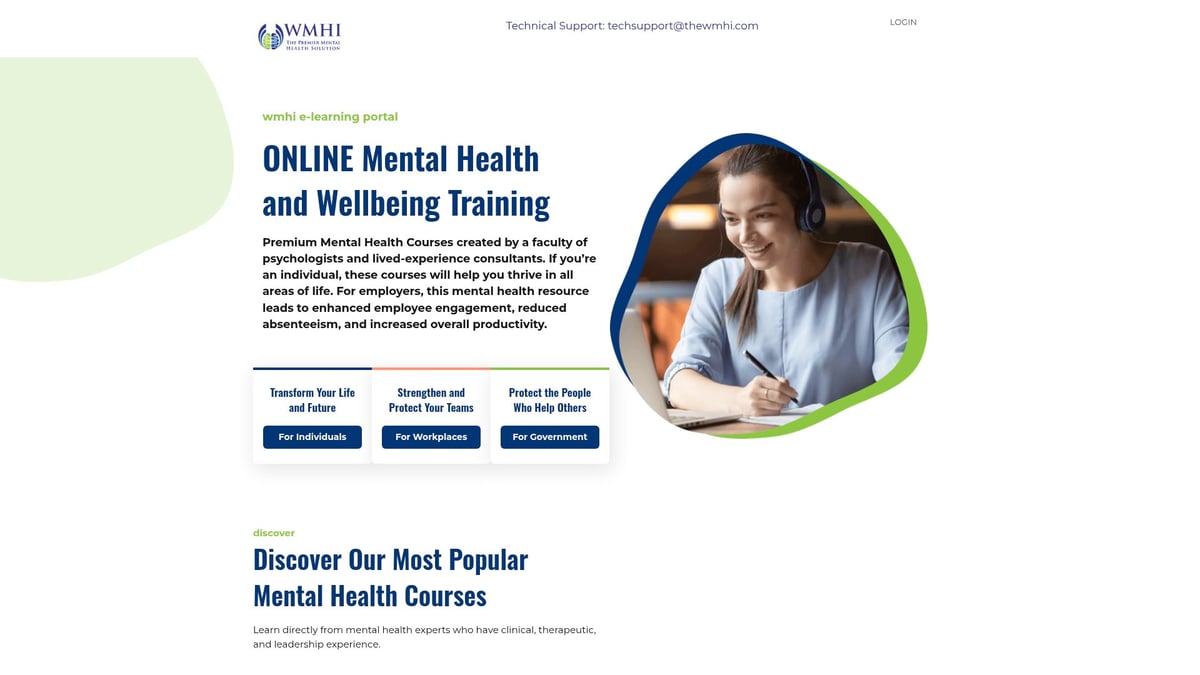
- Pricing: starting from $9.99 per month with Unlimited access to all courses. Custom quotes for organizations.
- Core features: Practical skills, real-world scenarios, psychologist-designed curriculum
- Unique benefits: 33% reduction in absenteeism, 50% fewer psychological injury claims, 282% boost in positive wellbeing
- Target audience: Employees, managers, HR professionals, organizations
- Pros: Global reach, industry-specific versions, designed for workplaces.
- Cons: No formal accreditation
This course is ideal for workplaces aiming to cultivate a culture of mental health awareness. Learners gain tools to recognize early warning signs, respond to mental health challenges, and create supportive environments. For those seeking formal qualifications, consider exploring accredited mental health certification courses to complement your learning.
CBT Practitioner Course (Cognitive Behavioral Therapy) – Udemy
CBT Practitioner Course on Udemy is one of the most comprehensive mental health courses available for self-help and professional development. Covering over 32 hours of content, it unpacks the fundamentals of Cognitive Behavioral Therapy in an accessible, structured way.
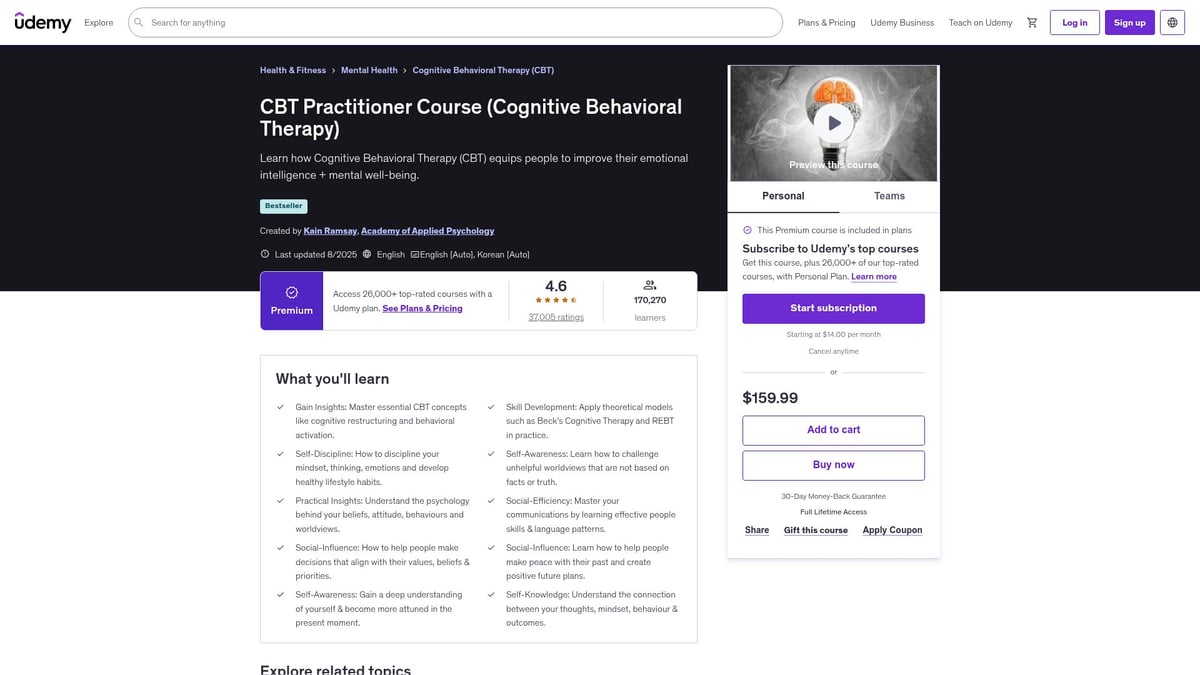
- Pricing: $159.99 (often discounted)
- Core features: 122 lectures, lifetime access, all levels
- Key benefits: In-depth CBT skills, emotional intelligence, self-help tools
- Target audience: Individuals, aspiring therapists, coaches
- Pros: High ratings (4.6/5), flexible, community Q&A
- Cons: No formal accreditation, limited peer interaction
This course empowers learners to apply CBT strategies in everyday life. Whether you want to manage anxiety or help others, this is one of the mental health courses that offers both depth and flexibility.
Caregiving Skills – Dementia Care – Alison
Caregiving Skills – Dementia Care from Alison addresses the growing need for specialized mental health courses focused on dementia. This free course is tailored to caregivers, family members, and health professionals seeking practical skills.
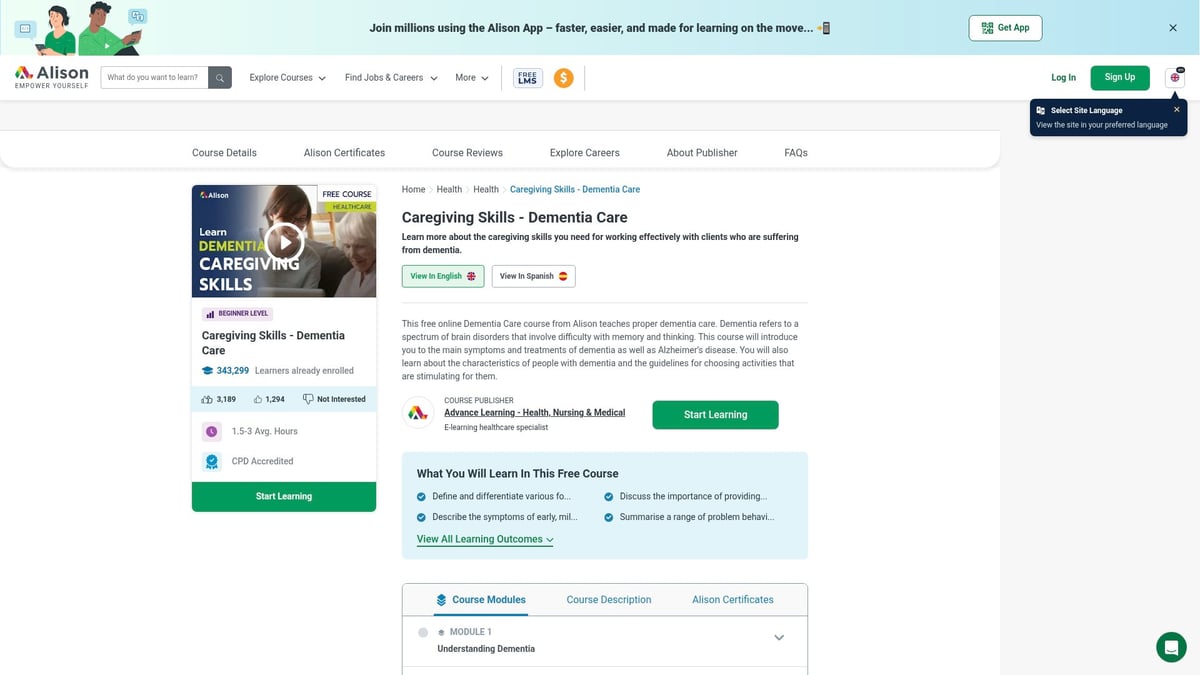
- Pricing: Free (paid certificate/diploma optional)
- Core features: Focus on dementia, symptom management, support strategies
- Key benefits: Accredited, short duration (2–3 hours), accessible for beginners
- Target audience: Family caregivers, healthcare workers, social workers
- Pros: Beginner-friendly, concise, recognized certification
- Cons: Limited to dementia care, less comprehensive for general mental health
This is a valuable entry point for those supporting loved ones or clients with dementia. It stands out among mental health courses for its practical approach and accessibility.
Certified Somatic Mind-Body Healing Practitioner – Udemy
The Certified Somatic Mind-Body Healing Practitioner course offers a holistic view of mental health courses by integrating trauma-informed somatic therapy. It explores the connection between body and mind to support healing and resilience.
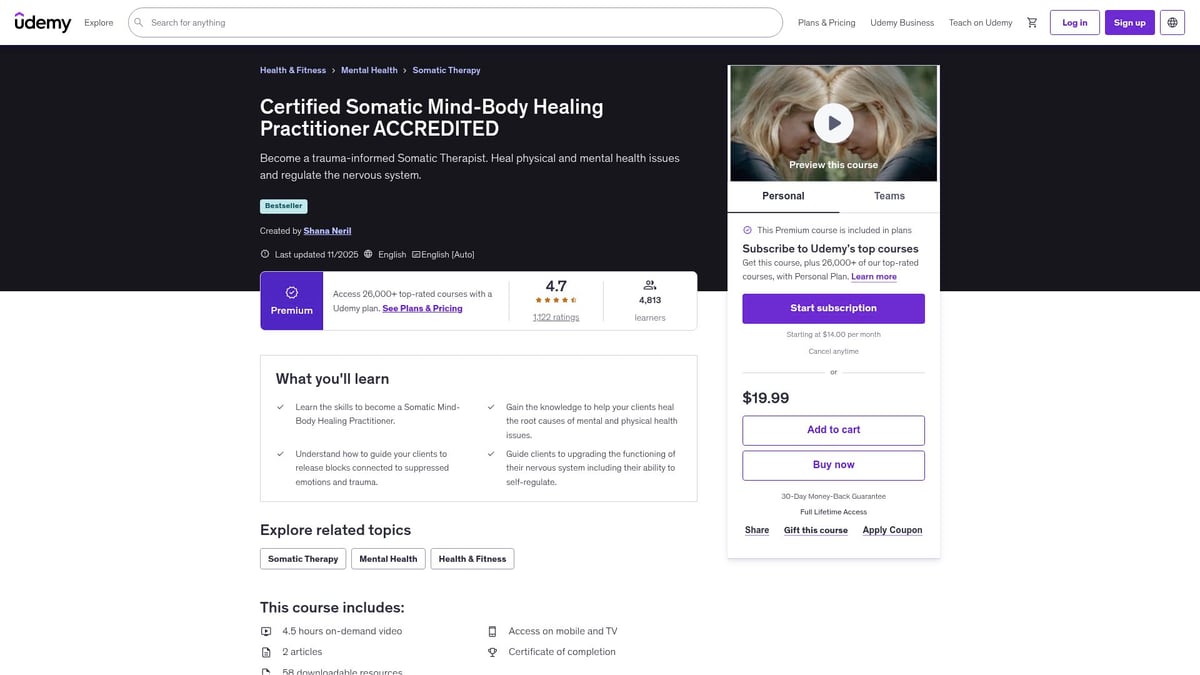
- Pricing: $19.99 (subject to discounts)
- Core features: Practical somatic tools, nervous system regulation, trauma-informed content
- Key benefits: Accredited, highly rated (4.7/5), hands-on exercises
- Target audience: Wellness professionals, therapists, trauma survivors
- Pros: Practical focus, comprehensive approach, flexible schedule
- Cons: Some background knowledge in mental health courses may be helpful
This course is ideal for learners seeking alternative approaches to mental wellbeing. It is especially beneficial for professionals and individuals interested in holistic healing.
Introduction to Trauma-Informed Care – Alison
Introduction to Trauma-Informed Care by Alison is a concise, accessible program for anyone interested in trauma-focused mental health courses. It covers the basics of trauma, its impact, and practical strategies for support and recovery.
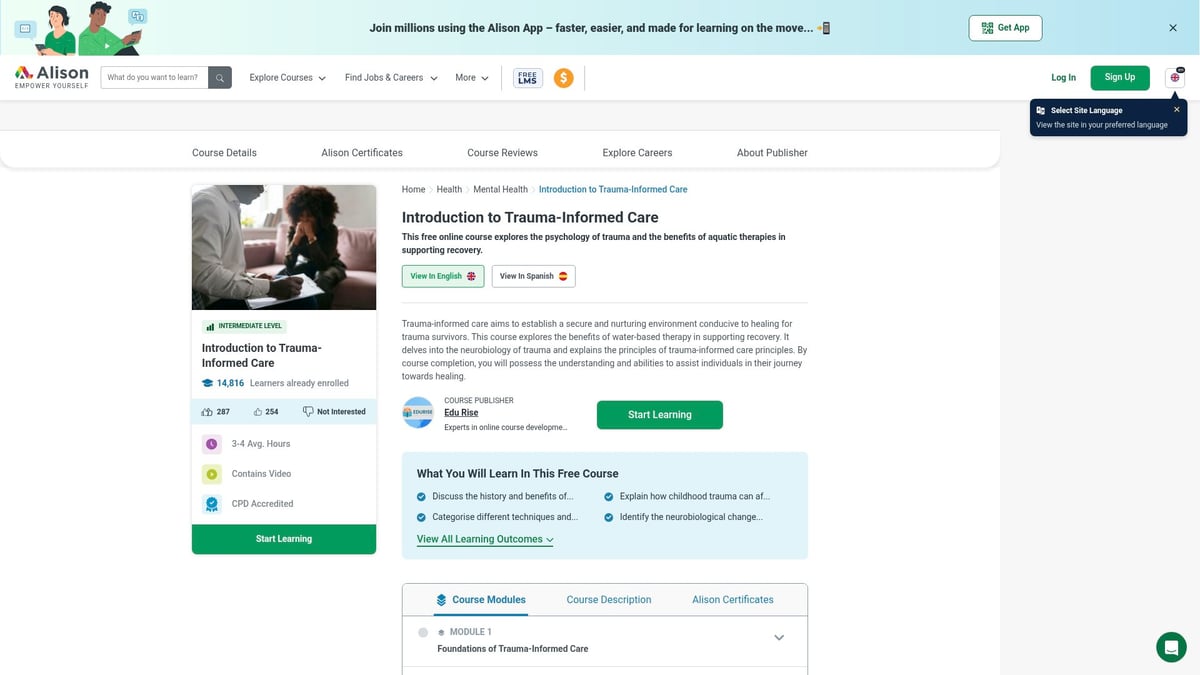
- Pricing: Free (certificate/diploma for a fee)
- Core features: Trauma impact overview, trauma-informed principles, recovery frameworks
- Key benefits: Accredited, beginner-friendly, 3–4 hour duration
- Target audience: Educators, social workers, healthcare professionals, community leaders
- Pros: Short, actionable content, recognized credential
- Cons: Narrow focus on trauma, less coverage of general mental health
This course is particularly useful for those working with trauma-affected populations, providing a foundation for further study in mental health courses.
Sound Healing Practitioner Level 1 and 2 – Udemy
Sound Healing Practitioner Level 1 and 2 is among the most innovative mental health courses, combining ancient techniques with modern science. Participants learn to use sound for stress relief, emotional regulation, and overall wellbeing.
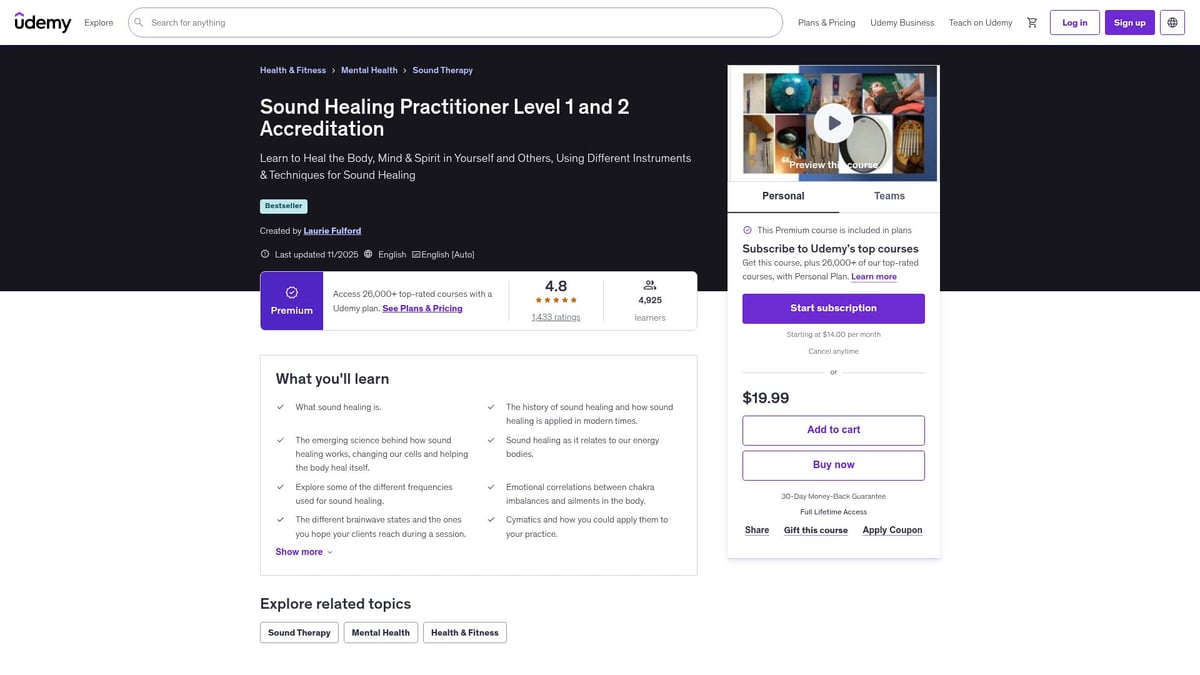
- Pricing: $19.99 (often discounted)
- Core features: 13 hours of video, 77 lectures, practical demonstrations
- Key benefits: Accredited, practical, highly rated (4.8/5)
- Target audience: Wellness practitioners, therapists, individuals seeking alternative therapies
- Pros: Hands-on, holistic, accessible
- Cons: May not appeal to those seeking strictly clinical mental health courses
This course is perfect for those interested in non-traditional, holistic approaches to mental health. It adds a creative dimension to your personal or professional toolkit.
Anger Management and Conflict Resolution – Alison
Anger Management and Conflict Resolution by Alison is a targeted program within the broader field of mental health courses. It teaches effective techniques for managing anger and resolving conflict in both professional and personal settings.
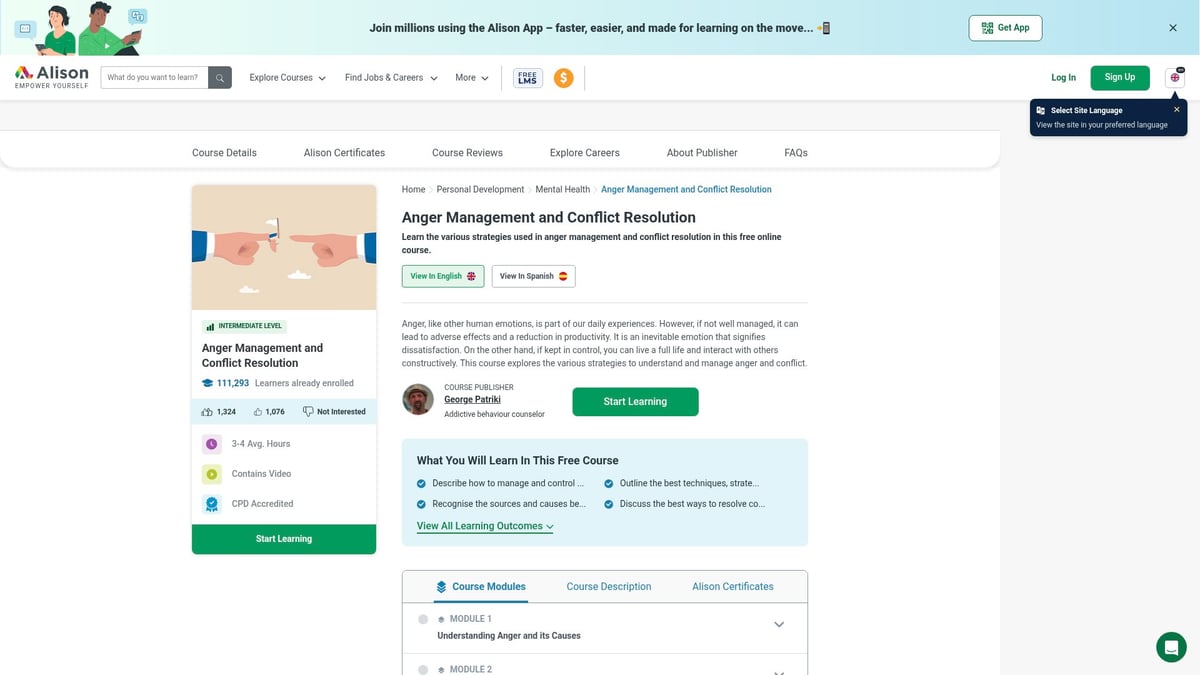
- Pricing: Free (certificate/diploma for a fee)
- Core features: Emotional regulation, conflict resolution, real-world scenarios
- Key benefits: Accredited, intermediate level, practical focus
- Target audience: Individuals with anger issues, HR professionals, educators
- Pros: Practical, recognized, scenario-based learning
- Cons: Narrow focus, less coverage of other mental health topics
This course is best suited for those who want targeted skills to improve emotional control and communication. It is a practical addition to any set of mental health courses.
How to Choose the Right Mental Health Course for You
Selecting the best mental health courses for your needs involves more than scanning a list of popular programs. It requires careful reflection on your goals, thorough evaluation of course quality, and a practical look at features and costs. With so many options available in 2026, a strategic approach ensures your investment leads to meaningful growth and wellbeing.
Assessing Your Personal and Professional Goals
Before enrolling in mental health courses, clarify what you hope to achieve. Are you seeking personal resilience, aiming for career advancement, or wanting to better support others? Define your primary motivation, as this shapes the type of course and content you need.
Consider your preferred learning style. Do you thrive in self-paced environments, or do you need live interaction for engagement? For example, HR professionals might benefit most from workplace-focused mental health courses that offer practical tools for team wellbeing.
Reflect on your current experience level. Some mental health courses cater to beginners, while others are tailored for advanced learners. Matching your background to course difficulty ensures a rewarding experience.
Evaluating Course Credibility and Instructor Expertise
Not all mental health courses are created equal. Prioritize programs with recognized accreditation and evidence-based content. Look for courses led by qualified professionals, such as licensed psychologists, certified therapists, or experienced trainers.
Research course reviews and ratings. Positive feedback from past participants often signals high-quality instruction and valuable outcomes. Data consistently shows that expert-led mental health courses deliver better satisfaction and learning retention.
Check instructor backgrounds to confirm their expertise aligns with your needs. Instructors with clinical or real-world experience in mental health bring practical insights that enrich your learning.
Comparing Course Features and Flexibility
Mental health courses vary widely in format, duration, and depth. Compare options based on:
- Length (short workshops vs. comprehensive modules)
- Level (beginner, intermediate, advanced)
- Access to resources (workbooks, discussion forums, ongoing support)
- Delivery style (self-paced, live, or hybrid)
Use a simple table to compare features:
| Feature | Alison Courses | Udemy Courses |
|---|---|---|
| Duration | 2–4 hours | 10–30+ hours |
| Accreditation | Yes | Some |
| Format | Self-paced | Self-paced |
| Support | Forums | Lifetime access |
Choosing mental health courses that match your schedule and learning preferences increases your likelihood of completing and applying the material.
Budgeting and Value for Investment
Budget plays a key role in selecting mental health courses. Compare free and paid options, considering what is included in each—such as certificates, access to expert support, or supplementary materials.
Free courses can be a strong starting point, especially if you want to explore a new topic before committing financially. Many platforms offer optional paid certificates for those needing proof of completion for professional purposes. If cost is a concern, explore Government-funded mental health training to find accessible or subsidized options that maintain high standards.
Weigh the long-term benefits. A well-chosen mental health course can enhance your career, improve your wellbeing, and empower you to make a positive impact on others.
Integrating Mental Health Learning Into Daily Life
Integrating mental health courses into daily routines transforms knowledge into meaningful change. The right approach helps you bridge the gap between theory and practice, ensuring you benefit both personally and professionally. By adopting strategies from top mental health courses, you can create lasting habits that support resilience, emotional wellbeing, and a healthier environment for everyone around you.
Applying Course Skills to Real-World Scenarios
The most valuable mental health courses focus on actionable skills you can use immediately. For example, practicing mindfulness or cognitive behavioral techniques each morning can help manage stress before it builds up. If you support others, courses in trauma-informed care provide frameworks for compassionate listening and safe communication.
A practical step is to integrate trauma-informed approaches in your workplace or classroom. This can be as simple as creating a safe space for open conversations or responding calmly to signs of distress. For deeper learning, explore Trauma-informed training online to gain specific tools for real-world support.
By consistently applying what you learn, mental health courses become part of your daily problem-solving toolkit, helping you and those around you thrive.
Building a Personal Wellbeing Toolkit
Taking multiple mental health courses allows you to develop a comprehensive set of self-care strategies. Consider combining techniques from cognitive behavioral therapy, mindfulness, and anger management to create a routine that fits your needs.
A personal wellbeing toolkit might include:
- Daily mindfulness or meditation sessions
- Using CBT worksheets to challenge negative thoughts
- Scheduling regular check-ins with a support network
- Practicing healthy communication techniques
Research indicates that ongoing education in mental health courses can lead to a 79 percent reduction in depression rates. By building your own toolkit, you empower yourself to handle life's challenges with greater confidence and resilience.
Fostering a Supportive Community and Ongoing Growth
Learning does not stop when a course ends. Many mental health courses offer access to peer forums, local groups, or online communities. Engaging with others who share your goals provides accountability, encouragement, and fresh perspectives.
Sharing your experiences and resources within these groups can also amplify the positive impact of your learning. In workplace settings, group initiatives inspired by mental health courses can reduce absenteeism and foster a culture of support. Recent mental health-related absenteeism statistics highlight the importance of ongoing education and community in sustaining productivity and wellbeing.
A strong community helps you stay motivated, learn from others, and continuously improve your mental health skills.
Staying Updated With the Latest in Mental Health Education
The field of mental health is evolving rapidly, with new research and best practices emerging every year. To maximize the benefits of mental health courses, make it a habit to stay informed.
Subscribe to newsletters, podcasts, or YouTube channels such as WMHI’s, and attend webinars or annual workshops. Many leading mental health courses update their content to reflect the latest findings, ensuring that your knowledge stays current.
By staying engaged with recent developments, you ensure your skills and understanding remain relevant, supporting your wellbeing and the wellbeing of those you care for.
The Future of Mental Health Courses: Trends to Watch in 2026
The landscape of mental health courses is evolving rapidly, driven by new technologies, workplace demands, and a growing focus on holistic wellbeing. As we look ahead to 2026, several key trends are set to shape how individuals and organizations approach mental health education. Let us explore what the future holds for mental health courses and how these innovations will impact learners worldwide.
Personalization and Adaptive Learning Technologies
In 2026, mental health courses are embracing personalization like never before. Artificial intelligence and machine learning now tailor course recommendations, content delivery, and even feedback to each learner’s unique needs and preferences.
For example, some platforms offer wellbeing assessments at the start, then suggest specific modules or resources based on the results. This adaptive approach ensures that users receive relevant, actionable guidance, maximizing both engagement and outcomes. Personalized learning paths make mental health courses more effective, helping individuals build skills at their own pace and comfort level.
Integration of Mental Health Into Corporate Training
Companies worldwide are recognizing the value of integrating mental health courses into mandatory training programs. These initiatives are not just about compliance but about fostering healthy, productive workplaces. Organizations now require managers and employees to complete modules focused on stress management, resilience, and communication.
The impact is significant. Businesses that prioritize mental health training see measurable improvements in productivity and retention. According to recent insights on mental health issues and workplace productivity, organizations that invest in mental health courses report lower absenteeism and greater employee satisfaction. This trend is expected to intensify in 2026 as more companies make mental health education a core part of their culture.
Expansion of Holistic and Alternative Approaches
A growing number of mental health courses are expanding beyond traditional models to include holistic and alternative approaches. Practices such as somatic therapy, mindfulness, and sound healing are gaining mainstream acceptance.
Learners are now seeking programs that address both mind and body, integrating techniques for emotional regulation, physical wellbeing, and stress reduction. This shift reflects a broader understanding that mental wellness is deeply connected to lifestyle, environment, and individual experiences. As a result, mental health courses in 2026 will offer more options for those looking to explore non-traditional paths to wellbeing.
Increased Accessibility and Global Reach
Accessibility is at the forefront of the future of mental health courses. Leading providers are offering content in multiple languages and adapting materials for different cultures and backgrounds. Online platforms break down geographical barriers, making expert-led courses available to anyone with an internet connection.
This global reach ensures that mental health education is no longer limited to certain regions or demographics. Learners from around the world can access high-quality mental health courses designed to meet their specific needs. As technology continues to advance, expect even greater inclusivity and flexibility in course delivery.
As you explore these top mental health courses for 2026, remember that taking the first step toward wellbeing is often the most important one. Whether you are looking to enhance your own resilience, support your team, or bring positive change to your workplace, these programs offer practical tools and expert guidance tailored to your needs. Investing in your mental health today can lead to reduced stress, improved performance, and a more supportive environment for everyone around you. If you are ready to discover which course fits your goals and how Workplace Mental Health Institute can help, Find Out More.

