
Mental wealth is rapidly emerging as a defining concept, as global challenges place greater pressure on our collective wellbeing. With rising mental health concerns and shifting economic realities, individuals and organizations are seeking fresh, actionable approaches for building resilience and thriving.
This guide will clarify what mental wealth truly means, why it is more vital than ever, and offer step-by-step strategies for growth. You will discover its origins, the pillars that support it, how it can be measured, and the profound impact it can have in the workplace.
Are you ready to future-proof your wellbeing and unlock new opportunities for success? Dive in and start building your mental wealth today.
Understanding Mental Wealth: Definition and Evolution
The concept of mental wealth is reshaping how society defines prosperity now. Unlike traditional views that focus solely on individual mental health, mental wealth expands the conversation. It includes the collective assets and resources that help communities and nations flourish. This shift is prompting governments, organizations, and individuals to rethink what it means to truly thrive.

The Shift from Mental Health to Mental Wealth
Mental health has long been defined as the absence of illness, focusing on diagnosing and treating disorders. In contrast, mental wealth is a proactive, collective approach. It emphasizes thriving, not just surviving. The origins of this concept trace back to the UK Foresight Project and the Mental Wealth Initiative. These efforts highlighted the importance of social infrastructure, community assets, and shared resources.
COVID-19 accelerated the shift in perspective. The pandemic revealed that economic stability alone does not guarantee resilience. Communities with strong social ties and support systems fared better during global disruptions. As a result, mental wealth now measures the value generated by collective mental assets and social structures.
Nations like Australia and the UK are leading the way in measuring mental wealth. They use new frameworks to quantify the impact of volunteering, caregiving, and civic participation. Traditional indicators like GDP fall short because they ignore these vital contributions. Mental wealth is gaining recognition as a more comprehensive metric for national prosperity. For a deeper exploration of the definition and significance, see the Mental Wealth definition and significance.
Key Components of Mental Wealth
Mental wealth is built on three main pillars: mental capital, mental wellbeing, and social capital. Mental capital refers to cognitive and emotional resources, such as problem-solving skills and emotional intelligence. Mental wellbeing is the ability to develop potential, work productively, build relationships, and contribute to the community.
Social capital is equally crucial. It describes the networks, trust, and participation that connect people within society. Together, these elements form the foundation of mental wealth, integrating economic, social, and psychological factors.
For example, acts of volunteerism, unpaid care, and community engagement all add measurable value to mental wealth. When individuals participate in local initiatives or support neighbors, they strengthen the social fabric. This integration of personal and collective assets ensures that mental wealth supports both individual fulfillment and societal resilience.
The Pillars of Mental Wealth
Building mental wealth requires a holistic approach. Four key pillars support this concept, each strengthening our ability to thrive as individuals, organizations, and societies. By understanding and investing in these pillars, we can unlock true prosperity and resilience.

Personal Mental Capital and Wellbeing
Personal mental capital forms the foundation of mental wealth. This pillar includes cognitive abilities, emotional intelligence, and adaptability. Lifelong learning and a growth mindset are vital as the pace of change accelerates.
Effective self-care practices such as sleep, nutrition, exercise, and mindfulness have measurable impacts. For example, regular mindfulness can reduce depression rates by up to 79 percent. Emotional regulation and resilience skills help individuals navigate uncertainty and stress.
Investing in personal development not only benefits individuals but also contributes to collective mental wealth. According to the Mental capital and well-being report, these resources increase productivity and support societal wellbeing.
Social Capital and Community Engagement
Strong social networks and community bonds are essential for mental wealth. Social capital is built through trust, reciprocity, and active participation in community groups or volunteering.
During the COVID 19 pandemic, community initiatives played a crucial role in boosting collective resilience. Acts of volunteerism and civil participation are now recognized as major contributors to national mental wealth metrics.
Engaging with others, whether through local neighborhood projects or digital communities, fosters a sense of belonging. Social support systems buffer individuals and groups against adversity, helping societies thrive.
Economic and Structural Supports
Economic and structural supports underpin mental wealth at a societal level. Investment from governments and non government organizations in social infrastructure, mental health services, and education is critical.
Policies promoting inclusion, diversity, and psychological safety ensure that everyone has access to opportunities and support. Large scale stimulus packages, such as those from the IMF and World Bank, have served as buffers against mental health declines during economic disruptions.
When societies value unpaid care, volunteer work, and civic engagement, they expand the definition of prosperity. Mental wealth increases when these contributions are measured and supported alongside traditional economic indicators.
Workplace Wellbeing and Organizational Resilience
Organizations play a pivotal role in cultivating mental wealth. Workplaces that prioritize psychosocial safety, flexible work arrangements, and supportive leadership see measurable benefits.
Companies that implement mental health programs report up to a 33 percent reduction in absenteeism. Building a culture of openness and psychological safety encourages employees to seek help and support one another.
Training leaders in resilience and trauma informed care further strengthens organizational mental wealth. By investing in employee wellbeing, organizations not only reduce costs but also boost innovation and productivity.
Measuring and Modeling Mental Wealth
Understanding how to measure and model mental wealth is essential for individuals, organizations, and nations aiming to thrive. As the world shifts toward valuing wellbeing and resilience, reliable metrics are needed to capture the full spectrum of mental wealth—beyond traditional financial indicators. Let’s explore why measurement matters, how it’s evolving, and the challenges that lie ahead.

Why Measuring Mental Wealth Matters
Measuring mental wealth is more than a trend—it is a necessity for modern societies. As mental wealth encompasses cognitive, emotional, and social assets, having accurate metrics enables leaders to make informed policy and investment decisions. Without measurement, it becomes impossible to track progress, allocate resources, or hold organizations accountable for wellbeing outcomes.
Governments and organizations are increasingly recognizing that mental wealth is a vital driver of national prosperity. By quantifying mental wealth, they can benchmark progress, identify areas for improvement, and ensure that social and psychological assets are valued alongside economic growth.
For example, traditional metrics like GDP fail to capture the true value of social connection, resilience, and community engagement. Mental wealth offers a broader lens, encouraging a shift toward holistic prosperity. This mindset helps prioritize initiatives that enhance individual capabilities and collective wellbeing, making measurement a cornerstone of strategic planning.
Current Approaches and Metrics
The measurement of mental wealth draws on a variety of innovative approaches. One common method is the monetization of social contributions, such as volunteerism, unpaid care, and community engagement. These activities, often overlooked in economic statistics, are now being assigned tangible value within mental wealth frameworks.
Non-market valuation techniques help estimate the worth of psychological and social assets. Composite indexes aggregate multiple indicators—like mental health, education, and civic participation—to provide a snapshot of mental wealth at the national or organizational level. However, these indexes can oversimplify complex realities.
Systems modeling offers a dynamic alternative, simulating how changes in policy or investment affect mental wealth outcomes over time. The Mental Wealth Initiative, for instance, uses advanced simulation models to guide policymakers. For a deeper dive into how these frameworks are evolving in response to technological and social change, see Mental Wealth in the Age of Intelligence.
Table: Comparison of Mental Wealth Measurement Methods
| Method | Strengths | Limitations |
|---|---|---|
| Monetization | Assigns value to social assets | Can be subjective |
| Composite Indexes | Easy benchmarking | May overlook nuances |
| Systems Modeling | Dynamic, scenario-based | Data-intensive, complex |
Each approach contributes to a more complete understanding of mental wealth, supporting evidence-based decision-making at every level.
Challenges and Innovations in Measurement
Despite progress, measuring mental wealth presents significant challenges. Integrating diverse data sources—health, economic, and social—requires robust systems and collaboration across sectors. The absence of standardized tools means that comparisons between countries or organizations are often difficult.
Open-access and transparent models are urgently needed to foster trust and accelerate adoption. Institutions like the University of Sydney’s Brain and Mind Centre are developing new frameworks to address these gaps, focusing on inclusivity and real-world applicability.
Innovations in digital data collection, artificial intelligence, and participatory research are helping to bridge these divides. As mental wealth becomes a central metric for prosperity, ongoing investment in measurement tools will be essential for tracking progress and ensuring that no one is left behind.
Practical Strategies to Build Mental Wealth: A Step-by-Step Guide
Building mental wealth is not a passive process. It demands intentional actions and a clear roadmap. By following evidence-based steps, individuals and organizations can unlock new levels of wellbeing, resilience, and collective prosperity. This step-by-step guide offers practical strategies to help you grow your mental wealth.
Step 1: Cultivate Personal Mental Capital
The foundation of mental wealth begins with strengthening your own cognitive and emotional resources. Prioritize emotional regulation, critical thinking, and adaptability through daily habits. Embrace lifelong learning by exploring new skills, reading, or enrolling in online courses.
Self-care routines are essential. Aim for restorative sleep, nutritious meals, and regular physical activity. Mindfulness practices, such as meditation or breathing exercises, can significantly boost your mental capital. In fact, studies show that consistent mindfulness can reduce depression rates by up to 79 percent.
Try journaling each morning to clarify goals and reflect on growth. For deeper insight into how mental health and wealth are intrinsically linked, explore Mental Health Is Wealth. By investing in yourself, you lay the groundwork for sustainable mental wealth.
Step 2: Strengthen Social Connections
Social bonds are a powerful driver of mental wealth. Participate in local community groups, volunteer organizations, or digital communities to expand your network. Building trust and reciprocity within these groups fosters a sense of belonging and collective wellbeing.
Support others through peer mentoring or by joining mutual aid initiatives. Even small acts of kindness, like checking in on a neighbor or offering encouragement, contribute to a more resilient community.
Diverse relationships matter. Seek out conversations with people from different backgrounds or generations. These connections provide fresh perspectives and reinforce the social capital essential to mental wealth.
Step 3: Advocate for and Utilize Structural Supports
Access to strong structural supports is critical for building mental wealth. Make use of available mental health services, such as counseling, helplines, or online support platforms. Stay informed about government-funded programs that promote wellbeing and community engagement.
Get involved in civic participation, whether by voting, attending local forums, or supporting initiatives that invest in social infrastructure. Advocacy amplifies your voice and can lead to positive policy changes.
When you support organizations that champion mental health and inclusion, you contribute to the broader ecosystem of mental wealth. Remember, collective action shapes the environment in which everyone thrives.
Step 4: Enhance Workplace Mental Wealth
Workplaces are central to mental wealth. Seek employers that prioritize psychosocial safety, flexible work arrangements, and open communication. Advocate for mental health training, resilience programs, and supportive leadership.
Participate in workplace initiatives that encourage mental wellbeing, such as peer support groups, wellness challenges, or trauma-informed care workshops. These programs have been shown to reduce absenteeism by up to 33 percent and foster organizational resilience.
If you are in a leadership position, champion policies that make psychological safety a core value. Every step taken in the workplace can significantly impact collective mental wealth.
Step 5: Monitor and Reflect on Progress
Sustaining mental wealth requires ongoing reflection and adjustment. Use self-assessment tools, wellbeing trackers, or regular mental health check-ins to measure your progress. Set achievable goals for personal and organizational growth, and celebrate milestones along the way.
Solicit feedback from peers, colleagues, or mentors to gain new insights. Adjust your strategies as needed, staying flexible and proactive in your approach.
By making reflection a habit, you ensure that your journey toward mental wealth remains dynamic and effective. This ongoing process empowers both individuals and communities to flourish.
The Role of Organizations in Advancing Mental Wealth
Organizations play a pivotal role in shaping mental wealth across entire communities. As we move, businesses and institutions are increasingly expected to foster environments that go beyond traditional mental health support. Instead, the focus is now on building collective capacity, resilience, and sustainable wellbeing for all staff.
Creating a culture that prioritizes mental wealth is no longer optional. It is essential for attracting and retaining top talent, reducing costly absenteeism, and driving innovation. The most successful organizations recognize that investing in mental wealth delivers measurable returns for both individuals and the wider business.
Organizational Strategies for Building Mental Wealth
To advance mental wealth, organizations must adopt a multi-layered approach. This begins with evidence-based mental health training for leaders and staff. Training equips teams to recognize early signs of distress, respond effectively, and support proactive wellbeing.
A foundation of psychological safety is critical. When employees feel safe to express concerns, share ideas, and admit mistakes without fear, trust flourishes. Organizations can learn more about Building Psychological Safety as a core element of mental wealth.
Resilience programs and regular wellbeing assessments are also vital. These initiatives help staff manage stress, adapt to change, and build collective strengths. Companies that invest in mental wealth often see up to a 50% reduction in psychological injury claims, demonstrating the tangible benefits of these strategies.
Open communication, access to support resources, and a commitment to inclusion further reinforce a mentally wealthy workplace. By embedding these principles, organizations create a thriving environment where everyone can contribute their best.
How Workplace Mental Health Institute Supports Organizational Mental Wealth
The Workplace Mental Health Institute (WMHI) leads the way in supporting organizational mental wealth through psychologist-led, evidence-based training and consultancy. WMHI offers a comprehensive suite of programs for leaders and employees, including resilience building, trauma-informed care, and tailored wellbeing strategies.
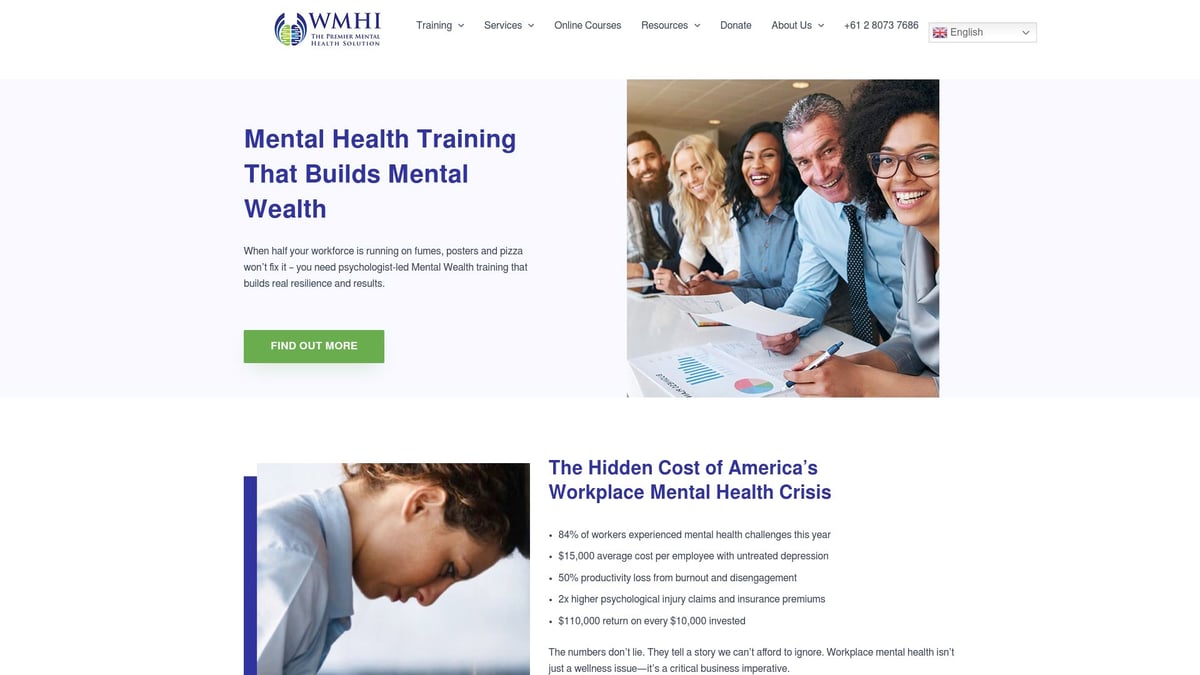
With a global reach, WMHI customizes solutions for diverse industries, ensuring programs are practical, skills-focused, and strengths-based. This approach delivers immediate impact, equipping teams with tools to foster lasting mental wealth.
Organizations partnering with WMHI report impressive results. For example, there are documented reductions in absenteeism and depression rates, alongside up to a 282% increase in positive wellbeing measures. These outcomes highlight the power of targeted mental wealth initiatives.
By investing in WMHI’s services, organizations not only meet the demands but set a benchmark for sustainable success. Prioritizing mental wealth creates a workplace where every individual can flourish, driving collective resilience and long-term prosperity.
Future Trends and Opportunities in Mental Wealth
The landscape of mental wealth is rapidly evolving, shaped by technology, policy innovation, and changing social priorities. As we look now and beyond, understanding these future trends is essential for individuals, organizations, and societies aiming to thrive.
The Digital Transformation of Mental Wealth
Technology is redefining how mental wealth is built and maintained. Telehealth, AI-driven wellbeing platforms, and digital communities are making support more accessible, especially for remote or underserved populations. The rise of online mental health courses and virtual support networks enables people to develop skills and resilience wherever they are.
However, this digital transformation brings challenges such as privacy concerns and digital overload. To maximize the benefits, organizations are adopting strategies to balance innovation with human connection. For actionable ideas on leveraging technology for workplace wellbeing, explore Boost Your Team’s Mental Health.
Policy and Societal Shifts
Governments and global organizations are increasingly recognizing mental wealth as a cornerstone of national prosperity. The movement toward wellbeing economies is prompting the inclusion of mental wealth metrics in policy and national accounts. International collaborations, such as those initiated by the WHO and the Mental Wealth Initiative, are driving knowledge sharing and best practices.
Research highlights the importance of integrating cognitive and emotional resources into societal wellbeing. For a deeper dive into the neurological and societal aspects, see Mental Wealth and Societal Well-Being.
The Expanding Role of Workplaces and Communities
Workplaces and communities are embracing new roles in fostering mental wealth. The shift to hybrid and remote work has created both challenges and opportunities for connection and support. Cross-sector partnerships are emerging, uniting businesses, nonprofits, and governments to promote collective resilience.
Community-based initiatives, such as local mental health programs and civic engagement projects, are proving vital for building social capital. As organizations invest in employee wellbeing, they are helping to create environments where mental wealth can flourish.
Opportunities for Individuals and Leaders
Individuals and leaders have unprecedented opportunities to shape the future of mental wealth. Education, advocacy, and proactive engagement are key tools for driving positive change. By participating in mental health training, advocating for supportive policies, or leading community projects, people can make a real impact.
Personal stories of leaders who champion mental wealth in their organizations or communities inspire others to take action. The journey toward greater mental wealth is ongoing, but collective efforts today are paving the way for a healthier, more resilient tomorrow.
As we look ahead, building mental wealth is about more than just wellbeing—it’s about creating lasting value for yourself and your workplace. By focusing on practical actions, fostering supportive environments, and embracing innovative strategies, you can help drive real change in your organization and beyond. If you’re ready to take the next step and discover how expert guidance and tailored training can make a measurable difference, I encourage you to Find Out More about the Workplace Mental Health Institute’s proven programs and start your journey toward a healthier, more resilient future.

