
The spotlight on mental and emotional wellness has never been brighter, with global surveys showing a significant rise in people prioritizing their inner health. Navigating modern life means balancing daily stress, relationships, and personal growth, all of which are deeply tied to mental and emotional wellness. This comprehensive guide will help you understand what mental and emotional wellness truly means and offer practical ways to achieve lasting balance. Explore essential pillars, proven strategies, workplace solutions, technology’s impact, and future trends. Ready to unlock greater focus, resilience, and satisfaction? Let’s take the first step together.
Understanding Mental and Emotional Wellness
Mental and emotional wellness is a cornerstone of a fulfilling life. In today’s interconnected world, these dimensions are no longer optional but essential for thriving. Understanding what they mean and their impact is the first step toward a healthier, more balanced existence.

Defining Mental and Emotional Wellness
Mental and emotional wellness are multidimensional concepts that encompass thoughts, feelings, and behaviors. While mental health focuses on cognitive processes, emotional health emphasizes the ability to manage and express emotions. These aspects often overlap, influencing how people handle stress and make decisions.
According to the World Health Organization, mental and emotional wellness involves a state of well-being in which individuals realize their abilities, cope with normal stresses, and contribute to their communities. Across cultures, wellness is increasingly recognized as vital for life satisfaction and personal growth.
The State of Mental Health in 2025
Mental and emotional wellness is a vital component of overall health and wellbeing. Mental health challenges affect millions of people worldwide, while everyday pressures, personal responsibilities, workplace demands, and unexpected life events can contribute to stress and emotional difficulties. Understanding and supporting mental and emotional wellbeing can help individuals build resilience, maintain healthy relationships, and improve their quality of life.
Notably, there is growing awareness and a reduction in stigma around discussing mental health. For up-to-date data and a deeper analysis of these trends, explore mental health statistics and trends.
Common Challenges and Barriers
Despite progress, numerous challenges persist in achieving mental and emotional wellness. Stigma and misconceptions often prevent people from seeking help. Access to quality resources remains uneven, with affordability and availability posing significant obstacles.
Cultural and demographic disparities further complicate the landscape. For example, underdiagnosis in marginalized populations and rural areas is still a pressing issue. Overcoming these barriers requires targeted education and systemic change.
The Benefits of Prioritizing Wellness
Prioritizing mental and emotional wellness delivers measurable benefits. Individuals who focus on their wellbeing report improved productivity, stronger relationships, and better physical health. Organizations embracing wellness see reductions in absenteeism and healthcare costs, alongside increased engagement.
Studies also indicate that investing in wellness can extend life expectancy and enhance overall quality of life. By making mental and emotional wellness a priority, both individuals and communities can unlock their full potential.
The Pillars of Mental and Emotional Wellness
Achieving mental and emotional wellness requires a strong foundation built on essential pillars. Each pillar supports different aspects of wellbeing and together, they help individuals thrive in today’s fast-paced world. By understanding and reinforcing these six pillars, you can create a resilient framework for lasting wellness.

Self-Awareness and Mindfulness
Self-awareness is the cornerstone of mental and emotional wellness. It involves recognizing your thoughts, emotions, and behaviors without judgment. Mindfulness, the practice of staying present, enhances self-awareness and reduces stress.
Common mindfulness techniques include meditation, deep breathing, and journaling. Research shows that mindfulness can lower stress levels by up to 30 percent. For those seeking guidance, Mindfulness at work strategies offer practical tools for integrating mindfulness into daily routines.
By making self-reflection a habit, individuals can better understand their needs, triggers, and values, setting the stage for lasting wellness.
Emotional Regulation and Resilience
Emotional regulation means managing your responses to challenging situations. It is vital for mental and emotional wellness, helping you maintain balance during adversity. Techniques like cognitive behavioral therapy (CBT) and dialectical behavior therapy (DBT) offer practical ways to control overwhelming emotions.
Building resilience is about bouncing back from setbacks. Resilience training in workplaces has led to improved morale and reduced absenteeism. Simple strategies include naming your emotions, practicing acceptance, and seeking constructive feedback.
When you develop resilience, you become better equipped to face life’s uncertainties with confidence and stability.
Social Connection and Support Systems
Strong social connections are essential for mental and emotional wellness. Support from friends, family, and peers provides comfort, encouragement, and a sense of belonging.
Loneliness, on the other hand, is a significant health risk. Studies link social isolation to increased rates of depression and anxiety. Both digital and in-person interactions play important roles, but in-person support often has a deeper impact.
Building a reliable support network can help you navigate stress, celebrate achievements, and maintain overall wellbeing.
Physical Health and Lifestyle Habits
Physical health is deeply intertwined with mental and emotional wellness. Habits like regular exercise, balanced nutrition, and sufficient sleep form the foundation for strong mental health.
Evidence shows that physical activity can lower the risk of depression by 26 percent. Integrative approaches, such as combining yoga with nutrition therapy, further boost results.
Prioritizing these habits helps stabilize mood, increase energy, and improve cognitive function, making it easier to handle daily challenges.
Purpose, Meaning, and Values
Having a clear sense of purpose is a key driver of mental and emotional wellness. When you engage in meaningful work, hobbies, or volunteering, you nurture your sense of value and direction.
Research links a strong sense of purpose to lower anxiety and depression rates. Reflect on your values and passions, and seek activities that align with them.
Living purposefully not only enhances your mood but also motivates you to overcome obstacles and grow.
Professional Support and Therapy
Professional support is a vital resource for maintaining mental and emotional wellness. Therapists, counselors, and psychologists offer evidence-based treatments tailored to individual needs.
Knowing when to seek help is crucial. Therapy has high success rates, especially when started early. Options include talk therapy, cognitive therapies, and group counseling.
Accessing professional support breaks down barriers and empowers you to take control of your mental health journey.
Proven Strategies for Enhancing Wellness
Achieving mental and emotional wellness in 2025 requires practical steps you can apply daily. By breaking down proven strategies into actionable routines, you can build resilience, foster positivity, and create lasting change. Let us explore seven essential steps to elevate your mental and emotional wellness journey.

Step 1: Building Daily Wellness Routines
Establishing consistent routines forms the backbone of mental and emotional wellness. Begin your day with mindful practices, such as meditation or deep breathing, to set a positive tone.
In the evening, unwind with activities like journaling or reflecting on moments of gratitude. Habit stacking, where you tie new wellness habits to existing ones, boosts consistency. For example:
- Pair morning stretches with affirmations.
- Reflect on three things you are grateful for before bed.
- Track your mood in a journal each night.
These simple yet powerful rituals support clarity and resilience.
Step 2: Mastering Stress Management
Managing stress is essential for sustaining mental and emotional wellness. Start by identifying your unique stress triggers, whether they stem from work, relationships, or personal expectations.
Practice relaxation techniques, such as progressive muscle relaxation or guided breathing, to lower tension quickly. Research shows that effective stress management can reduce workplace burnout by up to 40 percent.
Use these strategies regularly to prevent overwhelm:
- Schedule short breaks during your day.
- Practice visualization to calm your mind.
- Listen to calming music or nature sounds.
Small changes make a significant impact.
Step 3: Cultivating Positive Thinking and Gratitude
A positive mindset is a key driver of mental and emotional wellness. Cognitive reframing helps you challenge negative thoughts and replace them with constructive alternatives.
Gratitude journaling, where you record positive experiences, has been shown to enhance emotional health and resilience. Try these approaches:
- Write down three things you appreciate each day.
- Use positive self-talk to boost your confidence.
- Engage in random acts of kindness.
Positive psychology interventions can transform your outlook and foster lasting happiness.
Step 4: Strengthening Relationships and Communication
Strong relationships are vital for mental and emotional wellness. Active listening, empathy, and healthy boundaries nurture deeper connections.
Social support acts as a protective buffer against depression and anxiety. For guidance on discussing mental health with loved ones, explore mental health and wellbeing conversations.
Consider these strategies:
- Schedule regular catch-ups with friends or family.
- Join community groups or support networks.
- Practice open, honest communication.
Building a supportive network strengthens your overall wellbeing.
Step 5: Setting Goals and Tracking Progress
Goal setting is a powerful motivator for mental and emotional wellness. Use the SMART method (Specific, Measurable, Achievable, Relevant, Time-bound) to ensure your goals are realistic and actionable.
Leverage digital tools like habit trackers or mood journals to monitor your progress. This approach helps you celebrate small wins and adjust strategies as needed.
Examples include:
- Setting a goal to exercise three times a week.
- Logging sleep patterns to improve rest.
- Tracking daily mood to identify trends.
Consistent tracking empowers you to stay on course.
Step 6: Seeking Help When Needed
Recognizing when to seek support is crucial for mental and emotional wellness. Be aware of warning signs, such as persistent sadness, fatigue, or withdrawal from activities.
Reaching out to professionals, helplines, or support groups can provide valuable guidance. Remember, seeking help is a sign of strength, not weakness.
To reduce barriers:
- Research local mental health resources.
- Prepare questions before appointments.
- Enlist a trusted friend for support.
Early intervention leads to better outcomes and sustained wellness.
Step 7: Maintaining Momentum and Preventing Relapse
Sustaining mental and emotional wellness is a lifelong process. Build resilience by anticipating setbacks and creating a supportive environment.
Develop long-term strategies, such as regular check-ins with yourself and loved ones. Celebrate progress, no matter how small, to stay motivated.
Consider these practices:
- Schedule periodic self-assessments.
- Adjust routines as life circumstances change.
- Seek ongoing learning through workshops or reading.
With commitment and self-compassion, you can maintain momentum and prevent relapse.
Mental and Emotional Wellness in the Workplace
Promoting mental and emotional wellness in the workplace is essential for both individual and organizational success. As work environments evolve, employees face mounting challenges that can impact their overall well-being. Employers and staff alike must recognize the significance of prioritizing mental and emotional wellness throughout all levels of the workplace.
The Impact of Work on Mental Health
Work-related stressors such as heavy workloads, remote work challenges, and job insecurity contribute significantly to mental and emotional wellness issues for employees. Recent Forbes Health mental health statistics reveal that nearly 60% of employees report experiencing mental health challenges at work.
Burnout remains a persistent concern, leading to decreased productivity and higher turnover rates. When mental and emotional wellness is neglected, organizations may face increased absenteeism and reduced morale. Recognizing these risks is the first step toward meaningful change in workplace culture.
Creating a Supportive Work Environment
Building a supportive environment is crucial for fostering mental and emotional wellness. Policies that prioritize psychological safety, such as open communication and anti-stigma initiatives, can make a significant difference. Flexible work arrangements and mental health days support employees in managing stress.
Some companies have implemented comprehensive wellness programs, offering resources like workshops, counseling, and peer support groups. These initiatives create a culture where mental and emotional wellness is valued, resulting in improved employee satisfaction and retention.
Workplace Mental Health Institute: Empowering Workplace Wellness
The Workplace Mental Health Institute (WMHI) delivers psychologist-designed programs that address mental and emotional wellness at organizational levels. Their evidence-based training has led to measurable reductions in absenteeism, depression, and psychological injury claims.
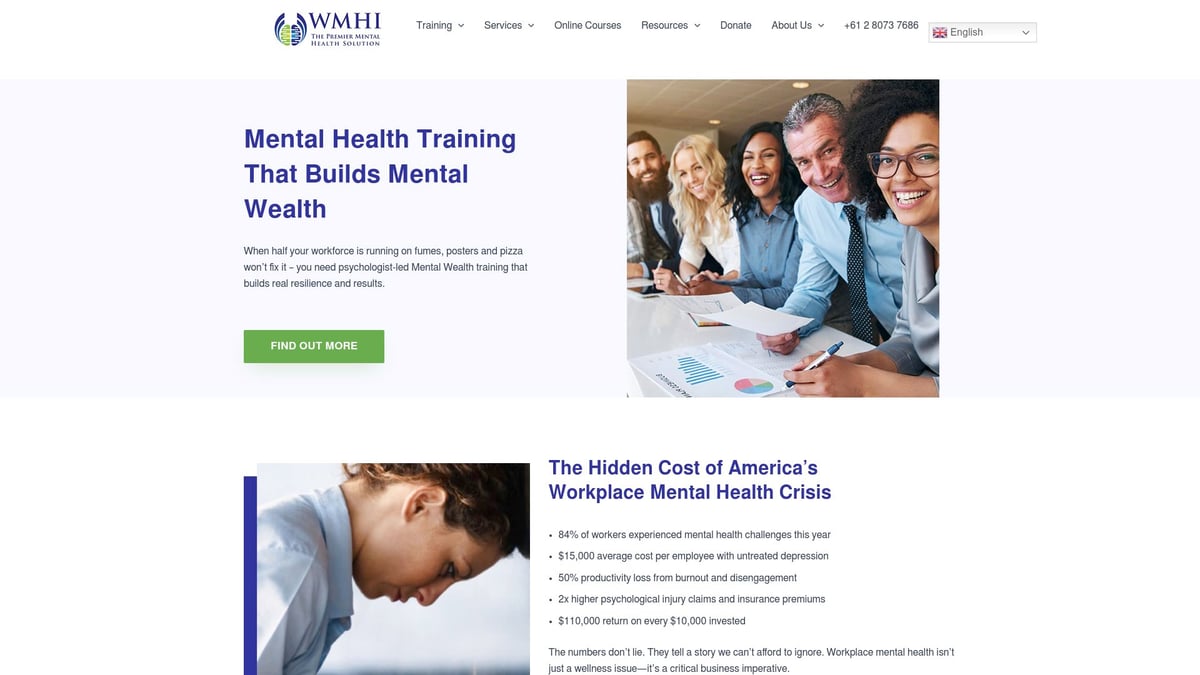
WMHI offers customizable solutions for leaders, managers, and employees, tailored to various industries worldwide. Their positive, strengths-based approach empowers workplaces to cultivate lasting mental and emotional wellness, supporting both performance and employee well-being.
Employee Self-Care and Advocacy
Encouraging employees to practice self-care is a cornerstone of mental and emotional wellness in any organization. Providing access to resources such as Employee Assistance Programs and designated mental health days allows staff to prioritize their needs.
Empowering employees to set boundaries and advocate for their mental and emotional wellness not only benefits individuals but also strengthens the entire workplace. When staff feel supported, they are more engaged, resilient, and productive.
The Role of Technology in Mental and Emotional Wellness
Technology is rapidly transforming how people approach mental and emotional wellness. Digital tools now support millions with stress, anxiety, and daily mental health needs. As innovation accelerates, understanding the benefits, limitations, and best practices of tech-driven wellness is essential for everyone seeking holistic balance.
Digital Mental Health Tools and Apps
Digital apps have become central to mental and emotional wellness routines. Leading platforms offer guided meditation, cognitive behavioral therapy exercises, and habit tracking. Popular examples include Headspace, Calm, and Moodfit, each designed to help users monitor their wellbeing and manage stress.
The surge in app adoption, with usage rising by 30% after the pandemic, highlights growing trust in digital support. These tools provide accessible, affordable care, though not all are clinically validated. According to the CDC mental health fast facts, millions now rely on digital resources to supplement traditional care. When choosing an app, look for science-backed features and robust privacy standards.
Teletherapy and Online Support
Teletherapy has revolutionized access to mental and emotional wellness services. Video counseling and chat-based platforms connect clients with licensed professionals, regardless of location. This is especially valuable for rural or remote users who might otherwise face long waits or travel barriers.
Privacy remains a top concern, but most reputable providers use encrypted communication and strict confidentiality policies. The effectiveness of online therapy continues to improve, with research showing outcomes comparable to in-person sessions for many conditions. Teletherapy empowers individuals to seek timely support, making mental and emotional wellness care more inclusive and flexible.
Wearables and Biofeedback
Wearable devices are now integrated into mental and emotional wellness strategies. Smartwatches and fitness bands track heart rate variability, sleep patterns, and stress levels in real time. Some even offer biofeedback features, prompting users to breathe deeply or relax when stress is detected.
For example, devices like the Apple Watch monitor both physical and emotional metrics, enabling early intervention. Biofeedback technology can help users recognize and manage stress, supporting proactive mental and emotional wellness. As these tools evolve, they offer more personalized insights for users aiming to improve their wellbeing.
Navigating Digital Overload
While technology supports mental and emotional wellness, overuse can lead to digital overload. Excessive screen time, constant notifications, and endless scrolling may increase anxiety and disrupt sleep. Setting healthy tech boundaries is vital for balance.
Practical strategies include scheduled “digital detox” periods, disabling non-essential notifications, and prioritizing in-person connections. Research shows that intentional breaks from devices can restore mental clarity and boost mood. By using technology mindfully, individuals can maximize its benefits for mental and emotional wellness while minimizing risks.
Future Trends and Innovations in Mental and Emotional Wellness
The landscape of mental and emotional wellness is rapidly evolving. Advances in technology, holistic care models, and global advocacy are redefining how individuals and organizations approach well-being. As we look ahead, several key trends are set to shape the future of mental and emotional wellness.
Personalization and AI in Mental Health
Personalization is transforming mental and emotional wellness. AI-powered platforms now offer tailored therapy sessions and wellness plans based on individual needs. These systems analyze user data to recommend activities, track mood, and even suggest early interventions for emerging issues.
For example, AI chatbots provide accessible mental health support, guiding users through evidence-based exercises. Predictive analytics help professionals spot risks before they escalate. This trend ensures that mental and emotional wellness resources are not only more accessible but also more effective for diverse populations.
Integrative and Holistic Approaches
A growing number of people are seeking integrative and holistic approaches to mental and emotional wellness. These models combine traditional psychotherapy with complementary therapies such as nutrition counseling, mindfulness, art therapy, and movement practices.
Research shows that holistic care improves wellness outcomes by up to 25 percent. Integrative clinics are emerging worldwide, offering coordinated care plans that address mind, body, and spirit. This shift empowers individuals to take a more active role in their mental and emotional wellness journey, supporting long-term resilience and balance.
Policy, Advocacy, and Global Movements
Policy and advocacy efforts are driving substantial progress in mental and emotional wellness. Governments and organizations are enacting regulations to increase funding, reduce stigma, and improve access to care. Global campaigns are raising awareness and encouraging open conversations about mental health.
The WHO report on global mental health highlights that over a billion people now live with mental health conditions, underlining the urgent need for scalable, accessible solutions. These initiatives are fostering a more supportive environment, making mental and emotional wellness a collective priority.
The Evolving Definition of Wellness
The definition of mental and emotional wellness is expanding. Societal attitudes are shifting from crisis response to prevention and proactive care. New paradigms emphasize the importance of daily habits, community connection, and ongoing self-reflection.
Looking ahead, expect to see a greater focus on personalized wellness plans, digital support, and early intervention. The next decade will likely bring even more innovative solutions, strengthening the foundation of mental and emotional wellness for all.
Prioritising mental and emotional wellness is essential for individuals and organisations alike. By developing practical wellbeing strategies, strengthening resilience, and creating supportive environments, people can better navigate challenges and thrive both personally and professionally.
For workplaces, investing in mental health and wellbeing can contribute to improved engagement, stronger relationships, greater productivity, and a healthier organisational culture. If you’re ready to take the next step, explore how expert guidance and tailored training programs can support your team. Together, we can create meaningful change and build a workplace where mental health and wellbeing are valued, supported, and sustained.
We encourage you to Explore Our Mental Health and Wellbeing Programs. Together, we can create meaningful change and empower lasting mental health and wellbeing in your organization.

