
In 2026, over 30% of adolescents report struggling with anxiety or depression, a record high according to recent studies. As youth mental health challenges intensify, the need for youth mental first aid has never been more urgent. This guide is designed to empower educators, parents, and community leaders with up-to-date knowledge and practical steps to support young people. You will discover core concepts, the latest strategies, training options, and actionable steps for intervention. Real-world examples and evidence-based research will guide you to make a difference. Are you ready to take action and support youth mental health in your community?
Understanding Youth Mental Health
The state of youth mental health is more urgent than ever. Rates of anxiety, depression, and crisis incidents among adolescents have surged, impacting communities across the globe. Youth mental first aid is now recognized as a critical skill set for anyone supporting young people, as the challenges they face continue to evolve and intensify.

The Evolving Landscape of Youth Mental Health
Recent years have seen a marked increase in mental health concerns among youth. In 2026, more adolescents report symptoms of anxiety and depression than at any point in the past decade. Crisis incidents, including self-harm and suicidal ideation, have also risen, placing additional pressure on families, educators, and health services.
The lingering effects of the COVID-19 pandemic contribute to these trends. Many young people are still coping with disrupted routines, academic setbacks, and grief. Social changes, including economic uncertainty and shifting family dynamics, further impact emotional well-being.
Significant disparities exist in access to mental health resources. Youth from marginalized or low-income communities often encounter barriers such as limited services, cultural stigma, and lack of insurance coverage. These gaps make the role of youth mental first aid even more crucial, as early intervention can help bridge the support divide.
Technology and digital environments have become central to adolescent life. While online platforms offer opportunities for connection, they also expose youth to cyberbullying, social comparison, and excessive screen time. For more on this topic, see Is Social Media Fuelling a Youth Mental Health Crisis. Understanding these influences is vital for anyone seeking to apply youth mental first aid effectively.
Encouragingly, there is a growing openness around mental health conversations. Schools and communities report reduced stigma, and more youth are willing to seek help or support peers. Real-life examples highlight how a single caring adult trained in youth mental first aid can make a life-changing difference, whether intervening during a panic attack or guiding a student to professional care.
Why Youth Mental First Aid Matters
Youth mental first aid is an evidence-based approach designed to equip adults with the skills to recognize and respond to signs of mental health challenges in young people. It plays a pivotal role in bridging the gap between youth in distress and the professional help they may need.
Research consistently shows that those trained in youth mental first aid experience significant gains in confidence and knowledge. After completing training, educators and parents report feeling better prepared to support youth, initiate difficult conversations, and provide reassurance in moments of crisis.
Importantly, youth mental first aid is not just for mental health professionals. Any adult who interacts with young people—teachers, coaches, family members, or community leaders—can benefit from this training. By empowering more adults to intervene early, communities can reduce the risk of crises and foster safer, more supportive environments for youth.
Examples from schools across the country demonstrate the impact of youth mental first aid. From de-escalating tense situations to connecting students with counseling services, trained individuals are helping to transform outcomes for at-risk youth. The collective effort to build a network of support shows that timely, informed intervention can truly change lives.
Core Principles of Youth Mental First Aid
Understanding the core principles of youth mental first aid is essential for anyone supporting adolescents today. These principles serve as the foundation for effective intervention, ensuring that youth receive the right help when they need it most.
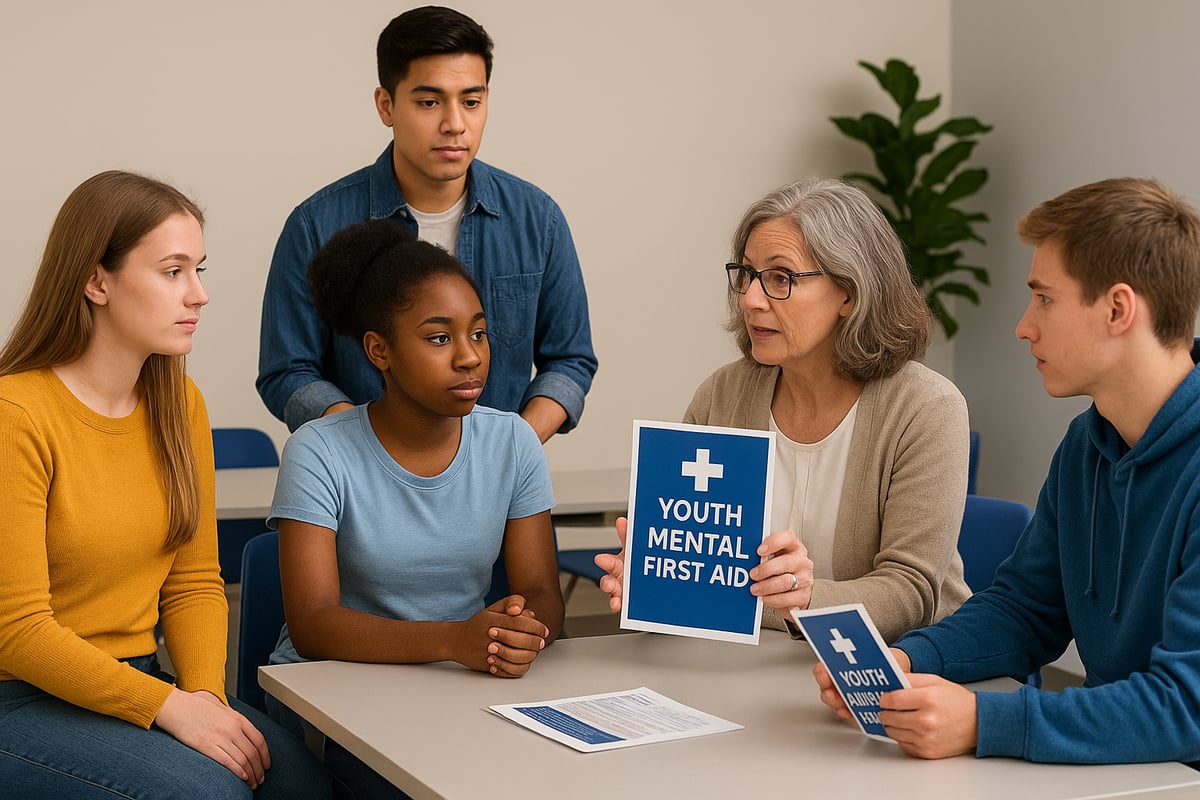
The Five-Step Action Plan (ALGEE)
At the heart of youth mental first aid is the ALGEE action plan. This five-step framework guides supporters through effective and compassionate response when a young person faces a mental health challenge.
ALGEE stands for:
- Assess for risk of harm or suicide.
- Listen nonjudgmentally.
- Give reassurance and information.
- Encourage professional help.
- Encourage self-help and support strategies.
Each step in youth mental first aid requires sensitivity and awareness. For example, when assessing risk, ask clear but gentle questions about safety. Listening nonjudgmentally means focusing on what the youth is saying without interruption or judgment, which builds trust and helps the young person feel heard.
Giving reassurance can be as simple as saying, “You are not alone in this,” and offering accurate information about mental health. Encouraging professional help involves guiding youth toward school counselors or therapists, while self-help could include mindfulness exercises or connecting with supportive peers.
Cultural sensitivity is vital in youth mental first aid. Recognize that cultural backgrounds shape how youth express distress and seek help. Always approach with respect for individual differences.
Self-care for first aiders is equally important. Supporting others can be emotionally taxing, so remember to seek supervision, take breaks, and access peer support when needed.
A real-world scenario: Imagine a student withdrawing from friends and showing signs of anxiety. Using youth mental first aid, a teacher assesses for immediate risk, listens empathetically, reassures the student, encourages them to see the school counselor, and follows up with self-help resources. Research shows that following ALGEE increases both confidence and positive outcomes for youth.
Recognizing Signs and Symptoms in Youth
Timely recognition of mental health challenges is a cornerstone of youth mental first aid. Adolescents may display warning signs like withdrawal, mood swings, irritability, declining academic performance, or sudden changes in behavior.
These symptoms can look different depending on age, gender, and cultural background. For instance, younger children might show distress through tantrums, while teenagers may become isolated or unusually quiet. Cultural norms can influence how emotions are expressed, so it is crucial to remain observant and open-minded.
Early identification greatly improves outcomes. Recent studies confirm that after youth mental first aid training, adults are better at recognizing subtle changes and acting promptly. To observe effectively, pay attention to patterns, not just isolated incidents. Notice shifts in sleep, appetite, social habits, or emotional regulation.
Practical observation tips include keeping a daily log of behaviors, gently checking in with youth, and collaborating with other adults in their support network. For more insights on identifying behavioral health concerns, explore Recognizing Behavioral Health Disorders.
By mastering these core principles, you strengthen your ability to intervene early and with compassion, creating a safer and more supportive environment for young people.
Steps to Delivering Effective Youth Mental First Aid
Supporting young people through mental health challenges requires practical, compassionate action. The following six steps provide a comprehensive roadmap for delivering youth mental first aid that is effective, evidence-based, and responsive to the needs of today’s youth.

Step 1: Preparation and Awareness
Preparation is the foundation of effective youth mental first aid. Begin by learning the basics of youth mental health, including common challenges and risk factors. Self-education helps you recognize early warning signs and understand the importance of timely intervention.
Enrolling in a certified Mental Health First Aid Training program is a crucial step. These programs offer up-to-date information, practical skills, and the confidence needed to support youth in crisis.
Reflect on your own beliefs and biases about mental health. Acknowledge limitations and recognize when to seek additional guidance. Stay informed with ongoing learning opportunities, such as webinars, articles, and refresher courses.
Prepare a personal resource list, including local mental health services, helplines, and crisis text lines. This proactive approach ensures you are ready to deliver youth mental first aid when needed.
Step 2: Approaching the Youth
Taking the first step to connect with a young person can be challenging. Approach the youth in a private, comfortable setting, ensuring the conversation remains confidential and supportive.
Build trust by expressing genuine concern and avoiding judgment. Use open, non-threatening body language and maintain appropriate eye contact.
Consider using these phrases to start the conversation:
- “I’ve noticed you seem a bit different lately. How are you feeling?”
- “I care about you and want to support you. Is there anything you’d like to talk about?”
- “If you’re struggling, it’s okay to share. I’m here to listen.”
Timing is critical. Choose a moment when the youth is calm and not distracted. Respect their boundaries and allow them to set the pace. This approach is central to youth mental first aid, helping to foster a safe and open dialogue.
Step 3: Assessment and Active Listening
Assessing for risk is a vital part of youth mental first aid. Look for signs of distress, such as talk of hopelessness, withdrawal, or changes in behavior. If you suspect harm or suicide risk, ask clear, direct questions like, “Are you thinking about hurting yourself?”
Practice active listening by giving your full attention, avoiding interruptions, and reflecting back what you hear. Use phrases such as, “It sounds like you’ve been feeling overwhelmed,” to validate their feelings.
Do:
- Listen without judgment
- Show empathy and patience
- Use open-ended questions
Don’t:
- Dismiss or minimize their feelings
- Rush the conversation
- Offer unsolicited advice
Research shows nonjudgmental listening increases trust and can make a significant difference in youth mental health outcomes. Applying these principles ensures youth mental first aid is both compassionate and effective.
Step 4: Providing Reassurance and Information
Once you have established trust and listened actively, offer reassurance that the young person is not alone. Remind them that mental health challenges are common and help is available.
Provide accurate, age-appropriate information about mental health. Share details about support resources, such as school counselors, community programs, or crisis lines.
Here are examples of reassuring statements:
- “Many people go through tough times. You’re not alone in this.”
- “There are people who care and want to help you.”
- “It’s okay to ask for support. That’s a sign of strength.”
The goal of youth mental first aid is to empower youth with knowledge and support. Avoid making promises you cannot keep, but offer hope and practical next steps.
Step 5: Encouraging Professional Help and Self-Help
One of the most impactful aspects of youth mental first aid is guiding the youth toward professional support. Encourage them to connect with school counselors, therapists, or mental health organizations.
List available resources, including:
- School-based mental health professionals
- Local clinics and community centers
- Helplines and online counseling services
Discuss self-help strategies, such as journaling, mindfulness, and peer support groups. Address potential barriers like fear or stigma by normalizing help-seeking behavior.
If the youth is hesitant, offer to accompany them to appointments or help them make the first call. Youth mental first aid is most effective when it bridges the gap between youth and the professional support they need.
Step 6: Following Up and Ensuring Safety
Following up demonstrates ongoing care and commitment. Check in with the youth after your initial conversation, asking how they are feeling and if further support is needed.
If there is a risk of harm, create a safety plan together. Identify trusted adults, emergency contacts, and safe spaces. Document warning signs and coping strategies.
Examples of effective follow-up actions include:
- Scheduling regular check-ins
- Connecting with parents or guardians (if appropriate)
- Coordinating with school staff or counselors
Consistent support reinforces the message that the youth is valued and not alone. Youth mental first aid is an ongoing process, not a one-time intervention, and follow-up is essential for long-term well-being.
Training and Implementation: How to Become a Youth Mental First Aider
Becoming equipped to provide youth mental first aid is more accessible than ever. With expanded training options, diverse audiences, and proven strategies for implementation, anyone can play a crucial role in supporting the mental well-being of young people.
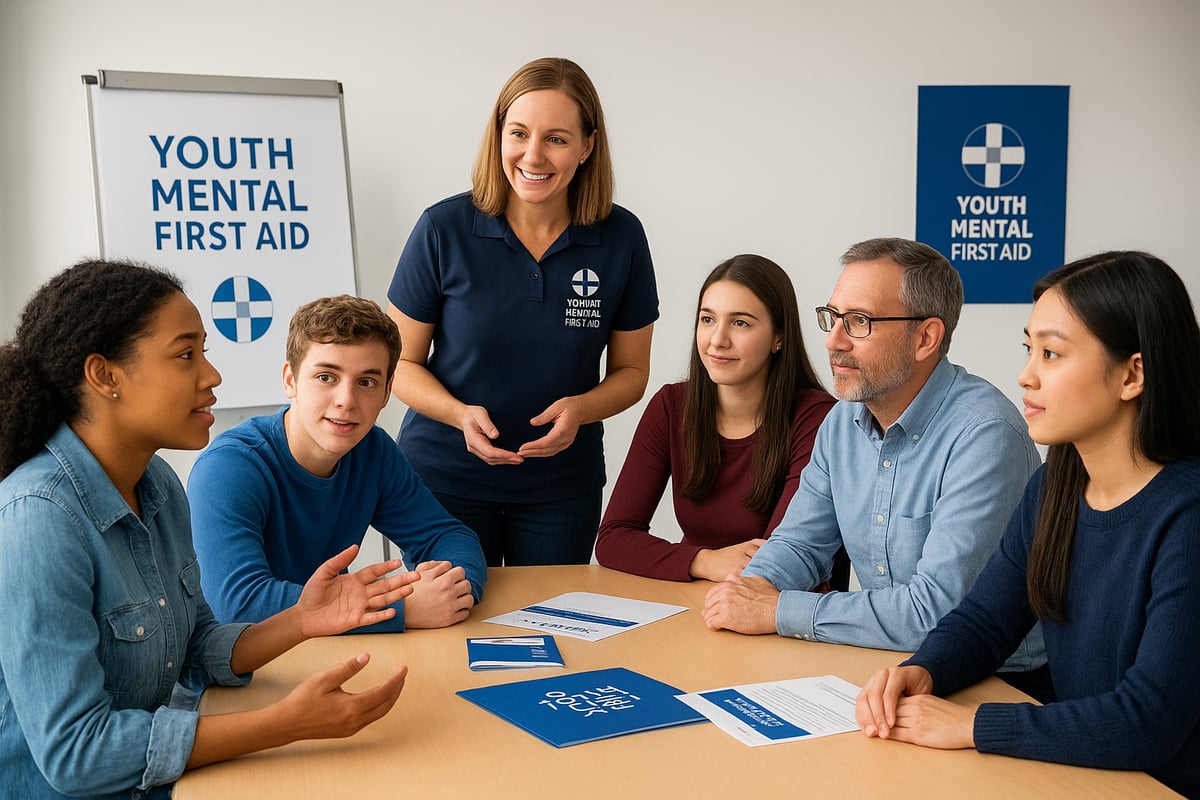
Training Modalities: In-Person, Hybrid, and Online
Youth mental first aid training is available in several formats to suit different learning styles and schedules. The three primary modalities are in-person, online, and hybrid programs. Each has unique advantages.
| Modality | Accessibility | Confidence Gains | Flexibility | Social Interaction |
|---|---|---|---|---|
| In-Person | Moderate | Highest | Lower | High |
| Online | High | Moderate | Highest | Low |
| Hybrid | High | High | High | Medium |
Research indicates that in-person youth mental first aid training results in slightly higher confidence gains for participants. However, online and hybrid formats have expanded access, making it easier for people in rural or underserved communities to participate.
Participants can choose programs that best fit their needs. Most courses cover core topics such as recognizing signs of distress, applying the ALGEE action plan, and understanding referral pathways. Certification typically requires completion of interactive modules, group exercises, and a short assessment.
Ongoing refresher courses are strongly recommended. These help maintain up-to-date skills and adapt to emerging trends in youth mental health.
Who Should Get Trained?
Youth mental first aid is designed for anyone who interacts with young people. The most common target audiences include:
- Educators and school staff
- Parents and guardians
- Sports coaches and club leaders
- Youth workers and mentors
- Community and faith leaders
Studies show that individuals with less prior experience in mental health benefit the most from youth mental first aid training. These programs increase confidence and knowledge, empowering adults to recognize early warning signs and respond appropriately.
Organizations are encouraged to prioritize training for staff who may not have a mental health background. By doing so, they can create safer, more supportive environments for youth across various settings.
Certification in youth mental first aid not only enhances individual skills but also fosters a culture of awareness and empathy within whole communities.
Implementing YMFA in Schools and Communities
Bringing youth mental first aid into schools and community organizations requires careful planning and collaboration. Effective implementation strategies include:
- Integrating training into staff professional development days
- Offering workshops for parents and guardians
- Establishing peer support networks among students
- Partnering with local mental health organizations for resources and guest speakers
Successful examples highlight the positive impact of a whole-community approach. In some districts, all faculty and staff are certified, leading to faster intervention and stronger support systems for students in need.
Regular evaluation and feedback are essential. Schools and organizations should track participation rates, monitor outcomes, and adjust programs based on the unique needs of their youth populations.
By embedding youth mental first aid in daily practice, communities can ensure lasting change and resilience for the next generation.
Overcoming Barriers and Ensuring Equity in Youth Mental First Aid
Addressing equity in youth mental first aid is vital as mental health needs rise and become more visible. Not every community has equal access to resources, making it crucial to recognize and address disparities that can impact outcomes for young people.
Addressing Cultural, Racial, and Socioeconomic Disparities
Recent studies highlight that youth mental health needs vary widely across cultural, racial, and socioeconomic groups. For instance, Youth Mental Health Statistics 2025 show that access to care, stigma, and economic pressures can all influence mental health outcomes for adolescents in different communities.
Barriers to effective youth mental first aid include:
- Language differences and lack of translated materials
- Cultural stigma around discussing mental health
- Financial barriers and limited access to training programs
- Lack of representation in mental health first aid trainers
To address these challenges, organizations are adapting youth mental first aid programs to include culturally competent materials and trainers who reflect the communities they serve. This means offering sessions in multiple languages and ensuring that examples and scenarios are relevant to diverse backgrounds.
Community engagement is essential. Building partnerships with local leaders, schools, and faith-based organizations helps increase trust and participation. By listening to the unique needs of each community, youth mental first aid programs can be more inclusive and effective.
Actionable steps for equity include:
- Providing free or low-cost training in underserved areas
- Using culturally tailored outreach strategies
- Recruiting trainers from within the community
When these efforts are combined, they help break down stigma and make youth mental first aid accessible for all.
Measuring Impact and Continuous Improvement
Evaluating the effectiveness of youth mental first aid is key to ensuring ongoing improvement and equity. Programs often use pre and post-training surveys, knowledge assessments, and follow-up interviews to measure confidence, skill retention, and real-world application.
A simple evaluation table might look like this:
| Method | What It Measures |
|---|---|
| Pre/Post Surveys | Knowledge and confidence gains |
| Follow-Up Assessments | Retention and application |
| Community Feedback | Cultural relevance and impact |
Continuous feedback from participants and community partners is crucial. This helps trainers refine content and delivery methods to better serve different populations.
In addition, expanding access to Online Peer Support Training offers a flexible and inclusive option for those who may face barriers attending in-person sessions. This supports ongoing learning and ensures that youth mental first aid remains relevant and effective.
By prioritizing measurement and community involvement, youth mental first aid programs can evolve to meet changing needs and deliver equitable support for all young people.
The Future of Youth Mental First Aid: Innovations and Trends
The landscape of youth mental first aid is rapidly changing as new technologies and strategies emerge. In 2026, innovation is at the forefront, reshaping how young people receive support and how communities come together to foster resilience. As we look ahead, it’s essential to understand the tools, trends, and collaborative approaches that will define youth mental first aid for this generation.
Emerging Technologies and Digital Tools
Technology is transforming youth mental first aid in ways unimaginable just a few years ago. Digital apps now offer interactive scenarios and real-time guidance, allowing young people and adults to practice intervention skills in safe environments. AI-powered chatbots provide confidential support, answering questions and connecting users to resources any time of day.
Virtual reality training modules immerse educators and parents in realistic situations, building empathy and preparedness. These tools are supported by evidence-based frameworks, ensuring that users learn best practices for youth mental first aid with accuracy and confidence.
However, with innovation comes new challenges. Excessive use of digital platforms can sometimes contribute to anxiety and isolation, as highlighted by recent research on the impact of screen time on youth mental health. Balancing the benefits of technology with its risks is now a key focus for program developers.
Below is a summary of digital advances in youth mental first aid:
| Technology | Purpose | Benefit |
|---|---|---|
| Mobile Apps | Skill-building, resource access | Convenience, instant support |
| AI Chatbots | Q&A, triage, early intervention | 24/7 confidentiality |
| VR Simulations | Realistic training scenarios | Empathy, confidence |
As these innovations evolve, youth mental first aid is set to reach more people, bridging gaps in support and preparing communities for the mental health challenges of tomorrow.
Building a Community of Support
The future of youth mental first aid relies not only on technology but also on strong, collaborative communities. Schools, families, healthcare providers, and policymakers are increasingly working together to create holistic support networks. This integrated approach ensures that mental health is prioritized in every setting where young people learn and grow.
Recent data from the CDC Youth Mental Health Data 2024 underscores the importance of supportive environments in promoting youth wellbeing. Evidence suggests that when communities rally around youth mental first aid, outcomes improve and stigma declines.
Key strategies for building effective support include:
- Establishing peer-led programs and family engagement initiatives.
- Regular training updates for educators and youth workers.
- Public awareness campaigns to normalize mental health conversations.
- Partnerships with mental health organizations for resource sharing.
Looking ahead, youth mental first aid will continue to evolve through these collaborative efforts. As more communities adopt innovative practices and leverage local strengths, they will shape a future where every young person can access the support they need.
As we’ve explored together, understanding and supporting youth mental health is more important than ever in 2026. Whether you’re a parent, educator, or community leader, being equipped with the right knowledge and practical tools can make a real difference for the young people in your life. If you’re ready to take the next step—whether you want to learn more about Youth Mental First Aid training or discover how to create a culture of wellbeing at work—let’s connect. You can find detailed information, resources, and expert guidance to help you move forward by clicking here: Find Out More.

