
Did you know that one in five people will face a mental health challenge at some point in their lives? As awareness grows, staying informed about mental health topics is more important than ever. Rapid changes in society and the workplace are reshaping how we understand and address mental wellbeing.
This article highlights seven influential and emerging mental health topics to watch. By keeping up with these trends, individuals, workplaces, and communities can proactively support wellbeing and build resilience.
Understanding these issues empowers us all to make informed decisions, reduce stigma, and foster healthier environments.
The Rise of Digital Mental Health Solutions
The landscape of mental health topics is rapidly evolving, with digital solutions emerging as a central force. As society adapts to new ways of living and working, technology has become a powerful tool in addressing mental health challenges. Digital platforms now offer innovative pathways for care, making support more accessible than ever before.
The Expansion of Teletherapy and E-Counseling
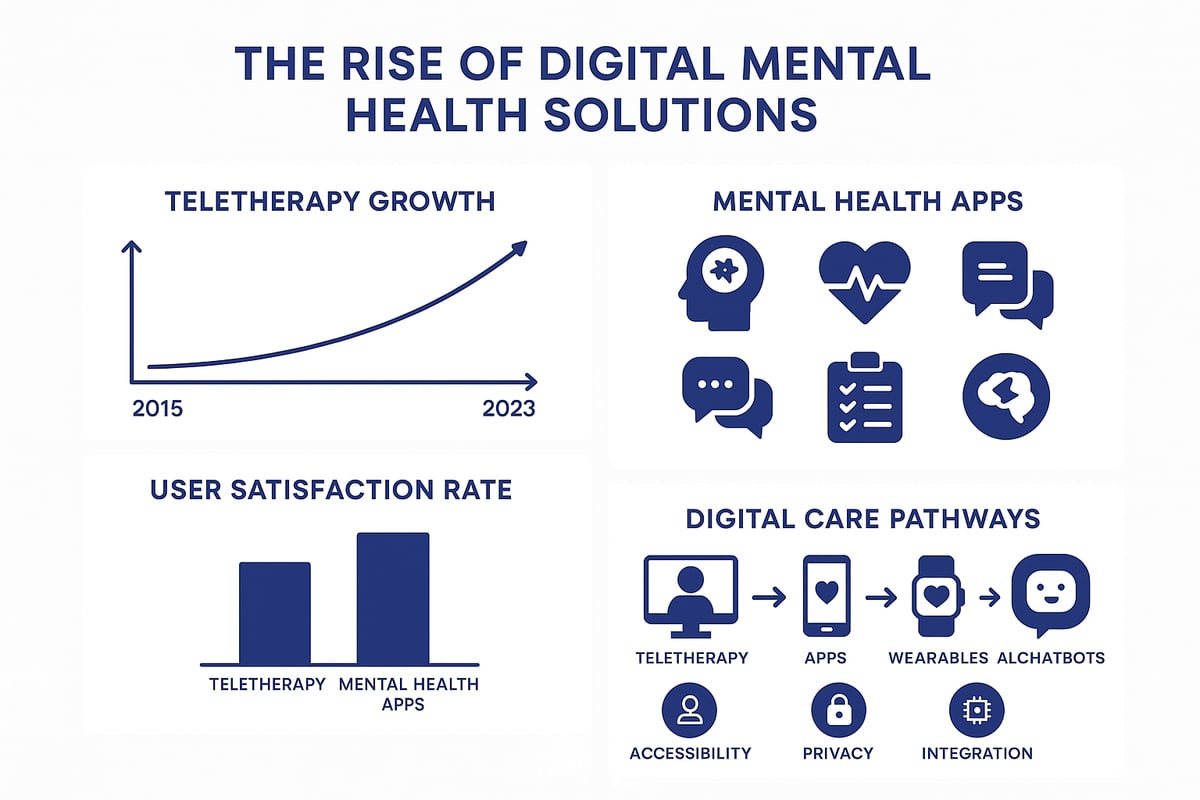
Teletherapy and e-counseling have experienced dramatic growth, quickly becoming one of the most discussed mental health topics in recent years. The pandemic accelerated the adoption of remote care, with many individuals now turning to online platforms for psychological support. This shift has broken down geographic barriers and improved access for people in remote or underserved communities.
Convenience and privacy are major advantages of teletherapy. Clients can schedule sessions from the comfort of their homes, reducing travel time and stigma. Research shows high user satisfaction with virtual therapy, with many reporting outcomes comparable to traditional in-person sessions. For example, a recent review found that digital platforms can deliver effective care for a range of mental health topics, from anxiety to depression.
Despite these benefits, challenges remain. Digital literacy and access disparities can limit who benefits from teletherapy. Older adults or those without reliable internet may struggle to engage. Privacy and data security are also ongoing concerns for both clients and providers.
The integration of wearable technology and AI-driven chatbots is transforming the field further. Wearables can track mood, sleep, and stress, offering therapists real-time data. AI chatbots provide immediate support, guiding users through coping strategies and offering resources. For a deeper dive into how technology is reshaping mental health care, see this Digital Transformation of Mental Health Services article.
Digital Self-Help Tools and Mental Health Apps
Self-help tools and mental health apps are now central to many mental health topics, providing resources for self-management and prevention. Popular apps offer features such as mood tracking, mindfulness meditation, and cognitive behavioral therapy exercises. These digital tools are often evidence-based, designed to help users build resilience and monitor their wellbeing over time.
The effectiveness of self-guided tools varies. While some users experience significant improvements, others may need more personalized support. Limitations include the lack of clinical oversight and the potential for users to misinterpret advice. Still, studies show high engagement rates, with millions of downloads and daily active users across leading apps.
Privacy is a major concern in this space. Users must trust that their sensitive data is secure and used ethically. Regulatory bodies are beginning to address these issues, but standards vary widely between countries and platforms.
Examples of evidence-based digital tools include mood journaling apps, guided meditation platforms, and virtual CBT programs. These resources are making it easier for individuals to engage with mental health topics at their own pace, supporting early intervention and self-care.
Social Connection and Loneliness in a Hyperconnected World
In today's digitally connected society, social interaction has never been more accessible, yet feelings of loneliness continue to rise. Among the most important mental health topics, understanding the complex relationship between technology and human connection is essential for individual and community wellbeing.
The Paradox of Social Media and Isolation
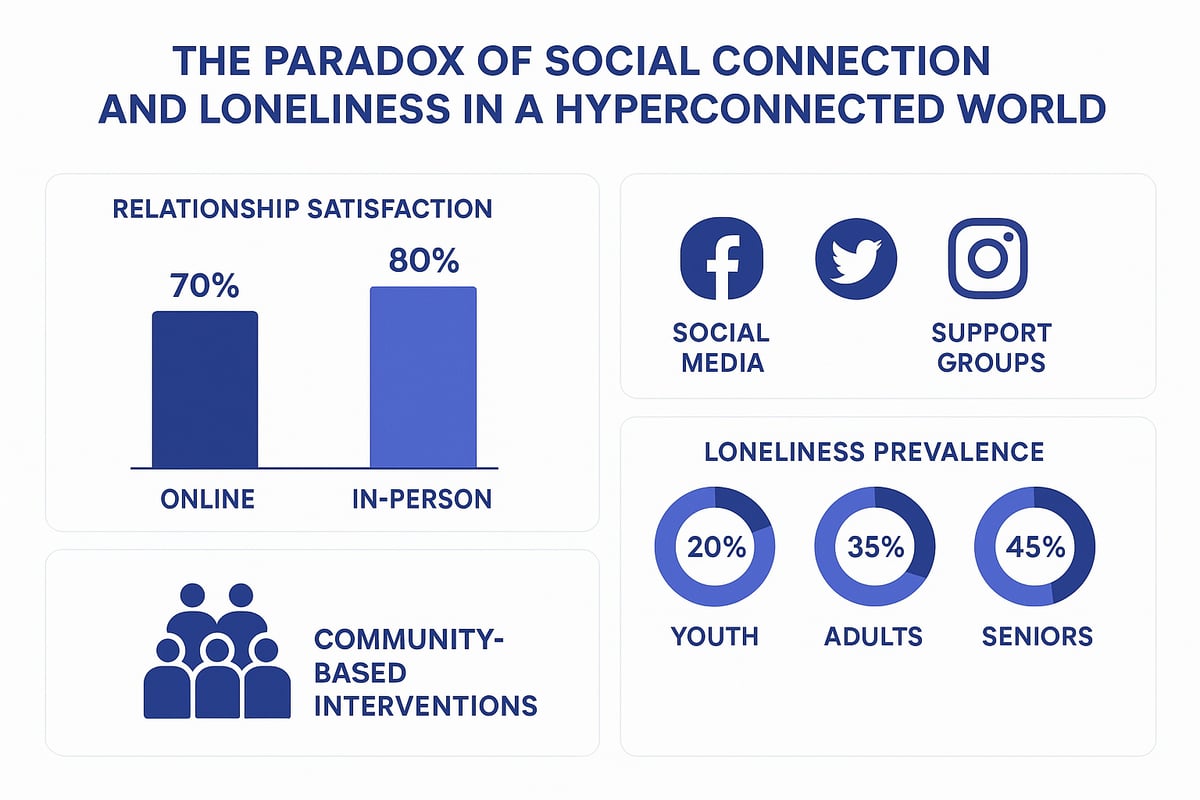
Social media platforms have transformed the way people connect, breaking down geographical barriers and enabling instant communication. For many, these platforms foster a sense of belonging and support, especially through online communities and peer networks. However, research shows that despite these opportunities, rates of loneliness and isolation are increasing, especially among younger generations.
A growing body of evidence suggests that while online interactions can supplement in-person relationships, they may not fully replace the depth and emotional satisfaction of face-to-face connections. This paradox is particularly pronounced among digital natives, who often report high engagement online but lower levels of meaningful offline support.
| Communication Type | Emotional Satisfaction | Loneliness Risk |
|---|---|---|
| In-person | High | Low |
| Video chat | Moderate | Moderate |
| Social media/text | Variable | Higher |
Generational differences also shape how individuals use technology for connection. Younger people are more likely to turn to digital platforms for social support, while older adults may rely more on traditional, in-person networks. Online support groups and communities can be a lifeline for those experiencing social anxiety or isolation. Recent studies, such as this systematic review of digital mental health interventions for social anxiety disorder, demonstrate the potential benefits and limitations of digital solutions, making them a crucial element in current mental health topics.
Despite the promise of digital tools, challenges remain. Privacy concerns, online harassment, and the risk of superficial interactions can undermine the positive impact of these platforms. As technology continues to evolve, exploring its dual role in both connecting and isolating people remains a key focus within mental health topics.
Loneliness as a Public Health Priority
Loneliness is now recognized as a serious public health concern, linked to increased risks of depression, anxiety, cardiovascular disease, and even premature mortality. Recent research highlights that loneliness can be as harmful to physical health as smoking or obesity, making it one of the most urgent mental health topics today.
Prevalence statistics indicate that up to one in three adults report persistent feelings of loneliness, with certain groups, such as older adults, young people, and those living alone, disproportionately affected. The impact of loneliness spans across age, gender, and socioeconomic status, underscoring the need for targeted interventions.
Governments and organizations are responding with a range of initiatives. Community-based programs, social prescribing, and public awareness campaigns are being implemented to foster connection and reduce stigma. Examples include structured befriending services, intergenerational projects, and neighborhood engagement activities, all designed to nurture a sense of belonging.
Key strategies for addressing loneliness include:
- Promoting local community events and volunteering
- Supporting digital literacy for older adults
- Encouraging workplace and school-based social initiatives
As mental health topics evolve, prioritizing loneliness and social connection is essential for public health. By investing in evidence-based interventions and fostering inclusive communities, society can mitigate the negative effects of loneliness and improve overall wellbeing.
Neurodiversity and Inclusive Mental Health Approaches
Neurodiversity is becoming a central focus within mental health topics as society recognizes the wide spectrum of neurological differences. Embracing neurodiversity means understanding and valuing the unique strengths and challenges of individuals who think and process the world differently. This approach is reshaping how mental health topics are addressed across education, workplaces, and healthcare.
Understanding and Supporting Neurodiverse Individuals
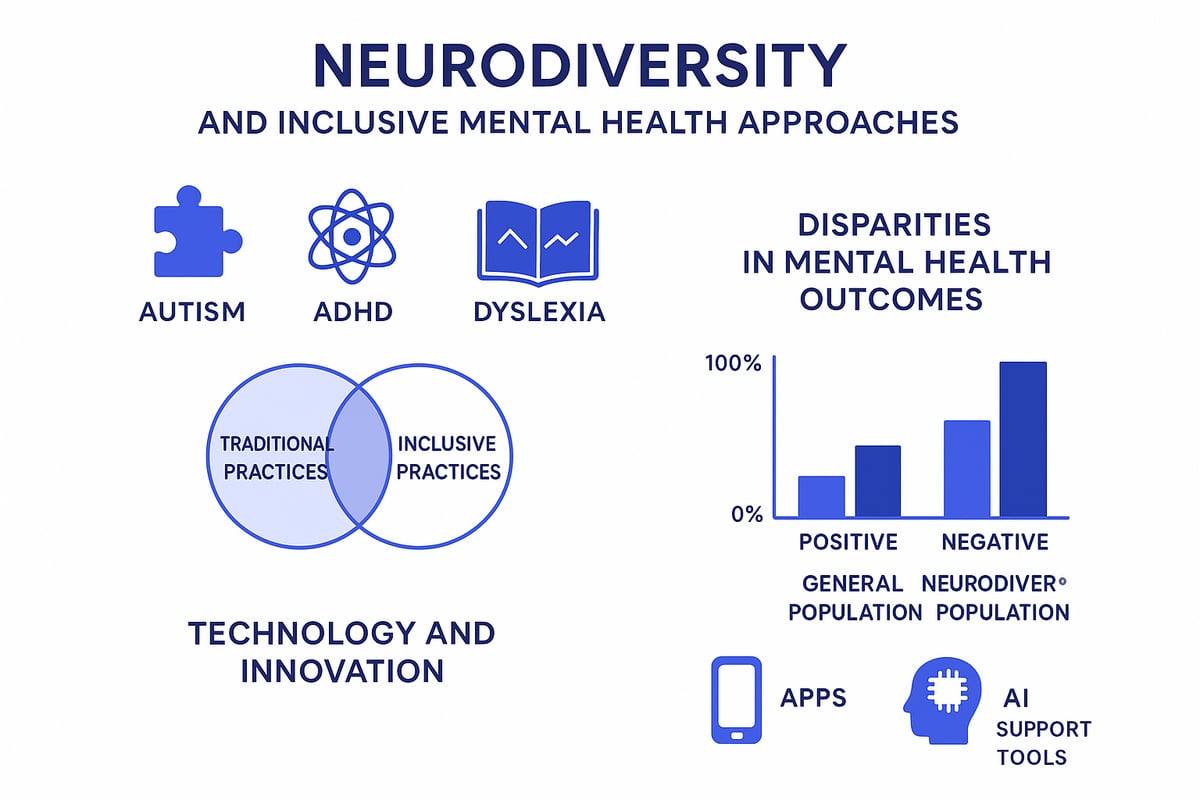
Neurodiversity refers to the natural variation in human brains and cognitive functioning. Conditions such as autism, ADHD, and dyslexia are increasingly recognized as part of this spectrum, not simply as disorders, but as differences that contribute to the richness of human experience. This shift is transforming how mental health topics are discussed and understood.
In recent years, awareness has grown about the mental health challenges faced by neurodiverse individuals. Research shows that people with autism or ADHD are more likely to experience anxiety and depression. Inclusive practices in schools, workplaces, and healthcare settings are essential for reducing these disparities.
Table: Inclusive Practices in Key Settings
| Setting | Traditional Approach | Inclusive Practice |
|---|---|---|
| Education | Standardized learning | Flexible, personalized |
| Workplace | Uniform expectations | Strength-based roles |
| Healthcare | Symptom-focused | Whole-person support |
Despite progress, neurodiverse individuals often encounter barriers to accessing effective support. Data indicates that they are less likely to receive timely mental health care and more likely to face stigma. Addressing these gaps is crucial for advancing mental health topics and ensuring equitable outcomes.
Innovations in Diagnosis and Support
Advances in early detection and personalized interventions are transforming the landscape of mental health topics for neurodiverse populations. New screening tools and assessments help identify autism, ADHD, and related conditions earlier, leading to better support and improved quality of life.
Technology is playing a pivotal role in these innovations. Digital platforms and mobile apps offer self-assessment, mood tracking, and skill-building exercises tailored for neurodiverse users. Some organizations are integrating AI-driven tools to personalize recommendations and monitor progress.
Progressive companies and schools are adopting flexible workspaces, sensory-friendly environments, and mentorship programs. These initiatives foster a sense of belonging and help neurodiverse individuals thrive. For a deeper look at foundational concepts that support these changes, see Emotional and Mental Health Explained.
As we continue to explore emerging mental health topics, the importance of neurodiversity and inclusive approaches cannot be overstated. By prioritizing innovation and understanding, we can help close the gaps in care and promote wellbeing for all.
Workplace Mental Health: Evolving Challenges and Solutions
Workplace environments are experiencing unprecedented change as flexible models become the norm. With these shifts, mental health topics have moved to the forefront of business priorities. Companies are reevaluating how they support employee wellbeing, recognizing that mental health topics impact productivity, engagement, and organizational culture.
The Impact of Hybrid and Remote Work Models
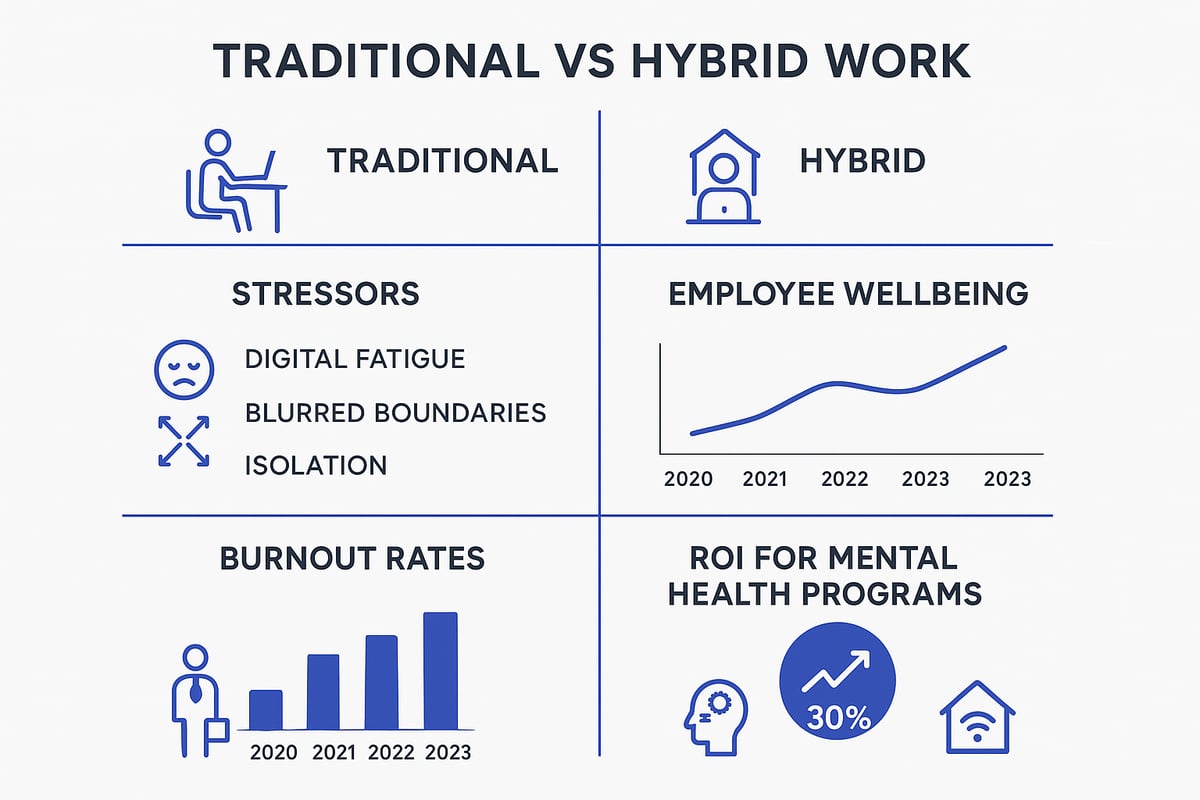
The shift to hybrid and remote work has dramatically altered how organizations address mental health topics. Flexible arrangements offer benefits such as increased autonomy and improved work-life balance, yet they also introduce new challenges. Employees often struggle to separate work from personal time, leading to blurred boundaries that can elevate stress levels.
Digital fatigue is another pressing issue. Constant video meetings and electronic communication can leave workers feeling drained. Isolation has emerged as a significant concern, especially for those who miss the social connections of traditional office settings. Research shows that while remote work can boost satisfaction for some, others report increased feelings of loneliness and disengagement.
A recent survey found that organizations prioritizing mental health topics in their remote strategies saw higher retention rates and better overall wellbeing scores. Best practices include regular check-ins, access to digital wellness resources, and clear communication of expectations. By fostering a supportive digital culture, companies can help employees thrive in any setting.
| Factor | Traditional Office | Hybrid/Remote |
|---|---|---|
| Work-life boundaries | Clear | Blurred |
| Social connection | High | Variable |
| Digital fatigue | Low | High |
| Flexibility | Low | High |
Addressing Burnout and Building Resilience
Burnout has become one of the most urgent mental health topics in the workplace. Increased workloads, ongoing uncertainty, and a lack of clear boundaries contribute to rising stress and exhaustion. Burnout can result in higher absenteeism, lower productivity, and increased turnover, putting organizational performance at risk.
Organizations are responding by investing in resilience training and proactive wellness strategies. These efforts teach employees to recognize stress triggers, practice self-care, and build coping skills. Companies are also redesigning workflows to reduce overload and encourage regular breaks.
According to recent studies, businesses with robust mental health topics programs experience measurable benefits, such as reduced sick days and improved morale. Embedding these programs in company culture is key to long-term success. For actionable steps on reducing burnout and fostering resilience, explore these Preventing Workplace Burnout Strategies.
Effective interventions include:
- Flexible scheduling options
- Mindfulness and stress reduction workshops
- Access to confidential counseling services
When organizations take burnout seriously, employees feel valued and supported.
The Role of Leadership and Policy in Mental Health
Leadership commitment is essential in advancing mental health topics within the workplace. When leaders model healthy behaviors and champion supportive policies, it sets a tone that normalizes mental health conversations. Policies that encourage open dialogue, flexible work, and access to resources can transform organizational culture.
Legislative trends are also shaping how businesses approach mental health topics. Many jurisdictions now require mental health training for managers and mandate psychological safety standards. These initiatives help ensure that employees receive the support they need, regardless of location or role.
Training programs equip leaders with the skills to recognize signs of distress and respond effectively. The benefits are clear: organizations that invest in leadership development around mental health topics see improvements in team cohesion, engagement, and overall performance.
A proactive approach to policy and leadership not only meets legal obligations but also drives measurable returns for businesses. By prioritizing mental health topics at every level, companies create workplaces where everyone can thrive.
7 Trending Mental Health Topics to Explore
The landscape of mental health topics is rapidly evolving, with new trends shaping how individuals, workplaces, and communities approach wellbeing. Staying informed about these mental health topics empowers people to anticipate challenges, embrace innovation, and support diverse needs. Let us explore seven pivotal mental health topics that are influencing the future of care, policy, and everyday conversations.
1. Trauma-Informed Care Approaches
Trauma-informed care is reshaping how professionals understand and respond to the impact of trauma on mental health. This approach recognizes the widespread prevalence of trauma and integrates strategies to create safe, supportive environments in schools, workplaces, and healthcare settings.
Research shows that nearly 70% of adults experience at least one traumatic event in their lifetime, and unaddressed trauma can lead to long-term mental health issues. Trauma-informed care involves organizational policy changes, staff training, and practices that foster empowerment and trust.
Examples include schools adopting trauma-sensitive classrooms and hospitals revising protocols to reduce re-traumatization. Organizations investing in Trauma-Informed Care Training Online are better equipped to support recovery and resilience.
Implementing trauma-informed systems can be challenging due to resource constraints and the need for ongoing staff education. However, evidence points to improved outcomes, such as reduced absenteeism and higher satisfaction among those receiving care. As trauma awareness grows, this will remain one of the most important mental health topics to watch.
2. AI and Mental Health: Opportunities and Risks
Artificial intelligence is transforming mental health topics by enabling earlier detection, personalized interventions, and innovative support tools. AI-driven chatbots, virtual therapists, and predictive analytics are increasingly integrated into diagnostics and therapy.
While these advances offer promise, ethical concerns and privacy issues persist. Bias in AI algorithms and data security are ongoing challenges, making transparency and regulation crucial. Recent studies show rising adoption rates of AI in mental health services, especially for triage and symptom monitoring.
Successful examples include AI tools that flag early signs of distress or automate routine assessments, freeing up clinicians for complex care. However, oversight is essential to ensure equitable and safe use.
As AI technology evolves, it is vital for stakeholders to stay informed, critically assess new solutions, and prioritize human connection within digital care. These shifts keep AI at the forefront of mental health topics in both research and clinical practice.
3. Youth Mental Health and Early Intervention
Youth mental health topics are gaining unprecedented attention as rates of anxiety, depression, and self-harm among young people continue to rise. Early intervention is critical, as half of all lifetime mental health conditions begin by age 14.
Schools are central to identifying and supporting students in need, with programs that teach emotional regulation, resilience, and help-seeking skills. Digital resources and peer support initiatives also play a growing role.
Statistics reveal that one in five adolescents experiences a mental health challenge each year, yet many do not access timely care. Barriers include stigma, lack of services, and inequity.
Models such as school-based counseling and youth mental health first aid are showing positive outcomes, helping young people build skills and confidence. Addressing these mental health topics early can change life trajectories and improve long-term wellbeing.
4. The Intersection of Mental Health and Climate Change
As environmental concerns intensify, climate change is emerging as one of the most urgent mental health topics. Many individuals experience climate anxiety or eco-grief in response to environmental threats, disasters, and uncertainty.
Research links exposure to climate-related events, such as wildfires or floods, with increased rates of anxiety, depression, and post-traumatic stress. Communities are developing resilience initiatives, including support groups and educational campaigns, to help people cope.
Advocacy efforts are promoting policy changes and integrating mental health considerations into disaster planning. Statistics show a significant rise in climate-related mental health concerns, especially among youth and those in vulnerable regions.
Education and proactive strategies can help individuals and communities adapt, turning climate challenges into opportunities for growth and solidarity within mental health topics.
5. Workplace Mental Health and Organizational Wellbeing
Workplace wellbeing is central to contemporary mental health topics, reflecting a shift toward holistic approaches in organizations. Companies are embedding mental health into their core strategies, offering proactive programs and resources to support staff.
Employee Assistance Programs (EAPs), resilience training, and flexible work options are now common. Data shows that organizations investing in mental health initiatives see reduced absenteeism, improved productivity, and greater employee retention.
Innovative examples include mental health champions, digital wellbeing platforms, and regular staff surveys. Measuring impact and demonstrating return on investment can be challenging but is essential for sustainability.
By prioritizing mental health topics at work, businesses foster a culture of care, enhance morale, and contribute to broader societal wellbeing.
6. Culturally Responsive Mental Health Care
Culturally responsive care is gaining traction as mental health topics shift to embrace diversity, equity, and inclusion. This approach recognizes that culture shapes experiences, help-seeking behaviors, and outcomes in mental health.
Disparities persist for minority and marginalized groups, with barriers to access and lower rates of treatment engagement. Training in cultural competence and the development of tailored interventions are key steps forward.
Data highlights improved outcomes when care is adapted to cultural needs, including language support, community-based services, and representation among providers. Policy developments are encouraging organizations to embed cultural responsiveness into practice.
Challenges remain in outreach and implementation, but investing in culturally responsive mental health topics builds trust and bridges equity gaps.
7. The Future of Psychedelic-Assisted Therapy
Psychedelic-assisted therapy has re-emerged as a transformative force in mental health topics. Clinical trials are demonstrating promising results for conditions such as PTSD, depression, and anxiety, especially where traditional treatments have failed.
Recent regulatory changes are opening pathways for research and, in some areas, limited clinical use. Integration and aftercare are vital, as are ethical considerations and safety protocols.
Public perception is shifting, with growing interest and cautious optimism about the potential of psychedelics in therapy. Statistics from clinical studies report significant improvements in symptom reduction and quality of life.
As the field evolves, ongoing research, education, and thoughtful policy will determine how psychedelic-assisted therapy shapes the next generation of mental health topics.
The Importance of Mental Health Education and Advocacy
Expanding Mental Health Literacy
Building a strong foundation of mental health literacy is essential for understanding and addressing the most relevant mental health topics today. Education empowers individuals to recognize early warning signs, seek appropriate support, and engage in open conversations about mental wellbeing.
Schools, workplaces, and community centers are increasingly prioritizing mental health topics within their curricula and training programs. By equipping people with accurate information, we help reduce stigma and encourage proactive approaches to wellness. For example, public health campaigns and educational initiatives have demonstrated measurable success in increasing awareness and help-seeking behavior.
Advocacy plays a pivotal role in advancing access to mental health services. Through collaborative efforts among professionals, community leaders, and organizations, barriers to care can be identified and addressed. Programs like Youth Mental Health First Aid provide practical tools for recognizing and responding to mental health concerns in young people, fostering early intervention and support.
Research consistently shows that higher mental health literacy correlates with improved outcomes. Individuals who are knowledgeable about mental health topics are more likely to seek help, support others, and engage in preventative behaviors. This ripple effect benefits not only individuals but also families, workplaces, and communities as a whole.
Effective advocacy also involves policy change and sustainable funding. Governments and organizations are increasingly investing in comprehensive mental health education to create lasting impact. Collaborative advocacy efforts, such as joint campaigns between healthcare providers and community groups, amplify the reach of mental health topics and help ensure equitable access.
As the landscape of mental health policy and funding evolves, ongoing education remains critical. By staying informed and engaged, everyone can contribute to a more supportive, inclusive environment where mental health topics are prioritized and stigma is reduced.
References and Further Reading
Staying informed about evolving mental health topics is essential for professionals, individuals, and communities alike. Access to current research and expert perspectives empowers better decision-making and supports ongoing growth.
Explore these reputable resources to deepen your understanding of mental health topics:
- AI in Mental Health Care: Professionals’ Perspectives – A qualitative study exploring the integration of artificial intelligence in mental health services.
- Psychedelic-Assisted Groups: A Culturally Responsive Approach – Insight into the intersection of psychedelic therapy and culturally responsive counseling.
- World Health Organization (WHO): Official reports on global mental health topics.
- Australian Department of Health: Government publications and policy updates.
- Workplace Mental Health Institute YouTube Channel: Expert videos covering a wide range of mental health topics.
- Mental Health Online Courses: Evidence-based courses for personal and professional development.
Continued engagement with these mental health topics will help you stay prepared for emerging trends and foster a supportive environment in every setting.
As you explore these seven emerging mental health topics, you’ll see how quickly our world is changing—and how vital it is for each of us to stay informed and proactive. Whether you’re a manager, an employee, or someone passionate about wellbeing, understanding these trends can help you make a real difference in your workplace and beyond. If you want practical insights and expert guidance on creating a more resilient, supportive environment for yourself and your team, let’s take the next step together.
Find Out More

