
In today’s fast-paced world, emotional mental health stands as the foundation of genuine wellbeing and achievement. As global awareness grows, more people recognize the importance of understanding and nurturing emotional mental health for a balanced, fulfilling life.
Prioritizing this vital aspect builds resilience, deepens relationships, and boosts workplace performance. It also serves as a key driver of overall happiness and life satisfaction.
This guide offers a clear path to mastering emotional mental health. You will discover definitions, the latest science, proven strategies, workplace insights, and trusted resources to support long-term growth.
Understanding Emotional Mental Health: Foundations and Definitions
What does it really mean to have strong emotional mental health? Many people use the terms "mental health" and "emotional health" interchangeably, but there are important distinctions. Emotional mental health refers specifically to how we understand, express, and manage our emotions in daily life. It is a key pillar within overall mental health, which also covers cognitive, psychological, and social wellbeing. For a more detailed breakdown of these differences and their significance, see the Emotional and Mental Health Overview.
Core Components of Emotional Mental Health
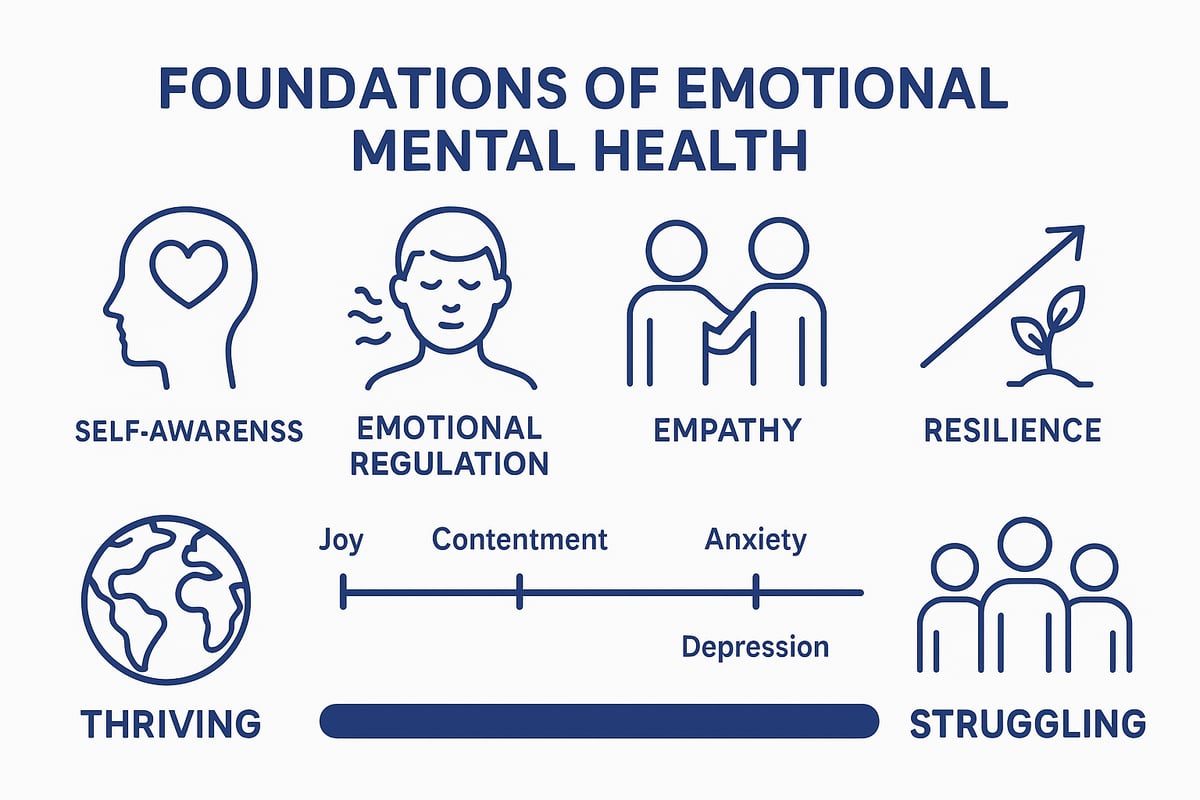
At its foundation, emotional mental health consists of:
- Self-awareness: Recognizing and understanding your own emotions.
- Emotional regulation: Managing emotions constructively, even during stressful moments.
- Empathy: Understanding and responding to the emotions of others.
- Resilience: Bouncing back from setbacks or adversity.
Each of these skills supports how we relate to ourselves and others, forming the backbone of emotional mental health. When individuals lack these abilities, they may struggle with mood swings, conflict, or difficulty recovering from disappointments.
The Spectrum of Emotional Wellbeing
Emotional mental health exists on a continuum. On one end, individuals may be thriving—feeling balanced, connected, and able to face challenges with confidence. On the other, they may be struggling, experiencing persistent sadness, anger, or difficulty coping. Most people move along this spectrum throughout life, influenced by circumstances and support systems.
| Wellbeing Level | Signs and Experiences |
|---|---|
| Thriving | Optimism, adaptability, strong relationships |
| Managing | Occasional stress, uses coping strategies |
| Struggling | Frequent overwhelm, difficulty bouncing back |
Cultural and Societal Influences
Culture and society play a major role in shaping emotional mental health. Some cultures encourage open expression of feelings, while others value emotional restraint. Societal attitudes toward emotions can impact whether people seek help or hide their struggles. For example, stigma in certain communities may discourage discussing emotional challenges, making it harder for individuals to develop healthy coping mechanisms.
Recent data from the World Health Organization and the Centers for Disease Control and Prevention show rising rates of emotional distress worldwide. According to the WHO, over a billion people are living with mental health conditions, and many experience emotional difficulties without adequate support. Social trends, such as increased digital connectivity and major global events, have intensified emotional pressures for many.
Impact on Physical Health and Daily Functioning
Emotional mental health is closely linked to physical wellbeing. Chronic emotional stress can weaken the immune system, disrupt sleep, and contribute to long-term health conditions like heart disease. On the other hand, positive emotional health supports better concentration, decision-making, and energy levels.
Consider the following scenario: A manager who practices emotional regulation can respond calmly to workplace setbacks, maintain clear communication, and inspire trust among their team. In contrast, someone who struggles with emotional regulation might react impulsively, leading to misunderstandings or conflict.
A Dynamic, Learnable Skill Set
The most important takeaway is that emotional mental health is not a fixed trait. It is a dynamic, learnable set of skills that can be strengthened at any stage of life. With self-awareness, practice, and the right support, anyone can improve their ability to navigate emotions and build resilience.
The Science Behind Emotional Mental Health
Understanding the science behind emotional mental health reveals how emotions shape every aspect of our lives. Advances in neuroscience and psychology now show that emotions are not just fleeting feelings but complex processes that influence thinking, behavior, and even physical health.
Brain and Body: How Emotions Work
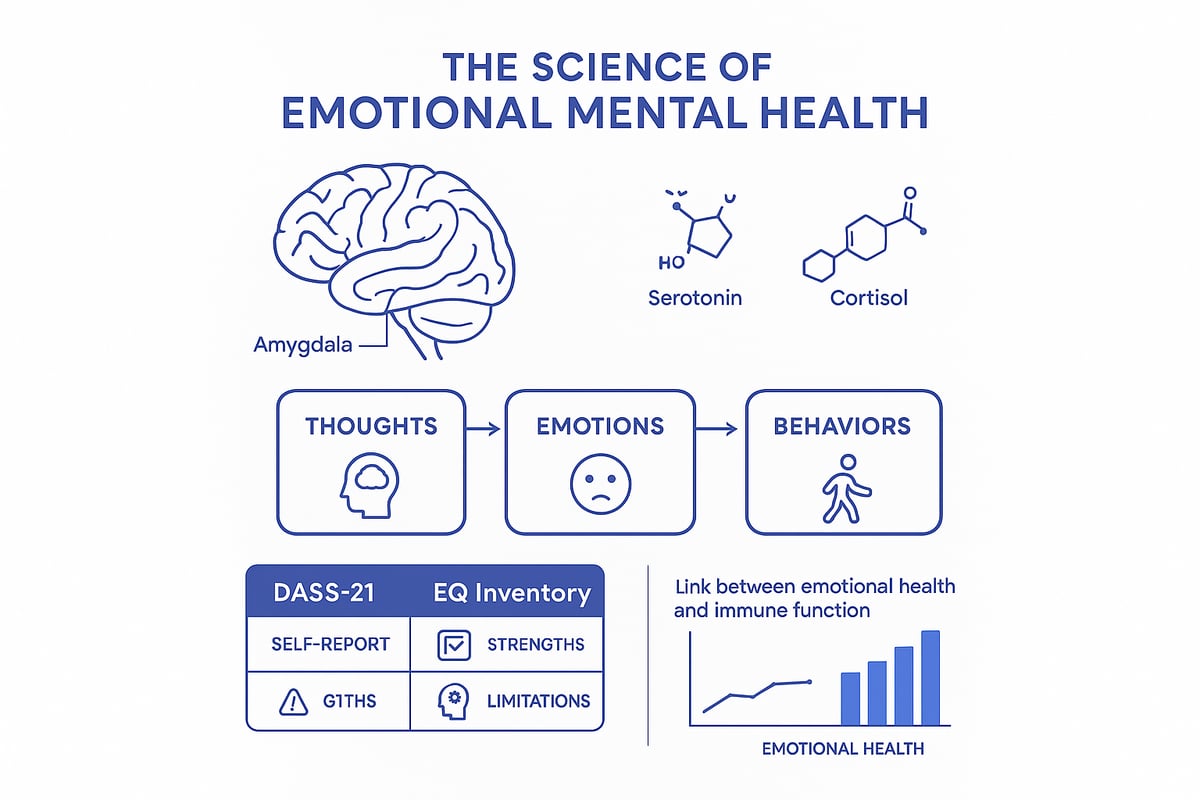
Emotional mental health begins in the brain. The amygdala acts as an alarm system, detecting emotional signals from the environment. Meanwhile, the prefrontal cortex helps us interpret and regulate those feelings. This constant interaction allows us to respond appropriately to daily challenges.
Neurotransmitters like serotonin and dopamine play crucial roles in mood regulation. When the balance is disrupted, emotional mental health can suffer. For example, cortisol, often called the stress hormone, rises during prolonged stress. Chronic stress overwhelms the brain's ability to regulate emotions, making it harder to manage anxiety or anger.
Research has shown that emotional mental health has a direct effect on physical health. People with strong emotional regulation tend to have better immune function and recover faster from illnesses. In fact, studies indicate that chronic negative emotions can suppress immune responses, making us more vulnerable to disease.
Real-life examples, such as someone remaining calm during a crisis, demonstrate how the brain and body work together to support emotional mental health. Understanding these biological foundations empowers us to take proactive steps toward emotional wellbeing.
Psychological Theories and Models
Several psychological models deepen our understanding of emotional mental health. Daniel Goleman's Emotional Intelligence (EI) theory highlights the importance of recognizing, understanding, and managing emotions in ourselves and others. Research has linked higher EI with improved mental wellbeing and workplace performance. For example, the Emotional Intelligence and Employee Productivity Study demonstrates that employees with strong EI skills are more productive and resilient.
Cognitive Behavioral Theory (CBT) proposes that our thoughts, emotions, and behaviors are interconnected. By identifying and challenging negative thought patterns, individuals can transform emotional responses and behaviors. This approach is widely used in therapy to strengthen emotional mental health.
Polyvagal Theory focuses on how the autonomic nervous system responds to stress and safety cues. It explains why some people quickly return to calm after stress while others struggle. These models provide practical frameworks for developing emotional mental health skills, such as empathy, self-awareness, and emotional regulation.
The evidence base for these theories shows that emotional mental health is not fixed. With practice and support, anyone can build and strengthen these essential skills.
Measuring Emotional Mental Health
Assessing emotional mental health is key to personal growth and early intervention. Common tools include the Depression Anxiety Stress Scales (DASS-21) and the Emotional Quotient Inventory. These self-report questionnaires help individuals and professionals identify strengths and areas for improvement.
While self-report tools are valuable, they have limitations. Responses may be influenced by mood or self-perception. Combining assessments with feedback from peers or professionals offers a more complete picture of emotional mental health.
Regular measurement enables individuals to track progress and make informed decisions about their emotional wellbeing.
Steps to Strengthen Your Emotional Mental Health
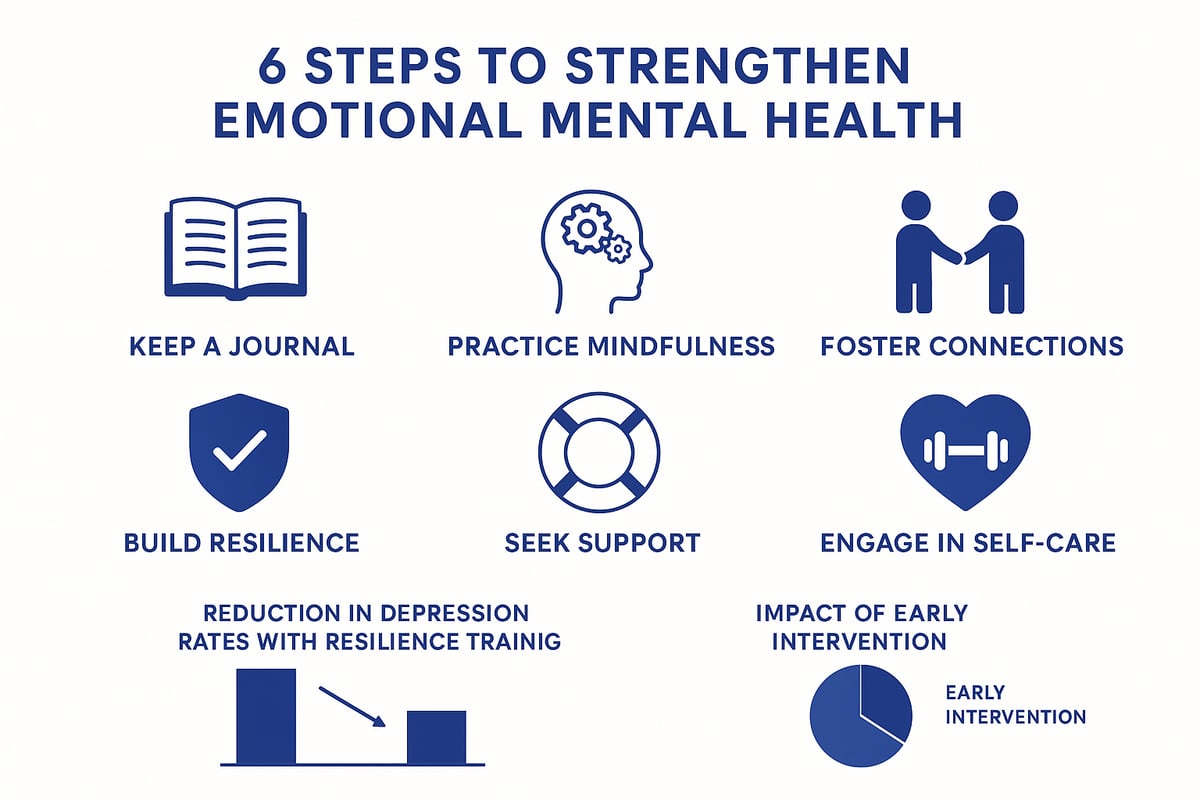
Building strong emotional mental health is a lifelong journey, but it can be broken down into manageable steps. By focusing on specific habits and strategies, anyone can enhance their emotional wellbeing, build resilience, and thrive in daily life. Let’s explore six practical steps to strengthen your emotional mental health.
Step 1: Cultivate Self-Awareness
Self-awareness is the foundation of emotional mental health. It involves recognizing your emotions as they arise and understanding their impact on thoughts and behaviors.
Start by setting aside a few minutes daily for reflection. Journaling about your feelings, practicing mindfulness, or using guided self-check-ins can help increase awareness. When you can name and accept your emotions, you gain greater control over your reactions. This step is essential for making informed choices that align with your values and emotional mental health goals.
Step 2: Practice Emotional Regulation
Emotional regulation means effectively managing intense emotions, especially in challenging situations. This skill is vital for maintaining emotional mental health.
Simple techniques can make a big difference. Deep breathing, cognitive reframing, and progressive muscle relaxation are practical tools. For instance, the “STOP” technique—Stop, Take a breath, Observe, Proceed—can interrupt automatic stress responses. Regularly practicing these strategies helps you respond thoughtfully rather than react impulsively, supporting balanced emotional mental health.
Step 3: Build Resilience
Resilience is the ability to recover from setbacks and adapt to adversity. It is one of the most important components of emotional mental health.
Methods to build resilience include positive psychology exercises, gratitude journaling, and learning from past experiences. Research shows that resilience training can reduce depression and anxiety rates by up to 30%. For more in-depth strategies, explore Building Workplace Resilience for practical guidance that applies both at work and in personal life. Strengthening resilience empowers you to face challenges and protect your emotional mental health.
Step 4: Develop Empathy and Social Skills
Empathy and social skills are crucial for healthy relationships and overall emotional mental health. Active listening and perspective-taking foster deeper connections with others.
Practicing empathy starts with being present and attentive during conversations. Try to understand others’ feelings and viewpoints before responding. These skills improve trust, reduce conflict, and contribute to a supportive environment. By nurturing empathy, you enhance your emotional mental health and help those around you thrive.
Step 5: Seek Support and Professional Help
Recognizing when to seek support is a sign of strength, not weakness. Sharing concerns with friends, family, or a mental health professional can make a significant difference in your emotional mental health.
Early intervention matters. Studies show that people who seek help early experience a 60% improvement in long-term outcomes. Support networks provide perspective, encouragement, and resources when facing emotional challenges. Remember, prioritizing your emotional mental health benefits every area of your life.
Step 6: Maintain Healthy Habits
Physical health and emotional mental health are deeply connected. Healthy routines like regular sleep, balanced nutrition, and physical activity support emotional balance.
For example, regular exercise lowers stress hormone levels and boosts mood-regulating chemicals. Eating nutritious foods fuels brain health, while quality sleep restores emotional equilibrium. By maintaining these habits, you build a strong foundation for ongoing emotional mental health and resilience.
Emotional Mental Health in the Workplace
Modern organizations are recognizing that emotional mental health is not just a personal concern, but a key driver of business success. As companies compete in fast-paced markets, fostering emotional wellbeing unlocks measurable gains in productivity, engagement, and retention. Research from the Yale School of Medicine highlights the direct link between emotional intelligence and workplace performance, showing that emotionally healthy teams outperform their peers. Businesses investing in emotional mental health initiatives see a 33% reduction in absenteeism and stronger employee loyalty. Prioritizing these programs is now a strategic imperative for sustainable growth.
The Business Case for Emotional Wellbeing
The impact of emotional mental health in the workplace extends far beyond employee satisfaction. Organizations that embed emotional wellbeing into their culture experience tangible benefits. Productivity rises as employees handle stress and conflict more effectively, while absenteeism drops significantly. Retention rates improve, reducing costly turnover. According to global studies, companies with strong emotional mental health programs see a 33% decrease in absenteeism and a marked improvement in staff morale. Emotional intelligence is now widely recognized as a top predictor of workplace success, making it a priority for forward-thinking leaders committed to organizational excellence.
Common Workplace Challenges
Despite the advantages, many workplaces struggle with challenges that undermine emotional mental health. High-stress environments, tight deadlines, and rapid change can trigger anxiety, burnout, and emotional fatigue. Employees often face emotional labor, such as managing customer complaints or navigating team conflicts, which can drain resilience over time. Industries like healthcare, finance, and emergency services report higher rates of burnout and absenteeism. Addressing these issues requires acknowledging the daily pressures staff encounter and understanding how emotional mental health directly influences performance and overall wellbeing.
Best Practices for Organizations
Organizations that prioritize emotional mental health adopt best practices to create a supportive environment. Fostering psychological safety is essential, enabling employees to express emotions without fear of judgment. Leadership plays a pivotal role by modeling healthy emotional behaviors and encouraging open dialogue. Regular training in emotional intelligence, stress management, and conflict resolution empowers teams to navigate challenges proactively. Anonymous feedback systems and wellbeing check-ins help identify issues early. By embedding emotional mental health into policies and leadership development, companies build a resilient, engaged workforce ready to thrive.
Workplace Mental Health Institute: Leading the Way in Workplace Wellbeing
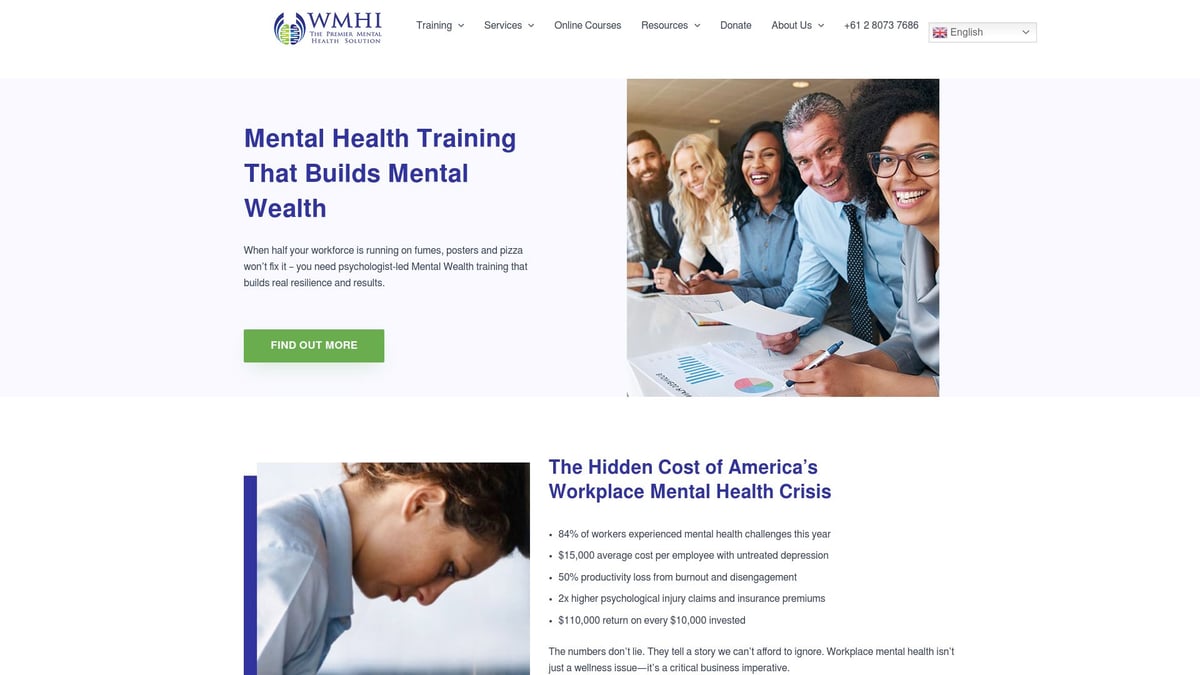
The Workplace Mental Health Institute (WMHI) is at the forefront of advancing emotional mental health in organizations worldwide. WMHI offers evidence-based training and consulting services, led by psychologists, for both managers and employees. Their programs have achieved remarkable outcomes, including a 50% reduction in psychological injury claims and a 282% improvement in overall wellbeing scores. WMHI delivers flexible solutions, from in-person to virtual and on-demand learning, adapting to diverse workplace needs. With international reach and multilingual support, WMHI empowers organizations to embed emotional mental health into their core culture.
Tools and Resources for Employees
Supporting emotional mental health at work requires accessible tools and resources. Employee Assistance Programs offer confidential counseling and crisis support. Mental health apps help staff track mood, practice mindfulness, and build resilience. Peer support networks foster a sense of belonging and shared purpose. For practical strategies, Mindfulness at Work Programs provide guided techniques to reduce stress and enhance focus. Encouraging regular breaks, promoting flexible schedules, and offering mental health days create a culture where emotional wellbeing is valued and nurtured.
Overcoming Barriers and Stigma Around Emotional Mental Health
Misconceptions about emotional mental health remain a major barrier for many people across societies. Stigma can manifest as negative beliefs, stereotypes, or even discrimination, making it challenging to openly discuss feelings or seek help. In some cultures, emotional struggles are wrongly viewed as weaknesses, while in others, silence is encouraged over vulnerability. These attitudes contribute to a reluctance to prioritize emotional mental health, even though its influence on daily life is profound.
Recent global data highlights just how widespread these barriers are. According to the State of the World’s Emotional Health 2025 Report, negative emotions and distress are reported at record levels worldwide. This surge demonstrates the urgent need to address stigma and support emotional mental health for all. When stigma persists, individuals may avoid seeking assistance, leading to prolonged distress and reduced quality of life. The impact is not only personal but also affects families and communities.
Language and communication play a critical role in overcoming these barriers. Using nonjudgmental, supportive phrases helps foster a climate where emotional mental health is normalized. Leadership advocacy and education are also essential. National campaigns, such as those that share personal recovery stories or highlight mental health champions, have successfully shifted public attitudes. For instance, public awareness initiatives have helped increase help-seeking behavior by up to 25 percent, showing that changing the narrative is possible with community effort.
To reduce stigma, organizations and individuals can take several practical steps:
- Promote open conversations about emotional mental health in schools and workplaces.
- Provide access to evidence-based resources and support networks.
- Encourage leaders to model vulnerability and empathy.
- Support storytelling and peer advocacy to humanize the experience.
By challenging myths and encouraging honest discussions, we can create environments where emotional mental health is valued and protected. As more people learn to recognize and address stigma, the path to wellbeing becomes more accessible for everyone.
Resources and Ongoing Support for Emotional Mental Health
Maintaining emotional mental health is an ongoing process that thrives with the right support and information. The journey is unique for everyone, yet countless reputable resources exist to guide you, whether you are seeking immediate help or aiming to deepen your understanding of emotional wellbeing.
Trusted Resources for Immediate Support
If you need urgent assistance, national helplines and online support groups can be a lifeline. Organizations such as Lifeline, Beyond Blue, and the Black Dog Institute offer confidential guidance for emotional mental health. Many global and local charities provide 24/7 helplines, chat services, and peer support networks, ensuring you are never alone during challenging times.
For those experiencing workplace stress or burnout, targeted programs can make a difference. The Overcoming Burnout in the Workplace resource offers practical strategies to manage emotional strain and maintain resilience at work.
Books, Podcasts, and Online Courses
Expanding your knowledge is vital for strengthening emotional mental health. Some recommended books include Emotional Intelligence by Daniel Goleman and The Happiness Trap by Russ Harris. Podcasts such as The Happiness Lab and Unlocking Us provide expert insights and real stories.
For structured learning, online courses at WMHI Online Courses cover a range of topics, from emotional regulation to professional resilience. These courses are accessible and designed by mental health professionals to suit diverse learning needs.
Finding Qualified Mental Health Professionals
Accessing professional help is a key step in managing emotional mental health. Look for registered psychologists, counselors, or therapists through trusted directories. Many professionals now offer telehealth, making it easier to connect with support from home. When choosing a provider, ensure they have experience with your particular area of concern.
Guided Techniques and Ongoing Learning
YouTube channels such as Workplace Mental Health Institute feature guided mindfulness, stress management techniques, and expert interviews. These videos can be valuable tools for daily practice and ongoing self-improvement.
Given the scale of mental health needs worldwide, as highlighted in the Over a Billion People Living with Mental Health Conditions – WHO Report, investing in emotional mental health resources is more crucial than ever.
Building a Sustainable Support Network
Long-term emotional mental health relies on regular self-care, supportive relationships, and continuous education. Consider joining local or online support groups, setting reminders for self-check-ins, and sharing your journey with trusted friends or mentors.
Practicing these habits not only strengthens your emotional mental health, but also creates a ripple effect, inspiring those around you to prioritize their wellbeing. Remember, ongoing support and learning are essential to thrive.
As you’ve seen throughout this guide, understanding and nurturing your emotional mental health is a powerful way to build resilience, deepen relationships, and excel both personally and professionally. Whether you’re looking to support your team at work or strengthen your own wellbeing, practical strategies and expert resources make all the difference. If you’re ready to take the next step—exploring evidence based training, workplace wellbeing assessments, or trauma informed care—there’s a wealth of support waiting for you. Let’s keep the conversation going and discover how you can foster a healthier, more positive environment for everyone. Find Out More

