
Mental health is not simply something we have or don’t have. It’s a dynamic state influenced by skills we can learn, practice, and strengthen over time. Just as we develop physical fitness through consistent exercise, we can build psychological resilience through intentional practice of mental health skills. These capabilities empower us to navigate life’s challenges, manage stress effectively, and maintain emotional balance even during difficult periods. The good news? These aren’t innate talents reserved for a select few-they’re learnable competencies accessible to everyone willing to invest time and effort into their wellbeing.
What Are Mental Health Skills?
Mental health skills are specific, practical techniques and abilities that help us manage our thoughts, emotions, and behaviors in healthy ways. Unlike vague notions of “thinking positively,” these are concrete practices backed by psychological research and clinical evidence.
These skills fall into several categories, each addressing different aspects of psychological wellbeing. They include emotional regulation techniques, mindfulness practices, cognitive reframing methods, and interpersonal boundaries. Together, they form a comprehensive toolkit for navigating life’s ups and downs.
What makes these “skills” rather than just habits?
- They can be taught and learned systematically
- Practice leads to measurable improvement
- They transfer across different situations and contexts
- They build on foundational knowledge about how our minds work
The National Institute of Mental Health emphasizes caring for mental health as an active process requiring specific strategies and consistent practice.
| Skill Category | Primary Function | Example Technique |
|---|---|---|
| Emotional Regulation | Managing intense feelings | Deep breathing exercises |
| Cognitive Skills | Reshaping thought patterns | Thought challenging |
| Interpersonal Skills | Healthy relationships | Assertive communication |
| Self-Care | Physical-mental connection | Sleep hygiene |
| Mindfulness | Present-moment awareness | Body scan meditation |
Core Mental Health Skills You Can Start Building Today
Emotional Regulation
Emotional regulation represents our ability to recognize, understand, and manage our emotional responses. This doesn’t mean suppressing feelings or always staying calm. Instead, it’s about experiencing emotions without being overwhelmed by them.
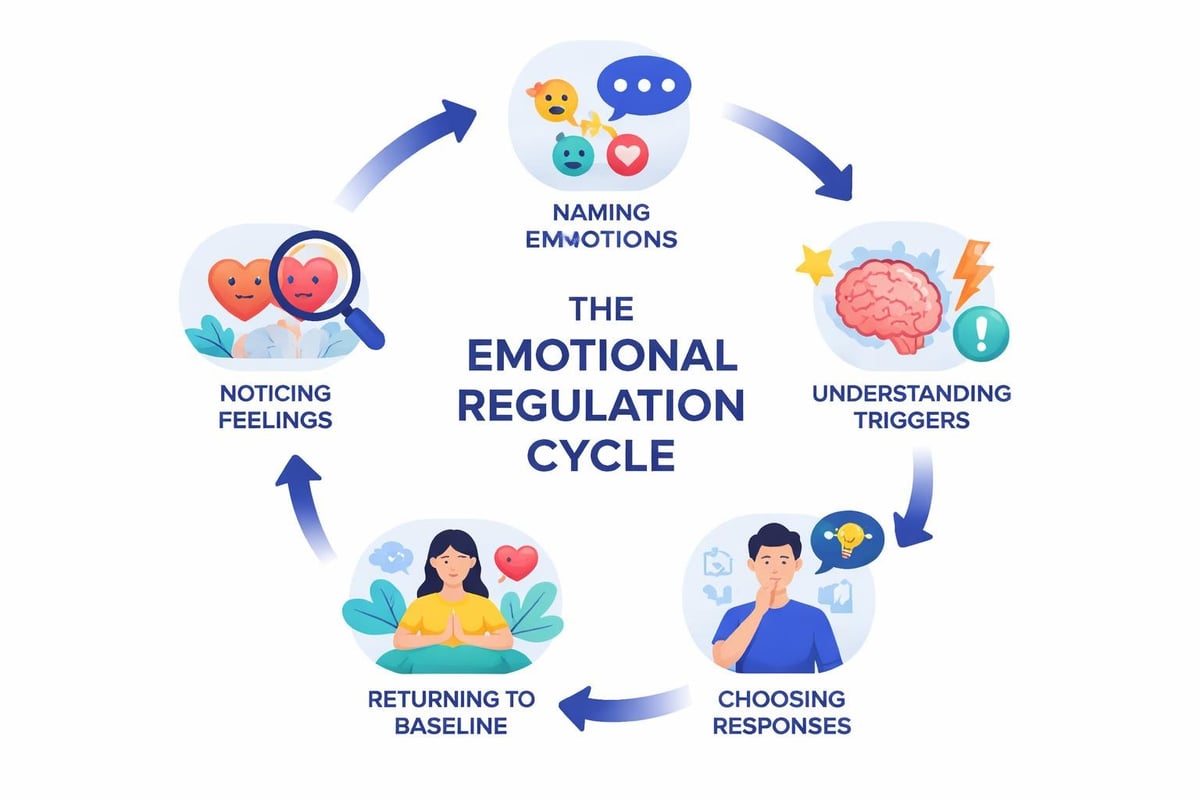
Effective emotional regulation involves several steps:
- Recognizing when emotions are rising
- Naming the specific emotion accurately
- Understanding what triggered the response
- Choosing how to respond rather than reacting automatically
- Implementing calming or processing strategies
Simple techniques include progressive muscle relaxation, counting to ten before responding, or the 5-4-3-2-1 grounding exercise (identifying five things you see, four you touch, three you hear, two you smell, one you taste).
Mindfulness and Present-Moment Awareness
Mindfulness is the practice of paying attention to the present moment without judgment. This foundational mental health skill helps reduce rumination about the past and worry about the future-two major contributors to anxiety and depression.
You don’t need to meditate for hours. Even three to five minutes daily of focused breathing can create measurable changes in stress levels and emotional reactivity. Mindfulness strengthens the prefrontal cortex (responsible for rational thinking) while reducing activity in the amygdala (the brain’s fear center).
Practical mindfulness approaches:
- Mindful eating: truly tasting and experiencing your food
- Walking meditation: focusing on each step and breath
- Body scan: systematically noticing sensations from head to toe
- Mindful listening: giving full attention during conversations
Self-Compassion
Self-compassion involves treating yourself with the same kindness you’d offer a good friend. Research by Dr. Kristin Neff shows that self-compassion is more effective than self-esteem for long-term wellbeing because it doesn’t depend on external validation or comparison.
This mental health skill has three components: self-kindness (versus self-judgment), common humanity (recognizing everyone struggles), and mindfulness (balanced awareness without over-identification with difficulties).
When you make a mistake, instead of harsh self-criticism, try acknowledging “This is hard, and it’s okay to struggle. What can I learn from this?”
Cognitive Reframing
Cognitive reframing draws from Cognitive Behavioral Therapy (CBT) techniques, helping us identify and challenge unhelpful thought patterns. Our thoughts significantly influence our emotions and behaviors, so learning to recognize distortions creates powerful change.
Common cognitive distortions include:
- All-or-nothing thinking: Seeing situations in black-and-white terms
- Catastrophizing: Assuming the worst possible outcome
- Mental filtering: Focusing only on negatives while ignoring positives
- Personalization: Blaming yourself for things outside your control
The reframing process involves catching the thought, examining the evidence, and developing a more balanced perspective. Instead of “I always mess everything up,” you might reframe to “I made a mistake on this project, but I’ve succeeded at many others.”
Stress Management
The American Psychological Association provides evidence-based stress management techniques that form essential mental health skills for modern life. Chronic stress damages both physical and psychological health, making effective stress management critical.
Effective stress management strategies include:
- Time management: Breaking large tasks into manageable steps
- Physical activity: Regular exercise reduces cortisol and releases endorphins
- Relaxation techniques: Deep breathing, progressive muscle relaxation, or visualization
- Social connection: Spending time with supportive people
- Healthy boundaries: Learning to say no to excessive demands
Workplace Mental Health Institute’s building resilience at work programs specifically address stress management in professional environments, where demands can feel relentless.
Boundary-Setting
Healthy boundaries protect your time, energy, and emotional wellbeing. This mental health skill involves knowing your limits and communicating them clearly to others.
Boundaries aren’t walls that isolate us. They’re guidelines that define how we want to be treated and what we’re willing to accept. Strong boundaries actually improve relationships by reducing resentment and creating clearer expectations.
| Boundary Type | Example | Communication Strategy |
|---|---|---|
| Time | Protecting personal/family time | “I’m not available for work calls after 6 PM” |
| Emotional | Not taking on others’ problems | “I care about you, but I can’t fix this for you” |
| Physical | Personal space needs | “I prefer handshakes to hugs with colleagues” |
| Mental | Protecting your values | “I’m not comfortable participating in gossip” |
Gratitude Practice
Gratitude is more than just saying “thank you.” As a mental health skill, it’s the intentional practice of noticing and appreciating positive aspects of life. Research shows regular gratitude practice increases dopamine and serotonin, the brain’s “feel-good” neurotransmitters.
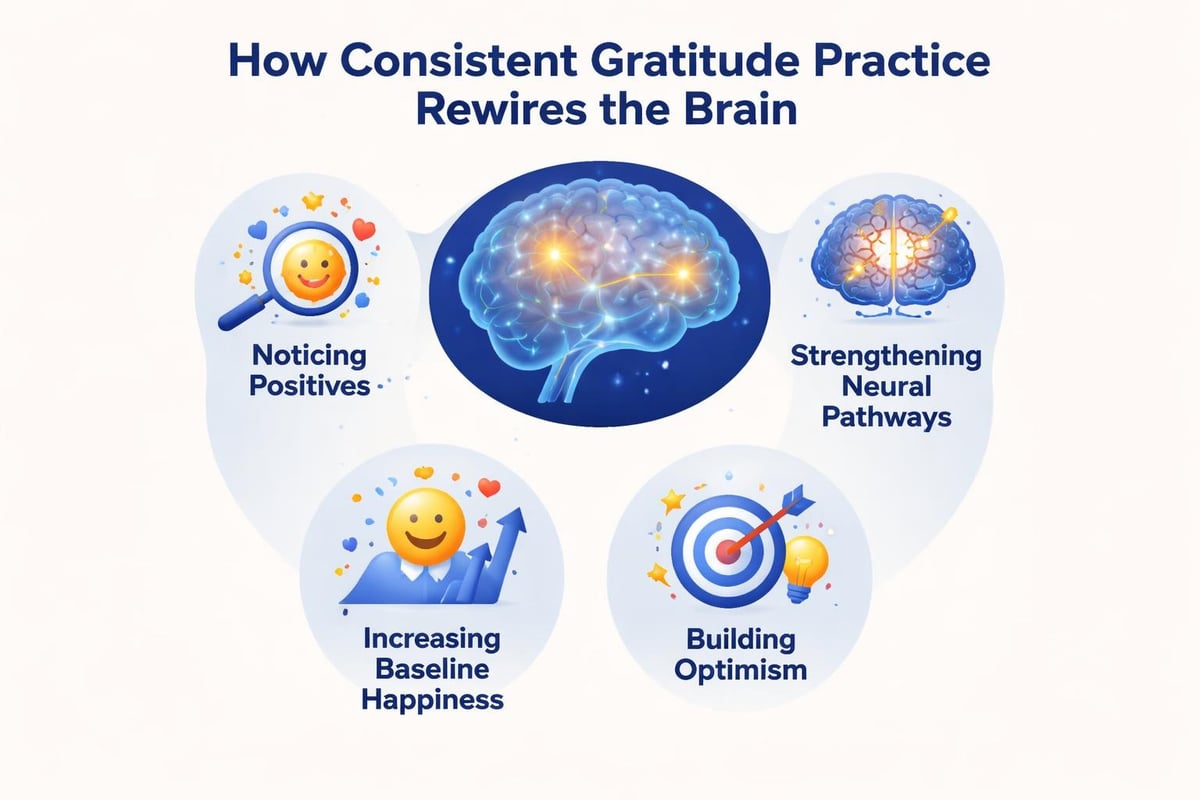
Start with a simple practice: write down three specific things you’re grateful for each evening. The key is specificity-“I’m grateful for the barista who remembered my order and smiled at me” is more powerful than “I’m grateful for coffee.”
Help-Seeking
Knowing when and how to ask for help is perhaps the most undervalued mental health skill. Many people view seeking support as weakness, when it’s actually a sign of self-awareness and strength.
Help-seeking includes:
- Recognizing when problems exceed your ability to manage alone
- Identifying appropriate sources of support (friends, family, professionals)
- Communicating your needs clearly
- Following through with recommended treatments or support
The National Alliance on Mental Illness offers guidance on mental health conditions and when professional intervention becomes necessary.
Why Mental Health Skills Matter
Building mental health skills creates measurable benefits across multiple life domains. These aren’t just feel-good practices-they create real neurological and behavioral changes.
Research-backed benefits include:
- Reduced symptoms of anxiety and depression
- Improved stress resilience and coping capacity
- Enhanced relationships and social connections
- Better physical health outcomes (lower blood pressure, stronger immune function)
- Increased productivity and focus
- Greater life satisfaction and sense of purpose
From a neurological perspective, practicing mental health skills strengthens neural pathways associated with emotional regulation and rational thinking. The brain’s neuroplasticity means these pathways become more automatic with consistent practice, making healthy responses increasingly natural.
These skills also boost dopamine (motivation and reward), serotonin (mood stability), and oxytocin (social bonding)-the neurochemicals essential for wellbeing. Unlike temporary fixes, mental health skills create sustainable changes in brain chemistry through natural mechanisms.
Organizations investing in workplace mental health courses and training recognize that these skills benefit not just individuals but entire teams and workplace cultures.
How to Start Building Mental Health Skills
Starting can feel overwhelming when faced with multiple skills to develop. The key is beginning with one skill at a time rather than trying to overhaul your entire life overnight.
Choose Your Starting Point
Select one skill that addresses your most pressing challenge. If anxiety dominates your experience, start with mindfulness or breathing techniques. If negative self-talk is your primary struggle, focus on cognitive reframing or self-compassion.
You don’t need perfection-you need consistency. Five minutes daily of focused practice beats thirty minutes once a week.
Use Structured Tools
Journaling provides powerful support for building mental health skills:
- Track mood patterns and identify triggers
- Practice cognitive reframing by writing out thoughts and alternatives
- Document gratitude lists
- Reflect on what’s working and what needs adjustment
Several evidence-based apps support mental health skill development. Options like Headspace and Calm guide mindfulness practice, while apps like Moodfit and Sanvello help track patterns and practice CBT techniques. The NHS offers self-help guides and tools that complement app-based approaches.
Create Accountability Systems
Building mental health skills works best with support and accountability. This might mean:
- Joining a class or workshop focused on specific skills
- Finding an accountability partner to check in with weekly
- Working with a therapist who can guide your practice
- Participating in workplace wellness programs
Employee programs specifically designed for skill-building create structured environments where learning happens alongside peers facing similar challenges.
Practice Self-Compassion During the Process
Learning any new skill involves setbacks and imperfect attempts. Your self-talk during this process matters enormously. Notice when you’re being harsh with yourself and intentionally shift to encouragement.
Remember that building mental health skills is a marathon, not a sprint. Progress isn’t linear-some weeks you’ll feel strong, others you’ll struggle. Both are normal parts of growth.
Mental Health Skills for Specific Contexts
Mental Health Skills in the Workplace
Professional environments present unique challenges requiring adapted mental health skills. Workplace stressors-tight deadlines, interpersonal conflicts, high expectations-demand specific coping strategies.
Workplace-specific mental health skills include:
- Professional boundary-setting (managing workload, protecting off-hours)
- Stress management during high-pressure situations
- Emotional regulation in conflict situations
- Effective communication of needs and concerns
- Building supportive professional relationships
Leader and manager training recognizes that developing these skills in leadership creates positive ripple effects throughout organizations.
Skills for Different Life Stages
Teenagers benefit particularly from emotion identification and peer pressure resistance skills. Young adults often need support with decision-making frameworks and identity development. Middle-aged individuals may focus on work-life balance and relationship maintenance. Older adults might emphasize purpose-finding and loss processing.
The core mental health skills remain relevant across all ages, but application and emphasis shift based on developmental stage and life circumstances.
Frequently Asked Questions
What are the most important mental health skills to learn first?
Start with emotional regulation and mindfulness, as these foundational skills support all others. Being able to recognize and manage emotions while staying present creates the capacity for practicing additional skills like cognitive reframing and boundary-setting.
How long does it take to develop mental health skills?
Initial benefits often appear within weeks of consistent practice, but developing true proficiency typically takes three to six months. Like any skill, continued practice leads to ongoing improvement. Neuroplasticity research shows brain changes begin within weeks but deepen over months and years.
Can mental health skills replace therapy or medication?
Mental health skills complement professional treatment but shouldn’t replace it for serious conditions. They’re preventive and supportive tools that work best alongside appropriate medical and psychological care when needed. SAMHSA provides resources on mental health treatment options and when to seek professional help.
What if I don’t have time to practice mental health skills?
Many mental health skills integrate into existing routines. Practice mindful breathing during your commute, use cognitive reframing when negative thoughts arise naturally, or combine gratitude practice with bedtime routines. Start with three to five minutes daily-consistency matters more than duration.
How do I know if my mental health skills are working?
Track specific metrics like sleep quality, stress levels, relationship satisfaction, or frequency of anxious thoughts. Many people notice improved emotional regulation (recovering from upsets more quickly), better relationships (fewer conflicts), enhanced focus, and greater overall life satisfaction within the first month of consistent practice.
Are mental health skills different from coping skills?
Mental health skills encompass coping skills but extend beyond crisis management. Coping skills help during difficult moments, while mental health skills also include preventive practices that build baseline resilience. Both are valuable components of comprehensive wellbeing.
Building mental health skills transforms wellbeing from something that happens to you into something you actively create through intentional practice. These learnable competencies-from emotional regulation to mindfulness to boundary-setting-empower you to navigate challenges with greater confidence and resilience. Whether you’re looking to enhance personal wellbeing or create healthier workplace cultures, Workplace Mental Health Institute offers comprehensive training programs designed to develop practical mental health skills in accessible, empowering ways that create lasting change for individuals and organizations alike.

