
The intersection of mental health and safety has become a critical priority for organizations worldwide, reshaping how businesses approach employee wellbeing and workplace culture. As regulatory frameworks evolve and awareness increases, organizations must understand their legal obligations, implement effective strategies, and foster environments where psychological safety is valued as highly as physical safety. This comprehensive guide examines the legislative landscape, practical implementation strategies, and shared responsibilities that define modern mental health and safety practices in the workplace.
Understanding Mental Health and Safety Legislation
Organizations operating across different jurisdictions face varying legal requirements regarding mental health and safety. Understanding these frameworks is essential for compliance and creating genuinely supportive work environments.
United States Regulatory Framework
In the United States, workplace mental health and safety falls under multiple regulatory bodies and frameworks. The Occupational Safety and Health Administration (OSHA) requires employers to provide workplaces free from recognized hazards, which increasingly includes psychological hazards. While OSHA doesn’t have specific mental health standards, the General Duty Clause (Section 5(a)(1)) requires employers to address serious recognized hazards, including workplace violence, extreme stress, and harassment.
The OSHA general references provide comprehensive guidance on maintaining safe work environments. The Americans with Disabilities Act (ADA) additionally requires reasonable accommodations for employees with mental health conditions, prohibiting discrimination based on mental health status.
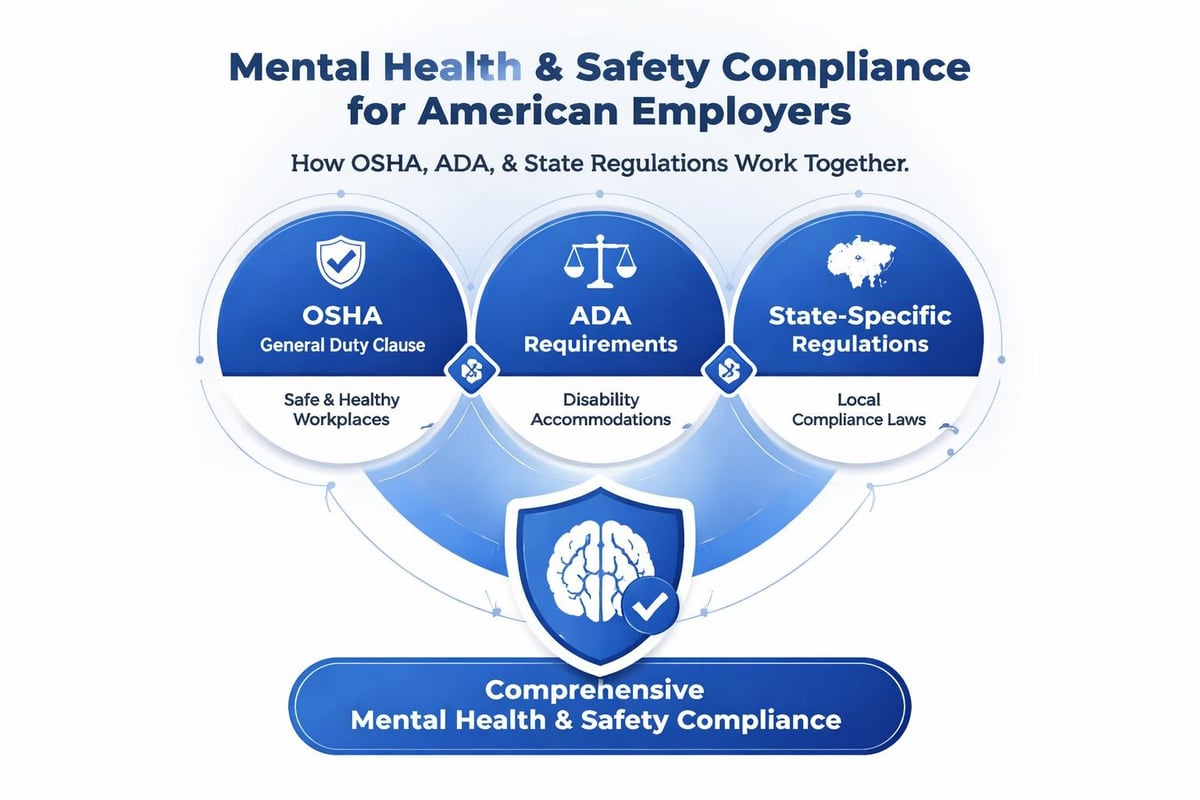
State-level regulations add another layer. California’s Division of Occupational Safety and Health (Cal/OSHA) has established robust mental health resources for workers and employers, setting precedents for workplace psychological safety standards. Several states have enacted workplace violence prevention laws that directly address mental health and safety concerns.
United Kingdom Legal Requirements
The UK maintains comprehensive mental health and safety legislation through the Health and Safety at Work Act 1974, which requires employers to ensure the health, safety, and welfare of employees. This explicitly includes mental health under the broader definition of “health.”
Key UK regulatory elements include:
- Management of Health and Safety at Work Regulations 1999 requiring risk assessments for stress and psychological hazards
- Equality Act 2010 protecting employees with mental health conditions from discrimination
- Health and Safety Executive (HSE) Management Standards for work-related stress
- Corporate Manslaughter and Corporate Homicide Act 2007 holding organizations accountable for gross negligence
The HSE defines work-related stress as a significant component of mental health and safety, requiring employers to conduct regular assessments and implement control measures.
Australian Workplace Standards
Australia has established leading-edge mental health and safety legislation through a harmonized national framework. Work Health and Safety (WHS) Acts across states and territories explicitly include psychological health as part of workplace safety obligations.
SafeWork Australia defines psychosocial hazards as aspects of work design, management, and environment that may cause psychological or physical harm. Employers must identify, assess, and control these hazards just as they would physical safety risks.
| Country | Primary Legislation | Regulatory Body | Key Requirements |
|---|---|---|---|
| USA | OSH Act, ADA | OSHA, EEOC | General Duty Clause, reasonable accommodations |
| UK | Health and Safety at Work Act 1974 | HSE | Stress risk assessments, management standards |
| Australia | WHS Acts | SafeWork Australia | Psychosocial hazard identification and control |
| Canada | Canada Labour Code | Labour Program | Workplace violence prevention, psychological safety |
Employer Responsibilities for Mental Health and Safety
Organizations bear primary responsibility for creating psychologically safe workplaces. This extends beyond legal compliance to encompass proactive strategies that prevent harm and promote wellbeing.
Risk Assessment and Management
Employers must conduct regular mental health and safety risk assessments to identify psychosocial hazards. These assessments should examine workload, work pace, role clarity, organizational change management, bullying and harassment, support systems, and recognition practices.
Effective risk assessment processes include:
- Systematic identification of psychosocial hazards through surveys, focus groups, and incident data analysis
- Evaluation of risk levels considering likelihood and potential severity
- Implementation of control measures following the hierarchy of controls
- Regular monitoring and review of effectiveness
- Documentation and communication of findings and actions
The authoritative recommendations from NIOSH provide evidence-based frameworks for reducing occupational injuries and illnesses, including mental health concerns.
Policy Development and Implementation
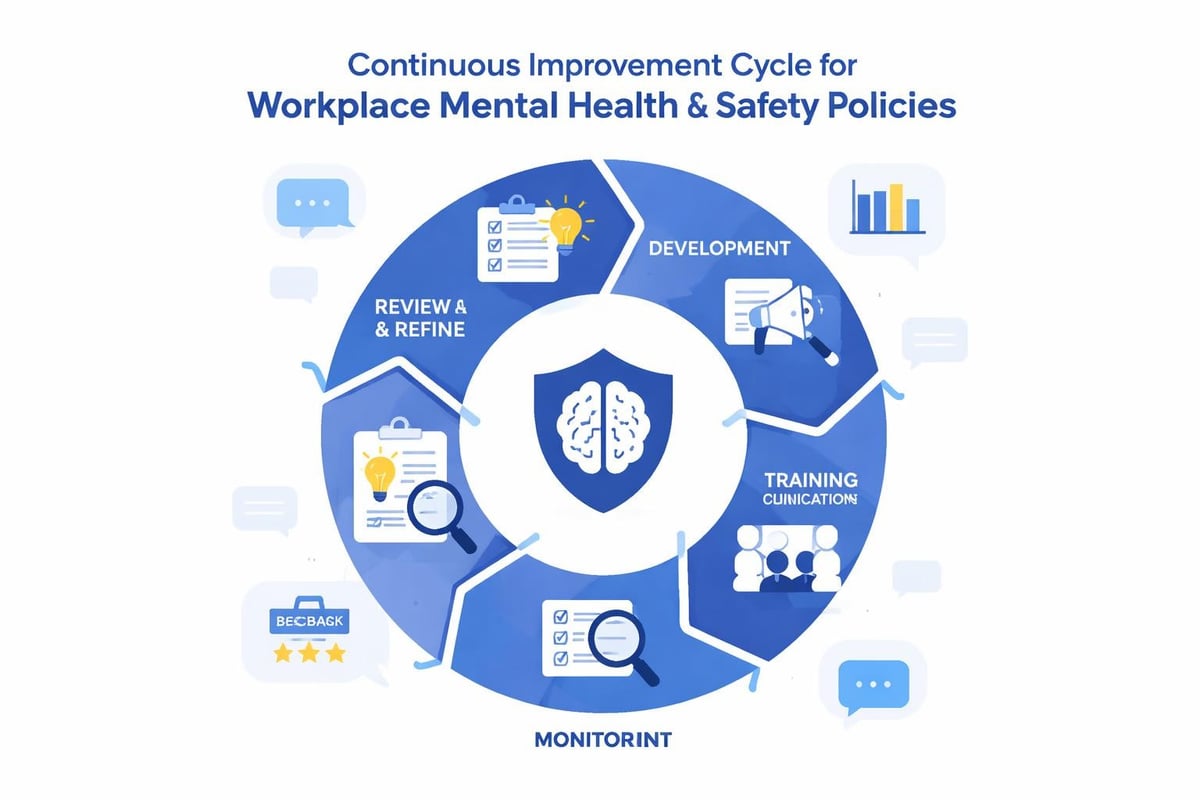
Comprehensive mental health and safety policies establish organizational expectations and procedures. Effective policies clearly define psychosocial hazards, outline reporting mechanisms, describe support resources, specify investigation procedures, and detail preventive measures.
Policies must be accessible, regularly reviewed, and consistently enforced. Senior leadership endorsement signals organizational commitment and creates accountability throughout the hierarchy.
Training and Education Programs
Organizations must provide mental health and safety training to all staff levels. Manager training should cover recognizing signs of distress, conducting supportive conversations, managing workload and expectations, creating psychologically safe teams, and understanding legal obligations.
Employee training encompasses understanding mental health basics, recognizing personal stress and distress signs, accessing support resources, maintaining work-life boundaries, and supporting colleagues appropriately.
Training programs should be evidence-based, culturally appropriate, regularly updated, and delivered by qualified professionals. One-time sessions prove insufficient; ongoing education reinforces skills and normalizes mental health conversations.
Leadership Accountability in Mental Health and Safety
Leaders at all organizational levels play crucial roles in mental health and safety outcomes. Their behaviors, decisions, and priorities directly influence workplace culture and employee wellbeing.
Modeling Healthy Behaviors
Leaders who prioritize their own mental health and safety send powerful messages throughout organizations. This includes taking leave when needed, maintaining boundaries, discussing challenges openly, seeking support when necessary, and demonstrating vulnerability appropriately.
Authentic leadership creates permission for employees to prioritize their wellbeing without fear of career consequences. When leaders model healthy behaviors, they dismantle stigma and normalize help-seeking.
Creating Psychologically Safe Environments
Psychological safety enables employees to speak up, take risks, and admit mistakes without fear of punishment or humiliation. Leaders foster this through encouraging questions and diverse perspectives, responding constructively to concerns, acknowledging their own limitations, celebrating learning from failures, and ensuring fair and consistent treatment.
Research consistently demonstrates that psychologically safe teams show higher performance, innovation, and employee retention. Mental health and safety initiatives fail without this foundational element.
Resource Allocation and Support
Leadership commitment to mental health and safety requires appropriate resource allocation. This includes adequate staffing levels, access to Employee Assistance Programs (EAPs), mental health training budgets, time for wellbeing activities, and investment in supportive infrastructure.
Leaders must also ensure that mental health and safety considerations inform strategic decisions about restructuring, technology implementation, workload distribution, and performance management systems.
Employee Responsibilities and Self-Care
While employers bear primary responsibility for mental health and safety, employees also have important roles in maintaining healthy workplaces and protecting their own wellbeing.
Personal Awareness and Self-Management
Employees should develop awareness of their mental health status, stress triggers, coping strategies, and early warning signs of distress. This self-knowledge enables proactive management before challenges escalate.
Effective self-care practices include:
- Maintaining regular sleep, exercise, and nutrition routines
- Setting and maintaining work-life boundaries
- Using available leave and break entitlements
- Engaging in activities that provide restoration and meaning
- Building supportive social connections
Employees should view self-care as essential professional practice, not optional or indulgent. Just as physical safety requires following safety protocols, mental health and safety requires individuals to engage in protective behaviors.
Utilizing Available Resources
Organizations typically provide various mental health and safety resources. Employees should familiarize themselves with EAP services, flexible work arrangements, leave entitlements, peer support programs, and mental health first aid resources.
Seeking help early prevents escalation and demonstrates strength, not weakness. Trustworthy mental health information helps employees make informed decisions about their wellbeing.
Contributing to Positive Culture
Employees contribute to mental health and safety by treating colleagues with respect, speaking up about concerns constructively, offering support to struggling peers, participating in wellbeing initiatives, and providing feedback on policies and programs.
Creating positive workplace culture is collective work. When employees actively contribute, they strengthen the entire mental health and safety ecosystem.
What Organizations Should Do
Implementing effective mental health and safety requires systematic approaches that address prevention, early intervention, and response.
Conduct Comprehensive Assessments
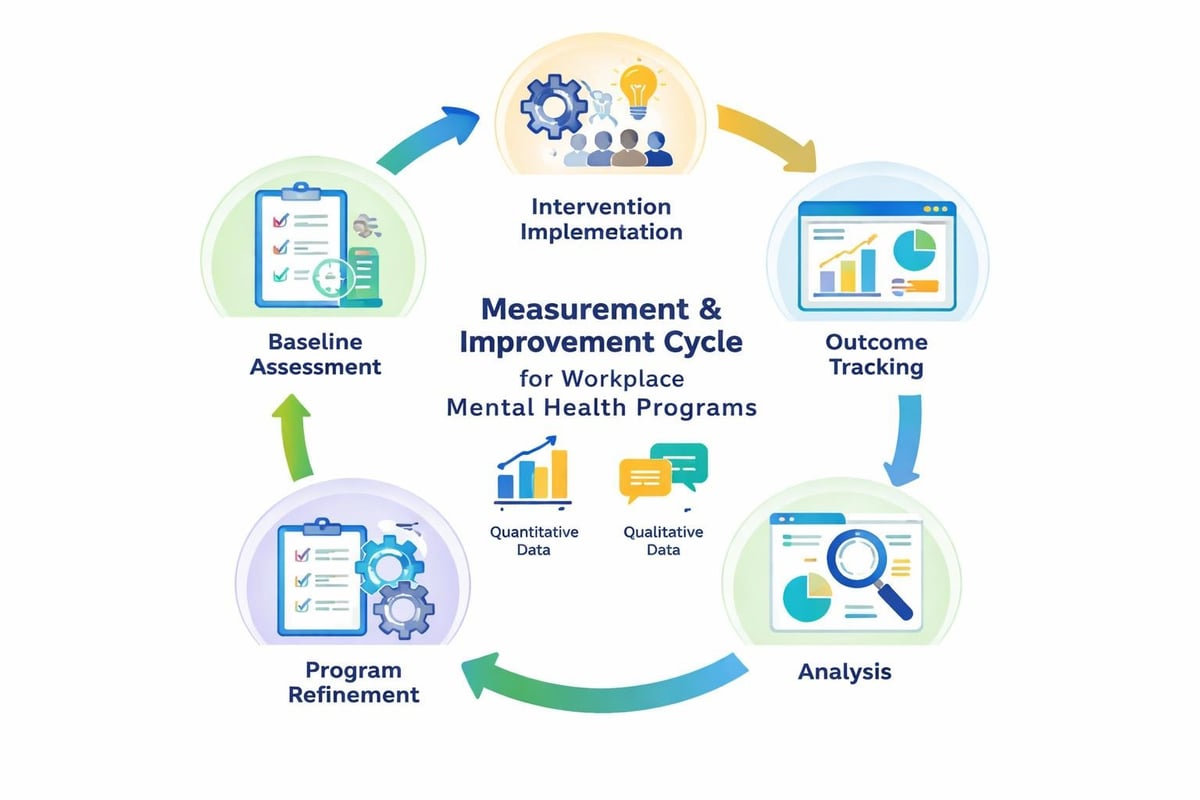
Regular workplace wellbeing assessments identify risks, measure current state, and inform targeted interventions. These should include quantitative surveys, qualitative interviews and focus groups, analysis of absence and turnover data, review of workplace incident reports, and benchmarking against industry standards.
Assessment findings should drive action planning with specific, measurable objectives and allocated accountability.
Implement Preventive Measures
Prevention represents the most effective mental health and safety strategy. Organizations should design jobs with sustainable workload levels, provide adequate resources and support, ensure role clarity and autonomy, foster respectful workplace relationships, and manage organizational change thoughtfully.
| Preventive Strategy | Implementation Approach | Expected Outcomes |
|---|---|---|
| Workload Management | Regular capacity reviews, realistic deadlines | Reduced burnout, improved productivity |
| Clear Communication | Transparent decision-making, regular updates | Decreased anxiety, enhanced trust |
| Recognition Programs | Regular appreciation, fair reward systems | Increased engagement, stronger morale |
| Flexible Arrangements | Remote work options, adjusted schedules | Better work-life integration, reduced stress |
Establish Clear Response Protocols
When mental health concerns arise, organizations need clear, compassionate response protocols. These should outline how to identify employees in distress, conduct supportive conversations, connect employees with resources, provide reasonable accommodations, and maintain appropriate confidentiality.
Protocols must balance individual privacy with safety obligations. In crisis situations, organizations should have established relationships with emergency mental health services and clear escalation pathways.
Monitor and Continuously Improve
Mental health and safety programs require ongoing monitoring and refinement. Organizations should track leading indicators like training completion, EAP utilization, and survey results, alongside lagging indicators including absence rates, turnover statistics, and workers’ compensation claims.
Regular program evaluation identifies what works, what needs adjustment, and emerging needs. This data-driven approach ensures resources target areas of greatest impact.
What Organizations Should Not Do
Avoiding common pitfalls is equally important as implementing best practices for mental health and safety.
Don’t Treat Mental Health as Separate from Safety
Mental health and safety must be integrated into overall safety management systems, not treated as distinct or optional initiatives. Organizations that silo mental health perpetuate stigma and miss opportunities for comprehensive wellbeing.
Safety committees should include mental health expertise. Incident investigations should consider psychosocial factors. Safety metrics should encompass psychological indicators.
Avoid One-Size-Fits-All Approaches
Generic mental health and safety programs often fail because they don’t address specific organizational contexts, cultures, and challenges. Cookie-cutter wellness apps or mandatory resilience training may signal concern but lack meaningful impact without customization.
Effective programs reflect workforce demographics, industry-specific stressors, organizational culture, employee feedback, and evidence-based best practices tailored to context.
Don’t Ignore Systemic Issues
Individual support programs cannot compensate for toxic cultures, excessive workloads, poor leadership, or discriminatory practices. Organizations that offer EAPs while maintaining unrealistic expectations or tolerating bullying send contradictory messages that undermine mental health and safety.
Sustainable improvement requires addressing root causes, not just symptoms. This often means difficult conversations about workload, organizational structure, leadership behavior, and resource allocation.
Resist Performative Gestures
Mental health and safety initiatives driven primarily by public relations considerations rather than genuine commitment typically fail. Employees quickly recognize when organizations prioritize appearance over substance.
Authentic programs involve meaningful investment, behavioral change at leadership levels, accountability for outcomes, employee involvement in design, and willingness to address uncomfortable truths.
Building Sustainable Mental Health and Safety Programs
Long-term success in mental health and safety requires strategic planning, sustained commitment, and cultural transformation.
Integration with Business Strategy
Mental health and safety should connect directly to organizational strategy and objectives. This includes demonstrating links between wellbeing and productivity, retention, innovation, customer satisfaction, and risk management.
When leadership views mental health and safety as business-critical rather than compliance-driven, programs receive necessary priority and resources. Business case development should quantify costs of poor mental health alongside benefits of intervention.
Multi-Level Intervention Approaches
Effective programs address individual, team, and organizational levels simultaneously. Individual-focused interventions build personal resources and coping skills. Team-level approaches enhance social support and psychological safety. Organizational interventions modify systems, policies, and cultures that shape wellbeing.
Comprehensive intervention framework:
- Individual Level: Mental health literacy, stress management skills, access to clinical support
- Team Level: Supportive leadership, team cohesion activities, conflict resolution processes
- Organizational Level: Job design, workload management, inclusive policies, accountability systems
This multi-level approach addresses immediate needs while creating sustainable structural change.
Engagement and Participation
Mental health and safety programs succeed when employees actively participate in design and implementation. Co-creation approaches ensure relevance, build ownership, reduce resistance, surface innovative ideas, and enhance cultural fit.
Participation mechanisms include wellbeing committees, focus groups and consultation, pilot program volunteers, peer champion networks, and feedback loops for continuous improvement.
The U.S. Department of Education’s mental health resources demonstrate how engaging stakeholders creates more effective support systems, principles that apply across sectors.
Measurement and Accountability
Establishing clear metrics and accountability mechanisms drives sustained attention to mental health and safety. Organizations should define success indicators, establish baseline measurements, set improvement targets, assign responsibility for outcomes, and report progress regularly.
Metrics should balance quantitative data with qualitative insights that capture cultural shifts and individual experiences. Dashboard reporting makes mental health and safety visible to leadership and stakeholders.
Special Considerations for Different Industries
Mental health and safety challenges and solutions vary across industries, requiring tailored approaches that address sector-specific factors.
High-Stress Environments
Healthcare, emergency services, and social services face unique mental health and safety challenges including exposure to trauma, life-and-death decision-making, emotional labor demands, irregular schedules, and resource constraints.
These industries require robust trauma-informed approaches, peer support programs, regular debriefing opportunities, adequate staffing levels, and access to specialized mental health services.
Remote and Hybrid Workplaces
Distributed work introduces distinct mental health and safety considerations: isolation and disconnection, blurred work-life boundaries, communication challenges, technology fatigue, and reduced informal support.
Organizations must intentionally create connection opportunities, establish clear expectations about availability, provide technology that enables rather than burdens, monitor for signs of overwork, and ensure remote workers access equal support resources.
Physically Demanding Industries
Construction, manufacturing, and agriculture face mental health and safety challenges alongside physical hazards. Financial stress from injury, stigma around help-seeking, masculine workplace cultures, and job insecurity create barriers to support.
Effective approaches integrate mental and physical safety conversations, provide peer-delivered support, address substance use compassionately, and connect wellbeing to job performance and safety outcomes.
Emerging Trends in Mental Health and Safety
The mental health and safety landscape continues evolving, with emerging trends shaping future practices.
Technology Integration
Digital tools increasingly support mental health and safety through wellbeing apps and platforms, AI-powered risk detection, virtual counseling services, wearable stress monitoring, and data analytics for population health management.
While technology offers scalability and accessibility, organizations must ensure privacy protection, evidence-based tool selection, human oversight and intervention, digital equity and access, and integration with offline support.
Proactive and Preventive Approaches
Organizations are shifting from reactive crisis response toward proactive prevention and early intervention. This includes regular check-ins and pulse surveys, predictive analytics identifying risk patterns, strength-based approaches building resilience, organizational development addressing systemic factors, and continuous improvement cycles.
Prevention requires patience and sustained investment but ultimately proves more effective and cost-efficient than addressing crises.
Intersectionality and Inclusion
Recognition that mental health and safety experiences vary across identities drives more nuanced, inclusive approaches. Programs increasingly consider how race, gender, sexuality, disability, age, and socioeconomic status intersect to shape mental health risks and protective factors.
Inclusive mental health and safety requires diverse representation in program design, culturally responsive interventions, addressing discrimination and microaggressions, accessibility in all resources and supports, and disaggregated data revealing disparities.
Prioritizing mental health and safety creates workplaces where people thrive, organizations succeed, and communities benefit. The legal frameworks, practical strategies, and shared responsibilities outlined here provide a roadmap for meaningful progress. Workplace Mental Health Institute offers comprehensive training programs, strategic consultation, and evidence-based tools to help your organization build sustainable mental health and safety systems that protect your people and strengthen your performance.

