
The demand for workplace mental health expertise has never been more critical. Organizations face mounting pressure to support employee wellbeing while maintaining productivity, yet many leaders lack the specialized knowledge required to implement effective strategies. Mental health short courses offer a practical solution, providing targeted training that builds organizational capacity without requiring lengthy academic commitments. These condensed programs deliver evidence-based frameworks that managers and HR professionals can immediately apply within their teams, creating measurable improvements in workplace culture and employee outcomes.
Understanding Mental Health Short Courses in Professional Context
Mental health short courses represent structured learning programs designed to deliver specific competencies within compressed timeframes, typically ranging from several hours to a few weeks. Unlike traditional degree programs or lengthy certifications, these courses focus on practical application rather than theoretical breadth.
The value proposition centers on accessibility and relevance. Professionals can acquire targeted capabilities without career interruptions, while organizations benefit from staff who develop specialized knowledge aligned with immediate business needs. This learning model addresses a critical gap between general awareness and specialized clinical training.
Core Components of Effective Programs
Quality mental health short courses share several defining characteristics that distinguish them from superficial awareness sessions:
- Evidence-based frameworks grounded in current psychological research and validated interventions
- Practical skill development emphasizing application over passive knowledge acquisition
- Workplace-specific contexts that acknowledge organizational dynamics and constraints
- Measurable learning outcomes clearly defined before program commencement
- Expert facilitation from practitioners with both clinical knowledge and organizational experience
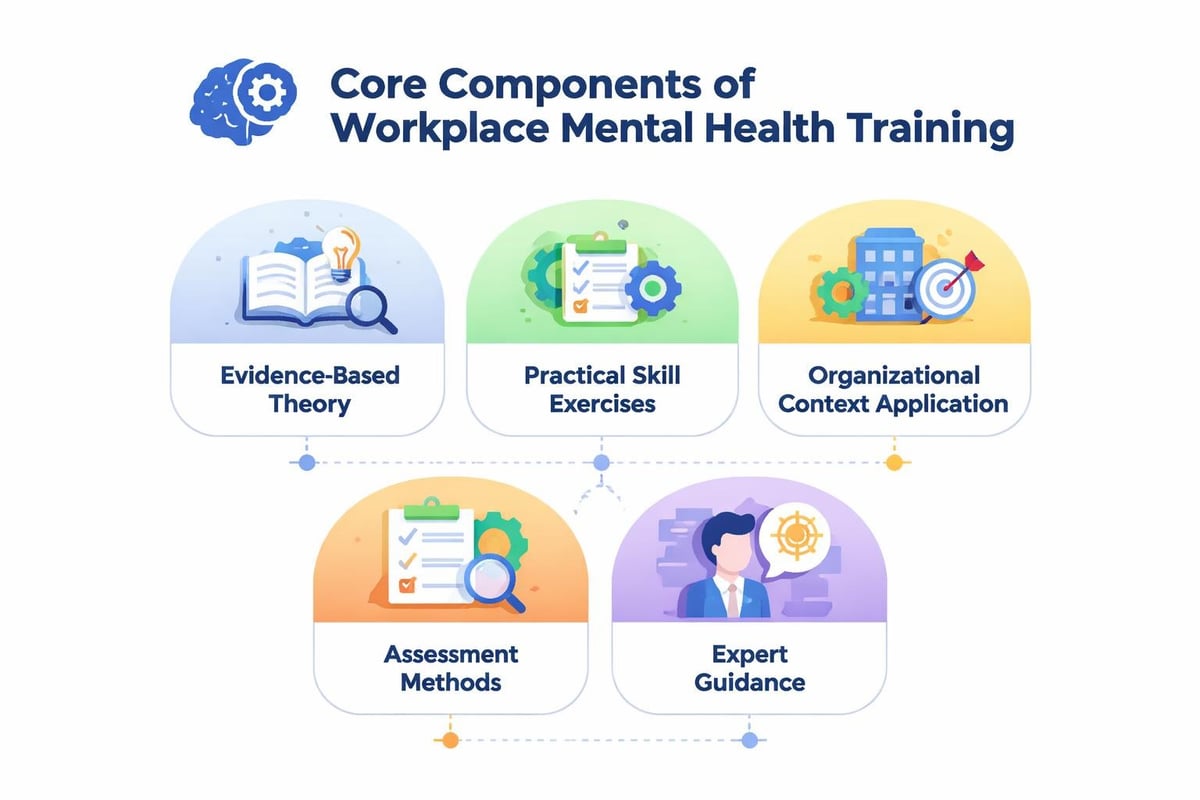
The most effective programs integrate psychological accuracy with operational realism. Participants need to understand both the underlying mechanisms of mental health conditions and the practical constraints of workplace implementation, including budget limitations, privacy requirements, and competing organizational priorities.
Strategic Selection Criteria for Organizations
Choosing appropriate mental health short courses requires systematic evaluation beyond marketing materials and testimonials. HR leaders and organizational decision-makers should apply rigorous selection criteria to ensure training investments deliver tangible returns.
| Selection Factor | Key Considerations | Warning Signs |
|---|---|---|
| Provider Credentials | Qualified mental health professionals, industry recognition, established track record | Vague qualifications, no verifiable expertise, recent market entry only |
| Content Depth | Specific learning objectives, detailed curriculum, evidence citations | Generic outcomes, superficial topic coverage, no theoretical foundation |
| Application Focus | Workplace scenarios, practical tools, implementation support | Purely academic content, no workplace examples, theory-only approach |
| Participant Support | Access to facilitators, resources post-completion, ongoing updates | One-way delivery only, no follow-up, static materials |
Organizations should also consider alignment with existing wellbeing strategies. Training should complement rather than contradict current initiatives, building cohesive capability across the organization.
Evaluating Provider Expertise
The mental health training landscape includes providers with vastly different qualifications and approaches. Some operate from clinical backgrounds with limited organizational experience, while others emphasize business consulting without adequate psychological grounding.
Optimal providers demonstrate both domains. They understand psychological mechanisms, diagnostic criteria, and evidence-based interventions while simultaneously grasping organizational culture, change management principles, and workplace legal frameworks. This dual expertise ensures mental health short courses translate clinical knowledge into organizationally viable practices.
Harvard University provides a selection of mental health courses that demonstrate this balance, covering leadership and clinical foundations with equal rigor. Similarly, institutions recognized for workplace applications offer programs that acknowledge the unique challenges of organizational settings.
Essential Topics for Workplace Mental Health Training
Comprehensive mental health capability development requires coverage across multiple domains. While specific organizational needs vary, certain foundational areas remain universally relevant for managers and HR professionals.
Foundational Mental Health Literacy
Understanding common mental health conditions, their presentations, and basic intervention approaches forms the baseline for all workplace mental health work. This includes:
- Recognition of common conditions: Depression, anxiety disorders, trauma responses, and stress-related presentations as they appear in workplace contexts
- De-stigmatization frameworks: Language use, confidentiality practices, and approaches that normalize mental health support-seeking
- Legal and ethical boundaries: Understanding the scope of managerial responsibility versus clinical intervention
- Early intervention principles: Identifying when and how to initiate supportive conversations
Foundational literacy prevents both under-response (ignoring obvious distress) and over-reach (attempting clinical interventions beyond appropriate boundaries). Managers equipped with this knowledge navigate mental health situations with greater confidence and appropriate action.
Trauma-Informed Workplace Practices
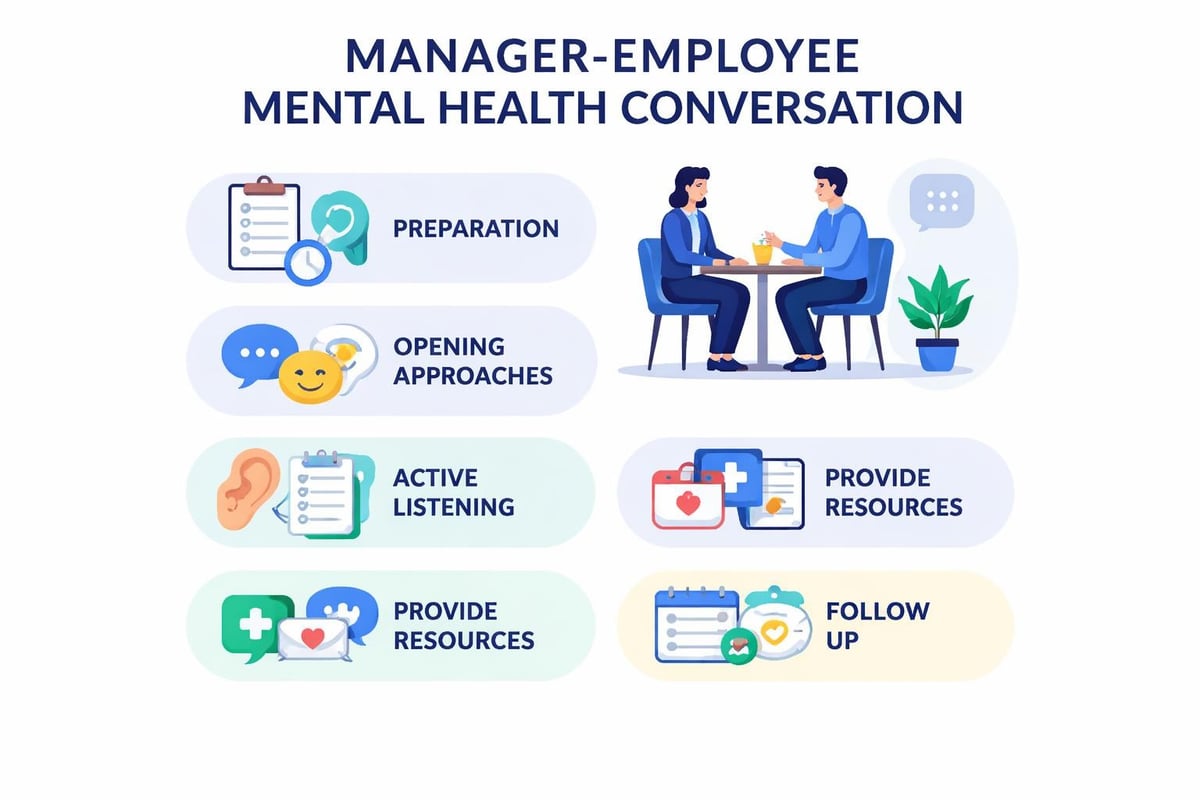
Trauma-informed approaches recognize that significant proportions of workforces have experienced traumatic events that influence their workplace functioning. Mental health short courses addressing trauma should cover organizational policy, interpersonal interactions, and crisis response protocols.
Key elements include understanding trauma triggers in workplace environments, communication approaches that minimize re-traumatization, and creating psychologically safe spaces for disclosure without pressure. Organizations implementing trauma-informed practices report improved employee engagement and reduced conflict escalation.
The Pan American Health Organization provides free, self-paced virtual courses on topics including psychological first aid, which forms a crucial component of trauma-informed organizational response.
Resilience and Preventive Strategies
Rather than solely responding to mental health challenges after they emerge, forward-thinking organizations emphasize prevention and resilience-building. Training in this domain focuses on systemic factors that protect and promote wellbeing.
Participants learn to identify organizational stressors, design work environments that support psychological health, and implement team-level practices that build collective resilience. This proactive orientation shifts mental health from an individual deficit model to a shared organizational responsibility.
Implementation Models and Learning Formats
Mental health short courses employ various delivery models, each offering distinct advantages depending on organizational context and learner preferences. Understanding these formats helps organizations select approaches that maximize engagement and knowledge retention.
Synchronous Online Learning
Live virtual sessions provide real-time interaction between facilitators and participants, enabling dynamic discussion, immediate question clarification, and peer learning. This format works well for geographically dispersed teams requiring consistent training experiences.
Effective synchronous programs incorporate interactive elements beyond passive lecture delivery. Breakout discussions, case study analysis, and skill practice sessions maintain engagement despite physical separation. Organizations should ensure adequate session length (typically 90-120 minutes maximum) to prevent virtual fatigue.
Asynchronous Digital Modules
Self-paced digital learning allows participants to progress according to individual schedules and learning speeds. This flexibility particularly benefits shift workers, global teams across time zones, and professionals balancing training with operational responsibilities.
Quality asynchronous mental health short courses include varied content formats (video, reading materials, interactive assessments) and clear progress tracking. The CDC offers a curated list of external training resources that demonstrate effective asynchronous design principles for health literacy development.
Organizations should recognize that asynchronous learning requires greater self-direction. Providing structured completion timelines and manager check-ins improves follow-through rates significantly.
Blended Learning Approaches
Combining asynchronous foundational content with synchronous application sessions creates powerful learning experiences. Participants complete theoretical components at their own pace, then attend live sessions focused on practice, discussion, and complex scenario analysis.
This model optimizes facilitator time for high-value interactions while accommodating varied learning preferences. It also allows organizations to deliver consistent foundational content while tailoring application discussions to specific organizational contexts.
Measuring Training Effectiveness and ROI
Organizations investing in mental health short courses require evidence of impact beyond participant satisfaction scores. Rigorous evaluation frameworks demonstrate value and inform continuous improvement.
Multi-Level Assessment Framework
| Assessment Level | Measurement Focus | Example Metrics |
|---|---|---|
| Reaction | Participant satisfaction, perceived relevance | Post-session surveys, engagement rates |
| Learning | Knowledge acquisition, skill development | Pre/post assessments, competency demonstrations |
| Behavior | Workplace application, practice changes | Manager observations, self-reported application frequency |
| Results | Organizational outcomes, business impact | Absenteeism rates, retention metrics, climate surveys |
Comprehensive evaluation captures data across all levels rather than relying solely on immediate participant feedback. Behavioral and results-level data provide the strongest evidence of training value, though these metrics require longer observation periods and more sophisticated data collection.
Leading and Lagging Indicators
Organizations should track both immediate and delayed impact measures. Leading indicators might include manager confidence in handling mental health conversations or employee awareness of available support resources. Lagging indicators encompass turnover rates, workers’ compensation claims related to psychological injury, and productivity metrics.
Coursera offers a curated collection of online courses that include guidance on program evaluation methodologies applicable to workplace mental health initiatives.
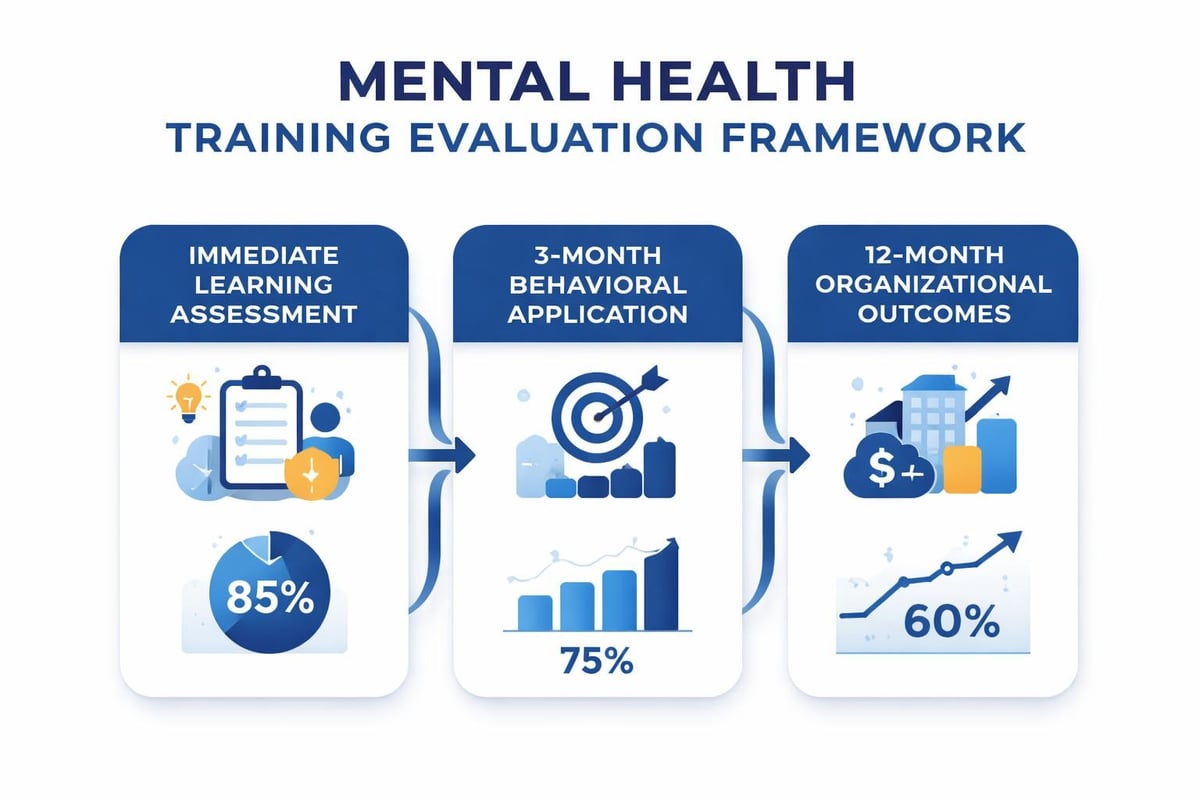
Establishing baseline measurements before training implementation enables meaningful comparison and demonstrates causation rather than mere correlation. Organizations often discover unexpected benefits, such as improved team communication or enhanced manager-employee relationships, alongside targeted mental health outcomes.
Integration with Broader Wellbeing Strategies
Mental health short courses function most effectively as components within comprehensive wellbeing strategies rather than isolated interventions. Organizations should position training within systemic approaches addressing multiple determinants of workplace mental health.
Alignment with Organizational Culture
Training content must align with genuine organizational commitment to mental health. When leadership behavior contradicts training messages, cynicism increases and application decreases. The most successful implementations occur when senior leaders visibly participate in training and model recommended practices.
Cultural integration also requires examining policies, performance management systems, and reward structures. If organizational systems penalize vulnerability or create excessive stress, even excellent training cannot overcome these structural barriers.
Connecting Training to Support Infrastructure
Participants completing mental health short courses need clear pathways to appropriate resources when applying new knowledge. Organizations should ensure:
- Accessible employee assistance programs with adequate capacity and quality providers
- Clear referral protocols that managers understand and can confidently navigate
- Internal support networks including peer support programs or mental health champions
- Ongoing consultation availability for complex situations requiring expert guidance
Training without supporting infrastructure creates frustration rather than capability. Managers recognizing mental health concerns but unable to connect employees with appropriate support experience helplessness that undermines future intervention attempts.
For organizations seeking comprehensive implementation support, Workplace Mental Health Institute provides integrated approaches combining training with strategic consultation and ongoing organizational development.
Specialized Applications for Different Organizational Roles
While foundational mental health literacy benefits all organizational members, different roles require specialized capabilities aligned with their distinct responsibilities and authorities.
Manager-Specific Competencies
Managers need training addressing their unique position bridging organizational requirements and individual employee needs. Mental health short courses for this audience should cover:
- Performance management when mental health concerns affect work output
- Documentation practices that protect both employee privacy and organizational interests
- Accommodation processes and legal compliance requirements
- Team-level interventions that support affected individuals while maintaining collective functioning
Managers often experience tension between supporting individual wellbeing and maintaining team productivity. Quality training acknowledges this complexity rather than offering simplistic solutions that ignore operational realities.
HR Professional Development
HR practitioners require deeper knowledge spanning policy development, legal frameworks, and systemic intervention design. Their training should address accommodation assessment, return-to-work planning, and strategic wellbeing program development.
The American Mental Wellness Association lists various education and training programs including specialized tracks for HR professionals developing organizational mental health capacity.
HR teams also benefit from training in data analysis for wellbeing metrics, vendor management for external mental health services, and change management for cultural transformation initiatives. These capabilities enable strategic rather than merely reactive mental health support.
Employee Self-Care and Peer Support
Organizations increasingly recognize value in equipping all employees with personal resilience capabilities and peer support skills. These programs differ from manager training by emphasizing personal practice and informal support rather than formal intervention responsibilities.
Effective employee-level mental health short courses focus on stress management techniques, self-awareness development, and appropriate ways to support struggling colleagues without overstepping boundaries. This democratization of mental health knowledge reduces stigma and creates supportive team environments.
Emerging Trends and Future Directions
The mental health training landscape continues evolving in response to changing workplace dynamics, technological capabilities, and emerging research.
Technology-Enhanced Learning
Virtual reality simulations now enable practice with challenging mental health conversations in safe environments. Participants can rehearse difficult scenarios, receive immediate feedback, and repeat interactions until confident, all without risk to real employees.
Artificial intelligence tools provide personalized learning pathways, adapting content difficulty and focus based on individual progress and knowledge gaps. These technologies increase efficiency while maintaining engagement through customization.
Microlearning and Just-in-Time Support
Rather than concentrating all learning in formal programs, organizations increasingly supplement mental health short courses with brief, targeted resources available when needed. A manager facing an immediate situation can access a five-minute video addressing that specific scenario rather than recalling details from training completed months earlier.
This approach recognizes that application happens in real moments of need. Supporting decision-making at the point of action increases correct intervention likelihood while reducing manager anxiety about remembering specific protocols.
Specialized Population Focus
Generic mental health training increasingly gives way to programs addressing specific workforce populations. Courses now target unique needs of remote workers, shift workers, customer-facing roles experiencing vicarious trauma, or industries with particular stressors.
This specialization increases relevance and application rates. Participants engage more deeply with content directly addressing their daily experiences rather than requiring translation from generic examples.
Quality Indicators and Accreditation
As the mental health training market expands, distinguishing quality programs from superficial offerings becomes increasingly important. Several indicators help organizations identify robust training options.
Professional accreditation from recognized mental health or education bodies signals adherence to quality standards. While accreditation alone doesn’t guarantee excellence, it demonstrates minimum competency thresholds and ethical commitments.
Transparency regarding facilitator qualifications, curriculum development processes, and evidence bases distinguishes reputable providers from those making unsubstantiated claims. Quality providers willingly share detailed information about their approaches and can articulate the research foundations supporting their methods.
The University of Southern California provides comprehensive reference materials for mental health administrators seeking to evaluate program quality and evidence foundations.
Organizations should also seek programs offering post-training support rather than one-time delivery. Ongoing access to updated materials, consultation availability, and refresher opportunities increase sustained application and value realization.
For Australian organizations specifically, local providers understanding regional legislative frameworks, workplace safety requirements, and cultural contexts deliver greater immediate applicability. Resources available through WMHI Australia address these jurisdiction-specific considerations while maintaining international evidence standards.
Maximizing Long-Term Impact
Initial training completion represents the beginning rather than the conclusion of capability development. Organizations maximizing return on training investments implement deliberate strategies for sustained application and continuous improvement.
Creating Practice Opportunities
Knowledge without application rapidly decays. Organizations should create structured opportunities for participants to apply new skills shortly after training completion. This might include peer coaching partnerships, supervised practice sessions, or gradual responsibility increases under mentor observation.
Regular practice reinforces learning and builds confidence. Managers who conduct mental health conversations frequently develop greater comfort and effectiveness than those encountering such situations rarely despite equivalent initial training.
Establishing Communities of Practice
Connecting training participants in ongoing learning communities provides peer support, problem-solving assistance, and continuous development opportunities. These groups share experiences, discuss challenging cases (maintaining appropriate confidentiality), and collectively develop organizational knowledge.
Communities of practice also identify gaps in training or resources, informing program refinement and organizational support enhancement. They create psychological safety for discussing uncertainties and mistakes, accelerating collective capability growth.
Refresher Training and Advanced Development
Mental health short courses should connect to progressive learning pathways rather than representing isolated events. Organizations might offer foundational training initially, then provide advanced modules addressing complex situations after participants gain application experience.
Regular refresher sessions maintain knowledge currency and incorporate emerging evidence. They also signal ongoing organizational commitment to mental health, reinforcing culture change beyond initial implementation periods.
Video resources, such as those available through the Workplace Mental Health Institute YouTube channel, can supplement formal training with accessible ongoing learning content.
Strategic investment in mental health short courses builds organizational capability to support employee wellbeing while maintaining operational effectiveness. Success requires careful provider selection, integration with broader wellbeing strategies, and sustained commitment beyond initial training delivery. Workplace Mental Health Institute offers evidence-based training programs and strategic consultation specifically designed for workplace contexts, helping organizations develop comprehensive mental health capabilities that drive measurable improvements in employee outcomes and business performance.

