
As mental health challenges continue to rise, knowing which mental health organizations to trust in 2026 is more important than ever. These organizations play a vital role in supporting individuals, workplaces, and communities seeking credible help.
This article spotlights the top 8 mental health organizations setting new standards in advocacy, support, and innovative solutions for mental wellbeing. Discover how each group’s unique strengths, tailored programs, and forward-thinking approaches are shaping the future of mental health.
Explore your options, find actionable support, and connect with the resources that matter most. The right mental health organizations can make a lasting difference in your life and those around you.
The Evolving Landscape of Mental Health Organizations in 2026
The world of mental health organizations is rapidly transforming in response to shifting needs, new technologies, and societal change. Understanding these developments helps individuals, families, and workplaces access the most effective support and advocacy available today.
Changing Mental Health Needs and Global Trends
Recent years have seen a sharp rise in demand for mental health organizations due to the lingering effects of the pandemic, increased workplace pressures, and ongoing social change. More people are seeking accessible, evidence-based support, driving innovation in telehealth, digital interventions, and peer networks.
According to the WHO report on global mental health conditions, over a billion people worldwide are living with mental health conditions, highlighting the economic and social imperative for comprehensive care. This has led to a greater emphasis on preventative strategies and early intervention by leading mental health organizations.
The Role of Organizations in Advocacy and Access
Mental health organizations play a critical part in shaping policy, reducing stigma, and broadening access to care. By engaging in advocacy campaigns and supporting legislative change, these organizations help secure vital funding and protect the rights of those affected by mental health challenges.
Culturally competent services and targeted support for specific populations have become essential components of effective mental health organizations. Partnerships with governments, employers, and community groups are strengthening the impact and reach of these services.
Criteria for Selecting Top Organizations
When evaluating mental health organizations, several factors stand out. Reach, measurable impact, and ability to innovate are crucial benchmarks. The best organizations offer a range of services, from crisis intervention and education to research and community programs.
It is important to consider whether organizations represent diverse populations and needs, such as youth, minorities, or workplace environments. Transparency, proven outcomes, and positive user feedback also signal trustworthy mental health organizations.
| Criteria | Importance | Example |
|---|---|---|
| Reach & Impact | Broad service delivery | National/local chapters |
| Innovation | New tools & approaches | Telehealth platforms |
| Diversity in Services | Comprehensive support | Hotlines, education, research |
| Transparency & Outcomes | Evidence of effectiveness | Published reports, testimonials |
The Importance of Staying Informed
The landscape of mental health organizations is constantly evolving to meet new challenges and priorities. As missions and offerings change, staying updated ensures individuals, families, and workplaces can find the most relevant and effective resources.
Regularly reviewing trusted mental health organizations helps you adapt to emerging needs and benefit from the latest advancements in care and advocacy. This ongoing awareness is essential for making informed decisions and supporting mental wellbeing at every level.
How to Engage with Mental Health Organizations
There are many ways to connect with mental health organizations. Access services through hotlines, online resources, or local community events.
Consider volunteering, joining advocacy efforts, or providing financial support to help these organizations expand their reach and impact. Active engagement empowers you and strengthens the entire mental health ecosystem.
Top 8 Mental Health Organizations to Know in 2026
Discovering the right mental health organizations can be a turning point for individuals, families, and workplaces navigating mental health challenges. In 2026, these eight organizations stand out for their innovation, accessibility, and impact. Whether you seek support, advocacy, or resources, these mental health organizations are shaping the future of care and awareness.
National Alliance on Mental Illness (NAMI)
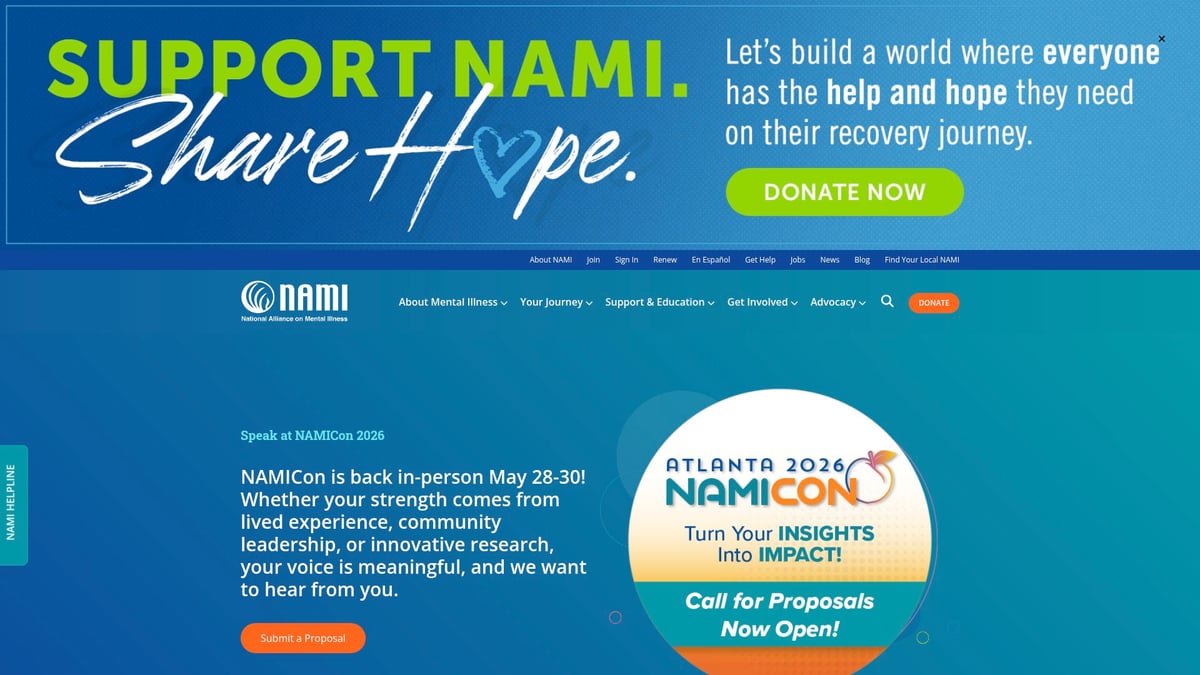
NAMI is one of the largest and most influential mental health organizations in the United States. It provides a wide network of services designed to empower individuals and families.
Core Features:
- Free peer-led support groups
- Educational programs for all ages
- National helpline and local chapters
Key Benefits:
- Focuses on reducing stigma and advocating for policy change
- Offers resources for individuals, families, and communities
- Runs the popular NAMIWalks event
Target Audience:
People affected by mental illness, their families, and communities seeking support from mental health organizations.
Unique Selling Points:
- Legislative advocacy at state and federal levels
- Evidence-based programs like "Ending the Silence" in schools
| Pros | Cons |
|---|---|
| Extensive local chapters | US-centric resources |
| Free, evidence-based programs | Program availability varies |
Pricing:
Most services are free, supported by donations.
Example:
NAMI’s “Ending the Silence” brings mental health education directly to schools, helping students and educators recognize signs early.
NAMI’s consistent presence and dedication make it a cornerstone among mental health organizations in 2026.
The Trevor Project
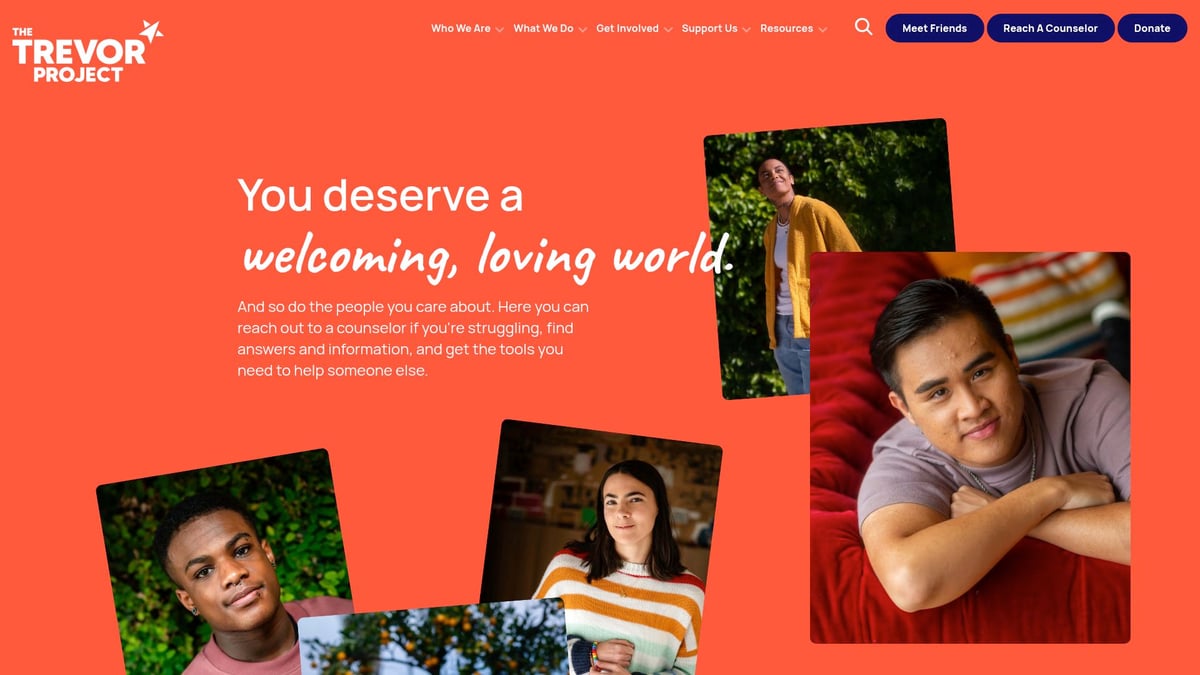
The Trevor Project leads mental health organizations in supporting LGBTQ+ youth, focusing on suicide prevention and crisis intervention.
Core Features:
- 24/7 TrevorLifeline, TrevorText, and TrevorChat services
- Research and advocacy for LGBTQ+ mental health
Key Benefits:
- Specialized, confidential support for youth under 25
- Inclusive, data-driven resources
Target Audience:
LGBTQ+ youth, educators, and families searching for affirming mental health organizations.
Unique Selling Points:
- Digital-first approach to crisis support
- Influential research shaping public policy
| Pros | Cons |
|---|---|
| Nationwide, confidential access | Focus limited to under 25 |
| Culturally competent staff | Not for all demographics |
Pricing:
All services are free, with strong fundraising initiatives.
Example:
TrevorText and TrevorChat have transformed digital crisis intervention, providing immediate, life-saving help.
As one of the most innovative mental health organizations, The Trevor Project sets the standard for inclusive, youth-focused care.
Mental Health America (MHA)
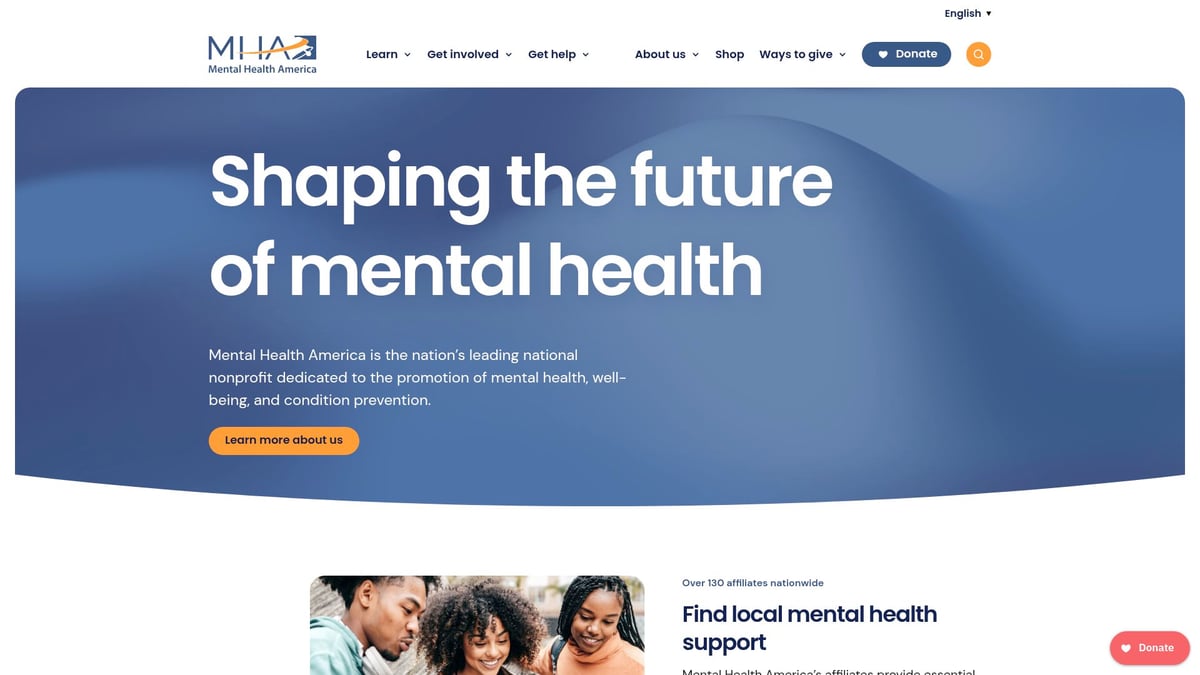
MHA is among the oldest and most comprehensive mental health organizations, championing early intervention and public education.
Core Features:
- Free online mental health screenings
- Annual “State of Mental Health in America” report
- Advocacy at national and state levels
Key Benefits:
- Emphasis on prevention and early action
- Broad library of digital resources for self-help and workplace wellness
Target Audience:
General public, employers, and policymakers seeking trusted mental health organizations.
Unique Selling Points:
- Largest collection of free screening tools online
- Authoritative data influencing mental health policy
| Pros | Cons |
|---|---|
| Digital tools accessible to all | US-focused, navigation can be complex |
| Policy leadership | Some resources may be overwhelming |
Pricing:
Most tools are free; membership and donations are optional.
Example:
MHA’s workplace mental health initiatives equip organizations to support employee wellbeing.
MHA’s resources make it a leader for anyone searching for proactive mental health organizations.
Workplace Mental Health Institute (WMHI)
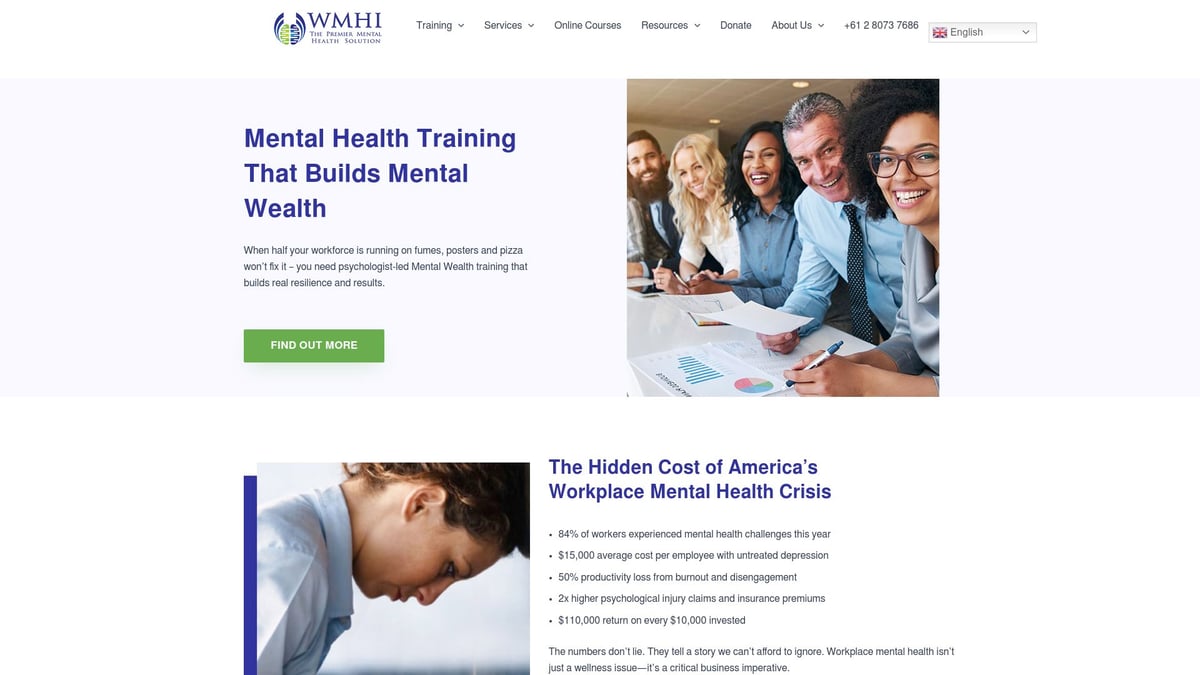
WMHI stands out globally among mental health organizations for its focus on workplace wellbeing, offering psychologist-led training and consulting.
Core Features:
- Customizable training for leaders and staff
- Resilience and wellbeing assessments
- Multilingual support and flexible delivery
Key Benefits:
- Reduces absenteeism and psychological injury
- Delivers measurable ROI for organizations
Target Audience:
HR leaders, managers, and employees worldwide looking for specialized mental health organizations.
Unique Selling Points:
- Practical, skills-based learning tailored to each workplace
- Evidence-based programs with high satisfaction rates
| Pros | Cons |
|---|---|
| In-person, virtual, and on-demand | Pricing not listed online |
| Multilingual, global reach | Primarily B2B focus |
Pricing:
Custom quotes, with emphasis on significant returns for clients.
Example:
Clients have reported a 33% reduction in absenteeism after implementing WMHI programs.
For more on how mental health organizations address workplace needs, see Mental health in the workplace.
WMHI exemplifies the evolution of mental health organizations in supporting modern workplaces.
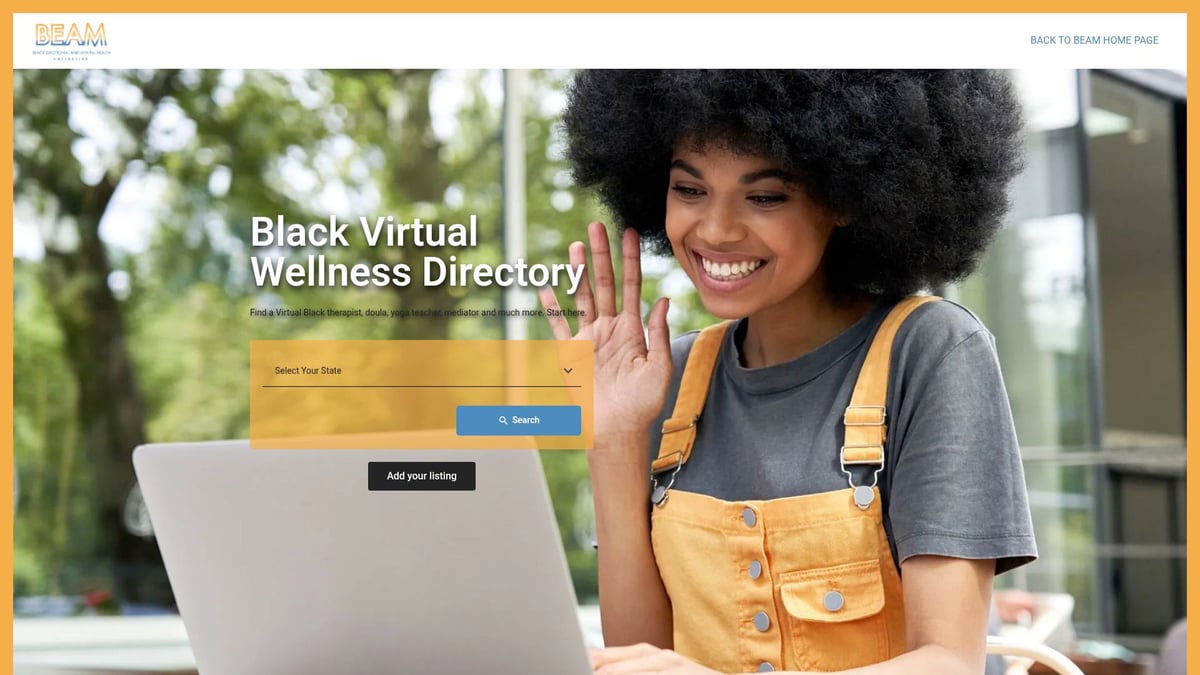
Black Emotional and Mental Health Collective (BEAM)
BEAM is a trailblazer among mental health organizations dedicated to Black communities, emphasizing healing justice and community-based care.
Core Features:
- Peer support and educational workshops
- Healing justice initiatives and advocacy
- Online resource toolkits
Key Benefits:
- Culturally responsive approaches to mental health
- Strong anti-stigma campaigns
Target Audience:
Black individuals, families, and practitioners seeking culturally aligned mental health organizations.
Unique Selling Points:
- Intersectional focus on race, gender, and sexuality
- Grassroots, community-driven programs
| Pros | Cons |
|---|---|
| Intersectional approach | Limited in-person reach beyond cities |
| Strong online presence | US-centric focus |
Pricing:
Many programs are free or donation-based.
Example:
BEAM’s “Black Mental Health & Healing Justice Training” provides critical education and support.
BEAM’s work highlights the need for mental health organizations that address unique community needs.
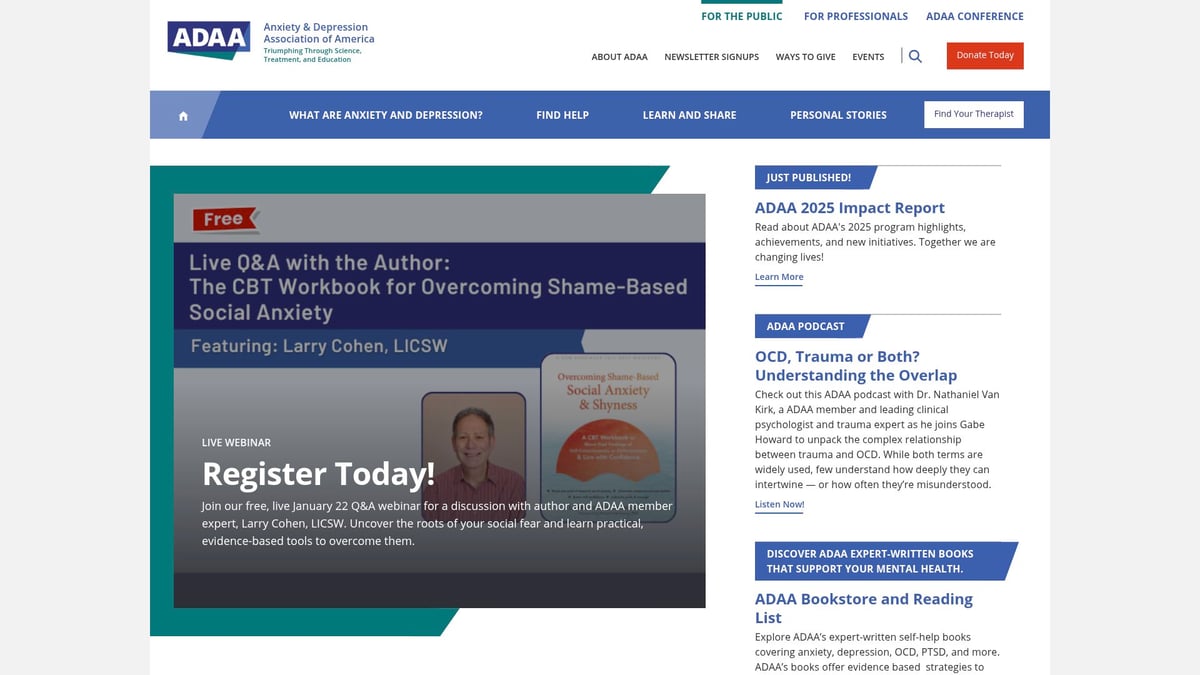
Anxiety and Depression Association of America (ADAA)
ADAA is a leader among mental health organizations specializing in anxiety, depression, and related disorders.
Core Features:
- Research funding and annual conferences
- Online support groups and therapist directories
- Professional training and public education
Key Benefits:
- Access to expert-reviewed treatment resources
- Community for both sufferers and clinicians
Target Audience:
Individuals with anxiety or depression, clinicians, and researchers interested in specialized mental health organizations.
Unique Selling Points:
- Evidence-based focus
- Extensive professional development opportunities
| Pros | Cons |
|---|---|
| Robust resource library | Membership fees for some professionals |
| Therapist finder tool | Some resources behind paywall |
Pricing:
Most resources are free; professional memberships available.
Example:
ADAA’s online support group connects thousands seeking help and understanding.
ADAA’s targeted expertise makes it indispensable among mental health organizations.
Shatterproof
Shatterproof leads mental health organizations in the fight against addiction, focusing on prevention, treatment, and recovery.
Core Features:
- Advocacy for policy reform and parity laws
- Education and stigma reduction campaigns
- “Shatterproof Treatment Atlas” for finding quality care
Key Benefits:
- Data-driven approach to addiction recovery
- Resources for families, individuals, and workplaces
Target Audience:
Anyone affected by substance use, as well as employers and policymakers looking for effective mental health organizations.
Unique Selling Points:
- National leadership in addiction policy
- Innovative tools for treatment navigation
| Pros | Cons |
|---|---|
| Focus on prevention and recovery | Primary focus on substance use |
| Free tools and advocacy resources | Less coverage of other mental health |
Pricing:
Resources are free, supported by donations.
Example:
Treatment Atlas has helped thousands find trusted, evidence-based care.
Shatterproof’s mission sets a high standard for addiction-focused mental health organizations.
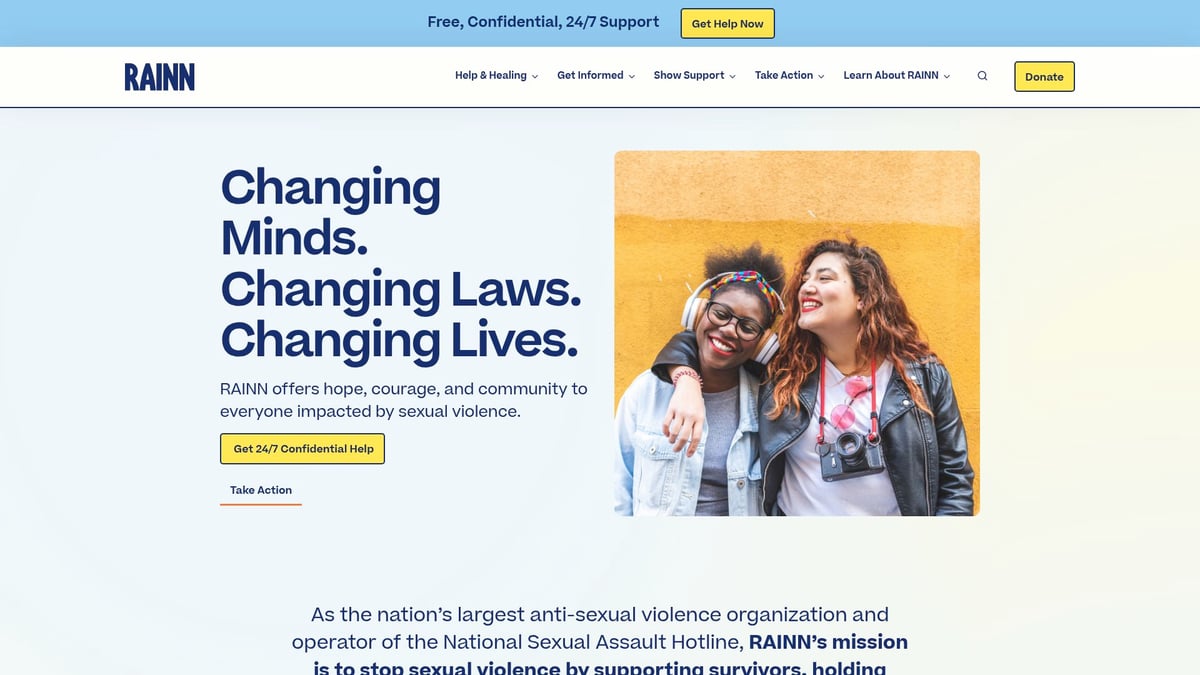
RAINN (Rape, Abuse & Incest National Network)
RAINN is the largest anti-sexual violence organization among mental health organizations in the US, offering vital support and advocacy.
Core Features:
- National Sexual Assault Hotline (24/7)
- Online chat and victim services
- Public education and legal advocacy
Key Benefits:
- Immediate, confidential crisis support
- Trauma-informed training for workplaces and educators
Target Audience:
Survivors of sexual violence, allies, and employers seeking specialized mental health organizations.
Unique Selling Points:
- Wide-reaching hotline and online chat
- Comprehensive prevention training
| Pros | Cons |
|---|---|
| Immediate, expert-led support | Focused on sexual violence |
| Large national network | US-based resources |
Pricing:
Hotline and services are free; donations welcomed.
Example:
RAINN’s workplace training programs help prevent harassment and build safer environments.
RAINN’s specialized services underscore the importance of trauma-informed mental health organizations.
How These Organizations Are Shaping the Future of Mental Health
The top mental health organizations in 2026 are not only responding to current needs but actively shaping the future of care and support. Their impact can be seen in the way they innovate, champion inclusivity, drive policy change, and build strong communities. By examining how these leaders operate, we gain insight into the evolving landscape and how individuals, families, and workplaces can benefit.
Innovations in Service Delivery and Technology
Mental health organizations are at the forefront of adopting new technologies to reach more people efficiently. Telehealth platforms, digital therapy apps, and AI-driven chat support have become standard. These tools break down barriers, making support accessible regardless of location or mobility.
For example, the Trevor Project’s digital crisis intervention tools provide confidential help to LGBTQ+ youth through text and online chat. This expansion of digital services is mirrored by other organizations, offering virtual support groups and self-assessment tools. Attending events like the Future of Mental Healthcare Summit 2026 reveals how ongoing innovation is central to the mission of leading mental health organizations.
Prioritizing Diversity, Equity, and Inclusion
A defining strength of modern mental health organizations is their commitment to diversity, equity, and inclusion. These organizations recognize the unique challenges faced by marginalized groups and tailor their programs accordingly.
BEAM, for instance, delivers culturally responsive training and healing initiatives for Black communities. The Trevor Project ensures that LGBTQ+ youth have access to affirming care. By embedding DEI principles in every aspect of their operations, mental health organizations make support safer and more relevant for all. This focus helps close gaps in care and addresses the needs of underserved populations.
Advocacy, Policy, and Research Impact
Mental health organizations play a vital role in shaping mental health policy and driving systemic change. Through data-driven campaigns, they raise public awareness and advocate for legislative reforms that improve access to care.
NAMI’s advocacy efforts have led to significant policy wins, while Shatterproof campaigns for parity laws in addiction treatment. These organizations also invest in research, using findings to inform best practices and improve outcomes. Their impact is amplified as they mobilize communities and influence public perception, ensuring mental health remains a top priority at every level.
The Role of Collaboration and Community
Collaboration is essential for maximizing the reach and effectiveness of mental health organizations. Partnerships with schools, workplaces, and healthcare providers allow these organizations to deliver comprehensive support.
Community-based initiatives, peer support programs, and workplace training are examples of how organizations foster connection and resilience. For those interested in practical steps, exploring organisation mental health strategies can provide valuable insights into building supportive environments. By working together, mental health organizations create a stronger, more inclusive network of care that adapts to future challenges.
How to Choose the Right Mental Health Organization for Your Needs
Choosing among the many mental health organizations available today can feel overwhelming. Finding the right fit is essential for your wellbeing, whether you seek crisis support, ongoing care, or ways to help others. By taking a strategic approach, you can connect with mental health organizations that best align with your needs, values, and preferred ways to engage.
Assessing Your Priorities and Goals
Start by clarifying what you hope to achieve by connecting with mental health organizations. Are you looking for immediate crisis intervention, ongoing peer support, or access to educational programs? Perhaps you need workplace solutions or resources tailored to a specific community.
List your top priorities, such as confidentiality, cultural competence, or accessibility. Consider the types of support you value most, like in-person counseling, online forums, or helplines. Matching your goals with what mental health organizations offer will ensure you use your time and energy effectively.
Evaluating Accessibility and Resources
Once you have identified your needs, examine the accessibility and resources of different mental health organizations. Check if services are available in your language, region, or preferred format. Cost is another factor, as some organizations provide free support while others may require membership or fees.
Look for reviews, testimonials, and evidence of impact to gauge effectiveness. For a comprehensive overview of available supports and guidance on navigating options, explore resources for mental health. This can help you make informed decisions and connect with trustworthy mental health organizations.
Getting Involved and Supporting Mental Health Organizations
Beyond receiving support, many individuals find value in actively engaging with mental health organizations. Opportunities include volunteering, advocacy, and financial contributions. These actions not only strengthen the organization but also foster a sense of community and shared purpose.
Stay informed about upcoming events, training sessions, and campaigns. By spreading the word and leveraging available tools, you can help others discover the benefits of mental health organizations. Your involvement, big or small, can drive meaningful change for yourself and those around you.
With mental health challenges evolving rapidly, staying informed about the leading organizations is more important than ever. Whether you’re supporting your own wellbeing or shaping healthier workplaces, the right resources can make all the difference. I encourage you to explore how expert-led training and practical support—like those offered by the Workplace Mental Health Institute—can empower both individuals and teams. If you’re looking for tailored solutions that drive real results in employee health and organizational performance, let’s take the next step together.
Find Out More

