The conversation around workers mental health has never been more urgent. As organizations evolve and workplaces become more complex, the wellbeing of employees is at the heart of success.
This guide is designed to help you navigate the realities of workers mental health. You will discover proven strategies, practical steps, and the latest trends that can make a measurable difference in your workplace.
What can you expect? We will explore today’s challenges, highlight key risk factors, and provide both organizational and individual solutions. You’ll also learn how strong leadership and forward-thinking approaches can create a culture where everyone thrives.
Ready to foster a healthier, more resilient workforce? Let’s begin.
Understanding Workers’ Mental Health: Current Landscape and Challenges
Workers mental health is a critical pillar of organizational health and productivity. It refers to the emotional, psychological, and social wellbeing of employees as they navigate their professional roles. When workers mental health is prioritized, organizations benefit from higher engagement, lower turnover, and stronger overall performance.
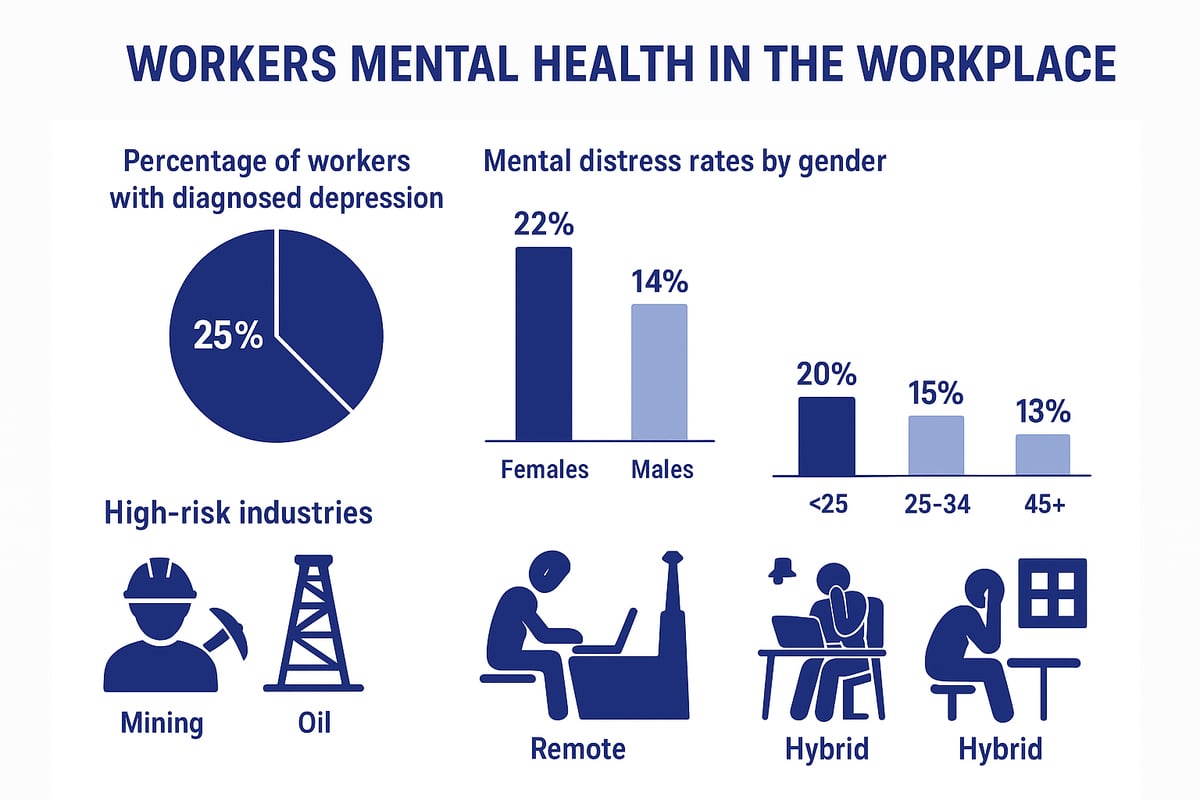
A growing body of research highlights the scale of the issue. According to recent data, 14.2% of US workers report having been diagnosed with depression at some point in their lives, while 9.6% experience frequent mental distress. These figures are not uniform across the workforce. Women report higher rates of distress (19.5%) compared to men, and younger workers aged 18 to 34 face a 16.9% rate. For those seeking an in-depth view of the latest data and trends, workplace mental health statistics for 2026 provides a comprehensive overview.
Industry trends reveal that certain sectors, such as mining, oil and gas, and emergency services, see even higher rates of mental health challenges. These environments often involve physical danger, long hours, and significant job-related stress. The rapid shift to remote and hybrid work models has also influenced workers mental health, introducing new pressures like digital fatigue, social isolation, and blurred boundaries between work and home life.
Despite increased awareness, stigma remains a significant barrier. Many employees are reluctant to disclose struggles with workers mental health due to fears of judgment or negative career consequences. Underreporting is common, and access to support services can be limited by workplace culture or lack of resources.
Common workplace stressors include excessive workload, unclear job expectations, and perceived job insecurity. Lack of managerial support or an unsupportive culture can further compound these risks. The digital transformation of workplaces, while offering flexibility, can also lead to feelings of constant connectivity and overwhelm, especially without clear guidelines for work-life balance.
The impact of poor workers mental health is far-reaching. Organizations face increased absenteeism, presenteeism, and reduced productivity. Mental health-related absences are a leading cause of lost workdays, and presenteeism—where employees are physically present but mentally disengaged—can drain team morale and performance. Ultimately, investing in workers mental health is not just a moral imperative but a strategic one, shaping the future resilience and competitiveness of every organization.
Key Risk Factors Affecting Workers’ Mental Health
Understanding the key risk factors behind workers mental health challenges is crucial for organizations aiming to create healthier environments. These factors are often interconnected, impacting employees in different ways depending on their backgrounds, job roles, and life circumstances.
Sociodemographic and Personal Factors
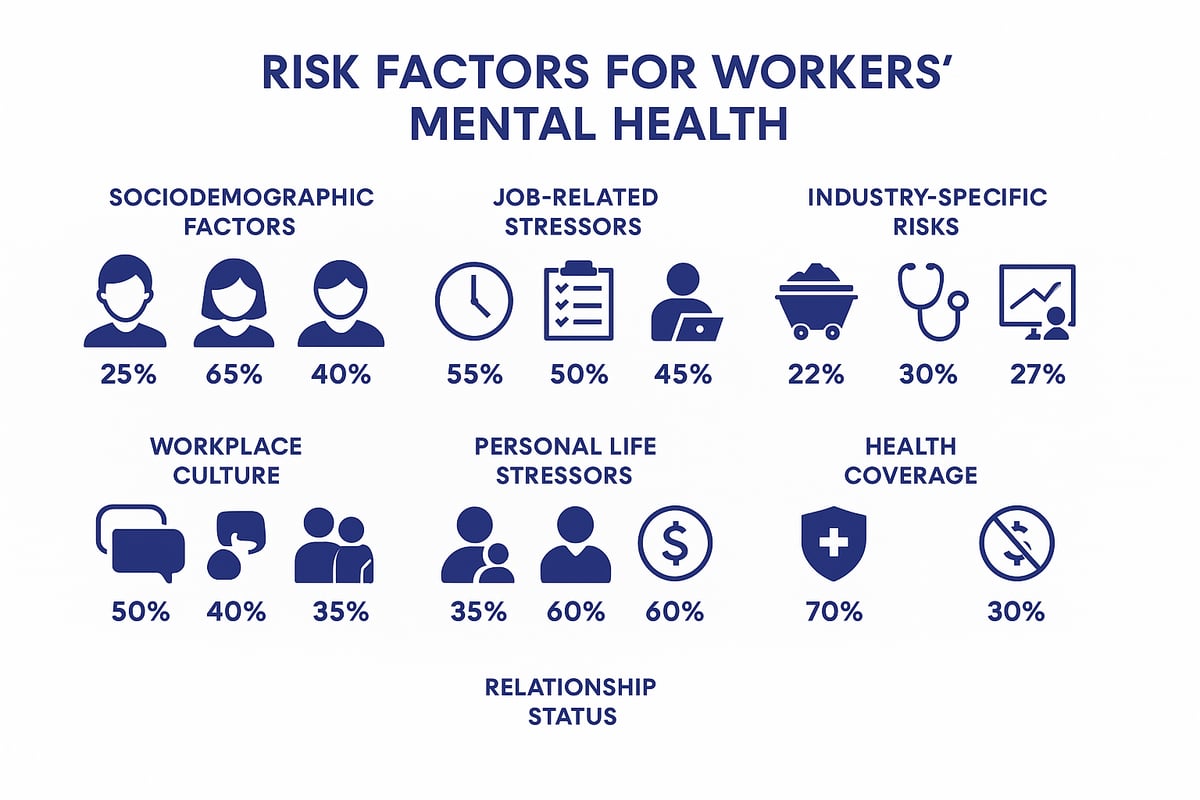
Sociodemographic characteristics significantly shape workers mental health outcomes. Age, gender, race, and education level all play a role. For example, younger employees and women report higher levels of frequent mental distress. Workers from minority backgrounds may face additional challenges related to discrimination or lack of representation.
Personal life stressors can intersect with work demands. Employees who are caregivers or who face financial difficulties are more likely to experience heightened stress, which can spill over into job performance and overall wellbeing.
Job and Industry-Related Risks
The nature of a worker’s job is a powerful determinant of mental health. Long hours, high workloads, and low levels of autonomy can all contribute to chronic stress. Certain industries, such as mining, oil and gas, healthcare, and education, present unique risk profiles. Workers in these sectors often deal with high-pressure environments, safety concerns, or emotional labor, all of which can erode mental wellbeing over time.
A lack of support or resources compounds these risks, making it harder for employees to recover from setbacks or manage daily pressures. Insecure employment or frequent organizational changes can further destabilize workers mental health.
Workplace Culture and Environment
The broader workplace culture has a profound impact on workers mental health. Environments that lack psychological safety, open communication, or trust can increase the risk of distress. Stigma around mental health issues remains a barrier, discouraging employees from seeking help or disclosing struggles.
Health coverage is another critical factor. Data shows that 13.6% of uninsured workers experience frequent mental distress, compared to only 9% of those with insurance. Relationship status also matters, with those not in a relationship reporting nearly double the rate of distress compared to their coupled peers.
Real-World Examples and Further Insights
Consider a healthcare worker facing long shifts and emotionally demanding tasks, while also caring for an elderly parent at home. The combination of professional and personal pressures can quickly escalate, leading to burnout or more severe mental health issues.
For a deeper dive into the wide range of risk factors and how organizations can address them, explore this comprehensive resource on mental health in the workplace.
Identifying and understanding these risk factors is the first step toward building effective interventions. By recognizing both individual and systemic contributors, leaders can better support workers mental health and help foster a resilient, thriving workforce.
Organizational Strategies for Promoting Mental Health
Creating a robust approach to workers mental health requires organizations to act on multiple fronts. By fostering a supportive culture, implementing sound policies, and embracing technology, employers can make measurable improvements in mental wellbeing and productivity.
Building a Supportive Workplace Culture
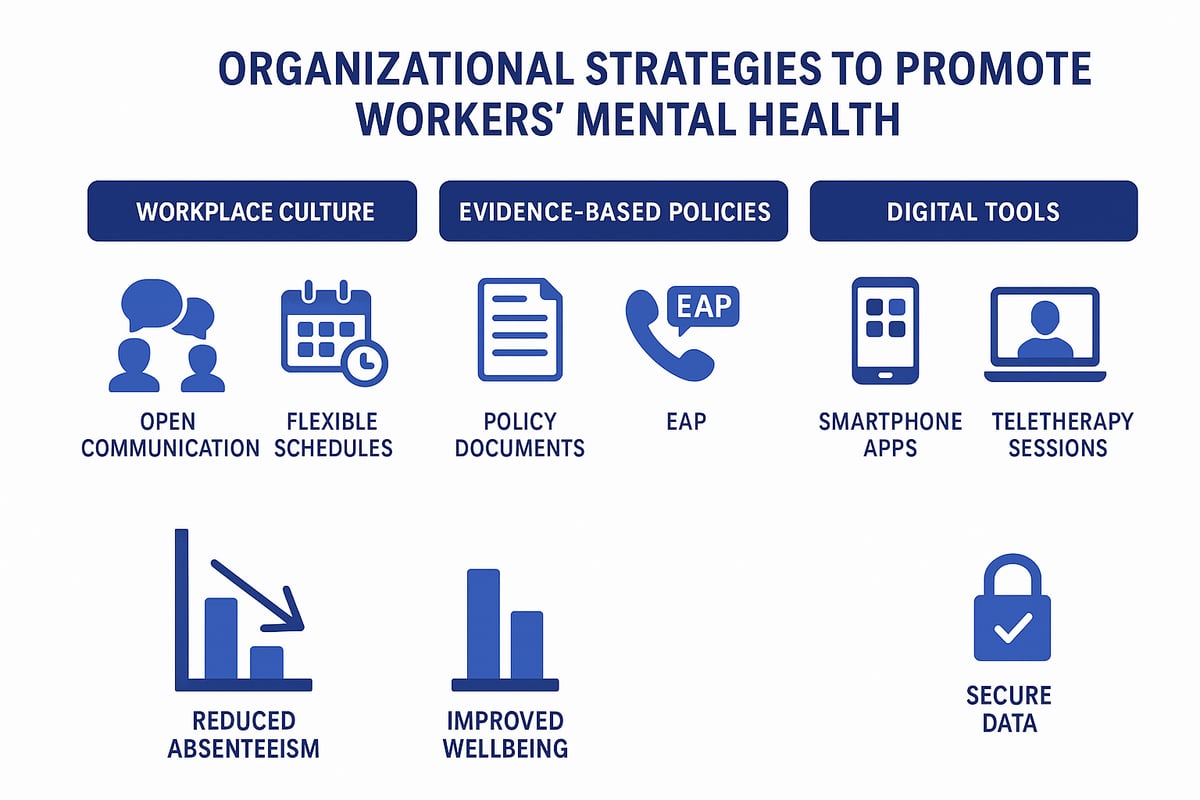
A supportive workplace culture is foundational for workers mental health. When employees feel psychologically safe and heard, they are more likely to engage, innovate, and support each other.
Organizations can build this culture by:
- Encouraging open dialogue about mental health at all levels.
- Promoting psychological safety, where staff feel comfortable sharing concerns.
- Reducing stigma through regular education and awareness campaigns.
- Offering flexible work arrangements and reasonable accommodations for individual needs.
- Supporting work-life balance by setting clear boundaries around availability and workload.
For instance, companies that prioritize open mental health conversations often see reduced absenteeism and improved morale. These small shifts in culture can have a ripple effect, making workers mental health a shared responsibility and a daily priority.
Implementing Evidence-Based Policies and Programs
Effective organizational strategies require formal policies that address workers mental health. Comprehensive mental health policies should outline clear procedures for support, confidentiality, and accommodations.
Key elements of strong workplace mental health programs include:
- Providing Employee Assistance Programs (EAPs) with confidential counseling and referral services.
- Ensuring access to mental health resources through health insurance and on-site support.
- Integrating mental health into occupational health and safety protocols.
- Delivering regular training on mental health literacy to all employees and managers.
- Conducting wellbeing assessments to monitor and respond to workforce needs.
A policy for workplace mental health can serve as a framework, guiding organizations to create effective, sustainable change. For example, companies that invest in robust EAPs report over 50 percent decreases in psychological injury claims, demonstrating a clear return on investment.
Regular review and adaptation of these policies ensure they remain relevant and responsive to the evolving needs of workers mental health. By embedding these practices, organizations foster a safer, healthier, and more productive environment.
Leveraging Technology and Digital Tools
Digital solutions are transforming how organizations support workers mental health. Technology increases access, flexibility, and privacy for employees seeking help.
Key digital strategies include:
- Offering teletherapy and digital mental health platforms for remote or hybrid staff.
- Introducing wellbeing apps and self-assessment tools for ongoing support.
- Ensuring strong privacy and data security protocols to protect employee information.
Successful digital interventions can be seen in large organizations that provide 24/7 access to mental health resources, leading to increased engagement and early intervention. However, it is crucial to address the digital divide by ensuring all employees, regardless of location or role, can access these tools.
By integrating technology with traditional approaches, organizations can create a comprehensive support system that meets the diverse needs of workers mental health. The right mix of digital and in-person resources empowers employees to seek help when and how they need it.
The Role of Leadership and Management in Mental Health
Leaders play a defining role in shaping workers mental health outcomes across organizations. Their influence extends from daily interactions to the overall atmosphere, directly affecting employee wellbeing, engagement, and retention.
Leadership’s Influence on Workers Mental Health
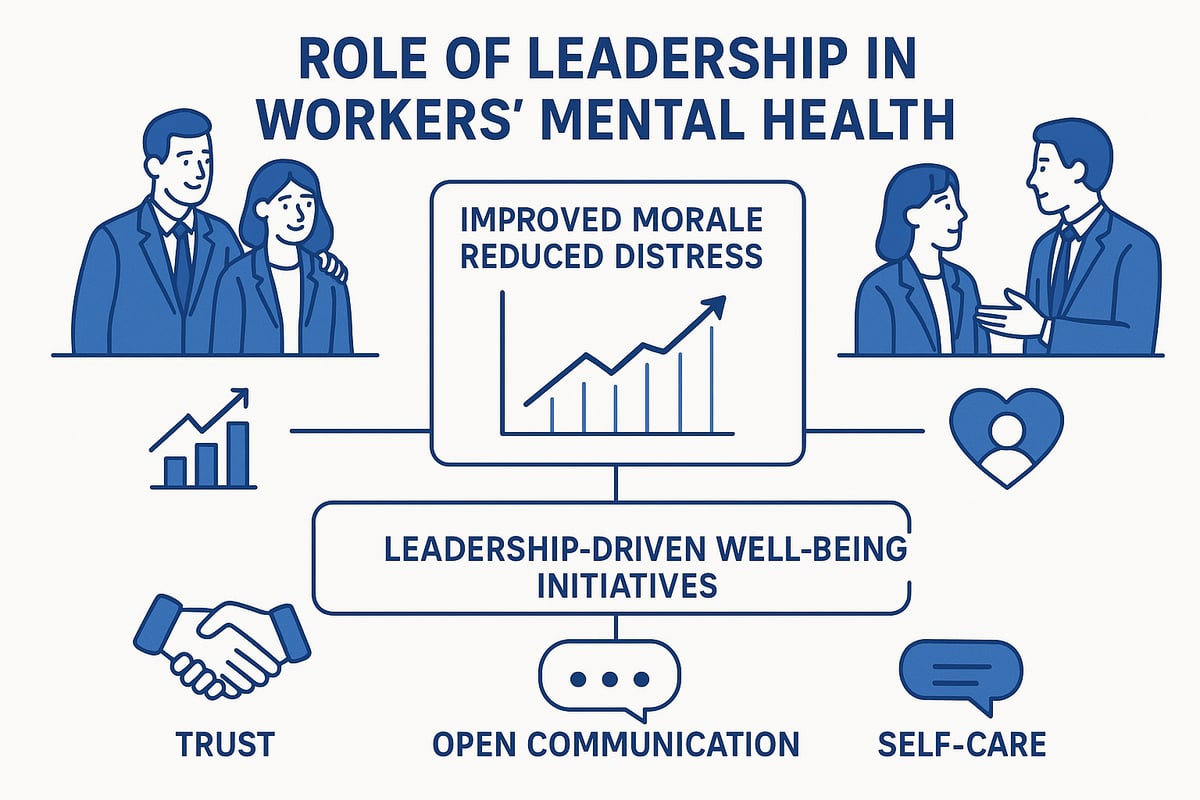
The attitudes and actions of leaders set the tone for the entire workplace. When managers actively prioritize workers mental health, staff are more likely to feel valued and supported. In contrast, environments lacking leadership focus on wellbeing often see higher stress, disengagement, and turnover.
Recent research found that 74% of employees report negative mental health at work, highlighting the urgent need for proactive, empathetic leadership.
Training Managers to Recognize and Respond
Effective leaders are trained to spot early signs of mental distress, such as changes in behavior, declining work quality, or increased absenteeism. Regular training helps managers approach sensitive conversations with empathy and confidence.
By responding early and offering appropriate resources, leaders can prevent minor issues from escalating and demonstrate commitment to workers mental health.
Trauma-Informed Leadership in High-Risk Industries
Certain industries present unique risks to workers mental health, including trauma exposure and chronic stress. Trauma-informed leadership recognizes these challenges and adapts management practices to prioritize safety, transparency, and emotional support.
Managers in high-risk sectors benefit from specialized training to address the unique needs of their teams and reduce stigma around mental health.
Modeling Healthy Behaviors and Setting Boundaries
Leaders who model healthy work-life boundaries, self-care, and open communication set a positive example for their teams. When managers take regular breaks, seek support when needed, and respect boundaries, employees are more likely to do the same.
This approach helps normalize conversations about workers mental health and builds trust throughout the organization.
Integrating Mental Health into Performance Reviews
Incorporating mental health goals into performance reviews and team objectives signals that wellbeing is a shared priority. Leaders can encourage employees to set personal boundaries, use available support resources, and reflect on their own needs.
This fosters a culture where workers mental health is valued alongside productivity.
Leadership-Driven Initiatives and Morale
Leadership-driven initiatives, such as mental health awareness campaigns and peer support programs, can significantly boost morale. When leaders champion these efforts, participation rates rise and employees feel empowered to contribute ideas.
Open dialogue and visible support from management lead to greater engagement and lower absenteeism.
Creating a Culture of Trust and Support
A culture of trust starts at the top. Leaders who listen actively, address concerns promptly, and maintain confidentiality build psychological safety. This environment enables staff to speak up about mental health challenges without fear of judgment.
Supportive leadership is a cornerstone of sustainable workers mental health strategies.
Addressing Leadership Burnout
Leaders themselves are not immune to burnout. Chronic stress and high demands can impact decision-making and trickle down to teams. Organizations should provide resources and peer support for leaders to manage their own wellbeing.
Investing in leadership self-care ensures that managers remain resilient and capable of supporting the mental health of others.
Empowering Individuals: Practical Steps for Workers
Taking action at the individual level is vital for improving workers mental health. While organizations play a significant role, employees themselves can make meaningful changes to support their own wellbeing at work.
Prioritizing Self-Care
Self-care is a cornerstone of workers mental health. Simple daily habits can make a significant difference. Mindfulness practices, such as breathing exercises or meditation, help reduce anxiety and improve focus. Regular physical activity, even short walks, boosts mood and energy. Eating a balanced diet and staying hydrated provide the fuel needed for mental clarity. Consistent sleep routines support emotional stability and resilience.
| Self-Care Practice | Benefit |
|---|---|
| Mindfulness | Lowers stress, sharpens focus |
| Physical activity | Elevates mood, increases energy |
| Healthy nutrition | Supports brain function |
| Quality sleep | Enhances emotional balance |
Building Resilience and Managing Stress
Developing resilience is essential for workers mental health, especially in demanding environments. Resilience is not just about bouncing back, but also adapting to challenges with healthy coping strategies. Techniques like deep breathing, progressive muscle relaxation, and journaling can help. Cognitive reframing, or viewing setbacks as opportunities for growth, builds psychological strength. Setting clear boundaries between work and personal life is crucial to prevent burnout.
For more guidance, explore these ways to improve mental health at work which offer actionable tips for managing stress and building resilience.
Recognizing Early Warning Signs and Seeking Support
Timely recognition of stress signals is key to protecting workers mental health. Early signs may include persistent fatigue, irritability, difficulty concentrating, or changes in sleep patterns. If these signs appear, it is important to seek help promptly. Accessing Employee Assistance Programs (EAPs), digital mental health platforms, or community counseling can provide valuable support.
Peer Support and Advocacy
Peer support systems and buddy programs can strengthen workers mental health by creating a sense of connection and shared understanding. Talking to colleagues about challenges reduces feelings of isolation. Advocating for your own needs, whether by requesting flexible work or mental health accommodations, is a proactive way to maintain wellbeing. Addressing stigma openly encourages others to seek help, too.
A Practical Example
Employees who incorporate regular self-care and use available resources often report higher engagement and lower stress. Teams that support each other create a positive ripple effect, making workers mental health a shared priority.
Future-Focused Solutions: Trends and Innovations in Workplace Mental Health
The future of workers mental health is being shaped by new tools, insights, and a growing recognition that tailored support is essential. Organizations are moving beyond traditional approaches, using technology, data, and inclusive strategies to build more resilient, healthier workplaces. Let us explore three pivotal trends driving this transformation.
Personalization and Data-Driven Approaches
Personalization is redefining workers mental health by leveraging artificial intelligence and analytics. Organizations use predictive modeling to identify employees who may be at risk, allowing for early intervention and targeted support. These data-driven solutions can analyze trends in absenteeism, engagement, or even digital communication patterns, offering insights that were previously inaccessible.
With personalized wellbeing plans, interventions can be tailored to each individual’s needs, preferences, and risk factors. This approach empowers workers to access resources that truly resonate, rather than generic one-size-fits-all solutions. Privacy remains a top concern, so it is crucial to balance the use of personal data with robust confidentiality protocols.
AI-powered tools can also help managers monitor the overall climate of workers mental health, flagging emerging risks or shifting workforce sentiments. By making support more responsive and individualized, organizations can foster a culture of care that adapts as needs evolve.
Integrating Mental Health into DEI Initiatives
Diversity, equity, and inclusion (DEI) are central to the future of workers mental health. Mental health disparities exist across different demographic groups, shaped by factors like race, gender, and socioeconomic status. By embedding mental health into DEI strategies, organizations acknowledge these differences and aim to close equity gaps.
Culturally sensitive training helps staff and leaders understand how mental health challenges can manifest differently across backgrounds. This awareness leads to more effective support and reduces barriers to seeking help. For example, employees from underrepresented groups may face unique stressors or stigma that require nuanced approaches.
Embedding workers mental health in DEI also means providing resources in multiple languages, accommodating various cultural beliefs, and involving diverse voices in policy development. According to Seven strategies for building a mentally healthy work culture in 2024, organizations that prioritize inclusivity see higher engagement and reduced turnover, reinforcing the value of this integrated approach.
The Rise of Preventative and Proactive Programs
A shift is underway from reactive to proactive strategies for workers mental health. Rather than waiting for issues to escalate, leading organizations invest in prevention and early support. This includes providing mental health first aid training to all staff, enabling them to recognize early signs of distress and respond appropriately.
Regular wellbeing check-ins and pulse surveys help monitor the workforce’s mood and catch concerns before they grow. Collaboration with external experts ensures programs remain current and evidence-based. Ongoing evaluation allows for continuous improvement and adaptation.
Preventative programs also address burnout, a major risk for workers mental health. For organizations seeking targeted guidance, resources like Preventing workplace burnout offer actionable steps to reduce stress and foster resilience. These strategies, combined with leadership commitment and measurable outcomes, lay the foundation for a healthier, more sustainable workplace.
As we’ve explored throughout this guide, prioritizing mental health at work benefits everyone—from reducing absenteeism and boosting morale to fostering a more resilient, high-performing team. If you’re ready to take the next step toward a healthier, more supportive workplace, there are practical, evidence-based strategies and programs designed specifically for organizations like yours. You don’t have to tackle these challenges alone—professional guidance can make all the difference. Let’s create lasting change together.
Find Out More