
Employee mental health has become a critical factor in organizational success. Across industries, leaders are recognising that workplace wellbeing is not only a health issue but also a business priority that influences productivity, engagement, retention, and organizational performance.
Creating a mentally healthy workplace requires more than good intentions. It involves a strategic approach that addresses psychosocial risks, supports employee wellbeing, and fosters a culture where people can thrive. Organizations that invest in mental health are better equipped to attract and retain talent, adapt to change, and build resilient teams.
This guide explores the foundations of organizational mental health, the key challenges facing modern workplaces, and practical steps for developing a sustainable mental health strategy. Whether you are a business leader, HR professional, manager, or wellbeing champion, these insights will help you create a healthier and more productive workplace.
Understanding Organizational Mental Health
Organizational mental health refers to the systems, practices, leadership behaviours, and workplace culture that influence employee psychological wellbeing. It extends beyond individual support programs to include how work is designed, managed, and experienced.
A mentally healthy organization recognises that employee wellbeing is shaped by factors such as workload, leadership, communication, job clarity, workplace relationships, and organizational culture. By addressing these factors proactively, organizations can reduce psychosocial risks while creating an environment that supports engagement, performance, and wellbeing.

Workplace Mental Health Is Evolving
The workplace has changed significantly in recent years. Hybrid work, remote teams, digital communication, and increasing job complexity have transformed how people work and interact.
At the same time, awareness of mental health has grown considerably. Employees increasingly expect workplaces to provide meaningful support, while organizations are recognizing the connection between wellbeing and business outcomes.
Many employers are investing in initiatives such as:
- Employee Assistance Programs (EAPs)
- Mental health training
- Leadership development
- Flexible work arrangements
- Wellbeing platforms and digital resources
- Psychological safety initiatives
These developments reflect a broader shift toward creating workplaces that support both performance and wellbeing.
Common Workplace Mental Health Challenges
Despite growing awareness, many organizations continue to face significant challenges.
Common issues include:
- Workplace stress and burnout
- High workloads and competing demands
- Poor work-life boundaries
- Psychological injury claims
- Bullying and harassment
- Manager capability gaps
- Stigma surrounding mental health
- Employee disengagement
Left unaddressed, these challenges can contribute to absenteeism, presenteeism, turnover, reduced productivity, and increased organizational risk.
Why Organizational Mental Health Matters
The benefits of investing in workplace mental health extend far beyond individual wellbeing.
Organizations that prioritize mental health often experience:
- Higher employee engagement
- Improved retention
- Reduced absenteeism
- Greater productivity
- Stronger workplace culture
- Better customer outcomes
- Enhanced organizational resilience
When employees feel supported, they are more likely to perform effectively, collaborate successfully, and contribute positively to organizational goals.
Legal and Employer Responsibilities
Employers have a responsibility to provide workplaces that support both physical and psychological wellbeing. While legal requirements vary across jurisdictions, organizations are increasingly expected to identify and manage workplace factors that may contribute to mental health risks.
This includes addressing psychosocial hazards such as excessive workloads, workplace bullying, poor job design, lack of support, and organizational change. Proactive management of these risks helps protect employees while reducing organizational liability and reputational risk.
Beyond compliance, creating a mentally healthy workplace demonstrates a commitment to employee wellbeing, organizational values, and sustainable business success.
The Benefits of Taking a Proactive Approach
Organizations that wait until problems emerge often face higher costs and greater disruption. A proactive approach focuses on prevention, early intervention, and continuous improvement.
Effective workplace mental health strategies help organizations:
- Build resilience across teams
- Improve employee satisfaction
- Strengthen leadership capability
- Foster psychological safety
- Support talent attraction and retention
- Improve long-term business performance
The most successful organizations view mental health as a core business priority rather than a standalone HR initiative.
Building a Mental Health Strategy: Step-by-Step Guide
Creating a mentally healthy workplace requires more than isolated wellbeing initiatives. Organizations achieve the greatest impact when mental health is integrated into business strategy, leadership practices, and everyday workplace operations.
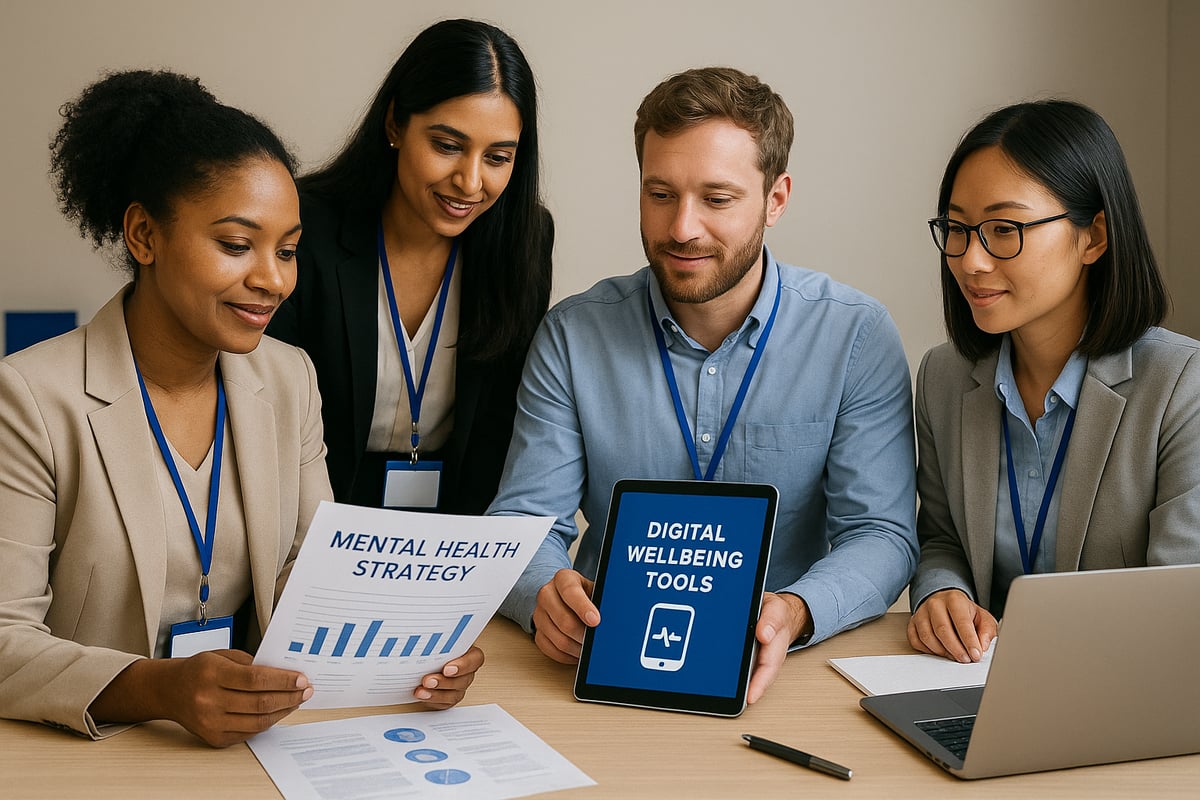
Step 1: Assessing Organizational Needs
The first step is understanding the unique challenges and opportunities within your organization. Employee surveys, wellbeing assessments, focus groups, exit interviews, and psychosocial risk assessments can provide valuable insights into workforce needs.
Data-driven decision-making helps identify key areas of concern, prioritize resources, and establish benchmarks for future measurement.
Step 2: Securing Leadership Buy-In
Executive support is critical for organization mental health success. Leaders must demonstrate visible commitment and allocate resources to drive change. Providing mental health training for executives helps them champion these initiatives and model positive behaviours.
When employees see leadership prioritising organization mental health, engagement rises. C-suite backing increases program credibility and encourages widespread participation, laying a strong foundation for sustainable wellbeing improvements.
Step 3: Developing a Comprehensive Policy
A clear, comprehensive policy is essential for organization mental health. This policy should address confidentiality, reporting procedures, reasonable accommodations, and the management of psychosocial hazards. Aligning with ISO 45003:2021 Guidelines ensures your approach meets international best practices for psychosocial risk management.
Include clear definitions, roles, and responsibilities. By formalizing your commitment, you set expectations and create a safer, more supportive environment for everyone.
Step 4: Designing Supportive Programs and Resources
Supportive programs are the backbone of any organization mental health strategy. Introduce Employee Assistance Programs (EAPs), peer support networks, and digital wellbeing tools to make help accessible. Flexible work options and workload management reduce stress and promote balance.
Monitor program usage and gather feedback. When employees see that organization mental health resources are practical and easy to use, participation increases and stigma declines.
Step 5: Training and Upskilling Managers
Managers play a vital role in organization mental health. Equip them with mental health literacy, intervention skills, and trauma-informed leadership training. Empowered managers can identify early warning signs, provide support, and facilitate access to resources.
Ongoing training ensures managers stay updated on best practices. This investment not only reduces absenteeism but also builds trust and resilience within teams.
Step 6: Fostering a Culture of Openness
A culture of openness is crucial for sustaining organization mental health. Launch destigmatisation campaigns, encourage regular check-ins, and create safe spaces for conversations. Sharing lived experiences helps normalise mental health discussions and breaks down barriers.
Peer support networks and transparent communication foster trust. When employees feel safe to speak up, early intervention becomes possible, and the overall culture improves.
Step 7: Monitoring, Reviewing, and Evolving
Effective organization mental health strategies are never static. Use key performance indicators such as absenteeism, engagement, and uptake of support programs to measure progress. Establish continuous feedback loops, inviting input from all levels of staff.
Adapt your approach as new risks and workforce changes emerge. Regular review and evolution ensure your organization mental health strategy remains relevant, effective, and future-ready.
Evidence-Based Training and Support Solutions
Training is one of the most effective ways to strengthen workplace mental health and build organizational resilience.
Mental Health Awareness Training
Mental health awareness programs help employees understand common mental health challenges, reduce stigma, and encourage early intervention.
These programs create a shared language around wellbeing and help normalize conversations about mental health.
Psychological Safety Training
Psychological safety has become a critical factor in team performance and employee wellbeing.
Training in this area helps leaders and employees:
- Build trust
- Encourage respectful communication
- Improve collaboration
- Support innovation
- Address workplace concerns early
- Resilience and Stress Management Programs
Resilience training equips employees with practical strategies for managing stress, adapting to change, and maintaining wellbeing during challenging periods.
Topics often include:
- Stress management
- Emotional regulation
- Healthy coping strategies
- Self-care practices
- Work-life integration
Leadership Development Programs
Leadership development remains one of the highest-impact investments organizations can make.
Managers who understand mental health and psychological safety are better equipped to support employees, navigate difficult conversations, and create healthier workplace cultures.
The Role of Professional Training Providers
Specialist providers play a critical role in advancing organization mental health by delivering psychologist-led, evidence-based programs. These programs are tailored to meet the unique needs of different industries and risk profiles. Partnering with external experts ensures that training remains current, comprehensive, and aligned with best practice standards.
Professional training addresses psychosocial hazards, fosters resilience, and equips managers to recognize early warning signs. For example, organizations with ongoing training initiatives experience up to 50% fewer psychological injury claims. To learn more about these targeted approaches, see Managing psychosocial safety training. Investing in quality training is a vital step in sustaining organization mental health.
Workplace Mental Health Institute: Leading the Way in Training and Resilience Programs
The Workplace Mental Health Institute (WMHI) is a global leader in psychologist-led training, consulting, and resilience programs. WMHI delivers measurable results for organization mental health, including a 33% reduction in absenteeism and a 79% drop in depression rates across diverse industries.
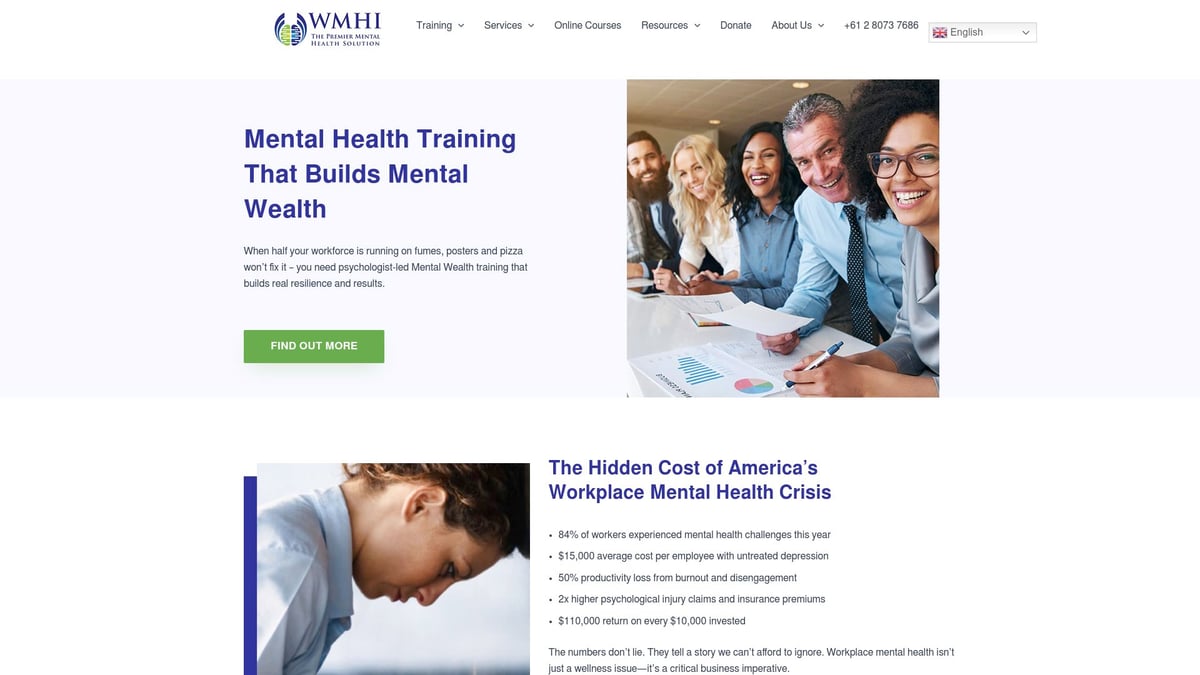
With solutions tailored to organizational context and risk, WMHI offers flexible delivery options: in-person, virtual, and on-demand. Their industry-specific programs cater to local and international requirements, ensuring broad accessibility. WMHI’s client feedback reflects high satisfaction, with over 96% of participants rating their training as impactful for both individual and organization mental health.
Essential Training Topics
To future-proof organization mental health, training must address emerging challenges and foundational skills. In 2026, the most critical topics include:
- Mental health literacy for all employees
- Stigma reduction and open dialogue
- Resilience and stress management strategies
- Trauma-informed care and crisis response
- Suicide prevention and burnout management
These topics empower staff to identify risks, support colleagues, and maintain a psychologically safe environment. Regularly updating training content ensures that organization mental health initiatives remain relevant and effective as workplace demands evolve.
Digital and Hybrid Support Tools
Technology is transforming how workplace mental health support is delivered. E-learning platforms and self-paced modules make training accessible, regardless of location or schedule. Virtual peer support groups and tele-mental health services provide flexible, confidential access to resources.
Post-pandemic, 61% of organizations offer hybrid support solutions that blend in-person and online engagement. This approach increases participation and reduces barriers to accessing help. Digital tools also enable real-time feedback, helping leaders adapt support to the evolving needs of their workforce and strengthen organization mental health outcomes.
Evaluating Program Effectiveness
Measuring the impact of training programs is essential for continuous improvement in organization mental health. Pre- and post-training assessments track changes in knowledge, attitudes, and behaviors. Key performance indicators include productivity, wellbeing metrics, and employee retention.
Organizations should leverage analytics to identify areas of success and opportunities for growth. Transparent reporting builds trust with staff, while ongoing evaluation ensures that investments in organization mental health deliver a high return and support long-term business objectives.
Assessing and Measuring Organizational Mental Health
Understanding and improving organization mental health starts with robust measurement. Leaders need clear, actionable insights to make informed decisions and create a thriving workplace. Reliable assessment ensures that strategies are tailored and effective for every unique environment.

Key Metrics and Assessment Tools
To truly enhance workplace mental health, tracking the right metrics is essential. These include absenteeism rates, presenteeism (when employees work while unwell), and staff turnover. Employee engagement scores and satisfaction survey results also offer crucial insights.
Other valuable tools involve psychological safety indices, which measure how safe employees feel to speak up without fear of negative consequences. Combining quantitative data with qualitative feedback provides a comprehensive view. Many organizations now use digital dashboards to monitor trends and respond quickly to emerging needs.
Regular measurement helps identify if current interventions are working or if adjustments are needed to better support organization mental health.
Conducting Workplace Wellbeing Assessments
Effective workplace wellbeing assessments are the cornerstone of understanding organization mental health. It is important to select validated frameworks that align with industry standards, such as ISO 45003, to ensure consistency and reliability.
Confidentiality is critical during the assessment process. Employees must feel safe to share honest feedback without fear of reprisal. Using third-party tools or anonymous surveys can increase participation and trust. For practical guidance and toolkits, many leaders turn to Workplace wellbeing assessment tools, which offer structured approaches for measuring and improving workplace mental health.
A thorough assessment not only highlights risks but also uncovers strengths that can be leveraged to further enhance organization mental health.
Analysing and Interpreting Data
Once data is collected, the next step is careful analysis to uncover patterns and areas needing attention. This involves identifying trends over time, pinpointing hotspots, and recognizing at-risk groups within the workforce.
Benchmarking against industry standards allows organizations to see how their organization mental health outcomes compare to peers. Using data analytics, leaders can transform raw information into actionable strategies. Visualizing results through charts and dashboards makes complex findings easier to communicate and address.
Regular reviews of analysis ensure that interventions remain relevant and are adapted as the organization evolves.
Reporting and Communicating Findings
Transparent reporting is vital for building trust and accountability around organization mental health. Sharing key findings with leadership and staff fosters a culture of openness and collective responsibility.
Clear communication of both successes and areas for improvement encourages continued engagement with wellbeing initiatives. Protecting confidentiality remains paramount throughout reporting. Using insights to drive strategic action demonstrates genuine commitment to employee wellbeing and supports long-term organizational resilience.
Consistent feedback loops, combined with honest reporting, empower everyone to contribute to the ongoing journey of improving organization mental health.
Creating a Psychologically Safe and Inclusive Culture
A thriving organization mental health culture starts with psychological safety and inclusion. These foundations empower employees to speak up, share concerns, and bring their full selves to work. Let’s explore how to embed these values through leadership, DEI, open conversations, and strong anti-bullying measures.
Foundations of Psychological Safety
Psychological safety means employees feel safe to express ideas, admit mistakes, and raise mental health concerns without fear. Research shows teams with high psychological safety are 27 percent more productive, making it a clear business advantage for organization mental health.
Leaders play a pivotal role in modelling supportive behaviours. Traits like active listening, empathy, and openness are essential. For a deeper dive into effective leadership behaviours, see psychologically safe manager traits. When leaders champion safety, employees are more likely to engage, innovate, and seek help when needed.
Promoting Diversity, Equity, and Inclusion (DEI)
DEI is inseparable from organization mental health. Employees from minority backgrounds often face unique stressors, such as discrimination or cultural barriers, which can impact wellbeing. Addressing these challenges requires inclusive policies and targeted support systems.
Organizations should regularly review policies to ensure they address the needs of all demographic groups. Providing tailored resources, flexible accommodations, and DEI training helps create an environment where every voice is valued. Recent SHRM 2025 Mental Health Insights highlight the positive impact of inclusive environments on mental health outcomes and engagement.
Normalizing Mental Health Conversations
Open dialogue is a cornerstone of organization mental health. Training managers and employees to discuss mental health reduces stigma and encourages support-seeking. Establishing regular check-ins, peer support networks, and safe spaces makes it easier for staff to share experiences.
Leaders can set the tone by sharing their own mental health journeys. Storytelling helps humanise the topic, making it relatable and less taboo. The more mental health is discussed, the more it becomes a normal part of workplace culture.
Addressing Bullying, Harassment, and Toxic Behaviours
A psychologically safe culture cannot tolerate bullying, harassment, or toxic behaviours. Clear policies and confidential reporting channels are essential for prompt intervention. Early action, such as mediation or restorative practices, can prevent escalation and support affected individuals.
Zero-tolerance approaches have proven results, with incidents reduced by 40 percent in organizations that enforce them. Regular training and visible leadership commitment signal that organization mental health is a priority for all.
Future-Proofing Organizational Mental Health: Trends & Innovations
The landscape of organization mental health is rapidly evolving. To stay ahead, leaders must understand the latest trends and innovations shaping workplace wellbeing. Future-proofing means taking proactive steps to address challenges and harness opportunities for a resilient workforce.
Embracing Mental Health Technology
Technology is transforming organization mental health support. AI-powered platforms, predictive analytics, and virtual reality are now central to wellbeing strategies. These tools offer real-time insights, personalized interventions, and scalable resources for diverse teams.
A striking example is that 48% of Fortune 500 firms now use AI-driven wellbeing platforms. Integrating technology helps organizations identify risks early and deliver support efficiently. According to the AI and Worker Well-Being Study, AI’s impact on worker mental health varies by age and gender, highlighting the need for tailored digital solutions. As digital adoption accelerates, staying current with mental health tech is essential for future-ready organizations.
Preparing for Emerging Risks
As work becomes more digitized, new risks to organization mental health are emerging. Digital overload, technostress, and constant connectivity can erode resilience and increase burnout rates. Supporting neurodiverse and multigenerational teams requires flexible approaches and inclusive design.
Preparing for global crises and rapid change is also vital. Scenario planning, robust communication channels, and agile policies help organizations respond to uncertainty. By anticipating these risks, leaders protect both their people and business continuity, ensuring organization mental health remains a top priority.
Integrating Mental Health into Business Strategy
Organization mental health is now a core business metric, not just an HR concern. Forward-thinking companies link wellbeing to ESG and sustainability goals, recognizing its impact on performance, reputation, and investor confidence.
Investors are increasingly prioritizing wellbeing in ESG assessments. Embedding mental health in strategic planning means aligning policies, resources, and leadership accountability. This integrated approach drives long-term value and differentiates organizations in a competitive landscape.
Continuous Learning and Adaptation
Continuous learning is fundamental to sustaining organization mental health. Ongoing education, resource access, and skills development empower teams to adapt to evolving demands. Leveraging external expertise, such as industry partnerships and evidence-based training, ensures best practices are always within reach.
Building organizational resilience means embracing feedback, tracking outcomes, and staying open to innovation. In a changing world, adaptability is the key to maintaining a culture where mental health thrives.
It’s clear that a proactive approach to organizational mental health is more important than ever. You’ve just explored practical strategies for building resilience, fostering a supportive culture, and future proofing your workplace. Whether you’re a leader aiming to boost performance or an HR professional seeking actionable guidance, having the right tools and expert support can make all the difference. If you’re ready to put these insights into action and create lasting positive change for your team, I encourage you to Find Out More about tailored solutions and next steps.

