
Workplace mental health has evolved beyond reactive crisis management to embrace proactive, engaging approaches that build resilience and foster genuine wellbeing. Mental health fun activities represent a strategic component of comprehensive workplace mental health programs, combining evidence-based psychological principles with accessible, enjoyable experiences that employees actually want to participate in. When implemented thoughtfully, these activities reduce stigma, strengthen team connections, and create organizational cultures where mental health becomes normalized rather than whispered about in hushed tones.
Understanding Mental Health Fun Activities in Professional Settings
Mental health fun activities differ fundamentally from superficial wellness theater. These interventions integrate psychological skill-building with engaging formats that promote participation without coercion or embarrassment.
The science behind fun mental health activities demonstrates measurable impacts on stress reduction, emotional regulation, and workplace cohesion. Research consistently shows that enjoyable mental health interventions increase adherence rates compared to purely clinical approaches.
Key characteristics of effective workplace mental health activities include:
- Psychological safety embedded in design and delivery
- Voluntary participation without pressure or judgment
- Skills that transfer to real workplace challenges
- Accessibility across different learning styles and preferences
- Measurable outcomes aligned with organizational wellbeing goals
Organizations implementing these approaches through Workplace Mental Health Institute programs report higher engagement rates and sustained behavior change compared to traditional didactic training models.
The Psychological Foundation
Mental health fun activities activate multiple neurological pathways simultaneously. Enjoyable experiences trigger dopamine release while learning occurs, strengthening memory consolidation and skill retention. This neurological reality explains why teams remember interactive resilience exercises months later while forgetting bullet points from presentations within days.
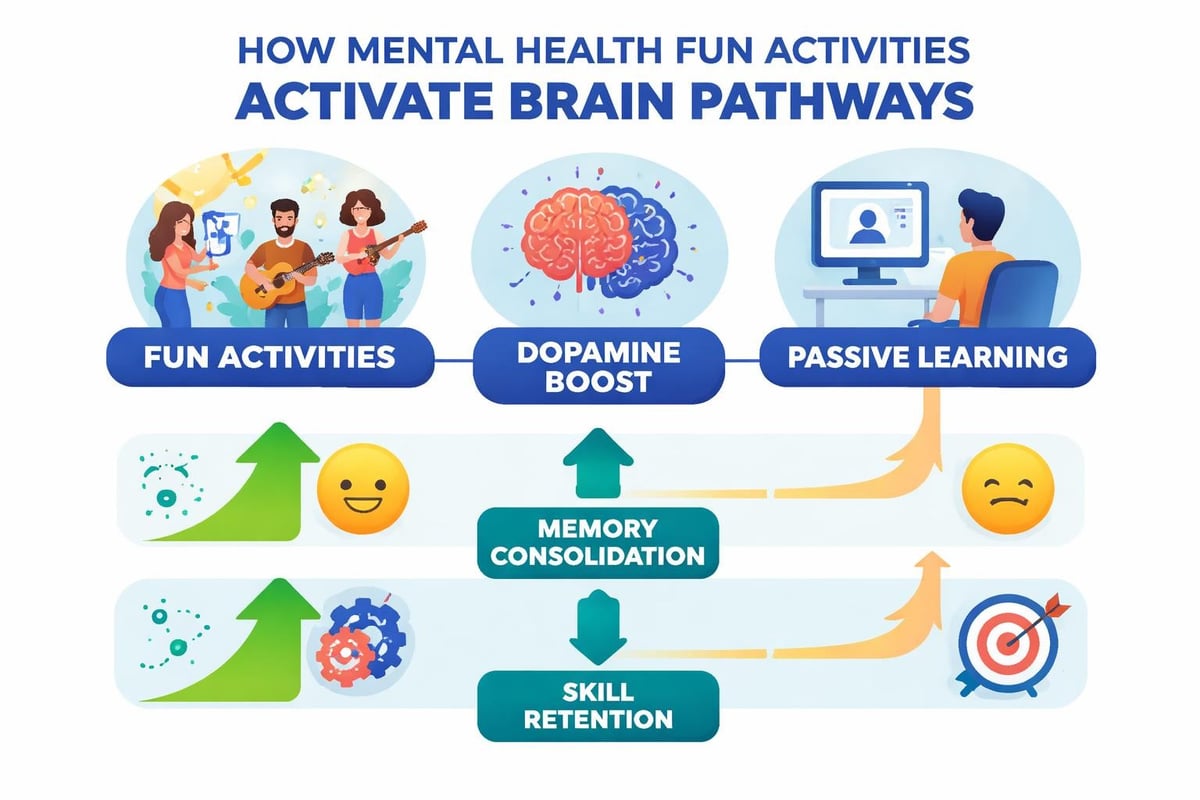
The emotional component matters equally. Activities that generate positive affect create approach behaviors toward mental health conversations rather than avoidance responses. Employees who associate mental health with enjoyable experiences become more likely to seek support proactively.
Team-Based Mental Health Fun Activities
Collective experiences build psychological safety faster than individual interventions alone. Team-based mental health fun activities create shared language and normalize mental health discussions within existing work relationships.
Structured Team Challenges
Mental health scavenger hunts transform abstract concepts into tangible experiences. Teams locate examples of workplace stressors, identify existing support resources, and photograph evidence of psychological safety in action. This activity builds awareness while fostering collaboration and creative problem-solving.
Resilience relay races divide teams into stations, each requiring completion of a brief mental health skill before advancing. Stations might include three-minute mindfulness practices, cognitive reframing exercises, or boundary-setting role plays. The competitive element maintains energy while the skills provide lasting value.
| Activity Type | Primary Benefit | Time Required | Group Size |
|---|---|---|---|
| Mental health scavenger hunts | Awareness building, resource identification | 45-60 minutes | 4-6 per team |
| Resilience relay races | Skill practice, team bonding | 30-45 minutes | 5-8 per team |
| Values-based decision games | Clarity on priorities, alignment | 60-90 minutes | 6-10 per team |
| Stress management workshops | Practical coping strategies | 2-3 hours | 8-15 participants |
Creative Expression Activities
Art-based interventions accessed through programs like those at Workplace Mental Health Institute Online provide non-verbal channels for processing workplace stress. Teams create collaborative murals representing their collective experience, visual metaphors for challenges overcome, or symbolic representations of team resilience.
These creative mental health fun activities particularly benefit organizations with diverse linguistic backgrounds or employees who process experiences visually rather than verbally. The creative process itself provides therapeutic benefit independent of artistic skill level.
Music-based activities ranging from collaborative playlist creation to drum circles facilitate emotional expression and synchrony. Rhythmic activities synchronize nervous systems across group members, creating physiological coherence that strengthens social bonds. Research on mood-boosting activities confirms the measurable impact of creative pursuits on mental health outcomes.
Individual Mental Health Fun Activities for Workplace Implementation
While team activities build collective resilience, individual practices develop personal mental health literacy and self-management capabilities. Organizations benefit from offering both modalities within comprehensive mental health strategies.
Mindfulness-Based Engagement
Gamified mindfulness applications transform meditation from intimidating practice into accessible habit. Point systems, achievement badges, and progress tracking leverage behavioral psychology principles to maintain engagement beyond initial enthusiasm.
Mindfulness scavenger hunts challenge individuals to identify specific sensory experiences throughout their workday. Finding five different textures, three unexpected sounds, or one moment of genuine gratitude shifts attention toward present-moment awareness while maintaining novelty and interest.
Progressive mindfulness challenges include:
- Week one: Three daily breath awareness pauses
- Week two: Five-minute body scan before meetings
- Week three: Mindful eating during one meal
- Week four: Walking meditation during breaks
- Week five: Choosing one practice to sustain
These structured progressions prevent overwhelm while building competence gradually. Mental health breaks incorporating these elements demonstrate superior outcomes compared to unstructured recommendations.
Journaling and Reflection Exercises
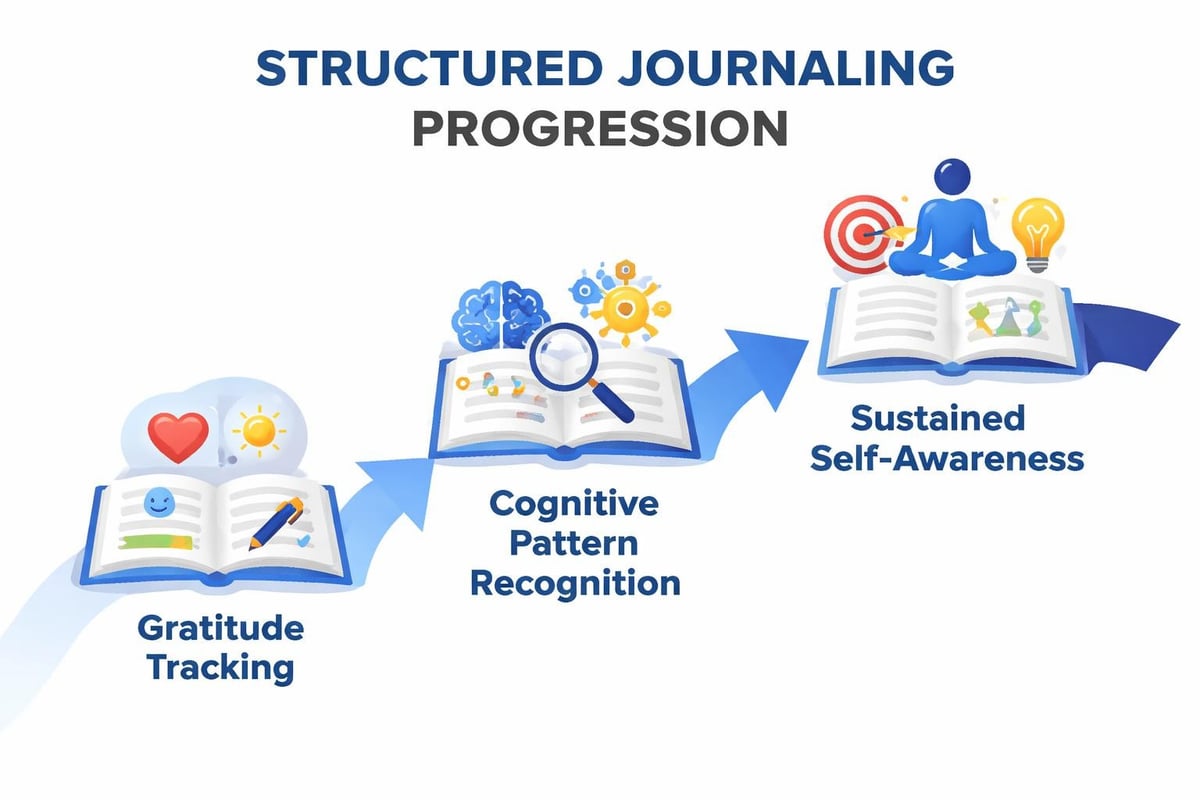
Interactive journaling prompts designed as games rather than therapeutic assignments increase completion rates. Emotion bingo cards, gratitude poker, and cognitive distortion scavenger hunts make reflection engaging rather than burdensome.
Digital platforms offering structured journaling with immediate feedback help individuals identify patterns in thoughts, emotions, and behaviors. Visual representations of mood trends over time provide concrete evidence of progress that maintains motivation during challenging periods.
Movement-Based Mental Health Activities
Physical movement influences mental health through multiple mechanisms including endorphin release, stress hormone reduction, and improved sleep quality. Mental health fun activities incorporating movement accessibility considerations reach broader employee populations.
Workplace-Appropriate Physical Activities
Chair yoga sequences adapted for office environments require no special equipment or clothing changes. Five-minute routines targeting common tension areas provide immediate stress relief while demonstrating techniques employees can independently practice.
Walking meetings transform routine conversations into movement opportunities. Research demonstrates improved creative thinking and reduced anxiety during walking discussions compared to seated alternatives. Organizations implementing walking meeting policies report increased employee satisfaction and reduced sedentary time.
Dance breaks utilizing popular music create joyful movement experiences without athletic performance pressure. Brief, voluntary dance sessions during afternoon energy slumps combat fatigue while releasing endorphins and strengthening social connections through shared silliness.
| Movement Activity | Mental Health Benefit | Accessibility Level | Equipment Needed |
|---|---|---|---|
| Chair yoga | Tension release, body awareness | High | None |
| Walking meetings | Creativity boost, anxiety reduction | Moderate | None |
| Desk stretching routines | Physical comfort, mindfulness | Very high | None |
| Team sports activities | Social connection, stress relief | Low-moderate | Sport-specific |
Nature-Based Engagement
Outdoor walking groups combine movement benefits with nature exposure, which independently reduces rumination and improves attention restoration. Organizations near green spaces gain competitive advantages in employee wellbeing by facilitating regular nature contact.
For urban workplaces without immediate nature access, indoor plant care programs provide similar benefits at smaller scales. Tending living things offers nurturing opportunities, responsibility without overwhelming pressure, and visible growth metaphors that support psychological resilience.
Activities proven to enhance mental health frequently emphasize nature connection as a foundational element, particularly for professionals experiencing chronic workplace stress.
Social Connection Activities
Human connection represents perhaps the most powerful protective factor for mental health. Mental health fun activities emphasizing authentic social interaction address the loneliness epidemic affecting modern workplaces.
Structured Social Opportunities
Lunch and learn sessions combining meal sharing with brief mental health topic discussions create natural conversation opportunities. Food provides a comfortable focal point while educational content legitimizes gathering time and provides conversation starters.
Interest-based affinity groups organized around hobbies rather than demographics build cross-departmental relationships through shared passions. Book clubs, gardening groups, or gaming communities create belonging without requiring vulnerability about mental health challenges directly.
Gratitude circles opening team meetings with brief appreciation sharing reshape group dynamics toward positivity. This simple practice, when sustained consistently, measurably improves team psychological safety and individual wellbeing scores.
Peer Support Frameworks
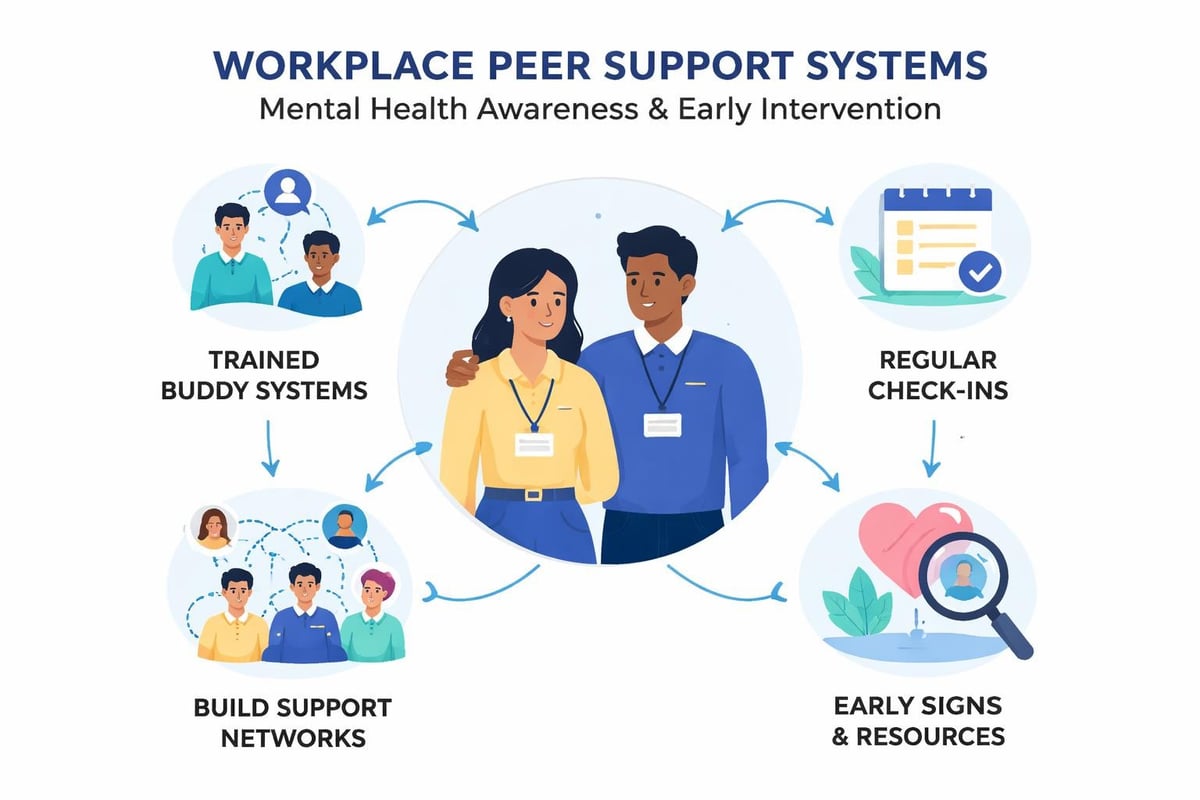
Buddy systems pairing employees for regular mental health check-ins distribute support responsibilities across the organization rather than concentrating them in leadership alone. Training through programs available at Workplace Mental Health Institute Australia ensures peer supporters understand boundaries and appropriate referral processes.
Mental health fun activities designed for pairs rather than large groups accommodate introverted employees who find large group settings draining rather than energizing. Coffee walks, paired journaling exchanges, or accountability partnerships offer connection without overstimulation.
Game-Based Learning for Mental Health Skills
Gamification transforms mental health skill development from obligation into engaging challenge. Well-designed games teach complex psychological concepts through experiential learning that sticks.
Mental Health Board Games and Card Games
Purpose-built mental health card games teach cognitive behavioral therapy concepts through gameplay. Players practice identifying cognitive distortions, challenging unhelpful thoughts, and generating behavioral alternatives within game scenarios that feel lower-stakes than real-life application.
Resilience-building board games simulate workplace stressors while teaching coping strategies. Players navigate challenges using resource cards representing different mental health skills, learning through repeated practice which strategies work best for various situations.
Effective game-based mental health fun activities incorporate:
- Clear learning objectives aligned with psychological principles
- Difficulty progression matching skill development
- Immediate feedback on strategy effectiveness
- Debriefing discussions connecting game experiences to workplace application
- Voluntary participation without mandatory emotional disclosure
These design elements ensure games remain genuinely fun rather than thinly disguised training modules that employees resist.
Digital Mental Health Games
Mobile applications offering mental health skill practice through game formats increase accessibility and enable practice outside formal training sessions. Cognitive training games, emotion regulation simulations, and stress management challenges provide bite-sized learning opportunities.
Virtual reality applications create safe environments for practicing difficult conversations, managing anxiety-provoking situations, or building confidence in requesting accommodations. The immersive nature of VR accelerates skill development while maintaining psychological safety through clearly defined boundaries between simulation and reality.
Mental health activities designed for diverse populations demonstrate the importance of matching activity formats to audience preferences and learning styles.
Integrating Mental Health Fun Activities into Workplace Culture
Isolated activities generate temporary engagement but fail to create sustained cultural change. Strategic integration embeds mental health fun activities into existing workplace rhythms and structures.
Establishing Regular Cadences
Monthly mental health activity calendars create predictability while offering variety. Alternating between team-based, individual, movement-focused, and creative activities ensures something appeals to every employee across the calendar year.
Weekly micro-activities maintained through brief team rituals build consistency without requiring significant time investments. Five-minute mindfulness practices opening meetings, gratitude rounds closing team huddles, or stress check-ins during one-on-ones normalize mental health conversations through repetition.
Quarterly mental health festivals concentrating multiple activities into dedicated days generate excitement and visible organizational commitment. These events provide opportunities for trying activities employees might not choose independently while demonstrating leadership investment in wellbeing.
Measuring Impact and Adjusting Approaches
Participation metrics alone insufficient for evaluating mental health fun activities effectiveness. Organizations tracking wellbeing indicators, absenteeism rates, engagement scores, and psychological safety measures alongside participation data gain clearer pictures of actual impact.
Employee feedback mechanisms identifying which activities generate genuine benefit versus which feel performative guide continuous improvement. Anonymous surveys, focus groups, and suggestion systems ensure programming responds to actual employee needs rather than leadership assumptions.
The comprehensive activity catalogue demonstrates the breadth of options available, emphasizing the importance of diverse programming matching diverse employee preferences.
Addressing Common Implementation Challenges
Even well-intentioned mental health fun activities encounter obstacles. Anticipating common challenges enables proactive solution development.
Overcoming Participation Barriers
Scheduling conflicts represent the most frequently cited participation barrier. Offering activities at varying times including early morning, lunch, and end-of-day options increases accessibility. Recording sessions for asynchronous participation accommodates shift workers and remote employees.
Stigma concerns prevent some employees from participating in obviously mental health-focused activities. Framing activities around wellness, resilience, or team building rather than mental health specifically can increase initial engagement, with deeper mental health discussions emerging naturally as trust builds.
Introverted employees may resist group-focused activities. Providing parallel individual options ensures inclusive programming. Not every activity suits every employee, and comprehensive programs honor this reality rather than forcing participation.
Ensuring Authenticity and Avoiding Performative Wellness
Mental health fun activities implemented without corresponding organizational culture shifts breed cynicism. Employees quickly recognize when organizations offer activities while maintaining toxic workloads, inadequate staffing, or psychologically unsafe environments.
Authentic implementation addresses systemic workplace stressors while offering activities that build individual and collective resilience. Activities complement rather than substitute for necessary organizational changes around workload, leadership behavior, and policy development.
Leadership participation in activities signals genuine commitment versus delegating mental health to HR. Managers practicing mindfulness alongside teams, leaders sharing gratitude openly, and executives attending mental health events communicate that wellbeing matters at all organizational levels.
Tailoring Activities for Specific Workplace Contexts
Context determines activity appropriateness. Mental health fun activities effective in creative industries may fail in highly regulated environments and vice versa.
Industry-Specific Considerations
Healthcare organizations benefit from trauma-informed care training integrated into mental health activities, acknowledging the unique stressors healthcare professionals face. Activities addressing compassion fatigue, moral injury, and vicarious trauma speak directly to healthcare worker experiences.
Technology companies with predominantly remote workforces require activities adapted for virtual delivery. Digital-first mental health fun activities leveraging collaborative online platforms, virtual reality applications, and asynchronous options match how these organizations already operate.
Manufacturing environments with shift work and limited computer access need activities deliverable during brief breaks without technology requirements. Physical activities, paper-based games, and peer conversation structures work better than app-based solutions in these settings.
Organizational Size Adaptations
Small organizations with limited budgets benefit from low-cost mental health fun activities emphasizing peer connection and creative use of existing resources. Walking groups, gratitude practices, and skill-sharing sessions require minimal financial investment while generating meaningful impact.
Large enterprises can leverage scale advantages through organization-wide challenges, comprehensive digital platforms, and dedicated mental health activity coordinators. These organizations often benefit from partnerships with specialized providers offering structured programs and expert facilitation.
Mid-size organizations occupy middle ground, often combining DIY activities with selective external expertise for flagship initiatives. This hybrid approach balances budget constraints with desire for professional guidance on evidence-based practices.
Building Leadership Skills for Facilitating Mental Health Activities
Manager capability significantly influences mental health fun activities success. Leaders require specific skills for creating psychologically safe activity environments.
Essential Facilitation Competencies
Psychological safety creation begins with leader vulnerability. Managers sharing their own mental health practices, acknowledging struggles appropriately, and demonstrating genuine curiosity about employee experiences establish safety for others to participate authentically.
Trauma-informed facilitation recognizes that seemingly innocuous activities may trigger distress for employees with trauma histories. Providing clear activity descriptions in advance, offering opt-out options without explanation requirements, and watching for signs of distress during activities prevents unintended harm.
Core facilitation skills include:
- Creating inclusive environments where all participation styles are valued
- Reading group dynamics and adjusting activities responsively
- Debriefing experiences to extract learning and meaning
- Connecting activities to broader workplace mental health strategies
- Modeling authentic engagement rather than performative participation
Workplace Mental Health Institute offers specialized training developing these competencies in leaders at all organizational levels, ensuring activities deliver intended benefits rather than creating additional stress.
Avoiding Common Facilitation Mistakes
Forced participation undermines mental health fun activities completely. Coercion generates resentment and reinforces perceptions that organizations care more about optics than genuine wellbeing. Voluntary participation remains non-negotiable for ethical implementation.
Insufficient time allocation rushes activities and prevents meaningful engagement. Activities labeled “fun” but crammed into impossible timeframes communicate that mental health matters only when convenient. Adequate time demonstrates authentic organizational commitment.
Lack of follow-through after initial enthusiasm disappoints employees and breeds cynicism. Sustained programming requires dedicated resources, clear responsibility assignment, and leadership accountability for maintaining momentum beyond initial launches.
Mental health fun activities represent powerful tools for building workplace cultures where wellbeing thrives alongside productivity when implemented with authenticity, psychological expertise, and sustained commitment. These evidence-based approaches transform abstract mental health concepts into tangible experiences that employees remember and apply long after formal training ends. Workplace Mental Health Institute specializes in developing comprehensive mental health strategies that integrate engaging activities with systemic culture change, providing organizations with the expertise and resources needed to move beyond performative wellness toward genuine, sustainable employee wellbeing.

