
Mental health and workers compensation systems have undergone significant transformation as organizations recognize psychological injuries as legitimate workplace hazards. While physical injuries have historically dominated workers compensation claims, the growing prevalence of work-related mental health conditions has forced legislators, insurers, and employers to reconsider traditional frameworks. Understanding how these systems intersect is essential for HR professionals, organizational leaders, and anyone responsible for workplace wellbeing strategy. This comprehensive analysis examines the legal landscape, eligibility requirements, jurisdictional variations, and organizational responsibilities surrounding mental health claims within workers compensation systems.
Understanding Mental Health Within Workers Compensation Frameworks
Workers compensation systems were designed primarily to address physical workplace injuries, creating inherent challenges when applied to psychological conditions. Mental health and workers compensation intersect in complex ways that differ substantially from traditional injury claims.
Defining Compensable Mental Health Conditions
Psychological injuries eligible for workers compensation typically fall into three categories. Mental-physical claims arise when physical workplace injuries cause subsequent mental health conditions, such as depression following a severe accident. Physical-mental claims occur when work-related stress or psychological trauma manifests in physical symptoms. Mental-mental claims represent purely psychological injuries resulting from workplace events or conditions without physical injury components.
The distinction between these categories matters significantly because jurisdictions apply different standards to each. Most states readily accept mental-physical claims where causation is clear, while mental-mental claims face substantially higher evidentiary burdens.
- Acute traumatic events (witnessing workplace violence, experiencing threats)
- Cumulative workplace stress exceeding normal employment conditions
- Harassment, discrimination, or hostile work environment exposure
- Post-traumatic stress disorder from workplace incidents
- Anxiety and depression linked to specific workplace events
Evidentiary Requirements and Burden of Proof
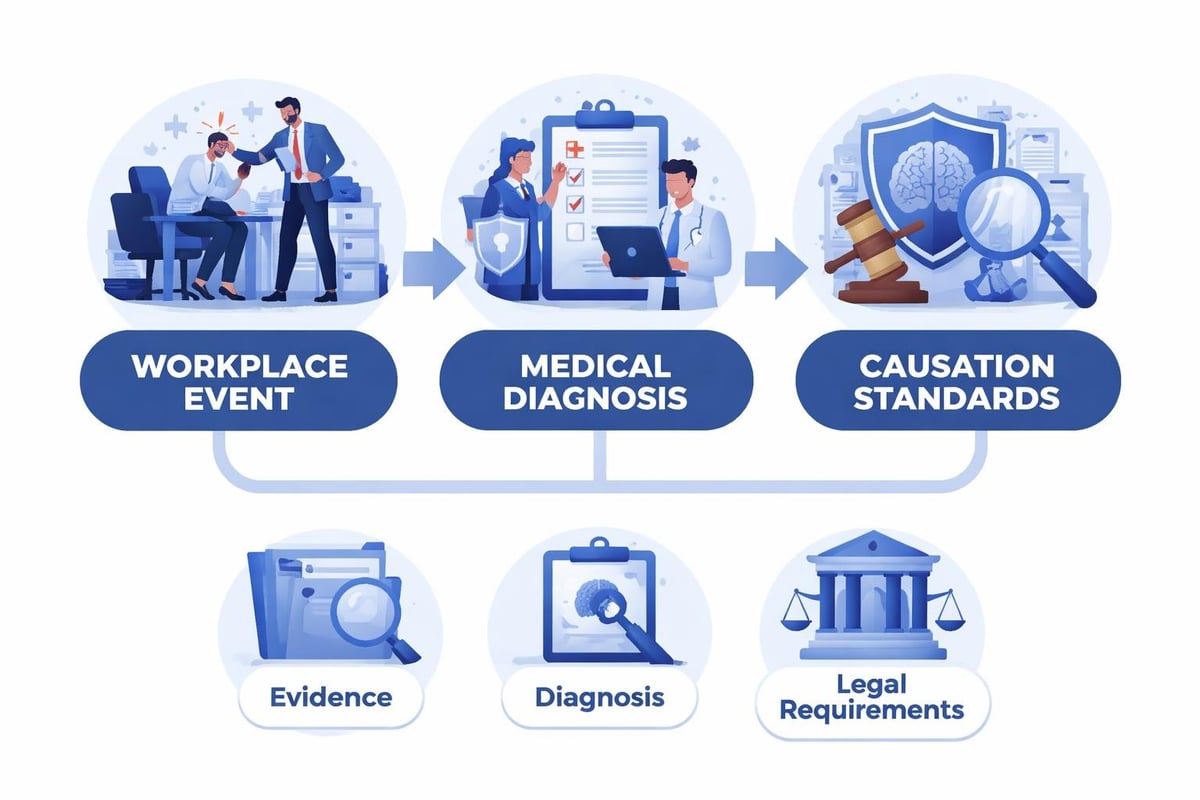
Establishing causation for psychological injuries requires more rigorous documentation than physical claims. Claimants must typically demonstrate that workplace conditions were the predominant cause or major contributing factor to their mental health condition, not merely a contributing element among many life stressors.
Medical evidence forms the foundation of successful claims. Licensed mental health professionals must provide diagnoses using recognized diagnostic criteria, document the timeline connecting workplace events to symptom onset, and establish that workplace factors exceed normal employment stress levels. Some jurisdictions require independent medical examinations or peer reviews before approving mental health claims.
Jurisdictional Variations in Mental Health Coverage
The legal landscape governing mental health and workers compensation varies dramatically across jurisdictions, creating challenges for multi-state employers and requiring careful navigation by HR professionals.
State-Specific Legal Frameworks
Workers compensation coverage for mental health conditions in Ohio requires claimants to prove their psychological injury resulted from a workplace event or series of events occurring within the scope of employment. Similarly, Pennsylvania’s framework for mental health claims has evolved to recognize certain psychological injuries, though with specific limitations on stress-related conditions.
Florida’s workers compensation laws regarding mental health demonstrate more restrictive approaches, generally limiting coverage to mental injuries accompanied by physical workplace injuries or resulting from acute traumatic events. This contrasts sharply with jurisdictions like Washington State, where mental health services within workers compensation receive broader recognition and support.
| Jurisdiction Type | Mental-Physical Claims | Physical-Mental Claims | Mental-Mental Claims | Special Provisions |
|---|---|---|---|---|
| Permissive States | Generally accepted | Often accepted | Accepted with evidence | Lower causation thresholds |
| Moderate States | Accepted | Requires clear link | High evidentiary burden | Specific event requirements |
| Restrictive States | Accepted | Limited acceptance | Rarely accepted | Physical injury prerequisites |
| First Responder States | Accepted | Accepted | PTSD presumptions | Occupational carve-outs |
Emerging Legislative Trends
Mental health represents an emerging frontier in workers compensation, with legislative bodies increasingly recognizing psychological injuries as legitimate workplace hazards. The expansion reflects growing awareness of mental health prevalence and its economic impact on organizations.
First responders have seen particularly significant legislative progress. PTSD coverage expansion across multiple states has created presumptions that certain occupations develop work-related psychological conditions, shifting the burden of proof away from claimants.
Several states now include specific provisions for:
- Healthcare workers exposed to traumatic patient care situations
- Educators experiencing violence or threats in school settings
- Retail workers subjected to armed robberies or violent incidents
- Social service professionals with repeated trauma exposure
- Transportation workers involved in fatal accidents
Organizational Risk Management and Prevention Strategies
Proactive mental health and workers compensation management requires systematic approaches that reduce psychological injury risk while demonstrating organizational commitment to employee wellbeing.
Creating Psychologically Safe Work Environments
Prevention begins with organizational culture. Leaders must establish environments where employees can raise concerns, access support, and navigate workplace stressors without fear of retaliation. This foundation reduces both the incidence of psychological injuries and the likelihood of resulting claims.
Environmental risk factors warranting immediate attention include:
- Excessive workload demands without adequate resources or support
- Role ambiguity or conflicting expectations from multiple supervisors
- Inadequate training for high-stress or potentially traumatic roles
- Insufficient recovery time between demanding shifts or projects
- Bullying, harassment, or toxic interpersonal dynamics
Organizations should conduct regular workplace wellbeing assessments to identify psychological hazards before they manifest in compensation claims. These assessments examine organizational policies, workload distribution, management practices, and cultural factors contributing to psychological safety or risk.
Manager Training and Early Intervention
Managers require specific competencies to recognize early warning signs of psychological distress and respond appropriately. Training programs should address mental health literacy, psychological first aid, appropriate referral pathways, and legal obligations surrounding workplace accommodations.
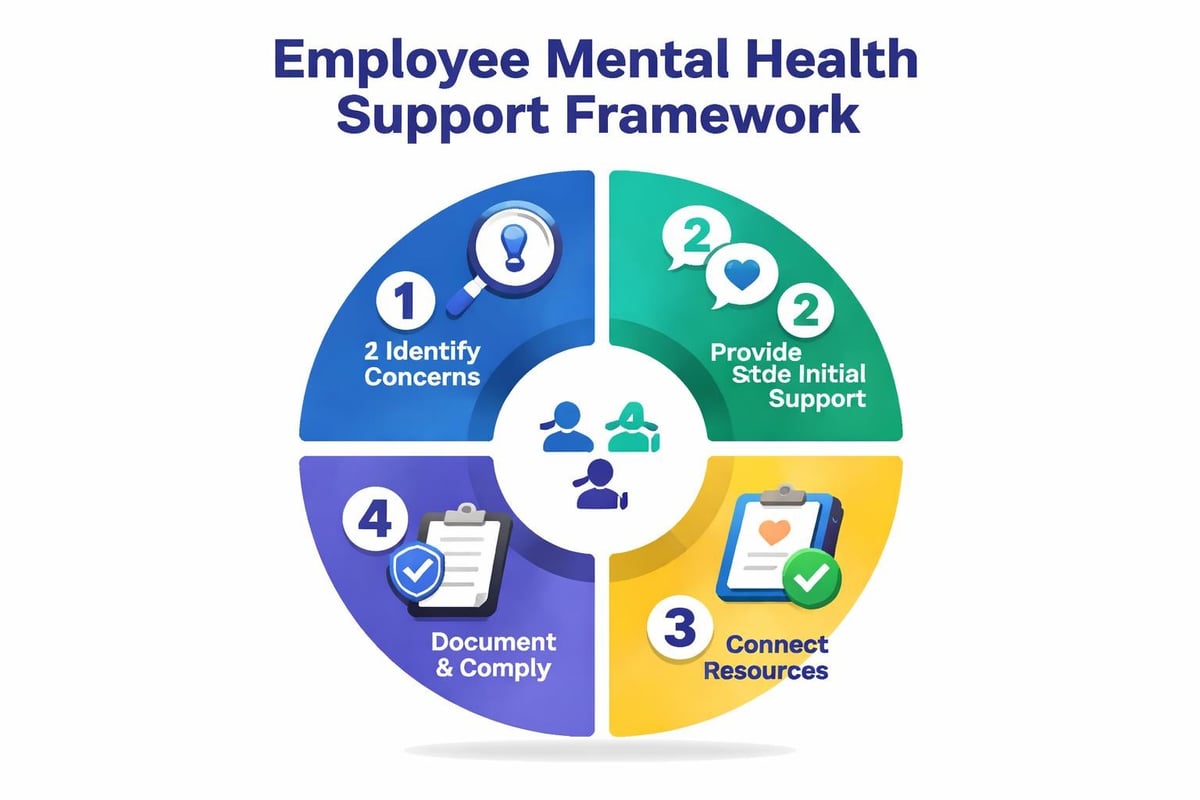
When managers notice performance changes, increased absenteeism, or behavioral shifts indicating possible psychological distress, early intervention prevents escalation. Appropriate responses include confidential check-in conversations, referrals to Employee Assistance Programs, workload adjustments, and documentation of support offered.
Trauma-informed leadership approaches recognize that many employees carry previous trauma that workplace stressors may activate. Managers trained in these approaches create predictability, offer choices, emphasize collaboration, and avoid inadvertently triggering trauma responses through management practices.
Claims Management and Return-to-Work Processes
When mental health and workers compensation claims occur despite preventive efforts, organizations must manage them professionally while supporting employee recovery and maintaining legal compliance.
Initial Response Protocols
The immediate response to a psychological injury claim sets the trajectory for outcomes. HR professionals should acknowledge the claim promptly, provide clear information about the claims process, avoid making determinations about validity (which insurers and medical professionals handle), and ensure the employee understands available support resources.
Documentation becomes critical. Organizations should maintain factual records of:
- The reported incident or conditions leading to the claim
- Witness statements if applicable to specific events
- Previous accommodations or support provided
- Communication with the employee about the claim
- Coordination with insurance carriers and legal counsel
Avoid speculative statements about the employee's mental state, causation opinions, or determinations about claim validity. These assessments belong with qualified professionals and claims administrators.
Therapeutic Return-to-Work Programs
Successful return-to-work outcomes for psychological injuries often require graduated approaches. Unlike many physical injuries with clear recovery milestones, mental health conditions may fluctuate, requiring flexibility in accommodation strategies.
Effective return-to-work elements include:
- Modified duties that reduce exposure to triggering situations or stressors
- Graduated hours allowing progressive reintegration
- Ongoing access to treatment during work hours when necessary
- Regular check-ins with supervisors trained in supportive communication
- Peer support programs connecting returning employees with colleagues
- Clear processes for requesting additional accommodations if needed
Organizations demonstrating genuine commitment to supporting recovery see better outcomes, reduced claim duration, and lower overall costs compared to adversarial approaches that treat claimants with suspicion.
| Return-to-Work Stage | Typical Duration | Key Activities | Success Indicators |
|---|---|---|---|
| Treatment Focus | 4-12 weeks | Medical intervention, no work duties | Symptom stabilization |
| Initial Reintegration | 2-6 weeks | Limited hours, modified duties | Sustained attendance |
| Progressive Duties | 4-8 weeks | Increasing responsibilities | Performance consistency |
| Full Duty with Support | Ongoing | Regular duties, continued monitoring | Independent functioning |
Financial and Operational Implications
Mental health and workers compensation claims carry distinct financial profiles compared to physical injuries, requiring different budgeting and risk management approaches.
Direct and Indirect Cost Analysis
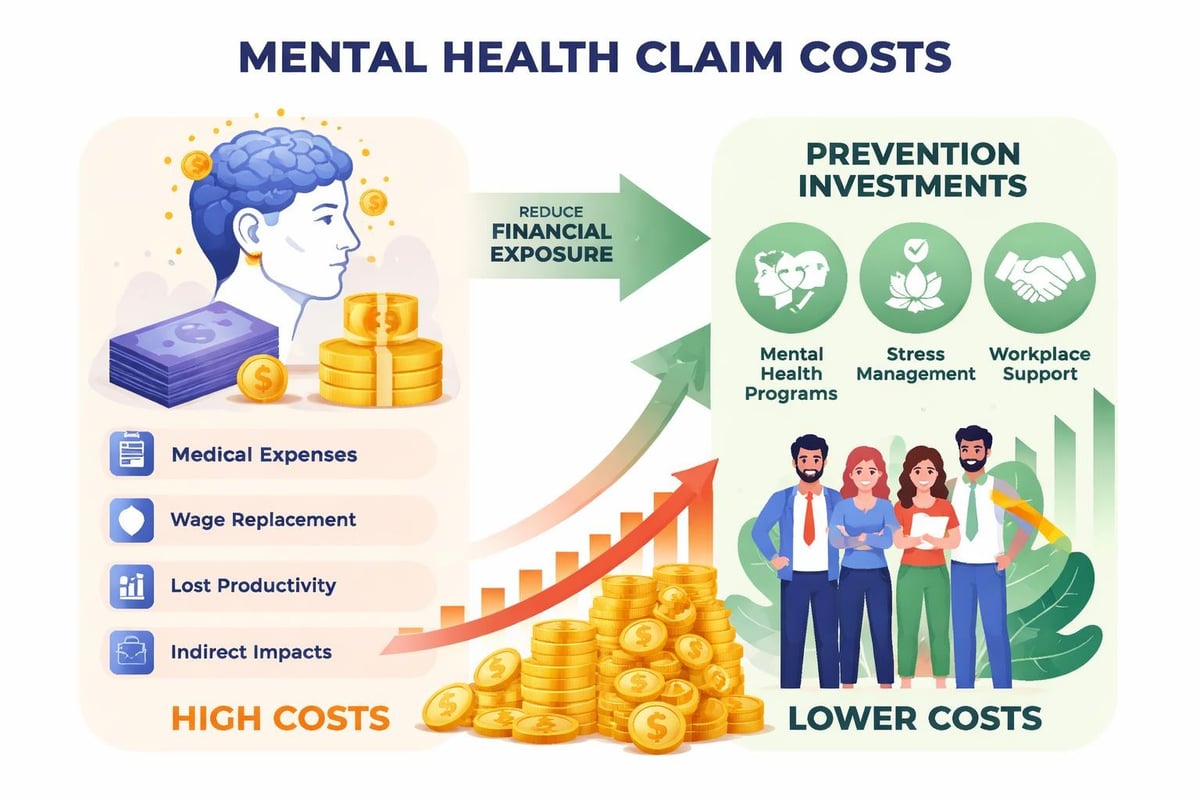
Direct costs include medical treatment expenses, which for psychological conditions often involve extended psychotherapy, psychiatric medications, and potentially intensive treatment programs. Unlike acute physical injuries, mental health treatment frequently continues for months or years, creating sustained cost exposure.
Wage replacement costs present challenges because psychological conditions may impair work capacity without clear physical limitations. Determining appropriate work restrictions and disability ratings for mental health conditions involves subjective assessment, sometimes leading to disputes that extend claim duration.
Indirect costs often exceed direct expenses:
- Productivity loss from reduced capacity or extended absence
- Replacement worker costs including recruitment, training, and temporary coverage
- Morale impact on remaining team members who absorb additional workload
- Management time devoted to claim coordination and accommodation processes
- Legal expenses if claims become disputed or adversarial
- Reputational damage if claims reflect systemic workplace culture issues
Organizations tracking mental health claim patterns may identify departments, roles, or management practices creating elevated risk, enabling targeted interventions that reduce future claim frequency.
Insurance Considerations and Premium Impact
Workers compensation insurance premiums reflect claim history, with mental health claims influencing experience modification rates. Because psychological injury claims may develop slowly and remain open longer than typical physical injuries, they can disproportionately affect insurance costs.
Insurers increasingly offer risk management services specifically addressing psychological hazards. These programs may include workplace assessments, manager training, policy development support, and access to mental health professionals for consultation. Organizations utilizing these services demonstrate commitment to prevention, potentially mitigating premium increases.
Legal Compliance and Disability Intersection
Mental health and workers compensation intersect with other employment law areas, requiring coordinated compliance strategies across multiple legal frameworks.
Americans with Disabilities Act Coordination
Employees with work-related mental health conditions may qualify for protections under both workers compensation systems and the Americans with Disabilities Act. These frameworks impose different obligations that sometimes conflict, requiring careful navigation.
Workers compensation focuses on injuries arising from employment and provides medical treatment plus wage replacement. The ADA prohibits disability discrimination and requires reasonable accommodations for qualified individuals with disabilities, regardless of injury origin.
An employee might receive workers compensation benefits while simultaneously requesting ADA accommodations. Organizations must evaluate accommodation requests based on ADA standards, independent of workers compensation claim status. Denying accommodations because an employee filed a compensation claim constitutes potential retaliation.
Privacy and Confidentiality Requirements
Mental health information receives heightened privacy protection under HIPAA, state privacy laws, and ADA confidentiality requirements. Organizations must maintain strict separation between medical information related to workers compensation claims and general personnel files.
Managers need sufficient information to provide appropriate accommodations and ensure workplace safety, but should not receive detailed mental health diagnoses or treatment information. HR professionals should develop protocols specifying:
- Who receives medical information and in what level of detail
- How medical documentation is stored separately from personnel files
- What information supervisors receive about restrictions or accommodations
- How to discuss accommodations without disclosing underlying conditions
- Training for all personnel handling sensitive mental health information
Building Organizational Capacity for Mental Health Support
Beyond claims management, organizations benefit from comprehensive strategies that position mental health as an organizational priority rather than merely a compensation liability.
Strategic Wellbeing Infrastructure
Effective mental health support requires systematic infrastructure including clear policies, trained personnel, accessible resources, and regular evaluation mechanisms. Organizations should develop mental health policies addressing prevention, early intervention, crisis response, and recovery support.
Mental health training for managers builds organizational capacity to recognize concerns early and respond appropriately. Programs should cover mental health literacy, conversation skills, resource navigation, legal responsibilities, and self-care for managers experiencing secondary trauma exposure. These competencies benefit everyday leadership while reducing compensation claim risk.
Professional development opportunities through specialized mental health speakers can elevate organizational understanding and demonstrate leadership commitment to psychological wellbeing across all organizational levels.
Measuring and Monitoring Mental Health Outcomes
Organizations should establish metrics tracking both leading indicators (preventive program participation, training completion, wellbeing survey results) and lagging indicators (claim frequency, absence rates, turnover in high-risk roles). This data identifies emerging risks and evaluates intervention effectiveness.
Regular wellbeing assessments provide baseline measurements and track changes over time. Anonymous employee surveys examining psychological safety, workload perceptions, support availability, and mental health stigma reveal organizational strengths and improvement opportunities. Trends indicating deteriorating conditions warrant immediate investigation and intervention.
Key performance indicators might include:
- Mental health claim frequency and severity trends
- Average claim duration for psychological injuries
- Return-to-work success rates for mental health claims
- Manager training completion and competency assessment results
- Employee Assistance Program utilization rates
- Wellbeing survey scores across departments and demographic groups
- Absenteeism patterns potentially indicating psychological distress
Organizations demonstrating measurable mental health improvements through systematic interventions may negotiate better insurance terms and position themselves as employers of choice for talent prioritizing workplace wellbeing.
Emerging Challenges and Future Directions
The landscape of mental health and workers compensation continues evolving as new workplace realities create novel psychological risk factors requiring adaptive legal and organizational responses.
Remote Work and Psychological Injury Claims
Remote and hybrid work arrangements complicate workers compensation frameworks designed for traditional workplaces. Determining whether psychological injuries occur "in the course of employment" becomes more complex when work and personal environments blend. Claims involving harassment through digital communication, isolation-related depression, or burnout from unclear work-life boundaries challenge existing legal definitions.
Organizations must extend duty-of-care considerations to remote workers, implementing policies that address digital communication boundaries, remote worker check-ins, virtual team building, and clear expectations about availability. Documentation of organizational efforts to support remote worker mental health becomes relevant if claims arise.
Pandemic-Related Mental Health Claims
Healthcare workers, educators, retail employees, and other frontline workers experienced unprecedented psychological demands during recent public health crises. Many jurisdictions expanded workers compensation coverage for conditions related to pandemic response, creating precedents that may influence future disaster-related mental health claims.
Organizations should review their emergency response protocols to include psychological support components, ensuring that crisis situations include mental health resources, defusing sessions after traumatic incidents, and ongoing monitoring of employee wellbeing during and after emergency periods.
Technology, Artificial Intelligence, and Workplace Stress
Rapid technological change, artificial intelligence implementation, and job security concerns create new psychological stressors in modern workplaces. Workers compensation systems may see claims related to technology-induced anxiety, job displacement stress, or surveillance-related psychological pressure.
Proactive organizations address these concerns through transparent communication about technological changes, retraining opportunities, and policies governing workplace monitoring that respect employee dignity while meeting legitimate business needs.
Mental health and workers compensation represents a critical intersection requiring sophisticated understanding of legal frameworks, preventive strategies, and compassionate response protocols. Organizations that invest in comprehensive mental health infrastructure reduce claim risk while creating environments where employees thrive. Workplace Mental Health Institute provides specialized training, strategic consultation, and evidence-based programs that equip managers and organizations with practical skills to prevent psychological injuries, support employee wellbeing, and build resilient workplace cultures that benefit both individuals and organizational performance.

