
Mental health has become a central focus for individuals and organizations alike as we navigate the complexities of modern life. While there’s no single magic solution, understanding what contributes most significantly to psychological wellbeing can transform how we approach our daily routines and workplace cultures. The best thing for mental health isn’t a one-size-fits-all answer but rather a combination of evidence-based practices that work together to build resilience, reduce stress, and foster genuine wellness. Whether you’re managing a team or looking after your own wellbeing, knowing which strategies deliver the greatest impact can make all the difference in maintaining balance and thriving in both professional and personal settings.
Understanding What Makes the Biggest Difference
When we talk about the best thing for mental health, research consistently points to a few core elements that create the foundation for psychological wellness. Physical activity stands out as one of the most powerful interventions available. Regular exercise releases endorphins, reduces stress hormones, and improves sleep quality, all of which directly impact mental state.
Social connections form another critical pillar. Humans are inherently social beings, and meaningful relationships provide emotional support, reduce feelings of isolation, and offer perspective during challenging times. The National Institute of Mental Health provides comprehensive self-care strategies that emphasize these foundational elements alongside other evidence-based approaches.
Professional support when needed cannot be overlooked. Just as we wouldn’t hesitate to see a doctor for physical ailments, accessing mental health professionals provides expert guidance and evidence-based interventions that can prevent small concerns from becoming major challenges.
The Role of Daily Routines
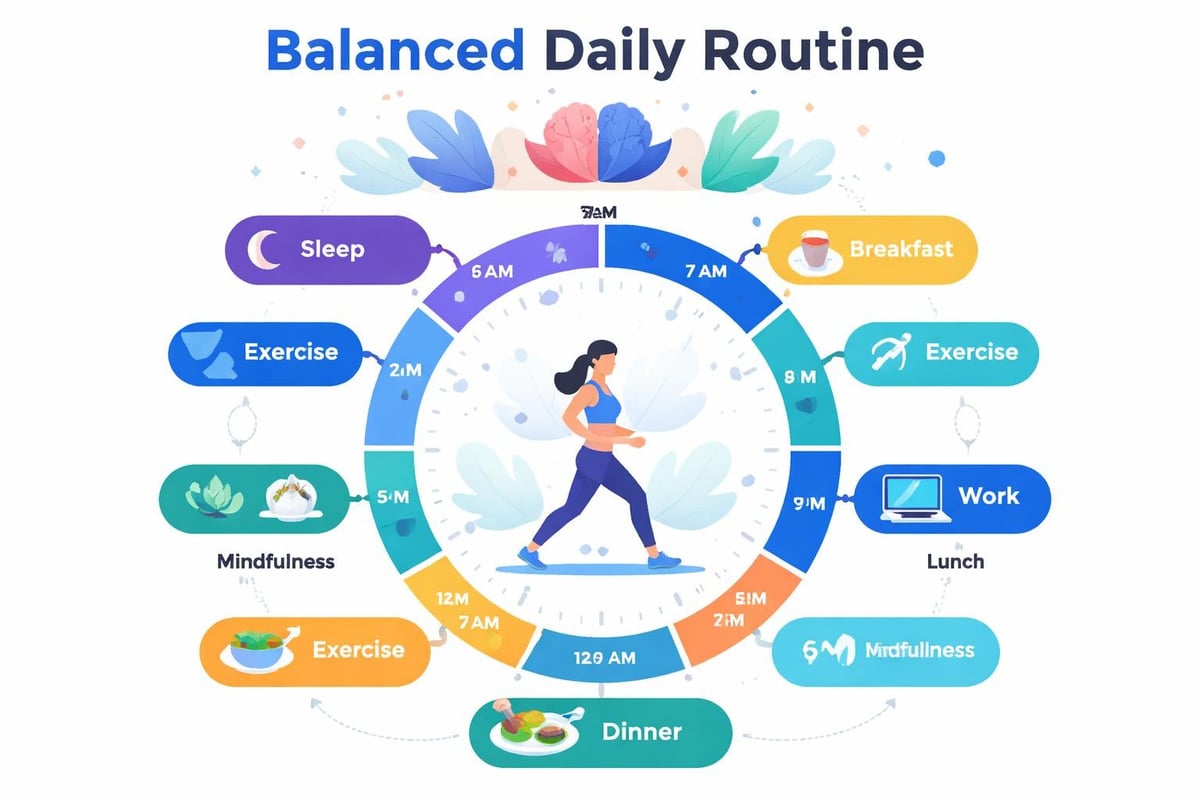
Consistency creates stability, and stability supports mental health. Establishing structured daily routines helps regulate your body’s natural rhythms and provides a sense of control over your environment.
Key routine elements include:
- Waking up and going to bed at consistent times
- Scheduling regular meals with nutritious foods
- Building in time for movement throughout the day
- Creating boundaries between work and personal time
- Incorporating brief relaxation practices
These seemingly simple habits compound over time. When you maintain regular sleep patterns, your brain processes emotions more effectively and handles stress with greater resilience. Nutrition directly affects neurotransmitter production, influencing mood and cognitive function.
Workplace Strategies That Actually Work
The workplace presents unique challenges and opportunities for mental health. Since most adults spend a significant portion of their waking hours at work, the work environment profoundly impacts overall wellbeing.
Managers play a particularly crucial role in shaping workplace mental health culture. When leaders prioritize psychological safety, team members feel comfortable discussing challenges, setting boundaries, and seeking support when needed. This openness prevents small issues from escalating into serious problems.
Creating Supportive Work Environments
Organizations that excel at supporting mental health implement practical, accessible strategies rather than one-off initiatives. The best thing for mental health in workplace settings involves systematic approaches that address multiple dimensions of wellbeing.
| Strategy | Implementation | Expected Outcome |
|---|---|---|
| Regular check-ins | Weekly one-on-ones focused on wellbeing | Early problem identification |
| Flexible scheduling | Core hours with remote options | Improved work-life balance |
| Mental health training | Quarterly workshops for all staff | Reduced stigma and awareness |
| Clear communication | Transparent policies and expectations | Decreased anxiety and confusion |
| Peer support networks | Structured mentoring programs | Enhanced social connection |
These approaches work because they address systemic factors rather than placing responsibility solely on individuals. When workplace structures support mental health, employees can thrive without burning out.
Training managers to recognize signs of distress and respond appropriately creates a safety net that catches problems early. Employees who feel genuinely supported by leadership report higher job satisfaction, lower stress levels, and greater engagement with their work.
Evidence-Based Techniques for Daily Practice
Beyond structural support, individual practices significantly influence mental health outcomes. Mindfulness and meditation have moved from alternative therapies to mainstream interventions backed by substantial research.
Starting a mindfulness practice doesn’t require hours of dedication. Even five minutes daily can reduce anxiety, improve focus, and enhance emotional regulation. The key lies in consistency rather than duration.
Practical Mindfulness Approaches
- Morning breathing exercises – Three minutes of focused breathing before starting your day sets a calm tone
- Mindful transitions – Pause briefly between tasks to reset your attention
- Body scan meditation – Ten minutes before bed to release physical tension
- Gratitude journaling – Writing three things you appreciate daily shifts perspective
- Walking meditation – Combining movement with awareness during breaks
Cornell Health offers ten strategies to support mental health that complement these mindfulness practices with additional evidence-based approaches.
Physical exercise deserves special attention as perhaps the single most effective intervention for mental health. Movement doesn’t mean intense gym sessions. Walking, dancing, gardening, or any activity that raises your heart rate provides benefits.
Exercise impacts mental health through:
- Reducing stress hormone levels (cortisol)
- Increasing endorphin production
- Improving sleep quality
- Enhancing self-esteem
- Providing social connection opportunities
- Creating structure in daily routines
The best thing for mental health often involves combining multiple approaches. Someone might walk with a friend (exercise plus social connection), practice mindfulness during their commute (stress reduction plus routine), and maintain consistent sleep patterns (biological regulation).
Nutrition and Sleep: The Overlooked Foundations
While exercise and social connection receive significant attention, nutrition and sleep form the biological foundation that makes everything else possible. Your brain requires specific nutrients to produce the neurotransmitters that regulate mood, motivation, and stress response.
Poor nutrition directly contributes to mental health challenges. Diets high in processed foods, sugar, and unhealthy fats increase inflammation throughout the body, including the brain. This inflammation correlates with higher rates of depression and anxiety.
Building a Brain-Healthy Diet
Focus on whole foods that support neurotransmitter production and reduce inflammation. Omega-3 fatty acids, found in fish, walnuts, and flaxseeds, support brain structure and function. B vitamins, present in leafy greens and whole grains, help produce serotonin and dopamine.
Protein provides amino acids needed for neurotransmitter synthesis. Complex carbohydrates stabilize blood sugar, preventing the mood swings associated with spikes and crashes. Staying hydrated matters too, as even mild dehydration affects concentration and mood.
Sleep might actually be the best thing for mental health from a biological perspective. During sleep, your brain processes emotions, consolidates memories, and clears metabolic waste products. Chronic sleep deprivation impairs these processes, leading to increased emotional reactivity, poor decision-making, and heightened stress response.
Sleep hygiene essentials:
- Maintain consistent sleep and wake times
- Create a dark, cool sleeping environment
- Limit screen exposure before bed
- Avoid caffeine after early afternoon
- Establish a relaxing pre-sleep routine
- Keep the bedroom for sleep only
MedlinePlus provides an overview of mental health and various ways to improve it, including the importance of quality sleep and stress management techniques.
Building Resilience Through Connection
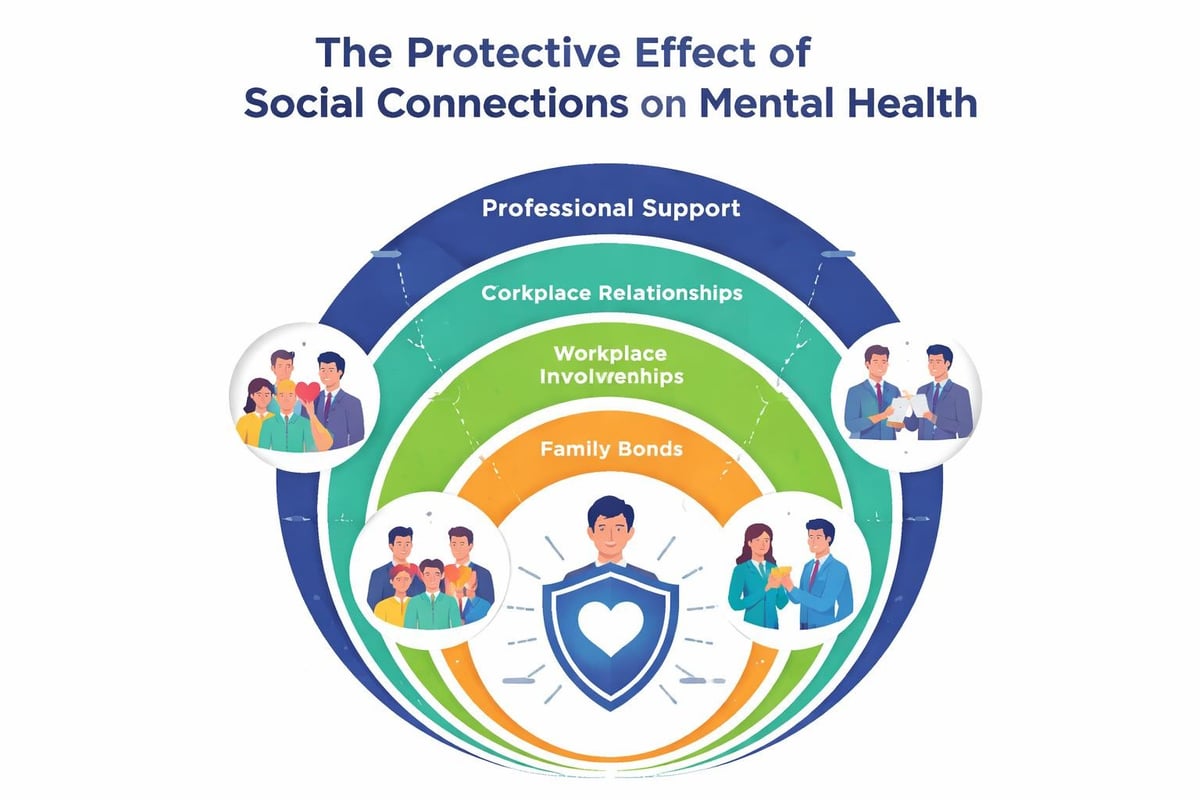
Human connection serves as one of the most powerful protective factors for mental health. Isolation consistently correlates with poor mental health outcomes, while strong social networks buffer against stress and provide meaning and purpose.
Quality matters more than quantity when it comes to relationships. A few close, trusted connections offer more benefit than numerous superficial acquaintances. These deep relationships provide emotional support during difficult times and enhance joy during good times.
Strengthening Social Bonds
Building and maintaining meaningful connections requires intentional effort in our busy, digitally-connected world. Schedule regular time with friends and family, even when life feels overwhelming. These connections provide perspective and remind us that we’re not alone in our struggles.
Workplace relationships deserve particular attention. Colleagues who support each other create environments where everyone thrives. Consider how peer support in mental health highlights the benefits of shared experiences among individuals facing similar challenges.
| Connection Type | Frequency | Mental Health Benefit |
|---|---|---|
| Close family/friends | Multiple times weekly | Emotional support and belonging |
| Casual social interactions | Daily | Reduced isolation |
| Professional networks | Weekly or biweekly | Purpose and identity |
| Community involvement | Monthly | Meaning and contribution |
| Support groups | As needed | Validation and shared experience |
Professional boundaries in relationships also protect mental health. Learning to say no, setting limits on availability, and protecting personal time prevents resentment and burnout.
Recognizing When Professional Help Is Needed
While self-care strategies form the foundation of good mental health, professional support becomes essential when challenges overwhelm your coping abilities. Recognizing when to seek help demonstrates strength and self-awareness, not weakness.
Signs that professional support would benefit you include persistent sadness lasting more than two weeks, difficulty completing daily tasks, changes in sleep or appetite, withdrawal from relationships, difficulty concentrating, or thoughts of self-harm.
Types of Professional Support
Mental health professionals offer various approaches tailored to individual needs. Therapists provide talk therapy using evidence-based methods like cognitive behavioral therapy (CBT), which helps identify and change unhelpful thought patterns. Psychiatrists can prescribe medications when biological factors contribute to mental health challenges.
Recent innovations in mental health support include technology-based interventions. Research on generative AI chatbots shows significant promise in delivering safe and personalized mental health support, with studies demonstrating reductions in depression and anxiety symptoms.
The best thing for mental health often involves combining professional support with self-care practices. A therapist might teach mindfulness techniques you practice daily, or medication might stabilize mood enough to engage effectively with therapy.
Barriers to seeking help and solutions:
- Cost concerns – Many employers offer Employee Assistance Programs with free sessions
- Time constraints – Online therapy provides flexible scheduling options
- Stigma worries – Confidentiality protections ensure privacy
- Uncertainty about where to start – Primary care doctors can provide referrals
- Fear of judgment – Mental health professionals are trained to provide non-judgmental support
Developing Personal Wellness Plans
Creating a structured approach to mental health helps translate good intentions into consistent action. Personal wellness plans outline specific strategies you’ll use to maintain and improve your mental health, along with early warning signs that indicate you need additional support.
The Wellness Recovery Action Plan provides an evidence-based framework individuals can use to maintain mental wellness and manage stress through self-management tools.
Your plan should include daily maintenance activities, triggers that negatively affect your mental health, early warning signs that things are declining, strategies for when you’re struggling, and crisis planning for severe situations.
Crafting Your Action Plan
Start by identifying what keeps you well on a daily basis. Maybe it’s morning exercise, connecting with a friend, or thirty minutes of reading before bed. List these as your daily maintenance activities.
Next, recognize your triggers. Common workplace triggers include unclear expectations, excessive workload, conflicts with colleagues, or lack of recognition. Personal triggers might involve financial stress, relationship conflicts, or health concerns.
Document your early warning signs. These subtle shifts often precede more serious struggles. You might notice increased irritability, difficulty sleeping, changes in appetite, or withdrawal from activities you usually enjoy.
- Create your daily wellness toolkit – List specific activities that support your mental health
- Identify your personal triggers – Note situations or events that typically increase stress
- Recognize early warning signs – Document subtle changes that indicate declining wellbeing
- Develop response strategies – Plan specific actions for when warning signs appear
- Establish a crisis plan – Include emergency contacts and immediate steps for severe situations
Share your plan with trusted friends, family members, or colleagues who can help you recognize when intervention is needed. Sometimes others notice our struggles before we fully acknowledge them ourselves.
Workplace Mental Health Training Benefits
Organizations investing in mental health training create cultures where wellbeing becomes everyone’s responsibility, not just an individual concern. Training equips managers and employees with skills to recognize signs of distress, have supportive conversations, and connect colleagues with appropriate resources.
Comprehensive training programs address multiple aspects of workplace mental health. Trauma-informed care training helps staff understand how past experiences affect current functioning and how to interact with sensitivity. Resilience programs build skills for managing stress and bouncing back from setbacks.
The best thing for mental health at an organizational level involves systematic approaches that prevent problems rather than just responding to crises. Daily habits that support strong mental health can be integrated into workplace culture through leadership modeling and environmental design.
Measuring Mental Health Initiatives
Organizations need metrics to assess whether their mental health investments are working. Workplace wellbeing assessments provide baseline data and track changes over time.
| Metric | Measurement Method | What It Reveals |
|---|---|---|
| Employee engagement | Regular surveys | Overall workplace satisfaction |
| Absenteeism rates | HR data tracking | Physical and mental health trends |
| Turnover statistics | Exit interviews and data | Workplace culture health |
| Help-seeking behavior | EAP utilization rates | Comfort accessing support |
| Productivity measures | Performance data | Impact of wellbeing on output |
Training creates lasting change when it’s ongoing rather than one-time events. Regular refreshers, advanced workshops, and opportunities to practice skills ensure knowledge translates into behavior change.
Managers who complete mental health training report greater confidence in supporting their teams, earlier recognition of concerning changes, and improved team morale. Employees in organizations with robust mental health programs demonstrate lower stress levels, higher job satisfaction, and reduced burnout.
Integrating Multiple Approaches
The best thing for mental health ultimately involves personalization. What works brilliantly for one person might not resonate with another. Experiment with different strategies, notice what genuinely helps, and build those practices into your routine.
Start small rather than attempting to overhaul everything at once. Choose one or two strategies that feel manageable and build from there. Success with small changes creates momentum and confidence for additional improvements.
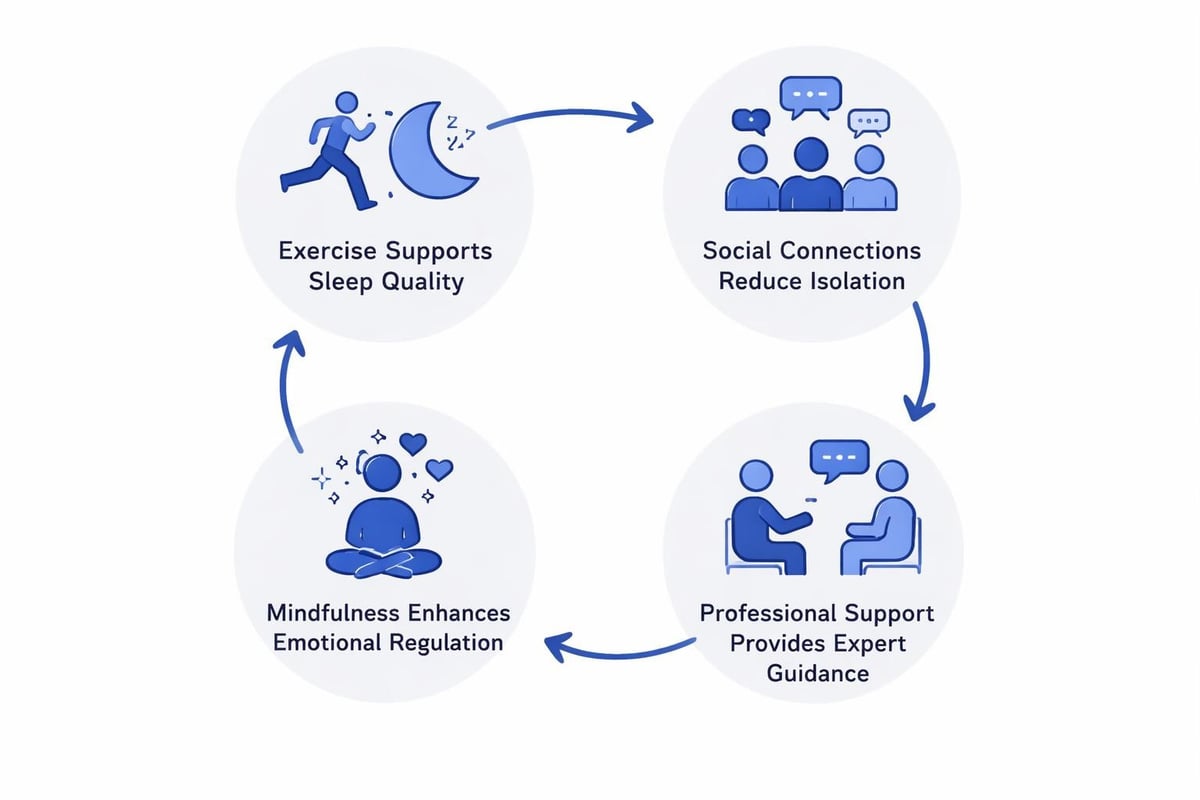
Consider how different elements support each other. Regular exercise improves sleep quality, which enhances emotional regulation, which strengthens relationships, which provides social support. These interconnections mean improvements in one area often create positive ripple effects across others.
Track what’s working through simple journaling or mood tracking apps. Notice patterns between your activities and your mental state. This awareness helps you make informed decisions about how to spend your time and energy.
Remember that maintaining good mental health requires ongoing attention, not perfection. Everyone has difficult days, setbacks, and challenges. The goal isn’t to eliminate all stress or negative emotions but to develop skills and support systems that help you navigate life’s inevitable ups and downs with greater resilience.
Tips for managing mental health from the University of Iowa Health Care emphasize maintaining routines, practicing mindfulness, and seeking professional help when needed as core components of ongoing wellbeing.
Taking care of your mental health requires consistent attention to multiple interconnected factors, from daily habits and social connections to professional support and workplace culture. The most effective approach combines evidence-based strategies tailored to your unique circumstances and needs. Workplace Mental Health Institute provides comprehensive mental health training and resilience programs designed to equip managers and employees with practical skills for building psychologically safe, supportive workplace environments where everyone can thrive. Whether you’re looking to enhance your organization’s wellbeing strategy or develop your own capacity to support team mental health, their trauma-informed, empowering approach delivers measurable results that improve both individual wellness and organizational performance.

