
Stress is more common than ever, affecting individuals in every profession and walk of life. The need for effective strategies to manage and thrive under pressure has never been more urgent. This guide is designed to give you a clear path to mastering stress management and resiliency training, equipping you with the latest evidence-based tools.
By following structured techniques, you can boost your well-being, improve productivity, and enhance your overall quality of life. Here, you will explore the science behind stress, discover the essential elements of top programs, learn step-by-step approaches, and find practical strategies that deliver real results.
Imagine transforming daily challenges into opportunities for growth. Let this guide inspire you to take action and build lasting resilience through proven methods.
Understanding Stress and Resilience: Foundations for Change
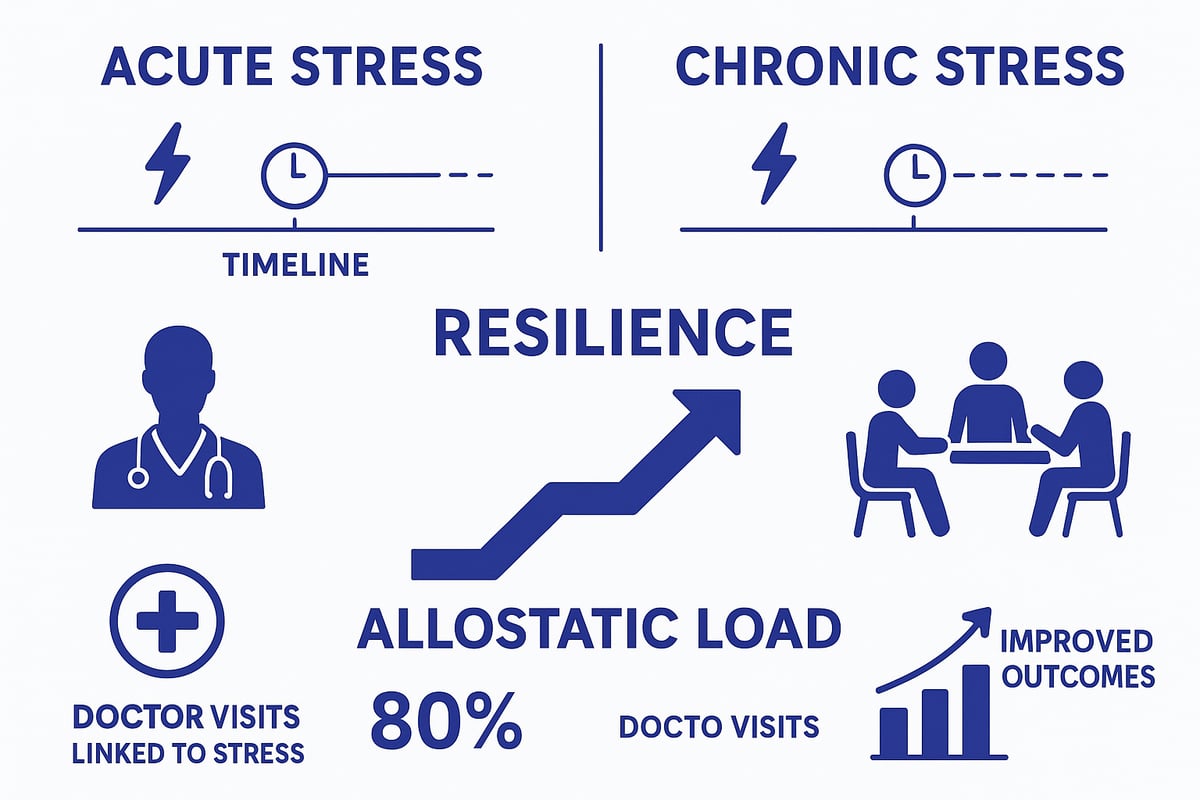
Stress is a universal experience that affects people physically and emotionally. Acute stress is a short-term response to immediate threats, while chronic stress persists over time, often leading to more serious health concerns. Both types can trigger changes in heart rate, hormone levels, and mood. Understanding these differences is the first step toward effective stress management and resiliency training.
Resilience is the ability to adapt, recover, and even grow in the face of adversity. Medical research describes resilience as a dynamic process that enables individuals to respond positively to challenges and setbacks. In the context of stress management and resiliency training, resilience is not simply a trait but a skill that can be developed through intentional practice and evidence-based strategies.
The science behind stress reveals its deep impact on the brain and body. Allostasis refers to the process by which the body maintains stability through change, while allostatic load describes the wear and tear from chronic stress exposure. These processes can influence immune function, memory, and overall health. Studies show that unmanaged stress increases the risk of anxiety, depression, heart disease, and other chronic conditions, highlighting the critical role of stress management and resiliency training.
Statistics underscore the strong link between stress and health. According to research, up to 75% of doctor visits are related to stress-induced medical symptoms. Mental health conditions like depression and anxiety are frequently linked to prolonged stress. Individuals with higher resilience, however, experience better outcomes, including lower rates of illness and improved quality of life. Resilience training programs have shown measurable benefits in diverse settings.
Barriers to resilience include negative thought patterns, social isolation, and burnout. For example, healthcare professionals often face high stress and emotional exhaustion. Yet, when they participate in structured Stress Management and Resilience Training Overview programs, they report greater confidence, reduced stress, and enhanced coping abilities. These real-world examples demonstrate that while stress is inevitable, resilience can be cultivated with the right support and tools.
The key insight is that stress cannot always be avoided, but resilience can be strengthened through ongoing stress management and resiliency training. By understanding the foundations of stress and resilience, individuals can begin their journey toward better health, stronger relationships, and lasting well-being.
Core Components of Stress Management and Resiliency Training Programs
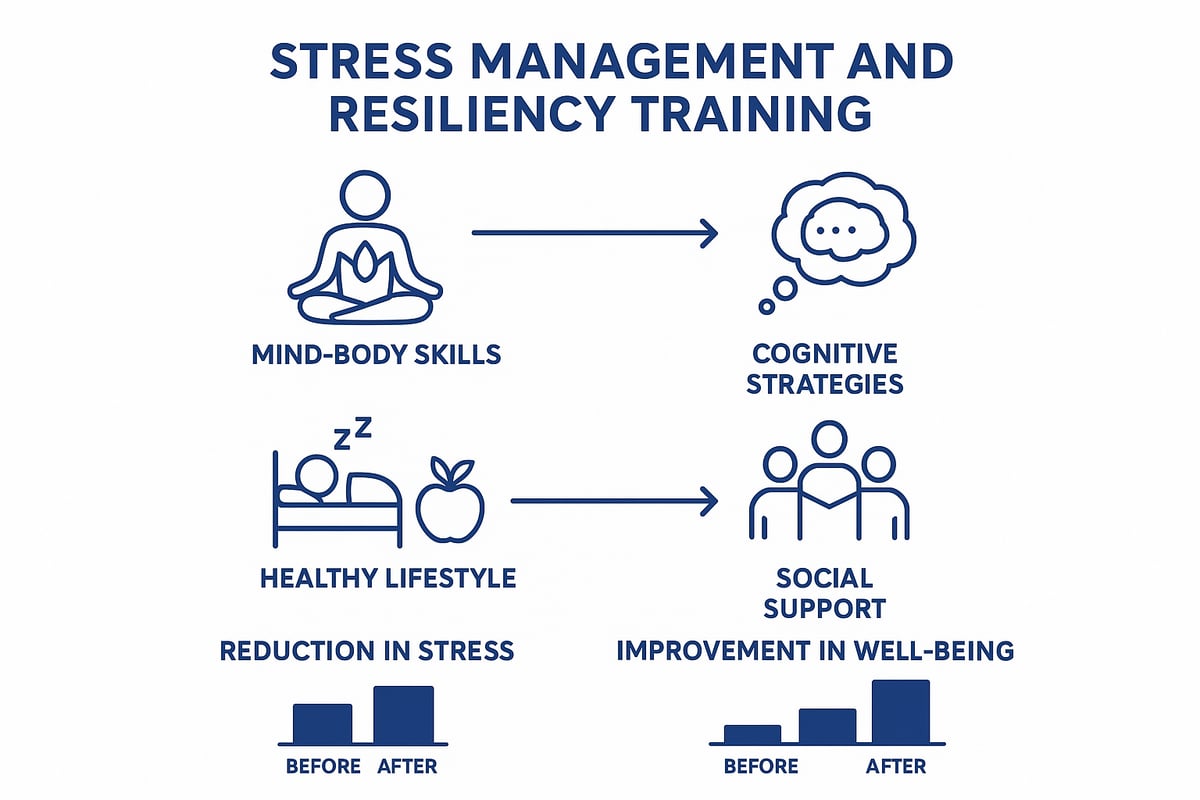
Building effective stress management and resiliency training relies on a blend of mind-body skills, cognitive strategies, healthy daily habits, and strong social support. Each component targets different aspects of stress and resilience, offering a holistic foundation for personal growth and well-being. Integrating these elements is essential for any structured stress management and resiliency training program.
Mind-Body Skills and the Relaxation Response
Mind-body interventions are central to stress management and resiliency training, using practices like meditation, breathwork, and yoga to activate the body’s natural relaxation response. This response counteracts the physiological effects of stress, reducing heart rate and calming the mind.
Research highlights the benefits of these techniques. For example, meditation and mini relaxations, as featured in the SMART program, have significantly lowered perceived stress levels in participants (p < 0.001). A recent Resilience Training for Healthcare Staff study found digital programs helped nursing staff reduce stress and build resilience.
By practicing mind-body skills regularly, individuals in stress management and resiliency training can experience improved mental clarity and emotional stability.
Cognitive and Behavioral Strategies
Cognitive and behavioral approaches are another pillar of stress management and resiliency training. These strategies teach individuals to identify and challenge negative automatic thoughts, encouraging healthier perspectives and adaptive coping.
Key techniques include cognitive restructuring, problem-solving, and behavioral activation. Programs often incorporate cognitive behavioral therapy (CBT) principles to help participants break unhelpful thought cycles and develop emotional control. For instance, training sessions may involve exercises that reframe setbacks as opportunities for growth.
These cognitive skills are vital for diminishing negative thought habits and enhancing self-regulation, making stress management and resiliency training more effective for long-term change.
Healthy Lifestyle Behaviors
Sustaining resilience requires attention to daily habits. Stress management and resiliency training programs emphasize the importance of sleep, nutrition, and physical activity, aligning routines with natural circadian rhythms for optimal benefit.
Modules on mindful eating, restorative sleep, and regular movement guide participants to adopt healthier behaviors. Training data shows improved physical health scores (p = 0.045) when these habits are included. For example, participants often report more energy and fewer physical symptoms after integrating these practices.
Prioritizing healthy lifestyle choices within stress management and resiliency training leads to better overall well-being.
Social Support and Connection
A supportive community is crucial for managing stress and fostering resilience. Stress management and resiliency training often includes group discussions, empathy exercises, and reflective activities that promote connection.
Group engagement offers a safe environment to share experiences, learn from others, and build accountability. The SMART program, for example, uses group activities to strengthen social bonds and encourage mutual support.
Social connection enhances resilience, providing a buffer against stress and improving outcomes for everyone involved in stress management and resiliency training.
Step-by-Step Guide to Stress Management and Resiliency Training
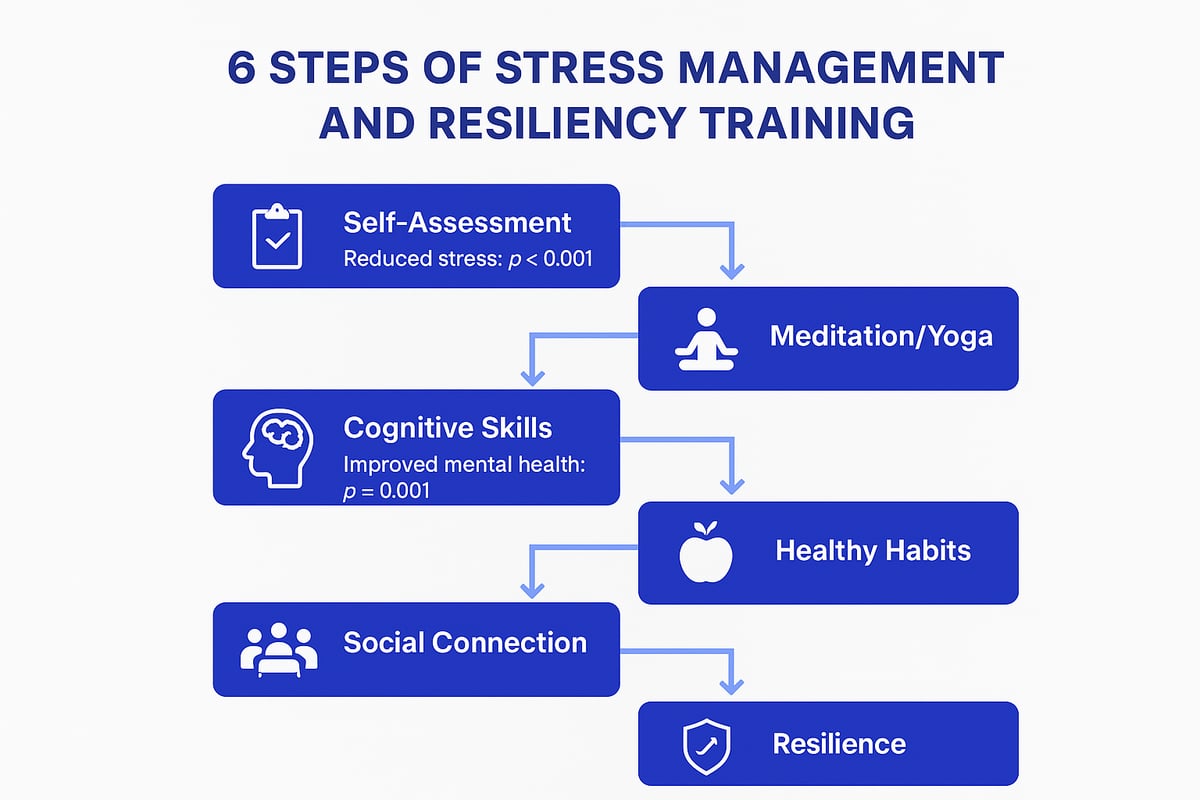
Building effective stress management and resiliency training into daily life is a journey that starts with self-awareness and leads to sustainable change. By following these six practical steps, you can create a strong foundation for lasting well-being and resilience.
Step 1: Assessing Stress and Setting Personal Goals
The first step in stress management and resiliency training is self-assessment. Tools like the Perceived Stress Scale or PROMIS Global-10 help you pinpoint current stress levels and identify your biggest stressors.
Look for common warning signals, such as irritability, fatigue, or trouble sleeping. Once you know where you stand, set realistic and measurable goals. For example, you might aim to reduce your perceived stress score by a certain amount or commit to practicing relaxation techniques three times a week.
In structured programs, participants often track their progress weekly. This awareness is the foundation for meaningful change and gives you a clear starting point for the journey ahead.
Step 2: Learning and Practicing Mind-Body Techniques
Mind-body practices are essential in stress management and resiliency training. Techniques such as meditation, breath awareness, and body scans help activate the relaxation response, which acts as a physiological buffer against stress.
Begin with short, daily routines. Even five minutes of focused breathing or a guided body scan can reduce tension. Programs often include mini relaxations and yoga sessions, making it easier to fit practice into busy schedules.
Research shows that participants who consistently use mind-body skills report significant improvements in global mental health (p = 0.001). The key is consistency—making these techniques a regular part of your daily routine supports long-term resilience.
Step 3: Developing Cognitive and Adaptive Coping Skills
A major component of stress management and resiliency training is building cognitive and adaptive coping skills. Start by identifying unhelpful thought patterns and distortions, such as catastrophizing or all-or-nothing thinking.
Practice cognitive reappraisal by challenging negative thoughts and reframing them in a more balanced way. Adaptive coping includes problem-solving, accepting what you cannot control, and cultivating an optimistic outlook.
Structured programs use exercises like adaptive perspective sessions and cognitive restructuring. By shifting your mindset, you can reduce emotional reactivity and respond to stress with greater calm and clarity.
Step 4: Integrating Healthy Lifestyle Habits
Healthy lifestyle behaviors are the backbone of effective stress management and resiliency training. Focus on sleep hygiene, balanced nutrition, and regular physical activity.
Modules on mindful eating and restorative sleep teach participants how to align daily habits with natural circadian rhythms. Incorporating movement—such as walking or stretching—into your day boosts both mood and energy.
Participants often report improved physical health and fewer symptoms after making these changes. Prioritizing these habits supports the body’s ability to recover from stress and maintain resilience over time.
Step 5: Building Social Support and Community
Social connection is a powerful buffer against stress and a key part of stress management and resiliency training. Creating safe spaces for sharing and support helps individuals process challenges and stay motivated.
Group discussions, empathy exercises, and collaborative activities foster a sense of belonging. Programs may include loving-kindness meditation or creative expression sessions to deepen social bonds.
Community engagement not only enhances accountability but also provides emotional resources that make it easier to sustain positive change.
Step 6: Sustaining Resilience and Preventing Burnout
The final step in stress management and resiliency training focuses on long-term resilience and avoiding burnout. Strategies like humor, self-compassion, and optimism help individuals bounce back from setbacks.
Monitor your progress regularly, and maintain healthy boundaries to protect your well-being. Techniques such as laughter yoga, energy management exercises, and resilience modules reinforce these habits.
For those working in high-stress environments, integrating Preventing Workplace Burnout Strategies can make a significant difference in job satisfaction and relationships. Ongoing support is essential for lasting results, so continue to seek out resources and community as you build resilience.
Measuring Impact: Outcomes and Evidence from Leading Programs
Understanding the true value of stress management and resiliency training means looking closely at both numbers and lived experiences. Program impact is best measured through a combination of quantitative research, participant stories, and ongoing monitoring.
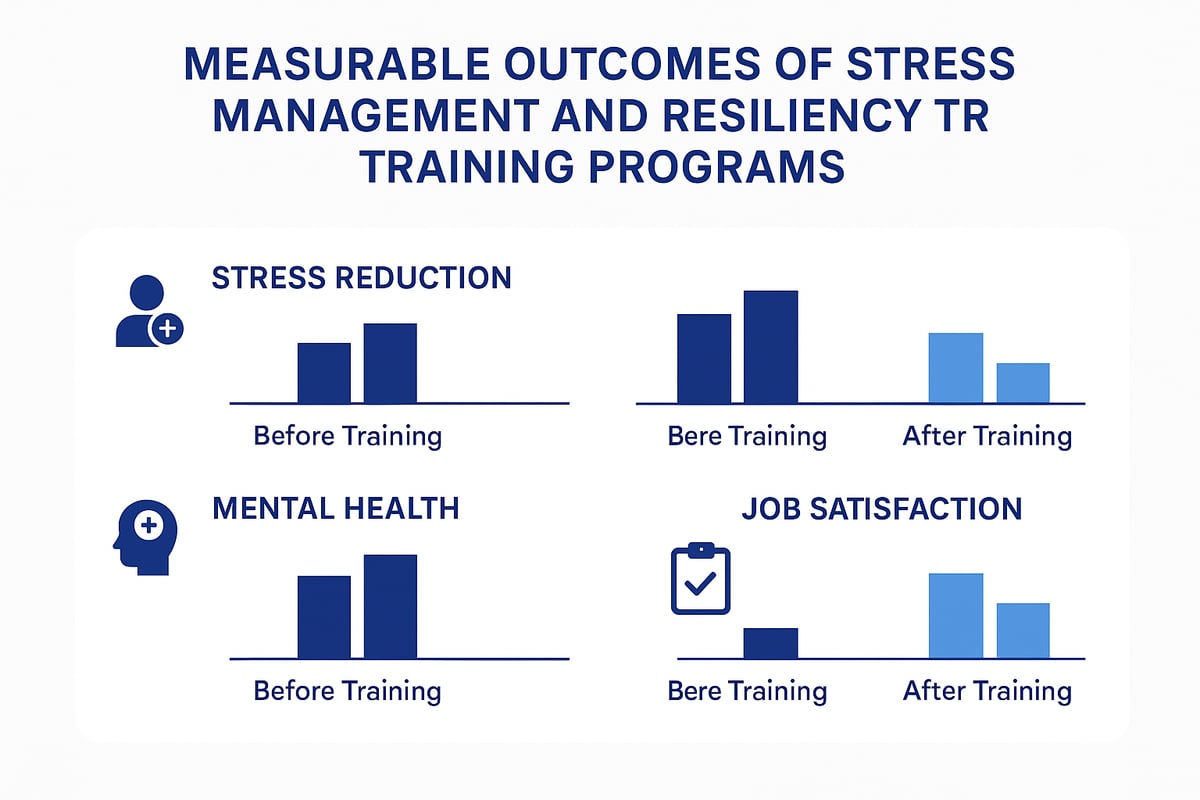
Recent studies consistently show that stress management and resiliency training leads to significant reductions in perceived stress. For instance, participants in structured programs often report measurable improvements in both mental and physical health. A widely cited pilot study found a Cohen’s d of 0.78 for stress reduction, indicating a strong effect.
| Outcome | Quantitative Results |
|---|---|
| Perceived Stress | Cohen's d = 0.78 (large effect) |
| Global Mental Health | p = 0.001 (significant improvement) |
| Physical Health | p = 0.045 (positive change) |
| Job Satisfaction | p = 0.047 (increased satisfaction) |
Beyond the numbers, participants often describe transformative benefits. Many report a greater appreciation for practical skills, enhanced relationships, and a noticeable boost in personal resilience. These qualitative insights highlight that stress management and resiliency training is not just about symptom reduction but about building a foundation for long-term well-being.
Burnout prevention is a critical goal for many organizations. While stress and job satisfaction metrics improve after training, evidence suggests that reducing burnout requires more than individual interventions alone. Systemic changes, such as supportive leadership and healthy workplace culture, are often needed alongside training for maximum impact.
A closer look at healthcare professionals reveals the real-world power of these programs. For example, medical students participating in resilience training have experienced both lower stress levels and higher resilience, according to systematic reviews and meta-analyses. This evidence underscores the importance of integrating stress management and resiliency training into high-pressure environments.
In summary, the strongest results come from combining mind-body techniques, cognitive skills, and healthy lifestyle changes. The evidence is clear: when organizations and individuals commit to ongoing support, the benefits of stress management and resiliency training extend well beyond the classroom, transforming well-being, productivity, and quality of life.
Customizing Stress Management and Resilience Training for Different Audiences
Adapting stress management and resiliency training to diverse audiences is essential for achieving real impact. Different settings, from hospitals to workplaces to individual lives, present unique stressors and priorities. Customization ensures that strategies resonate with participants, increasing both engagement and effectiveness.
Adapting Programs for Healthcare, Corporate, and Personal Use
Effective stress management and resiliency training must reflect the realities of each audience. Healthcare professionals, for example, often face high-pressure environments, emotional exhaustion, and patient care challenges. Programs tailored for them typically emphasize skills for coping with trauma, managing compassion fatigue, and strengthening patient-provider relationships.
In the corporate world, stressors stem from tight deadlines, team dynamics, and organizational change. Training here focuses on building team resilience, communication, and strategies for thriving in fast-paced settings. Flexible delivery is crucial, with options for in-person workshops, online modules, or blended learning so that participants can engage without disrupting their workflow.
Individuals seeking personal growth benefit from programs that address lifestyle balance, emotional regulation, and goal setting. These may include self-paced online courses or group sessions in community settings. For more on workplace adaptation, explore Building Workplace Resilience Techniques, which offers actionable strategies for fostering resilience at work.
No matter the audience, customizing content and delivery increases the likelihood of meaningful change and sustained results.
Overcoming Common Barriers to Participation
Barriers can hinder even the best-designed stress management and resiliency training. Time constraints are a frequent challenge, especially in healthcare and corporate environments where schedules are demanding. To address this, programs can offer brief, focused sessions and integrate training into existing routines.
Skepticism is another obstacle. Some participants may be unsure about the value of training or feel that stress is simply part of the job. Overcoming this requires clear communication of evidence-based benefits and visible leadership support. Organizational backing, such as allowing time for participation and recognizing progress, also plays a critical role.
By identifying and addressing these barriers early, stress management and resiliency training can reach more people and deliver stronger outcomes.
Ensuring Long-Term Success and Integration
Sustaining the benefits of stress management and resiliency training requires embedding new practices into the culture of the organization or daily life. Ongoing support is key—booster sessions, peer networks, and visible leadership modeling all help reinforce resilience skills over time.
Regular monitoring and evaluation are also important. Using assessments and feedback tools ensures progress is measured, and adjustments can be made as needed. For organizations, integrating training into onboarding and professional development helps keep resilience top of mind.
With a commitment to continuous improvement, stress management and resiliency training becomes more than a one-time event. It evolves into a core part of personal and organizational wellbeing, driving lasting change and measurable results.
Practical Tips and Resources for Ongoing Stress Management
Sustaining the benefits of stress management and resiliency training requires more than a one-time effort. By weaving practical techniques and reliable resources into your daily routine, you can build resilience and foster long-term well-being.
Daily Self-Care Habits
Simple daily habits can make a significant difference in managing stress and building resilience. Consider starting your morning with a few minutes of mindfulness meditation or a brief body scan. Regular gratitude journaling helps reframe your mindset and spot positive moments, even on challenging days.
Quick relaxation exercises, such as deep breathing or progressive muscle relaxation, can be practiced anytime stress arises. To explore more practical ideas, check out Wellbeing Activities for Stress Relief, which offers a variety of evidence-based activities to support your journey with stress management and resiliency training.
Leveraging Technology and Digital Tools
In today’s digital world, technology can reinforce your commitment to stress management and resiliency training. Guided meditation apps, virtual gratitude journals, and online trackers make it easier to practice consistently. Many platforms offer reminders, progress logs, and community forums to help you stay on track.
For those seeking structured learning, online courses at https://thewmhionline.com provide accessible, research-backed training you can complete at your own pace. Integrating these tools into your schedule helps transform new skills into lasting habits.
Community Support and Professional Resources
Building resilience is often easier when you are not alone. Support groups, workshops, and professional counseling offer valuable spaces to share experiences, gain new perspectives, and receive encouragement. Many communities organize group mindfulness sessions or peer-led discussions to deepen social connection.
If you prefer self-guided learning, look for downloadable guides, posters, and wellbeing assessments from reputable organizations. These resources can supplement your stress management and resiliency training, keeping your progress visible and your motivation high.
Reading, Reflection, and Ongoing Practice
Staying informed fuels your growth. Evidence-based books and articles on resilience can inspire new strategies and reinforce what you learn in training. Consider setting aside time each week to reflect on your progress and celebrate small wins.
The most important insight is that ongoing practice and resource utilization are essential for lasting change. Start with manageable steps, build consistency over time, and recognize that every positive action supports your journey with stress management and resiliency training.
As we’ve explored, mastering stress management and building resilience isn’t just about theory—it’s about practical steps that lead to real improvements in your daily life and workplace. Whether you’re aiming to boost your own well-being or create a healthier environment for your team, having access to tailored strategies and expert guidance makes all the difference. If you’re ready to take the next step and see how these evidence-based programs can benefit you or your organization, I invite you to Find Out More and discover how you can turn insight into lasting, positive change.

