Mental health has emerged as a defining public health and economic challenge, drawing urgent attention from communities, workplaces, and policymakers worldwide.
This guide offers an in-depth look at policy for mental health, equipping decision-makers and advocates with practical strategies to drive lasting systemic change.
Inside, you will find a comprehensive overview of the current landscape, core policy principles, legislative priorities, workplace initiatives, approaches to equity, and groundbreaking innovations.
With compelling data and expert insights, this resource aims to inspire effective action and foster collaboration across sectors.
Whether you are shaping policy, leading an organization, or championing change, these evidence-based strategies can help pave the way to a healthier future.
The Current Landscape of Mental Health Policy
Mental health has taken center stage as a critical issue in public health and economic stability. Understanding the current landscape is essential for crafting effective policy for mental health that addresses the needs of individuals, organizations, and society.
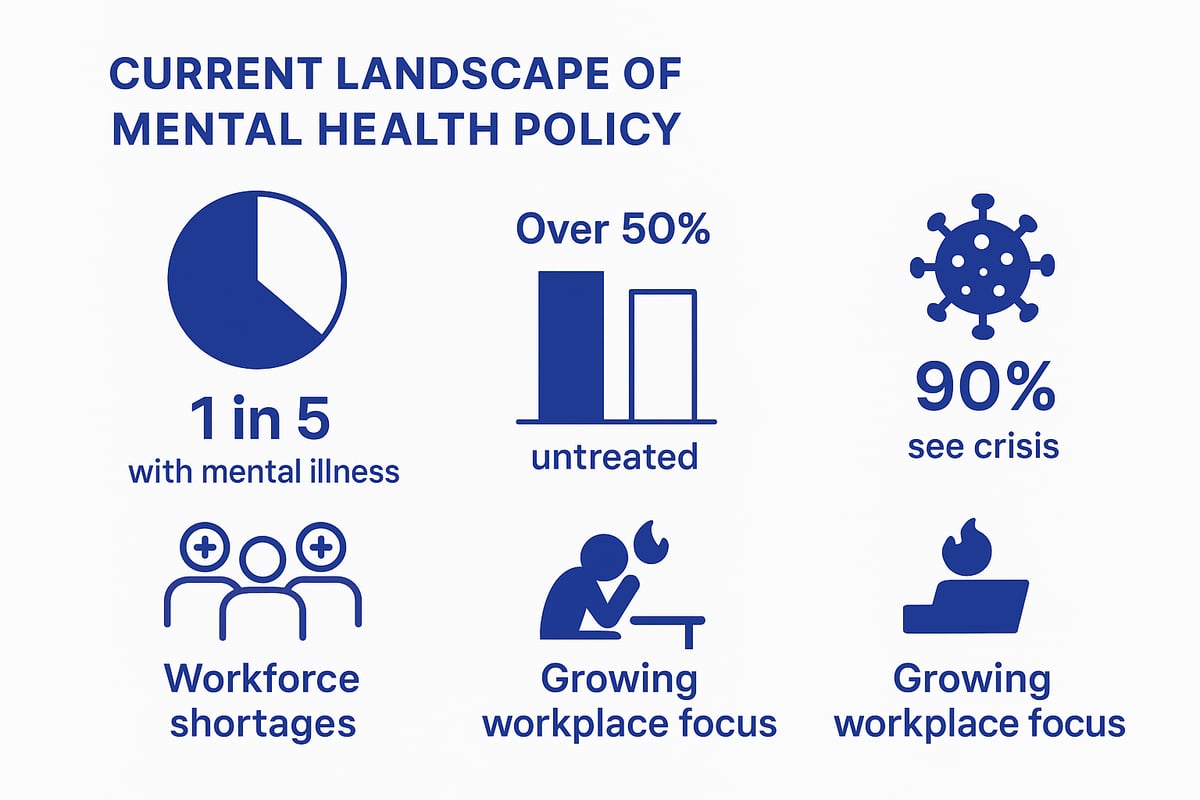
Prevalence and Impact of Mental Health Conditions
The scale of mental health challenges is significant. About 1 in 5 Americans live with a mental illness, and nearly half will meet criteria at some point in their lives. Over half of adults with a mental health condition do not receive treatment, highlighting a major service gap.
| Statistic | Data Point |
|---|---|
| Adults with Mental Illness | 1 in 5 |
| Lifetime Prevalence | 46% |
| Untreated Adults | >50% |
This gap in care represents not just a public health concern but also a substantial economic burden. Lost productivity, increased healthcare costs, and absenteeism all underscore the urgency of a robust policy for mental health.
Effects of the Pandemic and Societal Shifts
The COVID-19 pandemic sharply intensified existing mental health challenges. Anxiety, depression, and substance use rates surged during this period. A striking 90% of adults in the United States now believe the country is facing a mental health crisis.
Social isolation, economic uncertainty, and ongoing stressors have contributed to higher rates of psychological distress. These realities demand a policy for mental health that is adaptive and responsive to evolving societal needs.
Workforce and Systemic Strains
A shortage of trained mental health professionals has placed significant strain on the system. Many regions, especially rural and underserved areas, lack adequate access to care. Resources are stretched thin, making it difficult for individuals to obtain timely support.
Systemic barriers such as limited provider networks and fragmented services exacerbate these strains. Addressing these gaps is a foundational goal of any policy for mental health focused on equitable access and quality outcomes.
Public and Workplace Awareness
Awareness of mental health as a workplace issue has grown rapidly. Recent studies reveal that over 40% of employees have experienced burnout or exhaustion since the pandemic. Organizations are recognizing the link between mental health, productivity, and retention.
Efforts to reduce stigma and promote help-seeking behaviors are now central to workplace culture. Effective policy for mental health must include strategies for supporting employee wellbeing and building resilient organizations.
Key Arguments and Perspectives
There is broad consensus that policy for mental health must address both systemic and workplace challenges. Multi-sector collaboration, comprehensive frameworks, and evidence-based interventions are crucial to progress.
Global authorities, such as the WHO guidance on mental health policy transformation, call for urgent reform that prioritizes human rights and integrated care. U.S. Surgeon General and CDC reports emphasize the need for data-driven approaches and cross-sector engagement.
A forward-thinking policy for mental health will require ongoing evaluation, stakeholder input, and sustained investment to close gaps and improve outcomes.
Core Principles for Effective Mental Health Policy
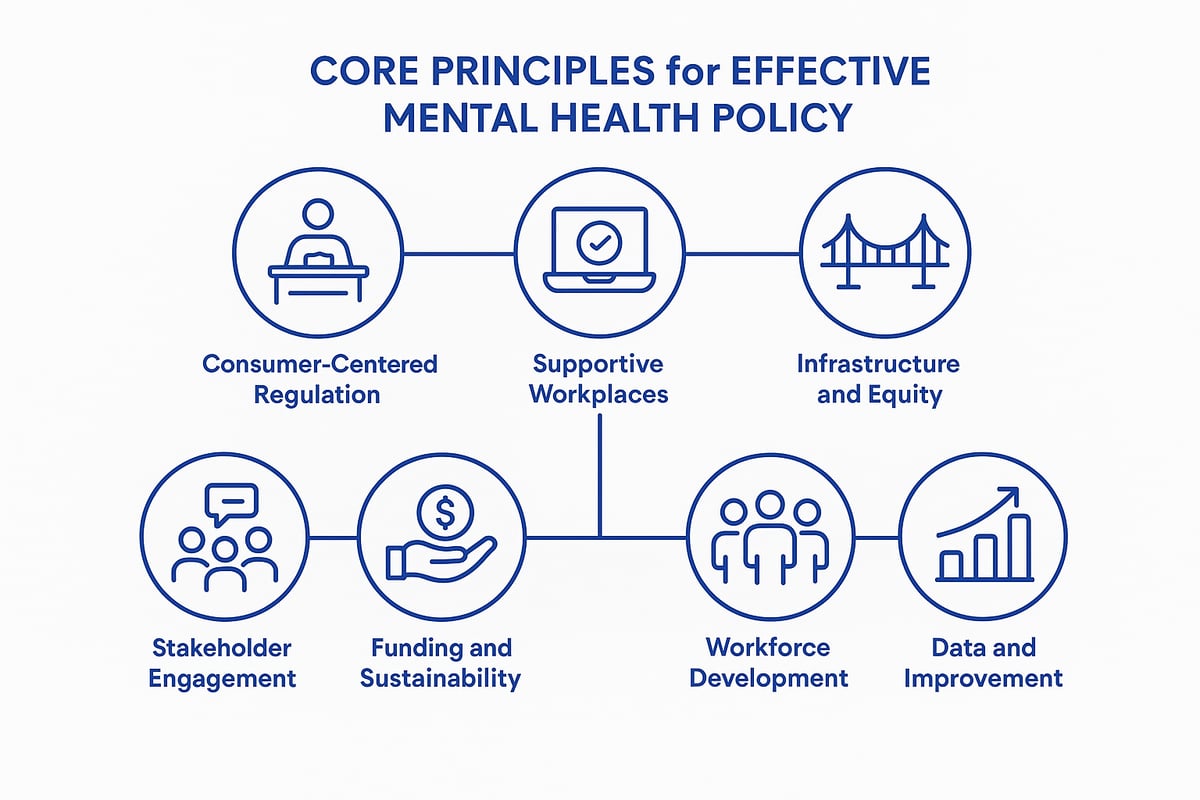
Effective policy for mental health must be grounded in core principles that drive sustainable, equitable, and impactful change. These guiding tenets ensure that mental health initiatives meet the real needs of communities, organizations, and individuals. By establishing a strong foundation, stakeholders can navigate complex challenges and create pathways for long-term improvement.
Consumer-Centered Regulation and Messaging
A successful policy for mental health starts with clear, consumer-centered regulation and communication. Policies should empower individuals by informing them of their rights and available resources. Using plain language in all messaging helps eliminate confusion and reduce stigma.
This principle also requires tailoring information for diverse populations, ensuring accessibility for people with disabilities and those with limited English proficiency. Transparency and proactive outreach are vital for building trust and encouraging early help-seeking.
Incentivizing and Supporting Healthy Workplaces
Organizations play a critical role in advancing policy for mental health by fostering supportive environments. Incentives for wellness programs, preventive care, and mental health training can drive adoption of best practices across sectors.
Employers benefit from investing in mental health, as healthier workplaces lead to higher productivity and reduced turnover. Public-private collaboration is essential to scale effective models and share successful strategies.
Infrastructure, Access, and Equity
Robust infrastructure is a cornerstone of any effective policy for mental health. Building out telemental health services, employee assistance programs, and community wellness resources addresses gaps in care.
Equity must be prioritized by eliminating barriers for rural, racial, and ethnic communities. Policies should promote broadband expansion, culturally competent care, and targeted outreach. For more on how national priorities are shaping these efforts, see ASTHO’s 2026 public health legislative priorities.
Training and Workforce Development
Expanding the mental health workforce is critical for policy success. Education, training, and recruitment pathways should be developed to attract new professionals and retain existing talent.
Initiatives like peer support networks, apprenticeships, and early exposure programs can diversify the workforce. Continuous professional development ensures providers are equipped to deliver high-quality care in evolving settings.
Data, Evaluation, and Continuous Improvement
Continuous improvement is at the heart of policy for mental health. Standardizing data collection on workforce, access, and outcomes enables informed decision-making.
Regular evaluation of programs and policies helps identify gaps and measure progress. By investing in comprehensive data systems, stakeholders can adapt strategies for greater effectiveness and accountability.
Funding and Sustainability
Sustainable funding is essential for the long-term impact of any policy for mental health. Identifying diverse funding streams, such as public grants, private investment, and insurance reimbursements, ensures services remain accessible.
Reducing silos between agencies and creating more entry points into care can maximize resource utilization. Transparent allocation and ongoing review of funding priorities keep initiatives aligned with community needs.
Community and Stakeholder Engagement
Engagement with community members and stakeholders is fundamental to effective policy for mental health. Involving underrepresented groups in advisory councils and decision-making bodies fosters inclusivity and relevance.
Ongoing dialogue, transparency, and collaboration build trust and drive innovation. By centering the voices of those most affected, policies can achieve lasting and meaningful change.
Legislative and Regulatory Strategies for Mental Health
Legislative and regulatory strategies are the backbone of any effective policy for mental health. Strong legal frameworks ensure rights, promote parity, and enable access to services for everyone. As mental health needs grow, policymakers must adopt comprehensive, enforceable approaches that drive real change and accountability.
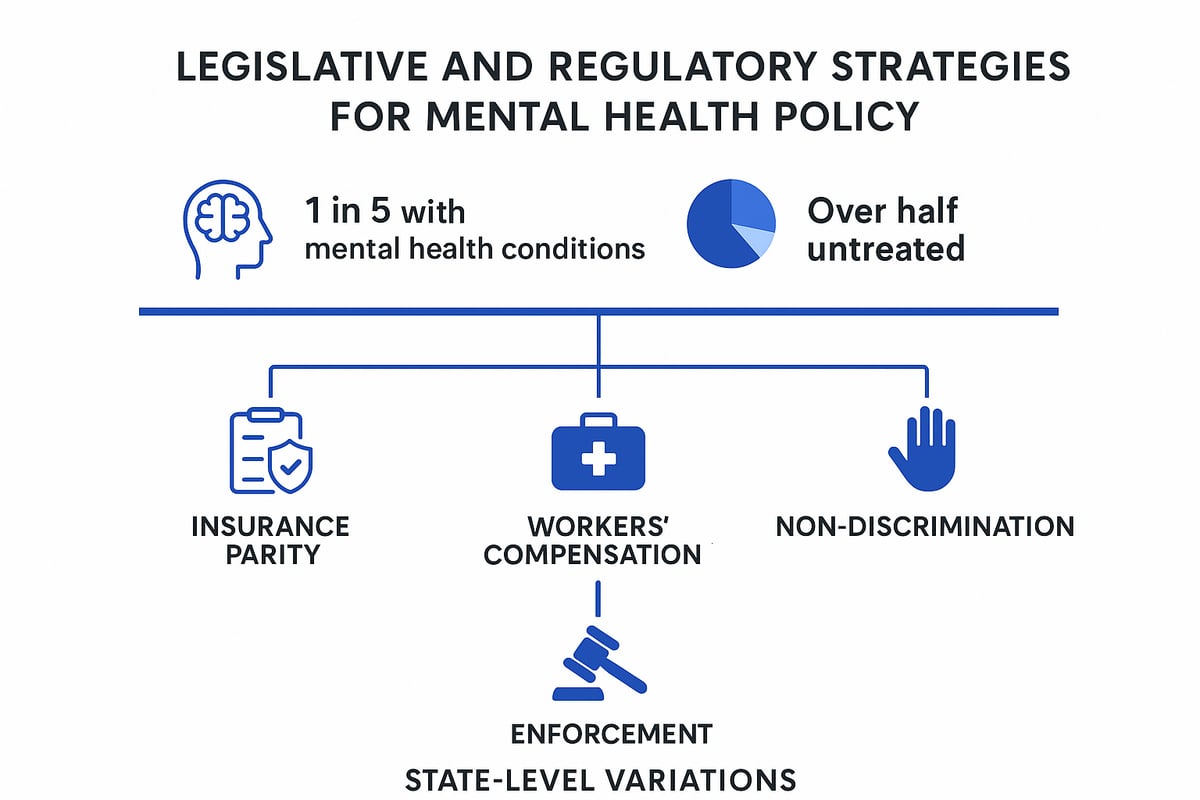
Strengthening Parity and Nondiscrimination Laws
Achieving parity in insurance coverage is a critical pillar of any policy for mental health. The Mental Health Parity and Addiction Equity Act requires insurers to offer mental health benefits on par with physical health, but enforcement varies. States like Pennsylvania, Massachusetts, and Illinois have introduced laws to audit insurers, impose fines, and investigate violations, creating greater transparency and accountability.
Nondiscrimination is equally important. Clear regulations protect individuals from being denied coverage or care due to mental health status. Effective policy for mental health also promotes public reporting of insurer compliance and encourages regular reviews of parity enforcement.
Expanding Workers’ Compensation and Benefits
A robust policy for mental health must include comprehensive workers’ compensation and benefits that recognize psychological injuries alongside physical ones. Yet, many workers face hurdles in proving that mental health conditions are work-related, and coverage standards differ across states.
To address these gaps, some states are expanding paid sick leave and disability insurance to cover mental health needs. Special attention is being given to first responders and frontline workers, who are at increased risk. For an in-depth look at how these issues are being addressed, see Workers’ compensation for mental health.
Preventing Discrimination and Promoting Reasonable Accommodations
Preventing discrimination is at the heart of an inclusive policy for mental health. The Americans with Disabilities Act (ADA) extends protections to those with mental health conditions, requiring employers to provide reasonable accommodations. However, awareness and implementation of these protections vary widely.
Many states, including New Jersey, Virginia, and Washington, have adopted statutes that strengthen nondiscrimination provisions. Employers should be trained on their obligations and best practices, ensuring that workplaces are accessible and supportive for all.
Enhancing Enforcement and Oversight
Enforcement and oversight mechanisms are essential for any policy for mental health to succeed. Clear structures for complaint investigation, resolution, and regulatory alignment between state and federal agencies drive accountability. Standardizing data collection on private payers and Medicaid parity helps identify gaps and monitor progress.
Transparent reporting and public access to enforcement outcomes foster trust in the system. Policymakers must ensure that all stakeholders understand their rights and responsibilities, reinforcing the integrity of mental health policy frameworks.
Funding and Resource Allocation
Sustainable funding is a cornerstone of effective policy for mental health. Policymakers must identify reliable sources to support services, prevention, and innovation. Reducing silos between agencies and programs increases efficiency and creates more entry points for those seeking help.
Table: Funding Models for Mental Health Services
| Model | Pros | Challenges |
|---|---|---|
| Government Funding | Broad reach, equity | Budget constraints |
| Insurance Mandates | Sustainable, scalable | Coverage gaps |
| Public-Private Mix | Innovation, flexibility | Coordination complexity |
Aligning resource allocation with community needs ensures that investments have the greatest impact and address disparities.
Key Arguments and Insights
A successful policy for mental health relies on robust legislative action, strong enforcement, and ongoing evaluation. States play a vital role in innovating and enforcing laws that support mental health parity, nondiscrimination, and access.
Multi-sector collaboration strengthens these strategies. As policymakers and advocates look ahead, prioritizing equity, transparency, and sustainability will drive progress and create lasting improvements in mental health outcomes.
Building Supportive Workplaces: Policies and Programs
Building a supportive workplace is a cornerstone of effective policy for mental health. Organizations are recognizing that healthy employees are essential for sustainable growth and productivity. Comprehensive strategies not only reduce risk and absenteeism, but also foster resilience and engagement. The following approaches illustrate how policy for mental health can be embedded into every aspect of the workplace environment.
Infrastructure for Workplace Mental Health
A robust infrastructure forms the backbone of any successful policy for mental health. Organizations are investing in wellness programs, employee assistance services, and digital tools to ensure timely support.
Key components include:
- Employee assistance programs (EAPs) offering confidential counseling and crisis support.
- Telehealth platforms that increase access, especially for remote or shift workers.
- Digital mental health solutions such as mobile apps and online screening tools.
- Substance use support services and diversion initiatives.
These resources enable early intervention and reduce barriers to care. By embedding these elements into workplace culture, a policy for mental health becomes both proactive and approachable.
Educating Employers and Employees
Education is critical for implementing an effective policy for mental health. Both leaders and staff need guidance to recognize warning signs and foster a supportive culture.
Training programs focus on:
- Manager education in psychosocial safety, trauma-informed care, and active listening.
- Employee workshops to reduce stigma and promote help-seeking.
- Awareness campaigns using posters, intranet, and town halls.
- Resource guides outlining support channels and crisis contacts.
These initiatives empower the workforce to act confidently and compassionately. When everyone understands their role, policy for mental health is more likely to succeed in practice.
Promoting Employee Wellness and Resilience
Promoting wellness and resilience is a key element of any policy for mental health. Organizations are incentivizing participation in wellness programs, providing preventive care resources, and encouraging healthy work habits.
Examples include:
- Flexible scheduling and remote work options.
- Mindfulness training and stress management workshops.
- Physical health initiatives such as on-site fitness or ergonomic assessments.
For more detailed guidance, see Wellbeing in the workplace policies. These efforts help prevent burnout and build long-term capacity for coping with stress. Embedding such practices in policy for mental health makes preventive care the norm, not the exception.
Reasonable Accommodations and Inclusive Practices
A comprehensive policy for mental health ensures that accommodations are accessible and inclusive. Employers must understand their legal obligations and best practices for supporting diverse needs.
Key actions include:
- Providing quiet spaces and flexible work arrangements.
- Adjusting workloads or deadlines as needed.
- Offering technical assistance and consultation on accommodations.
- Creating feedback mechanisms for employee input.
Inclusive practices foster trust and help every team member thrive. When accommodations are normalized, policy for mental health supports both individual and organizational success.
Workplace Mental Health Institute: Practical Solutions for Organizations
The Workplace Mental Health Institute offers evidence-based training, resilience programs, and strategic consultation tailored to organizational needs. Psychologist-designed solutions address trauma-informed care, burnout prevention, and wellbeing assessments.
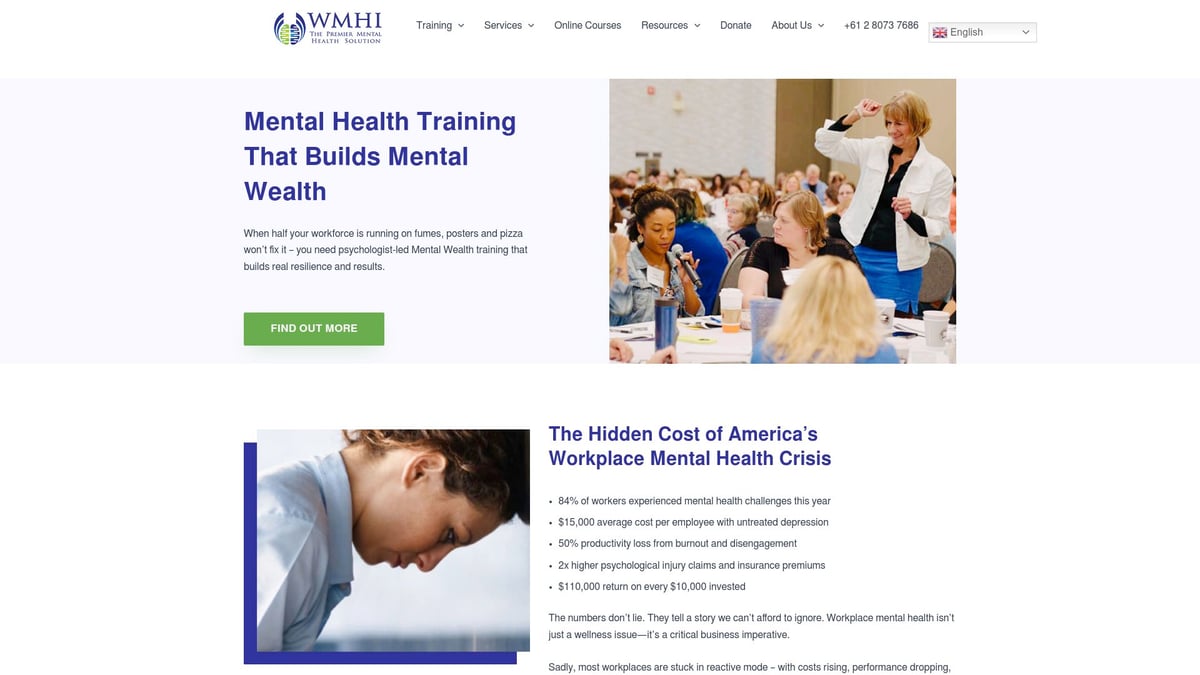
Key features:
- Programs for both managers and employees.
- Proven outcomes: reduced absenteeism, improved wellbeing, and measurable ROI.
- Flexible delivery for hybrid and remote teams.
- Alignment with evolving policy for mental health and legislative requirements.
Engaging with expert partners ensures that policy for mental health is grounded in best practice and delivers real-world results.
Case Studies and Examples
Organizations that implement a comprehensive policy for mental health report measurable improvements. Success stories highlight reduced injury claims, increased retention, and higher employee satisfaction.
| Organization | Program Implemented | Outcome |
|---|---|---|
| Tech Firm A | EAP, resilience training | 30% reduction in absenteeism |
| Healthcare B | Trauma-informed care, peer support | Improved retention by 18% |
| Retail C | Flexible scheduling, wellness incentives | 25% increase in employee wellbeing scores |
These case studies demonstrate that investment in policy for mental health pays dividends for both staff and business outcomes.
Key Insights
Organizational commitment is the foundation of any effective policy for mental health. Training and resources empower leaders to create supportive environments, while employees gain tools to manage stress and thrive.
A well-designed policy for mental health integrates infrastructure, education, wellness, accommodation, and continuous evaluation. This comprehensive approach delivers benefits for individuals, organizations, and society as a whole.
Addressing Disparities and Increasing Access
Equity is at the heart of every effective policy for mental health. Despite growing awareness, significant gaps remain in access and quality of care for many communities. Addressing these disparities requires targeted strategies, robust stakeholder engagement, and innovative approaches that ensure everyone benefits from progress in mental health.
Underserved Rural, Racial, and Ethnic Communities
One of the most pressing challenges in policy for mental health is ensuring equitable access for rural, racial, and ethnic groups. Many live in areas with few providers, limited transportation, or cultural barriers that prevent timely care.
State and local governments can establish dedicated task forces and advisory councils focused on mental health equity. These bodies help tailor outreach, support culturally responsive services, and inform policy decisions. Data from the CDC and Mental Health America show that disparities in outcomes are persistent, making it essential for policy for mental health to prioritize these populations.
Telehealth and Digital Solutions
Expanding telehealth is transforming policy for mental health by removing geographic barriers and enabling more flexible support. However, the digital divide remains a concern, especially in rural and low-income areas where broadband is limited.
Investing in broadband infrastructure and digital literacy programs can increase access to virtual care. Proposed legislation like the Mental Health Infrastructure Improvement Act of 2025 aims to enhance treatment facilities and technology, directly supporting equitable care delivery. Telehealth must be integrated into policy for mental health to ensure it reaches those who need it most.
Engaging Community Stakeholders
Strong policy for mental health depends on meaningful community engagement. Involving local leaders, patients, and families in policy design ensures interventions reflect real needs and build trust.
Efforts to recruit and train mental health professionals from underserved communities can also improve service uptake. Building these pipelines diversifies the workforce and strengthens cultural competence. When stakeholders are genuinely included, policy for mental health gains legitimacy and long-term sustainability.
Understanding and Reducing Care Disparities
Data collection is a powerful tool in policy for mental health. By tracking disparities in care delivery and outcomes, policymakers can target interventions where they are needed most.
Tailoring programs to specific community needs, such as language access or culturally adapted therapies, leads to better engagement and outcomes. Continuous evaluation ensures that policy for mental health remains responsive and effective at closing gaps.
Innovative Approaches
Innovation plays a crucial role in addressing disparities through policy for mental health. Peer support specialists, for example, serve as trusted connectors and can extend the reach of care in communities with few providers.
Nontraditional career pathways and apprenticeship models offer new ways to build the mental health workforce. Systemic reforms, such as those found in Justice Department’s reforms to reduce suicides in federal prisons, demonstrate how targeted policy for mental health can create safer, more supportive environments for vulnerable populations.
Innovations and Future Directions in Mental Health Policy
The future of policy for mental health relies on bold innovation and a willingness to adapt. As needs evolve, so must the tools, workforce, and strategies that guide mental health policy at every level. This section explores the most promising advances shaping the next era of mental health, from digital solutions to cross-sector partnerships.
Embracing New Tools and Technologies
Digital transformation is revolutionizing policy for mental health. Mobile apps, virtual therapy platforms, and AI-powered assessment tools make care more accessible and personalized. These technologies enable early intervention and ongoing support, especially for those in underserved areas.
Remote monitoring and telehealth break down traditional barriers to accessing care. Data analytics help policymakers identify trends and gaps, allowing for more targeted resource allocation. By integrating technology into policy for mental health, systems can respond faster and more effectively to emerging needs.
Expanding the Behavioral Health Workforce
A sustainable policy for mental health requires a robust workforce. Streamlined licensing, alternative credentialing, and loan reimbursement programs are essential to attract and retain professionals. States are piloting fast-track pathways and financial incentives to address shortages.
Early exposure to behavioral health careers in schools and universities builds long-term capacity. Expanding training for peer specialists and counselors increases diversity and representation. These workforce strategies ensure policy for mental health remains responsive and inclusive.
Peer Support and Nontraditional Models
Peer support is a cornerstone of modern policy for mental health. Programs led by individuals with lived experience foster trust and engagement, complementing clinical care. Trauma-informed education and recovery initiatives support both prevention and rehabilitation.
Nontraditional pathways, such as apprenticeship models, offer new entry points into the mental health sector. These innovations expand access and help meet the growing demand for support. Embedding peer support into policy for mental health strengthens community-based care.
Data-Driven Policy and Continuous Improvement
Effective policy for mental health depends on robust data systems. Comprehensive tracking of outcomes allows for real-time evaluation and adjustment of programs. Policymakers can use this data to identify disparities, allocate resources, and refine strategies.
Continuous improvement is central to sustainable impact. Systems that measure quality and outcomes ensure that policy for mental health evolves with changing needs. Transparent reporting fosters accountability and builds public trust.
Addressing Burnout and Promoting Resilience
Burnout among healthcare professionals and support staff is a critical challenge for policy for mental health. Systemic approaches, such as resilience training and supportive workplace cultures, reduce stress and turnover.
Evidence-based interventions, like those found in Preventing workplace burnout strategies, equip organizations to protect staff wellbeing. Integrating these strategies into policy for mental health improves long-term outcomes for both workers and those they serve.
Global and Cross-Sector Collaboration
Learning from international best practices enriches policy for mental health. Collaboration across government, private sector, and civil society accelerates innovation and drives systemic change.
Joint initiatives enable resource sharing and adaptation of successful models. By fostering partnerships and leveraging diverse expertise, policy for mental health becomes more resilient and effective. Ongoing evaluation and openness to new ideas will keep mental health policy at the forefront of public health progress.
As we look toward the future of workplace mental health, it’s clear that real progress starts with practical, evidence-based strategies and a commitment to fostering supportive, resilient teams. You’ve explored key policy insights and innovative solutions in this guide—now, if you’re ready to take the next step in transforming your organization’s approach to mental health, you don’t have to do it alone. The Workplace Mental Health Institute offers expert guidance, proven training, and tailored programs designed for managers and employees alike. Let’s build a healthier, more productive workplace together—Find Out More.