
By 2026, experts predict that over 70% of professionals in healthcare and social services will face significant vicarious trauma or burnout. This guide is your essential resource for planning, delivering, and gaining the full benefits of a vicarious trauma workshop.
Addressing vicarious trauma is now critical for both organizations and individuals seeking workplace wellness and better client outcomes. In this article, you will discover how to understand vicarious trauma, design effective workshops, use experiential methods, select skilled facilitators, and measure lasting impact.
Take action today to protect your team’s wellbeing and success.
Understanding Vicarious Trauma in 2026
Vicarious trauma is an escalating concern in workplaces that serve vulnerable communities. By 2026, research predicts that over 70% of helping professionals will report symptoms linked to indirect trauma exposure. As the need for effective vicarious trauma workshop solutions grows, organizations are facing real challenges in maintaining staff wellbeing and ensuring positive outcomes for those they serve.
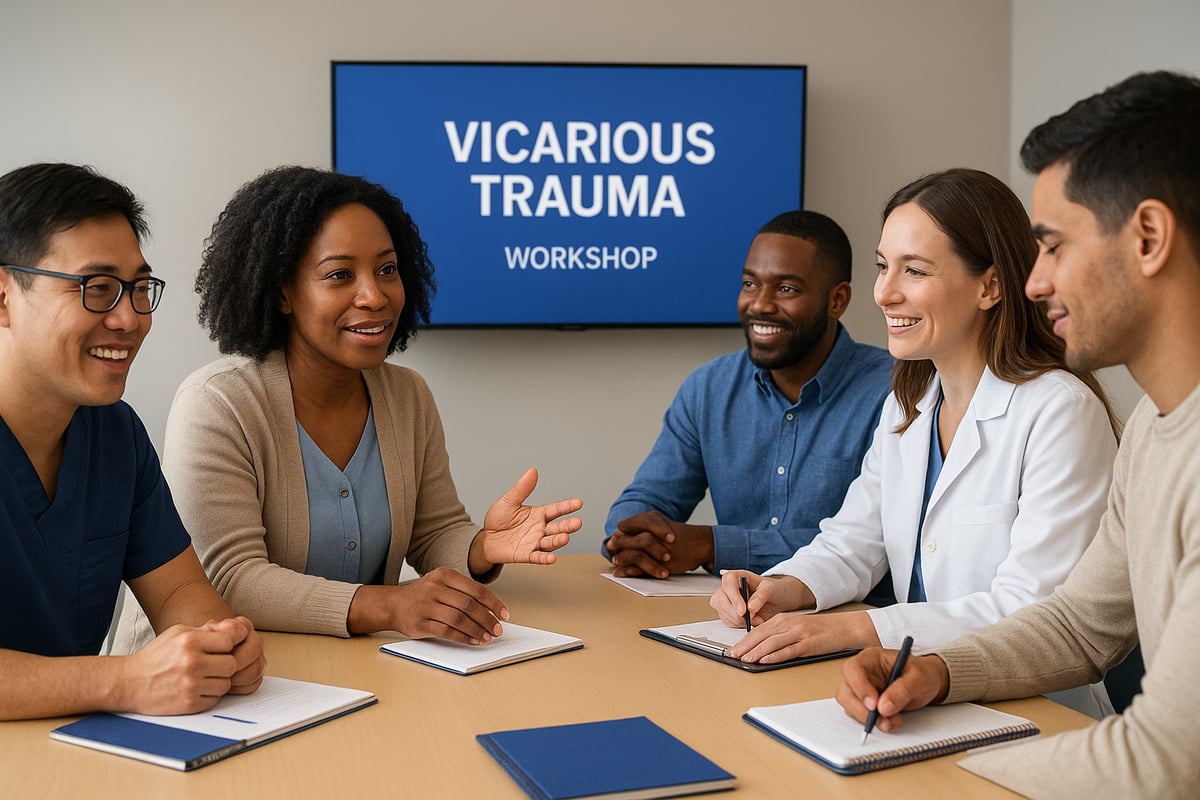
Defining Vicarious Trauma and Its Impact
Vicarious trauma is the emotional residue that accumulates when professionals are exposed to the stories and suffering of others. This phenomenon is particularly common among healthcare workers, social service providers, and first responders. Unlike burnout, which results from chronic workplace stress, or compassion fatigue, which centers on emotional depletion from caring, vicarious trauma is specifically tied to empathetic engagement with trauma survivors.
Here is a comparison to clarify these concepts:
| Aspect | Vicarious Trauma | Burnout | Compassion Fatigue |
|---|---|---|---|
| Cause | Exposure to others' trauma | Chronic workplace stress | Prolonged caregiving stress |
| Symptoms | Emotional exhaustion, cynicism | Fatigue, detachment | Reduced empathy, apathy |
| Impact | Altered worldview, distress | Decreased performance | Decreased compassion |
In 2026, studies show that nearly 60% of frontline healthcare staff and 65% of nonprofit workers experience vicarious trauma symptoms, including emotional exhaustion, reduced empathy, and increased cynicism. These symptoms can quickly translate into decreased job performance and absenteeism.
Organizationally, the cost is significant. High staff turnover rates, reduced quality of care, and negative client outcomes are common when vicarious trauma is unaddressed. Systemic contributors, such as high caseloads, inadequate support, and organizational demands, are now recognized as leading causes, as noted by Phoenix Trauma Center's recent data.
Consider a real-world scenario: a hospital emergency department saw a sharp increase in staff departures after a surge in traumatic cases. Staff reported feeling numb, disconnected, and unable to sustain empathy for patients. Similar patterns have emerged in child welfare agencies and crisis response teams, reinforcing the urgent need for tailored vicarious trauma workshop programs.
Access to resources like the Vicarious Trauma Toolkit empowers organizations to better understand and address these risks through evidence-informed tools.
The Necessity of Addressing Vicarious Trauma
Addressing vicarious trauma is no longer optional; it is essential for both workplace wellness and client success. Unresolved vicarious trauma is a leading driver of staff attrition, with organizations reporting up to 40% turnover among trauma-exposed roles. This not only disrupts team cohesion but also compromises the continuity and quality of care.
Both individuals and organizations share responsibility for tackling vicarious trauma. While self-care and resilience practices are vital, organizational policies and supportive environments play a critical role. Research demonstrates that proactive interventions, such as implementing a structured vicarious trauma workshop, can significantly reduce symptom severity and improve staff retention.
A recent case study highlights this impact. A large urban nonprofit facing high turnover launched a series of vicarious trauma workshops. Within one year, they saw a 30% reduction in staff departures and measurable improvements in team morale and client satisfaction.
Ultimately, investing in a vicarious trauma workshop is an investment in long-term organizational health. By prioritizing education, support, and systemic change, organizations can foster resilience and sustain positive outcomes for both staff and those they serve.
Core Elements of an Effective Vicarious Trauma Workshop
Designing a truly effective vicarious trauma workshop requires thoughtful planning, relevant content, and a clear understanding of participant needs. The right approach can transform workplace culture, foster resilience, and create lasting positive change.

Workshop Goals and Learning Outcomes
The foundation of any vicarious trauma workshop lies in well-defined goals. Primary objectives include increasing self-awareness of trauma exposure, equipping participants with practical coping skills, and nurturing vicarious resilience within teams.
Workshops should focus on a strengths-based approach, encouraging participants to recognize not only the risks of vicarious trauma, but also the potential for vicarious posttraumatic growth. This means helping attendees see how supporting others through adversity can foster their own sense of meaning and purpose.
Expected learning outcomes for a vicarious trauma workshop often include:
- Enhanced self-care strategies for daily practice
- Renewed sense of professional purpose and motivation
- Improved connection and collaboration among team members
Interactive and experiential learning methods, as recommended by organizations like Phoenix Trauma Center, are essential for deep engagement. Tailoring learning outcomes to fit the specific context and needs of each organization ensures maximum impact and relevance.
Key Components and Structure
An effective vicarious trauma workshop is built around several essential modules. These typically include:
- Understanding trauma and its workplace impact
- Identifying and practicing self-care strategies
- Exploring organizational supports and resources
- Fostering posttraumatic growth and resilience
To promote engagement, workshops often incorporate experiential modalities such as sociometry, psychodrama, and expressive arts. These methods move beyond lecture-style delivery, allowing participants to process complex emotions through creative and embodied activities.
Interactive exercises—like group movement, role play, and expressive arts—deepen team connection and help normalize conversations about trauma. A sample agenda might start with introductions and psychoeducation, followed by hands-on activities, group reflection, and action planning.
Many organizations offer Continuing Education (CE) hours or certificates as incentives. This not only encourages attendance but also helps participants meet professional development requirements.
Customization for Diverse Settings
A key strength of the vicarious trauma workshop model is its adaptability. Workshops can be designed for small teams, large organizations, or delivered virtually to accommodate remote staff. Pricing benchmarks vary based on group size, duration, and delivery method, with nonprofit organizations often receiving discounted rates.
Accessibility is a priority, especially for nonprofits and international groups. Facilitators may adjust content, activity types, and scheduling to fit cultural and logistical needs. For example, some organizations have successfully implemented hybrid workshops, combining in-person activities with online modules.
Customization is most effective when aligned with broader organizational goals. Integrating a trauma-informed workplace framework can ensure that workshop content supports ongoing culture change and sustainable wellbeing.
Real-world examples show that organizations investing in tailored workshops experience greater staff engagement, improved morale, and more positive client outcomes.
Step-by-Step Guide to Planning a Vicarious Trauma Workshop
Planning an effective vicarious trauma workshop requires a structured, evidence-based approach. Following clear steps ensures your organization addresses vicarious trauma at its roots and supports both staff and clients. Here’s your comprehensive guide to planning and delivering a successful workshop in 2026.
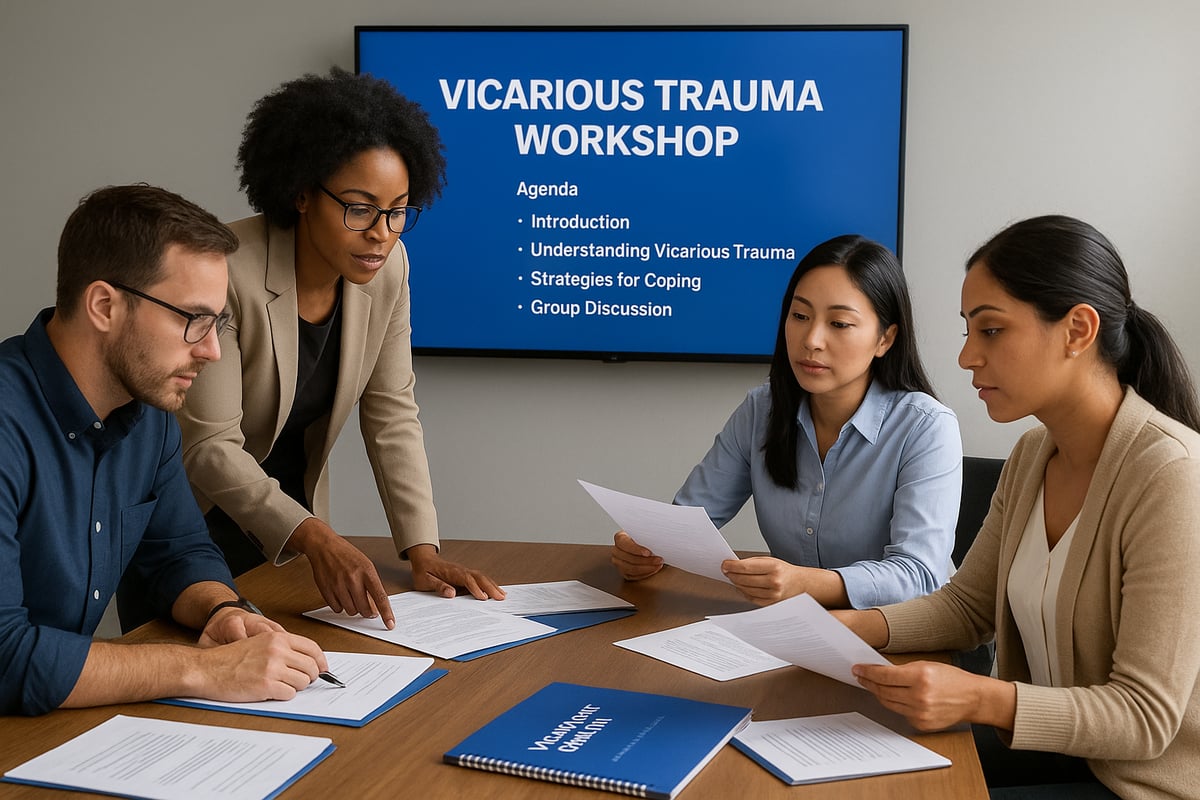
Step 1: Assess Organizational Needs and Readiness
Begin your vicarious trauma workshop planning with a thorough assessment of your organization's current state. Conduct a workplace wellness assessment to identify signs of vicarious trauma among teams. Look for indicators such as increased absenteeism, emotional exhaustion, or reduced collaboration.
Gather input from staff through anonymous surveys or focus groups. Ask about their experiences, stressors, and expectations for the vicarious trauma workshop. This step ensures the workshop addresses actual needs rather than assumptions.
Leadership buy-in is critical for success. Engage decision-makers early, presenting evidence on the impact of vicarious trauma and the potential benefits of targeted interventions. Allocate sufficient resources for workshop planning, facilitation, and follow-up.
For a comprehensive approach, consider integrating insights from Building your trauma-informed framework to strengthen your organizational readiness. This resource outlines steps for embedding trauma-informed principles, which align closely with the goals of a vicarious trauma workshop.
Step 2: Select the Right Facilitator or Training Provider
Choosing a qualified facilitator is essential for a successful vicarious trauma workshop. Look for professionals with credentials in trauma-informed care, mental health, or organizational psychology. Experience in your sector, such as healthcare or social work, adds valuable context.
Consider the facilitator’s approach. Those with lived experience or a background in experiential modalities can offer deeper engagement. Trauma-informed expertise ensures the workshop is safe and effective.
Here’s a quick comparison table for facilitator selection:
| Criteria | Importance | Example |
|---|---|---|
| Credentials | Essential | Licensed therapist |
| Sector experience | Highly valuable | Healthcare, nonprofit |
| Approach | Critical | Experiential, strengths-based |
| Ongoing training | Important | Supervision, CE hours |
Highly regarded facilitators include Dr. Scott Giacomucci and organizations like Phoenix Trauma Center. Prioritize facilitators who commit to ongoing learning and supervision to maintain quality in every vicarious trauma workshop.
Step 3: Design a Workshop Agenda and Curriculum
A well-structured agenda is the backbone of any impactful vicarious trauma workshop. Start with a clear introduction and set expectations for the day. Include psychoeducation modules to deepen understanding of trauma and its effects.
Incorporate interactive, evidence-based activities such as group discussions, experiential exercises, and reflective journaling. These methods foster engagement and allow participants to process emotions safely.
Plan time for Q&A, feedback, and action planning to support real-world application. Adjust the agenda based on the workshop format—half-day, full-day, or multi-day sessions.
Sample agenda structure:
- Welcome and introductions
- Psychoeducation on vicarious trauma
- Experiential group activity
- Break and informal discussion
- Reflection and personal action planning
- Closing and feedback
Tailor content to your organizational context and participant needs. This customization maximizes the impact of your vicarious trauma workshop.
Step 4: Promote Engagement and Psychological Safety
Creating a safe, inclusive environment is vital for a successful vicarious trauma workshop. Establish ground rules around confidentiality and mutual respect at the outset. These guidelines help participants feel secure sharing experiences and insights.
Foster a culture of openness through peer support and active listening. Address common barriers such as stigma or resistance by normalizing discussions about vicarious trauma and self-care.
Use icebreakers, team-building activities, and movement exercises to build trust and strengthen connections within the group. Encourage participation from all attendees, regardless of their role or experience level.
Checklist for promoting engagement:
- Set clear expectations
- Ensure confidentiality
- Use inclusive language
- Offer multiple ways to participate (verbal, written, creative)
- Monitor group dynamics and adjust as needed
These strategies enhance the learning experience and ensure the vicarious trauma workshop achieves its intended outcomes.
Step 5: Implement the Workshop and Gather Feedback
Successful implementation of a vicarious trauma workshop depends on meticulous preparation. Ensure all materials, technology, and logistics are in place before the session begins. Assign roles for facilitators and support staff to streamline the process.
During the workshop, encourage active participation with a mix of activities. Adapt your facilitation style to the group’s energy and feedback. Provide breaks and opportunities for informal connection.
After the session, distribute surveys to measure satisfaction and perceived impact. Use validated assessment tools to track changes in vicarious trauma symptoms, self-care practices, and team cohesion. Collect both qualitative and quantitative data for a well-rounded evaluation.
Analyze feedback to identify areas for improvement and plan follow-up support. This commitment to continuous improvement ensures each vicarious trauma workshop delivers lasting value for your organization.
Experiential Methods and Innovative Approaches
The most impactful vicarious trauma workshop programs in 2026 are those that embrace experiential and innovative learning methods. As organizations aim to foster resilience and posttraumatic growth, hands-on approaches have become essential for meaningful engagement and long-term change.

The Role of Experiential Learning in Trauma Workshops
Experiential modalities are at the heart of every effective vicarious trauma workshop. Techniques like sociometry, psychodrama, and expressive arts provide participants with opportunities to process emotions through action, not just discussion. For example, role plays allow staff to step into new perspectives, while empty chair work encourages safe exploration of difficult feelings.
Research shows that experiential activities increase engagement, deepen self-awareness, and promote vicarious resilience. Group movement exercises and creative arts help participants reconnect with their bodies, release stress, and build new coping skills. Testimonials from recent workshops highlight how these methods spark insight and foster lasting peer support.
A typical vicarious trauma workshop might include:
- Guided visualization or mindfulness practice
- Small group sharing circles
- Art-based reflection exercises
- Team problem-solving scenarios
Many facilitators now draw on strengths-based approaches, encouraging vicarious posttraumatic growth alongside stress reduction. For more detailed strategies and examples of experiential techniques, see Vicarious Trauma – Strategies for Resilience.
Integrating Technology and Hybrid Formats
Since 2024, virtual and hybrid vicarious trauma workshop formats have grown rapidly in popularity and accessibility. Organizations can now provide trauma-informed training to remote teams without sacrificing interactivity. The key is leveraging technology to maintain engagement and psychological safety.
Best practices include using breakout rooms for personal sharing, digital whiteboards for expressive arts, and live polls to gather real-time feedback. Platforms like Zoom, Microsoft Teams, and Miro are commonly used for their interactive features.
Successful virtual vicarious trauma workshop experiences often blend asynchronous content with live experiential sessions. Facilitators recommend:
- Shorter, more frequent online sessions to avoid fatigue
- Interactive group activities adapted for digital delivery
- Follow-up peer support meetings to sustain growth
As technology continues to evolve, hybrid workshops offer flexible options for diverse teams and international organizations. The result is greater access and inclusivity, ensuring every professional can benefit from experiential trauma support.
Measuring Workshop Impact and Sustaining Change
Evaluating the true value of a vicarious trauma workshop requires both immediate and long-term measurement. Organizations must look beyond attendance numbers, focusing on how these workshops influence well-being, resilience, and workplace culture.
Evaluation Metrics and Tools
Measuring the impact of a vicarious trauma workshop starts with clear evaluation criteria. Organizations should use both quantitative and qualitative data to track progress.
Key Metrics to Monitor:
| Metric | Description | Measurement Tool |
|---|---|---|
| Vicarious trauma symptoms | Frequency and intensity of symptoms | Pre/post surveys, validated scales |
| Self-care engagement | Frequency of self-care practices | Self-report, wellness checklists |
| Team morale and connection | Sense of support and teamwork | Staff feedback, observation |
| Staff retention and absenteeism | Turnover rates, sick days | HR records |
| Quality of client outcomes | Service delivery effectiveness | Client feedback, outcome data |
Pre- and post-workshop assessments are essential. Many organizations use validated trauma and burnout scales to measure change over time. For a systematic approach, the Vicarious Occupational Trauma Exposure (VOTE) Index helps assess workplace exposure and track improvements after a vicarious trauma workshop.
Collecting participant feedback is equally important. Short surveys and open-ended responses capture shifts in attitudes, new skills learned, and perceived support. Analyzing organizational data, such as reduced turnover or increased engagement, provides further evidence of workshop effectiveness.
Sustaining Growth Beyond the Workshop
A single vicarious trauma workshop is a starting point, not a complete solution. Lasting impact depends on ongoing strategies that reinforce learning and support staff resilience.
Sustaining change requires:
- Regular peer support groups to process experiences and share coping skills.
- Scheduled supervision sessions focused on trauma-informed reflection.
- Follow-up workshops or booster sessions to revisit key concepts.
- Integration of self-care and trauma-awareness into daily routines.
- Leadership modeling of healthy boundaries and open conversations about well-being.
- Policy changes that prioritize psychological safety and resource allocation.
Organizations that embed these practices see sustained improvements in staff morale and client outcomes. Leadership commitment is critical. When managers prioritize wellness, employees feel empowered to use the skills gained from a vicarious trauma workshop.
Over time, these efforts create a culture of resilience, where staff are better equipped to manage secondary stress and deliver compassionate care. Continuous evaluation and adaptation ensure that the benefits of each vicarious trauma workshop are long-lasting and meaningful.
Selecting the Right Workshop for Your Organization
Finding the ideal vicarious trauma workshop for your team is a vital step in building a resilient, healthy workplace. The right fit can empower staff, reduce turnover, and foster long-term wellbeing. With so many options available in 2026, how can organizations make a confident choice?
Comparing Workshop Formats and Providers
Organizations should begin by evaluating each vicarious trauma workshop option based on core criteria. Consider the content’s relevance, delivery format, cost, and availability of Continuing Education (CE) accreditation. In-person, virtual, and hybrid formats all offer unique advantages, depending on your team’s needs.
The following table summarizes key differences:
| Format | Pros | Cons | Best For |
|---|---|---|---|
| In-person | High engagement, networking | Travel, higher cost | Small to mid-sized teams |
| Virtual | Accessible, flexible scheduling | Less personal, tech issues | Remote, distributed teams |
| Hybrid | Combines flexibility and connection | Coordination complexity | Large or multi-site organizations |
Choosing a vicarious trauma workshop that aligns with your organizational culture is essential. Look for providers who adapt content to your sector and team dynamics. For more on effective approaches, see Corporate wellbeing workshop strategies.
Building ongoing relationships with trusted training providers can ensure continuous skill development and support. Consider whether the provider offers post-workshop resources or follow-up sessions to maximize impact.
Questions to Ask Before Booking
Before selecting a vicarious trauma workshop, use a detailed checklist to vet facilitators and content. Here are key questions to consider:
- Does the workshop address the specific challenges your staff face?
- What trauma-informed credentials and experience do facilitators have?
- Is the session interactive, with experiential learning components?
- Are DEI principles integrated throughout the vicarious trauma workshop?
- What are the pricing options and scheduling flexibility?
- Will participants earn CE credits or certificates?
- How does the provider support long-term organizational change?
Budget constraints and scheduling can influence your decision, but never compromise on quality or alignment with your values. Maximizing ROI means selecting a vicarious trauma workshop that delivers practical tools, fosters resilience, and supports ongoing workplace wellness.
A thoughtful, evidence-based approach will ensure your organization benefits fully from a vicarious trauma workshop, leading to lasting positive outcomes for both staff and clients.
Frequently Asked Questions About Vicarious Trauma Workshops
What is the difference between vicarious trauma, burnout, and compassion fatigue?
Vicarious trauma is the internal transformation helpers experience after repeated exposure to others' trauma stories. Burnout, on the other hand, results from chronic workplace stress and exhaustion. Compassion fatigue combines emotional depletion with a reduced capacity to empathize. For a deeper dive into workplace burnout and its connection to vicarious trauma, see Why your team is still burning out.
Who should attend a vicarious trauma workshop?
Anyone working in trauma-exposed professions—such as healthcare, social work, first responders, legal advocates, and educators—can benefit from a vicarious trauma workshop. Leaders, supervisors, and support staff are also encouraged to attend. These workshops equip individuals and teams with tools to manage emotional impact and foster resilience.
How often should organizations offer these workshops?
Best practice recommends offering a vicarious trauma workshop at least annually, or more frequently during times of high stress or organizational change. Regular sessions help reinforce coping strategies and maintain a culture of wellness.
What are the most effective workshop activities?
Experiential activities, such as small group discussions, role plays, expressive arts, and guided self-reflection, are highly effective. Interactive exercises help participants process experiences and build supportive connections. Many organizations also value workshops that include evidence-based strategies and practical takeaways.
Can workshops be customized for specific professions or settings?
Yes, a vicarious trauma workshop can be tailored to the unique needs of any profession or setting. Customization includes adjusting content to reflect workplace culture, participant roles, and organizational goals. For example, healthcare teams may focus on patient care stressors, while legal advocates address client trauma. Providers like Vicarious Trauma Training For Helpers offer specialized formats for diverse groups.
What continuing education credits are available?
Many vicarious trauma workshops offer continuing education (CE) credits for professionals in fields such as social work, counseling, psychology, and nursing. Check with the workshop provider for accreditation details and documentation requirements.
How do you measure the long-term impact of a workshop?
Long-term impact is measured through follow-up assessments, feedback surveys, and monitoring changes in team morale, self-care practices, and staff retention. Using validated tools before and after the workshop helps organizations track progress and sustain positive outcomes.
As you consider the steps to create a truly effective vicarious trauma workshop for your team, remember that investing in practical, trauma informed training can make a lasting difference in both employee wellbeing and organizational outcomes. The right guidance helps you navigate the challenges—whether you are planning, facilitating, or measuring impact—so your efforts lead to real, positive change. If you are ready to learn more about how tailored workshops and expert support from the Workplace Mental Health Institute can empower your organization for 2026 and beyond, I invite you to Find Out More.

