
Did you know that 95% of workers say it is important to work for an organization that supports mental health? As mental health in the workplace becomes an urgent priority, organizations are seeing its impact on productivity, retention, and overall wellbeing. This guide offers a comprehensive look ahead to 2026, exploring how work influences mental health, identifying new risks, recognizing warning signs, and sharing actionable strategies. Discover the emerging trends and future-ready solutions that will empower both organizations and employees to thrive. Ready to take practical, evidence-based action? Dive in for insights that matter.
The Evolving Landscape of Workplace Mental Health
The landscape of mental health in the workplace is rapidly changing, reflecting new research, shifting work models, and heightened expectations from employees. Organizations are beginning to recognize that supporting psychological wellbeing is not just a benefit but a necessity for long-term success and resilience.

The Growing Importance of Mental Health at Work
Today, mental health in the workplace is seen as a core pillar of organizational culture and success. Recent studies reveal that managers influence employee mental health more than therapists or doctors. In fact, 92% of employees say psychological wellbeing is a top priority when choosing where to work.
As the boundaries between work and personal life blur, organizations are reimagining their roles in supporting staff. Investing in mental health in the workplace drives engagement, reduces turnover, and builds a positive reputation. Companies that prioritize wellbeing are better equipped to attract and retain top talent.
Key Workplace Risk Factors in 2026
By 2026, risk factors affecting mental health in the workplace will continue to evolve. Chronic stress from long hours, remote or hybrid work, and unclear job roles remains a challenge. Understaffing, toxic cultures, bullying, and harassment can further erode employee wellbeing.
The economic impact is significant, with mental health conditions costing the global economy an estimated $1 trillion each year in lost productivity. For a deeper look at the current risk factors and industry trends, see SHRM 2025 Insights: Workplace Mental Health. Proactive risk management is essential for organizational health.
Impact of Work on Employee Mental Health
Work-related stressors can contribute to anxiety, depression, burnout, and even substance misuse. The relationship between mental health in the workplace and job performance is bidirectional: poor wellbeing leads to reduced productivity, and high job demands can worsen mental health.
Examples include increased absenteeism, presenteeism, and higher turnover rates. Employees struggling with their mental health in the workplace may withdraw from colleagues or experience drops in performance. Recognizing these patterns early is crucial for timely support and intervention.
Societal and Organizational Shifts Post-Pandemic
The pandemic has accelerated major shifts in mental health in the workplace. Hybrid work models, rapid digital transformation, and evolving employee expectations have changed how organizations approach psychological safety and flexibility.
The U.S. Surgeon General’s new framework emphasizes the need for psychological safety, open communication, and flexible policies. Companies are now expected to create environments where mental health in the workplace is openly discussed, and support is accessible to everyone. This shift towards transparency and care is reshaping modern organizational culture.
Recognizing Signs and Symptoms of Mental Health Issues at Work
Spotting the early signs of mental health in the workplace is essential for prevention and timely support. Both employees and leaders play a role in creating an environment where challenges are recognized and addressed quickly. Understanding these signs can help prevent issues from escalating and ensure a healthier, more engaged workforce.

Common Signs Among Employees
Recognizing the warning signs of mental health in the workplace can be challenging, as symptoms often vary between individuals. However, some common indicators are consistent across many organizations:
| Sign | Description |
|---|---|
| Difficulty focusing | Trouble concentrating or making decisions |
| Irritability | Increased frustration or mood swings |
| Lack of motivation | Reduced enthusiasm for daily tasks |
| Persistent fatigue | Feeling tired even after adequate rest |
| Withdrawal | Pulling away from colleagues or teams |
| Performance changes | Noticeable drop in work quality or output |
| Absenteeism | Frequent unplanned absences |
After 2020, more employees have reported psychological distress, including anxiety and depression. Spotting these changes early can lead to timely conversations and interventions, supporting overall mental health in the workplace.
Managerial and Peer Perspectives
Managers and peers are often the first to notice shifts in behavior that may signal issues with mental health in the workplace. Early warning signs can include missed deadlines, sudden mood changes, or reluctance to participate in meetings.
Psychological safety is crucial. When employees feel safe, they are more likely to share concerns or ask for help. Supportive managers who foster open communication see measurable improvements in team wellbeing. Data consistently shows that organizations with trained leaders achieve better mental health outcomes and higher staff satisfaction.
Encouraging peers to check in and offer support can also make a significant difference. Creating an environment where everyone feels responsible for mental health in the workplace helps reduce isolation and stigma.
The Cost of Ignoring Mental Health
Overlooking mental health in the workplace has tangible consequences. Increased healthcare costs, higher turnover, and lost productivity are just a few of the risks. Mental health-related disability claims have risen sharply, impacting both employees and organizational performance.
Organizations that neglect support may experience up to 50% higher absenteeism rates. According to Workplace Mental Health Statistics in the US 2025, the economic impact of poor mental health is significant, with billions lost each year due to reduced productivity and absenteeism.
The business case for prioritizing mental health in the workplace is clear: early intervention saves resources and supports sustainable growth.
Stigma and Barriers to Seeking Help
Despite growing awareness, stigma around mental health in the workplace remains a barrier. Employees may fear being judged, losing their job, or facing negative career consequences if they disclose struggles.
Common barriers include:
- Worry about confidentiality or privacy
- Lack of visible support from leadership
- Concerns about being perceived as weak or unreliable
Building a culture where open conversations are encouraged is essential. Organizations that address stigma and promote psychological safety empower employees to seek help early, improving overall outcomes for mental health in the workplace.
Proven Strategies for Supporting Mental Health in the Workplace
A proactive approach is essential for organizations aiming to support mental health in the workplace. By embedding wellbeing into every layer of the business, companies can create environments where people feel safe, valued, and empowered to thrive. Let’s explore key strategies that deliver measurable impact.
Building a Healthy Workplace Culture
Establishing a healthy culture is foundational to mental health in the workplace. The NIOSH Total Worker Health approach encourages organizations to address both organizational and individual factors. Setting clear boundaries between work and personal time helps employees recharge and maintain balance.
Companies that adopt flexible work policies, such as remote options or flexible hours, often see improvements in employee wellbeing. These policies can reduce stress and foster a sense of autonomy. By prioritizing psychological safety, organizations send a clear message: mental health in the workplace matters.
Implementing Supportive Leadership and Supervision
Leaders play a pivotal role in promoting mental health in the workplace. Training managers to recognize signs of distress and respond empathetically can make a significant difference. Regular check-ins, open-door policies, and transparent communication are essential practices.
Supportive supervision correlates with higher psychological safety and lower levels of burnout. When managers model healthy behaviors and encourage open dialogue, employees feel more comfortable seeking help. Investing in leadership development strengthens the foundation of mental health in the workplace.
Practical Interventions and Programs
Providing practical resources is key to supporting mental health in the workplace. Employee Assistance Programs, mental health first aid, and peer support networks are proven to help employees manage stress and build resilience.
Organizations that implement evidence-based training, such as workplace mental health courses and training, often report significant reductions in depression and anxiety rates. Resilience workshops and stress management sessions empower teams to navigate challenges more effectively, fostering long-term wellbeing.
Assessing and Measuring Workforce Wellbeing
Regular assessment is vital for understanding the current state of mental health in the workplace. Tools like the NIOSH Worker Well-Being Questionnaire, pulse surveys, and anonymous feedback channels collect valuable data on employee experiences.
This information guides leaders in prioritizing interventions and measuring progress. Companies that use ongoing assessments can adapt their strategies to emerging needs. Tracking key metrics ensures that investments in mental health in the workplace deliver tangible results and continuous improvement.
Addressing High-Risk Groups and Unique Challenges
Certain groups face higher risks regarding mental health in the workplace. Healthcare workers, frontline staff, and remote employees often encounter distinct stressors, including trauma, vicarious stress, and burnout.
Tailored solutions are essential. For example, trauma-informed care, targeted resilience training, and flexible scheduling address specific challenges. By recognizing and responding to the needs of high-risk groups, organizations demonstrate a commitment to inclusive mental health in the workplace.
Workplace Mental Health Institute: Comprehensive Solutions for Organizations
The Workplace Mental Health Institute offers psychologist-designed training, resilience programs, and wellbeing assessments for modern organizations. Their evidence-based approach equips both managers and employees with practical skills for mental health in the workplace.
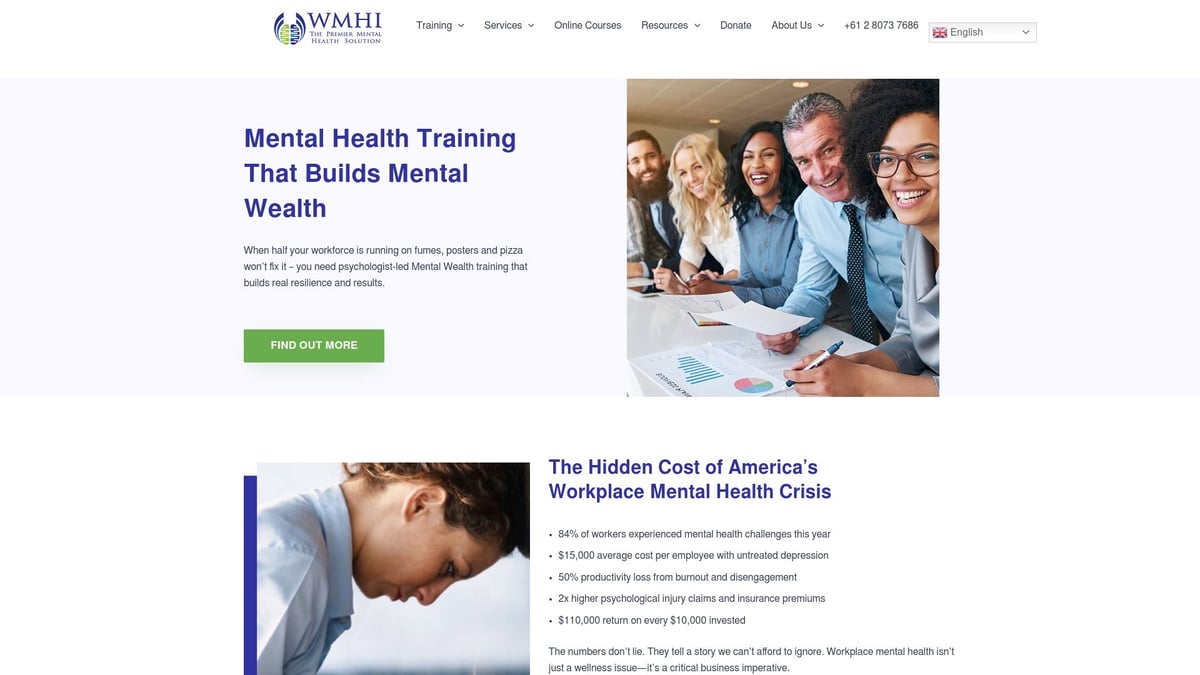
With flexible delivery options, including in-person, virtual, and on-demand formats, organizations can access solutions that fit their needs. Results speak for themselves: up to 33% reduction in absenteeism and a 282% increase in positive wellbeing. Investing in these comprehensive programs builds lasting “mental wealth” and supports sustainable success.
Emerging Trends and Technologies Shaping Workplace Mental Health
The future of mental health in the workplace is being shaped by rapid advances in technology and evolving organizational needs. As companies adapt to new realities, innovative tools and strategies are transforming how mental health support is delivered and accessed. Organizations that stay ahead of these trends will be best positioned to foster resilience and wellbeing among their teams.

The Rise of Digital Mental Health Tools
Digital solutions are revolutionizing mental health in the workplace, making support more accessible than ever. AI-powered mental health apps, teletherapy, and online wellbeing platforms allow employees to receive help anytime, anywhere. These tools offer real-time support, self-assessment modules, and personalized recommendations.
Virtual reality is also emerging as a powerful resource. For example, VR as a “Drop-In” Well-being Tool for Knowledge Workers demonstrates how immersive environments can reduce stress and promote relaxation during the workday. As digital tools continue to evolve, they will play a central role in supporting mental health in the workplace.
Hybrid and Remote Work: New Challenges and Solutions
Hybrid and remote work models have introduced both opportunities and obstacles for mental health in the workplace. While flexibility can boost job satisfaction, it can also blur boundaries between work and life, increasing the risk of burnout and isolation.
To address these challenges, organizations are implementing regular virtual check-ins, digital wellness resources, and flexible scheduling. Remote team members benefit from tools that foster connection and psychological safety. By proactively supporting hybrid teams, companies ensure that mental health in the workplace remains a priority, no matter where employees are based.
Personalization and Data-Driven Approaches
Personalization is reshaping mental health in the workplace, with organizations leveraging data to tailor support to individual needs. Anonymized wellbeing surveys and analytics help identify at-risk groups and inform targeted interventions.
For example, personalized resilience training and wellbeing campaigns are designed based on employee feedback and risk profiles. This data-driven approach ensures that mental health in the workplace is addressed proactively, with solutions that resonate with diverse teams and drive measurable results.
The Role of Leadership in Future-Ready Mental Health Strategies
Leadership is critical to the future of mental health in the workplace. Leaders who champion psychological safety, model openness, and invest in ongoing development set the tone for organizational wellbeing.
Future-ready strategies include leadership training focused on vulnerability, empathy, and communication. When leaders prioritize mental health in the workplace, employees feel valued and supported. This proactive approach leads to higher engagement, retention, and a culture where wellbeing is woven into the fabric of the organization.
Step-by-Step Guide: Implementing a Mental Health Strategy for 2026
A robust approach to mental health in the workplace is essential for future-ready organizations. This step-by-step guide is designed to help companies of all sizes build a comprehensive mental health strategy that meets evolving needs and delivers measurable results.
Step 1: Assess Current Mental Health Climate
Begin by evaluating the current state of mental health in the workplace. Use validated tools like the NIOSH Worker Well-Being Questionnaire or consider a workplace wellbeing assessment to gather quantitative and qualitative data.
Surveys, focus groups, and confidential feedback channels help identify stressors, gaps, and employee needs. Look for trends in absenteeism, turnover, and engagement. Comprehensive assessment sets the foundation for targeted interventions and demonstrates a genuine commitment to employee wellbeing.
Step 2: Develop a Tailored Action Plan
With assessment data in hand, organizations should align mental health in the workplace initiatives with their core values and strategic objectives. Involve stakeholders from HR, management, and frontline teams to ensure the plan is both realistic and inclusive.
Set clear, measurable goals for improvement. Define responsibilities and timelines for each action item. Tailoring your approach to your workforce’s unique needs fosters buy-in and ensures long-term impact.
Step 3: Provide Training and Resources
Empower employees and leaders with the knowledge and skills to support mental health in the workplace. Offer regular training on mental health awareness, resilience, and trauma-informed care.
Implement Employee Assistance Programs, peer support networks, and digital resources. For additional guidance, explore Practical Steps For Supporting Employee Mental Health In 2025. Ongoing education builds confidence and normalizes help-seeking behaviors.
Step 4: Foster Open Communication and Reduce Stigma
A culture of openness is vital for sustaining mental health in the workplace. Launch awareness campaigns, encourage personal storytelling, and equip leaders to have supportive conversations about mental health.
Establish anonymous feedback channels to give employees a safe way to voice concerns. Reducing stigma increases help-seeking rates and strengthens organizational trust.
Step 5: Monitor, Measure, and Iterate
Continuous improvement is key to the success of mental health in the workplace programs. Regularly review progress using surveys, KPIs, and real-time feedback.
Track participation in wellbeing initiatives and analyze outcomes like absenteeism or productivity changes. Adjust strategies as new needs emerge, ensuring interventions remain relevant and effective.
Step 6: Sustain and Scale Successful Initiatives
To embed mental health in the workplace into organizational culture, integrate it into policies, onboarding, and leadership development. Celebrate successes and recognize champions who drive positive change.
Plan for ongoing investment in mental health resources. Share best practices across teams, and consider scaling successful programs to other locations or departments for maximum impact.
Looking Ahead: Predictions and Insights for Workplace Mental Health in 2026
As organizations prepare for the future, the landscape of mental health in the workplace is set for transformative change. Companies are reimagining wellbeing strategies, integrating new models, and proactively addressing employee needs. The years ahead will see mental health in the workplace move from the margins to the center of organizational priorities.
The Future of Workplace Wellbeing
By 2026, organizations will adopt holistic approaches to mental health in the workplace, blending physical, emotional, and social wellbeing. This shift means moving away from reactive support toward preventative strategies, where wellbeing is embedded into every aspect of work life.
Companies will focus on early identification and support, leveraging technology and data to anticipate challenges. For example, more businesses will implement strategies for preventing and managing burnout, ensuring employees have the resources they need before issues escalate.
These forward-thinking practices will not only reduce costs but also foster a culture where mental health in the workplace is valued and protected.
Policy and Regulatory Developments
The regulatory environment for mental health in the workplace is evolving rapidly. Governments and industry bodies are introducing stricter standards for psychosocial risk management, requiring organizations to assess and mitigate workplace stressors.
In many countries, occupational health and safety laws are being updated to include mental health as a core component. This means employers will be obligated to provide safer, more supportive environments.
National frameworks are emerging to guide organizations, helping them align with best practices and comply with new regulations. Staying ahead of these developments will be crucial for organizations aiming to lead in mental health in the workplace.
Global Perspectives and Cultural Shifts
Mental health in the workplace will be shaped by global trends and diverse cultural attitudes. Multinational organizations are recognizing the importance of adapting strategies to local contexts, addressing cultural stigma and varying expectations around support.
International collaboration will drive knowledge sharing, as companies learn from best practices across regions. Some cultures may prioritize community support, while others focus on individualized care.
Adopting localized approaches will be essential for organizations operating globally, ensuring that mental health in the workplace remains relevant and effective for all employees.
Empowering Employees for Resilience and Growth
Empowering employees will be a cornerstone of mental health in the workplace in 2026. Companies will foster environments where self-care, emotional intelligence, and peer networks are encouraged.
Resilience training and ongoing development will become standard offerings, equipping staff to navigate challenges and thrive. For practical strategies, organizations can explore building resilience at work, which offers guidance on strengthening coping skills and fostering growth.
Employee-led initiatives and community networks will play a larger role, giving individuals ownership over their wellbeing and contributing to a sustainable culture of support.
As we look ahead to 2026, it’s clear that prioritizing mental health in the workplace isn’t just a trend—it’s a strategic advantage for organizations and employees alike. By understanding evolving risks, recognizing early signs, and embracing practical, evidence-based strategies, you can foster a culture where wellbeing and performance thrive together. If you’re ready to explore comprehensive solutions tailored for your team—from resilience programs to wellbeing assessments—I encourage you to take the next step and Find Out More about how the Workplace Mental Health Institute can help you build a healthier, more resilient workplace.

