
Organizations increasingly recognize that unaddressed trauma impacts employee wellbeing, productivity, and workplace culture. Trauma informed approach training represents a fundamental shift in how workplaces understand and respond to the psychological needs of their workforce. This specialized training equips managers, HR professionals, and employees with evidence-based frameworks to create environments that acknowledge trauma's prevalence while fostering safety, trust, and resilience. As trauma-informed approaches become standard practice across sectors, organizations that invest in this training position themselves to better support their teams while reducing costly impacts of unrecognized trauma responses.
Understanding Trauma-Informed Principles in Organizational Contexts
Trauma informed approach training begins with foundational knowledge about how traumatic experiences shape behavior, relationships, and workplace interactions. Unlike traditional professional development that focuses solely on skills acquisition, this training reframes understanding of human behavior through a trauma-aware lens.
The six core principles provide the foundation for all trauma informed approach training programs:
- Safety: Creating physical and psychological environments where people feel secure
- Trustworthiness and transparency: Building organizational operations through clear, consistent communication
- Peer support: Leveraging shared experiences and mutual assistance
- Collaboration and mutuality: Leveling power differences and fostering partnership
- Empowerment, voice, and choice: Recognizing individual strengths and supporting autonomy
- Cultural, historical, and gender considerations: Acknowledging how identity and experience intersect with trauma
Effective training programs explore how these principles translate into daily workplace practices. Participants learn to recognize that challenging behaviors often represent adaptive responses to past experiences rather than character flaws or deliberate defiance.
The Neurobiology Component
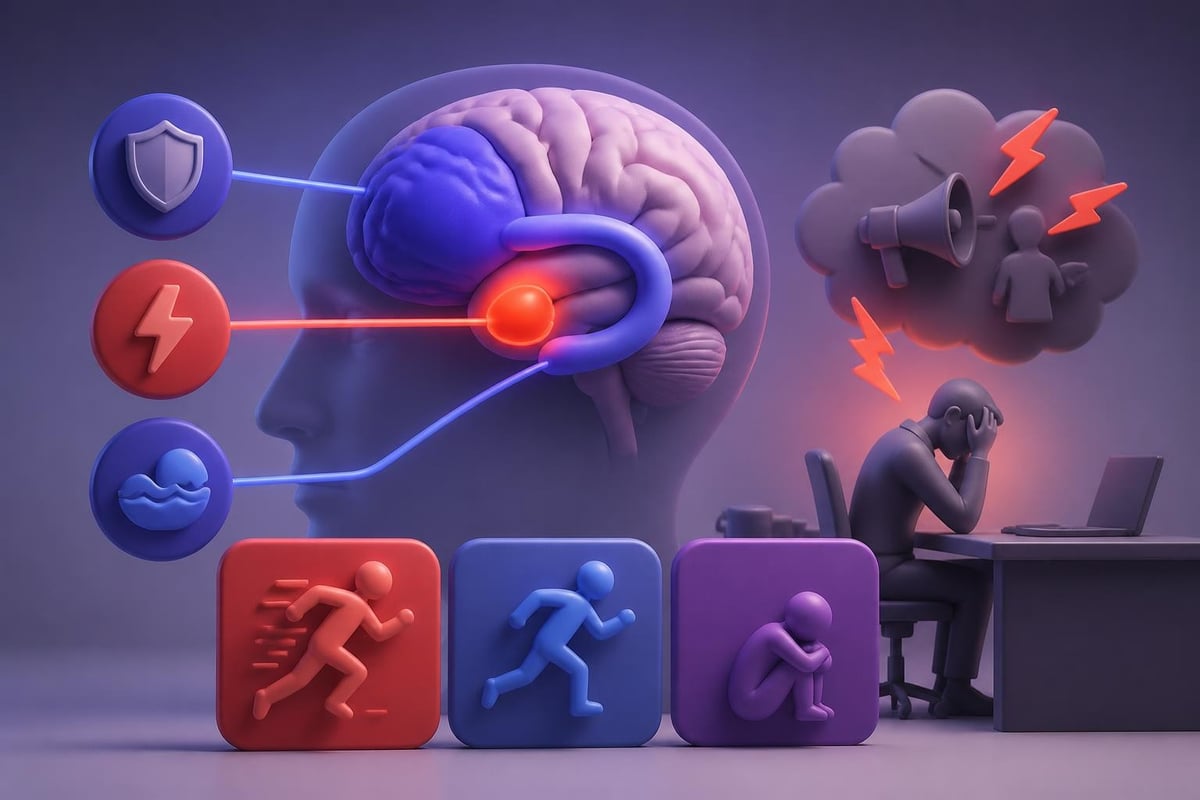
Quality trauma informed approach training includes accessible neuroscience education. Understanding how trauma affects brain development and stress response systems helps participants recognize physiological reactions rather than making character judgments.
Training participants discover how the amygdala, prefrontal cortex, and hippocampus interact during stress responses. This knowledge transforms how managers interpret employee reactions during high-pressure situations or difficult feedback conversations. When leaders understand that a seemingly disproportionate response may reflect a trauma-triggered stress response, they can adjust their approach accordingly.
Building Practical Skills Through Structured Learning
Trauma informed approach training extends beyond theoretical understanding to develop concrete, applicable skills. The most effective programs balance knowledge acquisition with experiential learning opportunities that allow participants to practice new approaches in realistic scenarios.
Communication Techniques
Participants learn specific communication strategies that reduce the likelihood of triggering trauma responses while building trust. These include:
- Transparent communication: Clearly explaining processes, expectations, and decisions
- Offering choices: Providing options even in constrained situations to preserve autonomy
- Using non-judgmental language: Framing observations without characterizing the person
- Active listening: Demonstrating genuine attention and validating experiences
- Pacing conversations: Recognizing signs of overwhelm and adjusting accordingly
Training programs often incorporate role-playing exercises where managers practice delivering difficult feedback or addressing performance issues using trauma-informed principles. These practice opportunities reveal how small language shifts significantly impact how messages are received.
Recognizing Trauma Responses in the Workplace
Understanding common trauma manifestations helps workplace leaders respond appropriately rather than punitively. Trauma-informed care training emphasizes recognition of these patterns without diagnosing or pathologizing employees.
| Trauma Response | Workplace Manifestation | Trauma-Informed Response |
|---|---|---|
| Hypervigilance | Constant monitoring of environment, difficulty concentrating | Provide predictable routines, advance notice of changes |
| Avoidance | Missing meetings, reluctance to engage with certain colleagues | Offer alternative participation methods, private check-ins |
| Emotional dysregulation | Disproportionate reactions to feedback or conflict | Remain calm, offer breaks, revisit when regulated |
| Trust difficulties | Skepticism about intentions, reluctance to collaborate | Demonstrate consistency, follow through on commitments |
This framework helps leaders move from reactive discipline to proactive support, addressing root causes rather than symptoms.
Implementing Organizational Change Through Training
Trauma informed approach training catalyzes broader cultural transformation when organizations move beyond individual skill development to systemic implementation. Training cohorts work most effectively when they include participants across organizational levels and departments.
Policy and Practice Alignment
Training programs guide organizations in examining existing policies through a trauma-informed lens. Participants conduct audits identifying where current practices may inadvertently retraumatize employees or create unnecessary barriers to support.
Common policy areas requiring trauma-informed revision include:
- Performance management systems that emphasize partnership over surveillance
- Attendance policies that accommodate trauma-related symptoms
- Conflict resolution processes that prioritize psychological safety
- Communication protocols that ensure transparency and predictability
- Physical workspace design that offers choice and control
Organizations that align policies with trauma-informed principles create environments where training principles can actually be practiced rather than contradicting daily operational realities.
Manager-Specific Competencies
Specialized trauma informed approach training for supervisors and managers addresses unique leadership challenges. These programs develop capabilities that extend beyond general trauma awareness to specific management scenarios.
Managers learn to conduct trauma-informed performance discussions that maintain accountability while recognizing individual circumstances. They develop skills in collaborative problem-solving that addresses performance gaps through supportive partnership rather than punitive measures. The training emphasizes how power dynamics inherent in supervisory relationships require particular attention in trauma-informed practice.

Specialized Applications Across Workplace Contexts
Different organizational environments require adapted applications of trauma-informed principles. Comprehensive training programs address industry-specific considerations while maintaining core conceptual foundations.
Customer-Facing Roles
Employees in client services, healthcare, education, and public-facing positions benefit from trauma informed approach training that addresses secondary trauma exposure. These programs teach:
- Boundary-setting techniques that protect personal wellbeing
- Self-regulation strategies for managing emotionally charged interactions
- Recognition of vicarious trauma symptoms
- Peer support mechanisms specific to high-exposure roles
Training for customer-facing teams incorporates scenarios reflecting common challenging interactions, allowing participants to develop response strategies before encountering real situations.
Remote and Hybrid Environments
The shift toward flexible work arrangements introduces unique considerations for trauma-informed practice. Training adapted for distributed teams addresses challenges in recognizing distress signals through virtual communication and creating psychological safety across digital platforms.
Participants explore how to establish connection and trust without physical presence, recognize trauma indicators in written communication, and design virtual meeting practices that honor trauma-informed principles. Evidence-based practices in trauma-informed care increasingly address these remote work realities.
High-Stress Industries
Organizations in emergency services, healthcare, journalism, and other high-stress fields require specialized trauma informed approach training addressing both occupational trauma exposure and pre-existing personal trauma. These programs integrate:
- Organizational trauma response protocols
- Critical incident debriefing procedures
- Peer support program development
- Resilience-building practices specific to chronic stress exposure
- Leadership responsibilities in trauma prevention
Training for high-stress environments acknowledges that trauma-informed workplaces actively work to prevent occupational trauma while supporting those who have experienced it.
Measuring Training Effectiveness and Organizational Impact
Organizations investing in trauma informed approach training require methods to evaluate both learning outcomes and workplace impact. Comprehensive evaluation strategies assess multiple levels of change.
Individual Knowledge and Skill Assessment
Effective training programs incorporate pre- and post-training assessments measuring:
- Conceptual understanding of trauma-informed principles
- Ability to identify trauma responses in workplace scenarios
- Confidence in applying trauma-informed communication techniques
- Self-awareness regarding personal triggers and biases
Skills-based assessments using realistic scenarios provide more meaningful data than knowledge-only tests, revealing whether participants can apply principles in context.
Organizational Climate Indicators
Broader organizational impact appears in workplace culture metrics tracked over time following training implementation. Key indicators include:
| Metric Category | Specific Measures | Expected Trajectory |
|---|---|---|
| Employee Wellbeing | Stress levels, psychological safety scores, burnout indicators | Improvement over 6-12 months |
| Engagement | Participation rates, collaboration quality, innovation metrics | Gradual increase |
| Retention | Turnover rates, exit interview themes, tenure patterns | Reduction in trauma-related departures |
| Performance | Productivity measures, quality indicators, absenteeism | Stabilization then improvement |
Organizations benefit from establishing baseline measurements before training begins, allowing for meaningful comparison as trauma-informed practices become embedded.
Sustainability Mechanisms
Training impact diminishes without intentional sustainability strategies. Organizations maximize return on training investment through:
- Regular refresher sessions reinforcing core concepts
- Coaching support for managers implementing new approaches
- Communities of practice where participants share experiences and problem-solve
- Integration into onboarding for new employees and managers
- Leadership accountability for modeling trauma-informed principles
Workplace Mental Health Institute emphasizes these sustainability elements in their comprehensive training programs, recognizing that lasting cultural change requires ongoing reinforcement beyond initial training events.

Addressing Common Implementation Challenges
Organizations implementing trauma informed approach training encounter predictable obstacles. Anticipating these challenges allows for proactive planning that increases success likelihood.
Resistance and Misconceptions
Some managers initially perceive trauma-informed approaches as "soft" or worry about accountability erosion. Effective training programs directly address these concerns by demonstrating how trauma-informed practice maintains standards while improving outcomes.
Training facilitators emphasize that trauma-informed approaches do not excuse poor performance or problematic behavior. Instead, they provide more effective pathways to behavior change by addressing underlying factors rather than surface symptoms. Organizations see stronger performance improvement when support and accountability coexist.
Resource Constraints
Organizations with limited budgets or time express concern about trauma informed approach training feasibility. Successful implementation strategies include:
- Phased rollout beginning with key leaders and influencers
- Train-the-trainer models that build internal capacity
- Integration into existing professional development rather than separate initiatives
- Leveraging free or low-cost resources alongside formal training
- Starting with policy review before extensive training investment
Strategic sequencing allows organizations to demonstrate value before committing extensive resources, building support for expanded implementation.
Balancing Individual and Organizational Trauma
Workplaces sometimes experience collective trauma through organizational change, restructuring, or critical incidents affecting multiple employees. Training programs increasingly address how to apply trauma-informed principles at both individual and collective levels.
Organizations learn to recognize signs of collective traumatic stress and implement system-level responses rather than only supporting individuals. This might include transparent communication about organizational challenges, collective meaning-making processes, or adjusted performance expectations during crisis periods.
Integrating Trauma-Informed Training With Broader Mental Health Strategies
Trauma informed approach training achieves greatest impact when integrated within comprehensive workplace mental health strategies rather than existing as a standalone initiative. Organizations benefit from connecting trauma-informed practice to related programs and supports.
Connection to Mental Health First Aid
Mental Health First Aid and trauma-informed training complement each other effectively. While Mental Health First Aid focuses on crisis response and initial support, trauma-informed training shapes everyday interactions and organizational culture. Together, they create both reactive and proactive mental health support systems.
Organizations implementing both programs report that participants see clear connections, with trauma-informed principles enhancing how they apply Mental Health First Aid interventions.
Alignment With Wellbeing Assessments
Workplace wellbeing assessments gain deeper insight when conducted through a trauma-informed lens. Organizations in Australia and beyond increasingly combine trauma-informed training with comprehensive wellbeing assessments that identify systemic factors contributing to psychological distress.
Assessment processes themselves benefit from trauma-informed design, ensuring that evaluation methods don't inadvertently retraumatize participants through intrusive questions or lack of confidentiality safeguards.
Strategic Wellbeing Planning
Organizations developing strategic wellbeing plans incorporate trauma-informed principles throughout their approaches. This ensures that wellness initiatives, mental health resources, and support programs all align with trauma-aware understanding of employee needs.
Strategic planning processes examine how trauma impacts various employee populations differently, allowing for targeted interventions that address specific needs while maintaining universal trauma-informed foundations across all programs.
Certification and Advanced Training Pathways
As trauma-informed practice matures within workplace settings, professionals seek advanced credentials demonstrating specialized expertise. Understanding certification options helps organizations identify qualified trainers and develop internal champions.
Organizational Trainer Development
Organizations building internal capacity benefit from certifying selected employees as trauma-informed practice trainers. These individuals complete intensive programs covering:
- Advanced trauma theory and neuroscience
- Training facilitation skills and adult learning principles
- Organizational change management
- Trauma-informed coaching techniques
- Program evaluation and continuous improvement
Internal trainers sustain trauma-informed culture by providing ongoing education, supporting implementation challenges, and adapting approaches to organizational evolution.
Specialized Industry Applications
Advanced trauma informed approach training addresses specific professional contexts requiring adapted approaches. Healthcare professionals, educators, social service workers, and corporate leaders each benefit from specialized training addressing their unique challenges and opportunities for trauma-informed practice.
These advanced programs build on foundational principles while developing industry-specific applications, case examples, and implementation strategies relevant to particular professional contexts.
Creating Psychologically Safe Learning Environments
Trauma informed approach training itself must embody the principles it teaches. Training design, facilitation approach, and learning environment require careful attention to trauma-informed standards.
Participant-Centered Design
Effective training programs honor participant autonomy through choices about engagement level, sharing personal experiences, and participation methods. Facilitators establish clear boundaries around confidentiality and respect while creating opportunities for meaningful learning.
Programs acknowledge that trauma training content may activate personal trauma responses in some participants. Facilitators remain alert to signs of distress and provide options for self-care, including breaks, alternative activities, or private conversations.
Cultural Responsiveness
Trauma intersects significantly with cultural, historical, and identity-based experiences. Quality trauma informed approach training addresses how systemic oppression, discrimination, and historical trauma affect diverse populations differently. Programs explore implicit bias, cultural humility, and intersectionality as essential components of trauma-informed practice.
Facilitators with diverse backgrounds and perspectives strengthen training credibility and relevance across varied participant groups. Organizations benefit from seeking training providers who demonstrate cultural competence and commitment to equity.
Trauma informed approach training represents essential professional development for organizations committed to supporting employee wellbeing while enhancing workplace performance. By equipping teams with frameworks to recognize trauma's impacts and respond effectively, these programs create safer, more supportive environments where all employees can thrive. The Workplace Mental Health Institute offers comprehensive trauma-informed care training alongside strategic consultation services, helping organizations implement these vital principles throughout their culture, policies, and daily practices.

