
Mental health awareness has evolved from a peripheral concern to a central pillar of organizational success. For workplace leaders, managers, and human resources professionals, understanding which topics for mental health awareness deserve attention can determine the effectiveness of wellbeing initiatives. The landscape of workplace mental health encompasses diverse areas, each requiring specific knowledge, skills, and organizational commitment. This comprehensive exploration provides evidence-based guidance on the most impactful topics that organizations should prioritize when developing mental health awareness programs.
Understanding the Foundation of Workplace Mental Health
Mental health in professional environments extends far beyond the absence of clinical disorders. It encompasses emotional wellbeing, psychological safety, stress resilience, and the organizational conditions that support human flourishing. According to the National Institute of Mental Health’s comprehensive overview, mental health conditions affect millions of individuals, with workplace factors often serving as either protective elements or contributing stressors.
Key foundational concepts include:
- The continuum model of mental health, ranging from thriving to crisis
- The bidirectional relationship between work and wellbeing
- The distinction between mental health promotion and intervention
- Organizational responsibility versus individual resilience
When workplace leaders grasp these foundational principles, they can develop more nuanced and effective approaches to supporting employee mental health. The most successful organizations recognize that mental health awareness training must address both individual capabilities and systemic workplace factors.

Creating Psychologically Safe Work Environments
Psychological safety represents one of the most critical topics for mental health awareness in contemporary workplaces. This concept, extensively researched in organizational psychology, refers to employees’ ability to speak up, take interpersonal risks, and express concerns without fear of punishment or humiliation.
Organizations with high psychological safety demonstrate measurable improvements in innovation, error reporting, and employee engagement. Managers play a pivotal role in establishing these conditions through consistent behaviors that welcome diverse perspectives and normalize vulnerability.
| Psychological Safety Element | Manager Action | Employee Benefit |
|---|---|---|
| Open communication | Actively soliciting feedback | Increased voice and participation |
| Error tolerance | Framing mistakes as learning | Reduced fear and concealment |
| Inclusivity | Ensuring equitable participation | Enhanced belonging |
| Respect for boundaries | Honoring work-life integration | Decreased burnout risk |
The employee programs offered through comprehensive training initiatives address these elements systematically, providing managers with practical tools to assess and improve psychological safety within their teams.
Recognizing and Responding to Common Mental Health Conditions
Among the essential topics for mental health awareness, understanding prevalent mental health conditions stands paramount. Workplace leaders need not become clinical experts, but they should recognize common presentations and know appropriate response pathways.
Depression and anxiety disorders represent the most frequently encountered mental health conditions in professional settings. The Substance Abuse and Mental Health Services Administration provides detailed information on various conditions that may affect workplace performance and interpersonal dynamics.
Workplace Manifestations of Mental Health Conditions
Mental health conditions often manifest differently in professional contexts compared to personal environments. Employees may demonstrate subtle changes in productivity, communication patterns, or workplace relationships before any clinical diagnosis occurs.
Observable workplace indicators may include:
- Sustained changes in work quality or productivity
- Withdrawal from team interactions or collaborative activities
- Increased absenteeism or presenteeism patterns
- Difficulty concentrating or making routine decisions
- Heightened emotional responses or interpersonal conflicts
Managers trained in mental health awareness learn to observe these patterns without diagnosing, instead focusing on supportive conversations and appropriate resource connections. The distinction between noticing changes and attempting clinical assessment remains crucial for maintaining professional boundaries while demonstrating genuine care.
Trauma-informed approaches have gained recognition as essential knowledge for workplace leaders. Organizations increasingly acknowledge that many employees have experienced trauma, which can influence workplace behaviors, stress responses, and interpersonal dynamics. Training in trauma-informed care equips managers to create environments that minimize re-traumatization while supporting healing and growth.
Stress Management and Burnout Prevention
Workplace stress and burnout constitute central topics for mental health awareness that demand ongoing organizational attention. Unlike acute stress responses that serve adaptive functions, chronic workplace stress depletes resources and contributes to numerous physical and mental health consequences.
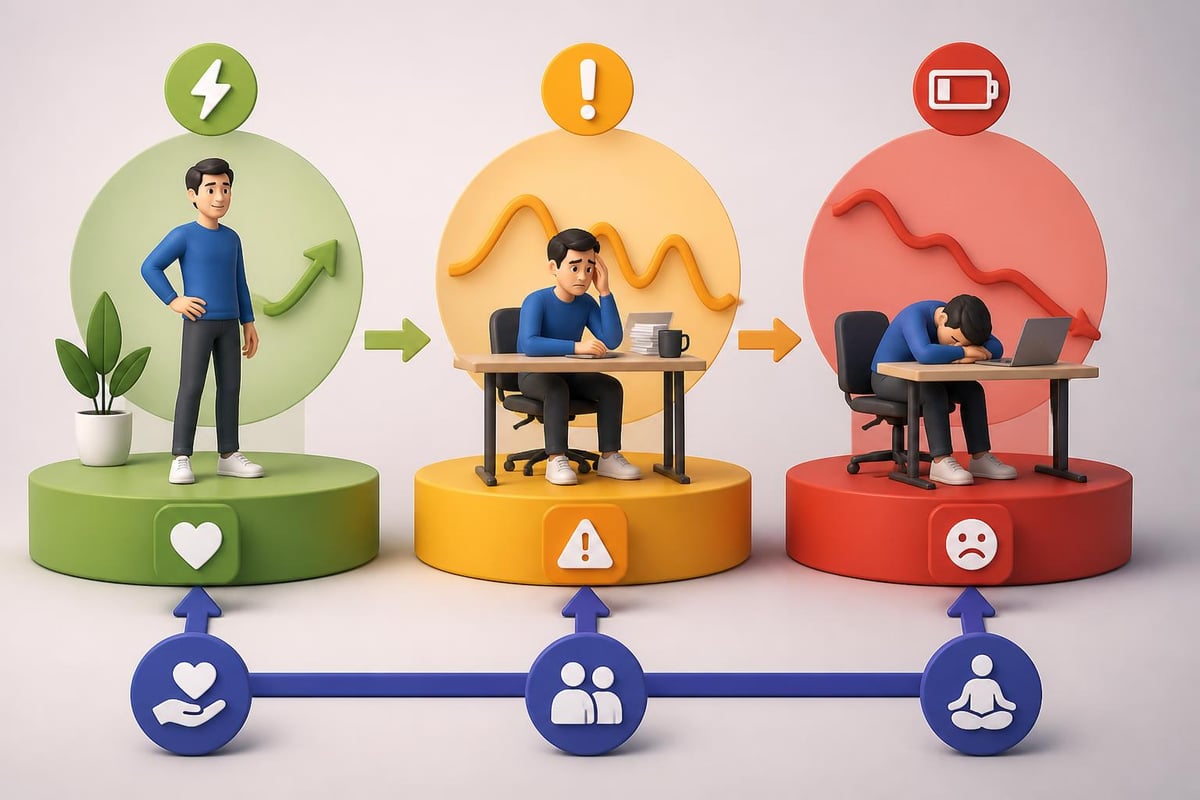 Burnout, characterized by exhaustion, cynicism, and reduced professional efficacy, results from prolonged exposure to workplace stressors without adequate recovery opportunities. Research consistently demonstrates that organizational factors-workload, control, reward, community, fairness, and values alignment-predict burnout more reliably than individual characteristics.
Organizational Approaches to Stress Reduction
Effective stress management in workplace settings requires both individual skill development and organizational system changes. While personal resilience skills provide valuable resources, they cannot compensate for fundamentally unhealthy work environments.
| Intervention Level | Examples | Primary Responsibility |
|---|---|---|
| Individual | Stress management techniques, boundary setting | Employee with organizational support |
| Team | Workload distribution, collaboration norms | Managers and team members |
| Organizational | Staffing levels, resource allocation, policy | Leadership and human resources |
| Cultural | Values alignment, psychological safety | Executive leadership |
Organizations that address stress across these multiple levels achieve more sustainable results than those focusing exclusively on individual resilience training. The workplace wellbeing resources available through specialized institutes often provide comprehensive frameworks spanning these intervention levels.
Building Resilience and Positive Mental Health
Resilience training has emerged as a proactive approach among topics for mental health awareness. Rather than waiting for problems to arise, resilience-focused initiatives strengthen psychological resources that buffer against adversity and support recovery from setbacks.
Core resilience competencies include:
- Cognitive flexibility and adaptive thinking patterns
- Emotional regulation and stress response management
- Social connection and support network utilization
- Purpose and meaning-making capabilities
- Self-care practices and recovery strategies
Evidence-based resilience programs teach these competencies through experiential learning, skill practice, and application to workplace scenarios. Effective programs avoid toxic positivity while emphasizing practical capabilities that employees can develop regardless of their current mental health status.
Positive Psychology in Workplace Contexts
Positive psychology contributions to workplace mental health extend beyond traditional problem-focused approaches. Concepts such as character strengths, positive emotions, engagement, relationships, meaning, and accomplishment (PERMA model) provide frameworks for enhancing wellbeing rather than merely reducing distress.
Organizations incorporating positive psychology principles into mental health awareness initiatives often experience improvements in employee engagement, creativity, and collaborative behaviors. These approaches complement rather than replace attention to mental health challenges, creating a more comprehensive and balanced organizational approach.
The integration of positive psychology with trauma-informed care and stress management creates robust mental health awareness programs that address the full spectrum of employee needs.
Substance Use and Workplace Mental Health
The relationship between substance use and mental health represents a critical yet sometimes overlooked area within topics for mental health awareness. Co-occurring substance use and mental health conditions affect millions of individuals, with workplace stressors sometimes contributing to problematic use patterns.
Workplace leaders need awareness of how substance use intersects with job performance, safety, and overall wellbeing. Approaches emphasizing support, treatment access, and recovery rather than purely punitive responses align with contemporary understanding of substance use disorders as health conditions requiring intervention.
Effective organizational responses include:
- Clear policies balancing accountability with support
- Employee assistance program access for confidential help
- Manager training on recognizing concerns and initiating supportive conversations
- Accommodation processes for employees in recovery
- Reduction of workplace risk factors that contribute to problematic use
Organizations in high-stress industries or those with cultures around alcohol use benefit particularly from comprehensive substance use awareness training integrated within broader mental health initiatives.
Cultural Competence and Diverse Perspectives
Mental health experiences, expressions, and help-seeking behaviors vary significantly across cultural contexts. Cultural competence represents an essential component among topics for mental health awareness, particularly in diverse workplaces serving multicultural communities.
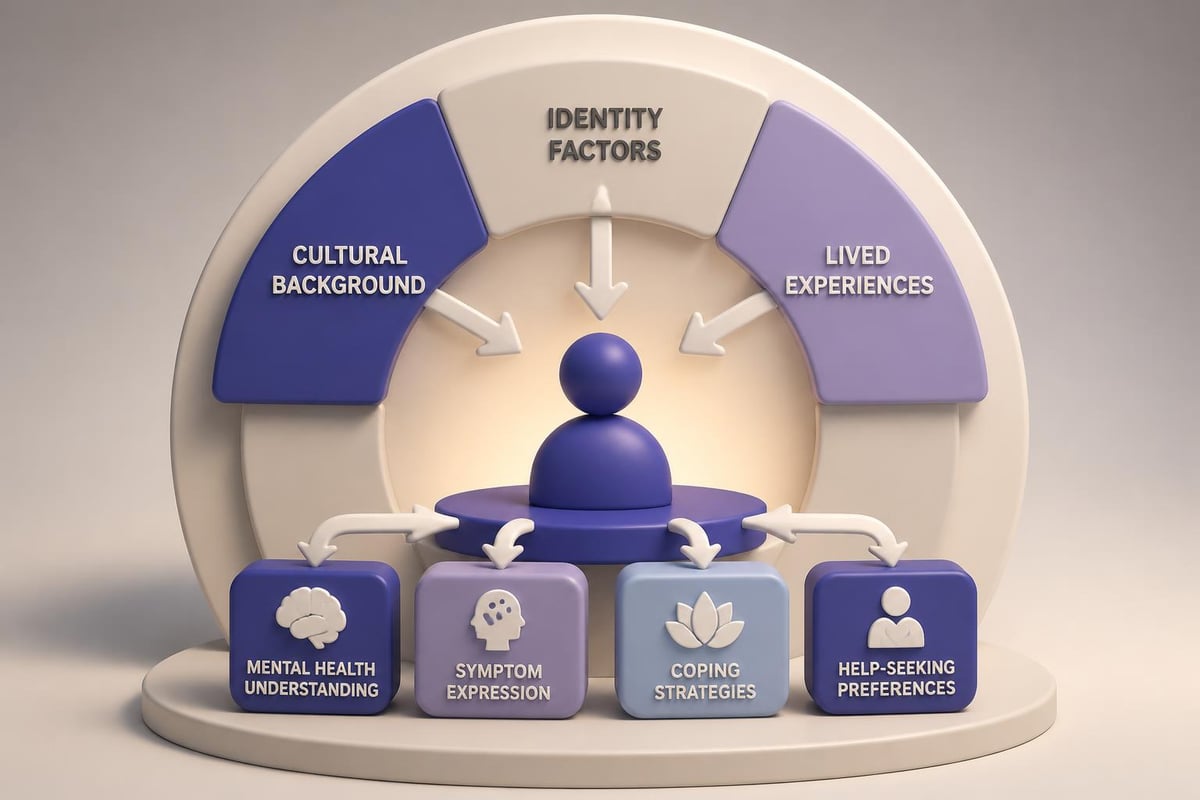 Cultural humility-the recognition that cultural learning is ongoing and that individuals are experts in their own experiences-provides a more dynamic approach than static cultural competence checklists. Managers practicing cultural humility ask questions, avoid assumptions, and adapt support strategies based on individual preferences and needs.
Addressing Stigma Across Cultural Contexts
Mental health stigma manifests differently across cultural groups, influenced by beliefs about mental illness, treatment acceptability, and community versus individual orientation. Awareness initiatives that acknowledge these variations while building inclusive support systems serve employees more effectively than one-size-fits-all approaches.
Successful organizations develop mental health awareness campaigns that feature diverse voices, incorporate multiple perspectives on wellbeing, and provide varied resource options that respect different cultural preferences regarding help-seeking and support.
Crisis Response and Suicide Prevention
While promoting positive mental health remains important, organizations must also prepare for mental health crises. Crisis response capabilities and suicide prevention awareness constitute essential topics for mental health awareness that every workplace should address.
Suicide represents a leading cause of death globally, with workplace factors sometimes contributing to risk. Managers trained in suicide prevention learn to recognize warning signs, initiate direct conversations about suicide, and connect individuals to appropriate crisis resources.
Warning signs warranting concern include:
- Direct or indirect references to suicide or death wishes
- Expressions of hopelessness or being a burden to others
- Social withdrawal or saying goodbye to colleagues
- Reckless behavior or giving away possessions
- Dramatic mood improvements following prolonged distress (potentially indicating decision to act)
The question-persuade-refer (QPR) model and similar frameworks provide structured approaches that non-clinical professionals can use when concerned about suicide risk. These models emphasize asking directly about suicide, listening without judgment, and connecting individuals to professional support rather than attempting to provide counseling.
Organizations should establish clear crisis response protocols, ensure widespread knowledge of emergency resources, and provide regular training updates to maintain preparedness. The mental health and resilience video resources available through specialized training platforms often include crisis response guidance suitable for workplace contexts.
Manager Training and Leadership Development
Manager capabilities represent perhaps the most leveraged topics for mental health awareness. Research consistently demonstrates that manager behaviors significantly influence employee mental health, stress levels, and wellbeing outcomes.
Mental health literacy for managers encompasses understanding common conditions, recognizing changes in team members, conducting supportive conversations, making appropriate accommodations, and connecting employees to resources. Beyond these foundational skills, advanced manager training addresses creating psychologically safe teams, managing workload distribution, and fostering inclusive environments.
| Manager Competency | Impact on Team Mental Health | Training Focus |
|---|---|---|
| Mental health literacy | Reduced stigma, earlier intervention | Recognition and response skills |
| Supportive communication | Increased disclosure, help-seeking | Conversation frameworks |
| Workload management | Decreased stress and burnout | Assessment and distribution strategies |
| Psychological safety | Enhanced wellbeing and performance | Team culture development |
| Accommodation knowledge | Successful return-to-work outcomes | Legal requirements and best practices |
Organizations investing in comprehensive manager training observe ripple effects throughout their workforce. Well-trained managers become force multipliers for mental health awareness, embedding supportive practices into daily operations rather than relegating mental health to specialized programs alone.
Leadership commitment extends beyond manager training to executive-level championing of mental health initiatives. When senior leaders openly discuss mental health, share personal experiences appropriately, and allocate resources to wellbeing initiatives, they signal organizational values that permission and encourage help-seeking at all levels.
Measuring Impact and Continuous Improvement
As organizations implement mental health awareness initiatives, measurement and evaluation become critical for demonstrating impact and guiding improvements. Topics for mental health awareness should include assessment methodologies that capture both process metrics and outcome indicators.
Key measurement domains include:
- Participation rates in training and programs
- Changes in mental health literacy and stigma
- Help-seeking behaviors and resource utilization
- Absenteeism and presenteeism patterns
- Employee engagement and satisfaction scores
- Psychological safety climate assessments
Sophisticated organizations move beyond simple satisfaction surveys to implement validated instruments measuring psychological climate, wellbeing indicators, and workplace functioning. Regular assessment cycles allow for data-driven refinement of mental health initiatives.
Continuous improvement approaches recognize that workplace mental health represents an ongoing journey rather than a destination. As workforce demographics shift, external stressors evolve, and scientific understanding advances, mental health awareness programs require regular updating to maintain relevance and effectiveness.
Organizations partnering with specialized training providers access expertise in program evaluation, outcome measurement, and evidence-based practice updates that keep initiatives aligned with current best practices.
Integration with Broader Wellbeing Strategies
Mental health awareness achieves maximum impact when integrated within comprehensive workplace wellbeing strategies rather than operating as an isolated initiative. Physical health, financial wellbeing, social connection, and purpose at work all interact with mental health in complex ways.
Holistic wellbeing frameworks recognize these interconnections, creating synergies between different program elements. For example, initiatives promoting physical activity can enhance mental health through neurobiological mechanisms and social connection opportunities. Similarly, financial wellness programs reduce a significant source of stress that impacts mental health.
Strategic integration ensures consistent messaging, reduces program fragmentation, and demonstrates organizational commitment to supporting the whole person. Human resources and organizational development professionals play key roles in designing and coordinating these integrated approaches.
The most advanced organizations embed mental health awareness into leadership development, onboarding processes, performance management systems, and organizational culture initiatives, ensuring that mental health considerations permeate all aspects of work rather than remaining confined to specialized programs.
Implementing comprehensive mental health awareness initiatives requires strategic planning, evidence-based approaches, and sustained organizational commitment. By addressing the diverse topics outlined here, workplace leaders can create environments that support employee mental health while enhancing organizational performance. Workplace Mental Health Institute provides specialized training programs, workplace assessments, and strategic consultation designed to help organizations develop and implement effective mental health awareness initiatives tailored to their unique contexts and workforce needs.

