
Organizations increasingly recognize that employee wellbeing directly influences productivity, retention, and workplace culture. A mental health workshop for employees represents a strategic investment in human capital, providing staff with practical knowledge and skills to navigate psychological challenges while fostering a culture of openness and support. These structured learning experiences go beyond awareness, equipping participants with evidence-based techniques to manage stress, recognize warning signs in themselves and colleagues, and access appropriate resources when needed.
Understanding the Purpose of Employee Mental Health Workshops
Mental health workshops serve multiple organizational objectives simultaneously. They educate employees about common psychological conditions, normalize conversations around mental wellbeing, and provide actionable strategies for maintaining psychological health in demanding work environments.
Core Learning Objectives
Effective workshops address specific competencies rather than presenting generic wellness information. Participants learn to identify early warning signs of burnout, anxiety, and depression through behavioral indicators. They develop vocabulary to articulate their experiences without clinical jargon, making psychological concepts accessible and applicable to daily situations.
Key workshop outcomes typically include:
- Recognition of stress responses and their impact on performance
- Practical self-care techniques applicable during work hours
- Understanding of organizational support mechanisms and resources
- Skills for supporting colleagues experiencing difficulties
- Strategies for boundary-setting and workload management
Research demonstrates that structured mental health education reduces presenteeism by 18-24% when combined with organizational policy changes. Workshops create shared language across teams, enabling more productive conversations about workload, deadlines, and capacity.
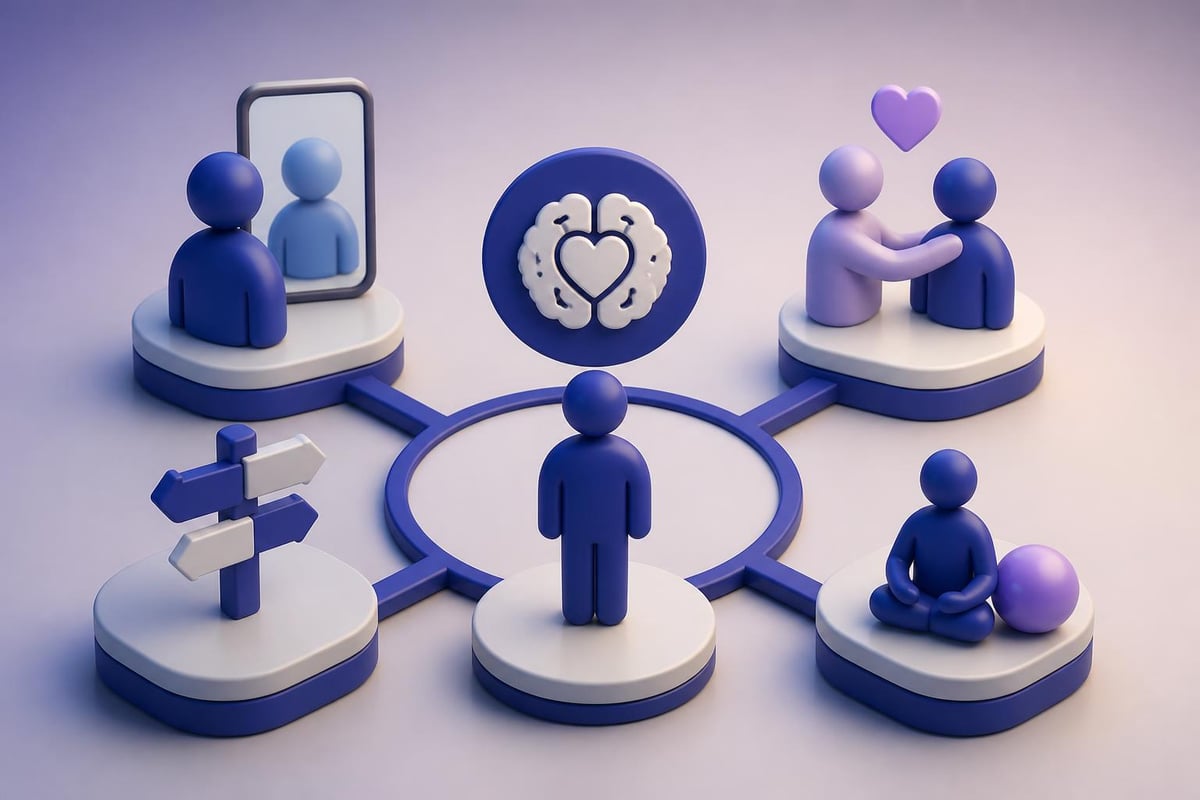
Addressing Workplace-Specific Stressors
Generic mental health content often fails to resonate with employees facing industry-specific pressures. The most effective workshops contextualize psychological concepts within participants’ actual work experiences, using scenarios that reflect their daily challenges.
Financial services employees face different stressors than healthcare workers or retail staff. Mental health training programs that acknowledge these distinctions create stronger engagement and practical application. Customization demonstrates organizational understanding of employee realities rather than offering one-size-fits-all solutions.
| Industry Sector | Common Stressors | Workshop Focus Areas |
|---|---|---|
| Healthcare | Compassion fatigue, shift work | Emotional regulation, recovery techniques |
| Technology | Rapid change, deadline pressure | Sustainable pace, digital boundaries |
| Customer Service | Emotional labor, conflict | De-escalation, psychological detachment |
| Manufacturing | Physical demands, safety concerns | Stress-injury connection, shift adaptation |
Designing Effective Workshop Content
Content structure significantly influences retention and behavioral change. Workshops should balance information delivery with interactive elements that promote skill development and peer connection.
Evidence-Based Components
Psychological education becomes meaningful when grounded in neuroscience and behavioral research. Explaining the physiological basis of stress responses helps employees understand their experiences as normal biological reactions rather than personal failures.
Effective workshops incorporate:
- Psychoeducation modules explaining how stress affects cognition, emotion, and physical health
- Skill-building exercises teaching breathing techniques, cognitive reframing, and grounding practices
- Case scenario discussions exploring realistic workplace situations and response options
- Resource mapping identifying internal and external support pathways
- Action planning creating personalized strategies for ongoing practice
The Canadian Mental Health Association’s approach demonstrates how practical techniques like mindfulness and stress management integrate effectively when connected to workplace contexts. Participants leave with concrete tools rather than abstract concepts.
Interactive Learning Methods
Passive lecture formats produce minimal behavior change. Adult learning principles emphasize experiential engagement, peer discussion, and immediate application.
High-impact workshop activities include:
- Small group discussions processing personal stress patterns
- Guided practice of relaxation techniques with real-time feedback
- Role-playing scenarios for supportive conversations
- Collaborative problem-solving around common workplace challenges
- Reflection exercises connecting workshop content to individual circumstances
Workshops lasting three to four hours can provide sufficient depth while maintaining participant engagement and avoiding information overload. Focused, interactive sessions that combine practical learning with discussion and activities can often be more effective than longer formats that may contribute to participant fatigue.
Implementation Strategies for Maximum Impact
Workshop effectiveness depends heavily on delivery context and organizational preparation. Even excellent content fails when implemented without strategic consideration of timing, participation, and follow-up.
Scheduling and Accessibility Considerations
Mental health workshop for employees initiatives succeed when they accommodate diverse schedules and learning preferences. Offering multiple session times, including options outside standard hours, ensures shift workers and part-time staff can participate.
Virtual delivery expands accessibility for remote teams and those with mobility challenges. However, in-person workshops often generate stronger peer connections and more comfortable skill practice. Hybrid approaches combining initial virtual psychoeducation with smaller in-person practice sessions optimize both reach and depth.
Organizations should consider:
- Running identical sessions across different weeks to maximize attendance
- Providing workshop materials in multiple formats (video, audio, written)
- Offering closed captioning and translation services for diverse workforces
- Creating optional drop-in practice sessions reinforcing workshop skills
- Establishing peer support groups extending workshop connections
Creating Psychological Safety
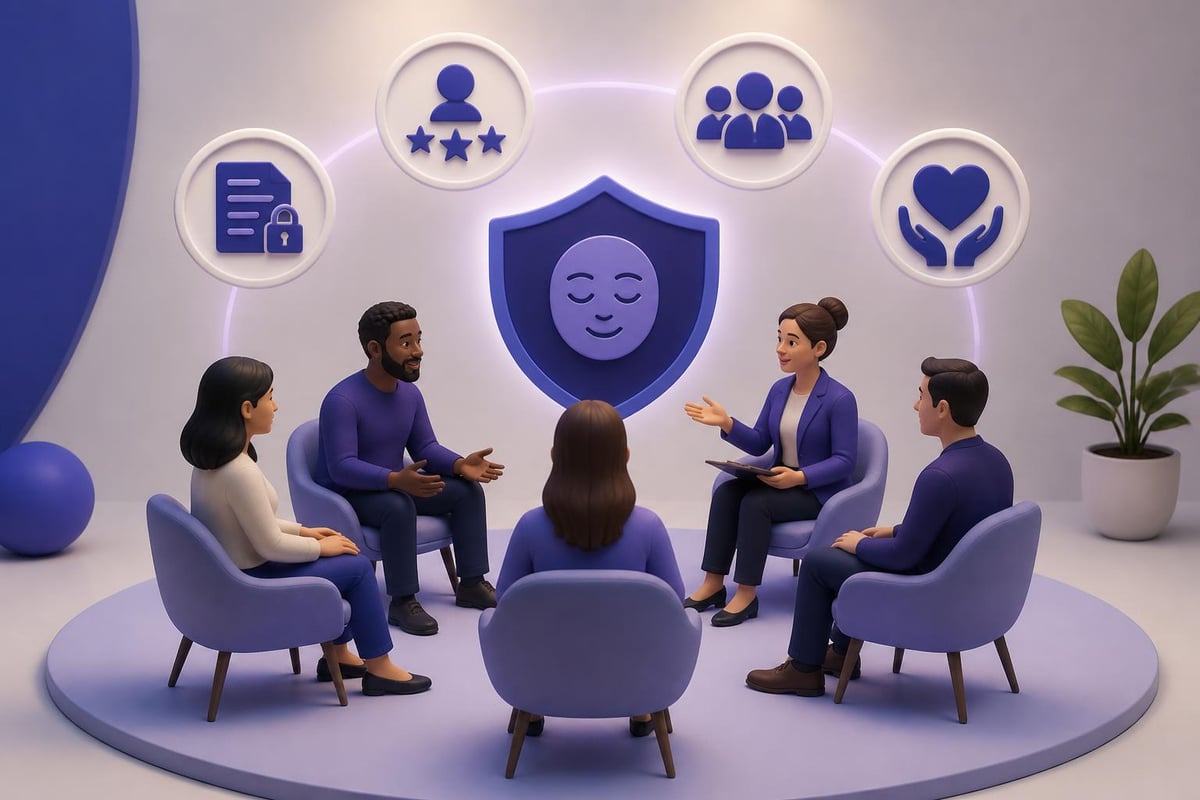
Employees hesitate to engage authentically when they fear judgment or professional consequences. Workshop facilitators must establish explicit confidentiality boundaries and normalize diverse experiences from the opening moments.
Leaders attending workshops should participate as learners rather than observers, modeling vulnerability and openness. When executives share their own stress management strategies, permission spreads throughout organizational hierarchies. Fostering open conversations about mental health requires consistent messaging that wellbeing discussions represent professional strength rather than weakness.
Measuring Workshop Effectiveness
Rigorous evaluation distinguishes performative wellness initiatives from genuine organizational commitment. Measurement frameworks should assess immediate learning, behavioral application, and longer-term cultural shifts.
Short-Term Assessment Methods
Post-workshop surveys capture participant reactions and knowledge gains. Effective instruments measure confidence in applying specific skills rather than generic satisfaction ratings.
Recommended evaluation metrics:
- Pre/post knowledge assessments on mental health literacy
- Confidence ratings for using specific coping techniques
- Likelihood of accessing organizational support resources
- Perception changes regarding workplace mental health culture
- Identification of most valuable workshop components
Qualitative feedback through open-ended questions often reveals unexpected insights about content relevance and delivery effectiveness. Anonymous submission encourages honest critique.
Longitudinal Outcome Tracking
Sustainable culture change requires monitoring beyond the workshop date. Organizations should establish baseline metrics before implementation and track trends quarterly.
| Metric Category | Specific Indicators | Measurement Method |
|---|---|---|
| Absenteeism | Mental health-related leave days | HR system analysis |
| Engagement | Psychological safety scores | Anonymous pulse surveys |
| Resource Utilization | EAP access rates, peer support participation | Program data |
| Skill Application | Stress management technique usage | Follow-up surveys at 30/90 days |
| Cultural Shift | Comfort discussing mental health | Team climate assessments |
Organizations tracking these indicators often discover that workshop impact extends beyond direct participants as attendees share strategies with colleagues. Building resilience at work requires systematic reinforcement rather than isolated training events.
Integrating Workshops Into Broader Wellness Strategies
Standalone workshops generate temporary awareness spikes that fade without organizational reinforcement. Sustainable mental health cultures embed workshop learnings into daily operations, policies, and leadership practices.
Complementary Organizational Initiatives
Mental health workshop for employees programs achieve maximum impact when coordinated with parallel efforts addressing structural and cultural factors.
Essential supporting elements include:
- Manager training on recognizing distress signals and conducting supportive conversations
- Policy updates ensuring workload expectations align with sustainable performance
- Environmental modifications creating spaces for brief recovery breaks
- Communication campaigns normalizing mental health discussions beyond workshop contexts
- Resource expansion improving access to counseling, coaching, and peer support
Comprehensive mental health training addresses multiple organizational levels simultaneously, ensuring consistent messaging and coordinated support systems. Employees notice when workshop rhetoric contradicts daily operational realities.
Specialized Workshops for Different Cohorts
While general employee workshops build foundational literacy, targeted programs for specific groups address unique challenges and responsibilities. Tailored workshops for different organizational cohorts recognize that frontline staff, middle managers, and senior leaders require distinct competencies.
New employees benefit from workshops integrated into onboarding, establishing mental health awareness as a core organizational value from day one. Returning employees after extended leave need transition-focused content addressing re-entry anxieties and sustainable comeback pacing.
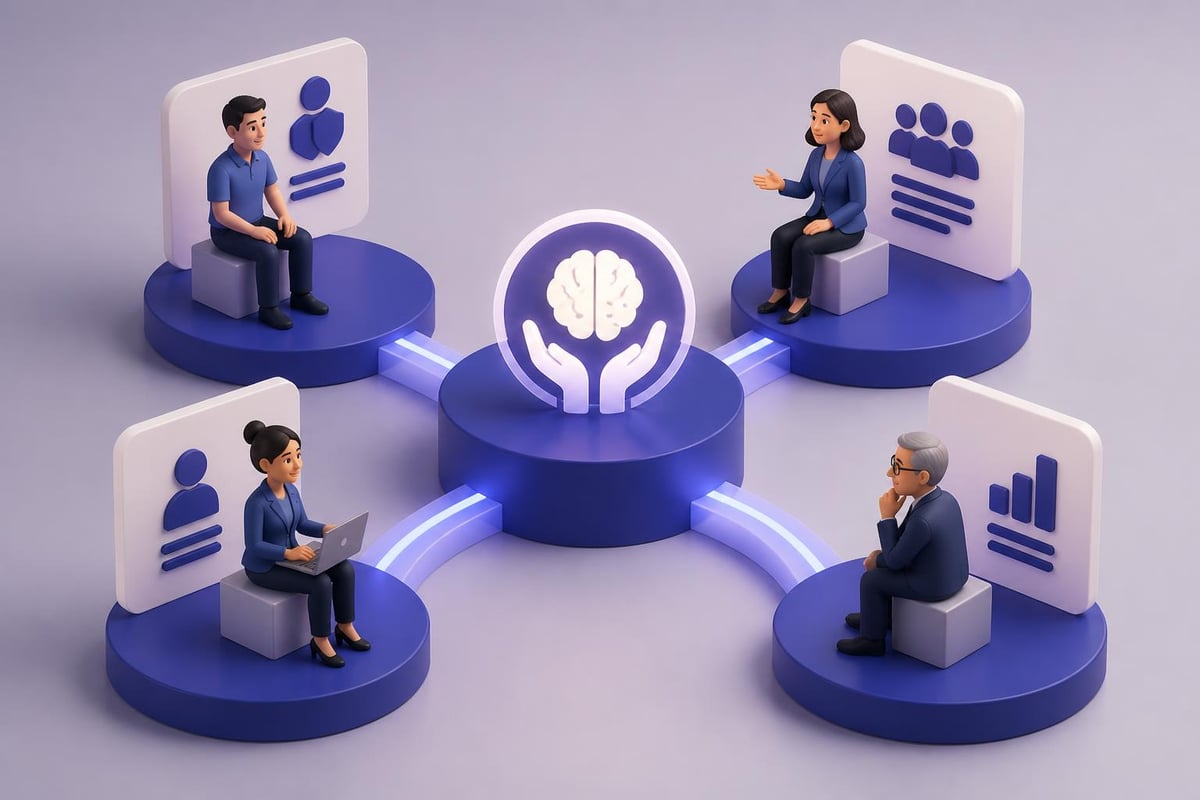
Industry-specific workshop variations can be particularly valuable because they allow mental health education to reflect the challenges, workplace environments, and support needs of different sectors. Tailoring content to specific workforce contexts can make training more relevant and practical, while helping employees and managers better understand appropriate support strategies, workplace adjustments, and available resources.
Addressing Common Implementation Challenges
Organizations frequently encounter obstacles when launching mental health workshop initiatives. Anticipating these barriers enables proactive solution development.
Participation Resistance
Some employees view mental health workshops as unnecessary, stigmatizing, or professionally risky. Others question whether organizations genuinely support wellbeing or simply seek to reduce sick leave costs.
Strategies to increase engagement:
- Frame workshops as professional development rather than remedial intervention
- Emphasize skill-building and performance enhancement alongside wellbeing
- Share anonymized success stories from previous participants
- Provide explicit confidentiality protections and attendance privacy
- Secure visible executive sponsorship signaling organizational commitment
Mandatory attendance generates compliance but often reduces authentic engagement. Voluntary participation combined with strong encouragement through multiple channels typically produces better outcomes.
Resource Constraints
Budget limitations and competing priorities sometimes relegate mental health workshops to optional initiatives that never receive adequate investment. Organizations question ROI when benefits appear intangible or delayed.
Cost-benefit analyses should quantify mental health workshop for employees programs against turnover, disability claims, and productivity losses. Conservative estimates suggest every dollar invested in workplace mental health generates $2-4 in organizational value through reduced absenteeism and improved performance.
Partnerships with external providers like those offering mental wellness awareness workshops can provide cost-effective solutions when internal expertise remains limited. These specialized organizations bring evidence-based curriculum and experienced facilitators without requiring permanent staffing increases.
Emerging Trends in Mental Health Workshop Delivery
Workplace mental health education continues evolving as research advances and workforce demographics shift. Contemporary approaches incorporate technology, personalization, and continuous learning models.
Digital and Hybrid Learning Formats
Self-paced eLearning modules enable employees to engage with content during optimal personal times while maintaining consistency across dispersed teams. Interactive eLearning programs using scenario-based learning create engagement comparable to live workshops when designed thoughtfully.
Blended approaches combining asynchronous foundational content with live skill practice sessions optimize both efficiency and experiential depth. Employees complete psychoeducation modules independently, then attend virtual or in-person sessions focused entirely on technique practice and peer discussion.
Advantages of hybrid delivery:
- Greater scheduling flexibility accommodating diverse work patterns
- Consistent content delivery across global locations and time zones
- Ability to revisit materials when facing relevant situations
- Reduced time away from operational responsibilities
- Personalized pacing based on individual learning speeds
Microlearning and Ongoing Reinforcement
Single workshop events produce knowledge spikes that decline rapidly without reinforcement. Microlearning approaches deliver brief, focused content regularly throughout the year, maintaining awareness and encouraging consistent practice.
Organizations increasingly supplement quarterly workshops with monthly 15-minute sessions addressing specific topics like sleep hygiene, boundary-setting, or social connection. These touchpoints reinforce core concepts while introducing advanced strategies progressively.
Mobile applications can deliver daily micro-practices, evidence-based tips, and mood tracking tools extending workshop learnings into everyday routines. However, technology should augment rather than replace human connection and organizational culture change.
Connecting Workshops to Performance and Business Outcomes
Executive support for mental health initiatives strengthens when workshops clearly connect to organizational objectives beyond compliance or reputation management.
Productivity and Innovation Links
Psychological wellbeing directly influences cognitive performance, creativity, and problem-solving capacity. Employees experiencing chronic stress demonstrate reduced working memory, impaired decision-making, and diminished innovative thinking.
Mental health workshops teaching stress management and recovery techniques enable employees to maintain cognitive performance during demanding periods. Organizations report that teams applying workshop skills demonstrate greater adaptability when facing unexpected challenges or rapid change.
Performance benefits documented across industries:
- 12-18% improvement in concentration and task completion rates
- 25% reduction in decision-making errors during high-pressure situations
- Enhanced collaboration and reduced interpersonal conflict
- Greater willingness to experiment and learn from failures
- Improved customer service quality and stakeholder relationships
Retention and Talent Attraction
Skilled professionals increasingly evaluate potential employers based on mental health support quality. Organizations offering comprehensive wellbeing programs, including regular mental health workshop for employees sessions, gain competitive advantage in tight labor markets.
Turnover analysis frequently reveals that psychological safety and wellbeing support rank among top retention factors, particularly for millennials and Generation Z workers. Workshop investments signal organizational values that resonate with these demographic groups.
Exit interview data from organizations implementing robust mental health programs shows significant decreases in departures citing burnout, stress, or unsupportive culture. The cost savings from reduced turnover typically exceed workshop expenses within the first year.
Customization for Organizational Culture and Industry Context
Template workshops rarely generate transformative impact. Effective programs reflect organizational values, acknowledge industry-specific realities, and align with existing culture while gently challenging unhelpful norms.
Cultural Adaptation Considerations
Multinational organizations must consider cultural variations in mental health perspectives, help-seeking behaviors, and communication preferences. Workshop content requiring vulnerability and emotional expression may need adjustment for cultures emphasizing privacy or stoicism.
Language accessibility extends beyond translation to include culturally relevant examples and scenarios. Facilitators should demonstrate awareness of diverse family structures, religious perspectives on suffering, and varying attitudes toward professional help.
Cultural sensitivity practices:
- Including diverse representation in workshop development teams
- Pilot-testing content with employee resource groups
- Offering multiple participation formats accommodating communication preferences
- Acknowledging cultural strengths in coping and community support
- Avoiding assumptions about universal applicability of Western psychological frameworks
Industry-Specific Risk Factors
High-stress industries like emergency services, healthcare, and finance face elevated mental health risks requiring specialized attention. Workshops for these sectors should address trauma exposure, moral injury, and the unique pressures of life-or-death decision-making or financial responsibility.
Similarly, industries facing significant disruption benefit from workshops specifically addressing change-related stress, job security concerns, and uncertainty tolerance. Acknowledging these contextual realities builds credibility and relevance rather than appearing disconnected from employee experiences.
Organizations can consult resources across various sectors to understand diverse workplace needs-for instance, even communities focused on specialized domains like ecommerce professionals connecting through platforms such as Talk Shop recognize that mental health considerations apply across all professional contexts, from developers managing deadline pressure to entrepreneurs navigating growth challenges.
Investing in comprehensive mental health workshops creates measurable improvements in employee wellbeing, organizational culture, and business performance when implemented strategically with ongoing reinforcement. These structured learning experiences provide employees with psychological literacy, practical skills, and confidence to navigate workplace stressors while supporting colleagues facing challenges. Workplace Mental Health Institute delivers evidence-based training programs tailored to organizational contexts, combining expert facilitation with practical tools that translate workshop learning into sustained cultural transformation and improved workplace outcomes.

