
Workplace challenges continue to intensify across industries, with employees facing unprecedented levels of complexity, uncertainty, and change. Building resilience at work has become essential for organizational success, moving beyond individual coping mechanisms to encompass team dynamics and systemic support structures. Organizations that prioritize resilience development create environments where employees can navigate adversity, maintain performance during disruption, and recover from setbacks with greater psychological strength and adaptability.
Understanding Resilience at Work as a Multi-Level Process
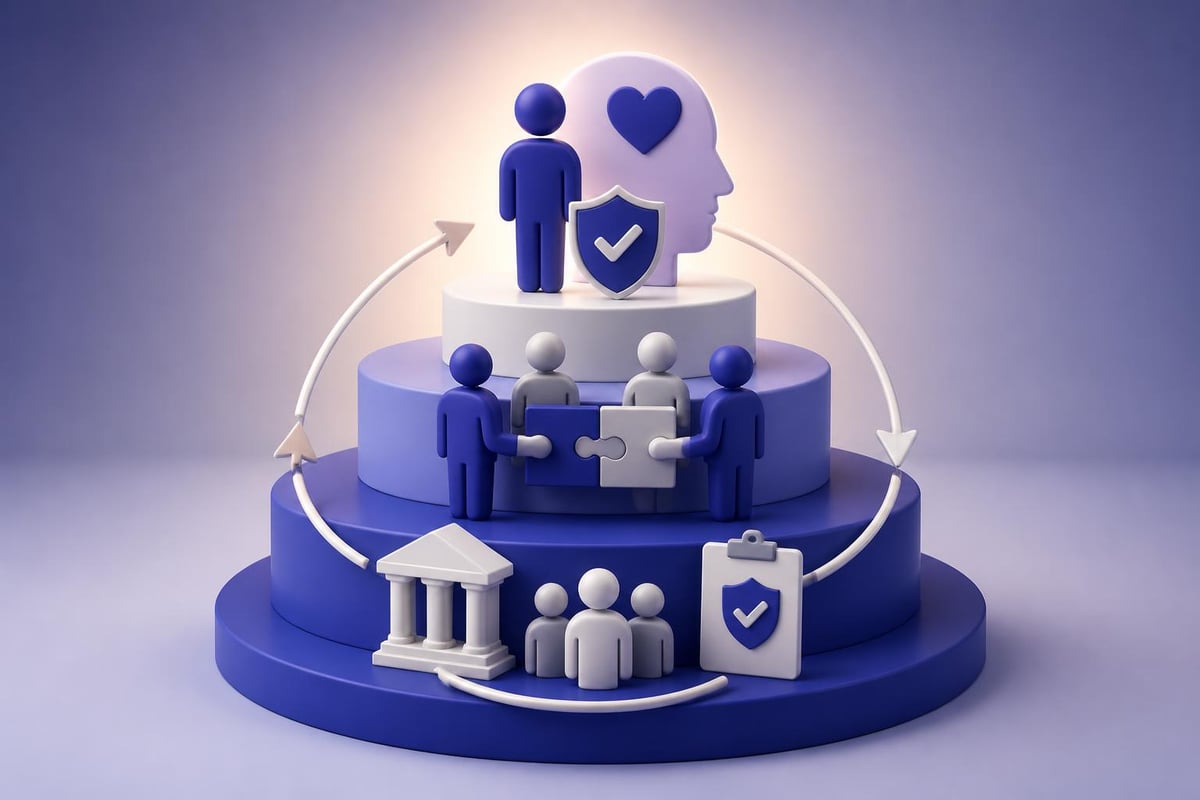
Resilience at work extends far beyond personal toughness or the ability to endure difficult conditions. Modern research conceptualizes workplace resilience as a dynamic, multi-level process that integrates individual capabilities, team interactions, and organizational structures. This comprehensive framework recognizes that workplace resilience operates across multiple interconnected systems, each contributing to an employee's capacity to manage stress, adapt to change, and maintain wellbeing.
The Three Levels of Workplace Resilience
Individual resilience forms the foundation, encompassing personal psychological resources such as self-efficacy, emotional regulation, and adaptive thinking patterns. Employees with strong individual resilience demonstrate greater ability to reframe challenges, maintain perspective during setbacks, and recover from stressful events.
Team resilience represents the collective capacity of work groups to coordinate effectively, support one another during difficulties, and maintain cohesion under pressure. Teams with high resilience share responsibilities, communicate openly about challenges, and develop shared strategies for managing adversity.
Organizational resilience reflects systemic factors including leadership practices, cultural norms, resource availability, and structural supports that enable employees to thrive despite challenges. Organizations demonstrating strong resilience invest in preventive mental health strategies, provide adequate recovery time, and create psychologically safe environments.
Evidence-Based Components of Workplace Resilience
Research identifies specific elements that contribute to resilience at work, providing actionable targets for development programs and organizational interventions. Understanding these components enables leaders and human resources professionals to design effective support systems tailored to their workforce needs.
| Resilience Component | Individual Level | Team Level | Organizational Level |
|---|---|---|---|
| Psychological Safety | Self-compassion, growth mindset | Open communication, trust | Non-punitive culture, learning orientation |
| Social Connection | Relationship skills, empathy | Mutual support, collaboration | Community-building initiatives, mentoring |
| Adaptive Capacity | Flexibility, problem-solving | Coordinated responses, innovation | Change management processes, agility |
| Resource Access | Personal strengths, skills | Shared knowledge, peer support | Training programs, wellbeing services |
| Recovery Mechanisms | Boundary-setting, self-care | Workload distribution, backup systems | Leave policies, wellness initiatives |
Building Psychological Flexibility
Psychological flexibility represents a cornerstone of resilience at work. This capacity involves accepting difficult emotions without avoidance, staying present with challenging experiences, and taking values-aligned action despite discomfort. Employees with greater psychological flexibility demonstrate reduced burnout, improved job satisfaction, and enhanced performance during organizational change.
Practical applications include:
- Mindfulness-based attention training to enhance present-moment awareness
- Values clarification exercises that connect daily work to meaningful purposes
- Cognitive defusion techniques that reduce the impact of unhelpful thoughts
- Acceptance strategies for managing uncomfortable emotions without suppression
Organizations can integrate psychological flexibility training into comprehensive employee programs that build sustainable mental health capabilities across the workforce.
Developing Resilience Through Structured Interventions
The effectiveness of resilience-building programs in workplace settings has been demonstrated through systematic research. Meta-analytic evidence confirms that targeted interventions can successfully develop resilience, with programs showing measurable improvements in stress management, psychological wellbeing, and work performance when properly designed and implemented.
Key Elements of Effective Resilience Programs
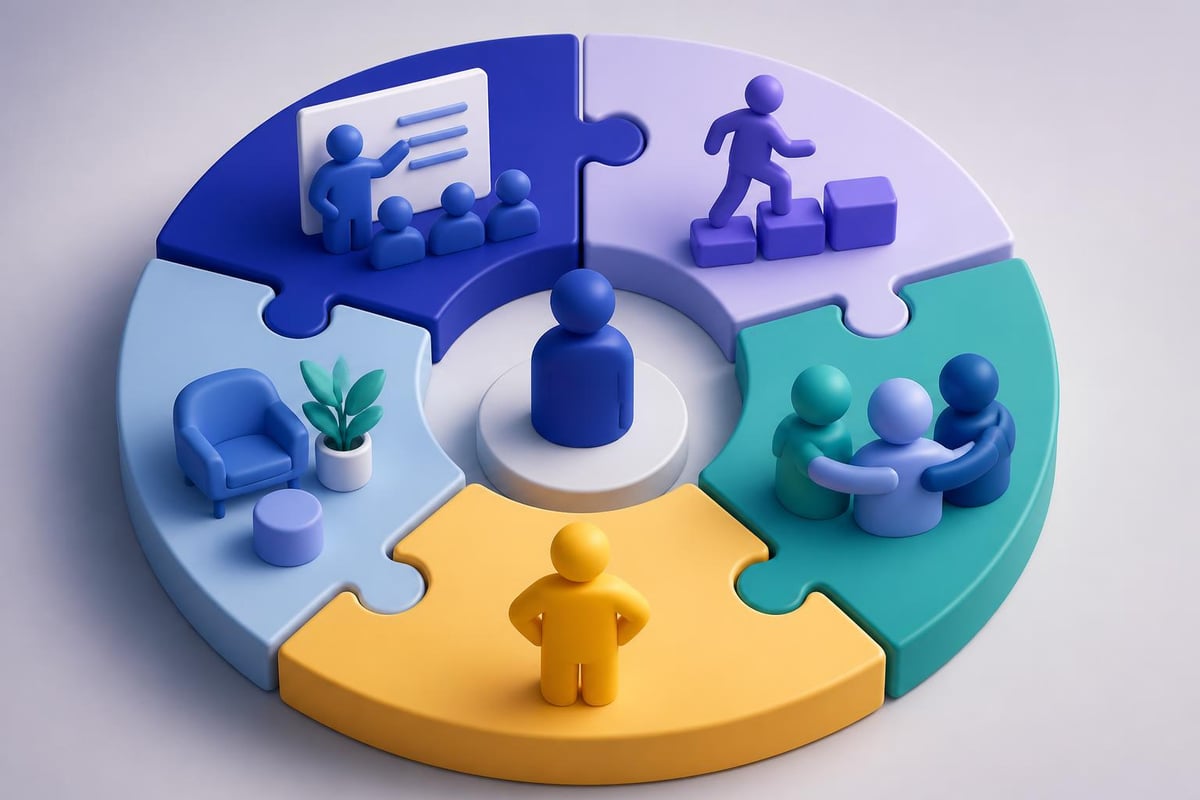
Successful interventions share common characteristics that maximize their impact on workplace mental health. Programs achieve the strongest outcomes when they combine skills training with environmental modifications and ongoing practice opportunities.
- Skills-based learning modules that teach specific techniques for stress management, emotional regulation, and adaptive thinking
- Practice assignments that encourage application of new skills in real workplace situations
- Peer support structures that create accountability and normalize resilience-building efforts
- Leadership involvement that models resilience behaviors and reinforces program messages
- Environmental assessments that identify and address systemic barriers to wellbeing
- Follow-up sessions that sustain learning and address implementation challenges
Online Resilience Interventions
Digital delivery formats have expanded access to resilience training while maintaining program effectiveness. Research examining online resilience interventions, including studies of programs like SPARK Resilience during the COVID-19 pandemic, demonstrates that well-designed digital programs can significantly enhance employee wellbeing, reduce stress, and build protective psychological resources even in high-pressure environments.
Online programs offer distinct advantages including scalability across distributed workforces, self-paced learning options, and reduced barriers to participation. Organizations can access comprehensive training through platforms like WMHI Online that deliver evidence-informed content in flexible formats.
Resilience in High-Pressure Environments
Certain industries and roles face disproportionate mental health challenges, requiring specialized approaches to resilience development. Healthcare settings, emergency services, and high-stakes professional environments demand particular attention to trauma-informed practices and crisis-responsive support systems.
Healthcare Workforce Resilience
Hospital staff and healthcare professionals operate within environments characterized by high emotional demands, exposure to trauma, and resource constraints. Research examining resilience among hospital workers during crises reveals critical relationships between threat perceptions, individual resilience, and workplace support systems that influence overall wellbeing and job performance.
Healthcare organizations must address multiple risk factors simultaneously:
- Moral distress arising from ethical dilemmas and resource limitations
- Vicarious trauma from repeated exposure to patient suffering
- Operational pressures including understaffing and extended shifts
- Infection risks and personal safety concerns
- Grief accumulation from patient deaths and adverse outcomes
Effective interventions in healthcare settings integrate individual resilience skills with systemic changes that reduce unnecessary stressors, improve staffing ratios, and create structured peer support mechanisms.
Manager Capabilities for Supporting Team Resilience
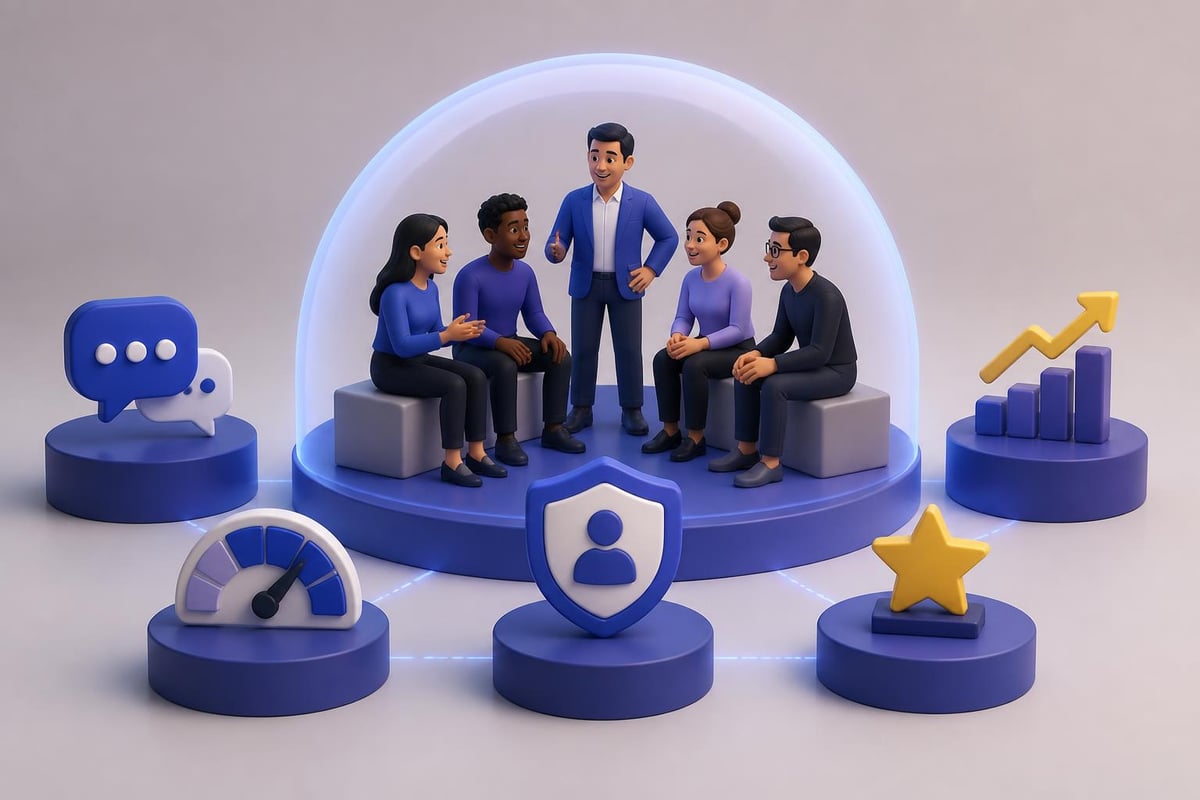
Leaders play pivotal roles in creating conditions that enable resilience at work. Manager behaviors, communication patterns, and support practices directly influence team members' psychological safety, stress levels, and capacity to navigate challenges effectively.
Leadership Practices That Build Resilience
| Practice Area | Specific Actions | Impact on Team Resilience |
|---|---|---|
| Psychological Safety | Welcome questions, acknowledge mistakes, encourage experimentation | Reduces fear of failure, promotes learning, enables innovation |
| Transparent Communication | Share challenges openly, explain decisions, provide context | Decreases uncertainty, builds trust, facilitates adaptation |
| Workload Management | Monitor demands, redistribute tasks, protect recovery time | Prevents burnout, sustains performance, supports wellbeing |
| Recognition Systems | Acknowledge efforts, celebrate progress, validate experiences | Enhances motivation, reinforces positive behaviors, builds confidence |
| Development Investment | Provide training, create growth opportunities, support skill-building | Increases capability, demonstrates commitment, expands resources |
Managers benefit from specialized training that develops their capacity to recognize early warning signs of distress, conduct supportive conversations about mental health, and implement team-level interventions. Programs such as the Leaders Masterclass equip managers with practical frameworks for building psychologically healthy teams.
Recognizing and Responding to Team Distress
Early identification of declining team resilience enables timely intervention before crises develop. Leaders should monitor patterns including increased absenteeism, communication breakdowns, reduced collaboration, declining work quality, and heightened interpersonal conflicts.
Effective response strategies include:
- Conducting confidential check-ins with team members to assess wellbeing
- Facilitating team discussions about workload distribution and support needs
- Adjusting timelines or priorities to reduce unnecessary pressure
- Connecting employees with professional support resources
- Implementing temporary workflow modifications during high-stress periods
Organizational Culture and Systemic Resilience
Individual and team resilience ultimately depend on organizational environments that either support or undermine mental health. Culture shapes whether employees feel safe seeking help, how challenges are discussed, and what recovery mechanisms exist when difficulties arise.
Cultural Attributes of Resilient Organizations
Resilient organizations cultivate specific cultural characteristics that protect employee wellbeing while maintaining high performance standards. These attributes emerge from consistent leadership practices, policy frameworks, and resource allocation decisions.
Core cultural elements include:
- Help-seeking normalization where requesting support is viewed as professional strength rather than weakness
- Failure tolerance that treats mistakes as learning opportunities within accountability frameworks
- Work-life integration supporting sustainable performance through boundary respect and recovery time
- Collective efficacy fostering belief in the team's capacity to overcome challenges together
- Continuous improvement incorporating wellbeing metrics into performance measurement systems
Implementing Systemic Supports
Organizations translate resilience priorities into practical reality through policy development, resource provision, and accountability structures. Effective implementation requires commitment from senior leadership, adequate budget allocation, and integration with existing human resources processes.
- Conduct baseline assessments measuring current resilience levels, stressor exposure, and support system effectiveness
- Develop comprehensive wellbeing strategies addressing prevention, early intervention, and crisis response
- Establish clear accountability for mental health outcomes at leadership levels
- Allocate dedicated resources for training, programs, and professional support services
- Create measurement frameworks tracking resilience indicators and intervention effectiveness
- Implement regular review cycles adjusting strategies based on outcome data
Measuring Resilience Outcomes
Effective resilience initiatives require robust measurement systems that track progress, identify areas needing adjustment, and demonstrate return on investment. Organizations should implement multi-method assessment approaches capturing both individual and organizational outcomes.
Individual-Level Metrics
- Validated resilience scale scores measuring psychological resources and adaptive capacity
- Stress perception ratings tracking subjective experience of work demands
- Burnout inventory results assessing emotional exhaustion and depersonalization
- Engagement surveys evaluating vigor, dedication, and absorption in work
- Mental health screening outcomes identifying at-risk individuals requiring additional support
Organizational-Level Indicators
| Metric Category | Specific Measures | Interpretation Guidelines |
|---|---|---|
| Productivity | Output quality, efficiency ratings, goal achievement | Higher resilience correlates with sustained performance |
| Retention | Voluntary turnover rates, tenure patterns, exit interview themes | Resilient cultures show improved retention |
| Absence | Sick leave frequency, duration patterns, return-to-work success | Lower absence indicates effective prevention |
| Safety | Incident rates, near-miss reporting, injury severity | Resilience reduces safety incidents |
| Healthcare Costs | Claims data, utilization patterns, preventive service uptake | Wellbeing investment reduces downstream costs |
Regular monitoring enables organizations to refine resilience strategies, allocate resources effectively, and demonstrate the business value of mental health investments to stakeholders.
Tailoring Approaches to Workforce Diversity
Effective resilience at work recognizes that employees bring diverse backgrounds, experiences, and needs that influence their vulnerability to stress and response to interventions. One-size-fits-all approaches miss opportunities to provide targeted support for specific populations facing unique challenges.
Demographic and Contextual Considerations
Different workforce segments experience distinct stressors requiring customized resilience-building approaches. Early-career employees may need stronger emphasis on skill development and confidence-building, while experienced workers might benefit more from workload management and purpose reconnection.
Remote and hybrid workers face isolation risks, technology fatigue, and boundary-setting challenges distinct from office-based colleagues. Parents managing caregiving responsibilities require flexibility, understanding, and practical support systems. Employees from underrepresented groups often navigate additional stressors including discrimination, microaggressions, and belonging concerns.
Tailored strategies include:
- Employee resource groups providing peer connection and specialized support
- Flexible intervention formats accommodating varied schedules and learning preferences
- Culturally responsive content reflecting diverse perspectives and experiences
- Accessibility features ensuring programs reach employees with disabilities
- Multilingual resources supporting linguistic diversity
Building resilience at work requires coordinated effort across individual, team, and organizational levels, integrating evidence-based interventions with systemic cultural change. Organizations that invest strategically in comprehensive resilience development create sustainable competitive advantages through enhanced employee wellbeing, reduced turnover, and improved performance during inevitable challenges. Workplace Mental Health Institute provides specialized training programs, assessments, and strategic consultation designed to build resilience capabilities across your workforce, equipping managers and employees with practical skills to thrive in demanding professional environments.

