
The mental health landscape within organizations has undergone a fundamental transformation. Where workplace wellbeing was once considered a peripheral concern, it has become a critical business imperative that directly impacts productivity, retention, and organizational culture. Corporate mental health training represents a strategic investment in human capital, equipping managers and employees with the knowledge, skills, and confidence to recognize mental health challenges, respond appropriately, and foster psychologically safe work environments. As organizations navigate hybrid work models, increasing workplace stress, and evolving employee expectations, structured mental health training has become an essential component of sustainable workforce development.
The Business Case for Mental Health Training
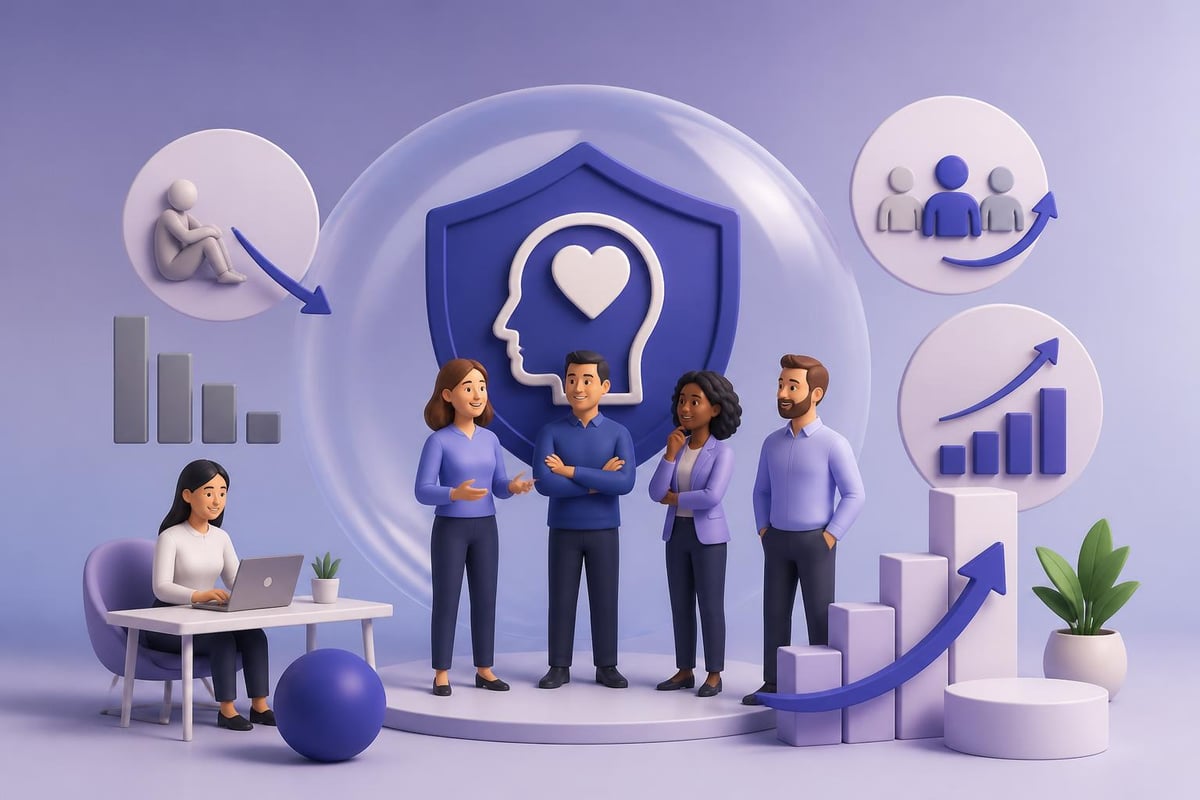
Organizations that implement comprehensive corporate mental health training programs typically see measurable improvements across multiple performance indicators. Research consistently demonstrates that untreated mental health conditions cost businesses billions annually through absenteeism, presenteeism, and turnover.
Key business benefits include:
- Reduced absenteeism rates by 20-30% when managers can identify early warning signs
- Decreased workers’ compensation claims related to psychological injury
- Improved employee retention through demonstrated organizational care
- Enhanced team performance through better psychological safety
- Stronger employer brand positioning in competitive talent markets
Beyond these tangible outcomes, training creates a cultural foundation where mental health discussions become normalized rather than stigmatized. When leaders model vulnerability and employees feel safe disclosing struggles, organizations unlock previously hidden barriers to performance. Programs offered by providers like Mental Health First Aid at Work demonstrate how structured training increases workplace morale and supports team cultures across diverse industries.
The economic argument becomes even more compelling when considering prevention. Early intervention through trained personnel can prevent escalation of mental health challenges that might otherwise result in extended leave, disability claims, or permanent workforce exit.
Core Components of Effective Training Programs
High-quality corporate mental health training extends beyond superficial awareness sessions. Evidence-based programs incorporate multiple dimensions of mental health literacy, practical skill development, and organizational integration.
Foundational Mental Health Literacy
Participants must develop accurate understanding of common mental health conditions including depression, anxiety disorders, post-traumatic stress, and substance use challenges. This foundation dispels myths, reduces stigma, and creates shared language across the organization.
Effective literacy training covers prevalence data, symptom recognition, and the continuum model of mental health. Rather than binary “ill or well” thinking, employees learn that mental health exists on a spectrum where everyone’s position fluctuates based on numerous factors.
Conversation Skills and Response Protocols
Knowing about mental health differs fundamentally from knowing how to respond when a colleague exhibits distress. Training must bridge this gap through role-play scenarios, conversation frameworks, and boundary-setting guidance.
| Skill Area | Training Focus | Practical Application |
|---|---|---|
| Initial Approach | Non-judgmental language, choosing appropriate timing | Opening conversations about observed changes |
| Active Listening | Reflective responses, avoiding problem-solving mode | Creating space for employees to share experiences |
| Resource Connection | Understanding internal and external support pathways | Directing colleagues to EAP, mental health professionals |
| Follow-Up | Maintaining appropriate contact without overstepping | Demonstrating ongoing care while respecting privacy |
Organizations implementing trauma-informed care training report that employees feel more confident addressing mental health concerns after practicing these skills in safe learning environments.
Manager-Specific Capabilities
Managers occupy a unique position in the mental health ecosystem. They require specialized training beyond what general employees receive, focusing on legal responsibilities, accommodation processes, and performance management considerations.
Manager training should address:
- Recognizing performance issues versus mental health symptoms
- Conducting sensitive return-to-work conversations
- Understanding accommodation obligations under relevant legislation
- Balancing team needs with individual support requirements
- Managing their own mental health amid caregiving responsibilities
The National Alliance on Mental Illness business training programs emphasize suicide prevention and mental wellness promotion as critical manager competencies that protect both individuals and organizations.
Implementing Training Across Organizational Levels
Successful corporate mental health training requires strategic implementation that reaches all organizational levels while respecting different learning needs and role requirements.
Needs Assessment and Program Design
Before launching training, organizations benefit from comprehensive wellbeing assessments that identify specific challenges, existing resources, and cultural factors influencing mental health. This diagnostic phase ensures training addresses actual needs rather than generic content.
Assessment methodologies include employee surveys, focus groups with diverse workforce segments, analysis of absenteeism patterns, and review of existing policies. Data gathered during this phase shapes curriculum customization, delivery formats, and success metrics.
Delivery Models and Accessibility
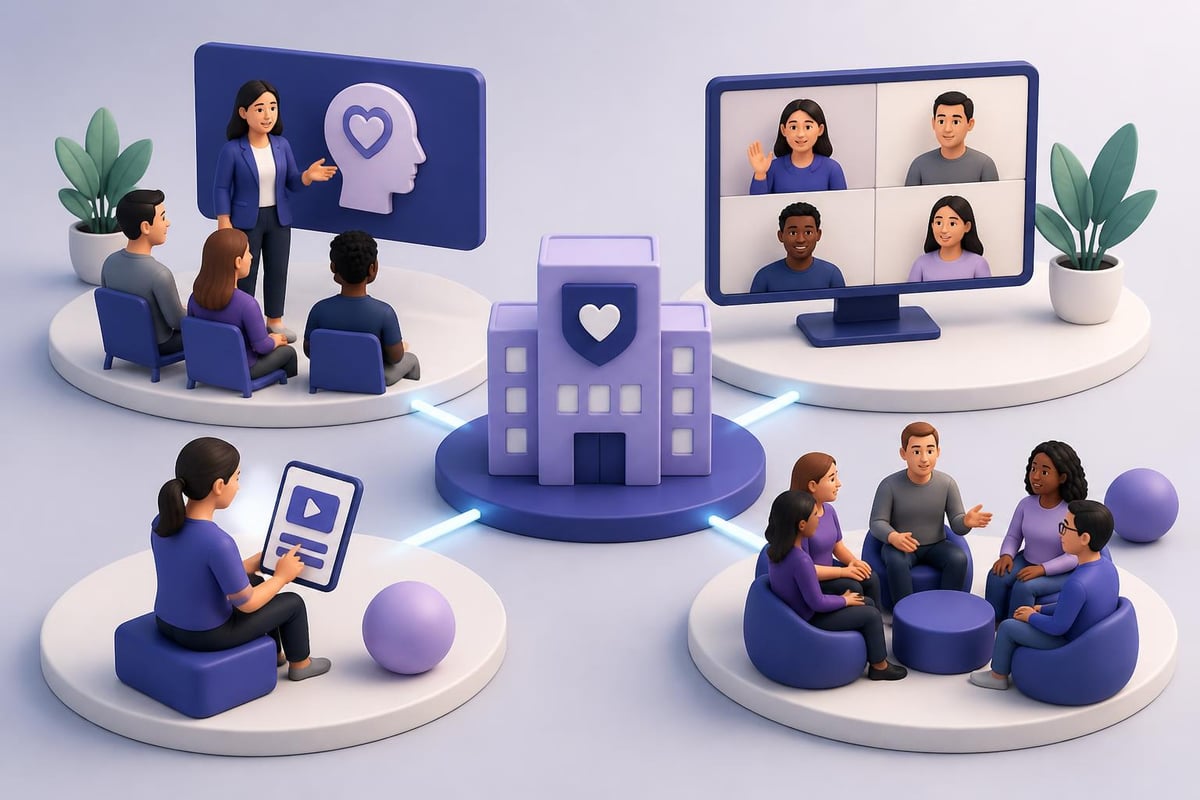
Modern training delivery must accommodate distributed workforces, varying learning preferences, and operational constraints. Blended approaches combining live instruction with digital resources maximize accessibility while maintaining engagement.
Effective delivery options:
- In-person workshops providing hands-on skill practice and peer connection
- Virtual instructor-led sessions reaching remote teams with interactive elements
- Microlearning modules delivering bite-sized content through learning management systems
- Team-based learning integrating mental health discussions into existing meetings
- Leadership cohorts creating safe spaces for senior leaders to develop skills
Platforms like MindWell U offer targeted programs including daily stress-reduction tools that complement formal training initiatives. Organizations increasingly adopt multi-modal approaches recognizing that single-session workshops rarely create lasting behavior change.
Measurement and Continuous Improvement
Training effectiveness requires ongoing evaluation beyond participant satisfaction scores. Comprehensive measurement frameworks track behavioral change, organizational outcomes, and cultural shifts over time.
Key performance indicators might include manager confidence ratings, time-to-intervention metrics, utilization of support resources, psychological safety scores, and correlation with broader wellbeing data. Organizations achieve best results when they treat training as an iterative process, refining content based on participant feedback and outcome data.
The online courses offered through specialized platforms often include built-in assessment tools that track knowledge retention and skill application across training cohorts.
Addressing Common Implementation Challenges
Organizations frequently encounter predictable obstacles when launching corporate mental health training programs. Anticipating these challenges enables proactive mitigation strategies.
Overcoming Stigma and Resistance
Despite growing awareness, stigma remains a significant barrier in many workplace cultures. Some employees fear that acknowledging mental health concerns will impact career progression or colleague perceptions.
Leadership participation becomes critical for stigma reduction. When executives share their own mental health journeys or visibly engage with training, they signal organizational commitment beyond compliance requirements. Champions at all levels-not just HR-help normalize conversations and model help-seeking behavior.
Creating psychological safety requires consistent messaging that mental health challenges represent normal human experiences rather than character flaws or performance deficits. Training content should emphasize recovery, resilience, and the biological basis of mental health conditions.
Ensuring Cultural Competence
Mental health experiences and help-seeking behaviors vary significantly across cultural backgrounds. Generic training risks alienating employees whose cultural frameworks shape how they understand and express psychological distress.
Culturally responsive training includes:
- Diverse case studies reflecting different cultural contexts
- Acknowledgment of varying attitudes toward mental health disclosure
- Recognition of language barriers and translation needs
- Sensitivity to collectivist versus individualist values
- Understanding of cultural protective factors and community resources
Organizations with globally distributed workforces may require regionally adapted content that reflects local mental health systems, legal frameworks, and cultural norms. This approach helps ensure that mental health conversations are relevant, respectful, and inclusive of diverse perspectives.
Integrating Training with Broader Wellbeing Strategy
Corporate mental health training achieves maximum impact when embedded within comprehensive wellbeing strategies rather than existing as isolated initiatives. Training should connect to policies, benefits, physical work environment, and leadership practices.
Integration touchpoints include reviewing accommodation processes, enhancing Employee Assistance Programs, developing mental health leave policies, and creating peer support networks. Without these systemic supports, even excellent training fails to translate into organizational change.
Australian organizations particularly benefit from region-specific guidance that aligns training with local legislative requirements and cultural expectations around workplace mental health.
Specialized Training Applications
Beyond foundational programs, organizations increasingly recognize needs for specialized corporate mental health training addressing specific scenarios or populations.
Crisis Response and Suicide Prevention
Managers and HR professionals require distinct capabilities for responding to acute mental health crises, including disclosures of suicidal thoughts or concerns. Suicide prevention skills training can help workplace leaders recognize warning signs, respond appropriately to conversations about suicide, assess immediate concerns, support safety planning, follow emergency response protocols, and connect individuals with appropriate professional or crisis support.
These skills complement broader workplace mental health training by preparing non-clinical personnel to respond calmly and appropriately when a situation requires immediate attention. Effective suicide prevention training also emphasizes the importance of clear boundaries, appropriate referral pathways, and ongoing support following a crisis.
Resilience Building for High-Stress Roles
Certain positions inherently involve elevated psychological demands-emergency services, healthcare, customer-facing roles, or high-pressure sales environments. Targeted resilience training helps these employees develop sustainable coping strategies.
Resilience-focused curricula typically incorporate stress physiology education, cognitive reframing techniques, boundary-setting skills, and recovery practices. Organizations report that proactive resilience training reduces burnout rates and improves retention in challenging roles.
The programs designed for sustained behavior change demonstrate how extended timeframes support skill integration better than single-session workshops.
Trauma-Informed Organizational Practice
Workplaces increasingly recognize that significant percentages of employees have experienced trauma-adverse childhood experiences, domestic violence, discrimination, or other profound stressors. Trauma-informed training teaches how organizational practices can inadvertently re-traumatize individuals or alternatively support healing.
This specialized training examines power dynamics, transparency in decision-making, predictability of processes, and choice in workplace interactions. Organizations adopting trauma-informed approaches report improved psychological safety and reduced conflict.

Building Sustainable Mental Health Capability
Corporate mental health training represents the beginning of capability development rather than a completed initiative. Organizations that achieve lasting impact approach training as ongoing professional development requiring reinforcement, practice opportunities, and community building.
Creating Internal Champions and Peer Networks
Formal training becomes exponentially more effective when supplemented by informal peer support systems. Organizations cultivate mental health champions-employees who receive advanced training and serve as first points of contact for colleagues seeking guidance.
Champion networks distribute mental health expertise throughout the organization rather than concentrating it in HR departments. These individuals facilitate connection to professional resources while providing immediate peer support that reduces isolation.
Regular champion community meetings provide ongoing learning, case consultation (maintaining appropriate confidentiality), and mutual support for employees carrying this additional responsibility. Recognition of champions through organizational communications reinforces the value placed on mental health competency.
Refresher Training and Skill Maintenance
Mental health knowledge and confidence erode without regular reinforcement. Organizations committed to sustained capability schedule periodic refresher sessions, typically annually, that review core concepts while introducing updated information.
Refresher formats might include:
- Quarterly microlearning modules addressing seasonal mental health challenges
- Annual half-day workshops reviewing conversation skills through new case studies
- Brief video content distributed through internal communication channels
- Integration of mental health topics into existing professional development curricula
The video resources from specialized mental health institutes provide ongoing learning content that supplements formal training sessions and keeps mental health visible in organizational consciousness.
Leadership Accountability and Modeling
Training impact multiplies when senior leaders demonstrate genuine commitment beyond sponsoring programs. Executives who participate in training alongside employees, share their mental health experiences appropriately, and visibly utilize support resources create cultural permission for others to prioritize wellbeing.
Accountability mechanisms ensure mental health capability remains a leadership competency rather than an optional add-on. Incorporating mental health support behaviors into performance reviews, succession planning criteria, and leadership development programs signals enduring organizational priority.
Future Directions in Workplace Mental Health Training
The field of corporate mental health training continues evolving as organizations learn what approaches generate sustainable outcomes and as mental health research advances understanding of workplace factors.
Personalization and Adaptive Learning
Emerging training platforms utilize adaptive learning technologies that customize content based on individual learner needs, prior knowledge, and role requirements. Rather than one-size-fits-all curricula, future training may assess baseline mental health literacy and deliver personalized learning pathways.
Artificial intelligence applications might provide simulated conversation practice with increasingly complex scenarios, offering private skill development opportunities before real-world application. These technologies complement rather than replace human instruction and peer learning.
Integration with Holistic Wellbeing
Organizations increasingly recognize that mental health cannot be viewed in isolation from physical health, financial wellbeing, social connection, and a sense of purpose. Next-generation workplace mental health training increasingly addresses these interconnected factors as part of a more holistic approach to employee wellbeing.
Effective programs may incorporate practical strategies for managing stress, building resilience, strengthening social connection, and maintaining healthy workplace habits. By addressing the broader factors that influence mental health, organizations can provide employees with more relevant and sustainable support for psychological wellbeing.
Evidence-Based Approaches and Outcome Tracking
The corporate mental health training field is maturing from purely awareness-based programming toward evidence-informed interventions with demonstrated outcomes. Organizations demand training backed by research evidence and measurable results.
Providers that conduct rigorous program evaluation, publish outcome data, and continuously refine curricula based on effectiveness research will likely lead the field. The mental health awareness training courses emphasizing intervention and support strategies reflect this shift toward practical, outcome-focused education.
Workplace mental health training has evolved from optional wellness programming to essential organizational infrastructure. As understanding of psychological safety’s business impact deepens, training investments will likely increase while quality standards become more demanding. Organizations that approach mental health capability development strategically-through needs assessment, comprehensive programming, cultural integration, and ongoing reinforcement-position themselves for enhanced employee wellbeing and organizational performance.
Corporate mental health training delivers measurable benefits when implemented strategically as part of comprehensive wellbeing initiatives rather than isolated workshops. Organizations seeking to build genuine mental health capability require expert partners who understand both psychological principles and workplace realities. Workplace Mental Health Institute specializes in evidence-based training programs tailored for managers and employees, offering practical skills development, trauma-informed approaches, and strategic consultation that transforms workplace cultures while improving performance outcomes.

