
In a world that never slows down, achieving true balance starts with your mind. As the global spotlight on mental wellness intensifies, the industry reached a staggering $120.8 billion in 2019, revealing just how crucial this topic has become for daily life. Embracing mental wellness is not just about avoiding problems, but about unlocking resilience, happiness, productivity, and a deeper sense of meaning. Ready to build a more balanced, flourishing life? This essential guide delivers the latest strategies, practical steps, and trusted resources you need to cultivate mental wellness in every area of your life for 2026 and beyond.
Understanding Mental Wellness: Definitions and Dimensions
Mental wellness is an evolving concept that is reshaping how we view our minds and lives. Instead of focusing only on the absence of illness, it highlights personal growth, resilience, and the pursuit of a fulfilling life. As you explore what mental wellness means, remember that it is a proactive, empowering journey that anyone can begin.

What Is Mental Wellness?
Mental wellness is much more than just not having a mental illness. It exists on a spectrum, ranging from languishing to flourishing, and applies to everyone, regardless of diagnosis. In fact, about 85% of people worldwide do not have a diagnosed mental illness, yet many still do not feel truly well.
Mental wellness is about thriving, not just surviving. It means nurturing your emotional, psychological, and social strengths, even if you face challenges. Proactive strategies like self-reflection, creative expression, and healthy habits are central. For a deeper dive into foundational concepts and practical tips, visit the Mental and emotional wellness guide.
Dimensions of Mental Wellness
Mental wellness is multi-dimensional and deeply personal. It is shaped by your culture, values, and beliefs, and it evolves as your life changes. Experts identify four main pathways:
- Activity and creativity
- Growth and nourishment
- Rest and rejuvenation
- Connection and meaning
Both mind and body, as well as internal and external factors, play roles in mental wellness. Flexibility is key: you choose the strategies that fit your needs, making your approach to mental wellness unique and tailored.
The Difference Between Mental Health and Mental Wellness
Understanding the distinction between mental health and mental wellness is crucial. Mental health typically refers to clinical aspects, focusing on diagnosis and treatment of mental illness. It is about the state of your mind from a medical perspective.
Mental wellness, on the other hand, is an ongoing, active process. It emphasizes growth, resilience, and prevention. This approach helps reduce stigma by framing wellness as a positive pursuit, not just a response to illness. Wellness is about flourishing, not only managing symptoms.
| Mental Health (Clinical) | Mental Wellness (Holistic) |
|---|---|
| Diagnosis, treatment | Growth, prevention |
| Illness management | Resilience, flourishing |
| Stigma often present | Positive framing |
Key Statistics and Trends for 2026
The global mental wellness industry is booming. According to the Global Wellness Institute, it was valued at $120.8 billion in 2019 and continues to grow. More people are seeking non-clinical, consumer-driven approaches to mental wellness, from digital tools to holistic therapies.
Trends in 2026 include the rise of apps and online platforms, as well as a major focus on workplace wellness. Policy makers are also prioritizing mental wellness promotion and prevention, showing a shift toward proactive support for all.
The Pillars of Mental Wellness for a Balanced Life
Achieving balanced mental wellness requires a proactive approach that touches every aspect of daily living. The four foundational pillars—physical activity and creativity, growth and nourishment, rest and rejuvenation, connection and meaning—form a comprehensive framework. Each pillar supports mental wellness in unique ways, allowing individuals to flourish, adapt, and thrive.

Pillar 1: Physical Activity and Creativity
Physical activity is a cornerstone of mental wellness, enhancing mood, energy, and overall brain health. Regular movement, such as brisk walking, dance, or yoga, can reduce stress and lower depression risk by up to 30 percent.
Creativity is equally powerful. Activities like painting, playing music, or journaling promote self-expression and emotional regulation. These creative outlets help manage daily pressures and nurture a sense of accomplishment.
The World Health Organization recommends at least 150 minutes of moderate activity per week. Integrating both movement and creativity into your routine supports sustained mental wellness and fosters resilience. Even simple changes, like a daily walk or sketching for ten minutes, can make a profound difference.
Pillar 2: Growth and Nourishment
Mental wellness thrives when the mind is challenged and the body nourished. Pursuing lifelong learning—whether through books, online courses, or new hobbies—stimulates cognitive growth and supports adaptability.
Nutrition plays a central role. Consuming brain-boosting foods, staying hydrated, and limiting processed items can enhance focus and emotional balance. Supplements, such as omega-3 fatty acids or adaptogens, are gaining popularity for cognitive support.
Mindfulness and meditation are also key forms of nourishment, improving clarity and self-awareness. By investing in continuous growth and mindful nourishment, you create a strong foundation for mental wellness that endures through change.
Pillar 3: Rest and Rejuvenation
Rest is vital for sustaining mental wellness. Adults need seven to nine hours of quality sleep each night to maintain emotional balance and cognitive performance. Sleep deprivation increases anxiety risk by 20 percent, highlighting the importance of healthy routines.
Rejuvenation extends beyond sleep. Simple relaxation techniques—like deep breathing, guided meditation, or nature walks—help manage chronic stress and prevent burnout.
Recognizing the signs of fatigue early and prioritizing regular downtime fosters long-term mental wellness. Creating a calming evening routine and setting boundaries around work or technology can significantly improve your overall wellbeing.
Pillar 4: Connection and Meaning
Social connection is a protective factor for mental wellness, reducing loneliness and supporting emotional health. Building meaningful relationships, engaging with family, friends, or community groups, and volunteering all contribute to a sense of purpose.
Balancing digital and in-person interactions is essential. While online communities offer support, face-to-face connections often deepen trust and fulfillment.
Participating in peer support networks or community initiatives can strengthen resilience and provide valuable perspective. Fostering genuine connection and finding meaning in everyday life are crucial for lasting mental wellness.
Integrating the Pillars for Daily Balance
The strongest mental wellness routines blend all four pillars into daily life. Start with small, achievable goals—such as combining a morning walk with mindful breathing, or joining a creative group for social support.
Use technology to track your habits and celebrate progress. Apps and digital journals can help maintain motivation and accountability. Adjust your strategies as life changes, prioritizing self-compassion and flexibility.
For ongoing support, explore mental wellness solutions and resources that offer practical tools and expert guidance. By integrating these pillars, you empower yourself to build a balanced, resilient approach to mental wellness every day.
Practical Strategies for Everyday Mental Wellness
Incorporating practical strategies into your daily life is essential for sustaining mental wellness. The fast pace of modern living means that small, consistent actions can make a significant impact. Whether you are seeking resilience, calm, or greater focus, these evidence-based approaches will help you nurture your mental wellness every day.

Building Resilience in a Fast-Paced World
Resilience is the ability to adapt and recover quickly from setbacks. In today's demanding environment, building resilience is a core skill for mental wellness. Techniques such as cognitive reframing, gratitude journaling, and stress inoculation exercises can help you bounce back stronger.
For example, many organizations now offer resilience programs within schools and workplaces. These initiatives teach individuals how to identify challenges, reframe negative thoughts, and foster a growth mindset. According to recent data, resilient individuals report 40 percent higher life satisfaction, highlighting the profound link between resilience and mental wellness.
For those seeking workplace-specific strategies, Building resilience at work provides valuable, evidence-based resources to support mental wellness in professional settings.
Mindfulness and Meditation Practices
Mindfulness is a foundational tool for enhancing mental wellness. By focusing attention on the present moment, mindfulness helps reduce symptoms of anxiety and depression. Practices such as guided meditation, breathwork, and body scans are accessible and effective.
Many people find success with a simple 10-minute daily mindfulness challenge. Digital tools, including meditation apps and online courses, can provide structure and support. Research consistently shows that regular mindfulness practice leads to improved emotional regulation and greater overall mental wellness.
Managing Stress and Preventing Burnout
Chronic stress is a significant barrier to mental wellness. Identifying stressors—whether work, relationships, or environment—is the first step toward effective management. Techniques such as time management, boundary-setting, and structured relaxation can prevent burnout.
Early recognition of burnout symptoms allows for timely intervention. Taking regular breaks and engaging in micro-recovery activities, like brief walks or deep breathing, can restore balance. Data shows that burnout affects 77 percent of professionals at least once, underlining the importance of proactive mental wellness strategies.
Nutrition, Sleep, and Lifestyle Habits
A balanced diet plays a critical role in supporting mental wellness. Consuming brain-boosting foods, staying hydrated, and limiting stimulants such as caffeine and sugar can enhance mood and cognition. Establishing consistent sleep routines and optimizing your environment for rest are equally vital.
Sleep deprivation increases the risk of anxiety by 20 percent. Implementing sleep hygiene strategies—such as limiting screen time before bed and maintaining a cool, dark bedroom—can make a measurable difference. Creating a personalized plan for sleep and nutrition will further reinforce mental wellness.
Digital Wellbeing and Technology Use
Managing your relationship with technology is essential for mental wellness. Excessive screen time has been linked to higher anxiety and poorer sleep quality. Setting boundaries, such as scheduling digital detox periods or practicing mindful media consumption, can help.
Leverage digital tools to support your goals. Use apps to track habits, access guided meditations, or participate in online mental wellness challenges. For balance, consider implementing a weekly digital sabbath to reset and recharge. Prioritizing digital wellbeing will help maintain your mental wellness in a connected world.
Mental Wellness in the Workplace and Community
The modern workplace is a central factor in shaping mental wellness for millions of people worldwide. Work environments can foster a sense of purpose and belonging, or contribute to chronic stress and burnout. Organizations that recognize the impact of mental wellness see improved employee engagement, reduced absenteeism, and higher productivity. According to the World Health Organization, poor mental health costs the global economy an estimated $1 trillion each year, making proactive strategies essential for sustainable growth.
The Role of Work in Mental Wellness
Work is not just a source of income; it is also a foundation for social interaction, personal achievement, and meaning. However, the quality of the workplace environment plays a significant role in mental wellness outcomes. Supportive leadership, open communication, and flexibility help to buffer stress and build resilience. In contrast, toxic cultures marked by lack of support or high pressure can undermine mental wellness and contribute to employee turnover. Flexible work arrangements and recognition of individual needs have become key trends for promoting balance and wellbeing.
Creating a Mentally Healthy Workplace
Building a culture that prioritizes mental wellness requires deliberate action at every level. Organizations can implement strategies such as:
- Leadership training for psychological safety
- Clear policies that support mental wellness
- Peer support programs and wellbeing champions
- Access to resilience and stress management workshops
These steps help destigmatize mental health conversations and foster a more inclusive environment. For a comprehensive overview of best practices, visit Organisation mental health strategies, which details evidence-based approaches for embedding mental wellness in organizational culture.
Workplace Mental Health Institute: Empowering Organizations for Mental Wellness
The Workplace Mental Health Institute (WMHI) leads the way in supporting organizations to elevate mental wellness. WMHI offers psychologist-designed programs for managers and employees, focusing on resilience, trauma-informed care, and burnout prevention. Their evidence-based training has produced measurable results:
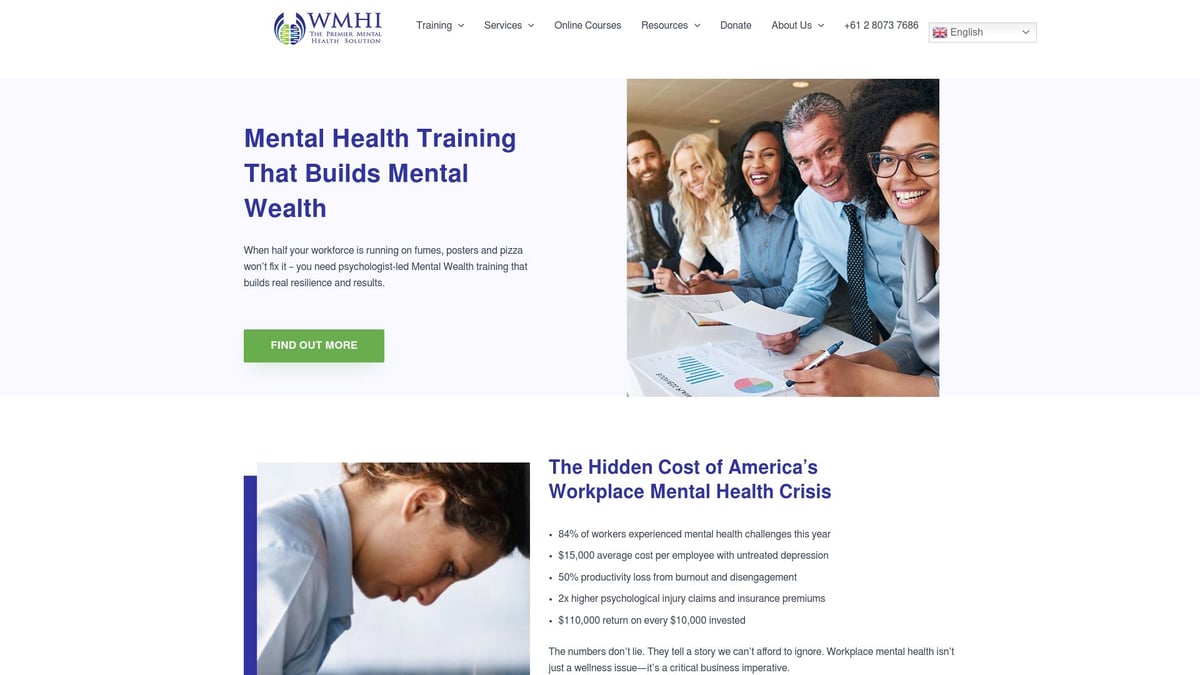
- 33% reduction in absenteeism
- 50% fewer psychological injury claims
- 282% increase in positive wellbeing
Programs are available in-person, virtually, and through eLearning, making them accessible across industries. WMHI's strengths-based approach empowers organizations to create lasting change and champion mental wellness at every level.
Community and Social Support Networks
Beyond the workplace, community plays a vital role in mental wellness. Social support from family, friends, and local organizations can protect against loneliness and promote recovery during challenging times. Community-based initiatives, such as peer support groups, clubs, and volunteering opportunities, foster connection and shared purpose. Digital communities and online resources also make mental wellness support accessible to more people. Schools and neighborhoods are increasingly launching mental wellness programs to build resilience and connection across all ages.
Policy, Advocacy, and Global Trends
The landscape of mental wellness is evolving, with growing attention from policymakers, industry leaders, and the public. Governments and organizations are investing in prevention, education, and holistic care. Consumer demand for non-clinical solutions is reshaping the global market, which continues to expand rapidly. For example, the global mental wellness market growth highlights the sector's economic impact and its forecasted trajectory. International collaborations and best-practice toolkits are helping to drive progress, ensuring mental wellness remains a priority for individuals and communities alike.
Holistic and Personalized Approaches to Mental Wellness
Achieving mental wellness in 2026 requires a comprehensive approach that recognizes the mind, body, and personal context of every individual. As research deepens, it is clear that mental wellness is not one-size-fits-all. Instead, it thrives on holistic strategies, cultural awareness, and technology-driven personalization.
Integrating Mind and Body Practices
Mind and body are inseparable when it comes to mental wellness. Practices like yoga, tai chi, and qigong blend gentle movement with focused breathing, helping to alleviate stress and boost resilience. These activities enhance somatic awareness, allowing individuals to better recognize and respond to physical signs of stress.
Complementary therapies such as acupuncture, massage, and aromatherapy have become popular additions to mental wellness routines. Data shows that mind-body practices can reduce perceived stress by up to 40 percent, a significant benefit for those seeking sustainable self-care.
Consider building a weekly integrated routine:
- Start mornings with mindful stretching or yoga
- Schedule short movement breaks throughout your day
- Try a massage or aromatherapy session on weekends
By weaving these practices into daily life, you strengthen both your body and your mental wellness. This integrated approach empowers you to adapt to life's challenges and maintain balance.
Embracing Diversity and Cultural Perspectives
Mental wellness is deeply personal and shaped by cultural values and beliefs. Around the world, communities have unique definitions of flourishing and well-being. Indigenous healing rituals, group ceremonies, and traditional practices all contribute to a richer understanding of mental wellness.
Adapting your approach means being open to diverse strategies. For some, community gatherings or spiritual rituals are essential. For others, creative arts or storytelling offer healing and connection. Research reveals that inclusive, culturally relevant approaches increase engagement and effectiveness in mental wellness programs.
To foster inclusivity:
- Explore wellness traditions from your heritage
- Join multicultural support groups or community events
- Seek resources that respect your background
Embracing diversity ensures that mental wellness strategies resonate with your individual needs and values.
Technology and the Future of Mental Wellness
The digital revolution is transforming mental wellness. Artificial intelligence, virtual reality, and mobile apps are now core elements in personal well-being. AI-powered tools offer guided meditation, mood tracking, and even personalized journaling experiences. For example, AI-driven journaling for mental health demonstrates how large language models and behavioral sensing can support self-reflection and growth.
Virtual reality is emerging as a resource for relaxation practices and exposure therapy. Online therapy and coaching are more accessible than ever, breaking down barriers to support. In 2023, mental wellness app downloads grew by 25 percent, highlighting the growing demand for digital solutions.
Tips for leveraging technology:
- Test different apps to discover what works best for you
- Use digital reminders to build consistency in your routine
- Explore virtual communities for encouragement and accountability
Technology empowers you to personalize mental wellness and stay connected to resources wherever you are.
Personalized Wellness Plans: How to Start
Personalized plans are the cornerstone of effective mental wellness. Begin by assessing your needs, preferences, and goals. Setting SMART (Specific, Measurable, Achievable, Relevant, Time-bound) goals provides structure and motivation.
Tracking your progress is essential. Digital tools and self-guided methods make this easier than ever. Recent studies, such as the self-guided cognitive restructuring study, highlight how human–language model interactions can facilitate personal growth and cognitive change.
Steps to create your wellness roadmap:
- Identify your strengths and stressors
- Choose two or three strategies to start
- Monitor your mood and habits weekly
- Adjust your plan as your needs evolve
Remember to seek professional guidance when needed. A personalized mental wellness plan supports long-term growth and resilience.
Resources and Tools for Ongoing Support
A wealth of resources is available to help maintain your mental wellness journey. Books, podcasts, and online courses such as those offered at https://thewmhionline.com provide up-to-date insights and strategies.
Consider these options for ongoing support:
- Download mental wellness apps for daily check-ins
- Join local or online support groups for connection
- Follow leading organizations, like the Global Wellness Institute, for research updates
Recognize when to seek professional help, especially if you notice persistent changes in mood or functioning. Staying informed and connected ensures that your mental wellness remains a priority in every stage of life.
As you reflect on the latest strategies for achieving mental wellness in every area of your life, remember that building resilience, fostering positive connections, and prioritizing self care are all within your reach. Whether you are looking to support your team or enhance your own wellbeing, practical steps and expert guidance can make a real difference. If you are ready to explore tailored mental health training and workplace wellbeing solutions that empower you and your organization to thrive, I invite you to Find Out More and take the next step toward a balanced, flourishing future.

