
By 2026, over 60% of adults will report mental health wellness as a top personal priority. As awareness grows, more people and organizations are seeking proactive strategies to maintain overall well-being. This essential guide is designed to provide actionable steps, highlight key trends, and share valuable resources for achieving mental health wellness in 2026. You will learn about what mental health wellness truly means, why it is more important than ever, current trends, practical steps you can take, and how technology and community efforts are shaping the future. Read on to discover practical solutions for better mental health wellness.
Understanding Mental Health Wellness in 2026
Defining Mental Health Wellness
In 2026, mental health wellness is understood as a proactive and ongoing process that nurtures emotional, psychological, and social well-being. Unlike mental illness, which refers to diagnosable conditions, mental health wellness focuses on achieving balance and resilience in everyday life.
Recent research and global health organizations, such as the WHO, highlight a holistic approach that includes self-awareness, self-care, and social connection. Definitions continue to evolve as new insights emerge, shaping how individuals and organizations approach well-being. For a deeper look at these foundational concepts, see Defining Mental Health and Wellness.
Ultimately, mental health wellness is not a fixed state but a dynamic journey that requires regular attention and adaptation.
Why Mental Health Wellness Matters Now More Than Ever
The world has seen a significant rise in anxiety, depression, and stress, especially following the global pandemic and ongoing economic uncertainty. Mental health wellness is now a top priority, as one in four people globally will experience a mental health condition in their lifetime.
This shift has major implications for productivity, relationships, and overall quality of life. Societal expectations have changed, with more organizations recognizing the value of mental health wellness. For example, many corporations now offer wellness days and flexible policies to support employee well-being.
Prioritizing mental health wellness is essential for navigating modern challenges and sustaining personal and professional success.
The Evolving Landscape: Trends and Challenges in 2026
Mental health wellness in 2026 is shaped by rapid digital transformation. Teletherapy, mental health apps, and AI-driven screening tools are now widely used, making support more accessible.
Preventive care and resilience-building are at the forefront, helping individuals manage stress before it escalates. However, challenges remain, including persistent stigma, unequal access to services, and rising concerns about youth mental health.
Adapting to these changes is crucial. Embracing technology, promoting open conversations, and addressing disparities are key steps in advancing mental health wellness for all.
The Link Between Physical and Mental Health
Research confirms the strong connection between physical health and mental health wellness. Chronic illnesses can impact mood and cognitive function, while poor mental health can worsen physical symptoms.
Simple lifestyle changes, such as regular exercise and balanced nutrition, are proven to reduce symptoms of depression and anxiety. For example, a daily 30-minute walk can have a measurable effect on mood and stress levels.
Integrated care models that address both mind and body are becoming standard, supporting a more comprehensive approach to mental health wellness.

Key Components of Mental Health Wellness
Understanding the core elements of mental health wellness is essential for anyone seeking long-term emotional and psychological balance. In 2026, the approach is more holistic than ever, emphasizing proactive strategies that support overall well-being. Below, we explore the foundational components that drive sustainable mental health wellness.

Emotional Intelligence and Self-Awareness
Emotional intelligence is the ability to recognize, understand, and manage one's own emotions, as well as empathize with others. In 2026, this skill is considered a vital pillar of mental health wellness. Individuals who practice self-reflection and mindfulness are better equipped to handle stress and navigate complex social situations.
Practical methods include journaling, daily meditation, and using digital self-assessment tools. For those seeking actionable strategies, the Emotional and Mental Wellness Tips resource offers expert guidance on nurturing these skills. High emotional intelligence is consistently linked to improved stress management and overall mental health wellness.
Building Resilience and Coping Skills
Resilience is the capacity to adapt and thrive during adversity, making it a cornerstone of mental health wellness. Developing coping skills such as cognitive-behavioral techniques and positive reframing helps individuals manage setbacks effectively.
Resilience training programs are now common in schools and workplaces, teaching people how to recognize challenges and respond constructively. Research shows that organizations promoting resilience report 30 percent fewer sick days, highlighting the practical benefits of investing in mental health wellness strategies.
Social Connections and Support Systems
Strong social connections are fundamental for sustaining mental health wellness. Support from family, friends, and community groups acts as a buffer against stress and emotional difficulties.
Modern mental health wellness initiatives encourage participation in online support communities, peer groups, and local mental health organizations. Social isolation remains a significant risk factor, making it crucial to seek out and maintain meaningful relationships that nurture well-being.
Stress Management and Self-Care
Effective stress management and self-care routines are integral to maintaining mental health wellness. Self-care encompasses relaxation exercises, boundary setting, and creative outlets that help reduce daily pressures.
Many companies now provide wellness classes and flexible work options, recognizing that regular self-care decreases burnout and boosts overall well-being. By prioritizing self-care, individuals can actively protect and enhance their mental health wellness throughout 2026 and beyond.
Step-by-Step Guide to Achieving Mental Health Wellness
Embarking on the journey toward mental health wellness requires a clear, structured approach. In 2026, individuals have access to more resources and strategies than ever before. The following seven steps provide a practical framework to help you assess, plan, and maintain mental health wellness in your daily life.

Step 1: Assess Your Current Mental Health
Understanding where you stand is the first step in achieving mental health wellness. Regular self-assessment allows you to identify patterns, triggers, and areas needing support.
Validated self-assessment questionnaires and digital screening apps are widely available. For instance, online mental health checklists can help you track mood, sleep, and stress levels over time.
Early identification is crucial, as it enables timely intervention and reduces the risk of escalation. By making mental health wellness check-ins a routine, you lay the foundation for ongoing improvement.
Step 2: Set Realistic Wellness Goals
Goal-setting is essential for mental health wellness. Using the SMART framework (Specific, Measurable, Achievable, Relevant, Time-bound) ensures your objectives are clear and attainable.
For example, you might aim to meditate for 10 minutes daily or commit to attending a weekly support group. These targeted goals help maintain focus and motivation.
When you set realistic wellness goals, you reinforce accountability and give yourself measurable milestones in your mental health wellness journey.
Step 3: Develop Healthy Daily Habits
Building healthy habits is a cornerstone of mental health wellness. Prioritize a consistent sleep schedule, balanced nutrition, and regular physical activity.
Consider integrating a 30-minute walk into your daily routine, or preparing nutritious meals at home. Research shows that regular exercise can reduce symptoms of depression by up to 25 percent.
Maintaining these habits supports both your physical and mental health wellness, helping you feel more energized and resilient.
Step 4: Practice Mindfulness and Relaxation Techniques
Mindfulness and relaxation are powerful tools for mental health wellness. Techniques such as mindfulness meditation, deep breathing, and progressive muscle relaxation can lower stress and improve emotional balance.
Guided meditation apps offer accessible ways to practice these skills, even on busy days.
By incorporating mindfulness into your routine, you enhance your ability to manage stress and regulate emotions, key components of mental health wellness.
Step 5: Strengthen Social Connections
Strong social ties are vital for mental health wellness. Building and maintaining relationships with friends, family, and community members provides emotional support and a sense of belonging.
Joining interest-based groups or volunteering can expand your social network. For more on this topic, explore Building Social Support Networks, which highlights the impact of supportive relationships on mental health wellness.
Engaging with others regularly can boost your mood and resilience, reducing the risk of isolation.
Step 6: Seek Professional Support When Needed
Sometimes, achieving mental health wellness requires professional help. Therapy, counseling, or psychiatric care can provide critical support during challenging times.
Teletherapy platforms and local mental health clinics make accessing care more convenient than ever. Early intervention is linked to better outcomes, so do not hesitate to reach out if you notice persistent struggles.
Seeking professional support is a proactive step in maintaining your mental health wellness.
Step 7: Maintain Progress and Adapt Strategies
Sustaining mental health wellness is an ongoing process. Regularly track your progress using wellness journals or digital tracking tools.
Set aside time each month for self-reflection and review your goals. Adjust your strategies as needed to stay aligned with your evolving needs.
Flexibility and adaptability are essential for long-term mental health wellness, ensuring you continue to grow and thrive.
Community and Workplace Mental Health Initiatives
Mental health wellness is increasingly recognized as a shared responsibility across communities, schools, and workplaces. In 2026, proactive initiatives are transforming how individuals and groups access support and resources. Creating environments that nurture mental health wellness is no longer optional but essential for societal progress.
Community-Based Mental Health Programs
Communities are at the forefront of promoting mental health wellness through accessible programs and outreach. Peer support groups provide safe spaces for sharing experiences and building resilience. Public mental health campaigns raise awareness, reduce stigma, and encourage early intervention.
Local mental health organizations often host workshops, offer crisis hotlines, and partner with healthcare providers to expand services. These efforts foster a sense of belonging and empowerment, making it easier for individuals to seek help. By prioritizing mental health wellness at the community level, barriers to care are reduced and overall well-being improves.
The Role of Schools and Educational Institutions
Schools play a vital role in shaping the future of mental health wellness. Integrating mental health education into curricula equips students with coping skills and emotional literacy. Mindfulness and resilience programs are now common, teaching students to manage stress and adapt to challenges.
Educational institutions also provide access to counselors and support services, ensuring early identification of concerns. Schools that prioritize mental health wellness report fewer behavioral incidents and higher academic achievement. By fostering open conversations and supportive environments, schools prepare students for lifelong well-being.
Workplace Mental Health Strategies for 2026
Workplaces are evolving to prioritize mental health wellness as a core part of organizational success. Employers implement Employee Assistance Programs, flexible work arrangements, and on-site wellness initiatives. These strategies help reduce absenteeism, boost morale, and improve retention.
Regular mental health training for managers and staff encourages a supportive culture. Companies that invest in mental health wellness see measurable benefits, including higher productivity and reduced turnover. Creating psychologically safe workplaces is now considered essential for attracting and retaining talent.
Workplace Mental Health Institute: Transforming Organizational Wellness
The Workplace Mental Health Institute leads the way in transforming organizational approaches to mental health wellness. Through comprehensive training, wellbeing assessments, and trauma-informed care, the Institute empowers businesses to create healthier work environments.
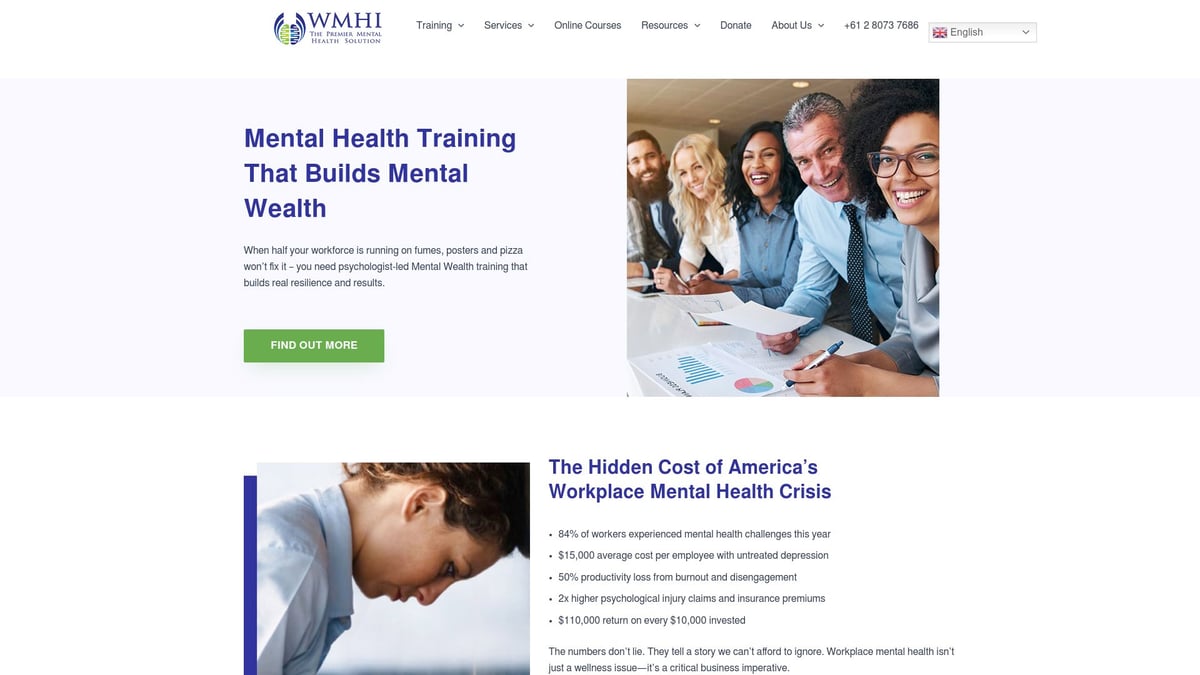
Their tailored programs address unique workplace challenges and foster resilience among employees. Strategic consultation and ongoing support ensure that mental health wellness becomes embedded in company culture. For more on effective organizational strategies, visit Workplace Mental Health Solutions to explore resources that enhance employee well-being and performance.
Policy and Advocacy Efforts
Policy and advocacy are driving forces behind the advancement of mental health wellness. Governments and nonprofits launch national awareness campaigns, invest in mental health infrastructure, and enact parity laws to ensure equitable access to care.
These initiatives address systemic barriers and encourage community-wide participation. Advocacy groups collaborate with policymakers to prioritize funding and improve services. As a result, mental health wellness is increasingly recognized as a public health imperative, leading to lasting change at both local and global levels.
The Impact of Technology on Mental Health Wellness
Technology is transforming the landscape of mental health wellness at an unprecedented pace. As digital solutions become more accessible, individuals and organizations are leveraging innovation to bridge gaps in care and support. The global mental health market is projected to reach $625 billion by 2033, underscoring the growing prioritization of mental health wellness and the role technology plays in this evolution.
Teletherapy and Digital Mental Health Services
Teletherapy has revolutionized mental health wellness by making professional support available from anywhere. Since 2020, the adoption of online counseling platforms has surged, with 70 percent of mental health services now accessible online. This shift addresses barriers such as geographic distance and time constraints, enabling more people to seek timely care.
Clients can choose from video sessions, chat-based therapy, or even asynchronous messaging with licensed clinicians. These options foster flexibility and privacy, which are especially valuable for those balancing work, family, or mobility challenges. Teletherapy’s rise is a direct response to the demand for scalable, effective mental health wellness support.
Mental Health Apps and Digital Tools
A new generation of mental health apps is empowering users to manage their well-being on their own terms. Popular platforms offer guided meditation, mood tracking, journaling, and even cognitive behavioral therapy modules. Many tools integrate artificial intelligence for personalized recommendations, instant feedback, and crisis support.
For example, AI’s role in mental health care has expanded to include chatbots that provide immediate, confidential conversations, making support more accessible than ever. These digital resources are now core components of comprehensive mental health wellness strategies, helping individuals build healthy habits and resilience.
Wearables and Biofeedback Devices
Wearables have become essential tools for monitoring and improving mental health wellness. Devices such as smartwatches and fitness trackers can measure stress levels, sleep patterns, and mood through biometrics like heart rate variability. This real-time data gives users actionable insights, prompting proactive self-care and lifestyle adjustments.
Many wearables sync with mental health apps, creating a seamless ecosystem for tracking progress. Biofeedback features, such as breathing exercises triggered by stress indicators, empower individuals to regulate emotions and prevent burnout. The integration of wearables into daily routines is shaping a more holistic approach to mental health wellness.
Ethical Considerations and Data Privacy
As technology becomes integral to mental health wellness, ethical considerations and data privacy are critical. Sensitive health information is often stored and transmitted across digital platforms, raising concerns about confidentiality and informed consent. Regulatory frameworks are evolving to address these challenges, ensuring that innovation does not compromise user trust.
Organizations must prioritize transparent data practices and robust security measures. Users should be informed about how their data is used, stored, and shared. Balancing technological advancement with ethical responsibility is essential for sustaining trust and promoting long-term mental health wellness.
The Future of Mental Health Wellness: What to Expect Beyond 2026
As we look past 2026, mental health wellness is poised for significant transformation. The landscape is rapidly evolving with new research, innovative therapies, and a global shift in how societies approach mental health. For individuals and organizations, understanding these future trends is vital for staying proactive and resilient.
Emerging Research and Innovations
The future of mental health wellness will be shaped by groundbreaking research and novel therapies. Psychedelic-assisted therapy is gaining traction, showing promise for treatment-resistant depression and anxiety in clinical trials. Virtual reality interventions are also emerging, offering immersive experiences for exposure therapy and stress reduction.
As these innovations advance, we expect to see more personalized and effective care options. According to the Top 10 wellness trends for 2026, technology integration and preventive strategies will be at the forefront. This ongoing wave of research ensures that mental health wellness will continue to expand, delivering more hope and solutions for diverse populations.
Shifting Social Attitudes and Reducing Stigma
Attitudes toward mental health wellness are undergoing a profound transformation. Open conversations in the media, celebrity advocacy, and educational campaigns are normalizing mental health discussions. In progressive regions, there has been a 50% decrease in stigma-related barriers to care, making it easier for individuals to seek help.
This cultural shift is also reflected in the workplace and schools, where mental health wellness is now a core value. As stigma declines, more people are willing to access resources, participate in support groups, and share their experiences. These changes foster a more inclusive environment and empower individuals to prioritize their well-being.
Global Perspectives and Equity in Mental Health
Equity is becoming central to the future of mental health wellness. Across the globe, there are ongoing efforts to close the gap in access to care, especially in underserved communities. Telehealth programs are expanding, making expert support available even in remote areas.
International organizations and local governments are investing in scalable solutions to ensure everyone can benefit from mental health wellness initiatives. The focus on equity means that strategies will be tailored to diverse cultural, economic, and social needs, helping to create more resilient and healthy societies worldwide.
Preparing for Future Challenges
Looking ahead, mental health wellness will face new challenges such as climate change, economic shifts, and rapid technological developments. Communities are starting to implement resilience training and support systems to prepare for environmental disasters and societal disruptions.
The behavioral health market is projected to grow significantly, reflecting the rising investment in proactive wellness strategies. According to reports, the Behavioral health market to grow to $172.61 billion by 2034, highlighting the global commitment to advancing mental health wellness. Proactive planning and flexible approaches will be essential for maintaining well-being in an unpredictable world.
As we look ahead to 2026, it’s clear that mental health wellness is more than just a trend—it’s a necessity for thriving both personally and professionally. Whether you’re seeking practical steps to boost your own resilience, exploring how technology shapes wellbeing, or considering workplace strategies that truly support your team, you deserve resources that empower real change. If you’re ready to deepen your understanding or want tailored guidance for your organization, let’s take the next step together. You can Find Out More and discover how to put these proven strategies into action for lasting mental health wellness.

