
Did you know that by 2026, organizations investing in mental health aid training report up to 30% higher employee well-being scores? As mental health challenges become more prevalent in workplaces and communities, effective support is no longer optional—it is essential.
This guide will demystify mental health aid training, explaining the essentials, highlighting emerging trends, and outlining practical steps to get started. You will discover how to build critical skills, select the right program, and stay ahead of the curve in 2026.
Ready to make a difference? Explore actionable strategies, proven benefits, and expert tips to empower yourself and your team with mental health aid training.
Understanding Mental Health Aid Training
What Is Mental Health Aid Training?
Mental health aid training equips individuals with the skills and confidence to recognize, respond to, and support people experiencing mental health challenges. Its core objectives include identifying early signs of distress, providing immediate assistance, and connecting individuals with professional resources. Unlike traditional first aid, which addresses physical injuries, mental health aid training focuses on psychological well-being and crisis intervention. This approach is crucial for individuals, workplaces, and communities seeking to foster a culture of care and resilience. For a deeper understanding of what this training involves, see Mental Health First Aid training explained.
The Growing Need for Mental Health Aid
Globally, the prevalence of mental health issues is rising, with the World Health Organization reporting that one in four people will be affected at some point in their lives. The COVID-19 pandemic has amplified these challenges, introducing new workplace stressors and social anxieties. Mental health aid training has proven vital in crises, such as natural disasters or organizational layoffs, where immediate psychological support can prevent escalation and promote recovery. As mental health concerns become more visible, the need for structured training grows across all sectors.
Key Benefits for Individuals and Organizations
The adoption of mental health aid training delivers significant benefits. Early intervention helps reduce the stigma surrounding mental health, encouraging open dialogue and timely support. Organizations often see improved productivity, as employees feel safer and more valued, which leads to reduced absenteeism. Enhanced workplace culture and morale stem from a shared commitment to well-being, making teams more cohesive and resilient. These advantages extend to individuals, who gain practical tools for self-care and peer support.
Evidence-Based Outcomes and Data
Research consistently supports the positive impact of mental health aid training. Organizations implementing such programs report up to 30 percent lower absenteeism, reflecting improved employee engagement and satisfaction. Case studies from leading companies illustrate successful integration, with measurable increases in mental health literacy and confidence among participants. Ongoing studies further demonstrate that structured training leads to better recognition of mental health issues and more effective response strategies, reinforcing its value in modern settings.

Core Skills and Competencies in Mental Health Aid
Developing strong core skills is vital for anyone engaging in mental health aid training. These skills empower individuals to respond effectively to mental health challenges, whether in the workplace or community settings.

Essential Skills for Mental Health First Aiders
Effective mental health aid training begins by building a foundation of practical skills. Active listening is at the heart of this process. By focusing on the speaker, maintaining eye contact, and offering verbal encouragement, first aiders create a safe space for open communication.
Non-judgmental communication is equally important. It involves responding without bias, validating emotions, and avoiding assumptions. Recognizing early warning signs such as withdrawal, mood changes, or decreased performance is another key competency developed during mental health aid training.
Crisis de-escalation techniques, like speaking calmly and using supportive language, are practiced regularly. These skills enable responders to defuse tense situations and provide immediate assistance. Together, these core elements form the backbone of effective mental health aid training.
Trauma-Informed Approaches
A trauma-informed perspective is crucial in mental health aid training, especially as trauma can deeply affect how individuals respond in crisis. Understanding the widespread impact of trauma in the workplace allows first aiders to approach interactions with greater sensitivity.
Trauma-informed care principles emphasize safety, trustworthiness, peer support, and empowerment. These principles help create environments where people feel respected and understood. Incorporating trauma-informed practices into mental health aid training ensures that responders can identify trauma triggers and avoid re-traumatization.
For those seeking to deepen their expertise, obtaining a trauma-informed care certification offers structured learning on best practices and practical applications. This approach is essential for building resilient support systems.
Legal and Ethical Considerations
Legal and ethical considerations are integral to mental health aid training. Confidentiality is a cornerstone, requiring first aiders to protect personal information and only share details on a need-to-know basis. Awareness of privacy laws such as GDPR or HIPAA is vital for compliance.
Duty of care means acting in the best interest of those receiving support, while maintaining clear boundaries to avoid overstepping professional limits. Ethical frameworks guide first aiders in handling sensitive situations with respect and discretion.
During mental health aid training, participants learn to recognize situations where referral to a professional is necessary. This ensures safety for both the responder and the individual in distress, reinforcing ethical standards.
Real-World Scenarios and Role-Playing
One of the most engaging aspects of mental health aid training is the use of real-world scenarios and role-playing exercises. These simulations allow participants to apply their skills in a controlled, supportive environment.
Common scenarios include supporting a colleague experiencing anxiety, responding to panic attacks, or de-escalating heated workplace conflicts. Role-play helps participants build confidence, refine communication techniques, and practice decision-making under pressure.
By the end of mental health aid training, individuals are better prepared to respond effectively in actual situations, bridging the gap between theory and practice.
Latest Trends and Innovations in Mental Health Aid Training 2026
The landscape of mental health aid training is evolving rapidly in 2026. New technologies, diverse learning formats, and data-driven strategies are transforming how individuals and organizations approach mental health support. Understanding these trends is essential for anyone considering mental health aid training or seeking to stay ahead in workplace wellbeing.
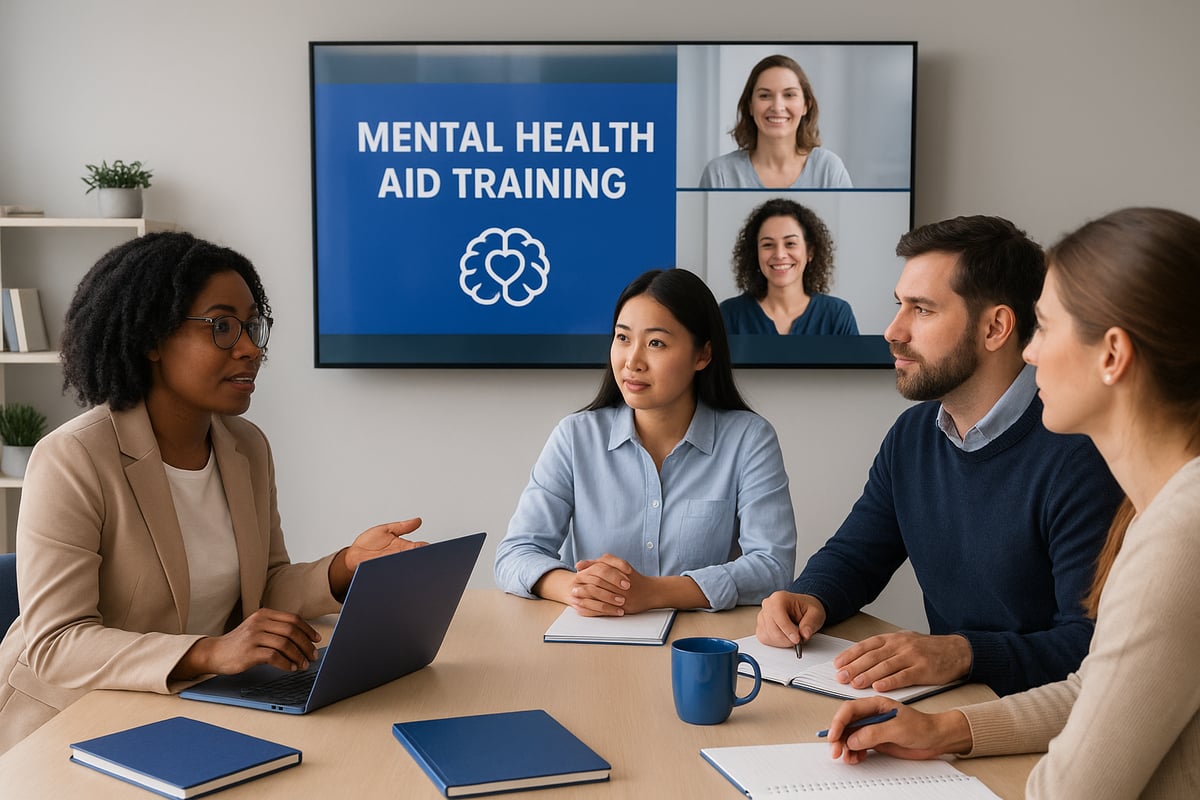
Digital and Hybrid Training Models
Digital and hybrid models now dominate the mental health aid training landscape. Flexible formats allow participants to join sessions remotely or blend online modules with in-person workshops. This shift increases accessibility, enabling organizations to train teams across multiple locations without logistical barriers.
Online peer support platforms and virtual classrooms foster interactive learning. These formats also offer self-paced modules, live webinars, and collaborative group discussions. For busy professionals, digital mental health aid training ensures crucial skills are learned without sacrificing productivity.
Integration of AI and Technology
Artificial intelligence is reshaping mental health aid training in 2026. AI-powered tools help assess participant understanding, personalize learning paths, and simulate real-world scenarios. Mobile apps now deliver refresher modules and ongoing support, keeping skills sharp long after the initial course.
AI-driven simulations provide realistic crisis scenarios for trainees to practice responses. To learn more about these advancements, see AI in mental health training, which explores how technology is enhancing mental health education. As digital adoption grows, mental health aid training becomes more adaptive and engaging.
Culturally Responsive and Inclusive Training
Modern mental health aid training programs are designed to reflect the diversity of today’s workplaces. Training materials are adapted to respect different cultural backgrounds, languages, and identities. Facilitators are trained to address the unique needs of minority and marginalized groups.
Culturally responsive approaches foster inclusion, ensuring everyone feels supported and understood. By embracing diversity, mental health aid training builds a foundation for trust and psychological safety within teams.
Focus on Preventative Strategies
A major trend in 2026 is the emphasis on prevention within mental health aid training. Courses now include modules on building resilience, managing stress, and adopting self-care routines. These proactive strategies help individuals recognize early warning signs and reduce risk factors before crises escalate.
Organizations that prioritize preventative mental health aid training see improvements in overall wellbeing and workplace morale. Empowering people with these skills creates a healthier, more supportive environment for all.
Data-Driven Training and Outcome Measurement
Organizations increasingly use analytics to measure the effectiveness of mental health aid training. Data collection tools track participation rates, knowledge retention, and behavioral changes post-training. Leaders use these insights to refine programs and demonstrate return on investment.
Case studies show that data-driven approaches lead to continuous improvement. By leveraging outcome measurement, mental health aid training remains relevant and impactful, meeting the evolving needs of organizations and their people.
Step-by-Step Guide to Mental Health Aid Training
Embarking on mental health aid training is a transformative journey for individuals and organizations. By following a structured process, you can ensure your efforts are effective, sustainable, and tailored to your unique needs. Below is a clear, actionable roadmap to guide you through every stage of mental health aid training, from initial assessment to ongoing program improvement.

Step 1: Assessing Organizational and Personal Needs
The first step in mental health aid training is to identify the specific needs of your organization or personal context. Begin by reviewing current mental health support systems and policies. Are there existing resources, or is there a noticeable gap?
Conduct surveys or focus groups with employees or stakeholders to gather direct feedback. This data-driven approach helps pinpoint the areas where mental health aid training will have the greatest impact.
By establishing a clear understanding of your environment, you can set realistic goals and select the most relevant training modules. A needs assessment ensures your mental health aid training strategy is both targeted and effective.
Step 2: Selecting Accredited Training Providers
Choosing the right provider is crucial for maximizing the benefits of mental health aid training. Look for accredited organizations with a strong evidence base and experienced trainers. Accreditation ensures the training meets recognized standards and delivers measurable outcomes.
Verify the credentials of training providers by checking for endorsements from reputable bodies or professional associations. Consider whether the program offers customization to suit your industry or workforce needs.
For accessible and accredited options, explore government-funded mental health courses that can make training more affordable and inclusive. This step guarantees that your investment in mental health aid training yields long-term value.
Step 3: Enrolling and Preparing for Training
Once you've selected a provider, the next phase involves enrolling participants and preparing for the training experience. Distribute pre-training materials or recommended reading lists to help participants build foundational knowledge.
Set clear expectations by outlining the objectives and benefits of mental health aid training. Encourage participants to reflect on their motivations and personal goals before the course begins.
Preparation not only enhances engagement but also ensures that everyone arrives with a shared understanding of the training's importance. This groundwork sets the stage for a successful learning journey.
Step 4: Participating in Training Sessions
The core of mental health aid training involves active participation in structured sessions. Most programs combine theoretical modules with practical exercises, such as workshops and group discussions.
Interactive elements are essential for skill development. Participants practice real-life scenarios, receive feedback from trainers, and collaborate with peers. Assessments may include quizzes, role-plays, or group projects.
This immersive approach fosters confidence and ensures that participants are well-equipped to respond to mental health challenges in their daily environments.
Step 5: Practicing and Applying Skills
After completing formal sessions, ongoing practice is vital. Mental health aid training includes post-training exercises, peer support groups, and scenario-based learning to reinforce skills.
Encourage participants to use their new knowledge in real situations, such as supporting colleagues or responding to signs of distress. Role-play activities help maintain readiness and build confidence.
Regular practice ensures that skills remain sharp and that individuals feel empowered to act when needed. This step is key to embedding mental health aid training in organizational culture.
Step 6: Ongoing Support and Refresher Programs
Continuous learning is essential for sustaining the impact of mental health aid training. Offer refresher courses, access to helplines, and participation in peer networks to keep knowledge current.
Organizations should schedule regular follow-up sessions to address emerging challenges and share best practices. Encourage open communication and provide resources for ongoing support.
This commitment to continuous improvement helps maintain momentum and demonstrates the organization's dedication to mental health and wellbeing.
Step 7: Evaluating Impact and Continuous Improvement
The final step is to evaluate the effectiveness of your mental health aid training program. Collect feedback from participants through surveys or interviews to assess satisfaction and skill retention.
Analyze outcomes such as changes in absenteeism rates, workplace morale, or mental health literacy. Use this data to identify areas for improvement and adapt the program as needed.
Regular evaluation ensures that mental health aid training remains relevant and impactful, supporting both individual and organizational growth.
How to Choose the Right Mental Health Aid Training Program
Selecting the best mental health aid training program is a crucial decision for individuals and organizations alike. With a growing number of options available in 2026, understanding what sets each program apart will help ensure your investment leads to meaningful results.
Key Criteria for Program Selection
When evaluating mental health aid training programs, begin by checking for recognized accreditation. Accredited courses show adherence to industry standards and ensure up-to-date, evidence-based content.
Prioritize programs with experienced trainers who have proven expertise in mental health and adult education. Look for a curriculum that is grounded in current research and includes practical, real-world scenarios. Customization is also important. The best mental health aid training can be tailored to specific industries, cultural contexts, and organizational needs.
Ask about ongoing support and opportunities for refresher learning. A strong program will offer follow-up resources, peer networks, and opportunities to maintain skills over time.
Comparing Top Training Providers
Several leading organizations offer mental health aid training in 2026. Mental Health First Aid remains a benchmark, providing comprehensive, research-backed instruction. Their curriculum is widely recognized and has demonstrated effectiveness in boosting mental health literacy and reducing stigma, as shown in Mental Health First Aid effectiveness.
Online platforms now offer accredited options, including self-paced modules and interactive workshops. Specialist providers may focus on particular populations, such as youth, managers, or minority groups. When comparing providers, examine their unique offerings, delivery methods, and additional support services.
| Provider Type | Delivery Format | Unique Features |
|---|---|---|
| Mental Health First Aid | In-person, Hybrid | Evidence-based, global reach |
| Online Platforms | Remote, Hybrid | Flexible scheduling |
| Specialist Providers | Customizable | Targeted for niche groups |
Cost, Accessibility, and Format Considerations
Cost is a key factor when choosing a mental health aid training program. Programs may charge per participant, offer group rates, or provide scholarships and subsidies for nonprofits and community groups.
Consider accessibility. In-person sessions offer hands-on experience, while remote and hybrid formats are ideal for distributed teams or those with limited travel options. Many organizations are turning to Online peer support training programs for flexible, scalable learning that fits modern workplace needs.
Evaluate the format that best matches your goals and workforce. Hybrid models often combine the benefits of live instruction with the convenience of digital resources.
Assessing Real-World Outcomes and Reviews
Before enrolling, review testimonials and case studies from past participants. Look for programs that provide transparent data on participant satisfaction, skill retention, and measurable impact within organizations.
Effective mental health aid training should show clear evidence of improved confidence, reduced stigma, and tangible benefits such as lower absenteeism. Reach out to peers or industry groups for honest feedback on their experiences.
Prioritize programs with a track record of success and a commitment to continuous improvement, ensuring your mental health aid training investment delivers lasting value.
The Future of Mental Health Aid: What to Expect Beyond 2026
The landscape of mental health aid training will transform rapidly after 2026. Organizations, policymakers, and individuals must stay ahead of these changes to promote lasting wellbeing. Let us explore the key trends shaping the future.
Evolving Standards and Accreditation
Expect a significant evolution in standards and accreditation for mental health aid training. As new research and digital innovations emerge, training programs will likely adopt more rigorous guidelines. Global organizations are collaborating to harmonize mental health aid training requirements, making it easier for skills to transfer across borders.
AI-driven assessments and digital tools, as highlighted in 2026 psychological assessment trends, are influencing how competencies are measured and certified. This evolution ensures that mental health aid training remains relevant and evidence-based. As a result, both trainers and trainees can expect more transparent, standardized benchmarks.
Integration with Broader Workplace Wellbeing Initiatives
Integration between mental health aid training and broader wellbeing initiatives is set to deepen. More organizations are recognizing the value of aligning mental health programs with Employee Assistance Programs (EAPs), resilience workshops, and holistic wellness strategies.
This synergy means mental health aid training will not stand alone. Instead, it will become a core component of comprehensive wellbeing frameworks. Employers may offer bundled training, combining mental health skills with stress management and leadership development. This approach not only streamlines resources but also fosters a culture of continuous support and engagement.
The Role of Policy and Legislation
Government policies will play a crucial role in shaping the future of mental health aid training. Countries like Australia have implemented national strategies to promote workplace mental health, and more governments are expected to follow suit.
Mandates for regular mental health aid training, incentives for certified workplaces, and guidelines on program quality will become more common. These policy shifts support organizational accountability and ensure that mental health aid training becomes a standard practice. As legislation evolves, organizations must keep pace to remain compliant and foster a psychologically safe environment.
Opportunities for Lifelong Learning and Leadership
Lifelong learning will be central to future mental health aid training. Beyond basic certification, professionals can pursue advanced courses, specialized workshops, and leadership tracks. This ongoing development empowers employees to become mental health champions within their organizations.
Evidence-based programs, such as those reviewed in the Mental Health First Aid training review, demonstrate the long-term impact of structured training on both knowledge retention and workplace culture. By investing in continuous learning, organizations nurture skilled leaders who can drive meaningful change and model best practices for mental health support.
As we’ve explored in this guide, prioritizing mental health aid training isn’t just a trend for 2026—it’s an essential step toward building a resilient, thriving workplace. By understanding the fundamentals, staying ahead of industry innovations, and choosing training programs grounded in real results, you’re not only supporting your people but also strengthening your organization’s future. If you’re ready to take the next step and learn how tailored mental health training can transform your team, I invite you to Find Out More.

