
In an era where workplace stress is at an all-time high, resilience has become the essential superpower for professionals aiming to thrive in 2026. The demands of modern life and work are intense, leaving many searching for effective ways to adapt and succeed.
This article is your comprehensive guide to stress management and resilience training. Here, you will discover the latest science, proven resilience-building techniques, step-by-step training frameworks, and digital tools tailored for 2026.
If you want practical strategies and expert insights for lasting mental wellbeing, you are in the right place. Get ready to take action and build a roadmap for a healthier, more resilient you.
Understanding Stress in 2026: Trends, Triggers, and Impacts
In 2026, the landscape of stress has transformed, with both personal and professional demands reaching unprecedented levels. Navigating this environment requires a deep understanding of modern stressors and their wide-ranging impacts. For organizations and individuals alike, mastering stress management and resilience training is now an essential part of daily life.

The Evolving Nature of Stress
Workplace stress in 2026 is defined by increased expectations, digital overload, and constant adaptation to new technologies. Hybrid and remote work models, while offering flexibility, have also blurred boundaries between professional and personal life. According to Gallup’s 2025 Global Workplace Stress Report, 74% of professionals reported higher stress levels compared to pre-pandemic years. Broader societal factors, such as economic instability and climate-related anxieties, further amplify pressure. In this context, stress management and resilience training is not just relevant but crucial for sustained performance and wellbeing.
Common Stress Triggers in Modern Life
Modern life presents a unique set of stress triggers, many of which are intensified by rapid technological change. Common triggers include:
- Role ambiguity and shifting job descriptions
- Information overload from constant digital communication
- The expectation of being always available
Industries such as healthcare, technology, and finance often face acute stressors due to high stakes and fast-paced environments. By integrating stress management and resilience training into daily routines, individuals and teams can better navigate these persistent challenges.
Physical and Psychological Effects of Chronic Stress
Chronic stress can manifest in both physical and psychological symptoms. Risks include heart disease, weakened immune response, and digestive issues. Mentally, individuals may experience anxiety, depression, and a decline in cognitive function. Data from the World Health Organization highlight a 40% increase in workplace burnout since 2020. Adopting stress management and resilience training helps reduce these risks, supporting both immediate and long-term health outcomes.
The Cost of Unmanaged Stress to Individuals and Organizations
Unmanaged stress comes at a high price for both employees and businesses. Productivity drops, absenteeism rises, and turnover rates can skyrocket. It is estimated that organizations lose up to $300 billion annually due to stress-related productivity losses. For individuals, ongoing stress can erode motivation and job satisfaction. Prioritizing stress management and resilience training leads to measurable benefits, including improved engagement and reduced costs.
Signs and Symptoms: Recognizing Stress Early
Early recognition of stress is vital for prevention. Key signs include:
- Behavioral changes such as irritability or withdrawal
- Cognitive symptoms like forgetfulness and difficulty concentrating
- Physical indicators such as headaches or muscle tension
Timely intervention through stress management and resilience training ensures that minor issues do not escalate into serious health concerns. Awareness is the first step in building a proactive approach to wellbeing.
The Science Behind Stress Response
The human stress response is rooted in the fight-or-flight mechanism, a survival instinct that prepares the body to react quickly to threats. In modern environments, this response can become chronic, leading the brain to stay on high alert even when danger is not present. Insights from neuroscience reveal that repeated exposure to stress can rewire neural pathways, making it harder to recover. Understanding these mechanisms underscores the importance of structured stress management and resilience training for lasting mental health.
The Foundations of Resilience: Building Blocks for Lasting Wellbeing
Resilience is no longer a buzzword, it is a critical skill for sustaining wellbeing in a rapidly changing world. As we look at the foundations that support true resilience, it becomes clear that stress management and resilience training are vital for both individuals and organizations.
Defining Resilience in 2026
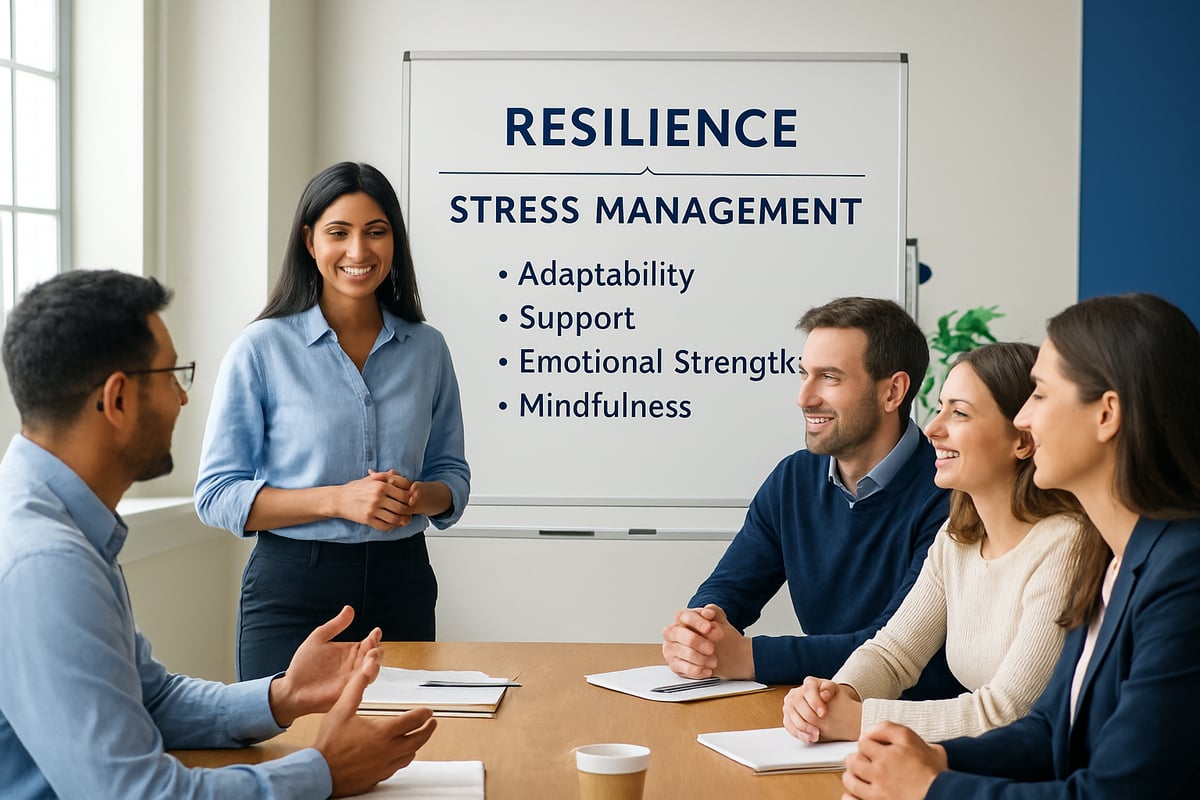
Resilience in 2026 is best described as the ability to adapt quickly, regulate emotions, and recover from setbacks efficiently. While individual resilience focuses on personal growth and coping, organizational resilience highlights collective adaptability and support structures. Stress management and resilience training now emphasize both personal and team-based approaches to meet the demands of evolving workplaces.
Key Components of Resilience
Building resilience requires a strong foundation of essential skills and attitudes. These include:
- Self-awareness to recognize stress patterns
- Optimism to maintain a positive outlook under pressure
- Social support networks for encouragement and advice
- Problem-solving skills for navigating complex challenges
A recent Harvard study found that employees with robust social networks demonstrate 50% higher resilience scores. Stress management and resilience training programs now integrate these components to foster a healthy, connected workforce.
The Role of Mindset and Cognitive Flexibility
How we interpret setbacks shapes our resilience. A growth mindset, where challenges are viewed as learning opportunities, plays a central role in stress management and resilience training. Companies in the tech sector that actively promote growth mindsets report lower instances of burnout and faster recovery from high-pressure periods. Cognitive flexibility—the ability to adapt thought patterns—allows individuals to pivot strategies and remain effective, no matter the situation.
Emotional Intelligence and Stress Management
Emotional intelligence (EQ) is a cornerstone of stress management and resilience training. Self-regulation and empathy help individuals manage their own emotions and respond thoughtfully to others. In healthcare, teams with high EQ report 30% less stress, resulting in improved collaboration and patient care. Training programs now prioritize EQ development to build more resilient teams across industries.
The Power of Purpose and Meaning
Connecting daily work with personal values gives resilience a powerful boost. Employees who align their tasks with a sense of purpose recover from stress twice as fast as those who do not. Organizations that actively support meaningful work see stronger engagement and wellbeing. For practical insights on how to embed these principles, explore Building resilience at work to discover strategies that can transform both individual and team resilience.
Barriers to Building Resilience
Common obstacles to resilience include:
- Perfectionism that leads to chronic stress
- Lack of supportive relationships
- Fear of failure or criticism
Overcoming these barriers requires targeted strategies, such as seeking mentorship, adopting self-compassion, and reframing setbacks as opportunities for growth. Early intervention and ongoing support are key to breaking through these challenges and sustaining long-term wellbeing.
Step-by-Step Stress Management and Resilience Training Framework
Mastering stress management and resilience training in 2026 requires a structured, proactive approach. A comprehensive framework helps individuals and organizations systematically build skills, measure progress, and embed lasting habits. Let us walk through a step-by-step guide designed for real-world application and measurable results.
Step 1: Assessing Your Stress and Resilience Baseline
Begin your stress management and resilience training by evaluating your current baseline. Self-assessment tools, like the Perceived Stress Scale (PSS), help identify individual and team stress levels. Many organizations use workplace wellbeing surveys to spot trends and risk factors.
Practical assessment includes:
- Completing validated questionnaires such as the PSS or Connor-Davidson Resilience Scale.
- Gathering anonymous feedback from staff regarding workload, communication, and support.
- Reviewing absenteeism and productivity data for early warning signs.
Establishing this baseline ensures your stress management and resilience training is personalized and measurable.
Step 2: Setting Clear, Measurable Goals
The next step in stress management and resilience training is goal setting. Use the SMART framework: Specific, Measurable, Achievable, Relevant, and Time-bound. Clear goals provide focus and motivation.
For example:
- Reduce reported stress levels by 20 percent in six months.
- Increase participation in resilience workshops by 30 percent this quarter.
- Improve team communication scores on engagement surveys.
HR teams often set resilience KPIs to track progress and accountability. When everyone understands the targets, stress management and resilience training yields stronger, more lasting results.
Step 3: Developing Core Stress Management Skills
Building core skills is the foundation of stress management and resilience training. Effective strategies include time management, prioritization, and boundary-setting. Mindfulness and relaxation techniques, such as deep breathing and guided imagery, are proven to reduce symptoms.
Key practices:
- Schedule regular “focus blocks” to minimize digital distractions.
- Practice daily mindfulness using apps or group sessions.
- Encourage staff to take short, restorative breaks.
Clinical trials show mindfulness reduces stress by 38 percent. For structured, evidence-based approaches, many organizations turn to workplace mental health courses and training to build these skills efficiently.
Step 4: Building Resilience Through Cognitive and Behavioral Techniques
Resilience is strengthened by cognitive and behavioral techniques. Cognitive restructuring and positive reframing help individuals challenge unhelpful thoughts. Problem-solving exercises foster adaptability under pressure.
Effective methods include:
- Practicing gratitude journaling to shift focus from stress to strengths.
- Engaging in scenario-based problem-solving exercises during team meetings.
- Using Cognitive Behavioral Therapy (CBT)-inspired worksheets to reframe negative thinking.
Integrating these tools into stress management and resilience training boosts confidence and reduces long-term burnout risk.
Step 5: Creating Supportive Environments
A supportive work environment is essential for successful stress management and resilience training. Leadership plays a key role by modeling healthy behaviors and encouraging open dialogue.
Examples of supportive practices:
- Launching peer mentoring or buddy systems in high-stress departments.
- Providing regular feedback and recognition for resilience efforts.
- Hosting open forums to discuss challenges and share coping strategies.
When the environment supports psychological safety, stress management and resilience training becomes part of daily culture.
Step 6: Monitoring Progress and Adapting Strategies
Continuous monitoring ensures your stress management and resilience training remains effective. Regular check-ins, feedback loops, and digital tracking tools allow for real-time adjustments.
Recommended actions:
- Implement monthly wellbeing surveys to track changes.
- Use apps or digital dashboards to monitor stress indicators.
- Adjust training content based on participant feedback and engagement data.
Adapting strategies keeps stress management and resilience training relevant as workplace demands evolve.
Step 7: Embedding Resilience into Daily Routines
Lasting results come from embedding resilience practices into everyday routines. Habit formation is key to making stress management and resilience training sustainable.
Practical micro-practices:
- Start meetings with a quick mindfulness or gratitude exercise.
- Encourage regular movement or stretching breaks.
- Share “resilience rituals” across teams to inspire consistency.
When resilience becomes routine, the benefits of stress management and resilience training multiply across the organization.
Workplace Mental Health Institute: Evidence-Based Training for Organizations
The Workplace Mental Health Institute delivers psychologist-led, evidence-based stress management and resilience training tailored to modern organizations. Programs focus on practical skills, measurable outcomes, and flexible delivery for managers and teams.
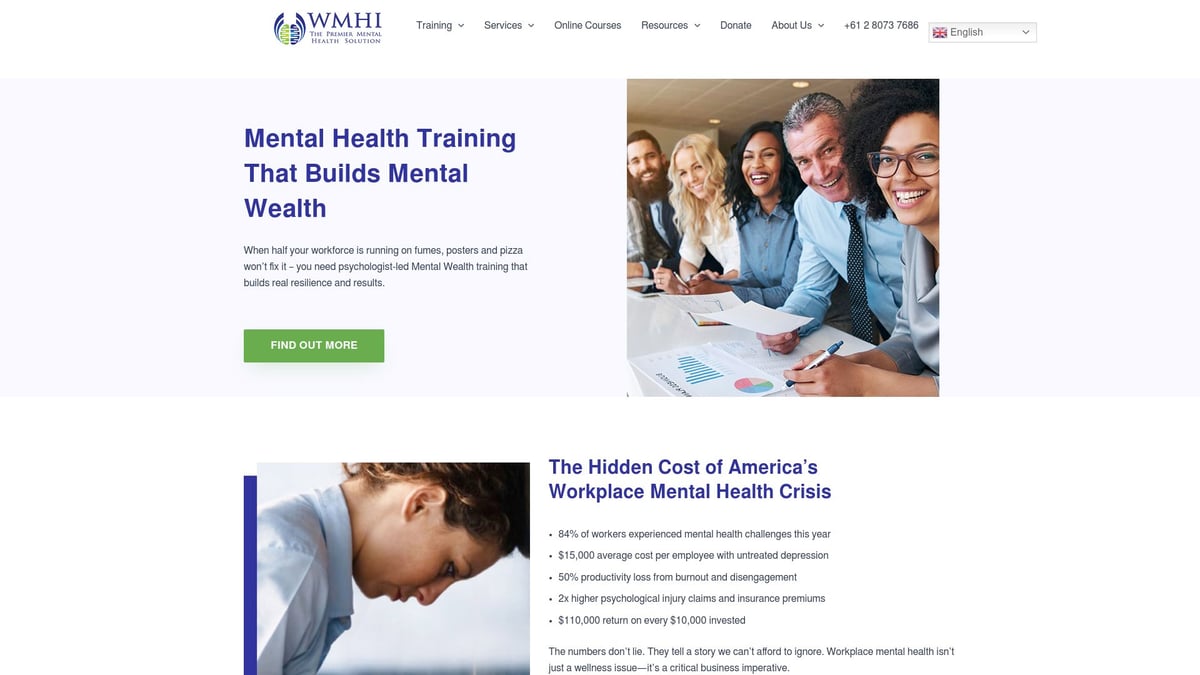
Data shows that WMHI programs reduce absenteeism by 33 percent and depression rates by up to 79 percent. With international reach and industry-specific solutions, WMHI empowers diverse workplaces to prioritize mental wellbeing and achieve lasting change.
Digital Tools and Resources for Stress Management in 2026
In 2026, digital transformation is reshaping how individuals and organizations approach stress management and resilience training. The latest innovations offer personalized, evidence-based support at your fingertips, making it easier than ever to build resilience and manage stress in real time.
Top Stress Management Apps and Platforms
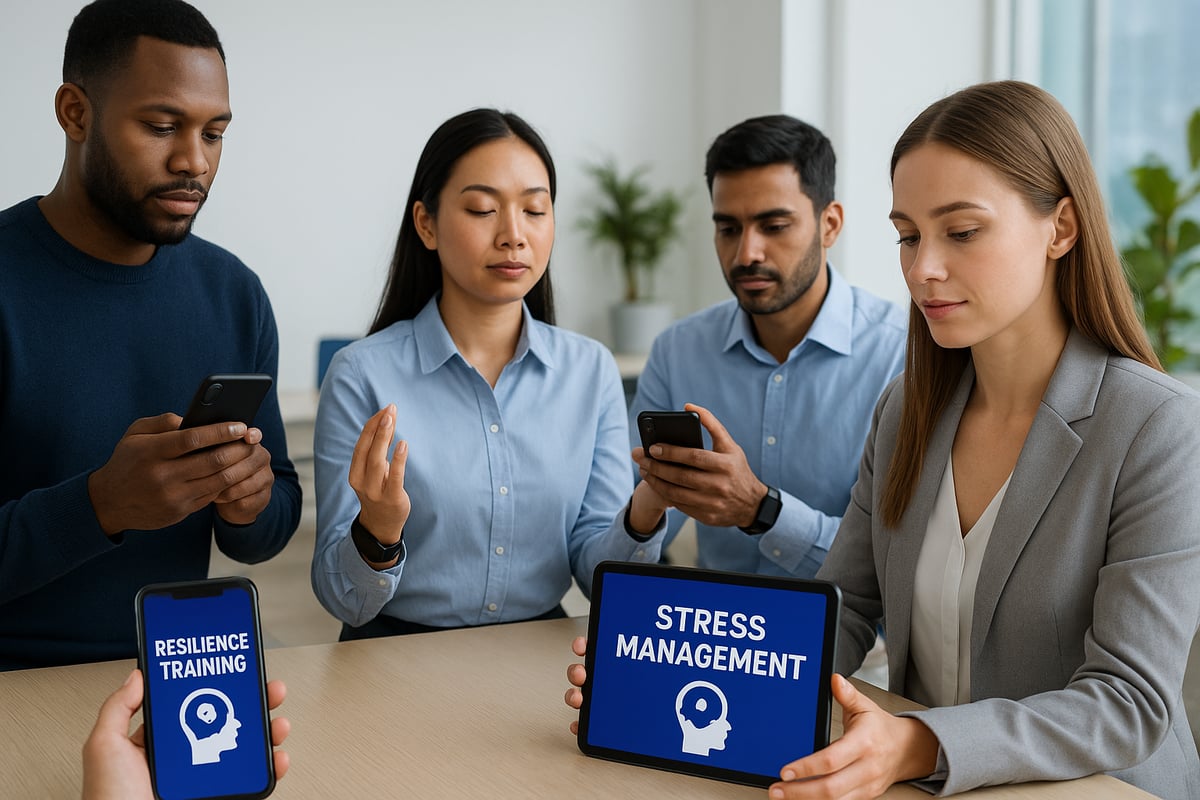
The market for stress management and resilience training apps is booming. Leading platforms now integrate mindfulness, mood tracking, and guided relaxation, all tailored to individual needs. AI-powered coaching provides instant feedback, helping users adapt strategies as stressors change.
Popular apps offer features such as meditation timers, breathing exercises, and real-time stress monitoring. Many organizations encourage teams to use these tools as part of daily routines. For a deeper dive into practical digital mindfulness techniques, explore Mindfulness strategies for work stress.
Online Resilience Training Programs
Online resilience training programs have become vital for remote and hybrid teams. eLearning modules and virtual workshops offer flexibility, allowing employees to develop stress management and resilience training skills at their own pace.
Completion rates for on-demand resilience modules are rising, showing that digital delivery increases engagement. Programs often include interactive exercises, scenario-based learning, and peer discussion forums. This approach enables organizations to reach diverse teams and foster a culture of continuous wellbeing improvement.
Wearables and Biofeedback Devices
Wearables and biofeedback devices are transforming how we monitor and respond to stress. Smartwatches and sensors now track heart rate variability, sleep patterns, and even real-time stress indicators, providing actionable insights.
A 2025 market analysis found that 60 percent of corporate wellbeing programs now include wearable adoption. These tools empower users to recognize stress triggers early and implement coping strategies, making them a valuable component of modern stress management and resilience training.
Virtual Support Communities and Peer Networks
Virtual support communities and peer networks offer connection and encouragement, vital for building resilience in a digital age. Online forums, group coaching sessions, and moderated chat groups create safe spaces to share experiences and strategies.
Success stories from digital mental health communities highlight the power of shared learning. These platforms facilitate ongoing support, helping individuals stay committed to their stress management and resilience training journey, regardless of location or work schedule.
Choosing the Right Digital Solution
Selecting the best digital tools for stress management and resilience training requires careful consideration. Key criteria include privacy protection, personalization, scientific evidence, and intuitive user experience.
Look for solutions that integrate smoothly into daily routines and align with organizational wellbeing goals. Regularly review feedback and usage data to ensure the tools are delivering measurable outcomes and supporting lasting change for both individuals and teams.
Integrating Stress Management and Resilience Training in the Workplace
In 2026, integrating stress management and resilience training has become an essential strategy for organizational success. As work environments evolve, companies recognize that employee wellbeing is not just a benefit, but a business imperative.
The Business Case for Organizational Resilience
Organizations investing in stress management and resilience training see measurable returns. Research reveals that for every dollar spent on wellbeing, companies can expect up to a fourfold return on investment through reduced absenteeism, improved productivity, and higher retention.
Recent data from the SHRM 2025 Workplace Mental Health Insights highlights that mental health initiatives are directly linked to increased engagement and decreased turnover. In today’s competitive landscape, prioritizing resilience is not just about supporting employees, but also driving sustainable business growth.
Designing Effective Training Programs
Successful stress management and resilience training programs are tailored to the unique needs of each organization. Customization ensures content is relevant for various roles, departments, and stressors. Programs blend in-person workshops, virtual sessions, and self-paced modules to accommodate different learning preferences.
Key elements include practical skill-building, such as time management and cognitive reframing, as well as interactive components that foster peer support. Regular feedback and adaptation keep the training fresh and impactful, ensuring it stays aligned with evolving workplace dynamics.
Leadership’s Role in Fostering Resilience
Leaders play a critical role in the success of stress management and resilience training. When managers model healthy coping strategies and encourage open conversations about mental health, they set the tone for the entire organization.
Training leaders to recognize stress, provide support, and promote a psychologically safe environment leads to stronger, more resilient teams. Data shows that teams led by trained leaders report significantly higher engagement and lower rates of burnout, making leadership involvement indispensable.
Policy and Culture Shifts
Embedding stress management and resilience training into workplace policies and culture solidifies its impact. Organizations are updating policies to include flexible work arrangements, regular mental health days, and clear protocols for addressing stress and burnout.
Creating a culture that values wellbeing requires ongoing education and visible support at all levels. For practical guidance on institutionalizing these changes and addressing burnout, see Preventing and managing burnout.
Measuring Impact and Sustaining Change
To maintain momentum, organizations must measure the outcomes of their stress management and resilience training initiatives. Metrics such as absenteeism rates, engagement scores, turnover, and self-reported wellbeing provide valuable insights.
Utilizing employee surveys, regular check-ins, and performance analytics helps organizations adapt their strategies. Sustaining change means making resilience a continuous priority, with leadership and HR working together to ensure long-term results.
Expert Insights and Future Trends in Stress Management & Resilience
The landscape of stress management and resilience training is evolving rapidly as we approach 2026. With new technologies, emerging workplace challenges, and shifting societal expectations, organizations and individuals must stay ahead to safeguard mental wellbeing. Here are expert perspectives and future trends shaping the next generation of stress management and resilience training.
Innovations in Resilience Training
Resilience training is entering a new era, powered by artificial intelligence and adaptive learning systems. AI-driven platforms now deliver personalized stress management and resilience training modules, adjusting content in real time based on user feedback and progress. Virtual reality simulations immerse participants in challenging scenarios, allowing them to practice coping strategies in a safe, supportive environment.
A Systematic Review of Resilience Training Programs highlights that evidence-based approaches leveraging these technologies yield measurable improvements in stress reduction and mental health outcomes. As innovation accelerates, organizations are adopting blended models that combine digital tools with live coaching for optimal results.
Anticipating New Stressors in 2026 and Beyond
The “always-on” digital workplace, global disruptions, and rising digital fatigue are setting new stress benchmarks for employees. In response, stress management and resilience training is shifting toward proactive strategies. Programs now help individuals recognize early warning signs, build digital boundaries, and develop skills to adapt to rapid change.
According to the Aflac 2024-2025 Workplace Benefits Trends Report, 82% of employers expect mental health and resilience to be top priorities in the coming years. Forward-thinking companies are embedding stress management and resilience training into onboarding and ongoing professional development.
Cross-Cultural and Global Perspectives
As organizations expand globally, effective stress management and resilience training must be culturally sensitive and adaptable. Tailoring content to regional norms, language, and unique workplace challenges is critical for engagement and impact.
Global companies are partnering with local experts to ensure training reflects diverse values and communication styles. This cross-cultural approach not only enhances inclusivity but also boosts the effectiveness of stress management and resilience training across international teams.
The Evolving Role of Mental Health Professionals
Mental health professionals are taking on greater roles within organizations, collaborating with HR and leadership to design holistic stress management and resilience training initiatives. Psychologists and coaches provide expertise in evidence-based interventions, while HR leaders ensure these programs align with organizational goals.
A recent survey revealed that 80% of organizations plan to expand mental health support by 2026. This trend underscores the importance of integrating professional guidance into every stage of stress management and resilience training.
Actionable Takeaways for Lasting Change
To future-proof wellbeing, organizations and individuals should prioritize continuous improvement in stress management and resilience training. Leverage technology, foster supportive environments, and adapt strategies as new challenges emerge.
Key actions include investing in evidence-based programs, promoting open dialogue about stress, and measuring impact regularly. By embracing these trends, you can cultivate a resilient, healthy workplace equipped to navigate whatever 2026 brings.
As you look ahead to 2026, it’s clear that equipping yourself—and your team—with practical stress management and resilience skills is more important than ever. We’ve explored the science behind stress, strategies for building lasting resilience, and the real-world impact of a supportive workplace culture. If you’re ready to take the next step and discover tailored training programs that can transform your organization’s wellbeing, I invite you to Find Out More. Together, we can create a healthier, more resilient workplace where everyone has the tools to thrive.

