
Organizations implementing mental health activities for workplace environments are seeing measurable improvements in employee engagement, retention, and performance. With workplace stress contributing to significant productivity losses and healthcare costs, structured mental wellness initiatives have shifted from optional perks to essential strategic investments. The most effective programs integrate evidence-based activities that address psychological safety, stress management, and team cohesion while aligning with organizational culture and operational realities.
Understanding the Foundation of Workplace Mental Wellness Programs
Mental health activities for workplace settings require more than occasional wellness events. They demand systematic integration into organizational culture and daily operations. Research consistently demonstrates that sustainable mental health improvements occur when organizations combine structured programs with leadership commitment and accessible resources.
Effective workplace mental wellness encompasses multiple dimensions: psychological safety, stress resilience, social connection, and skill development. Activities addressing these areas create comprehensive support systems that benefit both individual employees and organizational performance metrics.
Core Components of Successful Mental Health Initiatives
Organizations achieving meaningful outcomes focus on three essential elements:
- Accessibility: Activities must fit within existing workflows without creating additional burden
- Relevance: Interventions should address actual workplace stressors and challenges
- Sustainability: Programs require ongoing commitment rather than one-time events
The distinction between performative wellness and genuine mental health support lies in implementation depth. Surface-level activities without structural support rarely produce lasting change.
Evidence-Based Mental Health Activities for Daily Integration
Workplace mental health training programs emphasize practical activities that employees can incorporate into regular routines. Micro mental health activities integrated into daily workflows offer realistic sustainability compared to elaborate programs requiring significant time investment.
Structured Mindfulness and Stress Reduction Practices
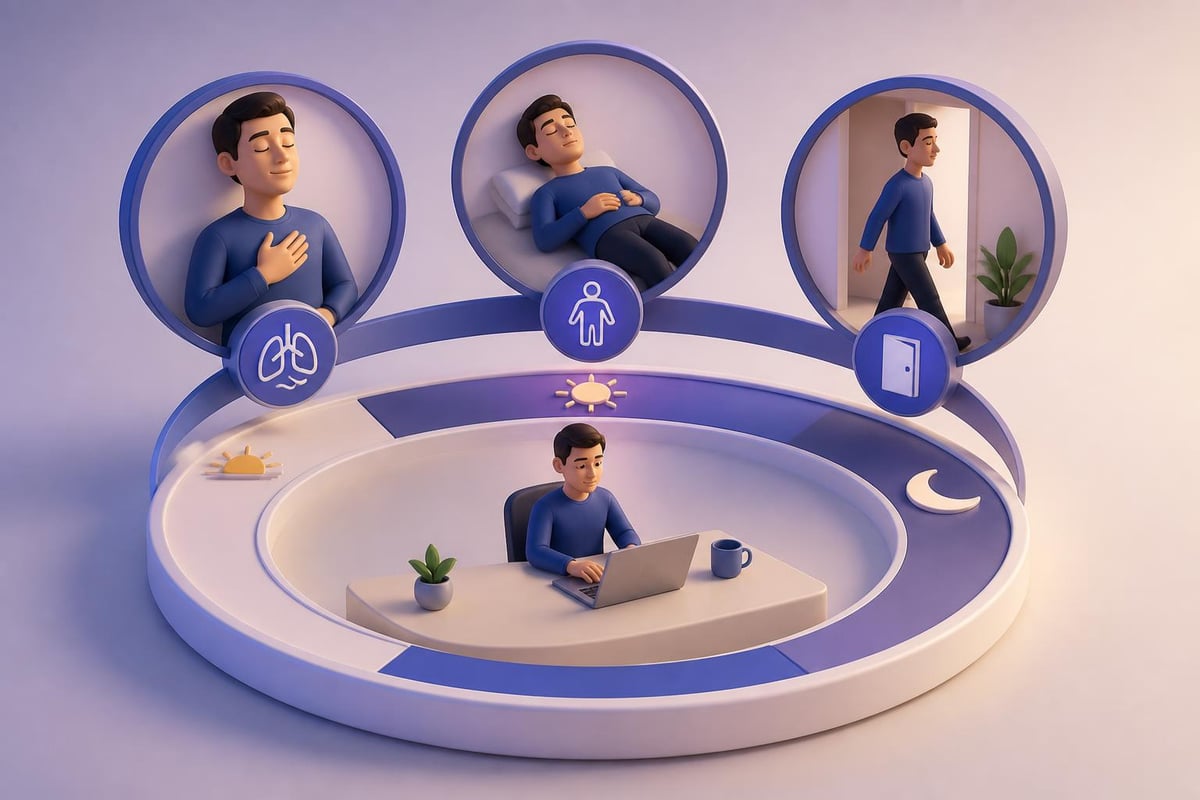
Mindfulness-based interventions have demonstrated effectiveness in reducing workplace stress and improving focus. These activities range from brief breathing exercises to guided meditation sessions.
Daily mindfulness practices include:
- Five-minute breathing exercises at the start of meetings
- Guided body scan sessions during lunch breaks
- Mindful transition practices between tasks
- Walking meditation during outdoor breaks
- Progressive muscle relaxation techniques
Organizations can offer both in-person and virtual options, ensuring accessibility for remote and hybrid teams. Wellness and mindfulness activities for the workplace emphasize present-moment awareness to counteract chronic stress responses.
Cognitive and Emotional Skill-Building Activities
Mental health activities for workplace resilience build specific psychological competencies. These skills enable employees to navigate challenges, regulate emotions, and maintain perspective during difficult periods.
| Activity Type | Primary Benefit | Implementation Format | Frequency Recommendation |
|---|---|---|---|
| Cognitive reframing workshops | Perspective shifting | 90-minute sessions | Quarterly |
| Emotional regulation training | Stress management | Online modules | Monthly |
| Resilience skill development | Adaptability | Half-day workshops | Bi-annually |
| Gratitude practices | Positive psychology | Daily journaling | Ongoing |
| Problem-solving circles | Collaborative support | Weekly meetings | Regular |
These structured interventions provide employees with transferable skills applicable beyond specific workplace situations. Understanding mental health in the workplace requires recognizing how skill development supports long-term psychological wellbeing.
Team-Based Mental Health Activities and Social Connection
Social connection represents a critical protective factor against workplace stress and burnout. Team-based mental health activities for workplace environments strengthen relationships while normalizing mental health conversations.
Collaborative Wellness Initiatives
Group activities create shared experiences that build psychological safety and trust among team members. Mental health team-building activities foster emotional support networks within organizations.
Effective team-based activities:
- Mental fitness discussion circles focusing on shared challenges
- Group creative projects reducing performance pressure
- Team wellness challenges promoting healthy habits
- Peer support partnerships for mutual accountability
- Collaborative problem-solving sessions addressing workplace stressors
These activities work best when participation remains voluntary and confidentiality is clearly established. Forced participation can undermine the psychological safety these initiatives aim to create.
Peer Support Programs and Employee Resource Groups
Structured peer support extends mental health activities beyond formal programs. Training employees to provide appropriate support creates sustainable wellness infrastructure.
Peer support models include:
- Mental Health First Aid training for designated team members
- Buddy systems pairing new employees with experienced colleagues
- Employee resource groups focusing on specific mental health topics
- Listening circles providing safe spaces for sharing experiences
- Mentorship programs addressing career-related stress
These initiatives complement professional mental health services without replacing clinical support when needed.
Manager-Led Mental Health Activities and Leadership Development
Managers significantly influence team mental health through their leadership approaches and daily interactions. Mental health activities for workplace leaders develop specific competencies for supporting employee wellbeing.
Trauma-Informed Leadership Practices
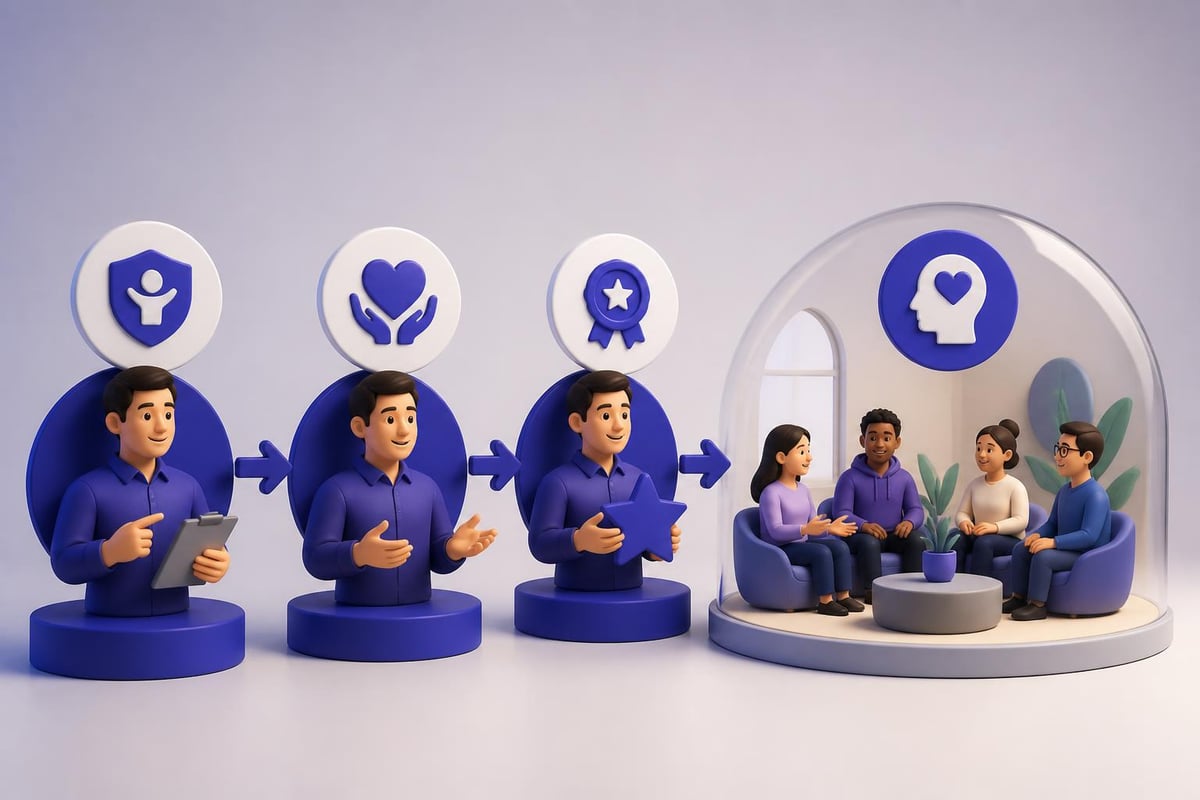
Trauma-informed approaches recognize how past experiences influence present behavior and stress responses. Managers trained in these principles create psychologically safer environments through:
- Non-judgmental communication patterns
- Flexibility in performance expectations during difficult periods
- Recognition of individual differences in stress responses
- Clear boundaries between support and clinical intervention
- Appropriate referral to professional resources
Leadership training transforms organizational culture more effectively than employee-focused activities alone.
Regular Check-In Frameworks
Structured one-on-one conversations prevent mental health concerns from escalating. Managers need specific frameworks for conducting supportive check-ins without overstepping professional boundaries.
Effective check-in components:
| Element | Purpose | Manager Action |
|---|---|---|
| Open-ended questions | Encourage sharing | “How are you managing your workload?” |
| Active listening | Demonstrate care | Summarize and validate responses |
| Resource awareness | Provide support options | Know available mental health resources |
| Boundary setting | Maintain professional limits | Recognize when to refer to professionals |
| Follow-up | Show consistency | Schedule regular conversations |
These conversations normalize mental health discussions and identify concerns before they become crises.
Organizational-Level Mental Health Activities and System Changes
Individual and team activities require organizational support structures to achieve sustainable impact. System-level mental health activities for workplace transformation address policies, resources, and cultural norms.
Wellbeing Assessments and Strategic Planning
Comprehensive workplace wellbeing assessments identify specific organizational needs and measure program effectiveness. Mental health awareness activities work best when tailored to assessment findings rather than generic templates.
Assessment approaches include:
- Anonymous employee surveys measuring psychological safety and stress levels
- Focus groups exploring specific departmental challenges
- Analysis of absenteeism and turnover patterns
- Review of existing mental health resources and utilization rates
- Benchmarking against industry standards
Data-driven planning ensures mental health activities address actual needs rather than assumptions.
Resource Development and Accessibility Improvements
Organizational commitment requires investment in accessible mental health resources. These may include:
- Employee Assistance Programs with comprehensive counseling services
- Mental health days as standard leave entitlements
- Flexible work arrangements accommodating individual needs
- Training programs building organizational mental health literacy
- Crisis response protocols for acute mental health situations
Mental health awareness activities for employees emphasize the importance of embedding wellness into organizational infrastructure.
Creative and Expressive Mental Health Activities
Non-traditional activities provide alternative outlets for stress management and self-expression. Creative approaches particularly benefit employees who find conventional wellness activities less engaging.
Arts-Based Interventions
Creative expression offers unique mental health benefits without requiring artistic skill. Activities include:
- Group art projects reducing performance anxiety
- Music listening sessions for mood regulation
- Creative writing workshops for emotional processing
- Drama-based activities developing empathy
- Photography challenges encouraging mindfulness
These activities engage different cognitive processes than analytical work, providing psychological variety.
Physical Movement and Embodied Practices
Mind-body connections influence mental health outcomes. Movement-based mental health activities for workplace settings include:
Low-barrier movement options:
- Desk yoga sequences during breaks
- Walking meetings for team discussions
- Stretching routines before focused work periods
- Dance breaks reducing tension
- Team sports leagues building social connections
Physical activities complement cognitive interventions by addressing stress stored in the body.
Measuring Impact and Adjusting Mental Health Programs
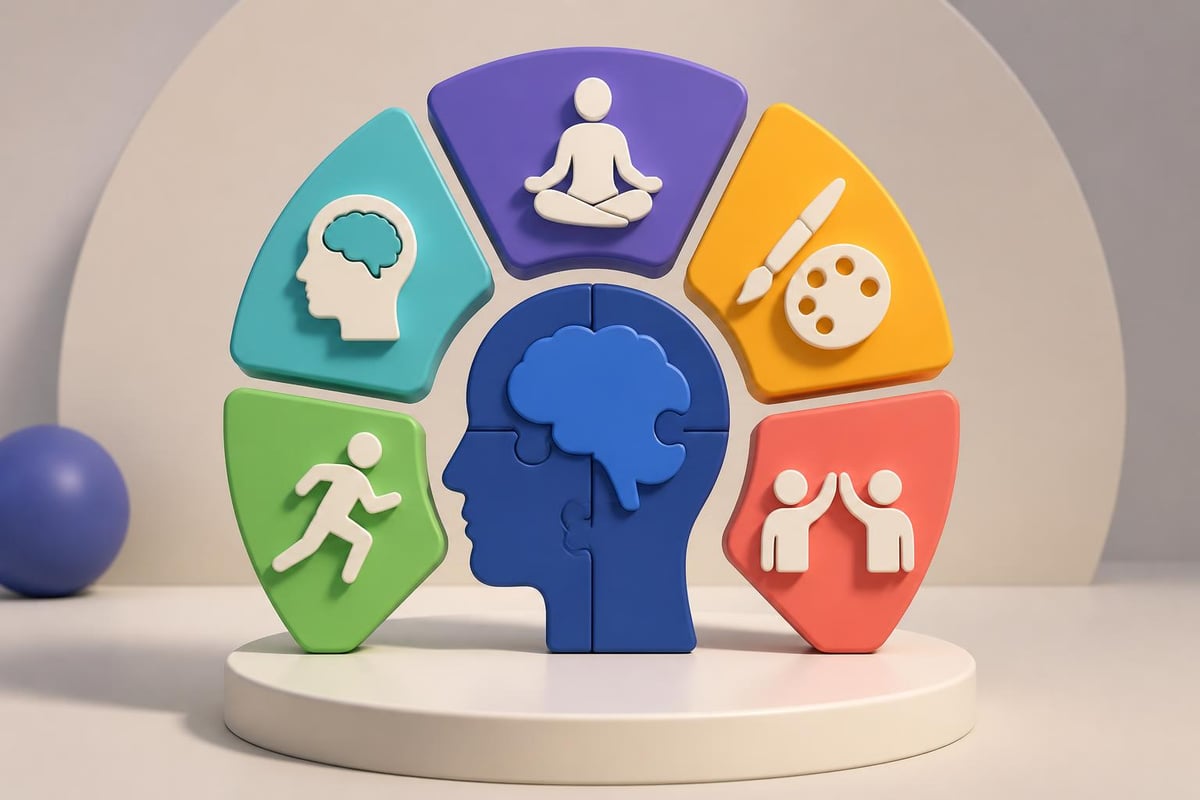
Effective mental health activities for workplace wellness require ongoing evaluation and refinement. Organizations should establish clear metrics before implementation and regularly assess outcomes.
Key Performance Indicators for Mental Health Programs
Measurement frameworks balance quantitative data with qualitative feedback:
| Metric Category | Specific Indicators | Data Sources |
|---|---|---|
| Participation | Activity attendance rates, program enrollment | Program tracking systems |
| Satisfaction | Employee feedback scores, qualitative comments | Post-activity surveys |
| Knowledge | Mental health literacy improvements | Pre/post assessments |
| Behavior | Help-seeking rates, resource utilization | EAP data, HR records |
| Outcomes | Stress levels, engagement scores, absenteeism | Annual surveys, HR metrics |
Evaluation should occur at multiple intervals: immediately post-activity, three months later, and annually for program-level assessment.
Continuous Improvement Processes
Mental health programs require iterative refinement based on feedback and outcomes. Data-backed mental wellness activities demonstrate superior effectiveness compared to generic wellness initiatives.
Refinement strategies include:
- Regular employee feedback sessions identifying barriers and preferences
- Analysis of participation patterns across departments and demographics
- Benchmarking against similar organizations and industry standards
- Pilot testing new activities before organization-wide rollout
- Adjustment of timing, format, and content based on utilization data
Organizations achieving the greatest impact treat mental health programs as evolving systems rather than static initiatives.
Addressing Implementation Challenges and Resistance
Even well-designed mental health activities for workplace settings encounter obstacles. Proactive strategies address common challenges before they undermine program effectiveness.
Overcoming Stigma and Encouraging Participation
Cultural barriers often prevent employees from engaging with mental health resources. Reducing stigma requires:
- Leadership participation: Executives and managers modeling engagement
- Confidentiality assurances: Clear policies protecting employee privacy
- Normalized language: Discussing mental health as part of overall wellness
- Diverse activity options: Multiple pathways accommodating different preferences
- Positive framing: Emphasizing growth and resilience rather than deficit
Organizations successfully reducing stigma consistently communicate that mental health support represents strength and self-awareness rather than weakness.
Managing Time and Resource Constraints
Practical barriers frequently limit mental health program implementation. Solutions include:
Efficiency-focused approaches:
- Integrating brief activities into existing meetings
- Offering flexible participation options (in-person, virtual, asynchronous)
- Starting with low-cost, high-impact activities before expanding
- Leveraging external expertise through partnerships
- Building mental health components into existing training programs
Resource allocation demonstrates organizational priorities. Even modest investments in mental health activities yield returns through reduced absenteeism and improved retention.
Specialized Activities for High-Stress Roles and Situations
Certain workplace environments and periods require tailored mental health support. Crisis response, healthcare, customer service, and deadline-driven roles create unique psychological demands.
Trauma-Informed Care for High-Risk Occupations
Employees experiencing workplace trauma or vicarious traumatization need specialized support. Trauma-informed mental health activities for workplace contexts include:
- Psychological debriefing following critical incidents
- Peer support groups for shared occupational experiences
- Boundary-setting training for emotionally demanding roles
- Self-care planning addressing compassion fatigue
- Resilience workshops building stress tolerance
These interventions recognize the cumulative impact of occupational stress and provide proactive support rather than waiting for crisis points.
Seasonal and Situational Mental Health Support
Organizations can intensify mental health activities during predictably stressful periods:
- Peak business seasons requiring extended hours
- Organizational changes including restructuring or leadership transitions
- External crises affecting employee wellbeing
- Anniversary dates of traumatic workplace events
- Seasonal mental health challenges during winter months
Anticipatory support demonstrates organizational attentiveness and prevents escalation of mental health concerns.
Building Sustainable Mental Health Culture
Long-term success requires embedding mental health activities for workplace wellness into organizational DNA. Cultural transformation extends beyond programs to values, policies, and everyday interactions.
Leadership Commitment and Accountability
Sustainable mental health culture requires visible, consistent leadership support. Leaders demonstrate commitment through:
- Regular communication about mental health priorities
- Allocation of dedicated budget and personnel resources
- Integration of mental health metrics into organizational scorecards
- Personal participation in wellness activities
- Accountability for creating psychologically safe environments
Without leadership commitment, mental health initiatives remain peripheral rather than central to organizational functioning.
Continuous Learning and Adaptation
Mental health best practices evolve as research advances and workplace dynamics shift. Organizations maintaining cutting-edge programs invest in:
Ongoing development approaches:
- Professional development for mental health program coordinators
- Partnerships with mental health experts and training organizations
- Participation in industry networks sharing best practices
- Regular review of emerging research and innovative interventions
- Employee input mechanisms capturing frontline perspectives
This learning orientation ensures mental health activities remain relevant and effective over time.
Implementing comprehensive mental health activities for workplace wellness requires strategic planning, sustained commitment, and continuous refinement based on organizational needs and employee feedback. The most effective programs integrate evidence-based activities addressing individual skills, team dynamics, and organizational systems while maintaining accessibility and relevance to daily work experiences. Workplace Mental Health Institute provides specialized training and consultation services that help organizations develop and implement tailored mental health strategies, from workplace wellbeing assessments to trauma-informed care training, ensuring your programs deliver measurable improvements in employee mental health and organizational performance.

