
Law enforcement officers face unprecedented mental health challenges in their daily work, encountering individuals in crisis while managing their own psychological wellbeing under extraordinarily stressful conditions. The complexity of these dual demands has driven a fundamental shift in how police departments approach training, with law enforcement mental health training emerging as an essential component of professional development rather than an optional add-on. This evolution reflects growing recognition that officers need specialized knowledge to respond effectively to mental health crises while protecting their own psychological health in one of the most demanding professions.
The Dual Focus of Modern Mental Health Training
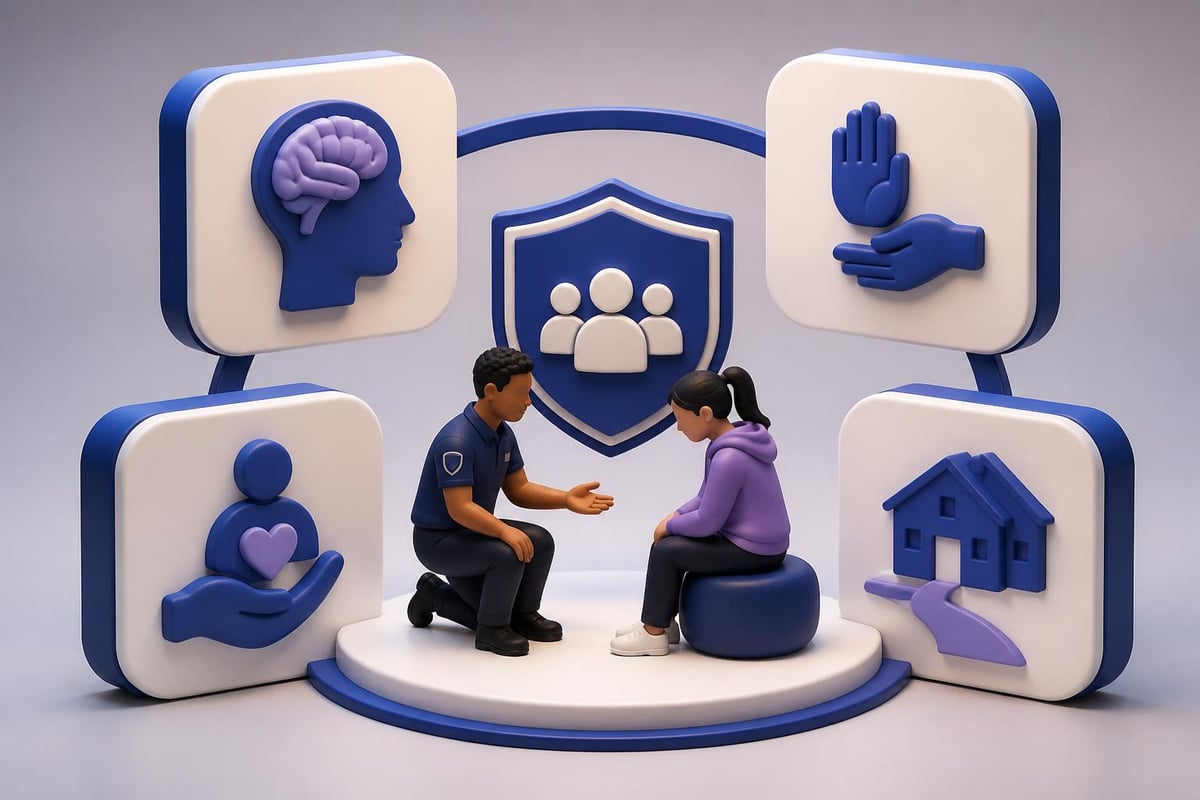
Contemporary law enforcement mental health training addresses two distinct but interconnected areas: crisis intervention skills for responding to community members experiencing mental health emergencies, and psychological resilience programs designed to protect officer wellbeing. This dual approach recognizes that officers cannot provide effective crisis response if they are struggling with unaddressed trauma or chronic stress themselves.
Crisis Intervention Team Programs
The Crisis Intervention Team (CIT) model represents the gold standard for equipping officers with mental health crisis response capabilities. These intensive programs typically involve 40 hours of specialized instruction covering:
- Recognition of psychiatric symptoms and behavioral health conditions
- De-escalation techniques specific to mental health crises
- Understanding trauma responses and their impact on behavior
- Connection protocols linking individuals to appropriate mental health services
- Legal considerations in mental health encounters
Evidence demonstrates that CIT-trained officers are more likely to resolve mental health crisis calls without arrests or use of force, connecting individuals to treatment rather than routing them through the criminal justice system.
Officer Psychological Wellness Programs
The second critical dimension addresses the mental health needs of law enforcement personnel themselves. Officers experience cumulative exposure to traumatic events, critical incidents, and sustained operational stress that can lead to post-traumatic stress, depression, anxiety, and substance use disorders. Training programs focused on supporting law enforcement mental wellness equip departments and clinicians with tools to recognize warning signs and provide appropriate intervention.
| Training Component | Community Focus | Officer Wellness Focus |
|---|---|---|
| Primary Goal | Effective crisis response | Psychological resilience |
| Core Skills | De-escalation, assessment | Stress management, peer support |
| Outcome Metrics | Crisis resolution rates | Officer retention, sick leave |
| Support Systems | Mental health service connections | Peer support networks, clinical resources |
Evidence-Based Training Curriculum Design
Effective law enforcement mental health training programs incorporate adult learning principles, scenario-based instruction, and ongoing reinforcement rather than one-time presentations. The most successful approaches integrate multiple instructional methodologies to ensure knowledge retention and skill transfer to real-world situations.
Foundational Knowledge Components
Officers require comprehensive understanding of mental health conditions, including major depression, bipolar disorder, schizophrenia, post-traumatic stress disorder, and substance use disorders. Training should address:
- Diagnostic criteria and symptom presentation specific to each condition
- Medication effects and side effects that may influence behavior
- Trauma-informed perspectives on seemingly non-compliant behaviors
- Cultural competency in recognizing mental health across diverse populations
- Developmental considerations for youth and aging populations
This foundational knowledge enables officers to make informed assessments during crisis encounters, distinguishing between criminal behavior and manifestations of mental illness requiring clinical intervention.
Applied Skills Development
Knowledge alone proves insufficient without practical skill development through realistic scenario training. High-quality programs incorporate:
- Role-playing exercises with actors simulating various mental health crises
- Video analysis of successful and unsuccessful crisis interventions
- Communication technique practice emphasizing active listening and verbal de-escalation
- Decision-making frameworks for assessing risk and determining appropriate responses
- Stress inoculation training preparing officers for emotional intensity of crisis situations
Mental health training programs in California exemplify comprehensive curriculum design that balances theoretical knowledge with hands-on skill application through supervised practice opportunities.
Organizational Implementation Strategies
Individual officer training represents only one element of effective implementation. Departments must create systemic support for mental health-informed policing through policy development, resource allocation, and cultural transformation.
Leadership Commitment and Policy Development
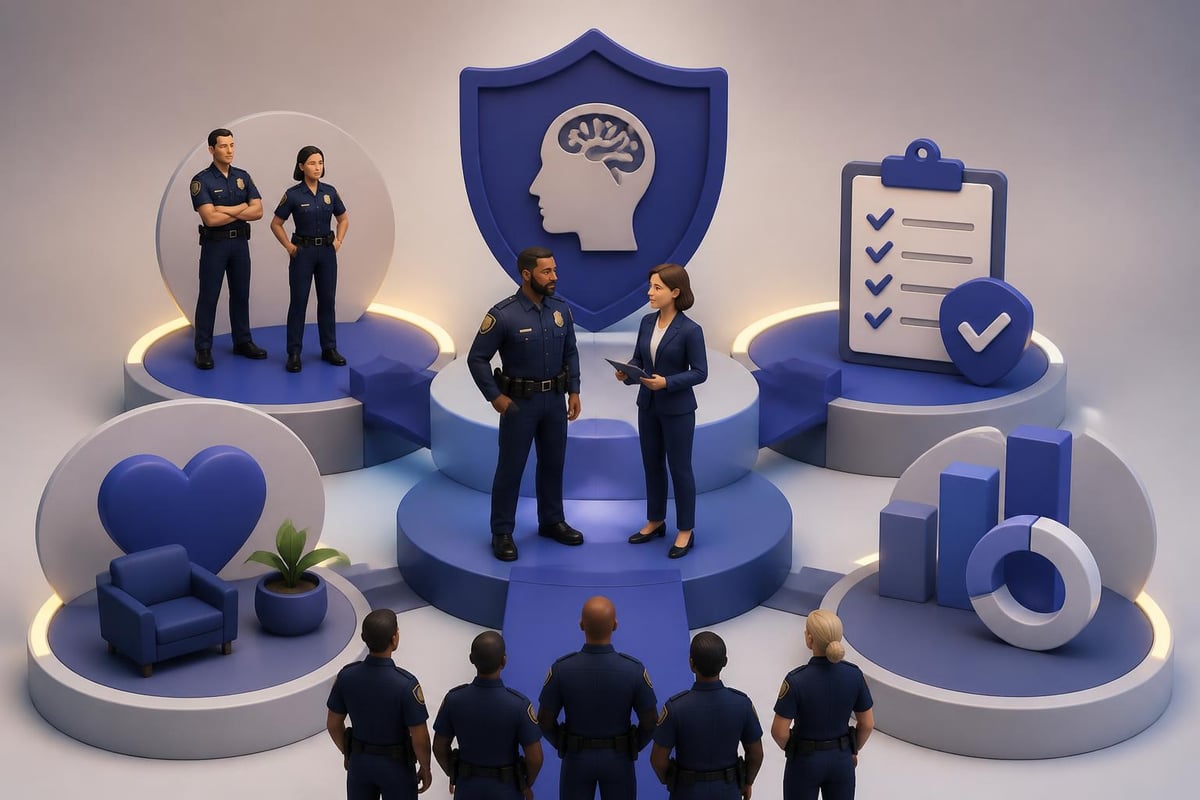
Executive leadership plays a decisive role in normalizing mental health awareness within law enforcement culture. Chiefs and command staff must:
- Establish clear policies prioritizing mental health crisis diversion over arrest
- Allocate dedicated resources for ongoing training and program sustainment
- Model vulnerability by discussing mental health openly
- Remove stigma associated with officers seeking psychological support
- Integrate mental health performance metrics into accountability systems
Without visible leadership commitment, even excellent training programs struggle to achieve lasting cultural change or operational impact.
Collaborative Partnerships with Mental Health Systems
Effective crisis intervention requires strong partnerships between law enforcement and mental health service providers. Training should facilitate relationship-building with:
- Community mental health centers and crisis stabilization units
- Mobile crisis teams providing co-response or alternative response
- Hospital emergency departments with psychiatric capabilities
- Peer support specialists and recovery community organizations
- Housing and social service providers addressing underlying needs
The Justice and Mental Health Collaboration Program provides frameworks and funding for developing these essential cross-system partnerships that enable officers to connect individuals with appropriate care rather than defaulting to arrest.
Measuring Training Effectiveness and Outcomes
Rigorous evaluation distinguishes effective training from performative programming. Departments should implement comprehensive measurement strategies tracking both process and outcome indicators.
Process Metrics
Process evaluation examines training delivery quality and participation:
- Officer completion rates and training hours per person
- Pre- and post-training knowledge assessments
- Participant satisfaction and perceived skill development
- Training fidelity monitoring ensuring consistent curriculum delivery
- Refresher training participation and frequency
These metrics provide insight into program reach and immediate learning outcomes but cannot demonstrate real-world impact without outcome measurement.
Outcome Indicators
Outcome evaluation assesses whether training translates to improved performance:
| Outcome Category | Specific Metrics | Data Sources |
|---|---|---|
| Crisis Response | Arrest vs. diversion rates, use of force incidents | CAD systems, incident reports |
| Community Safety | Injury rates (officer and civilian), repeat crisis calls | Emergency medical services, dispatch data |
| System Impact | Emergency department utilization, jail bookings | Healthcare systems, corrections data |
| Officer Wellbeing | Sick leave usage, retention rates, peer support utilization | Human resources, wellness program records |
Comprehensive evaluation enables continuous program improvement while demonstrating value to stakeholders and funding sources. Recent investigative findings regarding inadequate mental health response underscore the critical importance of measuring whether training produces meaningful behavioral change.
Addressing Officer Mental Health and Resilience
While crisis intervention training focuses outward on community interactions, officer wellness programs address the internal psychological challenges inherent to law enforcement work. These complementary training approaches recognize that officers cannot effectively support others while experiencing their own untreated mental health conditions.
Peer Support Networks
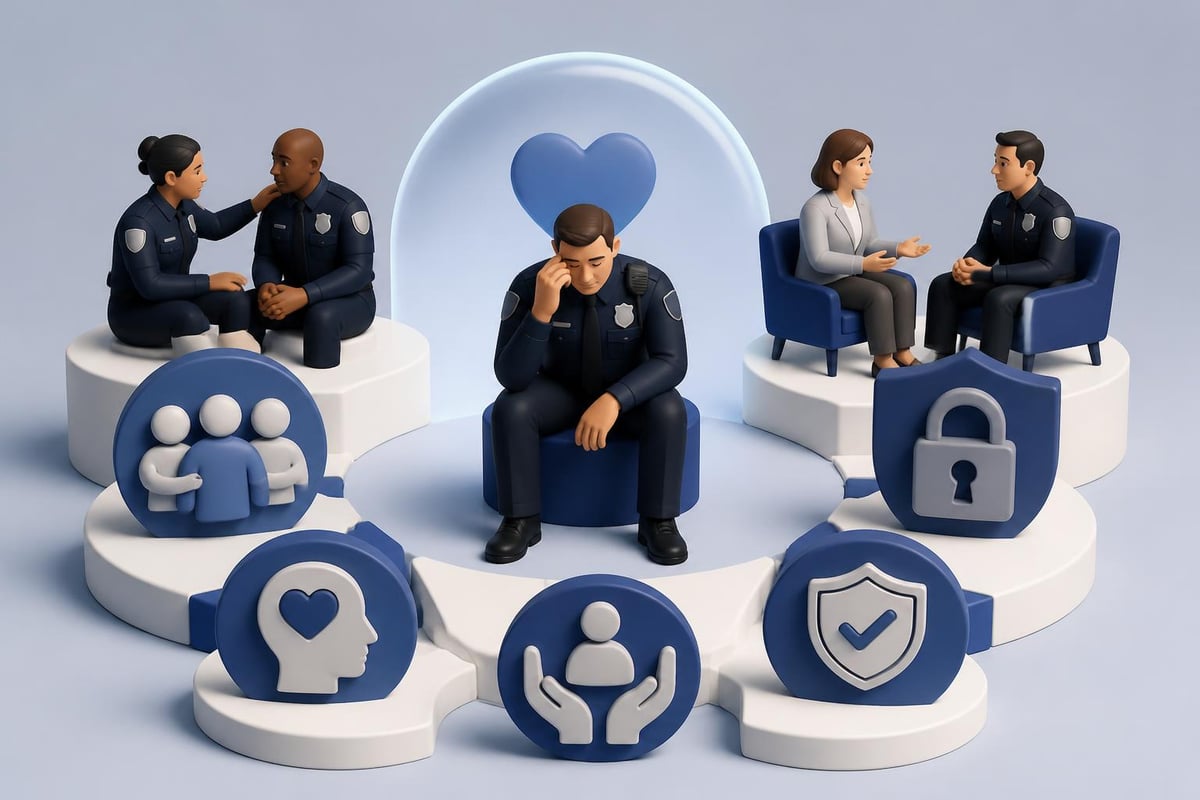
Peer support programs like NAMI California’s COPE initiative train officers to recognize signs of psychological distress in colleagues and provide initial support before problems escalate. Peer supporters receive specialized training in:
- Active listening and supportive communication
- Recognition of warning signs including behavioral changes
- Confidential check-in protocols following critical incidents
- Navigation of department mental health resources
- Boundaries between peer support and professional counseling
Peer programs prove particularly effective in law enforcement culture where officers may resist seeking help from external mental health professionals but will accept support from trusted colleagues who understand the unique demands of police work.
Trauma-Informed Organizational Practices
Progressive departments implement trauma-informed approaches recognizing that cumulative exposure affects all personnel regardless of individual resilience. Organizational practices include:
- Mandatory critical incident debriefings following traumatic events
- Anonymous mental health screening integrated into routine wellness checks
- Confidential counseling access through employee assistance programs
- Stigma reduction campaigns normalizing help-seeking behaviors
- Workload management preventing excessive overtime and burnout
These systemic supports create environments where officers feel safe acknowledging psychological struggles and accessing appropriate care without career consequences. Workplace Mental Health Institute specializes in developing trauma-informed organizational cultures that prioritize psychological safety alongside physical safety.
Training Challenges and Solutions
Despite growing recognition of its importance, law enforcement mental health training faces persistent implementation barriers that departments must address strategically.
Resource Constraints
Budget limitations and staffing shortages make dedicating 40 hours per officer to specialized training seem impractical. Solutions include:
- Train-the-trainer models developing internal expertise to reduce external costs
- Modular curricula allowing progressive skill development over time
- Regional training consortiums sharing resources across multiple agencies
- Grant funding through federal and state mental health collaboration programs
- Online components reducing in-person time requirements while maintaining quality
Strategic resource allocation recognizes that effective training reduces long-term costs through decreased use of force incidents, litigation, and officer turnover.
Cultural Resistance
Traditional law enforcement culture emphasizing toughness and self-reliance can create resistance to mental health training. Overcoming this barrier requires:
- Framing mental health skills as tactical competencies enhancing officer safety
- Incorporating officer testimony about personal experiences with mental health
- Demonstrating how training improves job performance and reduces stress
- Engaging union leadership as training advocates
- Celebrating successful crisis resolutions achieved through mental health approaches
Cultural transformation occurs gradually through consistent messaging, visible leadership support, and accumulating evidence of training benefits.
Future Directions and Emerging Practices
The field of law enforcement mental health training continues evolving based on emerging research, technological innovations, and lessons learned from pioneering programs.
Co-Response and Alternative Response Models
Progressive jurisdictions increasingly deploy mental health professionals alongside or instead of armed officers for certain crisis calls. These models require training for:
- Dispatchers to screen calls appropriate for mental health response
- Officers to work collaboratively with behavioral health clinicians
- Mental health professionals in safety considerations and police procedures
- Supervisors in coordinating multi-disciplinary responses
Early evidence suggests co-response models reduce officer time spent on mental health calls while improving outcomes for individuals in crisis.
Virtual Reality and Simulation Technology
Advanced training platforms now offer immersive scenario practice using virtual reality headsets that replicate the stress and complexity of real mental health crisis encounters. Benefits include:
- Realistic stress inoculation without safety risks
- Immediate feedback on communication and decision-making
- Ability to practice rare or high-risk scenarios repeatedly
- Standardized training experiences across all participants
- Cost reduction compared to live scenario actors
As technology improves and costs decrease, simulation-based training will likely become standard in comprehensive programs.
Integration with Broader Workplace Mental Health Initiatives
Forward-thinking departments recognize law enforcement mental health training as part of comprehensive workplace wellbeing strategies rather than isolated programming. This integration connects crisis intervention skills with organizational mental health literacy, manager training in supportive supervision, and employee assistance resources creating cohesive support systems.
Building Sustainable Training Programs
Long-term success requires embedding mental health training into organizational DNA rather than treating it as a temporary initiative. Sustainable programs incorporate:
- Annual refresher training maintaining and advancing skills
- New officer academy integration establishing mental health competency from day one
- Promotional requirements ensuring supervisors possess advanced mental health knowledge
- Continuous quality improvement using data to refine curriculum
- Community partnership maintenance sustaining collaborative relationships
Departments that view law enforcement mental health training as ongoing professional development rather than one-time compliance demonstrate superior outcomes in both crisis response effectiveness and officer wellbeing metrics.
Law enforcement mental health training represents essential professional development that protects both community members in crisis and the psychological wellbeing of officers themselves. As departments implement comprehensive programs addressing crisis intervention skills and officer resilience, they create safer, more effective responses while supporting workforce mental health. Workplace Mental Health Institute offers evidence-based training programs designed to build organizational capacity for mental health support across high-stress professions, combining practical skills development with trauma-informed approaches that drive measurable improvements in workplace performance and employee wellbeing.

